
2027 Business Administration Degree vs Bootcamp vs Certificate: Which Path Leads to Better Career Outcomes?

Co-Founder and Chief Data Scientist
The choice between a business administration degree, a bootcamp, and a certificate is not just a question of convenience. It affects cost, time to employment, salary potential, employer screening, networking access, and long-term promotion options. A faster program can help you enter or pivot in the workforce sooner, while a degree may carry stronger signaling power with employers that still use formal education as a hiring or advancement filter.
Available data point to real differences. For example, data from the National Association of Colleges and Employers show that bachelor's degree holders earn on average 20% more than bootcamp or certificate completers in related fields. Still, the best pathway depends on your starting point: a recent high school graduate, a working adult, a career changer, and an experienced employee seeking promotion may each reach a different conclusion.
This guide compares the three routes across cost, completion time, salary, job placement, admissions barriers, curriculum depth, return on investment, employer preferences, location, and graduate perspectives so you can choose the option that fits your career target—not just the one that looks fastest or cheapest.
Key Things to Know About Which Path Leads to Better Career Outcomes: Business Administration Degree, Bootcamp, or Certificate
- Business Administration degree holders typically earn 20% higher salaries after five years-reflecting employer preference for comprehensive credentials and stronger long-term growth opportunities.
- Bootcamp graduates benefit from faster job placements-often within six months-but face limitations in networking access and long-term advancement in traditional corporate roles.
- Certificates offer cost-effective skill validation-ideal for adult learners seeking targeted upskilling-but usually yield lower salary increases and less credibility without complementary experience.
How Does Business Administration Degree Compare to Bootcamps and Certificates in Total Program Cost and Time to Completion?
A business administration degree usually costs the most and takes the longest, but it also provides the broadest credential. Bootcamps and certificates are faster and less expensive, but they are narrower in scope and may not carry the same weight with employers that require accredited degrees for business, finance, management, or leadership-track roles.
A traditional business administration degree is typically an associate's or bachelor's program offered by an accredited college or university. Associate's degrees often require about two years full-time, while bachelor's degrees typically take four years. According to the National Center for Education Statistics (NCES) and the Integrated Postsecondary Education Data System (IPEDS), total costs for a bachelor's degree range widely-from $40,000 to over $100,000-depending on factors like public versus private colleges and residency status. Part-time enrollment can make a degree easier to manage with work, but it usually extends the timeline.
Bootcamps are designed for speed. They commonly run roughly eight to 26 weeks and focus on applied business skills such as analytics, project coordination, operations, sales enablement, or digital marketing. Data from SwitchUp and Course Report indicate typical bootcamp costs span $7,000 to $15,000, with price differences often tied to brand recognition, instructor support, employer partnerships, and career services.
Professional certificates are usually the most flexible option. Offered by platforms such as Coursera, Google, and industry groups, they may be self-paced or instructor-led and often last from a few weeks to several months. Costs typically range from a few hundred to a few thousand dollars. Certificates work best when they fill a specific skills gap or strengthen an existing resume rather than replace a full business education.
| Pathway | Typical Time to Completion | Typical Cost | Best Fit |
| Business administration degree | 2-4 years full-time | $40,000-$100,000+ | Students seeking broad business knowledge, accredited credentials, internships, and long-term advancement options |
| Business bootcamp | 2-6 months | $7,000-$15,000 | Learners who need job-ready skills quickly and can commit to an intensive schedule |
| Professional certificate | Weeks to months, usually self-paced | Several hundred to a few thousand dollars | Working adults, career changers, or employees who need targeted upskilling with maximum flexibility |
Cost and duration should not be evaluated in isolation. A lower-cost program is not automatically the better investment if it limits access to internships, alumni networks, or employers that screen for degrees. Likewise, a degree may not be necessary if your goal is a skill-specific role where a portfolio, experience, and employer-recognized certificate matter more. If you prefer a degree but need a lower-cost route, comparing online business school programs can help you evaluate flexible options alongside bootcamps and certificates.
For additional context on advanced study options, review the easiest master degree opportunities that may complement an undergraduate business pathway.
What Career Outcomes Can Business Administration Degree Graduates Expect Compared to Bootcamp and Certificate Completers?
Business administration degree graduates generally have an advantage in employment rate, starting salary, job title level, and access to traditional corporate career ladders. Data from the Bureau of Labor Statistics (BLS) and the NACE Early Career Salary Survey indicate that degree holders typically achieve an employment rate exceeding 80% within six months of graduation, with median starting salaries ranging from $50,000 to $60,000. Common early roles include financial analyst, management trainee, and business development associate.
Bootcamp and certificate completers can still produce strong outcomes, especially in specialized or tech-adjacent business roles. However, their results depend heavily on program quality, employer recognition, prior experience, and the learner's ability to demonstrate practical skills. Bootcamps and certificates often report employment rates between 60% and 75%, with stronger results in fields such as data analytics or project management where employers can evaluate portfolios and work samples directly.
- Employment rate: Degree programs tend to show stronger six-month employment outcomes, while bootcamps and certificates can perform well when they align tightly with in-demand business functions.
- Median starting salary: Degree holders commonly start higher, but bootcamps report median salaries frequently in the $45,000 to $55,000 range soon after completion. Certificates commonly lead to entry-level positions with salaries typically slightly below degree averages, though outcomes vary by industry and location.
- Job title level: Degree graduates are more likely to enter formal analyst, trainee, coordinator, or associate tracks. Bootcamp and certificate completers may compete better for skills-based roles where projects matter more than academic credentials.
- Data reliability: Bootcamp outcomes may be affected by self-reporting bias, survivorship bias, or selective disclosure. When possible, look for independently audited results or data verified by bodies like the Council on Integrity in Results Reporting (CIRR).
- Field dependence: Tech-enabled business areas tend to be more open to alternative credentials. Traditional finance, management, consulting, and corporate leadership tracks still tend to favor degrees.
- Individual factors: Portfolio quality, internships, prior work history, geographic location, networking, and interview performance can shift outcomes significantly within each pathway.
The practical takeaway is that credential type matters, but it is not the only factor. A degree can open more doors by default, while a bootcamp or certificate can be effective when paired with relevant experience, measurable projects, and a clear target role. Students comparing salary and job placement outcomes should ask not only “Which credential pays more?” but also “Which credential is recognized by the employers I want to work for?”
For a broader view of earnings by field, see degrees that make the most money.
Which Business Administration Pathway - Degree, Bootcamp, or Certificate - Offers the Highest Starting Salary for Graduates?
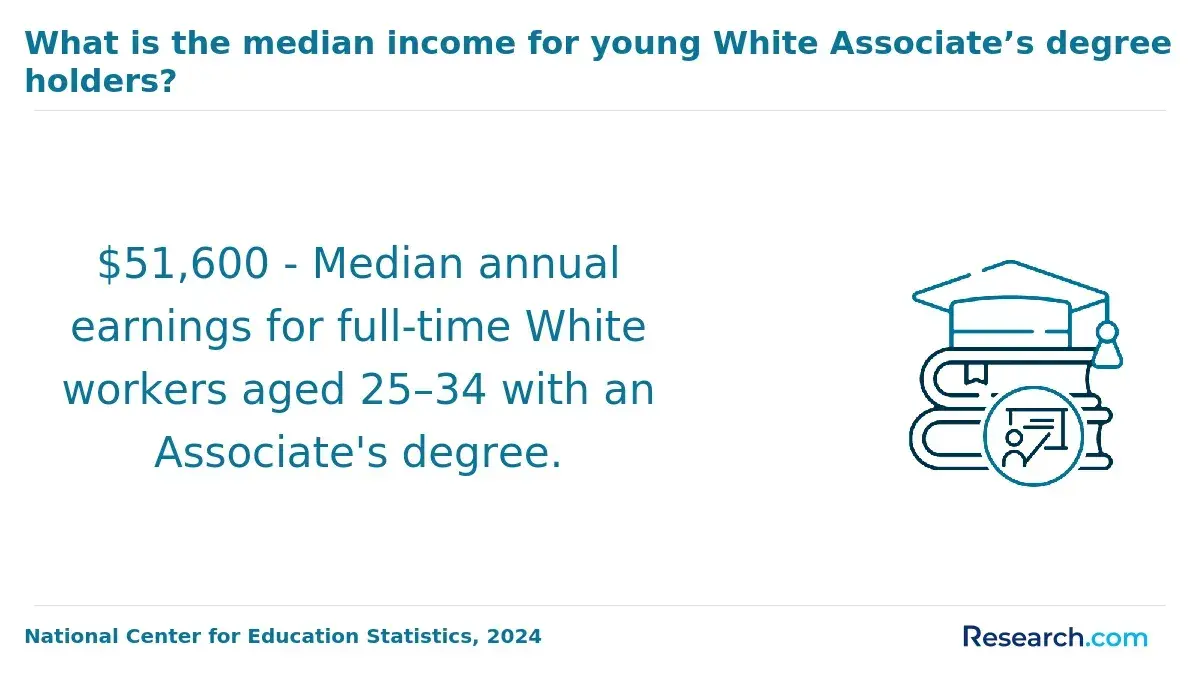
For most entry-level business roles, the business administration degree offers the highest starting salary. Bachelor's degree holders typically earn between $50,000 and $60,000 annually in roles like business analyst or financial analyst, according to reports from the National Association of Colleges and Employers (NACE) and Glassdoor. Bootcamp graduates generally start closer to $40,000-$50,000, often in startups or tech-oriented business teams. Professional certificate holders tend to see entry pay ranging from $38,000 to $48,000, with certificates producing the strongest pay impact when they build on prior experience.
| Pathway | Common Starting Salary Range | Typical Early Roles | Salary Advantage Conditions |
| Business administration degree | $50,000 to $60,000 | Business analyst, financial analyst, management trainee | Strongest in corporations, finance, consulting, and structured leadership pipelines |
| Bootcamp | $40,000-$50,000 | Business operations associate, data-focused business role, project support role | Stronger when the bootcamp teaches marketable technical or analytics skills |
| Certificate | $38,000 to $48,000 | Administrative, sales, operations, marketing, or project support roles | Stronger when combined with work experience or a recognized industry credential |
- Employer type: Larger corporations commonly prefer traditional degrees and may attach higher starting pay to degree-required roles. Smaller companies and startups may accept bootcamp or certificate candidates if they can show relevant work samples and practical skills.
- Industry sector: Finance, consulting, and technology sectors tend to offer stronger starting salaries, especially for degree holders. Nonprofit and retail industries may show narrower pay gaps.
- Job specificity: Roles requiring deeper business analysis, financial modeling, or management-track preparation are more likely to favor degree graduates. More general entry-level business roles may show closer pay parity.
- Geographic factors: Metropolitan areas such as New York and San Francisco provide higher salaries across all groups but maintain a consistent premium for degree holders.
- Salary growth: Degree holders often move more smoothly into specialized or leadership tracks when employers use formal education as a promotion requirement. Bootcamp and certificate completers can catch up over time, but they may need stronger experience, performance evidence, or additional credentials.
- Individual variation: Median figures can hide large differences based on prior experience, program reputation, specialization, negotiation skill, and willingness to relocate.
A professional who earned a business administration degree described the value this way: "Graduating gave me confidence in networking and problem-solving that bootcamps didn't fully cover. Landing a corporate role was challenging, but the structured knowledge helped me move up faster." His experience points to a common pattern: the degree may not guarantee an easy first job, but it can support higher starting compensation and clearer advancement in employers with formal career ladders.
How Do Employers Actually Evaluate Business Administration Credentials: Does a Degree Still Outrank a Bootcamp or Certificate?
In many business administration hiring processes, a degree still outranks a bootcamp or certificate—especially in large enterprises, government agencies, finance, healthcare, and other settings where employers value accredited education, regulatory awareness, and broad business training. A degree is often treated as a reliable signal that the candidate completed a structured curriculum in accounting, finance, management, economics, communications, and quantitative reasoning.
That said, employer behavior is not uniform. Startups, consulting firms, technology teams, and smaller businesses may evaluate candidates more directly through portfolios, case exercises, project results, software skills, and business problem-solving ability. In these environments, a bootcamp or certificate can compete effectively when it is tied to a clearly relevant skill set.
- Where degrees still dominate: Large organizations, regulated industries, government roles, formal analyst programs, and management-track positions often use degrees as screening criteria.
- Where bootcamps and certificates are more viable: Innovation-driven companies, tech-adjacent business functions, small firms, and project-based teams may value proof of skills as much as formal credentials.
- Skills-based hiring limits: Some major tech firms and government agencies have promoted skills-based hiring, but actual hiring outcomes do not always treat non-degree credentials as equivalent to degrees.
- Promotion considerations: Even if a bootcamp or certificate helps someone get hired, advancement into management may still be easier when the employee has a degree or later completes one.
- Best strategy: Match the credential to the target employer. Choose a degree for regulated, corporate, or leadership-track roles. Consider bootcamps or certificates for faster entry into skills-focused business roles.
Before enrolling, review job postings in your target market and compare the backgrounds of recent hires. If most employees in your desired role hold bachelor's degrees, a certificate alone may not be enough. If employers emphasize tools, projects, and measurable outcomes, a bootcamp or certificate may be a practical route. For those comparing flexible degree options in a related business field, reviewing the best online accounting degree programs can help clarify how accredited online study may combine credibility with practical preparation.
What Are the Admission Requirements and Academic Barriers for Business Administration Degree Programs Versus Bootcamps and Certificates?
Business administration degree programs usually have the highest admission barriers. Applicants often need a minimum GPA threshold-usually between 2.5 and 3.0 on a 4.0 scale-and may need prerequisite coursework in subjects such as math and English. Many four-year programs still request SAT or ACT scores, although some institutions have moved to test-optional policies. Letters of recommendation, personal essays, transcripts, and fixed application deadlines are also common.
Bootcamps and certificate programs are usually easier to enter. Many use open enrollment, rolling admissions, or short readiness assessments rather than traditional academic screening. This accessibility is one of their biggest advantages for working adults, career changers, and learners who do not want to wait for semester-based admissions cycles.
| Requirement | Degree Program | Bootcamp | Certificate Program |
| GPA review | Common, often between 2.5 and 3.0 on a 4.0 scale | Usually not required | Usually not required |
| Prerequisite coursework | Often required in foundational subjects | May require basic readiness for some technical topics | Usually minimal or none for entry-level certificates |
| Standardized tests | SAT or ACT may be required by many four-year programs | Rarely required | Rarely required |
| Essays or recommendations | Common | Sometimes requested for selective programs | Usually not required |
| Admissions timeline | Fixed deadlines and academic terms | Often rolling or cohort-based | Often open or self-paced |
The stricter admissions process for degrees can be both a barrier and a signal. It may slow access for students with weaker academic records or limited application support, but it also gives employers more confidence that graduates completed a vetted academic pathway. Bootcamps and certificates shift the burden from admissions screening to program quality: learners must investigate instructor credentials, curriculum rigor, project work, employer partnerships, and outcome transparency before enrolling.
One professional who built his career after a business administration bootcamp said the open enrollment "allowed me to start quickly without waiting for semesters." He valued the lack of GPA and standardized test hurdles but also emphasized the need to choose a program with strong instructors and real-world relevance. His experience reflects the main trade-off: alternative pathways are more accessible, but students must do more due diligence upfront.
How Does Curriculum Depth Differ Between a Business Administration Degree, a Bootcamp, and a Certificate Program?
A business administration degree provides the deepest and broadest curriculum. Bootcamps provide concentrated job-skills training. Certificates provide targeted learning in a specific function, tool, or professional area. The right choice depends on whether you need broad business judgment, immediate applied skills, or a focused credential to strengthen your current resume.
Degree programs
Degree programs combine general education with core business subjects such as finance, marketing, management, economics, accounting, business law, communications, ethics, and quantitative analysis. Students may also complete electives, internships, capstone projects, research assignments, or thesis work. This structure builds not only technical knowledge but also writing, analysis, teamwork, presentation, and decision-making skills.
The main advantage is transferability. A degree can support many different business roles over time, even if a student's first job changes. The main drawback is time: students spend years completing broader requirements that may not feel immediately connected to a first job.
Bootcamps
Bootcamps focus on a narrower set of practical skills. In business administration, that may include data analysis, project management, digital marketing, business operations, customer success, or sales strategy. They often use hands-on projects, portfolio assignments, simulations, and career coaching to prepare learners for fast entry into specific roles.
The advantage is speed and relevance. The limitation is depth. Bootcamps usually do not provide the same foundation in economics, accounting, organizational behavior, ethics, strategy, or research that a degree program offers. This can matter later when a graduate wants to move from execution-focused work into leadership or cross-functional management.
Certificate programs
Certificate programs vary widely. Some are entry-level credentials from providers such as Google or Coursera. Others are advanced professional certificates from industry organizations that validate specialized knowledge.
- Entry-level certificates: These are usually brief, skills-focused, and accessible to beginners. They can help a learner understand a tool, function, or business process, but they rarely provide enough depth to replace a full credential.
- Advanced professional certificates: These may support specialized credibility in areas such as project management or financial analysis and may require prior knowledge or work experience. They can be valuable for promotion or specialization but still do not duplicate the breadth of a degree.
In short, degrees build business versatility; bootcamps build role-specific readiness; certificates build focused competence. Students seeking long-term flexibility usually benefit from the degree structure, while learners who already know their target skill gap may be better served by a bootcamp or certificate.
Which Business Administration Path Produces the Fastest Return on Investment: Degree, Bootcamp, or Certificate?
The fastest return on investment depends on the learner's starting point. Certificates often produce the fastest short-term ROI because they cost less and can be completed while working. Bootcamps can also pay off quickly if they lead directly to a better job. Degrees usually take longer to recover their cost but may deliver stronger long-term returns through higher salary ceilings, broader employer recognition, and access to leadership-track roles.
To compare ROI fairly, include more than tuition. Add fees, books, technology, commuting or relocation, financing costs, and opportunity cost—the income you forgo while studying. A full-time degree can carry a high opportunity cost if it requires leaving work. A part-time certificate may have a lower opportunity cost because the learner can continue earning while studying.
- Recent High School Graduate: Without prior income, opportunity cost is minimal, so a four-year degree's ROI often surpasses bootcamps and certificates over ten years-due to higher salary premiums and stronger career growth. Bootcamps and certificates enable faster entry into the workforce, generating positive ROI within five years, though their salary increases tend to plateau earlier.
- Mid-Career Professional: Leaving a $50,000/year job for full-time study carries significant opportunity costs. Part-time certificates frequently deliver better five-year ROI, while bootcamps provide quick skill upgrades at lower costs. Degrees recover costs more slowly but may open doors to higher leadership roles and advancement.
- Part-Time Learner: Studying while employed drastically lowers opportunity cost. Part-time degrees and certificates demonstrate solid ROI within five years. Bootcamps, despite higher upfront costs and shorter duration, offer ROI dependent on immediate job market relevance and demand for credentials.
Salary benchmarks from the National Association of Colleges and Employers and cost data from the National Center for Education Statistics-paired with bootcamp outcomes-show that no single pathway produces the fastest ROI for everyone. A certificate may be best for a worker who needs one new skill for promotion. A bootcamp may be best for a career changer targeting a specific business technology role. A degree may be best for someone seeking durable mobility across business functions and employers.
The decision should combine financial return with credential fit. If your target employers require degrees, the faster option may not lead to the role you want. If your target employers prioritize skills and projects, a lower-cost alternative may be the smarter first move.
How Do Business Administration Bootcamps and Certificate Programs Compare to Degree Programs on Job Placement Rates?
Degree programs usually have more established job placement infrastructure, while bootcamps often market faster placement support. Certificate programs vary the most and may provide little formal placement tracking. The most important issue is not the headline placement rate but how the program defines, verifies, and reports employment outcomes.
Job placement reporting
Business administration bootcamp job placement rates often rely on self-reported data, and transparency varies widely. Some bootcamps follow CIRR standards-an independently audited reporting framework-that can make their results more credible. Degree programs often rely on institutional career services and federal IPEDS graduate outcomes data, which may track employment over longer timeframes.
Definition of placement
"Placement" can mean different things. Some bootcamps may count broad employment in sales, administrative work, or related support roles. Degree programs are more likely to report outcomes tied to business administration roles such as management, operations, or financial analysis, though practices still vary by institution. Certificate providers may rely on employer partnerships, learner surveys, or limited follow-up.
Reporting methodology
Degree programs often collect data through surveys conducted months or a year after graduation, which can better capture sustained employment. Bootcamp outcomes may emphasize short-term hiring within weeks after completion. Certificate program reporting is less standardized, so students should treat marketing claims carefully.
Career services impact
Career support can materially change outcomes across all pathways. Strong programs offer employer partnerships, resume coaching, mock interviews, alumni referrals, internship or project opportunities, and structured job-search accountability. A cheaper program with weak career services may lead to a slower job search than a more expensive program with active employer connections.
Benchmarking outcomes
Prospective students should ask for job role specificity, salary ranges, time-to-placement, response rates, and whether results are independently audited. Industry averages in business administration show degree programs reporting 70-90% placement over 6-12 months, with CIRR-audited bootcamps around 60-80% within three months, though variation exists. For comparison with another structured graduate pathway, reviewing an urban planning master can help illustrate how program rigor and outcomes reporting differ by field.
What Role Does Networking and Alumni Access Play in Business Administration Degree Programs Versus Bootcamps and Certificates?
Networking is one of the biggest differences between the three pathways. Business administration is a relationship-driven field, and access to alumni, faculty, recruiters, internships, and peer networks can influence both the first job and later promotions. Instruction matters, but who you meet through the program can matter just as much.
- Degree Programs: Business administration degree networking advantages are usually strongest in traditional degree programs. Students may gain access to alumni associations, career fairs, faculty mentorship, internship pipelines, student business organizations, Greek life, and employer recruiting events. The value depends on the institution's reputation, location, employer relationships, and alumni engagement. A well-connected university can create career opportunities that continue for decades.
- Bootcamps: Bootcamps often create tight cohort communities and can offer strong peer support, alumni referrals, and direct hiring relationships with employers in specific niches. Their networks are usually smaller than university networks, but they may be more focused on immediate job placement. Established bootcamps in technology-adjacent business roles can be valuable when their employer partnerships align with a student's target job.
- Certificate Programs: Credential providers such as Google Career Certificates, Salesforce Trailhead, and industry associations may offer professional communities, discussion groups, employer exposure, or certification-based networks. These networks are usually less formal than university alumni systems and require more initiative from the learner. Their value depends heavily on the provider's reputation and the learner's willingness to engage.
Students should evaluate network quality before enrolling. Ask how many employers recruit from the program, whether alumni respond to outreach, whether career fairs include relevant business employers, and whether the program has active LinkedIn or professional communities. For learners comparing broader career pathways outside business, the master of social work research available may offer another example of how graduate networks can shape professional outcomes.
How Does Geographic Location Affect Which Business Administration Pathway - Degree, Bootcamp, or Certificate - Leads to Better Outcomes?
Location can change the value of each credential. In major metropolitan areas like New York, San Francisco, and Chicago, bootcamps and certificates may perform better because employers are more familiar with alternative credentials and because local programs can build direct hiring partnerships. Students who remain in the same market as the bootcamp or certificate provider may benefit from those local recruiter relationships.
Degrees tend to travel better across regions. In mid-sized cities, rural areas, and markets where employers have less exposure to bootcamps, an accredited business administration degree may be easier for hiring managers to understand and trust. This broad recognition can make a degree more portable when a graduate is unsure where they will live or work.
Remote work has changed the calculation but has not eliminated geography. Remote and hybrid roles allow candidates outside major business hubs to apply for jobs previously concentrated in large cities. Recent studies show that about 35% of hybrid and remote business roles are now filled by individuals outside traditional urban centers, emphasizing geography's evolving role in career pathways. However, remote hiring also expands competition, which can make credential recognition and demonstrable skills even more important.
- Employer density: Bootcamps in major hubs benefit from clustered employers and local hiring relationships; degrees maintain steadier recognition nationwide.
- Local network: Staying in a program's home city can improve placement prospects; relocating may reduce the value of local employer partnerships.
- Remote work impact: Remote roles broaden access but increase the size of the applicant pool for all credential types.
- Credential recognition: Degrees are more widely understood in smaller or rural markets where bootcamps and certificates may be less familiar.
Before choosing a pathway, review job postings in your target city or remote market. Look for repeated degree requirements, accepted certifications, preferred software skills, and the backgrounds of recent hires. The strongest pathway is the one recognized by employers in the market where you actually plan to compete.
What Do Business Administration Industry Professionals and Hiring Managers Actually Prefer When Reviewing Resumes?
Hiring managers usually prefer the credential that reduces uncertainty. In traditional business settings, that often means an accredited degree. In skills-first environments, it may mean a bootcamp portfolio, a recognized certificate, or proven experience solving relevant business problems. Research from LinkedIn Talent Insights, SHRM surveys, and Indeed research shows that employer preferences differ sharply by company size, sector, and role.
- Large corporations and government agencies: These employers often use degrees as screening tools because degrees are easy to verify and fit established HR systems. A business administration degree may be required or strongly preferred even when the job posting lists multiple acceptable qualifications.
- Startup and skills-first employers: These organizations may care less about formal education and more about measurable results. They may review portfolios, case studies, technical exercises, analytics projects, or evidence of business impact.
- Post-2020 trends: While many large employers have publicly reduced degree mandates since 2020, actual hiring practices have shifted more slowly. Degree holders continue to dominate in many traditional sectors, while certificates and bootcamps have gained traction primarily in fast-moving, tech-focused business environments.
- Hiring manager perspectives: Alternative credentials are often viewed as valuable supplements, especially when paired with experience. They are less often treated as full substitutes for degrees in structured corporate recruiting systems.
- Research strategy: Do not rely only on job ads. Review LinkedIn profiles of people hired into your target roles, conduct informational interviews, and ask recruiters which credentials actually make candidates competitive.
The strongest resume usually combines credential fit with proof. A degree candidate should still show internships, projects, leadership, and results. A bootcamp or certificate candidate should make skills visible through portfolios, metrics, tools, and business outcomes. Employers rarely hire based on the credential alone; they hire when the credential supports a credible case that the candidate can perform the job.
What Graduates Say About Which Path Leads to Better Career Outcomes: Business Administration Degree, Bootcamp, or Certificate
- Paxton: "Choosing the business administration degree gave me a comprehensive foundation in management and strategy-something bootcamps typically don't cover in depth. While bootcamps boast shorter timelines and competitive salary outcomes, employers still highly value the formal credential of a degree for long-term leadership roles. For me, the networking access and career growth potential made the degree path the better investment."
- Maxwell: "From a practical standpoint, I found the certificate program to fit my busy schedule and immediate job placement goals perfectly. Certificates often have a faster return on investment, especially for those who already have some work experience but want to upskill quickly. However, if you're seeking broader credentials favored by employers and sustained salary increases, the full degree path or even targeted bootcamps might offer stronger advantages."
- Natalie: "Reflecting on my experience, I see bootcamps as a great fit for tech-savvy learners aiming for quick entry into competitive roles with solid salary gains. Their job placement rates are impressive, which was crucial for me when switching careers. That said, the traditional business administration degree provides deeper theoretical knowledge and broader networking opportunities that appear to support more stable, long-term career growth."
Other Things You Should Know About Business Administration Degrees
Degree holders typically experience more sustained career growth over time, as a business administration degree provides a broad foundation and is widely recognized by employers. Bootcamps and certificates often lead to quicker entry into the workforce but may offer limited advancement without additional education or experience. In the long term, degree holders generally have access to higher-level management roles that require comprehensive knowledge and critical thinking skills.
In recessions or tight labor markets, degrees tend to offer more stability due to their broader credential recognition and deeper expertise. Bootcamps and certificates may provide quick skill acquisition but often lack the long-term credibility employers rely on when hiring during economic downturns. Degree holders usually have more opportunities in varied roles, while certificate holders might face higher competition for entry-level positions.
Business administration degrees come from accredited institutions and hold established legitimacy, which employers prioritize. Bootcamps and certificates vary widely in accreditation; some are industry-recognized, but many lack formal oversight. This difference affects employer trust and can influence job placement rates, making it critical to verify program accreditation before enrolling in a bootcamp or certificate course.
References
- Is a Tech Bootcamp Better Than an MBA in 2026? https://www.masaischool.com/blog/is-a-tech-bootcamp-better-than-an-mba-in-2026/
- College Degree vs Bootcamp ROI Showdown https://oboe.com/learn/college-degree-vs-bootcamp-roi-showdown-17hqq6s/exploring-career-progression-college-degree-vs-bootcamp-roi-showdown-5
- Bootcamp Certification vs. Degree: The Importance of Accreditation in Education https://www.qahe.org/article/bootcamp-certification-vs-degree-the-importance-of-accreditation-in-education/
- How Employers View Online Business Degrees https://www.collegetransitions.com/blog/how-employers-view-online-business-degrees/
- Transferable Skills in Business Administration Across Industries https://www.cw.edu/blog/how-business-administration-courses-build-transferable-skills-across-multiple-industries/
- Online vs. Traditional Business Administration Degrees: What’s Best for You? | UAGC https://www.uagc.edu/blog/online-vs-traditional-business-administration-degrees-whats-best-you
- The Value of Business Bootcamps: Are They Worth It? https://blog.nobledesktop.com/learn/business/are-business-bootcamps-worth-it
- The Value of Certificates vs. Degrees: What’s Right for You? https://www.calmu.edu/the-value-of-certificates-vs.-degrees-whats-right-for-you
- Top 15 Highest Paying Business Degree Jobs in 2025 UK & Global Guide https://apexlearning.org.uk/highest-paying-business-degree-jobs-2025-2026/
- Cybersecurity Bootcamp vs Degree: Complete Comparison 2026 https://unihackers.com/compare/bootcamp-vs-degree


