
2027 Return on Investment (ROI) of a Creative Writing Degree Program

Co-Founder and Chief Data Scientist
Many prospective students wonder if investing in a creative writing degree offers tangible career and financial benefits. Despite the passion for storytelling, approximately 35% of creative writing graduates face underemployment within five years of graduation. This gap between education and viable career pathways raises concerns about the true return on investment of such programs.
Evaluating salary trends, industry demands, and employment rates is crucial before committing to this field of study. This article explores the ROI of creative writing degrees, offering evidence-based insights to help readers make informed decisions about balancing costs, time, and expected professional outcomes.
Key Things to Know About Creative Writing Degree ROI
- Graduates with a creative writing degree see median starting salaries around $45,000, with potential growth as they gain experience in publishing, media, or marketing sectors.
- Creative writing skills enable career advancement in diverse industries such as advertising, education, and content development, boosting employability beyond traditional roles.
- The flexibility of creative writing qualifications supports job stability by allowing professionals to freelance or transition between sectors, enhancing long-term income potential.
How Is ROI Calculated for a Creative Writing Degree Program?
Return on investment in higher education measures the financial benefits a student gains relative to the costs and time spent earning a degree. It helps students compare the value of a creative writing degree against other educational options and career paths. Calculating the ROI of creative writing programs involves several important financial and time-related factors.
Key factors for determining ROI include:
- Tuition and Fees: This covers the total cost of the program, including tuition, mandatory fees, and materials. These immediate expenses are essential to understanding the initial investment required.
- Opportunity Cost: The income and work experience forgone while studying can significantly affect overall ROI. Estimating these lost earnings helps clarify the true cost beyond tuition.
- Time to Completion: Typically ranging from two to four years, the program length impacts both direct costs and opportunity costs. Shorter programs may offer quicker entry into the workforce, improving overall returns.
- Post-Graduation Salary Outcomes: Earnings after graduation vary widely for creative writing graduates depending on industry demand and career choice, directly affecting financial returns.
- Career Advancement and Long-Term Earnings: The degree's role in promotions, freelance opportunities, and income growth over time contributes to sustained financial benefits.
Students looking for the best value might also compare programs such as the cheapest online MBA programs to assess different paths in terms of financial return and career prospects.
How Much Does a Creative Writing Degree Program Cost?
Evaluating a creative writing degree's return on investment requires a clear view of all associated expenses. Graduate tuition in humanities fields has climbed steadily, with student loan debt for many surpassing $70,000, making cost assessment vital before committing.
Key factors shaping the overall cost and ROI of a creative writing program include:
- Tuition and fees: Often the most significant expense, these vary widely by institution and location, impacting total costs considerably.
- Books and materials: Specialized texts, software, and supplies needed for coursework can add several hundred dollars each year.
- Living and relocation expenses: Moving for school or living in areas with higher costs of living can significantly increase spending beyond tuition.
- Opportunity cost: Time invested in the program may result in lost wages or freelance opportunities, affecting overall financial outcomes.
- Hidden or indirect costs: Application fees, technology purchases, travel for workshops or readings, and memberships in writing groups contribute additional financial burdens.
I spoke with a graduate of a creative writing degree program to hear firsthand about managing these expenses. He described a balancing act between passion and pragmatism, noting that "beyond tuition, the costs of attending conferences and buying writing software weren't trivial."
He also mentioned the emotional strain of temporarily stepping away from steady work, saying the opportunity cost "felt like a gamble but was necessary to make progress." His experience highlighted how the true expense of the degree often extends beyond invoices, including time, energy, and ongoing investments well after classes end.
What Financial Aid Is Available for Creative Writing Degree Programs?
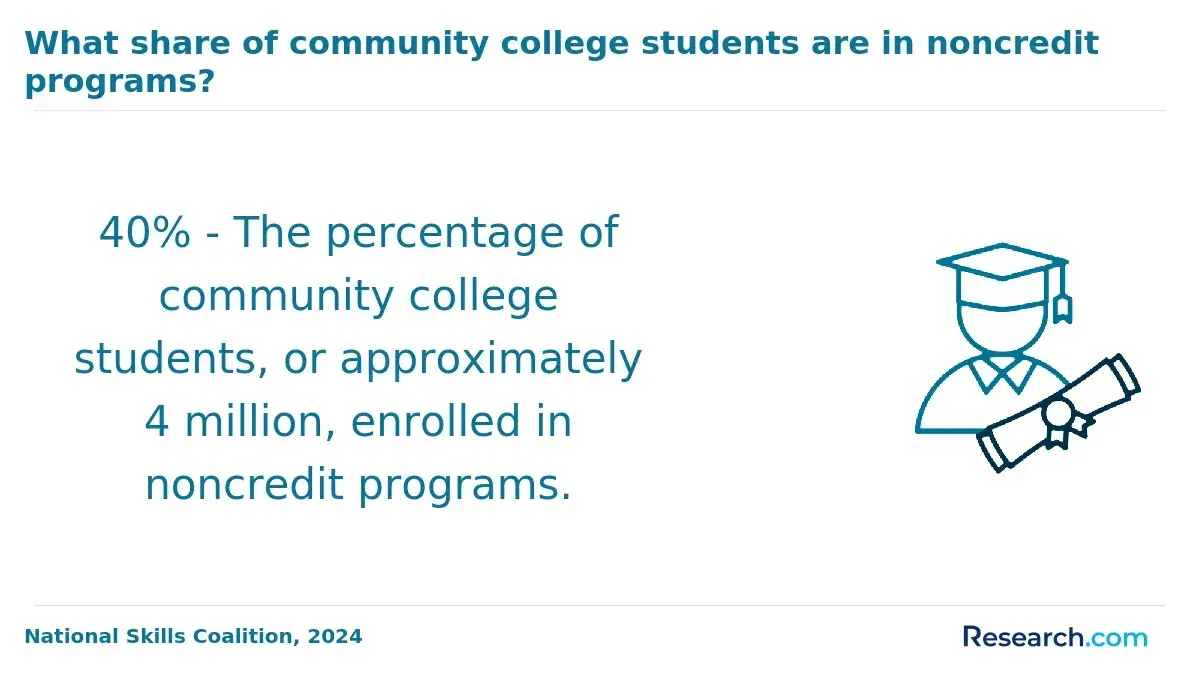
Financial aid can substantially reduce the initial expenses of creative writing degree programs, enhancing the overall return on investment by lowering reliance on loans. Approximately 85% of graduate students in the U.S. receive some form of financial support, underscoring its critical role in funding advanced education.
The following are common financial aid options that can help manage costs and improve ROI:
- Scholarships: Awarded based on merit or financial need, scholarships decrease out-of-pocket expenses without requiring repayment, directly boosting affordability and reducing debt.
- Grants: Typically need-based, these funds cover tuition or associated fees, minimizing the amount students must borrow, which supports a healthier financial outlook post-graduation.
- Fellowships: These often include stipends along with tuition coverage, providing financial relief for living expenses and enabling students to concentrate on their studies without accumulating significant debt.
- Employer tuition assistance: Designed for working professionals, this aid reimburses educational costs partially or fully, improving ROI by reducing personal spending while maintaining income.
- Federal loans: Widely used to bridge funding gaps, these loans require disciplined borrowing and repayment strategies to avoid undue debt that could compromise long-term financial benefits.
How Long Does It Take to Complete a Creative Writing Degree?
Time to complete a creative writing degree directly affects return on investment by influencing opportunity cost, the ability to start earning sooner, and overall expenses including tuition and living costs. Shorter programs help reduce financial strain and allow graduates to enter the workforce earlier, maximizing earnings over time. Several factors determine how long the degree takes and how that impacts potential financial returns.
Key influences include:
- Enrollment status: Full-time students typically finish faster, lowering total costs but requiring a heavier immediate workload. Part-time study offers flexibility to maintain employment but lengthens both the timeline and expenses.
- Program format: Online or accelerated courses can cut down duration and fees, enabling quicker entry into careers and improving overall ROI.
- Transfer credits: Using previously earned credits shortens the pathway, which decreases costs and enables earlier income generation.
- Experiential components: Internships or thesis projects may extend study periods but often enhance job prospects and future earnings potential.
- Flexibility in scheduling: Programs accommodating variable schedules support students balancing work and study, though this can prolong completion and add to expenses.
When I spoke with a creative writing graduate about her journey, she reflected on the balancing act between ambition and practical demands. "Taking the program part-time meant juggling a full-time job and family commitments, so it stretched over nearly five years. It wasn't easy managing deadlines alongside work stress, but the flexibility kept me motivated," she explained.
She noted that despite the extended timeline, the experience allowed her to grow both professionally and personally, making the longer commitment worthwhile. "The internship was especially challenging but invaluable-it opened doors that wouldn't have been possible otherwise," she added. Her story highlights how individual circumstances shape completion time and influence the overall value gained from the degree.
Is ROI Higher for Online or On-Campus Creative Writing Programs?
The delivery format of creative writing programs significantly impacts the return on investment through factors like cost, flexibility, and career outcomes. Recent data from the National Center for Education Statistics shows that over 30% of postsecondary students now enroll exclusively in online courses, reflecting a growing preference for accessible education options. This trend affects the overall ROI comparison of online vs on-campus creative writing programs.
Key points of comparison include:
- Tuition and fees: Online creative writing degree ROI for online and campus formats often differs because online programs generally have lower tuition due to reduced facility and related service costs.
- Opportunity cost: Students studying online can continue working, maintaining their income and reducing lost wages, which positively influences ROI compared to on-campus students who may need to reduce work hours.
- Time to completion: Flexible scheduling in online programs can allow faster or self-paced progression, potentially leading to quicker graduation and earlier entry into the workforce.
- Networking and career services: On-campus programs tend to provide richer face-to-face networking opportunities and internships, which can enhance career prospects beyond what online formats offer.
- Employer perception and earnings: While some employers still prefer traditional degrees, online qualifications are increasingly accepted, though long-term earnings may hinge on the institution's reputation and the individual's effort.
For those exploring options, exploring CACREP accredited online masters counseling programs can provide insights into affordable, accredited online pathways worth considering alongside creative writing alternatives.
What Is the Average Salary After Earning a Creative Writing Degree?
Post-graduation salary plays a vital role in determining the return on investment (ROI) for those earning a creative writing degree, as it influences how quickly educational costs can be recouped. The average salary for creative writing graduates in the U.S. generally falls between $40,000 and $65,000 annually, but typical earnings can vary widely based on several factors.
Key factors affecting salary outcomes and the overall ROI for a creative writing degree include:
- Industry: Salary levels differ depending on the sector; those working in publishing, media, or advertising tend to earn higher wages than writers focused solely on creative projects like poetry or fiction.
- Geographic location: Metropolitan areas with robust media or entertainment industries, such as New York or Los Angeles, usually offer better pay.
- Prior experience: Internships or related work experience can significantly boost starting salaries and job prospects.
- Specialization: Writers who pair creative writing with technical skills like content marketing often access higher-paying roles.
- Career level: Entry-level writers earn less, but advancing into editorial or management positions can lead to substantial increases in earnings.
Prospective students should weigh these variables carefully when evaluating the average salary for creative writing graduates and consider financial planning resources, such as an online masters degree psychology, for broader insight into degree affordability and career returns.
Does a Creative Writing Degree Lead to Promotions?
Promotions often play a key role in determining the return on investment (ROI) of a creative writing degree by driving salary increases, expanding job responsibilities, and enhancing career mobility. One growing trend in the workforce is the emphasis on credential-based promotions, where formal education, including degrees, increasingly factors into advancement decisions.
Several factors highlight how a creative writing degree can influence promotions and improve ROI:
- Credential Requirements: Many writing-intensive and content creation roles prioritize candidates with relevant degrees. A creative writing degree helps meet these credential standards, strengthening eligibility for promotion and career advancement.
- Leadership Preparation: Coursework and practical experience in creative writing often develop critical thinking, communication, and project management skills. These qualities prepare graduates for leadership positions that come with promotions.
- Tuition Support Eligibility: Holding a creative writing degree may qualify employees for employer-sponsored tuition assistance for further education. This support can enhance career mobility and future promotion prospects.
- Promotion Policies: Some organizations maintain internal promotion frameworks that balance education with work experience. A degree in creative writing complements professional experience, creating a competitive advantage in such processes.
- Experience Synergy: Combining a creative writing degree with relevant work history can create a richer candidate profile, making promotions more attainable and boosting long-term ROI.
For those considering career advancement in fields where writing and communication skills are valued, earning a creative writing degree can be an important asset. Prospective students and working professionals should carefully evaluate how a degree fits with strategic career planning and experience.
For those unsure about program options, exploring accelerated online bachelor degree programs may offer flexible routes to gaining credentials that support promotions and career growth with respect to creative writing degree career advancement.
Which Industries Offer the Best ROI for Creative Writing Graduates?
The return on investment for creative writing graduates varies significantly by industry due to differences in salary levels, career advancement opportunities, and demand for specialized writing skills. Industries that steadily increase compensation and highly value creative skills tend to offer the strongest ROI.
The following industries commonly provide the best financial and professional returns for creative writing graduates:
- Publishing and editorial services: This sector strongly values narrative ability and offers clear paths for promotion into senior editorial roles, usually accompanied by salary growth. Graduates benefit from continuous skill application and career development opportunities.
- Marketing and advertising: Storytelling skills are essential here, enabling graduates to craft engaging campaigns. The high demand for content creation and brand messaging supports strong career progression and remuneration.
- Film, television, and media production: Creative writers specializing in scriptwriting and content development often see robust compensation growth and enjoy long-term demand due to ongoing needs for fresh content.
- Education and academic writing: Beyond classroom teaching, opportunities in curriculum design and academic publishing offer stable career paths with consistent salary progression.
Conversely, industries with limited career progression or lower budgets for creative roles generally offer reduced ROI. Graduates should assess their options carefully to align their education with the highest paying industries for creative writing graduates, maximizing both financial and professional rewards.
For those exploring degree options that balance time investment with returns, consulting easy associate degrees can provide insights into efficient educational pathways. The top career fields with the best ROI for writing degrees integrate skill utilization with market demand, ensuring graduates achieve meaningful, sustained earnings over time.
Does Accreditation Affect ROI for a Creative Writing Degree?
Accreditation in creative writing degree programs signifies that an independent agency has vetted the curriculum, faculty, and student success to meet established quality standards. This formal recognition assures employers that graduates have undergone rigorous training, making the degree more credible in the job market.
With growing emphasis on verified skills, employers increasingly prefer candidates from accredited programs, which can also impact eligibility for professional certifications in creative fields. Thus, accreditation directly influences how the degree is valued economically and professionally.
Accredited programs often enhance long-term ROI by strengthening employer confidence in the graduate's qualifications, which can lead to better job prospects and salaries. Students also benefit financially through eligibility for federal and state financial aid, mitigating the cost of the degree.
Additionally, accreditation supports smoother credit transfers if students pursue further education, while opening doors to licensure options that might be critical in niche creative professions. Overall, these factors contribute to greater career flexibility and upward mobility, maximizing the degree's return over time.
Is a Creative Writing Degree Worth It?
The return on investment for a creative writing degree depends on various financial and career factors, including program costs, duration, and earning potential after graduation. These programs typically require two to four years of study, which may limit income during that period.
Graduates often face median annual salaries near $40,000, reflecting lower earnings compared to majors in STEM or business disciplines. Career advancement opportunities in fields like publishing, education, or freelance writing can be modest, balancing financial limitations with creative satisfaction.
The value of pursuing a creative writing degree varies based on industry demand for writing skills, program delivery methods, and available financial aid that can reduce debt. Those choosing online courses might benefit from greater flexibility and possibly lower expenses.
Individual goals-whether aiming for teaching roles, professional writing, or other career paths-significantly influence the degree's payback. For some, particularly those prioritizing creative fulfillment and manageable costs, the investment may be worthwhile, while others seeking rapid financial gains might explore alternatives aligned with stronger market demand.
What Graduates Say About The ROI of Their Creative Writing Degree
- Jamie: "Choosing to pursue a creative writing degree felt like a bold move, especially with the average cost hovering around $35,000 annually. However, the investment has paid off through invaluable networking and skill development that landed me a publishing role within a year post-graduation. The ROI for me, considering both personal growth and career opportunities, has been unquestionably worth it. "
- Ezra: "Enrolling in an online creative writing degree was a carefully weighed decision given the $20,000 average tuition fee. Balancing cost against flexible learning and career advancement, I find the program's value in its practicality and accessibility. Completing the degree amplified my credentials significantly, opening doors to freelance writing projects I wouldn't have secured otherwise. "
- Rochelle: "Opting for a part-time creative writing degree allowed me to continue working while investing approximately $25,000 over time. Reflecting professionally, this choice made financial and experiential sense, with every lesson enriching my editorial capabilities. The degree has enhanced my credibility in competitive literary circles and justified the expense through ongoing career growth. "
Other Things You Should Know About Creative Writing Degrees
Yes, the reputation of a creative writing program can significantly impact the ROI in 2027. Programs with strong alumni networks and industry connections often offer better job prospects and internships, enhancing graduates' earning potential and career growth compared to less recognized programs.
Networking can significantly impact the 2027 ROI of a Creative Writing Degree Program by creating opportunities for collaboration, mentorship, and connections in the publishing industry. Engaging with peers, professors, and industry professionals can lead to job opportunities, freelance work, and project collaborations, enhancing career prospects and financial returns.
References
- Online Creative Writing Undergraduate Tutors Spires | Is A Degree In Creative Writing Worth It? https://spires.co/online-creative-writing-tutors/undergraduate/is-a-degree-in-creative-writing-worth-it
- “What do you do with a creative writing degree, anyway?” | Knox College https://www.knox.edu/magazine/fall-2017/features/what-do-you-do-with-a-creative-writing-degree-anyway
- Program Costs https://www.muw.edu/mfacreativewriting/costs/
- Tuition & Financial Aid https://emerson.edu/majors-programs/graduate-programs/creative-writing/tuition-financial-aid
- Best MFA Creative Writing Programs Online and On-Campus https://www.creativewritingedu.org/editors-choice/best-creative-writing-mfa-programs/
- MFA in Creative Writing - Financial Support https://www.stmarys-ca.edu/graduate-professional-studies/mfa-creative-writing/financial-support
- What can I do with my Creative Writing degree? | Blog | University of Essex https://www.essex.ac.uk/blog/posts/2024/02/29/what-can-i-do-with-a-creative-writing-degree
- Should You Get an MFA in Creative Writing? (Pros and Cons) — Mary Adkins https://maryadkinswriter.com/blog/should-you-get-an-mfa-in-creative-writing
- The Ups and Downs of a Creative Writing Degree https://www.kelseygatis.com/post/the-ups-and-downs-of-a-creative-writing-degree


