
2027 Most Popular Concentrations in Creative Writing Degrees

Co-Founder and Chief Data Scientist
Choosing the right creative writing concentration is increasingly important as the field diversifies and job markets become more competitive. Recent studies show that 65% of employers in publishing and media seek candidates with specialized writing skills, emphasizing the need for focused expertise. Without clear direction, students may miss opportunities to develop key competencies that match industry demands.
This article explores the most popular concentrations within creative writing degrees, highlighting areas such as fiction, screenwriting, and poetry. By understanding these paths, readers can make informed decisions that align with their career goals and personal interests, ultimately enhancing their prospects in a dynamic creative landscape.
Key Benefits of Popular Concentrations in Creative Writing Degrees
- Concentrations like fiction, screenwriting, and poetry increase employability by aligning skills with market demands in publishing, film, and digital media industries.
- Focused study hones specialized skills such as narrative structure, dialogue, and genre techniques, enhancing both creative and technical proficiency.
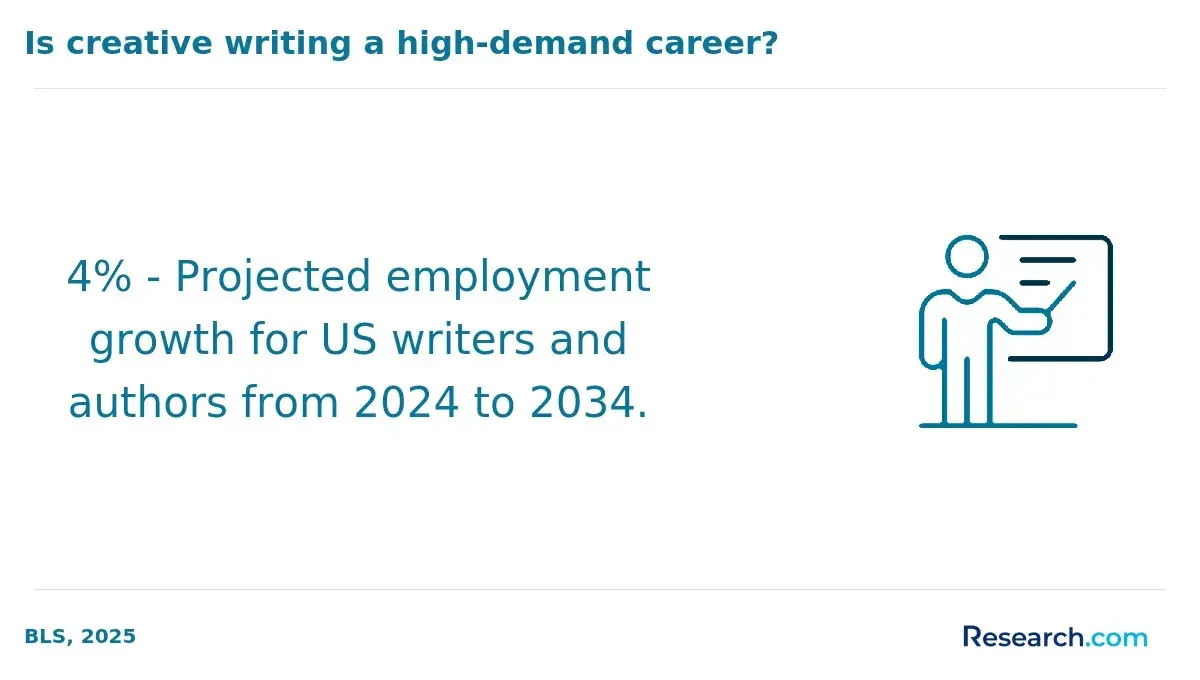
- Industry data shows a 4% growth in demand for content creators skilled in multiple writing styles, reflecting rising opportunities for graduates with targeted training.
What Are the Most Popular Creative Writing Concentrations in 2027?
Interest in specialized creative writing concentrations is rising as students seek focused skills aligned with evolving industry demands. Workforce needs in publishing, digital media, and entertainment increasingly shape these choices, spotlighting career-focused study paths.
Below are the field's most popular concentrations:
- Fiction: Fiction remains the most widely pursued concentration, consistently popular in both undergraduate and graduate programs. Its enduring appeal is evidenced by enrollment trends, such as Southern New Hampshire University Online's 580 graduates emphasizing this track.
- Poetry: Poetry continues as a core offering at nearly all accredited institutions, reflecting sustained interest in traditional literary forms alongside contemporary applications.
- Creative Nonfiction: Growing demand for authentic storytelling in media and publishing fuels interest in creative nonfiction tracks, often combined with emerging specializations like arts writing and narrative journalism.
- Screenwriting: This concentration has gained traction, especially in online degrees that cater to expanding entertainment and media industries. Its distinct focus prepares students for careers in film, television, and digital content creation.
- Speculative Fiction: Reflecting market trends in science fiction and fantasy publishing, speculative fiction tracks now appear in select programs, like Sarah Lawrence College's offerings, meeting increased demand for genre-specific expertise.
These focused pathways exemplify the fiction poetry and creative nonfiction tracks as foundational while highlighting emerging fields helping students target specialized career goals.
When comparing top MFA creative writing concentrations by program, institutions such as Brown University stand out for integrating digital and cross-disciplinary tracks, which align with broader shifts in creative industries.
Prospective students can explore a variety of options and career trajectories, including accelerated and flexible degree formats like fast bachelor degrees that accommodate evolving educational and professional needs.
What Skills Are Required for the Top Creative Writing Concentrations?
Success in top creative writing concentrations requires developing a diverse set of skills that go beyond basic writing. As industry expectations evolve, students must focus on competencies that enhance both academic achievement and professional opportunities, reflecting the demands of today's workforce.
Mastering creative writing workshop skills and techniques is essential for hands-on training in fiction, poetry, and nonfiction. These include:
- Imagination and Observation: These skills foster originality and authenticity, allowing writers to create vivid characters and settings that resonate with readers and support engaging narratives.
- Descriptive Writing and Dialogue Crafting: Strong descriptive abilities and realistic dialogue deepen story immersion, crucial for academic projects and commercial storytelling alike.
- Story Structure Understanding: Knowing how to organize narratives ensures clarity and impact, which are vital for both publication and professional storytelling roles.
- Editing Proficiency: The ability to revise and refine work guarantees polished, effective communication, meeting industry standards and enhancing credibility.
- Research Capabilities: Skilled research strengthens genre authenticity and supports diverse writing purposes, a competency emphasized in advanced creative writing course requirements.
Bachelor of Fine Arts programs emphasize these vocational skills, often including writing-intensive internships that build real-world experience. For those considering pathways to develop such expertise, exploring an easy associates degree can provide foundational skills beneficial for progression in creative writing and related fields.
Do Different Creative Writing Concentrations Have Different Admission Requirements?
Yes, different creative writing concentrations do have varying admission requirements, which often reflect the complexity and specialization of each program.
Graduate programs, particularly MFA degrees, enforce stricter standards compared to undergraduate tracks. These often include a bachelor's degree and demonstrated advanced writing proficiency through portfolio submissions.
Some programs also require prior coursework in literary criticism or English, depending on the focus. Admission standards vary widely, as seen in the Johns Hopkins and Cornell creative writing program admission standards, where selectivity and specific prerequisites differ based on the program's demands and philosophy.
Common differences include GPA thresholds; graduate programs typically require minimum GPAs of 3.0 to 3.2, while undergraduate ones may accept GPAs from 2.0 to 3.0; and substantial writing samples for MFA applications, often mandatory compared to optional submissions for bachelor's degrees.
Graduate applicants also usually provide professional materials like purpose statements and recommendation letters. These criteria help programs balance student readiness and resource allocation.
Students seeking educational pathways might explore the fastest way to get associate's degree online to speed up the education process.
Do Specific Creative Writing Concentrations Require Accredited Programs?
Accreditation plays a vital role in specialized creative writing studies by confirming that programs meet established academic standards and prepare students for professional success. This can impact eligibility for advanced degrees, competitive job markets, and certain career credentials. Let's delve into its significance.
- Institutional Accreditation Standards: Programs are assessed on curriculum rigor, faculty qualifications, and student progress indicators such as publication records and career outcomes.
- Employer Preferences: Although creative writing lacks formal licensure, many employers in publishing, editing, and education favor candidates from accredited institutions to ensure quality training.
- Graduate School Requirements: Advanced creative writing degrees often mandate that applicants hold bachelor's credentials from regionally accredited universities, making accreditation essential for those pursuing further study.
- Curriculum Quality Assurance: Accredited programs invest in continuous evaluation and improvement processes, maintaining a balance between creative exploration and academic standards.
Is the Quality of Online Creative Writing Concentration Tracks the Same as On-Campus Programs?
As more students weigh online versus on-campus options, assessing program quality has become essential for making informed decisions about creative writing concentrations. Quality varies more by program than by delivery format, prompting closer examination of key factors that impact learning experiences.
- Curriculum standards: Both online and on-campus tracks can offer comprehensive coverage across fiction, poetry, nonfiction, and specialized genres ensuring consistent academic rigor.
- Accreditation and reputation: Institutional credentials and program recognition often carry more weight than whether classes meet in person or online.
- Faculty expertise: Access to published authors and experienced instructors shapes the depth of mentorship and critique available to students.
- Student engagement: On-campus settings provide immersive workshops with immediate peer and faculty feedback, while online options typically emphasize personalized instructor responses with less synchronous peer interaction.
- Technology and resources: Online platforms expand access to diverse faculty and flexible schedules, but require reliable digital tools to maintain effective communication.
- Hands-on training: Low-residency or hybrid models attempt to blend intensive, in-person workshopping with the flexibility of remote coursework.
When I spoke with a graduate of a popular creative writing concentration who completed a hybrid program, she shared how the blend of formats shaped her development.
"The on-campus residencies felt intense; hours of reading and detailed workshopping pushed me beyond my comfort zone," she recalled. Yet, she appreciated the online semesters for allowing her time to reflect and engage deeply with instructors scattered across the country.
She noted, "It wasn't about one being better than the other; each offered distinct strengths that together enriched my writing process." For her, the balance of immediate, collaborative critique and flexible, personalized feedback embodied the best qualities of both worlds.

Which Creative Writing Concentration Is the Hardest to Complete?
The difficulty of completing various creative writing concentrations varies according to the genre's technical complexity, necessary skill advancement, workload, and structure of feedback. These factors shape the overall challenge presented by each track.
The poetry concentration is widely regarded as the most demanding for these reasons:
- Formal and Technical Expertise: Mastery over both classic forms like sonnets and modern experimental styles requires advanced technical precision.
- Conciseness and Precision: Poetry demands exceptional editorial skill to convey deep meaning with minimal language.
- Intensive Revision Process: Frequent line-by-line evaluations and repeated revisions create a heavier workload compared to other genres.
- Limited External Validation: The smaller commercial poetry market offers fewer opportunities for external feedback and recognition.
- Broader Literary Knowledge: Poetry programs often require a deeper understanding of literary history, theory, and cultural contexts than fiction tracks.
What Careers Can You Get with Each Creative Writing Specialization?
Different creative writing concentrations equip graduates with targeted skills that open doors to diverse professional fields. Recognizing how each specialization corresponds to particular job markets can aid students in selecting the path aligned with their career ambitions.
Below are common career paths of creative writing majors:
- Journalism: Graduates often become reporters, editors, or feature writers for newspapers, magazines, and online outlets. This field demands strong research and interviewing abilities to craft compelling, timely stories across various subject areas.
- Fiction and screenwriting: These focuses prepare writers for roles with publishing houses, film studios, and streaming services as novelists, screenwriters, or script consultants, contributing original narratives and scripts for entertainment media.
- Copywriting and marketing: Fields like advertising and corporate communications employ specialists as copywriters, digital marketers, and creative strategists, responding to industry growth and steady demand for content that drives engagement and sales.
- Content writing: Writers create blogs, web content, and multimedia storytelling for technology firms, health organizations, fashion brands, and educational platforms, tailoring their work to specific audience needs.
- Technical writing: These professionals develop user manuals, scientific documentation, and instructional guides for sectors such as healthcare, science, and technology, requiring clear and precise communication of complex information.
A professional who pursued a fiction and screenwriting concentration shared that choosing a specialization was both exciting and daunting. He recalled feeling overwhelmed by the variety of creative avenues but found clarity by connecting with mentors and industry insiders.
"Navigating job possibilities wasn't immediate; it involved trial, error, and resilience," he said. He highlighted how internships and networking shaped his understanding of whether to focus on novel writing or screen production.
His journey demonstrated that gaining practical experience is as crucial as academic study when exploring career outcomes linked to a creative writing specialization.
What Market Trends Are Shaping the Top Creative Writing Concentrations in 2027?
Keeping pace with industry trends helps students select a creative writing concentration that aligns with evolving job markets, employer preferences, and shifts in publishing. This strategic approach enhances chances for internships, publishing, and career growth.
Here are relevant trends that creative writing students should take note of:
- Fiction writing: This remains a core focus, with leading programs maintaining high prestige. Writers skilled in multiple formats, including digital serials, are increasingly sought after.
- Poetry: Esteemed institutions emphasize craftsmanship and provide platforms like literary journals and readings, nurturing both skill and publication potential.
- Creative nonfiction: Interest is rising as memoirs, essays, and narrative journalism find expanding audiences on digital and traditional outlets, prompting dedicated program tracks.
- Writing for children and young adults: Recognized for its growing market, this field attracts investment from publishers prioritizing diverse, age-specific content.
- Arts writing and hybrid genres: Programs now embrace interdisciplinary and speculative works, reflecting audience demand for genre-blending and innovative narratives.
What Are the Average Salaries for Popular Creative Writing Concentrations?
Salary prospects for creative writing graduates vary widely depending on the chosen concentration and career path. Recognizing how different specialties affect earning potential is essential, especially for students who have clear financial goals.
Here are the average salaries of those who completed creative writing concentrations:
- Technical Writing: Technical writers earn an average of $92,330 annually, ranking among the highest-paid creative writing concentrations. This area demands specialized knowledge and the ability to simplify complex information, with sectors like technology, engineering, and healthcare fueling strong job security and competitive pay.
- Editorial and Publishing Management: Editorial managers typically earn around $76,445 per year, with publishers averaging $88,251. These roles combine writing with leadership responsibilities, and salaries reflect the demands of managing teams and making strategic content decisions in media organizations.
- Content Strategy and Digital Marketing: Content strategists earn about $93,586 annually while digital marketers make approximately $77,381. The growing emphasis on online presence has increased demand for professionals skilled in crafting engaging digital narratives, supporting steady compensation growth.
- General Creative Writing and Author Work: Authors average $85,780 annually, though earnings vary significantly; the Authors Guild survey notes a median income of $6,080 for all writers and $20,300 for full-time writers. This highlights the variability faced by traditional creative writers based on sales, contracts, and supplementary earnings.
How Do You Choose the Best Concentration in a Creative Writing Program?
Selecting the right concentration in a creative writing program is critical for aligning your education with both your career goals and personal creative strengths. It influences your coursework, mentorship opportunities, and professional network, shaping your path toward success in the writing field.
- Career Aspirations and Industry Demand: Focus on where you see yourself professionally after graduation. Fiction and poetry are the most common concentrations, reflecting ongoing demand in publishing and academia. For those interested in screenwriting or digital media, universities like Brown offer valuable cross-disciplinary options. Research which genres best match industries such as trade publishing, literary magazines, or entertainment to make an informed choice.
- Program Structure and Requirements: Understand creative writing concentration program requirements and admission standards by evaluating how each program is organized. For example, the University of Washington requires 65 English credits, including workshops in verse and prose, while University of Miami integrates multilingual elements. Selecting a program whose philosophy and curriculum align with your learning style is essential.
- Mentorship and Faculty Expertise: Investigate faculty qualifications and mentorship opportunities. Schools such as Northwestern provide one-on-one sessions with visiting writers and host literary festivals, whereas Cornell offers editorial and teaching assistantships. Strong mentorship accelerates skill development and professional growth.
- Personal Interests and Creative Identity: Choose a concentration that genuinely excites you, whether poetry, fiction, creative nonfiction, or speculative fiction. Passion for your chosen form is crucial to sustaining motivation through rigorous coursework and revisions.
Considering your personal goals, program demands, and faculty mentorship options will help you in choosing the right creative writing concentration for your career goals.
For those who prefer introspection, understanding the best career for introvert paths can also influence concentration choices.
What Graduates Say About Their Popular Concentrations in Creative Writing Degrees
- Jim: "Pursuing a creative writing degree with a focus on fiction was an exhilarating journey. The immersive workshops and personalized feedback truly honed my storytelling skills, making me confident to publish my first novel. Considering the average cost of attendance was around $20,000 per year, I believe the investment was absolutely worth the career opportunities it unlocked. "
- Camille: "The screenwriting concentration in my creative writing program offered a deep dive into narrative structure and character development, which transformed my approach to storytelling. Reflecting back, the learning was challenging yet immensely rewarding, equipping me to enter the film industry with a solid portfolio. Though the tuition was a bit steep-about $18,000 annually-the practical experience made it manageable and valuable. "
- Paula: "My experience in poetry within the creative writing degree was profoundly introspective. The curriculum pushed me to explore new forms and voices, which profoundly shaped my personal growth and led to several published works in literary journals. While the cost of my program hovered near $22,000 each year, the mentorship and creative community I found made it a worthwhile investment. "
Other Things You Should Know About Creative Writing Degrees
Creative writing concentrations in 2027 enhance professional development by offering workshops with accomplished authors, internships with publishers, and opportunities to publish in literary journals. These programs often include courses on digital storytelling and multimedia writing, equipping students with skills necessary for diverse career paths in publishing, media, and content creation.
In 2027, emerging trends like digital storytelling and interactive media are influencing creative writing concentrations. Courses often include modules on virtual reality storytelling, podcast scripting, and transmedia projects, equipping students with skills to engage audiences using cutting-edge formats and platforms.
References
- Creative Writing Subject League Table 2026 https://www.thecompleteuniversityguide.co.uk/league-tables/rankings/creative-writing
- What Can You Do With A Creative Writing Degree? https://www.immerse.education/career-exploration/creative-writing/careers-in-creative-writing/
- The 12 Best Creative Writing Colleges and Programs · PrepScholar https://blog.prepscholar.com/best-creative-writing-colleges-majors-and-programs
- 15 Best Creative Writing MFA Programs in 2025 https://www.collegetransitions.com/blog/best-mfa-creative-writing-programs/
- The benefits of creative writing - University Affairs https://universityaffairs.ca/career-advice/the-benefits-of-creative-writing/
- What I Wish I'd Known About: Studying Creative Writing https://www.killyourdarlings.com.au/article/what-i-wish-id-known-about-studying-creative-writing/
- What I Wish I Knew as a Creative Writing Major https://www.pearsonaccelerated.com/blog/creative-writing-major.html
- Master of Fine Arts in Creative Writing Practice https://iamu.edu/academics/courses/master-of-fine-arts-in-creative-writing-practice/
- U.S. Bureau of Labor Statistics. (2025). Writers and authors. In Occupational Outlook Handbook. U.S. Department of Labor. Retrieved February 3, 2026, from https://www.bls.gov/ooh/media-and-communication/writers-and-authors.htm
- ZipRecruiter. (2026). Creative writer salary in the United States. https://www.ziprecruiter.com/Salaries/Creative-Writer-Salary
- ZipRecruiter. (2026). Content Strategist salary in the United States. https://www.ziprecruiter.com/Salaries/Content-Strategist-Salary
- Zippia. (2025). Creative writer demographics and statistics in the US. https://www.zippia.com/creative-writer-jobs/demographics/


