
2027 Is a 2-Year Creative Writing Degree Worth It: Accelerated Bachelor's ROI & Time Trade-Offs

Co-Founder and Chief Data Scientist
Many prospective students face uncertainty when deciding if a 2-year accelerated creative writing degree offers a meaningful return on investment. Recent data show that creative writing graduates see median early-career earnings approximately 15% below the average for all bachelor's degree holders, raising questions about the financial benefits of an accelerated path.
This article examines the time trade-offs involved in completing a creative writing degree in two years versus four. It evaluates salary outcomes, career opportunities, and educational costs to help readers determine if the expedited degree supports their long-term professional and economic goals.
Key Benefits of a 2-Year Creative Writing Degree
- Accelerated 2-year creative writing degrees reduce tuition costs by 30-40%, improving ROI compared to traditional 4-year programs without sacrificing skill depth.
- Graduates can enter the workforce sooner, gaining 2 extra years of professional experience, which enhances career growth and earning potential over time.
- Intensive curriculum focuses on practical writing and publishing skills, aligning education with market demands, increasing employability in writing and content creation roles.
How Do 2-Year Creative Writing Programs Work?
Two-year creative writing programs offer an accelerated bachelor's degree path designed to fast-track students through the curriculum in half the usual time.
These programs use an intensive format that combines flexibility with rigorous credit requirements, enabling faster completion.
- Accelerated pacing: These programs condense traditional four-year study into two years by increasing course intensity and requiring a higher credit load each term.
- Year-round enrollment: Continuous enrollment without long breaks allows students to maintain momentum and complete coursework more quickly.
- Condensed course terms: Terms often last about eight weeks instead of the typical 15, demanding a concentrated focus on each subject.
- Credit load expectations: Students take more credits per term than in standard programs to stay on track for graduation in two years.
- Instructional format: Courses blend synchronous and asynchronous learning, accommodating diverse schedules and promoting active engagement.
- Assessment methods: Evaluation centers on writing portfolios, drafts, peer critiques, and instructor feedback rather than traditional exams.
- Curriculum progression: Steady completion of credits each term is critical, requiring strong time-management skills to handle the compressed workload.
For those seeking a faster degree completion while balancing other responsibilities, these accelerated 2-year creative writing degree structure models offer a viable option. Students benefit from immersive study designed to expedite skill development and career entry.
For more information on similar accelerated healthcare degrees, you might explore the online DNP programs detailed on research.com.
What Are the Admission Requirements for a 2-Year Creative Writing Degree?
Knowing the admissions requirements for a 2-year creative writing degree is crucial for prospective students aiming to enroll in an accelerated bachelor's program. This awareness helps applicants assess whether they meet academic and experiential expectations before applying.
Below is a detailed breakdown of typical admission criteria to clarify what schools often look for in candidates of an accelerated creative writing program.
- Prior Education: Applicants usually need a high school diploma or equivalent. Some programs may accept students with completed general education credits from community colleges, easing the transition into higher-level creative writing coursework.
- GPA Expectations: A minimum cumulative GPA of about 2.5 to 3.0 on a 4.0 scale is generally required. Maintaining this academic standard reflects the student's ability to handle the program's accelerated pace.
- Standardized Tests: The SAT or ACT are increasingly optional, particularly for non-traditional students or those pursuing accelerated degree paths designed for working adults.
- Prerequisite Courses: Certain programs require completion of fundamental courses such as English composition or introductory literature classes to ensure preparedness for advanced study in creative writing.
- Writing Samples and Recommendations: Submission of a writing sample is often mandatory to evaluate creative potential. Letters of recommendation and personal statements detailing the applicant's motivation further support the application.
- Work Experience: While not always mandatory, relevant professional or creative experience can strengthen an applicant's profile by demonstrating practical skills and dedication.
Accelerated bachelor's degrees, including those in creative writing, can reduce time-to-completion by up to 50%, which not only saves money but facilitates earlier career entry.
For those comparing paths, resources such as easiest online DNP programs offer insight into streamlined degree options across disciplines.
What Does a Typical Week Look Like in a 2-Year Creative Writing Program?
Knowing the weekly demands of an accelerated creative writing degree helps students gauge whether the program fits their lifestyle and goals. The intensity is designed to develop skills rapidly, so understanding typical activities and time commitments clarifies expectations.
Below is a breakdown of what a usual week entails.
- Class Sessions and Lectures: Students attend multiple classes adding up to 12-15 hours weekly. These include lessons on writing craft, genre analysis, and literature, paired with interactive workshops where work is shared and discussed.
- Assignments and Assessments: Expect regular writing tasks such as essays, stories, poems, or scripts complemented by reading. Evaluation involves portfolios, timed writing, and tests on literary knowledge.
- Group Work and Peer Review: Collaborative exercises and peer critiques are common, encouraging communication skills and refinement of work based on feedback.
- Independent Study Time: A strong emphasis on self-discipline is required outside class for reading, drafting, and revising without daily supervision.
- Instructor Interaction: Faculty provide support through scheduled office hours or virtual meetings, offering tailored advice and guidance.
- Time Management: The accelerated curriculum demands disciplined scheduling to balance attendance, assignments, and revisions, leaving little room for delay.
When asked about his experience in a two-year accelerated bachelor's in creative writing, a graduate described the workload as "relentless but rewarding." He recalled nights spent rewriting stories after peer critiques and mornings reviewing extensive reading lists.
"It felt like juggling fire sometimes," he admitted, "but the fast pace forced me to develop habits I never had before-prioritizing tasks and embracing feedback without hesitation."
The pressure was intense, yet he emphasized that this rigorous approach sharpened his resilience and prepared him well for professional writing challenges.
Breakdown of Public Fully Online Title IV Institutions

Are 2-Year Creative Writing Programs Available Online?
Choosing the right delivery format is crucial for students pursuing an accelerated creative writing degree, as it directly impacts flexibility, accessibility, and how effectively they can manage their time.
Online options help accommodate busy schedules but vary in their approach, which influences the learning experience. The following points outline key factors to consider when evaluating these programs.
- Fully online vs. hybrid formats: Fully online programs allow coursework to be completed entirely remotely, while hybrid models combine digital classes with occasional in-person meetings, offering a balance between flexibility and face-to-face interaction.
- Asynchronous and synchronous learning: Asynchronous courses provide the freedom to access materials anytime, suiting working adults or those with varied schedules, whereas synchronous classes require participation in live sessions, fostering real-time engagement.
- Technology needs: Students must have a dependable computer, stable internet, and familiarity with learning management systems like Canvas or Blackboard; some courses may also demand specialized writing or editing software.
- Student support services: Access to online tutoring, writing centers, and academic advising can enhance success and keep remote learners connected and motivated throughout the program.
- Pacing and engagement: While online programs demand strong self-discipline, many incorporate discussion boards and peer workshops to encourage interaction and maintain a collaborative learning environment within the accelerated timeframe.
How Much Does a 2-year Creative Writing Degree Cost?
Evaluating the total cost of an accelerated 2-year creative writing degree is essential for understanding its return on investment and overall value. Knowing how tuition, fees, and other expenses add up helps prospective students make informed financial decisions that align with their career goals.
The following breakdown highlights key cost elements to consider when comparing affordable tuition for creative writing associate programs and accelerated bachelor's pathways.
- Tuition structure: Tuition is typically charged per credit hour or term. Accelerated programs compress coursework into a shorter timespan, which can lower total tuition compared to traditional four-year degrees, but may also require taking more credits per term.
- Mandatory fees: In addition to tuition, institutions often require fees for student services, registration, and technology access. These mandatory fees vary by school and add to overall expenses.
- Textbooks and learning materials: Textbooks remain a consistent cost, though many programs now incorporate digital or open-access resources to reduce these expenses over time.
- Technology or lab costs: If courses include multimedia writing tools or workshops, technology or lab fees may apply. These can be necessary investments for hands-on learning experiences.
- Accelerated pacing impact: While accelerated formats shorten study duration, they may increase short-term costs due to a heavier course load. However, entering the workforce sooner often offsets these expenses by reducing living and opportunity costs.
For those exploring their educational options, it's useful to compare costs alongside program flexibility and duration. In this context, some may also find helpful information on the easiest nursing schools to get into, which highlights another avenue of accelerated education worth considering.
Can You Get Financial Aid for 2-Year Creative Writing Programs?
Access to financial aid is a crucial factor for students weighing accelerated creative writing degree options, as it directly impacts affordability and program feasibility. Knowing how different aid sources work with shorter timelines helps students plan their finances effectively.
Below is an overview of common financial support avenues available for two-year programs and considerations unique to accelerated pacing.
- Federal student aid eligibility: Accredited institutions offering accelerated programs typically qualify for federal aid, including Pell Grants and subsidized loans. Qualification relies on the student's FAFSA submission and the school's accreditation status.
- Scholarships and grants: Various scholarships target creative writing or arts-oriented students, often provided by private foundations or local organizations. These awards are valuable for reducing loan dependency and covering tuition costs.
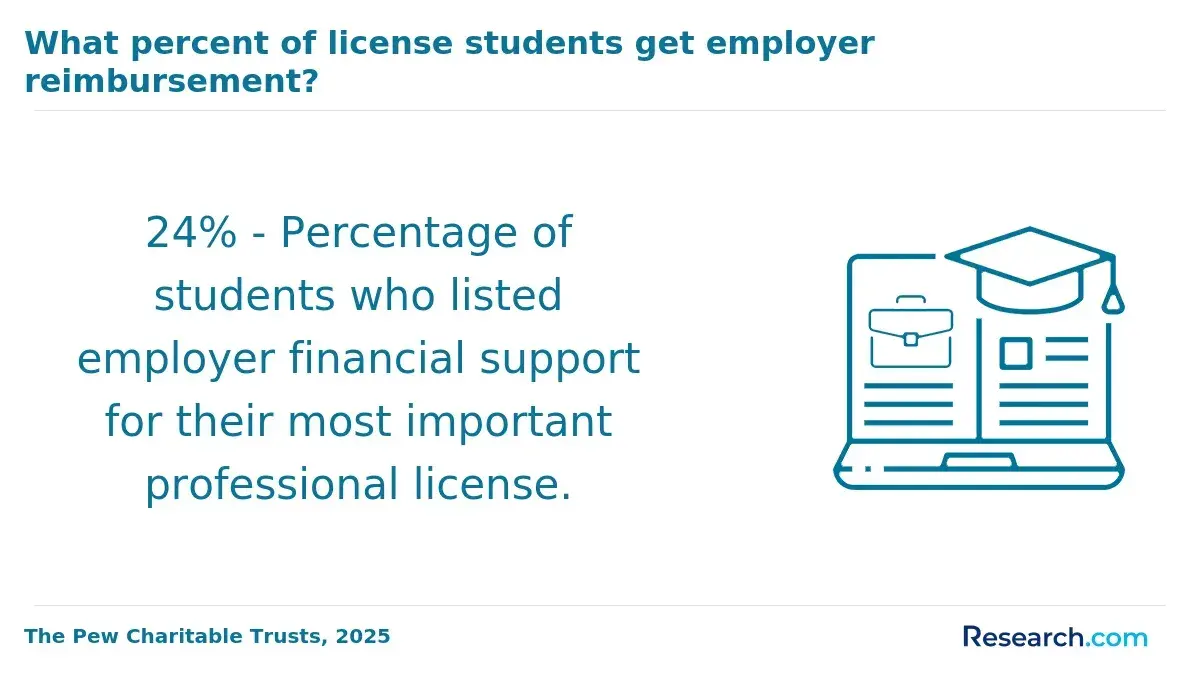
- Employer tuition assistance: Many working adults benefit from employer programs that help fund continued education. Availability and terms vary widely, so checking with human resources is advisable.
- Payment plans: Schools often offer flexible monthly or semester-based tuition plans, allowing students to spread costs over the accelerated timeline and improve budgeting control.
- Impact of accelerated pacing on aid: Condensed schedules may concentrate aid disbursement into fewer installments and demand higher credit loads per term. Maintaining eligibility might require balancing intense study with financial commitments.
When asked about her experience navigating financial aid during her accelerated creative writing degree, a professional graduate reflected on the process with insight.
"It was daunting at first to understand how my aid would be applied since everything moved so quickly," she said. "I had to stay organized with FAFSA deadlines and communicate regularly with the financial aid office to ensure funds arrived on time for each term."
She appreciated the employer's tuition assistance, which supplemented her federal aid and made the intensive schedule more manageable.
"Balancing work, classes, and financing required discipline, but having that support made finishing in two years feel achievable rather than overwhelming."
Her story highlights how proactive planning and tapping multiple aid sources can make accelerated creative writing degrees financially accessible.
What Jobs Can You Get With a 2-Year Creative Writing Degree?
Evaluating the career outcomes of a 2-year creative writing degree is crucial for prospective students seeking to balance time commitments with long-term professional growth. Understanding typical job prospects helps clarify how an accelerated creative writing bachelor's can fit into broader career plans.
The following overview highlights common roles and industry pathways accessible to graduates of these programs.
- Content Writer: Entry-level content writers create engaging articles, blog posts, and marketing copy tailored to various digital platforms. The skill set developed through the accelerated curriculum supports quick adaptation to industry formats and deadlines.
- Copywriter: Copywriters craft promotional and advertising text that drives consumer engagement. Graduates with strong storytelling abilities and critical thinking skills can find opportunities in this competitive field, especially within advertising and marketing agencies.
- Editorial Assistant: Many graduates start as editorial assistants, supporting publishing houses or media outlets with manuscript review, fact-checking, and administrative tasks. This role offers valuable insight into the editorial process and content curation.
- Social Media Coordinator: Managing social media channels requires creativity and clear communication, both emphasized in accelerated creative writing programs. Coordinators develop and schedule posts to enhance brand presence and connect with target audiences.
- Creative Department Assistant: Assisting creative directors or teams involves collaborative project work and administrative support, fostering workplace readiness. This position provides exposure to various creative industries and helps build professional networks.
Students exploring cost-effective pathways may also be interested in discovering the cheapest ADN online programs that can complement or provide alternative educational investments.
How Do Salaries Compare for 2-year Creative Writing Degree vs. Traditional Bachelor's Degrees?
Salary outcomes are a crucial factor when evaluating the return on investment (ROI) of accelerated versus traditional degree paths in creative writing. Understanding the financial implications helps prospective students weigh the benefits of shorter programs against the potential for higher lifetime earnings.
Below is a detailed comparison based on early-career earnings, long-term prospects, and workforce entry timing.
- Early-career earnings: Graduates with a 2-year creative writing degree salary comparison reveals starting salaries generally range from $35,000 to $42,000. In contrast, those holding traditional bachelor's degrees in creative writing often begin with median annual salaries around $50,000 to $55,000, reflecting greater employer preference and credential recognition.
- Long-term earning potential: Although 2-year program graduates start working earlier, traditional bachelor's degree holders tend to experience stronger salary growth and higher earnings over time. Employers typically offer better advancement opportunities to candidates with four-year degrees, influencing career progression.
- Employer perception: Many employers, especially in editorial and content production fields, prefer or require a bachelor's degree. This preference affects not only initial salary offers but also long-term career mobility and job security.
- Career progression timelines: Accelerated program graduates benefit from entering the workforce up to two years sooner, which can provide valuable experience and income earlier. However, this time advantage may not completely offset the higher earning trajectory of traditional degree holders over a lifetime.
Prospective students weighing options may also explore how to finance their education effectively. For example, those interested in related fields like nursing might investigate the cheapest RN to BSN program online to reduce costs while advancing their careers.
Which Factors Most Affect ROI for Accelerated Creative Writing Degrees?
Evaluating the return on investment (ROI) is essential for anyone considering an accelerated creative writing degree, as it helps determine the financial and career benefits relative to time and money spent.
Below are the main factors that affect ROI for accelerated creative writing students.
- Time-to-completion: Accelerated degrees reduce the usual four-year timeline to around two years, allowing students to enter the workforce faster. This shorter duration can lower overall costs and shorten the period without income, positively impacting ROI.
- Tuition and total cost: Although per-credit prices might be similar to standard programs, finishing earlier usually means fewer total credits and less tuition paid. This decrease in financial burden reduces debt and improves economic return.
- Opportunity cost savings: Graduates gain earlier access to employment and income, which can outweigh the costs of education. Advancing in their careers sooner provides a financial advantage compared to peers in longer programs.
- Employment outcomes and salary growth: Career opportunities for creative writing graduates often include writing, content development, marketing, and education. Strong job growth projections for writers suggest promising salary potential that can enhance ROI over time.
- Industry demand: Fields that prioritize storytelling and communication skills typically support steady job prospects and potential for salary increases, affecting long-term economic benefits for graduates.
- Transferability of skills: Critical thinking, research, and communication abilities gained through these programs broaden career options. Versatile competencies improve employability and can lead to higher earnings beyond traditional writing roles.
How Do You Decide If a 2-year Creative Writing Degree Is Right for You?
Deciding if a two-year creative writing degree fits your goals depends on several personal and academic factors. You should assess whether your learning style aligns with a fast-tracked curriculum, as these programs compress content typically spread over four years.
Time availability and how quickly you want to enter the workforce also matter; accelerated paths can save significant time but demand strong time management and adaptability.
Being prepared for an intensive pace is crucial because not everyone thrives under such pressure. Career urgency should guide your choice, especially if quickly gaining entry-level opportunities is a priority.
From a practical standpoint, comparing tuition costs and potential earnings is essential. Shorter programs often reduce overall expenses, though prices vary by school. The median income for writers suggests moderate financial rewards, but actual pay depends largely on experience and skill.
Employers tend to value portfolios and writing ability more than how long a degree took to complete, making accelerated degrees appealing for minimizing debt and increasing career flexibility. A faster degree can ease financial burdens and support quicker transitions into professional writing roles or related fields.
What Graduates Say About Their 2-Year Creative Writing Degree
- Bernadette: "I chose the 2-year accelerated bachelor's degree in creative writing because I wanted to dive into my passion without spending too much time or money-especially since the average cost of attendance was quite reasonable compared to traditional programs. Balancing the intensive schedule was tough, but the flexible online classes made it manageable alongside my part-time job. Now, I'm confidently working as a content creator, and this degree truly fast-tracked my career."
- Sarayat: "Opting for a 2-year creative writing program was a deliberate choice to compress my education while maintaining depth, even though I knew it meant a packed schedule. I stayed disciplined, managing my coursework with late-night writing sessions and weekend workshops. Reflecting on it, the focused curriculum and cost-efficiency have significantly boosted my credibility as a freelance editor."
- Chloe: "When I enrolled in the accelerated 2-year bachelor's degree in creative writing, my goal was to efficiently gain professional skills without compromising quality-especially given the program's competitive tuition rates. The compact schedule pushed me to enhance my time management, which proved invaluable in my current role as a junior copywriter. This degree opened doors earlier than I expected and cemented my commitment to the craft."
Other Things You Should Know About Creative Writing Degrees
Accelerated creative writing programs demand intense focus and time management as students cover the same material as longer programs in less time. This can limit opportunities for in-depth exploration and building a broader academic network. The accelerated pace may also reduce time for internships or part-time work that enhance real-world experience.
A 2-year creative writing degree can be enough to start a career in publishing if combined with internships and networking. These programs offer intensive skill development, but leveraging real-world experience and connections is crucial for breaking into the competitive publishing field.
References
- 15 Things You’ll Learn Studying Creative Writing at University https://www.writerscookbook.com/15-things-youll-learn-studying-creative-writing-university/
- Two year accelerated degrees https://www.staffs.ac.uk/courses/undergraduate/study-options/two-year-accelerated-degrees
- Creative Writing BA(Hons) (Online) https://www.falmouth.ac.uk/study/online/undergraduate/creative-writing
- Liberal Arts (Accelerated) https://www.stmarys.ac.uk/courses/undergraduate/liberal-arts-accelerated
- The Pros and Cons of a Creative Writing Degree https://thebookshelfltd.medium.com/the-pros-and-cons-of-a-creative-writing-degree-b0c2c5061fb1
- Checklist: How to Choose a Good Creative Writing Degree Program https://www.nu.edu/blog/checklist-to-choose-a-good-creative-writing-degree-program/
- Falmouth University Courses and Modules https://falmouth.akarisoftware.com/index.cfm/page/course/courseId/12341/prgdeliveryperiodid/1077
- What the MFA Does and Does Not Do for Aspiring Novelists | Jane Friedman https://janefriedman.com/what-the-mfa-does-and-does-not-do-for-aspiring-novelists/
- Is a Creative Writing Degree Worth It? | The Novlr Reading Room https://www.novlr.org/the-reading-room/is-a-creative-writing-degree-worth-it/
- What Can You Do With a Creative Writing Degree? https://studyonline.ecu.edu.au/blog/what-can-you-do-creative-writing-degree


