
2027 Return on Investment (ROI) of a Data Science Degree Program

Co-Founder and Chief Data Scientist
Many prospective students hesitate before investing in a data science degree due to concerns about high tuition costs and uncertain job prospects. With the U. S. Bureau of Labor Statistics projecting a 36% growth in data science-related jobs by 2031, the demand is clear, but questions remain about salary gains and career stability.
This article analyzes the return on investment of data science degree programs, considering factors such as initial expenses, employment rates, and long-term earning potential. It aims to provide a clear understanding of whether pursuing this education aligns with financial and professional goals in today's competitive market.
Key Things to Know About Data Science Degree ROI
- Data science graduates earn a median salary approximately 20% higher than those with general STEM degrees, reflecting strong earning potential across sectors.
- The field offers accelerated career progression with 65% of data science professionals advancing to senior roles within five years.
- Job stability is robust due to growing demand, with a 36% projected industry growth rate through 2030, ensuring long-term salary growth and cross-industry flexibility.
How Is ROI Calculated for a Data Science Degree Program?
Return on investment (ROI) in higher education measures the financial benefits a student gains from completing a degree compared to the total costs and time required. Calculating data science degree ROI helps prospective students evaluate whether the degree aligns with their career and earning objectives.
Several key factors contribute to assessing ROI for a data science degree program:
- Tuition and Fees: This includes all direct costs such as tuition, books, supplies, and student fees. Lower expenses improve ROI by reducing the financial burden of the program.
- Opportunity Cost: Opportunity cost represents the income forgone while studying instead of working full-time, which affects the overall financial advantage after earning the degree.
- Time to Completion: The program length influences tuition payments and lost wages. Shorter durations can boost ROI by minimizing time away from the workforce.
- Post-Graduation Salary Outcomes: Expected salaries impact ROI significantly; graduates who secure higher-paying roles quickly experience better returns on their investment.
- Career Advancement and Long-Term Earnings: The degree's value grows with opportunities for promotions and increased earnings over time, enhancing long-term ROI.
Prospective students weighing return on investment for data science degrees should also compare program affordability and outcomes with alternatives like bcba masters programs online to find the best fit for their career goals.
How Much Does a Data Science Degree Program Cost?
Accurately assessing the overall cost of a data science degree is vital for gauging its true return on investment, especially as graduate tuition in the U.S. has climbed steadily, often surpassing $20,000 annually. Rising student debt further highlights the need to consider all expenses linked to the program. Below are key cost factors that influence the financial outcome of pursuing this degree.
- Tuition and fees: Typically the largest financial commitment, these cover classroom instruction, access to digital platforms, and institutional support services.
- Books and materials: Specialized textbooks and software licenses required for coursework can add notable expenses beyond tuition.
- Living or relocation expenses: Housing, transportation, and daily costs vary widely depending on program location, often creating a significant budget factor, especially in metropolitan areas.
- Opportunity cost: Time devoted to studying may reduce work hours or income, impacting short-term finances and necessitating careful planning.
- Hidden or indirect costs: Unexpected fees such as exam charges, professional networking events, or supplementary certifications can accumulate and affect the total investment.
One graduate of a data science program shared that managing finances beyond tuition was a continual balancing act. He explained, "I underestimated how quickly software subscriptions and extra workshops added up, and I had to tighten my budget on daily expenses." Taking a part-time job during the program helped offset costs but meant longer hours and less downtime. Reflecting on affordability, he remarked, "It wasn't just about paying tuition; it was juggling all the little expenses and time commitments that really tested my commitment." These insights underscore the importance of a comprehensive financial outlook when considering the true cost of earning a data science degree.
What Financial Aid Is Available for Data Science Degree Programs?
Reducing upfront education expenses through financial aid enhances the long-term return on investment for data science degrees by lowering student debt and easing financial stress after graduation. In fact, about 85% of graduate students receive some form of aid, highlighting its critical role in funding advanced education.
Common financial aid options that can help data science students improve ROI include:
- Scholarships: These merit-based awards require no repayment, directly reducing program costs and minimizing debt, which increases net earnings potential post-degree.
- Grants: Typically need-based, grants lower the total amount students must borrow, decreasing financial burdens and improving overall affordability.
- Fellowships: Often tied to research or academic merit, fellowships provide stipends or tuition coverage, offsetting costs without adding to loan balances and enhancing economic outcomes.
- Employer tuition assistance: Many employers help cover education expenses, reducing out-of-pocket payments and supporting career growth without increasing personal debt.
- Federal student loans: While requiring repayment, these loans usually come with lower interest rates and flexible repayment plans, making them a viable option for managing education financing responsibly.
How Long Does It Take to Complete a Data Science Degree?
How quickly a data science degree is completed significantly affects its return on investment (ROI) by influencing opportunity costs, total expenses, and the timing of entering the workforce with enhanced earning potential. Finishing sooner reduces tuition and living costs while allowing earlier salary gains, whereas longer programs increase costs and delay income.
Several important factors determine the duration of a data science degree and consequently impact ROI:
- Enrollment status: Full-time students usually complete their degrees faster but often pay higher per-semester costs, while part-time students extend their studies but can maintain employment simultaneously.
- Program format: Accelerated and online programs provide more flexibility and typically shorten the time needed compared to traditional, campus-based degrees.
- Transfer credits: Utilizing previously earned coursework can significantly reduce both the length and expense of the program.
- Internships and thesis work: Requiring practical projects or research can add time but often improve skills and career readiness.
- Scheduling flexibility: Evening or weekend classes cater to working students but may extend program length due to reduced course loads.
In a conversation with a recent data science graduate, she reflected on her experience balancing a full-time job with evening classes. "Juggling coursework after work was exhausting at times, especially during the capstone project phase," she shared, emphasizing how her part-time pace stretched the program over nearly three years. Despite the longer timeline, she valued the chance to apply learning in real-time at her job, saying it "made the extended duration worthwhile by building both skills and confidence." Her journey illustrates that while completing a data science degree faster enhances financial returns, individual circumstances and goals can shape what timeframe works best.
Is ROI Higher for Online or On-Campus Data Science Programs?
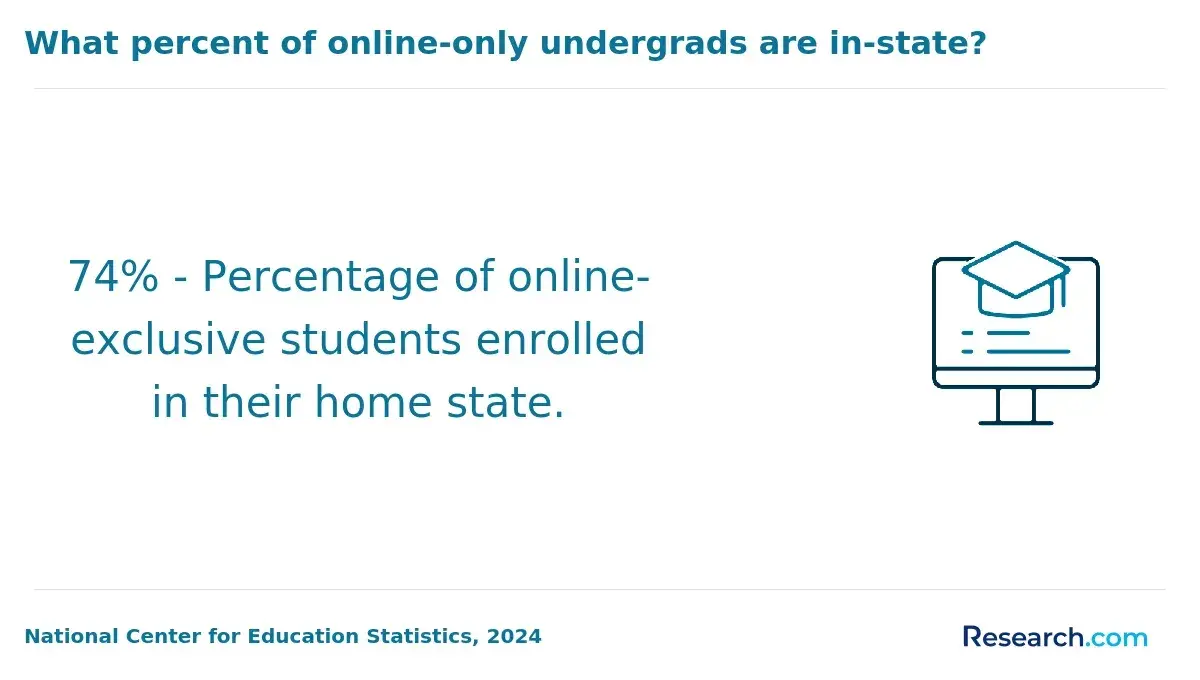
The return on investment (ROI) for online versus on-campus data science programs can differ significantly due to variations in cost, schedule flexibility, and career support. Recent data shows that online enrollment in graduate programs rose by 15% in 2023, reflecting growing adoption among working professionals seeking flexible education options. This shift affects the overall value proposition of each delivery format.
Below are several key factors to consider when comparing the ROI of online versus on-campus data science degree programs:
- Tuition and fees: Online programs generally charge less than their on-campus counterparts, reducing upfront expenses; this makes them appealing for students prioritizing affordability.
- Opportunity cost: Flexible schedules in online programs allow students to continue working while studying, lowering the income lost during education compared to full-time on-campus programs.
- Time to completion: Many online data science degrees offer self-paced or accelerated tracks, potentially shortening the time to earn the credential.
- Networking and career services: On-campus programs typically provide more robust face-to-face networking opportunities and comprehensive career support, which can enhance job placement.
- Employer perception and earnings: While perceptions vary by industry, overall earnings and job prospects between online and on-campus graduates tend to be comparable when controlling for other factors.
For those weighing the financial and career benefits of different learning formats, exploring programs similar to an accelerated psychology bachelors degree online can provide useful insights into how online education adapts to the needs of modern students pursuing strong career outcomes. Evaluating the online versus on-campus data science ROI will help prospective students choose the path best aligned with their professional goals and lifestyle.
What Is the Average Salary After Earning a Data Science Degree?
Post-graduation salary is a major factor in evaluating the ROI of a data science degree, as higher earnings allow graduates to recoup their educational expenses more quickly. Across the U.S., average earnings after data science degree completion range roughly between $85,000 and $130,000 annually, depending on several variables.
Key factors influencing average salary outcomes for data science graduates and their financial ROI include:
- Industry: Compensation varies significantly, with technology and finance sectors typically offering higher salaries compared to government or education roles.
- Geographic location: Graduates working in metropolitan areas known for robust tech industries, such as Silicon Valley or New York City, usually receive greater pay than those in less urban regions.
- Prior experience: Candidates with internships or work experience in analytics or programming often command higher starting salaries, boosting early-career ROI.
- Specialization: Expertise in popular niches like machine learning, artificial intelligence, or big data analytics often leads to premium pay rates.
- Career level: Entry-level roles tend to offer lower pay, but mid to senior positions see rapid salary growth as skills and responsibilities increase.
Prospective students should consider these factors alongside program costs and time investment when assessing potential financial returns of earning a data science degree. For those interested in other fields, exploring mft programs can also provide meaningful career insights.
Does a Data Science Degree Lead to Promotions?
Promotions enhance the return on investment (ROI) for many professionals by bringing salary increases, broader responsibilities, and expanded career mobility. In today's workforce, there is a growing trend toward credential-based promotion, where having an advanced degree is often required or strongly preferred for leadership and specialized roles.
Here are key ways a data science degree may influence promotions and improve ROI:
- Credential Requirements: Many organizations require advanced degrees for specialized or senior-level positions, making a data science degree a valuable asset in meeting these criteria.
- Leadership Preparation: Data science programs develop technical expertise and analytical thinking skills essential for managing complex projects and teams, positioning graduates for leadership roles.
- Employer Tuition Support: Tuition assistance programs offered by employers can lower the cost of earning a degree, increasing its net financial benefit and ROI.
- Internal Promotion Policies: Employees who combine relevant experience with updated academic credentials often have an advantage in internal promotion pools.
- Experience and Education Synergy: A data science degree complements professional experience by providing recognized qualifications that demonstrate a commitment to continued learning and expertise.
Obtaining a data science degree is an effective route to career advancement, particularly as promotions increasingly depend on formal qualifications. For professionals considering options to climb the career ladder, understanding what degrees make the most money can be a useful part of evaluating the benefits of earning such a credential. Those focused on data science degree career advancement and promotions after earning a data science degree will find that the combination of education and experience can significantly improve earning potential and job opportunities.
Which Industries Offer the Best ROI for Data Science Graduates?
The return on investment (ROI) for graduates of data science degree programs varies by industry due to differences in salary levels, career progression opportunities, demand for specialized skills, and job stability. These factors contribute to how quickly and effectively a graduate can recoup educational costs and advance professionally.
Industries with strong growth in data needs and advanced analytics applications tend to offer the highest ROI. The following sectors often provide the best-paying data science careers by industry:
- Technology: Offering high starting salaries and rapid promotion potential, this field thrives on continuous innovation and the need for data-driven product development, enhancing financial and career returns.
- Finance: Valued for roles in risk analysis, fraud detection, and algorithmic trading, the finance sector rewards data science skills with competitive compensation and long-term job security.
- Healthcare: As diagnostics, patient care, and drug development increasingly rely on data analytics, stability and specialized skill utilization make healthcare a strong ROI industry for data science graduates.
- Retail and e-commerce: Data science drives customer insights and inventory management here, leading to growing demand for expertise that boosts sales and profitability over time.
- Consulting: Data scientists working in consulting gain exposure to diverse sectors, expanding skill versatility and often commanding premium pay for specialized knowledge.
For those comparing educational pathways, including shorter programs like an associates degree, evaluating the highest ROI industries for data science graduates is vital to balancing education costs against potential financial and professional benefits.
Does Accreditation Affect ROI for a Data Science Degree?
Accreditation signifies that a data science degree program complies with established quality standards, ensuring a credible and robust education. This recognition impacts return on investment (ROI) by enhancing the program's reputation among employers, which often translates to stronger job opportunities and better starting salaries. Increasingly, employers prefer graduates from accredited programs, viewing them as more rigorously trained and better prepared for technical roles. Additionally, accreditation can determine eligibility for professional certifications or licenses, which are becoming important markers of competency in data-driven industries.
Accreditation affects long-term ROI by fostering employer confidence in the value of the education received, which can lead to improved career advancement prospects. It also opens access to federal financial aid, making the cost of earning a degree more manageable and reducing debt. Transferability of credits is another benefit, allowing students to pursue further education or switch programs without losing progress. Career flexibility grows as well, since credentials from accredited institutions are broadly recognized across industries and geographic regions, supporting greater professional mobility.
Is a Data Science Degree Worth It?
The return on investment (ROI) for a data science degree hinges on factors like program cost, duration, and salary potential after graduation. Tuition fees range from economical online courses to pricier campus programs, which can affect financial payoff. Time spent completing the degree also matters; longer courses might delay earning an income, impacting short-term returns. Graduates often see median starting salaries between $85,000 and $95,000, reflecting strong industry demand and promising career growth in fields such as technology, finance, and healthcare.
Whether a data science degree is worthwhile depends on individual circumstances including industry needs, learning format, and available financial aid. Flexible online or part-time options can help professionals continue earning while studying, enhancing ROI. Scholarships and sponsorships also reduce upfront costs, improving affordability. Those aiming for specialized roles in data tend to benefit more than individuals exploring broader tech paths, making the degree a strategic choice when aligned with clear career goals and market demand.
What Graduates Say About The ROI of Their Data Science Degree
- Klyde: "Choosing a traditional data science degree felt like a big commitment, especially with an average cost of around $30,000 to $50,000 per year. But looking back, the investment was absolutely worth it given the ROI. The structured environment and networking opportunities have accelerated my career much faster than I anticipated. "
- Casen: "As an online student, I had concerns about the price-usually slightly less than traditional programs, roughly $15,000 to $30,000 total. However, the flexibility saved me money on commuting and allowed me to keep working. Completing the data science degree genuinely enhanced my skills, opening doors to roles I wouldn't have otherwise accessed. "
- Walker: "Going part-time was a strategic choice to balance cost and career demands; my program cost about $20,000 in total. I was initially hesitant about the extended timeline, but the steady progress I made gave me practical knowledge and credibility. Ultimately, the degree helped me secure a higher-level professional position that justified every dollar spent. "
Other Things You Should Know About Data Science Degrees
Yes, internships in 2027 can positively affect the ROI of a data science degree by providing practical experience and networking opportunities, making graduates more attractive to employers. This often leads to better job placements and higher starting salaries, which enhance overall ROI.
In 2027, geographic location significantly impacts the ROI of a data science degree. Cities like San Francisco or New York offer higher salaries due to demand and cost of living, boosting ROI. Conversely, in regions with fewer tech hubs, salaries may not justify the same educational investment, potentially lowering the ROI.
References
- Master of Data Science | University of Pittsburgh https://www.coursera.org/degrees/master-of-data-science-university-of-pittsburgh
- Top Industries & Companies Hiring Data Scientists in 2026 https://globalcybersecuritynetwork.com/blog/top-industries-companies-hiring-data-scientists/
- How Technology Can Transform the Higher Education Accreditation Process and Drive Continuous Improvement at Colleges and Universities | American Enterprise Institute - AEI https://www.aei.org/research-products/report/how-technology-can-transform-the-higher-education-accreditation-process-and-drive-continuous-improvement-at-colleges-and-universities/
- The ROI of Your Business Degree: Why Your Education Matters https://www.sbs.edu/blog/roi-of-your-business-degree-education-matters/
- Data Science Course Fees vs. Earning Potential | ROI Explained https://imarticus.org/blog/data-science-course-fees-vs-earning-potential-is-it-a-wise-investment/
- Bachelor of Science in DATA ENGINEERING | Gdańsk University of Technology https://pg.edu.pl/en/admission/bachelor-studies-international-students/study-programs-english/bachelor-science-data-engineering
- Is the ROI of Data Science Certification Worth Your Investment? https://emeritus.org/in/learn/roi-of-data-science-certification/
- Is Data Science Hard? | DiscoverDataScience.org https://www.discoverdatascience.org/articles/is-data-science-hard/
- Full-Stack Data Science Program https://apply.vistula.edu.pl/en_GB/courses/course/572-full-stack-data-science-program
- 5 Things You Should Know Before Getting a Degree in Data Science | Qlik Blog https://www.qlik.com/blog/5-things-you-should-know-before-getting-a-degree-in-data-science


