
2027 Does a Data Science Degree Require Internships or Clinical Hours?

Co-Founder and Chief Data Scientist
Many prospective data science students wonder if internships or clinical hours are mandatory components of their degree programs. This uncertainty complicates decisions about time management and career planning, especially since hands-on experience is highly valued in the job market. According to the Bureau of Labor Statistics, data science occupations are projected to grow 36% from 2021 to 2031, emphasizing the need for practical skills.
However, not all programs require formal internships, which can impact graduation timelines. This article explores whether data science degrees mandate internships or clinical hours and how such requirements influence program structure and employment readiness.
Key Things to Know About Data Science Degree Internships or Clinical Hours
- Most data science degrees do not mandate internships or clinical hours for graduation, but hands-on projects or capstones are commonly required to demonstrate applied skills.
- Online programs often incorporate virtual internships or collaborative data challenges, while campus-based programs may require in-person practicums or local industry placements.
- Practical experience requirements increase time investment but significantly improve job readiness, with 75% of employers valuing such experience when hiring recent data science graduates.
Does a Data Science Degree Require Internships or Clinical Hours?
A data science degree does not universally require internships or clinical hours, but these experiences are often optional or program-dependent. Unlike fields such as nursing or psychology, where clinical hours are mandatory for licensure, data science programs primarily emphasize internships rather than clinical placements. The main purpose of these internships is to provide students with practical, hands-on experience that complements theoretical learning. Incorporating data science degree internship requirements varies by institution, but many encourage such experiences to enhance career preparation.
Internships in data science typically occur during the final year or later stages of the program, lasting from a few months to a full semester. They help students develop skills that are difficult to teach in classrooms, such as managing messy, real-world datasets and collaborating within teams using industry-standard tools. These opportunities also improve networking and employment prospects in a competitive job market. Prospective students evaluating clinical hours in data science programs should consider how internships affect time commitments and career readiness, as those completing internships have up to a 20% greater chance of job offers before graduation. For students comparing program options, resources like the cheapest online slp programs can provide insight into program structures and experiential learning components.
Are Internships Paid or Unpaid in Data Science Programs?
Internships in data science programs can be either paid or unpaid, varying widely based on the employer and industry demand. This distinction matters for students weighing program costs and career planning, as compensation affects financial support and the overall internship experience. Recent trends show that approximately 60% of data science internships in the U.S. offer some form of payment, which highlights the competitive market for skilled candidates.
Several important factors influence whether internships are paid or unpaid:
- Payment structures: Paid internships typically offer hourly wages or stipends, providing essential financial support for students. These positions are often sought after by those needing income during their studies.
- Employer and program factors: The size and resources of the hosting organization, alongside the expected level of expertise and responsibility, heavily impact compensation. Internships tied to formal academic programs granting course credit may sometimes be unpaid or offer limited pay.
- Value of unpaid data science internship opportunities: Even unpaid internships can deliver critical benefits such as academic credit, practical experience, and professional networking. These advantages are vital for many early-career data scientists developing their skills and resumes.
Students exploring data science programs should also consider related educational paths, such as a counseling degree online, which may include unique clinical hours and internship requirements tailored to their career goals.
What Is the Difference Between Internships or Clinical Hours in Data Science Degree Levels?
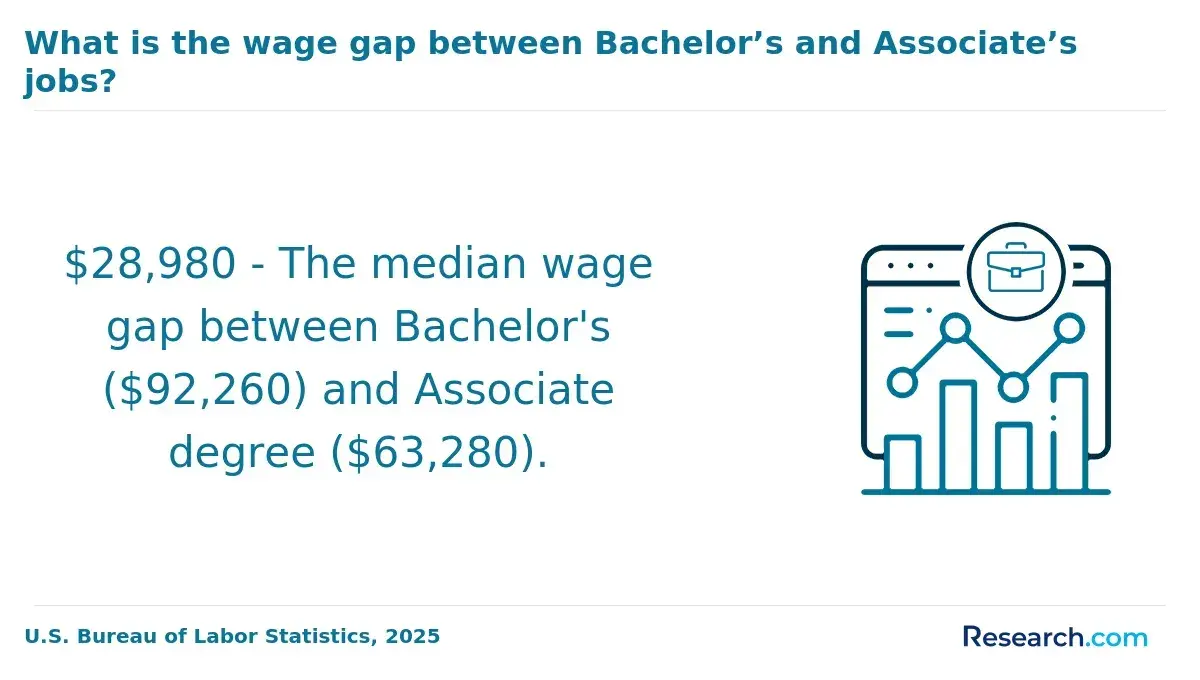
For students planning academic and career pathways in data science, distinguishing internship expectations by degree level is essential. These differences affect time commitment and the development of professional skills important for job readiness. The variations between clinical hours versus internships in data science programs further influence the structure and outcomes of these experiences.
Here is a breakdown of typical requirements at each degree level:
- Associate degree: Internships at this level are generally short and introductory, designed to provide practical exposure to basic data tasks like data collection and simple analysis. Supervision is close, focusing on foundational skills and workplace adjustment.
- Bachelor's degree: Internships are often recommended but sometimes optional, lasting a few months or part-time during semesters. Students engage in data cleaning, basic modeling, and teamwork under direct guidance, which helps build initial professional networks and skill exposure.
- Master's degree: Clinical hours or internships tend to be mandatory and more intensive, frequently spanning a full semester. Students tackle advanced modeling, develop algorithms, and collaborate with interdisciplinary teams, receiving mentorship that encourages independent contribution and deeper expertise.
- Doctoral degree: Internship or clinical hours involve long-term, research-focused projects that require original insights and significant autonomy. These experiences emphasize innovation and preparing students for academic or high-level industry roles.
Students seeking the cheapest mlis degree online or related graduate opportunities should weigh these requirements carefully, as they impact both educational investment and career trajectory.
How Do Accelerated Data Science Programs Handle Internships or Clinical Hours?
Accelerated data science programs incorporate internships or clinical hours within a condensed timeframe, requiring students to manage practical experiences alongside demanding academic workloads. These programs often increase course credits per term and compress project or internship deadlines. To fit these requirements, many schedules place internships during summer breaks, shorter academic sessions, or allow part-time engagement concurrent with classes. Partnerships with employers frequently enable remote or flexible internships, while some courses embed project-based learning that simulates real-world tasks, minimizing the need for separate clinical hours.
Balancing hands-on experience with accelerated coursework demands effective time management and program support to ensure students meet professional skill and licensing standards. About 60% of students in accelerated tracks participate in internships, highlighting the shift toward integrated experiential learning even in fast-paced formats. Programs emphasize aligning practical components with career readiness, helping students fulfill licensure or certification prerequisites without extending program duration.
A graduate of an accelerated data science degree shared that juggling a demanding course load with internship responsibilities was initially overwhelming. He recalled, "I had to quickly adapt to managing tight deadlines while gaining meaningful experience." His internship organization valued his flexible schedule, allowing him to work remotely in the evenings. He described the experience as "challenging but rewarding," noting that it boosted his confidence entering the job market because he not only completed projects swiftly but also built a professional network despite the program's rapid pace.
Are Internship Requirements the Same for Online and On-Campus Data Science Degrees?
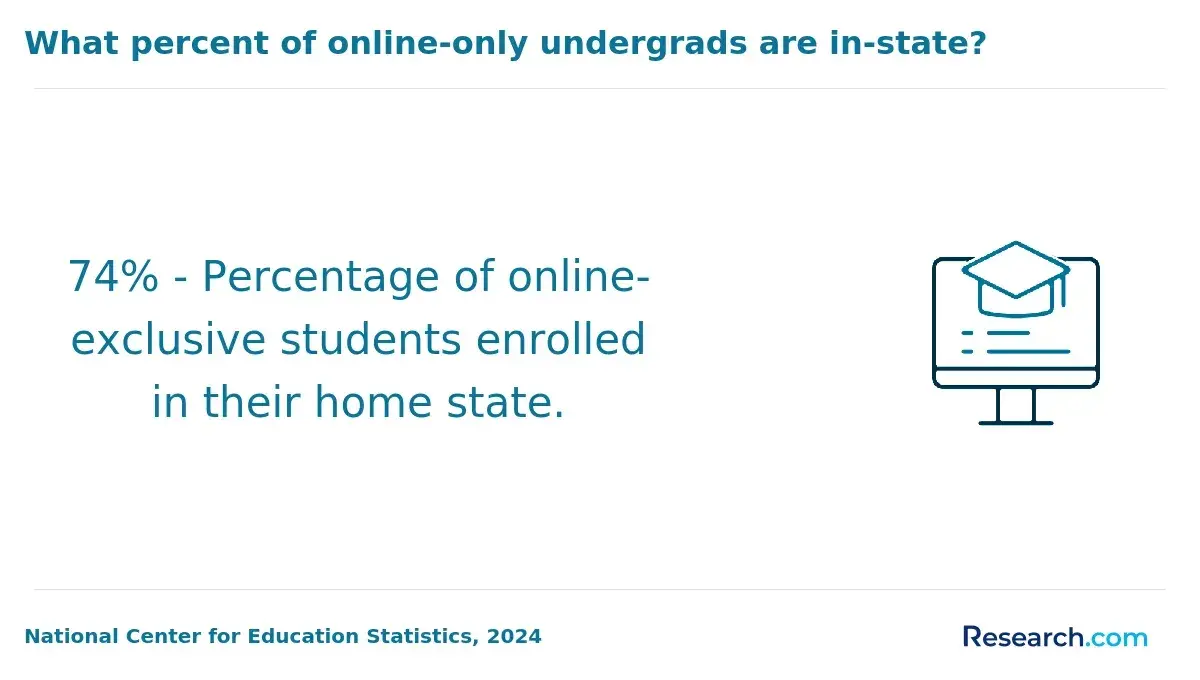
Internship requirements for online and on-campus data science programs generally do not differ in their core expectations. Both formats typically require students to complete a similar number of practical hours-often between 120 to 200-and fulfill defined learning objectives under professional supervision. This consistency ensures that experiential learning aligns with academic standards and professional readiness. Notably, enrollment in online education has surged by nearly 45% in the past decade, reflecting an increased demand for flexible internship models that support remote and hybrid learning environments.
While the standards remain consistent, the execution varies between online and on-campus students. On-campus programs often coordinate internships through local partnerships, which may require physical presence or close proximity to employers. Online students, however, benefit from greater flexibility, securing internships that fit personal schedules and geographic locations, often working remotely. Regardless of format, ongoing mentorship from qualified professionals is essential to validate the learning experience and meet program requirements.
How Do Data Science Degree Specialization Choices Affect Internship Requirements?
Specialization choices in data science degree programs play a critical role in determining internship or clinical hour requirements and their structure. For instance, students specializing in applied fields such as health informatics or bioinformatics often need to complete clinical hours or internships within healthcare environments, gaining hands-on experience with complex medical data and patient privacy issues.
Conversely, those focusing on machine learning or artificial intelligence typically undertake internships in tech firms or research labs that emphasize software development, algorithm optimization, or data engineering. This variation highlights an important workforce trend: over 60% of employers in data-centric fields prefer candidates with internship experience aligned to their specialization, which illustrates the growing importance of tailored practical training for career readiness. Such distinctions illustrate how data science degree specialization internship requirements differ significantly based on focus areas.
The differing internship demands based on specialization also impact scheduling, student workload, and overall career preparation. Clinical hour obligations in healthcare-related specializations often have stricter and less flexible timelines, reflecting the operational constraints of healthcare facilities.
Meanwhile, internships linked to corporate or research roles in machine learning or AI tend to offer more adaptable hours but require a high level of technical skill application, influencing how students balance their academic and practical commitments. These factors can shape the intensity of program workload and readiness for industry challenges, demonstrating the impact of data science specialization on internship length. For students aiming to enter professions with strong earning potential, exploring degrees that pay well alongside specialization-specific internship experiences can enhance career prospects and marketability.
Can Work Experience Replace Internship Requirements in a Data Science Degree?
Work experience can sometimes substitute for internship requirements in a data science degree, a common concern among working students balancing education with professional responsibilities. Many programs recognize relevant prior or current work when it aligns closely with their field of study, especially if the experience has involved hands-on data analysis or applied projects. Factors like the duration of work, the employer's validation, and program accreditation standards influence whether this substitution is granted. For example, mid-career learners or those pursuing specialized applied tracks may find their job experience accepted more readily than fresh graduates, where structured internships remain a key part of training and evaluation.
However, policies vary widely depending on the institution and the degree level, with some programs strictly requiring formal internships to ensure practical exposure in controlled learning environments. It's crucial for students interested in substituting work experience to communicate early with program advisors to clarify eligibility and documentation needs. Confirming these details helps integrate professional experience effectively into degree requirements, potentially reducing time and financial burdens associated with completing formal internships.
When I spoke with a graduate of a data science degree about her experience, she reflected on the challenges of proving her work's relevance to the faculty. Though she had spent years managing data projects in a tech company, the process involved submitting detailed evidence and receiving multiple approvals. "It was stressful at times, having to justify my experience against highly structured internship standards," she said. Yet, she appreciated that this pathway allowed her to focus fully on advancing her knowledge without pausing her career. This blend of professional engagement with academic rigor proved invaluable, enhancing both her skills and confidence as she transitioned into more advanced roles.
How Long Do Internships or Clinical Rotations Last in a Data Science Degree?
Internship or clinical rotation length is a key factor for students balancing academics and practical experience, with most data science programs requiring at least 120 hours to meet industry standards. Many programs now offer varied structures to accommodate diverse schedules and learning goals. Below are common timelines and their driving factors:
- Short-term rotations: Often favored by accelerated courses or bootcamps, these internships typically last 4 to 8 weeks and provide intensive, focused experience. They suit students seeking rapid exposure to real-world projects without a full semester commitment.
- Semester-long internships: Traditional programs align internships with academic terms, usually spanning 12 to 16 weeks. This timeframe allows students to apply classroom concepts over an extended period, facilitating deeper engagement and skill development.
- Extended or modular experiences: Some degrees require longer or multiple placement periods, especially in specializations like machine learning or big data. These models may also be mandated by accreditation bodies to ensure sufficient hands-on time for proficiency.
Flexibility is increasingly common, with options for part-time internships or segmented projects to better accommodate working students and varied learning paces. Recognizing these differences helps prospective students align internship commitments with personal and professional obligations while maximizing career preparation.
Does Completing Internships Improve Job Placement After a Data Science Degree?
Job placement outcomes are a vital concern for prospective students investing time and money in their education, especially in competitive fields like data science. According to a 2022 survey by the National Association of Colleges and Employers (NACE), candidates with internship experience receive job offers at a rate 15% higher than those without, emphasizing the impact of data science internships on job placement. Below are key ways internships influence employment after graduation.
- Employer Preferences: Many employers view internships as extended interviews, favoring candidates who demonstrate practical abilities and reliability during their internship. This hands-on experience often weighs more heavily than academic achievements alone.
- Professional Networking: Internships create opportunities to build valuable industry connections. These networks can lead to job referrals or insider information about openings, which is critical given how many positions are filled through referrals.
- Skill Development: Internships provide real-world projects that enhance technical and soft skills critical to the workplace. This practical exposure helps students become proficient with tools, programming languages, and collaborative problem-solving techniques, which benefits those looking for data science degree internship benefits for employment.
- Conversion to Full-Time Roles: Many organizations use internships as pipelines for full-time hires, increasing the chance that an internship will directly lead to a permanent position.
While internships are not always formal requirements in data science programs, they are highly recommended to maximize career readiness. Students seeking accelerated educational paths can explore 1 year graduate programs that may integrate practical experience efficiently while reducing overall time commitment.
Do Employers Pay More for Data Science Graduates With Hands-On Experience?
Practical experience such as internships or clinical hours can lead to higher starting salaries for data science graduates. According to a National Association of Colleges and Employers (NACE) study, those with relevant hands-on training earned approximately 7% more than peers lacking this experience. Several key factors contribute to this salary advantage.
- Employer valuation of experience: Graduates who complete internships or practicum work are often seen as more prepared for immediate job responsibilities, making them more attractive hires and justifying higher pay.
- Negotiation leverage: Having a portfolio of projects and real-world experience enables candidates to confidently negotiate better compensation packages.
- Industry standards: Certain fields within data science, like healthcare analytics or finance, prioritize industry-specific practical experience, which can translate into a pay premium.
- Program-specific differences: Data science programs that mandate clinical hours or internships typically produce graduates who are more competitive in the job market, positively affecting their starting salaries.
The benefits of hands-on experience can also differ depending on specialization. For instance, machine learning and big data students with internships focused on cloud computing or programming tend to receive greater rewards. Additionally, full-time, campus-based programs generally integrate internships more formally than part-time or online formats, influencing how employers assess practical preparation.
Overall, incorporating experiential learning within a data science curriculum often enhances both initial earnings and longer-term career growth opportunities.
What Graduates Say About Their Data Science Degree Internships or Clinical Hours
- Mordechai: "The internship requirement for my online data science degree was surprisingly affordable compared to traditional programs, costing about a third of the average tuition. This hands-on experience was invaluable, allowing me to apply theory to real-world projects remotely while maintaining my full-time job. Thanks to this practical training, I landed a data analyst position shortly after graduation that truly jumpstarted my career. "
- Casen: "Opting for an online data science program with an internship seemed daunting at first, especially considering the additional costs that were billed separately from tuition. However, investing roughly $2,000 for the internship proved worthwhile as it provided direct industry exposure and networking opportunities. Reflecting back, this experience was pivotal in shaping my professional skill set and confidence. "
- Walker: "Completing the internship component of my online data science degree was a strategic move; the cost was moderate but justified by the professional connections and portfolio projects I developed. The experience bridged the gap between academic knowledge and workplace demands, making me a more competitive candidate. This has significantly impacted my career progression in data engineering fields. "
Other Things You Should Know About Data Science Degrees
Beyond formal internships, participating in projects involving real-world data analysis, machine learning model development, or database management can enhance a data science degree. Engaging in competitions on platforms like Kaggle or contributing to open-source data science tools also provides practical experience. These activities help build a portfolio that can demonstrate applied skills to potential employers.
Yes, certifications such as those offered by Microsoft, IBM, or Coursera can complement a data science degree by validating specific technical skills like programming in Python, data visualization, or machine learning. While not usually mandatory, these certifications can distinguish candidates in competitive job markets and assure employers of proficiency in specialized areas.
References
- Guide to Data Science Internships | Higherin https://higherin.com/career-guides/it/data-science-internships
- Data Science Virtual-Internships | Internship on Demand https://www.internshipondemand.com/data-science-virtual-internships
- How to Become a Data Scientist With No Experience in 2025 https://www.springboard.com/blog/data-science/data-science-no-experience/
- Making the most out of your first data science internship | Towards Data Science https://towardsdatascience.com/making-the-most-out-of-your-first-data-science-internship-ae3e045374e/
- Health Data Science Black Internship Programme https://www.hdruk.ac.uk/study-and-train/train/health-data-science-black-internship-programme/
- Internship requirements — Mathematics, Data Science and Statistics https://www.metrostate.edu/academics/sciences/mathematics-statistics/internship
- Remote Data Science Internships https://capital-placement.com/internships/remote-data-science-internships/
- Why Internships Are Critical for Building a Career in Data Science | Resume Ocean Blog https://www.stuintern.com/blog/why-internships-are-critical-for-building-a-career-in-data-science
- Data Science Internship Jobs: Junior and Entry level https://www.datasciencejobsusa.com/data-science-internship
- Data Science Internships: What are They and How Can You Get One? https://datascienceprograms.com/learn/data-science-internships/


