
2027 Is a 2-Year Data Science Degree Worth It: Accelerated Bachelor's ROI & Time Trade-Offs

Co-Founder and Chief Data Scientist
Prospective students face a critical choice when considering a 2-year accelerated data science degree: whether the condensed timeframe justifies the financial and opportunity costs. According to the National Center for Education Statistics, accelerated bachelor's programs have grown by 18% over five years, reflecting rising demand for rapid, career-focused education.
Yet, the average data science graduate in the U. S. earns a median starting salary of $85, 000, raising questions about the true return on investment compared to traditional degrees. This article examines the ROI and time trade-offs of accelerated degrees, helping readers make informed decisions aligned with their career and financial goals.
Key Benefits of a 2-Year Data Science Degree
- Accelerated 2-year data science degrees reduce time to enter the workforce, increasing earning potential earlier compared to traditional 4-year programs.
- Lower tuition costs and quicker job placement improve overall ROI by minimizing debt and maximizing salary accumulation.
- Demand for data science roles grows 31% annually, ensuring graduates quickly recoup education investment through competitive salaries in technology and analytics sectors.
How Do 2-Year Data Science Programs Work?
Two-year data science programs offer an intensive path for students aiming to complete a bachelor's degree faster than the traditional timeline. Understanding the program's structure, weekly workload for fast-track data science programs, and how it impacts learning and career readiness is essential.
Below is a breakdown of the main features shaping these accelerated pathways:
- Accelerated pacing: These programs condense what typically spans four years into two by shortening course terms and increasing intensity, allowing motivated students to finish sooner.
- Year-round enrollment: Avoiding extended summer breaks, students engage in continuous study, which reduces idle time but demands sustained focus.
- Condensed course terms: Terms usually last 7 to 10 weeks rather than the usual 15, enabling a more concentrated and challenging learning rhythm.
- Credit load expectations: Students take heavier course loads-often 12 to 15 credits per term-requiring effective time management to maintain academic standards.
- Instructional format: Many courses blend online and in-person elements, providing flexibility for working adults or those with other responsibilities.
- Assessment methods: Rigorous evaluations include projects, quizzes, and exams to ensure mastery of key data science skills like programming, statistics, and visualization.
- Curriculum progression: Prerequisites must be completed sequentially to maintain momentum within the compressed schedule.
Data science's growing demand aligns with projections of 31% growth in computer and information research jobs through 2031, highlighting opportunities for graduates who can enter the workforce quickly. Students considering these programs often weigh the cost-benefit, especially since accelerated formats reduce tuition and time investment.
For those looking at alternative accelerated degrees, researching options like the cheapest online pharmacy school may provide insight into other fields' fast-track models.
What Are the Admission Requirements for a 2-Year Data Science Degree?
For students considering an accelerated bachelor's in data science, understanding admission requirements is crucial to better prepare for the application process and to assess whether their background aligns with program expectations. These requirements vary by institution but generally focus on academic readiness and relevant experience.
Below is a detailed breakdown to help prospective applicants navigate the criteria for accelerated enrollment:
- Prior Education: Most programs require a high school diploma or GED as a minimum. This foundational education is essential for meeting eligibility standards and progressing through the curriculum at an accelerated pace.
- GPA Expectations: A solid GPA, typically ranging from 2.5 to 3.0 on a 4.0 scale, often reflects academic readiness. Maintaining this GPA or higher demonstrates a student's ability to handle rigorous coursework, a key factor in accelerated degree programs.
- Standardized Test Requirements: Some accelerated data science programs waive SAT or ACT scores for transfer or experienced students, but others may still require them. Applicants should check individual policies to understand how these tests factor into admissions decisions.
- Prerequisite Courses: Foundational knowledge in algebra, statistics, and introductory computer science or programming is commonly expected. These prerequisites ensure students start with the necessary skills to succeed in more advanced data science subjects.
- Work or Internship Experience: Relevant experience can provide a competitive edge, especially for those applying to selective programs. Practical exposure may demonstrate motivation and familiarity with real-world data science applications.
- Program-Specific Considerations: Due to the condensed timeline, some programs emphasize strong motivation and time-management skills. These qualities are essential to manage the accelerated pace while maintaining academic performance.
For those exploring related healthcare paths, such as accelerated advanced nursing routes, investigating BSN to DNP programs can provide useful insights into similarly accelerated degree options.
What Does a Typical Week Look Like in a 2-Year Data Science Program?
Gaining insight into the weekly demands of an accelerated data science program helps students weigh the rigorous workload against their personal and professional commitments. Knowing how time is allocated across classes, projects, and study allows prospective learners to prepare mentally and logistically for the pace ahead.
Below is a detailed look at the typical elements within such a condensed curriculum:
- Class Sessions or Lectures: Students engage in about 12 to 15 hours of in-person or virtual instruction weekly. These sessions cover critical areas such as statistics, programming, machine learning, and data analysis, often combining lectures with hands-on labs and tutorials.
- Assignments and Assessments: Outside of class, a substantial amount of time-around 10 to 15 hours-is devoted to homework, coding projects, data evaluations, quizzes, and exams designed to test theoretical knowledge and practical application.
- Group Work: Collaborative projects are frequent, simulating workplace environments where teamwork is essential. Students coordinate remotely or face-to-face to tackle case studies, presentations, and joint assignments.
- Independent Study Time: Self-directed learning is critical for reviewing materials, practicing coding problems, and preparation for assessments. Efficient time management is paramount given the accelerated schedule.
- Instructor Interaction: Regular access to instructors through office hours, online chat forums, or review sessions offers personalized support and clarifications, which many find invaluable for staying on track.
- Time Management Demands: The fast pace of the program requires students to juggle coursework and personal responsibilities effectively, making strategic planning and discipline vital for success.
When asked about his experience balancing these demands, a professional who earned a bachelor's degree in data science within two years described the journey as both intense and rewarding. "There were weeks when life felt like a constant hustle between lectures and project deadlines," he recalled.
He emphasized how prioritizing and breaking down tasks into smaller goals helped him manage stress. The collaborative nature of group work sometimes brought added challenges, especially coordinating schedules, but ultimately strengthened his problem-solving skills.
"Even with the relentless pace, having regular check-ins with instructors was a game-changer in keeping me motivated and focused." His reflections highlight that success in such a program hinges not only on academic ability but also on resilience and adaptability.
Are 2-Year Data Science Programs Available Online?
Choosing the delivery format for an accelerated data science degree is crucial, as it directly influences flexibility, accessibility, and effective time management for busy students. Online formats offer distinct advantages that align with the needs of working adults or those balancing other responsibilities.
Below is an overview of key aspects of 2-year online data science programs:
- Fully Online vs. Hybrid: Many programs are delivered entirely online, while some use a hybrid approach combining virtual and occasional in-person sessions. Fully online options provide maximum flexibility for remote learners.
- Asynchronous and Synchronous Learning: Courses often mix asynchronous content-available anytime for self-paced study-with scheduled live sessions to encourage real-time interaction and collaboration.
- Technology Requirements: Students need reliable computers, stable internet, and access to specialized software for programming and statistical analysis to fully engage with coursework.
- Student Support Services: Virtual tutoring, career counseling, and technical support are commonly offered to replicate the resources available on campus, ensuring students receive comprehensive assistance.
- Impact on Pacing and Engagement: Online accelerated programs enable faster progression, sometimes reducing degree completion time by 40% or more. However, success depends heavily on strong self-motivation and consistent engagement to overcome the lack of in-person interaction.
How Much Does a 2-year Data Science Degree Cost?
Evaluating the total cost of a two-year data science degree is essential to understanding its return on investment (ROI), especially for those weighing accelerated programs. These degrees often compress the curriculum into a condensed timeframe, which impacts both the timing and amount of expenses.
Careful consideration of all cost factors can help prospective students determine if this faster path aligns with their financial and career goals.
- Tuition Structure: Tuition is usually assessed per credit, potentially at a premium for accelerated programs that demand faster completion. This structure means students may pay comparable rates per credit but incur costs over a condensed timeline.
- Additional Fees: Beyond tuition, fees for technology resources and lab access can add up. These are essential for data science students who require specialized software and computational tools.
- Textbooks and Learning Materials: Costs may vary, with some resources shifting to digital formats in accelerated courses. However, frequent course changes can cause fluctuations in required materials and expenses.
- Technology and Equipment: Data science programs often demand investment in specialized software or hardware, contributing to total costs.
- Living and Opportunity Costs: Accelerated programs typically reduce living expenses and opportunity costs by shortening time to workforce entry. According to the National Center for Education Statistics, total tuition for accelerated bachelor's programs can range from $15,000 to $40,000 depending on factors like institution type and residency status.
For students comparing options, understanding these factors alongside tuition for accelerated data science programs is crucial. Those also interested in cost-effective alternatives may explore options like the cheapest medical billing and coding program as a reference point for affordable, accelerated coursework.
Can You Get Financial Aid for 2-Year Data Science Programs?
Access to financial aid is a critical factor when considering accelerated data science programs, as the cost and compressed timelines can pose unique challenges. Securing appropriate funding can significantly ease the burden, making these intensive 2-year degrees more attainable.
The following outlines common financial assistance options available to students and how they intersect with the accelerated format:
- Federal Student Aid Eligibility: Accelerated programs that participate in the Title IV federal student aid system enable students to apply for Pell Grants, Direct Loans, and work-study. However, the faster pace may require students to meet academic progress benchmarks more quickly, which can affect disbursement timing and ongoing eligibility.
- Scholarships and Grants: Many awards target STEM fields or data science specifically, often based on merit, need, or background. These funds do not require repayment and provide valuable financial relief during the condensed study period.
- Employer Tuition Assistance: For working adults, employer-sponsored education benefits are increasingly common, allowing partial or full coverage of tuition costs while maintaining employment. This can be especially advantageous for those balancing work and accelerated coursework.
- Flexible Payment Plans: Institutions sometimes offer interest-free installment plans that align with accelerated term schedules. This spread-out payment method can lessen immediate financial strain without incurring additional costs.
A professional who completed an accelerated bachelor's degree in data science shared her experience with financial aid. She recalled how navigating federal aid requirements amidst an accelerated timeline was "challenging but manageable" because she stayed organized and proactive about academic milestones.
Balancing a full-time job, she relied heavily on employer tuition assistance, which "made a huge difference" in covering expenses while still earning. The scholarship funds she secured "came through at perfect times," helping to reduce her loan burden.
Reflecting on the journey, she emphasized that early and detailed planning around financial aid options was key to completing her degree in two years without overwhelming debt. Her story highlights that while accelerated programs require careful financial management, the right aid resources can make them financially viable and rewarding.
What Jobs Can You Get With a 2-Year Data Science Degree?
Evaluating career outcomes is crucial when considering the value of an accelerated data science degree, especially for those balancing time and financial investment against job prospects. A clear understanding of entry-level opportunities helps prospective students gauge how quickly they can enter the workforce and build relevant skills.
Below is a detailed overview of the common jobs and industries that graduates of a 2-year data science degree often pursue:
- Data analyst: This role involves collecting, processing, and performing basic analyses of datasets to produce reports that inform business decisions. Graduates equipped with SQL, Python, and Excel skills are often well-prepared to step into this position immediately after completing accelerated programs.
- Junior data scientist: Entry-level data scientists typically assist in building models, cleaning data, and testing hypotheses under senior supervision. The compressed curriculum of an associate degree targets those wanting rapid workforce readiness, focusing on core data science tools and statistical reasoning.
- Business intelligence analyst: Candidates frequently apply data visualization and reporting software to translate business metrics into actionable insights. These roles appear across industries like finance, healthcare, marketing, and retail where quick data interpretation advances operations.
- Data technician: This position supports data infrastructure by maintaining databases and ensuring data quality. Accelerated associate degrees prepare students for hands-on technical tasks, appealing to employers needing prompt contributors in data-related projects.
- Industry versatility: Graduates often find opportunities in diverse sectors such as technology and marketing, leveraging their skills to solve practical problems. This aligns with the increasing data science career opportunities after accelerated associate degree programs designed to meet demand.
Graduates also benefit from curricula emphasizing real-world, hands-on projects that enhance practical readiness but may eventually require further study or experience to access advanced roles. Sustained demand for skilled data practitioners is noteworthy amid this dynamic landscape.
For information on affordable educational pathways in other fields, consider exploring the cheapest BSN programs online, particularly for aspiring nurses.
How Do Salaries Compare for 2-year Data Science Degree vs. Traditional Bachelor's Degrees?
Salary outcomes are a crucial factor when evaluating the ROI of accelerated versus traditional degree paths in data science. Understanding these differences helps prospective students balance upfront costs and time commitments against potential earnings.
This comparison focuses on salary facts between two-year data science degrees and traditional bachelor's degrees:
- Early-career salary comparison: Graduates holding traditional bachelor's degrees typically start with entry-level salaries around $65,000 annually. In contrast, those with 2-year data science degree salary comparison data show initial earnings ranging from $45,000 to $55,000, reflecting a 20-30% difference in early compensation.
- Long-term earning potential: Traditional bachelor's degree holders tend to have higher long-term earning potential due to broader job opportunities and potential for advancement into leadership roles. The wider scope of career paths supports growth that often surpasses starting salary disparities over time.
- Employer perception and career progression: Many employers favor traditional bachelor's degrees for positions requiring comprehensive data science expertise. This preference can lead to faster career advancement, which translates into higher salaries and more senior roles in the medium to long term.
- Accelerated entry benefits: Graduates from 2-year programs benefit from entering the workforce earlier, often by up to two years. This advantage enables them to accumulate work experience and earnings sooner, which can positively influence early lifetime earnings and partially offset lower starting salaries.
For nursing students interested in balancing affordability and speed, exploring options such as the cheapest DNP programs online can offer a perspective on cost-efficient pathways across related disciplines and specializations.
Which Factors Most Affect ROI for Accelerated Data Science Degrees?
For those considering accelerated data science degree programs, evaluating the ROI is essential to ensure the time and cost commitment leads to meaningful career benefits. Assessing ROI helps students balance tuition expenses, time spent earning the degree, and future earning potential.
Key factors shape the program's viability:
- Time-to-completion: Accelerated programs significantly reduce the length of study, often cutting traditional four-year degrees down to two years. This shorter timeline allows students to enter the job market sooner, which can result in substantial savings on tuition and earlier career advancement.
- Tuition and overall cost: While per-credit fees may be similar to standard programs, the condensed schedule usually lowers total tuition costs. However, the faster pace can limit opportunities for part-time work, which might offset some financial advantages.
- Opportunity cost savings: Completing a degree faster reduces income lost from not working full-time. This advantage compounds as students avoid delaying salary increases and experience early workforce entry compared to peers in longer programs.
- Employment outcomes and salary growth: Data science remains a rapidly growing career field, with strong demand for qualified professionals. Graduates from accelerated degrees who demonstrate relevant skills tend to secure higher-paying roles, often earning starting salaries above $70,000 annually, with solid potential for salary growth.
- Industry demand: The evolving tech landscape requires adaptable skills that accelerated curricula often focus on, such as programming and machine learning. High demand in various sectors supports job security and career progression.
- Transferability of skills: Practical expertise in languages like Python, R, and SQL, combined with analytical abilities, ensures graduates remain competitive amid shifting market needs. These skills provide flexibility across different industries and roles.
How Do You Decide If a 2-year Data Science Degree Is Right for You?
Choosing a 2-year data science degree involves reflecting on your ability to manage an intensive learning schedule and your personal motivation to study at an accelerated pace. These programs require rapid comprehension of complex topics, making them best suited for learners who thrive under pressure and can dedicate substantial time to studies.
If you need to enter the job market quickly or have limited availability for a traditional four-year program, the reduced timeframe can be a significant benefit. Assess your current commitments and whether balancing them with such a demanding pace is realistic. Also, think about how urgently you want to advance your career and if compressing the timeline aligns with your professional goals.
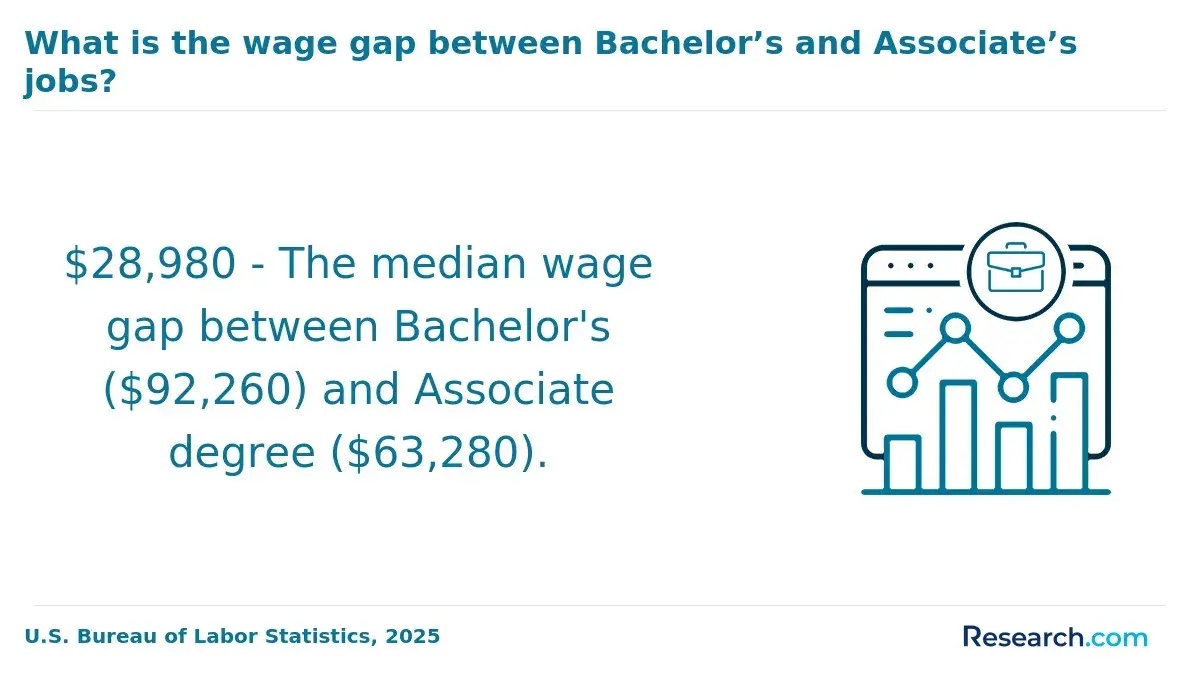
From a financial perspective, a shorter degree may decrease total tuition expenses, but it still demands a considerable investment. The potential salary boost for STEM bachelor's graduates, including those in data science, can be 30-40% higher than for those holding associate degrees, suggesting a favorable return on investment.
Employment growth in data-related fields remains strong, yet many employers expect a solid foundational knowledge that accelerated programs must adequately provide. Evaluate whether this educational path offers the flexibility and advancement opportunities you need in the long term before committing.
What Graduates Say About Their 2-Year Data Science Degree
- Paula: "I chose the 2-year data science degree because I wanted to fast-track my career without accumulating massive debt; the average cost of attendance was surprisingly reasonable for such an intensive program. Balancing work and study was challenging, but the focused schedule kept me motivated and efficient. Now, as a data analyst, I can confidently say this degree opened doors that would have taken years otherwise. "
- Nora: "Reflecting on my journey, the accelerated 2-year program allowed me to immerse myself deeply in data science without the typical distractions of a longer course. Managing the compact schedule required discipline, but knowing the average tuition was lower than many traditional programs encouraged me to keep going. Today, I find that my skills are highly valued, and the career growth I've experienced feels directly tied to the intensity of that program. "
- Sean: "The decision to pursue a 2-year data science degree was all about gaining practical skills quickly. The demanding pace was tough to maintain alongside my part-time job, but with structured planning, I made it work. Professionally, this degree has been a game-changer, helping me step into a data engineering role fast and with confidence, all while saving on tuition compared to four-year alternatives. "
Other Things You Should Know About Data Science Degrees
Employer recognition of a 2-year data science degree can vary; however, many industries place significant value on skillset and project-based learning over degree duration. While some employers may prefer a 4-year degree, others actively seek the practical experience often emphasized in accelerated programs.
By 2026, a 2-year accelerated data science degree can fast-track entry into the workforce, providing foundational skills for entry-level jobs. However, rapid evolution of the field means continued professional development may be necessary to advance and fully leverage long-term career opportunities.
References
- Two-year Degree Courses in the UK | GoStudyIn https://gostudyin.com/study-in-uk/study-options/two-year-degree/
- 7 Ways to Tell if Data Science Is the Right Fit for You https://www.turingcollege.com/blog/7-ways-to-tell-if-data-science-is-for-you
- Lovely Professional University is India's Best Private University https://www.lpu.in/blog/why-a-data-science-degree-is-the-smartest-career-move-today/
- How to Measure ROI for Data Science Training and Demonstrate Value | Medium https://medium.com/@officialforcast/how-to-measure-roi-for-data-science-training-and-demonstrate-value-7499d25c4d57
- Tuition - Data Science & Analytics Master - Georgetown https://analytics.georgetown.edu/tuition-and-scholarships/
- Average Data Science Course Duration Explained https://imarticus.org/blog/whats-the-average-data-science-course-duration-breaking-it-down-by-program/
- Data Science average salary: Trends, insights, and career tips - VinUni https://vinuni.edu.vn/data-science-average-salary/
- Admissions | Accelerated Dual-Degree BS in Data Science/MS or MA in Communications (3+1) https://www.qu.edu/schools/arts-and-sciences/programs/accelerated-dual-degree/bs-in-data-science-ms-ma-in-communications/admissions/
- A Guide to Accelerated Bachelor's Degrees https://www.coursera.org/articles/accelerated-bachelors-degree
- Data Science ROI: How to Calculate and Maximize It | DataCamp https://www.datacamp.com/blog/data-science-roi


