
2027 Return on Investment (ROI) of a Finance Degree Program

Co-Founder and Chief Data Scientist
Many prospective students hesitate to pursue a finance degree due to concerns about tuition costs and uncertain job prospects. In 2023, the U. S. Bureau of Labor Statistics reported a 7% projected employment growth for financial analysts over the next decade, signaling steady demand. However, understanding how this demand translates into salary gains and career advancement requires careful analysis.
This article examines the return on investment (ROI) of finance degree programs, helping readers assess the financial benefits compared to costs and time invested, thereby informing more strategic education and career decisions.
Key Things to Know About Finance Degree ROI
- Graduates with a finance degree often earn 20-30% more than peers without one, reflecting higher starting salaries and accelerated income growth over time.
- Finance degrees open doors to roles in diverse sectors, including banking, consulting, and corporate finance, enhancing career versatility and resilience.
- Long-term career advancement is common, with many holders progressing to senior positions offering greater job stability and substantial financial rewards.
How Is ROI Calculated for a Finance Degree Program?
Return on investment (ROI) in higher education measures the financial gain a student realizes compared to the money and time invested in earning a degree. It helps prospective students and career changers compare the value of a finance degree against its costs and the time required to complete it.
Several factors play a critical role in calculating return on investment for finance degrees. These elements collectively determine whether the degree leads to favorable financial outcomes.
- Tuition and Fees: This includes the full cost of tuition, mandatory fees, and additional expenses such as textbooks and materials. Accurately assessing these costs is essential to understand the total financial commitment of the program.
- Opportunity Cost: Time spent in school full-time often means income foregone from not working during that period. Considering this helps quantify the economic sacrifice involved in pursuing the degree.
- Time to Completion: The length of the program affects not only tuition costs but also delays entry into the workforce. Shorter programs can minimize expenses and lost earnings.
- Post-Graduation Salary Outcomes: Median or average starting salaries after graduation are key to measuring financial returns. Higher initial salaries indicate greater ROI and faster recouping of educational expenses.
- Long-Term Earning Potential: The finance field often offers career growth and salary increases over time, which impacts cumulative earnings and overall ROI positively.
When evaluating a finance degree program, prospective students should also consider alternative educational paths that impact ROI, such as affordable options highlighted in artificial intelligence degree programs, which showcase varying costs and earning potentials across fields.
How Much Does a Finance Degree Program Cost?
Evaluating the total expenses of a finance degree is vital when measuring its return on investment, especially as graduate tuition in the U.S. has been rising more than 3% annually, often leading to heavy student debt. To understand true costs, it's necessary to consider several financial factors beyond just tuition.
Key elements that shape the ROI of a finance degree include:
- Tuition and fees: These costs differ significantly based on whether a school is public or private, and if in-state tuition applies, making this the most substantial and variable expense.
- Books and materials: Finance students require access to specific textbooks, analytical software, and financial databases, which can accumulate to several hundred or more dollars per year.
- Living and relocation: Moving for school incurs rent, food, transport, and daily essentials expenses that vary widely depending on location.
- Opportunity cost: Time dedicated to coursework often means lost wages or career advancement opportunities, a consideration especially important for working adults switching careers.
- Indirect costs: Additional charges like lab fees, professional memberships, or internship-related expenses may not be immediately obvious but add to the overall financial burden.
A graduate of a finance degree program shared that balancing the intense workload alongside managing personal finances was one of the biggest challenges. "It felt like constantly juggling priorities," he explained, noting the stress of budgeting for unexpected costs such as software subscriptions and networking events. He also mentioned that "the opportunity cost was real-I had to pause a promising job to focus on studies, which weighed heavily on me." His experience highlighted how true program costs extend beyond tuition, shaping both financial and emotional investment.
What Financial Aid Is Available for Finance Degree Programs?
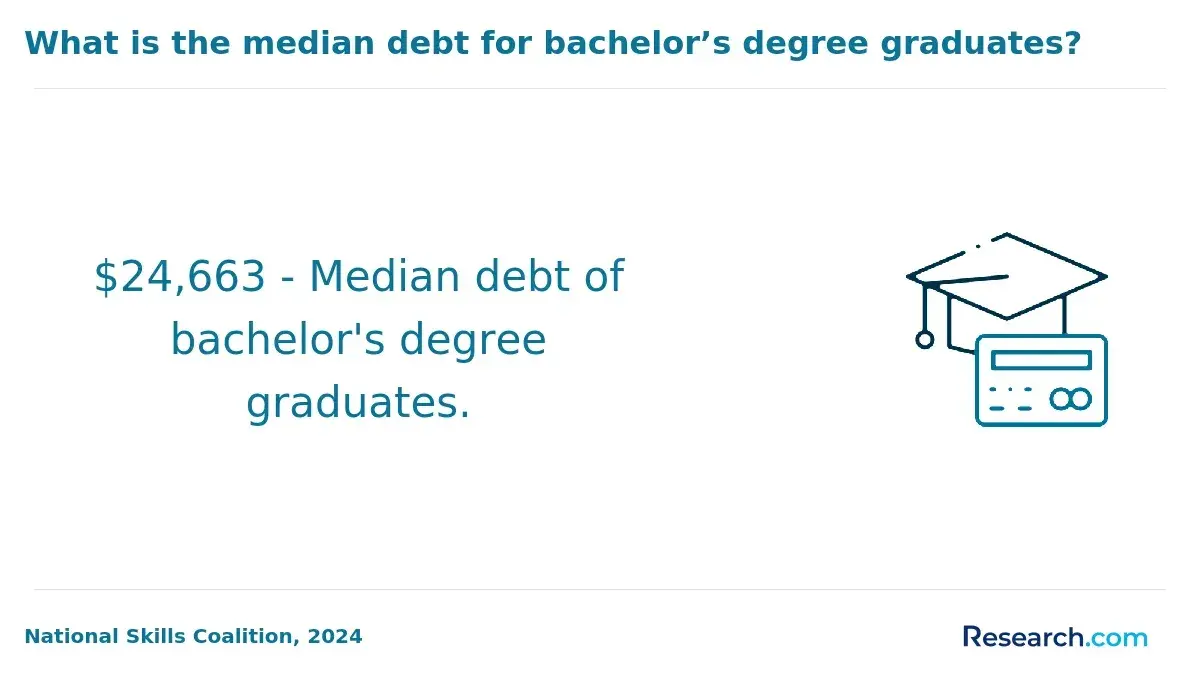
Financial aid reduces upfront expenses in finance degree programs, directly enhancing long-term return on investment by shrinking the need for high student debt. Recent research shows nearly 70% of graduate students depend on some form of financial assistance, highlighting its critical role in managing education costs and future earnings potential.
Below are key financial aid options often utilized by finance students to improve affordability and mitigate debt burden:
- Scholarships: Awarded based on merit or financial need, scholarships do not require repayment and therefore reduce the overall cost of study, increasing the net financial benefit post-graduation.
- Grants: Typically need-based, grants help lower initial expenses without adding debt, making finance degrees more accessible and preserving future income streams.
- Fellowships: Targeted mainly at graduate students, fellowships commonly include stipends or tuition waivers that significantly cut borrowing requirements and boost net returns after completing the program.
- Employer Tuition Assistance: Many professionals can access employer-sponsored reimbursement, which offsets personal education costs and limits long-term debt accumulation.
- Federal Loans: While repayment is necessary, federal loans often offer lower interest rates and flexible repayment, serving as a less burdensome financing option that helps maintain positive ROI.
Breakdown of All 4-Year Online Title IV Institutions

How Long Does It Take to Complete a Finance Degree?
The length of time required to finish a finance degree affects its return on investment (ROI) by influencing opportunity costs, potential earnings, and the overall expenses tied to education. Graduating sooner enables earlier entry into the job market, which can maximize lifetime income and reduce accumulated costs.
Several key factors determine how long completing a finance degree takes and, consequently, impact its financial value:
- Enrollment status: Full-time students often complete degrees quicker because they take more credits per semester, whereas part-time students may extend their education to accommodate work or personal priorities, which can delay earning potential.
- Program format: Online and accelerated programs offer flexibility and shorter durations compared to traditional on-campus paths, allowing students to tailor pacing around other commitments and potentially reduce time to degree completion.
- Transfer credits: Students entering with previously earned credits can bypass certain courses, shortening study time and lowering tuition expenses, which positively influences ROI.
- Internship and thesis requirements: Although these components may lengthen the program, they provide valuable experience that can enhance employability and salary prospects, sometimes offsetting longer study periods.
- Scheduling flexibility: Availability of required courses and institutional policies affect how quickly students can progress, with limited scheduling potentially causing delays and increasing costs.
When asked about her experience, a finance degree graduate reflected on the balance between managing coursework and real-world engagements. She recalled how juggling a part-time job alongside classes stretched her studies beyond the traditional timeline, yet the flexibility of online courses allowed her to maintain steady progress. Although it took longer than initially planned, the practical skills gained from internships and a challenging thesis deepened her understanding and boosted confidence in entering the workforce. "The extended timeframe was frustrating at moments," she admitted, "but the hands-on learning and networking truly paid off in the long run." This perspective highlights how personal circumstances and program choices shape both duration and outcome for finance students.
Is ROI Higher for Online or On-Campus Finance Programs?
The return on investment (ROI) for finance degrees can differ significantly based on whether a program is completed online or on-campus. Delivery format affects costs, flexibility, and career outcomes, with about 35% of graduate students now enrolled fully online, reflecting a growing trend in online education. Tuition pricing and graduate outcomes further influence ROI, especially for working professionals and career changers.
Key factors highlight differences between online and on-campus finance programs:
- Tuition and fees: Online programs usually offer lower tuition and fees, which reduces upfront costs and debt, improving overall ROI. This can be especially beneficial for students balancing budgets and aiming to minimize loans.
- Opportunity cost: Online finance degrees often allow students to continue working while studying, preserving income streams and making it easier to manage living expenses during the program.
- Time to completion: Many online programs provide accelerated options, enabling faster degree completion. On-campus formats may have more rigid timelines, potentially extending the time before benefits are realized.
- Networking and career services: On-campus students typically have better access to in-person networking events and university career resources. These connections can play a key role in long-term career advancement.
- Employer perception and earning potential: While some employers historically preferred on-campus degrees, this gap is closing as online programs improve quality and reputation, leading to comparable earning potential over time.
Those exploring finance education options might also consider related fields and programs, such as cacrep online counseling programs, which reflect similar trends in affordability and flexibility.
What Is the Average Salary After Earning a Finance Degree?
Post-graduation salary is a decisive factor in evaluating the ROI of a finance degree, as higher earnings accelerate the recovery of tuition costs and justify the time invested in education. The average finance degree salary in the US shows entry-level graduates earning between $55,000 and $75,000 annually, while mid-career professionals typically make $75,000 to over $120,000 depending on various influences.
Several factors shape the typical earnings after finance degree completion and affect overall ROI:
- Industry: Finance roles in sectors like investment banking, corporate finance, or consulting generally offer higher salaries than those in government or non-profit organizations.
- Geographic location: Financial hubs such as New York City and San Francisco provide elevated compensation due to higher living costs and demand for talent.
- Prior experience: Graduates with internships or relevant work experience often secure higher starting salaries, enhancing long-term financial returns.
- Specialization: Fields such as quantitative finance, risk management, or financial technology tend to command premium pay because of their specialized skills.
- Career level: Salary growth over time through advancement significantly impacts overall ROI, making career progression a key consideration.
Prospective students comparing degree options may also explore different fields; for example, those interested in a different career path can consider an online masters in marriage and family therapy.
Does a Finance Degree Lead to Promotions?
Promotions significantly contribute to the return on investment (ROI) of a finance degree by bringing salary increases, expanded responsibilities, and greater career mobility. These advancements enhance both the financial and professional outcomes for graduates, making the degree a valuable asset in career development.
A growing workforce trend is the increasing reliance on credential-based promotions. Many organizations now prioritize formal education as a key factor for leadership advancement, understanding that a finance degree imparts essential skills for effective decision-making and strategic thinking.
Here are key ways a finance degree may influence promotion opportunities and ROI:
- Credential Requirements: Many upper-level roles mandate specialized education, and a finance degree fulfills these credential requirements, opening doors to advanced positions.
- Leadership Preparation: Rigorous coursework in financial analysis, ethics, and management equips graduates with the expertise needed to assume leadership and management roles confidently.
- Employer Tuition Support: Graduates often become eligible for employer tuition reimbursement programs, which can further their education and enhance qualifications, creating a cycle of growth and opportunity.
- Internal Promotion Policies: Companies increasingly align promotion decisions with candidates' formal academic credentials, giving finance degree holders an advantage in competitive advancement scenarios.
- Experience Synergy: Combining work experience with a solid finance education creates a compelling case for advancement, blending practical knowledge with theoretical foundations.
Those seeking finance degree career advancement should consider flexible options like an accelerated bachelor's degree online, which can offer faster pathways to earning credentials and unlocking promotions with a finance degree. This combination of education and experience remains a strong formula for climbing the corporate ladder efficiently.
Which Industries Offer the Best ROI for Finance Graduates?
The return on investment (ROI) for finance graduates varies significantly across industries due to differences in salary levels, career progression, and the demand for specialized skills. Industries with high compensation growth and strong promotion potential tend to offer the best ROI, allowing graduates to recoup the cost of their degree more quickly and build wealth over time.
Below are some of the highest ROI industries for finance graduates:
- Investment banking and financial services: This sector is known for competitive salaries and bonuses, providing rapid advancement opportunities and valuable financial modeling skills that enhance long-term earning potential.
- Technology: Finance roles in tech companies combine strong job growth with high pay; these positions require analytical expertise to manage financial operations and strategic investments, boosting career development.
- Management consulting: Finance professionals here apply diverse skills across multiple industries and benefit from clear paths to senior leadership, increasing both earnings and career flexibility.
- Private equity and venture capital: These fields offer high earnings linked to deal success, rewarding specialized financial analysis and deal structuring skills that drive substantial financial rewards.
- Corporate finance in manufacturing and healthcare: These sectors offer stable job prospects and steady salary growth, with opportunities to influence company strategy through budgeting and capital allocation.
For individuals exploring financial education options, considering the associates degrees may provide an accessible starting point before advancing into finance roles with higher ROI. Understanding the best-paying finance careers by industry can guide students and professionals in selecting paths that maximize both financial returns and career satisfaction.
Does Accreditation Affect ROI for a Finance Degree?
Accreditation signifies that a finance degree program meets established quality standards governed by educational authorities, serving as a mark of credibility. This validation plays a crucial role in return on investment (ROI) because it influences employer confidence and graduate success. Employers generally prefer candidates who graduate from accredited programs, enhancing job opportunities and earning potential. A notable trend in the workforce highlights the increasing importance of licensure and certification, with accredited programs often fulfilling key prerequisites for professional credentials such as the Chartered Financial Analyst (CFA) designation.
Accredited finance degrees also impact long-term ROI by improving access to federal financial aid, which can reduce upfront costs. Furthermore, credits from accredited programs are more widely accepted for transfer, aiding those pursuing further education or career changes. Accreditation is linked to stronger employer trust, which positively affects hiring and advancement prospects. Additionally, graduates from accredited programs are better positioned to obtain necessary licenses, supporting broader career mobility and sustained financial benefits.
Is a Finance Degree Worth It?
The return on investment for a finance degree depends on several factors including the cost of the program, the duration of study, potential starting salaries, and opportunities for career growth. Tuition fees can vary greatly, and longer programs may delay when graduates begin to see financial benefits. Entry-level salaries for finance graduates typically hover around $60,000 annually, reflecting strong demand in the sector, though this figure can fluctuate by region and employer. Moreover, career paths in finance often offer progression into roles like financial analysis and management, which can significantly increase earnings over time.
Whether a finance degree is a sound investment varies based on individual circumstances. High tuition without financial aid can diminish its value, while scholarships and employer assistance might enhance returns. Industry demand remains steady, particularly for those with relevant experience, which can improve job stability and salary prospects. Program formats that reduce time to completion, such as accelerated or online options, may also boost overall ROI. Ultimately, the degree tends to be more worthwhile for those whose career goals align with lucrative finance roles and market needs.
What Graduates Say About The ROI of Their Finance Degree
- Shane: "Choosing to pursue a finance degree as a traditional student was one of the best decisions I've made. While the average cost of attendance was significant, around $35,000 per year, I viewed it as an investment in my future. The knowledge and skills I gained have already opened doors to roles with strong growth potential, proving the long-term ROI was totally worth it. "
- Emma: "Going the online route for my finance degree was a balancing act with costs and career goals in mind. The flexibility saved me money on commuting and gave me a chance to work simultaneously, easing the financial burden of tuition. Ultimately, the program's reputation helped me land a financial analyst position, affirming that the time and cost invested were worthwhile."
- Samuel: "As a part-time finance student, I was cautious about the price tag, knowing the average program costs upwards of $30,000. But I remained focused on the ROI, considering how the degree could elevate my career. Since graduating, I've seen a noticeable boost in credibility and salary negotiations, making every penny spent worthwhile from a professional standpoint. "
Other Things You Should Know About Finance Degrees
A finance degree equips students with analytical, quantitative, and critical thinking skills that are highly valued in the job market. Graduates learn to interpret financial statements, assess risks, and make data-driven decisions, which enhance their employability and earning potential. These skills can lead to roles in investment analysis, financial planning, and corporate finance, boosting the overall return on investment.
The reputation of the institution can influence job prospects and starting salaries for finance graduates. Employers often prefer candidates from well-known schools with strong alumni networks and industry connections. However, a highly regarded program may come with higher tuition, so students should weigh potential salary benefits against increased costs to determine true ROI.
The strongest skill enhancing the ROI of a finance degree in 2027 is financial analysis. It not only boosts employability but also ensures graduates can interpret complex market data, a critical skill for positions such as financial analysts, investment bankers, and portfolio managers leading to better career prospects and higher salaries.
References
- Corporate Finance Jobs: Full Guide, Salaries, Exits + More https://mergersandinquisitions.com/corporate-finance-jobs/
- Finance and Accounting for Business - Bachelor’s Degree Program https://study.gov.pl/finance-and-accounting-business-bachelors-degree-program
- What Can You Do With a Degree in Finance? - Brooklyn College https://www.brooklyn.edu/finance/finance-degree/
- How Long Does It Take to Get a Finance Degree | ValidGrad.com https://validgrad.com/blog/how-long-does-it-take-to-get-a-finance-degree-the-complete-timeline-guide-you-need-to-know/
- College Accreditation Does Not Guarantee Good Student Outcomes - FREOPP https://freopp.org/whitepapers/college-accreditation-does-not-guarantee-good-student-outcomes/
- Bachelor in Finance and Accounting https://www.kozminski.edu.pl/en/programs/undergraduate-programs-bachelor/bachelor-finance-and-accounting
- College ROI | Understanding Return on Investment for College Degrees https://www.collegeflightpath.com/cfp-blog/understanding-the-roi-of-college-majors-financial-considerations
- What Are the Best Master’s in Finance Programs With The Highest Graduate Salaries? https://mastergradschools.com/master-specializations/best-finance-master-highest-salaries
- Uncommon Jobs for Your Finance Degree https://www.investopedia.com/articles/financialcareers/09/uncommon-jobs-finance-degree.asp
- Why Study Finance? Is Finance A Good Major? | Durham University ISC https://www.durhamisc.com/blog/why-study-finance


