2027 Return on Investment (ROI) of a Health Information Management Degree Program

Co-Founder and Chief Data Scientist
Many prospective students question whether investing in a health information management degree justifies the time and tuition costs amid career uncertainties. With the healthcare industry rapidly digitizing, demand for skilled health information management professionals is growing. Employment in this field is projected to increase by 11% through 2032, faster than the average for all occupations.
This article examines the tangible return on investment of a health information management degree by analyzing salary potential, job placement rates, and industry growth trends. It aims to equip readers with data-driven insights to make informed decisions about pursuing this educational path.
Key Things to Know About Health Information Management Degree ROI
- Graduates with a health information management degree earn a median salary of $55,000, with potential increases above 20% after five years of experience.
- Career advancement is common, with roles expanding into compliance, data analytics, and health IT management across diverse healthcare settings.
- Job stability remains high due to the ongoing demand for accurate health data management and regulatory compliance in the evolving medical industry.
How Is ROI Calculated for a Health Information Management Degree Program?
Return on investment in higher education compares the financial benefits gained from completing a degree against the costs and time involved. It helps students evaluate whether pursuing a health information management degree is a worthwhile choice by balancing potential earnings with expenses and effort.
The main factors that influence calculating roi of health information management degrees include the following:
- Tuition and fees: This covers direct program costs such as tuition, textbooks, and other fees. Accurately accounting for these expenses is essential to understand the total financial outlay.
- Opportunity cost: This includes income lost while studying full-time rather than working. It reflects the broader cost of the program beyond tuition by factoring in missed wages during the course.
- Time to completion: The duration of the degree affects ROI since shorter programs reduce opportunity costs and allow faster entry into the workforce, improving financial returns sooner.
- Post-graduation salary outcomes: Average starting salaries and earning growth in health information management impact how quickly graduates recoup their investment. Better salary prospects enhance ROI by increasing long-term earnings relative to costs.
- Career advancement: The degree's potential to unlock promotions and higher-paying roles contributes to sustained financial benefits over time. This factor links closely to job stability and long-term earning potential.
For those comparing health information management degree program cost versus earnings, examining these elements closely is crucial. Prospective students should also explore related educational paths, such as a pharmacy school, to understand their wider options in healthcare fields.
How Much Does a Health Information Management Degree Program Cost?
Accurately assessing the return on investment for a health information management degree requires a clear picture of its total cost. Graduate tuition at public universities averages over $11,000 annually, while private programs often exceed $25,000, factors contributing to growing student debt nationwide.
Several expense categories influence the financial commitment behind pursuing this degree. Key costs affecting ROI include:
- Tuition and fees: The primary expense covers academic instruction and institutional services, making up the largest portion of program costs.
- Books and materials: Required textbooks, specialized software, and access to digital resources may add several hundred dollars each term.
- Living or relocation expenses: Students attending programs away from home face additional costs for housing, food, and transportation that can substantially raise the overall investment.
- Opportunity cost: Especially for full-time students, income lost from reduced work hours or temporary unemployment is a critical factor to consider.
- Hidden or indirect costs: Fees for technology, certification exams, and internship-related expenses often go unnoticed but increase the total price tag.
A graduate I spoke with described juggling the financial pressures alongside coursework, noting: "Finding affordable housing was tougher than expected, and I underestimated how costly the certification exams would be." He added that working part-time helped offset some expenses but made time management challenging. "Every dollar counted, and sometimes the sacrifices felt overwhelming. Still, knowing the degree could open doors made it worthwhile."
What Financial Aid Is Available for Health Information Management Degree Programs?
Financial aid helps reduce initial education expenses for health information management students, which can lower the need for borrowing and improve the long-term return on investment. Nearly 70% of U.S. graduate students rely on some form of financial support, emphasizing its role in managing educational costs effectively.
Common financial aid options available include:
- Scholarships: These awards do not require repayment and can significantly decrease overall costs, thereby enhancing ROI by limiting student debt.
- Grants: Usually based on need, grants provide funds that reduce out-of-pocket payments, making education more affordable and lowering future financial strain.
- Fellowships: Granted for academic or research excellence, fellowships may cover tuition and living expenses, easing financial pressure and improving net returns.
- Employer tuition assistance: Some employers offer reimbursement programs that offset tuition expenses, allowing students to complete degrees with less personal expense and better salary-to-debt ratios.
- Federal loans: These loans must be repaid but often feature low interest rates and flexible terms, enabling manageable debt aligned with anticipated salary increases after graduation.
How Long Does It Take to Complete a Health Information Management Degree?
The length of time to finish a health information management degree has a direct impact on its return on investment by affecting opportunity costs, when graduates can start earning, and total educational expenses. Programs that take less time can reduce the income foregone during study and allow earlier workforce entry, enhancing financial benefits.
Several important factors shape the time needed to complete the degree and influence overall ROI:
- Enrollment status: Full-time students typically complete their studies more quickly but face a heavier course load, while part-time enrollment suits working adults by spreading out courses over a longer period, which may delay income gains.
- Program delivery: Online and accelerated tracks often shorten the duration by offering flexible pacing and condensed schedules, cutting both time and costs.
- Transfer credits: Prior academic credits reduce the number of required courses, trimming down total study time and related expenses.
- Practicum components: Internships or thesis projects enhance skills and employability but can extend the degree timeline, adding to direct and indirect costs despite potential long-term job benefits.
- Scheduling flexibility: Evening and weekend classes enable students to maintain employment, balancing income with study but sometimes lengthening overall completion.
When I asked a health information management graduate about her experience with program length, she reflected on balancing coursework and real-life demands. She described how managing her full-time job alongside evening classes added stress but provided crucial income support.
"It wasn't easy to juggle everything," she said, "but having classes after work hours made finishing possible without quitting my job." Although internships extended her timeline, she valued the hands-on exposure that helped her land her first position. Her journey underscores how choices around pacing and commitments shape the time invested without diminishing ultimate career rewards.
Is ROI Higher for Online or On-Campus Health Information Management Programs?
The format of a health information management degree program can influence its return on investment through differences in cost, flexibility, and career outcomes. Notably, online enrollment in higher education has surged by over 30% in the past decade, highlighting increased acceptance of online learning across fields. This growth reflects changing student preferences and the evolving landscape of education delivery.
When comparing ROI of online vs on-campus health information management degrees, several factors come into play:
- Tuition and Fees: Online programs generally have lower tuition rates and reduce commuting expenses, making upfront costs more affordable for many students.
- Opportunity Cost: The flexibility of online programs allows working professionals to continue earning while studying, thereby reducing income loss during the degree.
- Time to Completion: On-campus programs often have structured schedules that can encourage faster completion, although some online programs offer accelerated tracks as well.
- Networking and Career Support: On-campus education may provide stronger networking opportunities and access to on-site career services, which can be valuable for job placement and advancement.
- Employer Perception: Although employer views of online degrees are improving, perceptions can vary by region and employer type, potentially affecting hiring prospects.
Long-term earning potential tends to depend more on professional experience and credentials than the delivery format itself. For those researching health information management program ROI differences by format, exploring options such as medical coding and billing classes online with financial aid can provide helpful insights into affordable online pathways.
What Is the Average Salary After Earning a Health Information Management Degree?
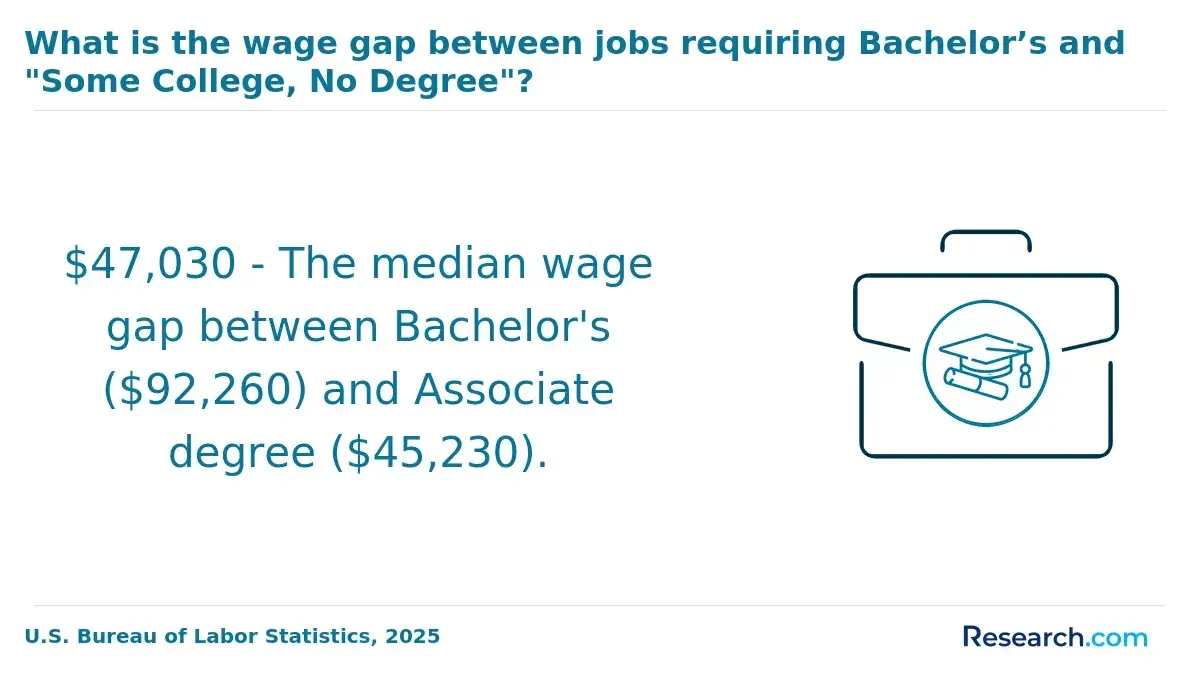
Post-graduation salary plays a critical role in evaluating the ROI of a health information management degree because it determines how quickly graduates can recover their educational investment and enjoy financial benefits. Typically, the average health information management salary ranges between $50,000 and $90,000 annually, with entry-level roles starting near the lower end and experienced professionals reaching the higher end.
Several factors influence health information management degree salary expectations and impact overall ROI:
- Industry: Salary levels differ among healthcare providers, insurance firms, and government agencies, with some sectors offering higher pay due to the volume and complexity of data handled.
- Geographic location: Urban centers and high-cost-of-living regions generally provide better compensation compared to rural areas, reflecting local market demand and cost structures.
- Prior experience: Graduates who bring relevant internships or work history tend to secure higher salaries and advance faster in their careers.
- Specialization: Expertise in coding, data analytics, or compliance often results in premium pay within the health information management field.
- Career level: Progressing into supervisory or managerial positions significantly raises earning potential, enhancing long-term ROI.
For those seeking flexible options, an excellent choice is pursuing a healthcare administration online degree, which can complement a health information management degree and expand career prospects.
Does a Health Information Management Degree Lead to Promotions?
Promotions contribute significantly to the return on investment of a health information management degree by bringing salary increases, expanded responsibilities, and greater career mobility. These advancements enhance both the financial and professional benefits an individual gains.
A notable trend in the healthcare workforce is the increasing focus on credential-based promotion, where formal education and certifications play a crucial role in career advancement within healthcare administration.
Consider these key ways a health information management degree can influence promotions and improve ROI:
- Credential Requirements: Many healthcare organizations require formal education credentials for leadership and supervisory roles. Holding a related degree often becomes essential to meet these internal benchmarks and progress within the organization.
- Leadership Preparation: This degree provides foundational knowledge and specialized skills that prepare graduates for management responsibilities, making them strong candidates for promotion.
- Tuition Reimbursement: Employers frequently offer tuition reimbursement programs for degree-related education, which can lower out-of-pocket costs and increase ROI by making the degree more affordable.
- Promotion Policies: Internal policies favoring degree holders create clearer pathways for individuals with a health information management degree to advance, especially when combined with relevant work experience.
- Experience and Education Synergy: Employers value the blend of hands-on experience and formal education. While experience is important, the degree often accelerates promotion timelines, resulting in faster career growth and higher long-term earnings.
For those exploring educational paths in healthcare, comparing a health information management degree to other options like an online nursing degree can help determine which provides better alignment with career goals and advancement potential.
The health information management degree career advancement prospects remain strong due to these factors. Promotions with health information management degree credentials tend to deliver meaningful financial returns and enhanced professional opportunities over time.
Which Industries Offer the Best ROI for Health Information Management Graduates?
The return on investment for health information management graduates varies across industries primarily due to differences in salary levels, career progression opportunities, and demand for specialized skills. These factors influence how quickly professionals can increase their earnings and move into leadership roles.
Industries with solid returns on investment typically provide stable demand while leveraging technical and managerial expertise. Below are some industries that tend to offer the strongest ROI for health information management graduates.
- Healthcare providers: Hospitals and clinics maintain steady demand for skilled health information management professionals, offer competitive salaries, and provide clear promotion pathways into administrative roles, leading to consistently strong ROI.
- Health insurance: This sector rewards expertise in data analysis and regulatory compliance with lucrative compensation, allowing graduates to benefit from increasing earnings as they advance.
- Government agencies: Federal, state, and local health departments offer job security, excellent benefits, and ongoing need for data management and reporting, supporting stable, long-term ROI.
- Health IT and technology firms: Companies focused on electronic health records and data analytics provide opportunities for technical skill application and innovation-driven salary growth.
- Consulting firms: Healthcare consulting offers diverse project experience and high earning potential tied to optimizing health information systems and ensuring regulatory compliance.
Choosing a career path within these highest paying industries for health information management graduates can significantly impact financial outcomes. Additionally, exploring the cheapest BSN programs may help prospective healthcare professionals manage educational costs while considering careers linked to health information management.
Top health information management careers with best ROI are found where technical knowledge meets leadership demand, reflecting industry valuation of skills and strategic capabilities.
Does Accreditation Affect ROI for a Health Information Management Degree?
Accreditation for health information management degree programs signifies that a program adheres to established quality standards set by recognized accrediting organizations. This validation ensures that the curriculum is relevant and up to date, which employers often recognize when evaluating candidates.
Many employers and certification boards require graduation from an accredited program to qualify for licensure or certification exams, a trend that directly influences job eligibility and earning potential. Graduates from accredited programs generally have stronger employment prospects, improving the overall return on investment of their education.
Accreditation also plays a significant role in enhancing long-term ROI by building employer confidence and expanding career opportunities. It enables students to access federal financial aid, which can reduce the upfront costs of earning the degree.
Additionally, credits earned through accredited programs tend to be more transferable, supporting further education or career shifts. These factors combined contribute to better career mobility, licensure eligibility, and ultimately, higher lifetime earnings and financial benefits for graduates.
Is a Health Information Management Degree Worth It?
Evaluating the financial and career benefits of a health information management degree involves several important factors. Tuition costs and the typical two- to four-year completion timeframe contribute to the initial investment, while graduates can expect median salaries between $55,000 and $70,000 annually, depending on experience and location.
The field's faster-than-average employment growth, driven by the expanding use of electronic health records and data compliance, enhances prospects for job security and career advancement. Potential salary increases often come with additional certifications and growing expertise, making the degree a considerable investment for many.
The degree tends to offer better ROI for individuals focused on healthcare data management or regulatory roles, especially when programs provide flexible options such as part-time or online study. Access to financial aid can significantly affect overall costs, influencing whether the long-term benefits outweigh the expenses.
However, those uncertain about a healthcare career path or unable to utilize funding support might find the investment less advantageous. Ultimately, personal goals, the ability to adapt to industry trends, and program flexibility are key in deciding if pursuing this degree aligns with one's financial and professional aspirations.
What Graduates Say About The ROI of Their Health Information Management Degree
- Gianna: "Choosing to pursue a health information management degree through a traditional program was one of the best decisions I've made. Despite the average cost of around $20,000-$30,000, the long-term ROI has been impressive given the growing demand in healthcare data roles. Ever since graduation, I've seen a clear boost in my career opportunities and salary potential, making every dollar spent worth it. "
- Ella: "Going for an online health information management degree allowed me to balance costs and flexibility perfectly. The program's tuition was competitively priced, usually less than traditional options, and the long-term benefits have definitely outweighed the investment. Looking back, the ability to advance professionally and enter a stable field dealing with patient data management has validated my decision, especially as the healthcare industry evolves. "
- Jim: "Enrolling part-time in a health information management program was a calculated move; balancing work and study was challenging but ultimately rewarding. Considering the overall cost near the national average, I can confidently say it was worth every cent due to the practical skills I gained. This degree has been pivotal in advancing my professional credibility and opening doors to leadership roles focused on health informatics."
Other Things You Should Know About Health Information Management Degrees
In 2027, analytical skills, proficiency in electronic health records (EHR) systems, and data management expertise significantly boost the ROI of a health information management degree. Employers highly value these skills, translating to better salary prospects and enhanced job security within the healthcare industry.
Job market demand strongly influences the ROI of this degree. The healthcare sector, particularly in health information management, is growing due to increased digitization and regulatory requirements. Consistent demand for skilled professionals supports stable employment and salary growth, which positively impacts the program's return on investment over time.
In 2027, certifications like the Registered Health Information Administrator (RHIA) and Certified Health Data Analyst (CHDA) can enhance a health information management degree's ROI. These credentials can increase earning potential and job security by demonstrating specialized skills and commitment to industry standards, which employers value.
References
- Health Information Management https://healthsciences.louisiana.edu/academic-programs/health-information-management
- Careers with a Health Information Management (HIM) Degree https://www.medicaltechnologyschools.com/health-information-management/careers-with-him-degree
- Health Information Management Questions and Answers https://www.ultimatemedical.edu/blog/health-information-management-questions-and-answers/
- What Can I Do with a Health Information Management Degree? https://www.herzing.edu/degree/health-information-management
- The Road to a Health Information Management Degree: How Long and Career Options | Bryan University Online© https://bryanuniversity.edu/faq/the-road-to-a-health-information-management-degree-how-long-and-career-options/
- Health Information Career Paths: Exploring Your Potential Options https://www.rasmussen.edu/degrees/health-sciences/blog/health-information-career-paths/
- 10 Best Career Paths for Health Information Management https://potomac.edu/best-careers-health-information-management/
- Health Information Management - Associate Degree https://www.blackhawk.edu/Programs-Courses/Health-Information-Management
- Health Information Management https://lakeshore.edu/programs-and-courses/career-areas/health-science/health-information-management
- Early Results Show It Pays to Be Accredited https://www.providermagazine.com/Articles/Pages/Early-Results-Show-It-Pays-to-Be-Accredited.aspx