2027 Is Demand for Health Information Management Degree Graduates Growing or Declining?

Co-Founder and Chief Data Scientist
Healthcare organizations increasingly rely on accurate data management to improve patient outcomes and meet regulatory requirements. Graduates with a health information management degree face questions about their job prospects due to evolving technology and healthcare policies. According to the U. S. Bureau of Labor Statistics, employment for medical records and health information specialists is projected to grow 9% from 2022 to 2032, faster than the average for all occupations. This article examines current labor market trends, employer demand, and potential challenges to help prospective students understand the outlook for health information management degree graduates and make informed career decisions.
Key Things to Know About the Demand for Health Information Management Degree Graduates
- Employment for health information management degree graduates is growing steadily, with the U.S. Bureau of Labor Statistics projecting a 9% increase through 2032, faster than average for all occupations.
- Specializing in areas like data analytics or informatics enhances long-term career prospects as healthcare providers increasingly rely on precise data management and technology integration.
- Shifts toward electronic health records and telehealth services drive demand for skilled professionals in health information management, creating diverse roles across hospital systems and private practices.
What Factors Are Driving Demand for Health Information Management Degree Professionals?
Prospective students benefit from understanding the key forces driving workforce demand to better assess the long-term value and stability of a health information management degree. These main factors highlight why pursuing an accredited health information management program offers career advantages. Below are the primary drivers influencing employment trends in this field.
- Industry Growth: The healthcare sector continues to expand due to rising patient demand and medical advances, creating a growing need for professionals skilled in managing health information. This growth reinforces the importance of health information management program accreditation benefits to ensure quality education meets industry standards.
- Technological Advancement: Increasing adoption of electronic health records (EHRs), big data analytics, and advanced health information systems requires workers who combine healthcare knowledge with technology skills. Graduates with these competencies are in high demand as healthcare providers modernize their data management.
- Regulatory and Policy Changes: Compliance with privacy laws such as HIPAA and evolving healthcare regulations demands experts who can securely handle sensitive data. The importance of accredited health information management degrees is clear here, as they prepare students for these regulatory challenges.
- Demographic Shifts: An aging population increases healthcare services and complexity in patient records, driving demand for professionals who ensure data accuracy and accessibility.
- Evolving Employer Skill Requirements: Employers seek graduates with critical thinking, data security expertise, and adaptability to meet emerging healthcare challenges. Those exploring related paths may also consider a pharmacist degree for complementary opportunities.
Which Health Information Management Occupations Are Seeing the Highest Growth Rates?
Growth rates serve as a key metric for students evaluating career paths, signaling the availability of jobs and long-term stability in the labor market. Employment in healthcare occupations is projected to increase by 14% from 2022 to 2032, well above the average for all professions. This overview highlights some of the health information management occupations with the fastest job growth to help prospective students identify promising opportunities.
- Medical and Health Services Managers: With an expected growth rate of about 28% through 2031, these professionals are in high demand. Their role involves overseeing healthcare facilities' operations, managing patient data, and ensuring regulatory compliance, often requiring a bachelor's or master's degree.
- Medical Records and Health Information Technicians: Expected to grow nearly 11%, driven by the ongoing transition to electronic health records. These technicians focus on organizing and securing patient information and typically hold an associate degree.
- Health Informatics Specialists: Projected to increase by approximately 15%, these specialists leverage advanced technology to improve data analytics and healthcare systems. A bachelor's or master's degree is generally required to enter this field.
- Coding Specialists: With steady growth around 8-10%, they translate healthcare services into billing codes, enhancing billing accuracy and reimbursement processes. Training varies but often involves certification programs.
- Compliance Officers: Rising opportunities exist for officers concentrating on health data privacy and security, propelled by stronger regulatory requirements. This role usually requires knowledge of regulations and a relevant degree or certification.
Students exploring the top growing health information management jobs in the US may also consider programs that prepare them effectively for these roles. For those interested in further education pathways, particularly at the doctoral level, exploring easy DNP programs can provide valuable guidance on balancing career advancement with academic demands.
Which Industries Hire the Most Health Information Management Degree Graduates?
Knowing which industries employ the most health information management graduates allows students to better evaluate career paths and anticipate job security in a dynamic labor market. Below are some of the key sectors that actively seek professionals with this expertise.
- Hospitals and Healthcare Providers: These institutions rely on health information management graduates to maintain accurate patient records, streamline clinical data workflows, and support healthcare delivery through digital systems. The rise of electronic health records and telemedicine fuels continued demand in this area.
- Health Insurance Companies: Graduates contribute to claims administration, precise medical coding, and data analysis, all critical to managing regulatory compliance and preventing fraud. Their skills help companies handle complex insurance processes efficiently.
- Government Health Agencies: Public health departments and regulatory bodies employ these professionals to manage sensitive health data, monitor population health trends, and ensure adherence to healthcare regulations. Integrity and confidentiality are paramount in these roles.
- Healthcare Consulting Firms: Specialists guide clients through healthcare regulations and assist with implementing information technology systems. Health information management education equips graduates to navigate compliance challenges and evolving technology.
The synergy between health information management training and these industries' needs in data security, regulatory understanding, and informatics makes graduates valuable in promoting effective and compliant healthcare operations.
How Do Health Information Management Job Opportunities Vary by State or Region?
Job prospects for health information management graduates differ widely across U.S. states and regions due to variations in healthcare infrastructure and local economies. Several geographic factors shape the demand and opportunities for these professionals.
- High-Demand States: Large states with extensive healthcare systems, such as California, Texas, Florida, and New York, consistently offer more positions for health information management specialists, driven by their sizeable populations and medical facilities.
- Industry Clusters: Areas dense with hospitals, outpatient centers, and medical research hubs-primarily in the Northeast and along the West Coast-tend to provide elevated job availability and often command higher wages due to competition for skilled professionals.
- Urban vs. Rural Settings: Urban centers generally boast more job openings and advanced health information technologies, whereas rural locations have fewer roles but may face less intense competition for available positions.
- Cost of Living: Regions with substantial demand frequently have higher living expenses, which can affect the overall attractiveness of salary packages and influence professionals' decisions on where to pursue careers.
- Remote Work Trends: The expansion of telehealth and digital record management increasingly allows health information management professionals in underserved areas to work remotely, expanding access to jobs without the need to relocate.
How Does Degree Level Affect Employability in Health Information Management Fields?
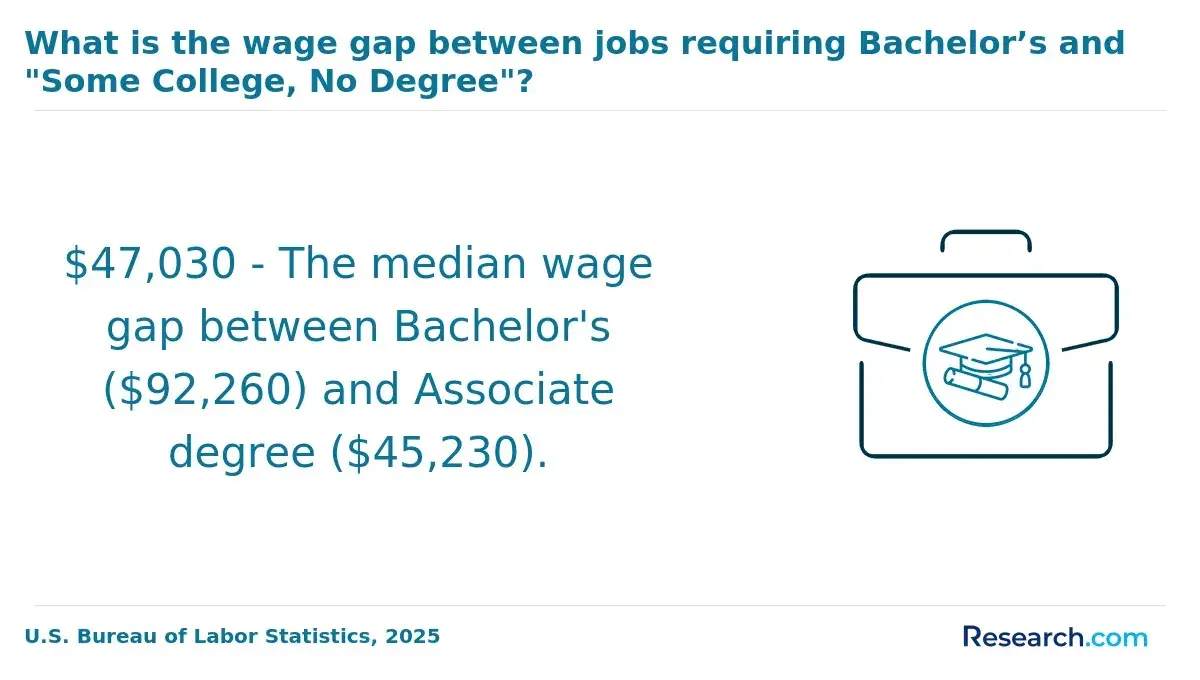
Education level plays a crucial role in shaping job prospects, career advancement, and competitiveness within health information management fields. The distinctions between associate, bachelor's, master's, and doctorate degrees influence the scope of positions accessible and the professional growth possible. Below is a comparison of how each degree impacts employability and opportunities.
- Associate Degree: This credential often serves as an entry point to the health information management workforce, qualifying graduates for roles like medical records technician or health information clerk. Such jobs typically focus on routine data handling with limited supervisory responsibilities, reflecting regional job demand for health information management degree holders at this level.
- Bachelor's Degree: The bachelor's degree is widely regarded as the standard for many health information specialist positions. Graduates may engage in data analysis, compliance management, and operation of sophisticated informatics systems, benefiting from increased employment rates versus those with only an associate degree.
- Master's Degree: Earning a master's opens doors to leadership and specialized roles such as health data manager or clinical informatics specialist. This level demands advanced expertise, allowing professionals to impact organizational strategy and elevate their career trajectory.
- Doctorate Degree: The highest academic achievement prepares graduates for research, academic, or executive roles that influence policy and innovation within the sector. Doctorate holders are typically involved in shaping the future of health information management through advanced scholarship and leadership.
Those seeking a clear path to enter related healthcare fields might also explore some of the easiest nursing programs to get into, which can complement health information expertise.
What Skills Are Employers Seeking in Health Information Management Graduates?
Recognizing the skills most valued by employers is essential for those aiming to thrive in health information management careers, as it ensures preparedness for the evolving demands of the healthcare sector. Highlighted below are several key competencies that significantly enhance a graduate's professional potential.
- Data Management: Mastery of electronic health records and data processing supports the accurate organization and retrieval of patient information, a fundamental task that underpins clinical and administrative decisions.
- Regulatory Awareness: Understanding healthcare regulations such as HIPAA is critical to maintaining compliance, safeguarding patient confidentiality, and avoiding legal pitfalls.
- Technical Skills: Proficiency with health IT systems and software streamlines data integration across networks, boosting operational efficiency in diverse healthcare environments.
- Detail Orientation: Vigilance in reviewing and verifying records minimizes errors, which directly influences patient safety and billing accuracy.
- Communication Ability: Effective interpersonal communication with clinical and administrative teams ensures smooth information flow and collaboration, enhancing problem-solving capabilities.
When discussing what employers look for, a graduate of a health information management program shared insightful reflections. He described early on feeling overwhelmed by the volume and complexity of healthcare data he had to manage. "The real challenge was adapting to different software systems and keeping up with constant regulatory changes," he recalled. He emphasized how developing strong teamwork and communication skills was a turning point, allowing him to contribute meaningfully to his department. "My supervisors noticed that I could not only handle data accurately but also explain issues clearly to others, which made me more valuable," he explained. This experience highlights how practical skills combined with adaptability and interpersonal effectiveness shape successful careers in this field.
Breakdown of All 2-Year Online Title IV Institutions

How Does Job Demand Affect Health Information Management Graduate Salaries?
Fluctuations in job demand significantly impact the starting salaries, wage growth, and long-term earning potential of health information management graduates. For instance, a report from the U.S. Bureau of Labor Statistics highlighted a 5% increase in the median annual wage for health information technicians over the past five years, illustrating steady demand. Several key factors explain how these demand changes influence salary trends.
- Tight Labor Markets: When qualified health information management graduates are scarce, starting salaries tend to rise as employers compete to attract talent. This competition often results in more attractive entry-level offers to fill critical positions quickly.
- Wage Growth Opportunities: Strong demand empowers experienced professionals to negotiate higher salaries and access better-paying roles. Increased employer investment in retaining skilled workers contributes to sustained wage improvements over time.
- Market Slowdowns: In periods when supply exceeds demand, starting wages may stagnate or decline. Employers face less pressure to increase offers, leading to smaller salary increments and a more competitive job market.
- Supply and Demand Balance: The overall relationship between labor market conditions and earning potential is driven by supply and demand dynamics. Graduates should monitor these trends to align career decisions with evolving market needs and maximize earning potential.
How Is AI Changing Demand for Health Information Management Professionals?
Artificial intelligence is transforming workforce demands in health information management, with about half of healthcare providers now integrating AI to enhance administrative efficiency. This shift alters not only how tasks are performed but also the overall demand for various professional skills in the field.
Key ways AI is reshaping the profession include:
- Automation of Routine Tasks: AI automates repetitive processes like data entry and coding, reducing manual workload. This frees professionals to focus on complex issues that require critical thinking, which supports job roles needing nuanced judgment.
- Emergence of Specialized Roles: New positions such as AI health informatics analysts and data governance specialists are developing, demanding advanced technical knowledge beyond traditional competencies.
- Evolving Skill Sets: Employers now prioritize expertise in AI systems, data analytics, and cybersecurity, prompting ongoing education and certification to stay competitive.
- Hiring Trends Shift: Organizations seek candidates who bridge clinical operations and AI technology, emphasizing interdisciplinary capabilities that enhance healthcare delivery.
When I asked a recent graduate of a health information management program about how AI changed her career outlook, she shared that initially, the pace of technological adoption felt overwhelming. She recalled, "Learning to operate AI-driven software demanded persistence, especially mastering data validation routines that machines flagged but couldn't resolve alone." Over time, she found that adapting to these tools expanded her confidence and value to employers. "AI didn't replace my role; it reshaped it, encouraging me to think more strategically and broaden my skills." Her experience highlights that while AI introduces challenges, it also presents rewarding opportunities for growth and long-term stability in this evolving profession.
Is Health Information Management Considered a Stable Long-Term Career?
Long-term career stability is a critical consideration for students and professionals evaluating options in health information management, as it directly influences financial security and professional growth. Several key factors contribute to the strong outlook in this field.
- Consistent Employment Trends: The long-term job outlook for health information management professionals remains positive due to the essential role they play in maintaining accurate patient data, billing processes, and regulatory compliance. This steady demand supports ongoing employment opportunities.
- Industry Reliance: Healthcare providers, insurers, and government agencies depend heavily on health information management expertise to meet strict legal and privacy requirements. This reliance creates a solid foundation for career stability in the US healthcare sector.
- Technological Adaptability: Professionals in this field must regularly update their skills in evolving tools such as electronic health records (EHRs) and data analytics. This adaptability reduces vulnerability to automation and prepares workers for future innovations.
- Career Advancement and Reskilling: Many health information management careers offer pathways to leadership and specialized roles like data security and informatics. Opportunities for reskilling contribute to sustained career growth despite shifting economic conditions.
Those interested in affordable educational paths to enter health-related fields may find useful resources on cheap online FNP programs, which provide cost-effective options for further specialization.
Is a Health Information Management Degree Worth It Given the Current Job Demand?
Current data from the U.S. Bureau of Labor Statistics indicates that employment for health information management professionals is expected to grow about 13% from 2022 to 2032, which is faster than the average for all occupations. This growth is primarily fueled by increased digitization of health records and expanding healthcare facilities requiring efficient data management. As a result, career prospects for health information management graduates in North America remain promising, with steady demand across various sectors. These trends highlight the continuing relevance of the degree in today's evolving healthcare landscape.
However, the value of a health information management degree depends on factors such as degree level, skill alignment, and evolving industry needs. Entry-level roles often require at least an associate degree, but a bachelor's degree can provide a competitive edge, especially for leadership roles or specialties like medical coding and data analytics. Employers increasingly seek graduates familiar with current healthcare technologies, including electronic health records (EHR) systems and data security protocols, which influence positive career outcomes. For those concerned about affordability, exploring options like the cheapest RN to BSN online can provide insight into accessible educational pathways.
What Graduates Say About the Demand for Their Health Information Management Degree
- Leah: "Pursuing a health information management degree was a pivotal decision for me, driven by a desire to blend healthcare knowledge with data expertise. The return on investment was clear as I quickly secured a role with competitive pay and opportunities for advancement. This degree truly transformed my professional outlook and opened doors I hadn't anticipated. "
- Calvin: "Reflecting on my journey, earning a health information management degree gave me the foundation to shift my career into a growing field that values precision and organization. The skills I gained proved invaluable and paid dividends through better job stability and satisfaction. It was a thoughtful, strategic choice that has shaped my ongoing professional development. "
- Carter: "The impact of my health information management degree on my career has been significant, enabling me to move into leadership roles that require both healthcare insight and data management skills. The degree's practical approach gave me confidence and credibility in the workplace, which translated to tangible professional growth and financial reward. I recommend this path to anyone who wants a dynamic, future-proof career. "
Other Things You Should Know About Health Information Management Degrees
In 2027, evolving healthcare regulations, particularly around digital data privacy and interoperability, may increase demand for health information management graduates. Professionals adept at navigating complex legal frameworks will be essential to comply with these changes, underlining the sector’s growth.
By 2026, the demand for health information management degree graduates is projected to grow due to an increasing need for skilled professionals to manage complex healthcare data and systems. The integration of technology in healthcare and the emphasis on data-driven decision-making contribute to this trend.
The demand in 2027 is influenced by advancements in electronic health records, compliance with health regulations, and the growing need for data security expertise. These factors are driving hospitals and clinics to seek more qualified health information management professionals.
References
- What Are the Job Prospects for an HIM Graduate? - Healthcare Administration Degree Programs https://www.healthcare-administration-degree.net/faq/what-are-the-job-prospects-for-an-him-graduate/
- 5 Powerful Reasons to Launch Your Health Information Management Career https://www.andersoncollege.com/5-powerful-reasons-to-launch-your-health-information-management-career/
- Division of Pre-Health https://lasierra.edu/pre-health/career/health-information-management/
- 7 Ways Health Information Management Professionals Can Enhance Their Impact | Verisma https://verisma.com/blog/7-ways-health-information-management-professionals-can-enhance-their-impact/
- State Map for Health Information Technologists & Medical Registrars at My Next Move https://www.mynextmove.org/profile/state/29-9021.00
- What are the Most In-Demand Jobs in Health IT? https://www.cambridgehealth.edu/health-information-technology/health-information-tech-jobs/what-are-the-most-in-demand-jobs-in-health-it/
- Health Information Management Career Opportunities https://healthsciences.louisiana.edu/academic-programs/health-information-management-him/careers-in-him
- How Much Can You Make Working in Health Information Management? https://www.ultimatemedical.edu/blog/health-information-management-pay-information/
- What Is the Average Health Informatics Specialist Salary? https://www.nec.edu/news/what-is-the-average-health-informatics-specialist-salary
- Here’s Why Changing Your Career to Health Information Management Might Be Worth It https://www.herzing.edu/blog/heres-why-changing-your-career-health-information-management-might-be-worth-it