
2027 Return on Investment (ROI) of a Human Resources Degree Program

Co-Founder and Chief Data Scientist
Many prospective students question whether investing time and money in a human resources degree will lead to meaningful career growth and financial stability. The Bureau of Labor Statistics projects a 7% job growth for human resources specialists from 2022 to 2032, highlighting steady demand in the field. However, rising tuition costs and evolving industry requirements create uncertainty about the degree's true value. This article examines the return on investment (ROI) of human resources degree programs by analyzing career outcomes, earning potential, and industry trends, helping readers make informed decisions aligned with their professional and financial goals.
Key Things to Know About Human Resources Degree ROI
- Graduates with a human resources degree earn a median annual salary approximately 15% higher than those without, reflecting significant earning potential throughout their careers.
- This degree enhances access to leadership roles, with 40% of HR managers holding advanced education, facilitating faster career advancement and increased responsibility.
- Human resources skills apply across various industries, offering long-term job stability and flexibility, especially as organizations prioritize talent management amid evolving workforce demands.
How Is ROI Calculated for a Human Resources Degree Program?
Return on investment (ROI) in higher education measures the financial benefits gained from earning a degree relative to the total cost and time invested. This metric helps students compare a Human Resources degree's value against its expense and duration, guiding informed decisions about educational pursuits.
Key factors involved in calculating return on investment for human resources degree programs include:
- Tuition and fees: These are the direct costs such as tuition, textbooks, and supplies. Accurately assessing these costs helps determine the total financial commitment required.
- Opportunity cost: This accounts for income foregone while studying, representing potential wages or work experience lost during attendance, either full-time or part-time.
- Time to completion: The program length influences both opportunity cost and when graduates can start benefiting from higher salaries, which impacts overall ROI.
- Post-graduation salary: Starting salaries in human resources roles after graduation give a realistic picture of the immediate income boost linked to the degree. Higher entry-level salaries improve ROI prospects.
- Career advancement and long-term earnings: Beyond initial salary, the degree's effect on promotions and wage growth throughout a career is essential to understanding its lasting financial benefits.
Students evaluating these human resources degree program ROI factors may also consider flexible options such as online EDD programs, which can influence both time and cost efficiency.
How Much Does a Human Resources Degree Program Cost?
Accurately assessing the return on investment for a human resources degree requires considering all related expenses. With graduate tuition rising roughly 3% per year over the last decade and student debt surpassing $1.7 trillion nationwide, understanding the full financial picture is crucial.
Key factors affecting total cost and ROI include:
- Tuition and fees: These differ widely depending on whether the program is public, private, or online, covering the credits needed to complete the degree.
- Books and materials: Necessary textbooks, software access, and supplies add notable costs throughout the program's duration.
- Living and relocation expenses: On-campus learners often face additional costs such as housing, transportation, and meals, which can significantly increase the overall budget.
- Opportunity cost: Time spent studying may mean missed wages from full-time employment, representing lost income during the educational period.
- Hidden costs: Administrative fees for technology, parking, and other ancillary expenses are often overlooked but must be included in total calculations.
When I spoke with a recent human resources graduate about their experience, they highlighted the unexpected strain of balancing part-time work with coursework. "I underestimated how much extra time the projects and group assignments demanded outside of class hours," they said. Managing finances was a constant juggling act, especially since moving closer to campus meant higher rent and daily expenses. Despite these challenges, they noted, "Knowing the full extent of these costs upfront might have eased the stress and allowed me to plan better." This reflection underscores how varied and significant the total cost of a human resources degree can be beyond just tuition.
What Financial Aid Is Available for Human Resources Degree Programs?
Financial aid can significantly reduce the initial expenses of a human resources degree, leading to better long-term financial outcomes by limiting the amount students need to borrow. About 85% of graduate students rely on some type of financial support to make their education more affordable and manageable.
Here are common financial aid options that can enhance the return on investment for human resources programs:
- Scholarships: Merit- or need-based awards that don't require repayment, directly decreasing overall cost and lessening debt, which improves ROI.
- Grants: Free funds often provided by government or private sources that reduce the amount students pay out of pocket, easing financial burdens.
- Fellowships: Typically for graduate students, fellowships offer stipends or tuition waivers, lowering expenses and supporting financial stability during the program.
- Employer Tuition Assistance: Reimbursement programs from employers can cover part or all tuition costs, substantially cutting personal expenses and boosting the degree's financial value.
- Federal Loans: These loans usually have lower interest rates and flexible repayment plans, helping students finance education costs without excess financial strain despite eventual repayment.
How Long Does It Take to Complete a Human Resources Degree?
The length of time needed to finish a human resources degree significantly affects its return on investment (ROI) by influencing opportunity cost, earlier earning potential, and overall expenses. Quicker completion means entering the workforce sooner, while longer programs may increase costs and delay income.
Several key factors affect how long it takes to complete this degree and subsequently impact ROI:
- Enrollment status: Full-time students tend to graduate faster, allowing them to start earning earlier and improve ROI. Part-time study stretches out the timeline but can accommodate those balancing jobs or other commitments.
- Program format: Online or accelerated programs can shorten the degree duration by offering flexible pacing and possibly reducing indirect expenses, ultimately increasing financial benefits.
- Transfer credits: Applying previously earned credits lowers the number of required classes, helping students finish sooner and reduce total costs.
- Practical requirements: Internships or thesis projects may lengthen study time but often enhance experience and employability, which can lead to better job prospects and higher long-term returns.
- Scheduling flexibility: Programs designed to fit various schedules might extend completion time but allow students to maintain income streams or personal responsibilities during their studies.
I recently spoke with a human resources degree graduate who reflected on her journey. She described the challenge of balancing part-time studies while working full-time, which extended her program length but also provided valuable work experience alongside coursework. "It wasn't easy managing deadlines and shifts, but the flexibility helped me stay financially stable," she said. She appreciated taking internships that stretched out her timeline but ultimately gave her practical skills that employers valued. In her words, "Though it took longer than I initially hoped, that balance between work and study made the degree worthwhile without overwhelming me." This personal experience highlights how duration and ROI can intertwine depending on individual circumstances and choices.
Is ROI Higher for Online or On-Campus Human Resources Programs?
The delivery format of a human resources program significantly influences its return on investment (ROI) through variations in cost, flexibility, and career outcomes. More than 30% of higher education students now enroll in at least one online course, reflecting the growing acceptance and prevalence of these programs. Choosing between online and on-campus options can affect financial and professional results over time.
Here are key factors to consider in the online versus on-campus human resources degree ROI comparison:
- Tuition and fees: Online programs generally charge lower tuition and fees, reducing upfront expenses and increasing affordability.
- Opportunity cost: Online learning offers flexible scheduling that helps students balance work and studies, lowering the opportunity cost by allowing them to maintain income during the program.
- Time to completion: Both delivery formats often have similar durations, meaning students can expect comparable program lengths regardless of mode.
- Networking and career services: On-campus programs typically provide stronger networking opportunities and more extensive career support, which can lead to better job placement outcomes.
- Employer perception and long-term earnings: While perceptions vary, reputable online programs are gaining increased acceptance, contributing positively to graduates' long-term earning potential.
Prospective students interested in flexible study options might also explore an accelerated social work degree online, which similarly balances cost and career advantages. Ultimately, understanding the human resources program return on investment comparison between online and on-campus paths helps guide informed decisions suited to individual career goals.
What Is the Average Salary After Earning a Human Resources Degree?
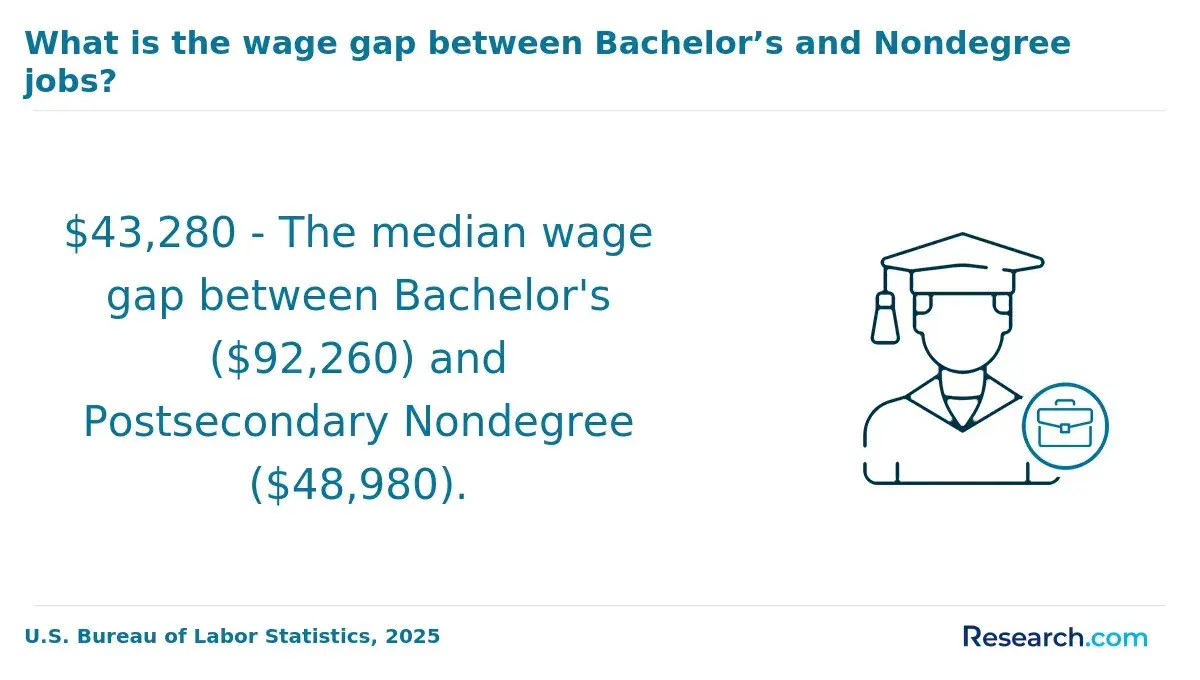
Post-graduation salary is a key driver of the return on investment (ROI) for a human resources degree because it affects how quickly graduates can recoup their education costs and build financial security. Average salaries in the human resources field range widely, with starting salaries typically between $50,000 and $65,000 annually. More experienced professionals can expect earnings from $70,000 up to $100,000 or more.
Several factors influence the average salary for human resources degree holders and impact their overall ROI:
- Industry: Sectors such as technology, finance, and healthcare generally offer higher salaries compared to nonprofits or government agencies, raising potential earnings for graduates.
- Geographic location: Metropolitan areas and regions with a higher cost of living usually provide better compensation, which can affect net financial gains after graduation.
- Prior experience: Candidates with internships or relevant job experience in human resources often access higher starting salaries and faster career advancement.
- Specialization: Focusing on areas like compensation and benefits, labor relations, or talent acquisition tends to command premium salaries versus generalist HR roles.
- Career level: Entry-level roles earn less than mid- or senior-level positions, where leadership responsibilities significantly increase pay.
Considering these variables alongside tuition and time invested can help prospective students evaluate the human resources graduate salary by industry and better estimate their potential ROI. For those interested in further educational opportunities, exploring affordable online MFT programs can also be a strategic step in career development.
Breakdown of Private Fully Online Nonprofit Schools

Does a Human Resources Degree Lead to Promotions?
Promotions directly boost the return on investment (ROI) of a human resources degree by leading to higher salaries, expanded responsibilities, and greater career mobility. These changes not only increase earning potential but also broaden professional opportunities, making the degree a strategic asset. A growing workforce trend emphasizes credential-based promotion, where formal education is increasingly essential for career advancement.
Below are key ways a human resources degree can influence promotion potential and enhance ROI:
- Credential Requirements: Many leadership roles require formal educational qualifications, making a degree a necessary credential for advancement into managerial or specialized human resources positions.
- Leadership Preparation: Graduates develop critical skills in strategic thinking and decision-making, which are highly valued in higher-level roles and often rewarded with promotions.
- Employer Tuition Support: Numerous organizations offer tuition reimbursement or educational benefits, reducing the degree's financial burden and improving overall ROI.
- Promotion Policies: Internal advancement often prioritizes employees with degrees to align with organizational standards and professional development goals.
- Experience Synergy: While experience remains vital, holding a degree signals commitment and expertise, frequently accelerating career growth when combined with on-the-job skills.
For prospective students evaluating educational investments, considering accredited and affordable options can maximize benefits. Exploring affordable online bachelor degree programs can provide cost-effective pathways into human resources roles. Additionally, those researching the impact of HR degrees on promotions should note how a strong educational foundation supports sustained career advancement.
Which Industries Offer the Best ROI for Human Resources Graduates?
The return on investment (ROI) for a human resources degree varies significantly across industries due to differences in salary levels, career progression opportunities, and demand for specialized skills. These factors influence how graduates can leverage their education into financial and professional growth.
Industries with strong potential for the highest ROI for human resources graduates include:
- Technology: This sector is known for competitive salaries and rapid expansion, valuing HR professionals who manage talent acquisition and development in dynamic environments, often leading to accelerated career advancement.
- Healthcare: With a growing need for specialized HR skills to support a diverse workforce, healthcare provides job stability and steady compensation increases, driven by the essential nature of the industry.
- Finance and Insurance: High salaries combined with structured promotion pathways offer lucrative opportunities, especially for HR professionals skilled in compliance and risk management.
- Manufacturing: This industry delivers reliable ROI through consistent demand for HR expertise in labor relations, safety compliance, and workforce training, supporting long-term job security.
- Professional and Business Services: HR roles focused on organizational development and change management in this sector often translate into strong career growth and improved earnings.
Ultimately, the top-paying sectors for HR degree holders depend on the industry's ability to fully utilize HR competencies, market demand, and opportunities for upward mobility. Those exploring options might also consider various associates degrees as an alternative pathway to enter the field efficiently.
Does Accreditation Affect ROI for a Human Resources Degree?
Accreditation indicates that a human resources degree program meets established quality standards set by recognized educational organizations, which is essential for maximizing return on investment (ROI). Graduates from accredited programs often benefit from stronger employer recognition, leading to better starting salaries and improved job prospects. A growing trend among employers is to prioritize candidates who have completed accredited programs, as it signals comprehensive training and relevant competencies. Additionally, accreditation affects eligibility for professional certifications, increasingly required in the human resources field, further enhancing graduate outcomes.
Over time, accreditation contributes to long-term ROI by fostering employer trust and widening career opportunities. It also plays a crucial role in securing financial aid, helping students lower initial education costs. Accredited programs ensure that earned credits can transfer smoothly to other institutions, which benefits those pursuing advanced studies. Moreover, licensure and certification pathways typically demand degrees from accredited schools, supporting greater career mobility and sustained professional growth.
Is a Human Resources Degree Worth It?
Evaluating the return on investment for a human resources degree requires examining factors like program expenses, duration, and future earnings. Typically, completing a human resources program takes between two and four years, impacting both direct costs and potential income lost during study. Graduates often see a median annual wage near $63,000, with higher salaries achievable through experience and advanced roles. Career growth opportunities, such as transitioning into HR management or specialist positions, can further improve long-term financial benefits and job security.
The value of a human resources degree depends on several elements, including labor market demand, learning format, available financial support, and individual goals. Growing emphasis on talent management increases need for qualified HR professionals, enhancing degree relevance. Flexible options like online or part-time programs allow students to work concurrently, reducing opportunity costs. Scholarships and tuition assistance can lower overall expenses, while those targeting leadership or specialized HR roles tend to gain more from formal education. Conversely, individuals focused on quick workforce entry or limited by budget might find alternative certifications or practical experience more advantageous in the short term.
What Graduates Say About The ROI of Their Human Resources Degree
- Khai: "Choosing to pursue a human resources degree as a traditional student was a strategic move for me, considering the long-term ROI on such an investment. While the average cost can be around $30,000 to $50,000, the career opportunities and salary growth I've experienced have made it more than worth it. I now confidently lead recruitment teams and contribute to organizational success with a solid foundation that only this degree could provide. "
- Julio: "As an online student, I was initially concerned about the cost of a human resources program, which averages about $20,000 to $40,000, but I viewed it as a valuable investment in my future. Reflecting back, the flexibility allowed me to work while studying, and the degree significantly boosted my credibility and opened doors to HR management roles. The balance of affordability and career impact made it a wise decision. "
- Hayden: "Completing a part-time human resources degree was a careful, professional decision driven by the desire to minimize financial strain-I paid roughly $25,000 spread over several years. I feel the ROI is undeniable, considering how the degree has elevated my strategic HR capabilities and helped me secure key promotions. The disciplined approach to balancing work and studies truly paid off for my career trajectory. "
Other Things You Should Know About Human Resources Degrees
A human resources degree program typically develops skills in talent management, employee relations, and labor law compliance. These skills increase employability and prepare graduates for strategic roles that often command higher salaries. Strong communication and conflict resolution abilities gained during study also improve career advancement opportunities.
Gaining practical experience through internships or part-time HR roles while studying significantly boosts ROI. Real-world experience enhances a graduate's resume, making them more competitive for lucrative positions post-graduation. This experience may also lead to direct job offers, reducing the time between graduation and employment.
In 2027, certifications can significantly enhance the ROI of a Human Resources Degree. Industry-recognized certifications, such as SHRM-CP or PHR, can provide a competitive edge, opening doors to higher-paying roles and leadership positions that boost career growth and earnings potential.
References
- Online Human Resources Training | Associate Degree | Tuition & Financing - USCI https://www.uscareerinstitute.edu/online-human-resources-associate-degree/tuition-financing
- Why Invest in Your HR Career: The ROI of PHR Certification https://www.utsa.edu/pace/news/why-invest-in-your-hr-career-the-roi-of-phr-certification.html
- Degrees for Human Resources: A Guide to Starting or Switching Your Career https://www.aihr.com/blog/degrees-for-human-resources/
- 2025 Most Affordable Online Human Resources Degrees https://www.onlineu.com/most-affordable-colleges/human-resources-degrees
- Top 10 Online Bachelor's In Human Resources Programs 2025 https://www.accreditedschoolsonline.org/business/human-resources/
- Scholarships | SHRM Foundation https://www.shrm.org/foundation/scholarships-grants-awards/scholarships
- The Best Degrees & Programs for Careers in Human Resources https://www.hrcloud.com/blog/choosing-the-right-degree-to-succeed-in-hr/
- Is it worth having an HR degree? https://www.mollearn.com/about/news/is-it-worth-having-an-hr-degree/
- Bachelor of Human Resource Management https://www.conestogac.on.ca/fulltime/bachelor-of-human-resource-management
- Human Resources Management https://www.lazarski.pl/en/offer/admission/higher-education/human-resources-management-bachelors-degree


