
2027 Is a 2-Year Human Resources Degree Worth It: Accelerated Bachelor's ROI & Time Trade-Offs

Co-Founder and Chief Data Scientist
Many prospective students question whether pursuing a 2-year human resources degree, especially through accelerated bachelor's programs, justifies the time and financial investment. According to the Bureau of Labor Statistics, the demand for human resources specialists is projected to grow by 9% from 2022 to 2032, faster than average for all occupations. However, clarifying the trade-offs between accelerated graduation timelines and potential salary outcomes remains crucial.
This article examines the return on investment of accelerated human resources degrees, comparing time commitments, costs, and long-term career benefits to help readers make informed decisions about their educational paths.
Key Benefits of a 2-Year Human Resources Degree
- Accelerated 2-year human resources degrees offer quicker entry to the workforce, reducing opportunity costs compared to traditional 4-year programs by nearly 50% in time.
- Graduates often experience a solid ROI, with median early-career salaries averaging around $55,000, which offsets tuition costs faster than longer-degree paths.
- These programs focus on practical skills and HR certifications, improving employability and career advancement prospects within the first five years post-graduation.
How Do 2-Year Human Resources Programs Work?
Two-year human resources programs offer an efficient path for students seeking foundational knowledge and skills in a shorter timeframe, often serving as associate degrees or accelerated routes toward a bachelor's degree. Understanding the structure of these programs is crucial for those considering an accelerated degree path to ensure it aligns with their educational and career goals. Below is a breakdown of how 2-year human resources degree program structure typically operates.
- Accelerated pacing and year-round enrollment: These programs run continuously throughout the year, allowing students to enroll in successive terms without the traditional long breaks, speeding up degree completion.
- Condensed course terms: Instead of the standard 15-week semester, courses often last 8 to 12 weeks, enabling more credits to be earned in less time while demanding sustained focus.
- Credit load expectations: Students usually take a heavier credit load of 12 to 15 credit hours per term, which requires disciplined time management and careful balancing of coursework and other responsibilities.
- Instructional format: Many programs offer a mix of synchronous online classes combined with asynchronous elements, providing flexibility but maintaining interactive learning; some include hybrid or in-person options depending on the institution.
- Assessment methods: Evaluation involves a variety of approaches such as exams, projects, case studies, and participation to reinforce both theory and practical HR skills.
- Curriculum progression: Programs start with general education and HR fundamentals, then advance into specialized subjects like employment law, talent management, and organizational behavior, following a structured path.
An accelerated human resources degree admissions and coursework approach suits students ready to commit to a focused and rigorous schedule.
The Bureau of Labor Statistics forecasts a 7% growth in human resources-related jobs through 2032, reflecting steady demand for qualified professionals. This makes the shortened timelines attractive, as they can reduce tuition costs and lead to earlier entry into the workforce, where median annual earnings for HR specialists were about $63,490 in 2022.
For prospective students seeking quick yet comprehensive education options, comparing these programs with other options, such as DNP online programs, can provide valuable perspective on accelerated degree choices.
What Are the Admission Requirements for a 2-Year Human Resources Degree?
Knowing the admission requirements is essential for students considering an accelerated bachelor's in human resources, as it helps to plan their educational path efficiently. Meeting these criteria ensures a smoother application process and aligns expectations with program rigor. Below is a detailed breakdown of the typical admissions criteria for a 2-year human resources degree, which can guide prospective applicants.
- Prior Education: A high school diploma or equivalent such as a GED is usually required to apply, serving as the foundational credential for entry.
- GPA Expectations: Most programs expect a minimum cumulative GPA between 2.0 and 2.5, reflecting adequate academic readiness for college-level work.
- Standardized Tests: Unlike many four-year degrees, tests like the SAT or ACT are often optional or waived, especially for community colleges or accelerated pathways, easing entry barriers.
- Prerequisite Coursework: Some schools may require prior study in English, mathematics, or business basics to prepare students for specialized human resources topics.
- Work Experience: While generally not mandatory, relevant internships or office experience can enhance applications and contribute to success in human resources programs.
- Credit Transfers: Those applying to accelerated bachelor's pathways often benefit from transferring associate degree credits or prior college courses, reducing time to graduation and workforce entry.
For those exploring options in healthcare and education fields, checking out easy DNP programs can illustrate how accelerated pathways function in practice. If you are researching 2-year human resources degree admission criteria or wondering how to apply for accelerated HR programs, understanding these key aspects can shape your academic and career planning effectively.
What Does a Typical Week Look Like in a 2-Year Human Resources Program?
Assessing the weekly structure and workload of a 2-year human resources program helps prospective students gauge whether they can maintain the pace and meet program demands. Accelerated degrees concentrate course material and tasks into shorter periods, requiring a clear understanding of what to expect weekly. Here is a detailed overview of common components that shape a typical week.
- Class Sessions and Lectures: Students attend several sessions weekly, which may be delivered in person, online, or as a hybrid. These focus on essential subjects like talent management, labor regulations, and HR analytics to build a solid foundation.
- Assignments and Assessments: Weekly deadlines encourage consistent effort through case studies, quizzes, written analyses, and projects that apply theoretical knowledge to practical situations.
- Group Work: Collaborative tasks such as role-playing scenarios, mock interviews, or policy development foster teamwork and leadership skills crucial for HR roles.
- Independent Study: Significant outside-class time is dedicated to reviewing materials, preparing exams, and researching, highlighting the importance of self-discipline and quick comprehension.
- Instructor Interaction: Engagement varies but often includes office hours, discussion boards, and personalized feedback to support learning progress.
- Time Management: Given the fast track nature, students must skillfully balance coursework with personal and professional responsibilities to stay on pace.
When asked about his experience, a graduate who completed a bachelor's degree in human resources in two years explained that the intensity was initially overwhelming. He described juggling work, family, and the "constant cycle of readings, assignments, and group meetings" as a "test of endurance and organization."
Despite the pressure, he found that setting strict schedules and maintaining open communication with instructors eased the load. "There were moments when deadlines felt like a storm, but successfully completing each week gave me confidence that the rapid pace was preparing me well for real-world HR challenges," he shared.
Are 2-Year Human Resources Programs Available Online?
For students pursuing an accelerated human resources degree, the format of course delivery greatly influences flexibility, accessibility, and time management. Online options offer varied structures that can fit diverse schedules and learning preferences. The differences in delivery modes affect how students engage with content and balance their commitments.
- Fully online vs. hybrid formats: Many programs provide fully online courses or blend online study with occasional live sessions. Hybrid formats combine flexibility with scheduled interactions to support learning without frequent campus visits.
- Asynchronous and synchronous learning: Asynchronous classes let students access lectures and assignments anytime, ideal for working adults. Synchronous sessions, such as live discussions or video meetings, foster real-time interaction but require fixed time slots.
- Technology requirements: Reliable computers, high-speed internet, and access to learning platforms are essential. These tools enable students to participate in coursework, complete assessments, and engage in forums efficiently.
- Student support services: Online programs often include virtual tutoring, career guidance, and tech support. These resources help maintain academic success and connection despite the lack of physical campus presence.
- Pacing and engagement: Online two-year programs can accelerate degree completion but demand strong self-motivation and time management. Without traditional classroom settings, students must be proactive in staying organized and engaged throughout their studies.
How Much Does a 2-year Human Resources Degree Cost?
Evaluating the total cost of a 2-year human resources degree is essential for assessing its return on investment (ROI). Beyond tuition, students must consider additional expenses that impact their financial commitment and overall educational experience. These factors help clarify the true affordability of accelerated programs compared to traditional ones.
Key components affecting cost include:
- Tuition structure: Accelerated programs often charge per credit hour, which can be higher due to the compressed schedule. This differs from traditional formats where tuition is spread over more semesters.
- Fees: Additional costs may include registration, technology access, and student services, which vary by institution and program.
- Textbooks and learning materials: While textbooks can be expensive, many accelerated human resources programs use digital resources to reduce costs and streamline access to materials.
- Technology or lab costs: Some programs require fees for specialized HR software or simulation tools, which support practical learning but add to expenses.
- Accelerated pacing impact: The shorter duration allows quicker entry into the workforce, potentially saving on living costs. However, it may also require purchasing more resources or subscriptions over a condensed timeline.
According to the National Center for Education Statistics, the average annual tuition and fees at public four-year schools for in-state students were around $10,940. While accelerated programs may condense these costs, payment schedules differ. For those exploring affordable accelerated human resources programs, it is important to compare these elements carefully. Some may find savings or better value in programs focused on cost efficiency.
For related pathways, prospective students can also explore options like medical billing and coding certification online, which may offer different cost structures and time commitments.
Can You Get Financial Aid for 2-Year Human Resources Programs?
Access to financial aid is a crucial factor for students considering accelerated human resources programs, which condense degree requirements into a shorter time frame. The availability and structure of aid can impact both affordability and academic planning, especially since accelerated pacing can influence how and when funds are distributed. Below are essential points to consider when exploring financial aid options for these programs.
- Federal Student Aid Eligibility: Accelerated human resources programs that meet accreditation and Title IV standards qualify for Pell Grants, federal loans, and work-study programs. However, because these programs compress coursework into shorter terms, payments may be disbursed differently than traditional semesters, affecting budgeting strategies.
- Scholarships and Grants: Many organizations, including professional human resources associations and non-profits, offer targeted scholarships or grants. Adult learners can find additional aid aimed specifically at returning students, helping reduce out-of-pocket expenses.
- Employer Tuition Assistance: For working professionals, employer-sponsored tuition reimbursement can substantially offset costs. It's advisable to confirm these benefits before enrolling to ensure the accelerated format qualifies and aligns with company policies.
- Payment Plans: Numerous institutions provide interest-free payment plans that allow students to split tuition into manageable monthly installments. This can ease immediate financial pressure without incurring additional debt.
- Impact of Accelerated Pacing: Shorter course durations may change the timing of aid disbursement, possibly requiring students to adjust how they allocate funds throughout the program. Being proactive about these differences can prevent unexpected financial gaps.
When asked about her experience managing finances during an accelerated bachelor's degree in human resources, a professional who completed the program recalled the challenges of coordinating financial aid with an intensive study schedule. "I had to stay in close contact with the financial aid office because payments arrived in different cycles than I expected," she shared.
Despite the initial confusion, she found employer tuition assistance invaluable, especially since her company supported accelerated degrees. "Knowing the reimbursement was coming motivated me to keep pace even when the coursework felt overwhelming." She also took advantage of scholarships that targeted working adults, which helped lessen her loan burden.
Reflecting back, she emphasized that while navigating financial aid in an accelerated program takes attention and planning, it ultimately made completing the degree in two years manageable and rewarding.
What Jobs Can You Get With a 2-Year Human Resources Degree?
Evaluating the career outcomes of an accelerated human resources bachelor's degree is essential for prospective students to determine if the time and financial investment align with their professional goals.
Understanding the types of jobs accessible with such a degree clarifies how the program prepares graduates for workforce entry and advancement. Below is an overview of common career paths and opportunities available to those with a 2-year human resources degree.
- HR Assistant: This entry-level role involves supporting core human resources functions such as employee records management, recruitment coordination, and assisting with benefits administration. It provides foundational experience with organizational policies and labor laws.
- Recruiting Coordinator: Professionals in this position help manage candidate communications, schedule interviews, and facilitate onboarding. The role emphasizes interpersonal skills and knowledge of applicant tracking systems common in many industries.
- Benefits Administrator: In this job, individuals focus on managing employee benefits programs, ensuring compliance with regulations, and answering employee inquiries about healthcare, retirement, and other perks.
- Payroll Specialist: Responsible for processing payroll accurately and on time, this role requires proficiency with payroll software and an understanding of tax laws and wage regulations.
- Industry Opportunities: Graduates can pursue career opportunities with 2 year HR degree credentials across sectors like healthcare, retail, manufacturing, and corporate offices where HR support is vital. The accelerated format concentrates learning into a shorter timeframe, equipping students with practical skills such as conflict resolution, HR software proficiency, and compliance knowledge for faster workforce readiness.
- Career Advancement: Early career roles often lead to opportunities for growth and specialization. Many choose to build on their 2-year degree by pursuing further education, including bachelor's or master's degrees, to access expanded leadership and management positions in the human resources field.
The growing demand for HR specialists, according to the U.S. Bureau of Labor Statistics, supports positive employment prospects. Individuals considering continued education or related healthcare fields might also explore affordable online nursing programs as additional or alternative pathways.
How Do Salaries Compare for 2-year Human Resources Degree vs. Traditional Bachelor's Degrees?
Salary outcomes are a crucial factor when evaluating the return on investment (ROI) of accelerated versus traditional degree paths in human resources. Understanding how earnings vary between a 2-year human resources degree and a traditional bachelor's degree can help prospective students balance time commitment with financial benefits. Below is a detailed comparison of these salary differences and career impacts.
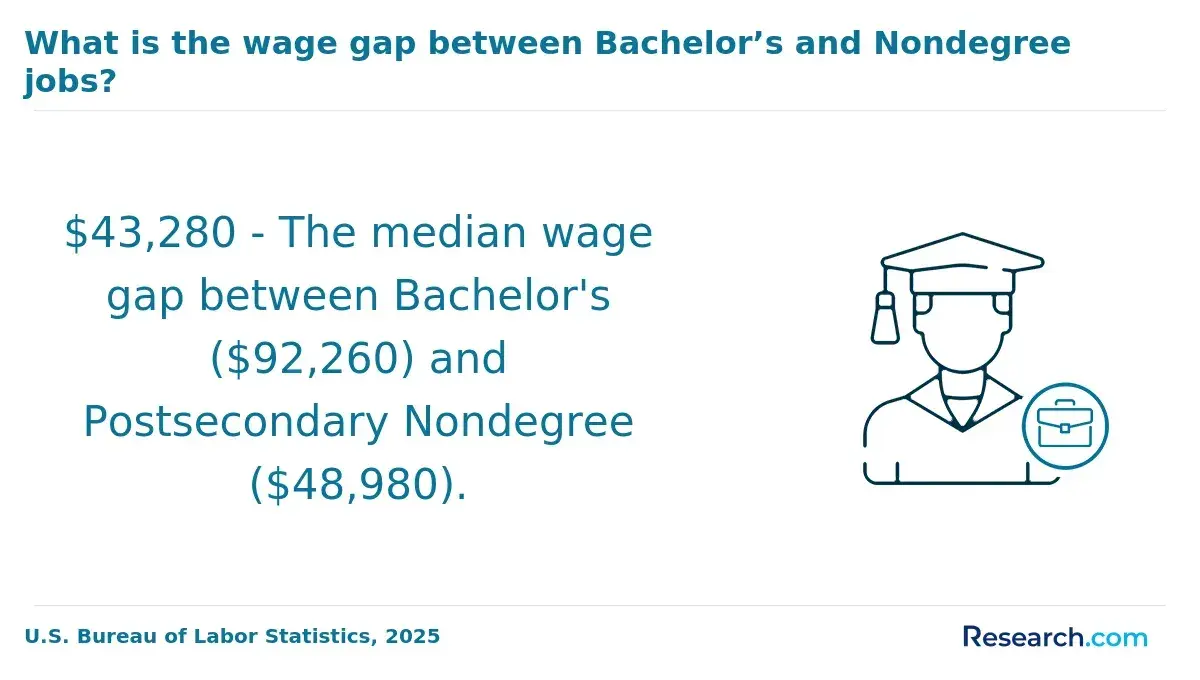
- Early-career earnings: Entry-level human resources specialists with a 2-year degree typically earn a median annual salary between $45,000 and $55,000. In contrast, graduates with a traditional bachelor's degree tend to start with higher median earnings, around $55,000 to $65,000, reflecting greater initial qualifications and skill depth.
- Long-term earning potential: Over time, bachelor's degree holders often advance more quickly into higher-paying roles such as HR manager or director, with salaries exceeding $90,000 annually. Those with only a 2-year degree may encounter slower career progression and a lower salary ceiling without additional education or certifications.
- Employer perception: Employers frequently prefer candidates with a bachelor's degree for mid- to senior-level positions, valuing comprehensive education as a proxy for capability. However, gaining practical experience early on through a 2-year program can sometimes help offset educational gaps in the long run.
- Career progression timelines: Accelerated bachelor's degrees can reduce time-to-degree completion by 1-2 years versus traditional programs, enabling faster entry into the workforce. This quicker advancement often results in earlier access to leadership roles and higher salaries.
- Lifetime earnings impact: A professional entering the workforce two years earlier via a 2-year human resources degree may earn $100,000 or more before a traditional bachelor's graduate even begins working. This factor should be weighed alongside the potential for higher long-term earnings associated with bachelor's degrees.
Prospective students must carefully consider the trade-offs between the immediate earning potential offered by a 2-year human resources degree salary comparison and the sustained growth opportunities tied to a traditional bachelor's degree or accelerated bachelor's path.
For those exploring affordable educational options, it's also valuable to research related fields and programs, such as the cheapest DNP programs online, which reflect broader trends in accelerated learning and cost-efficiency.
Which Factors Most Affect ROI for Accelerated Human Resources Degrees?
Return on investment (ROI) is a vital factor for prospective students when choosing an accelerated human resources degree program. Understanding how different elements influence ROI helps individuals align their education with career ambitions and financial expectations. The following points highlight the main aspects affecting returns from these accelerated programs.
- Time-to-completion: Accelerated human resources degrees typically shorten the study period to about two years instead of the traditional four. This reduced timeframe allows students to enter the workforce sooner, minimizing time away from earning a salary and speeding up career advancement.
- Tuition and total cost: While the cost per credit might be comparable to traditional programs, the overall expenses tend to be lower due to fewer semesters. It's important for students to factor in additional costs such as textbooks and technology fees to accurately estimate total financial investment.
- Opportunity cost savings: Completing the degree faster means less time without a full-time income, reducing lost wages during study. This advantage can significantly boost overall ROI by allowing earlier re-entry into paid employment.
- Employment outcomes and salary growth: Demand for human resources specialists is expected to grow steadily, offering solid job prospects after graduation. Starting earlier can help graduates capitalize on potential salary increases linked to experience and professional certifications.
- Industry demand: Fields experiencing labor shortages or organizational changes require skilled HR professionals, which enhances job stability and earning potential. Careers in such sectors can provide long-term financial benefits.
- Transferability of skills: Accelerated programs equip students with versatile abilities like talent management and labor law knowledge, which extend beyond traditional HR roles. This versatility can open doors to broader career opportunities and increased job security.
How Do You Decide If a 2-year Human Resources Degree Is Right for You?
When deciding if a 2-year human resources degree fits your needs, consider your preferred learning approach and ability to keep pace with an accelerated curriculum that demands strong discipline. These programs often compress traditional coursework, so ample time and focus are essential.
Reflect on how quickly you want to enter the workforce, since such degrees can shorten your educational timeline by up to two years. Your career goals and sense of urgency matter too, especially knowing the job outlook for human resources specialists is projected to grow steadily. Being ready to adapt swiftly can make or break your success in a faster-paced program.
From a practical standpoint, accelerated degrees usually cost less overall, potentially offering a better return on investment compared to longer programs. However, it's important to recognize some employers may favor conventional degrees or place greater value on professional certifications alongside academic credentials.
While a 2-year degree can open doors to entry-level positions with median salaries near $62,000, advancing beyond these roles may require additional education. Evaluating the balance between upfront cost, career flexibility, and employer expectations will help you determine if this path aligns with your long-term ambitions.
What Graduates Say About Their 2-Year Human Resources Degree
- Mia: "Professionally, the 2-year program in human resources was a strategic move: it offered a cost-effective path with a balanced workload that fit my busy lifestyle. I approached the program with a goal-oriented mindset, which was essential given how condensed the courses were. Graduating quickly empowered me to seize career opportunities sooner than expected, making the investment truly worthwhile. "
- Jun: "Reflecting on my decision to enroll in a 2-year human resources degree, I realized it perfectly suited my need for flexibility and speed. The accelerated format demanded discipline, yet it allowed me to apply what I was learning to real-world situations almost immediately. This degree not only saved me time but also positioned me well in a competitive job market where I now thrive. "
- Khai: "Choosing the 2-year accelerated human resources program was a game-changer for me since I wanted to fast-track my education without sacrificing quality. Balancing work and study was intense, but the structured schedule and focused curriculum made it manageable. Now, with an average cost of attendance reasonable for what I received, I've stepped confidently into a management role that values my expertise. "
Other Things You Should Know About Human Resources Degrees
In 2027, pursuing an accelerated bachelor's degree after a 2-year Human Resources degree may lead to higher salary potential. Bachelor's degree holders typically earn more than those with an associate's degree, thus enhancing earning potential and improving career advancement prospects in the HR field.
In 2027, an accelerated bachelor's degree in HR can lead to increased earning potential. Graduates often qualify for higher-level positions sooner, which can enhance long-term career earnings and outweigh the initial costs of further education.
References
- Human Resources Career Path: Why It May Be Right for You https://www.michiganstateuniversityonline.com/resources/leadership/why-human-resources-may-be-right-for-you/
- Bachelor of Arts in Human Resources Management - Accelerated https://www.desales.edu/programs/adult-studies/human-resource-management-accelerated.html
- Is Human Resource Management Really a Good Career Option? | CSU Global https://csuglobal.edu/blog/human-resources-good-career
- How to calculate ROI in HR strategies https://www.dailybot.com/insights/how-to-calculate-roi-in-hr-strategies
- 14 Entry-Level HR Positions To Know (Plus How To Start in HR) https://www.aihr.com/blog/entry-level-hr-positions/
- BA (Hons) Business & Management (2-year Accelerated Degree) | Bournemouth University https://www.bournemouth.ac.uk/study/courses/ba-hons-business-management-2-year-accelerated-degree
- Human Resources Associate Degree Tuition https://www.pennfoster.edu/programs/business/human-resources-management-associate-degree/tuition
- Business - Human Resources (Two-Year Ontario College Diploma) - Durham College https://durhamcollege.ca/academic-faculties/professional-and-part-time-learning/programs-and-courses/programs/program
- Most Affordable Human Resources Degree Programs in America https://www.hrfuture.net/talent-management/training-development/most-affordable-human-resources-degree-programs-in-america/


