
2027 Computer Forensics Analyst Careers: Skills, Education, Salary & Job Outlook

Co-Founder and Chief Data Scientist
Choosing a computer forensics analyst career means deciding whether you want technical work that also carries legal, investigative, and ethical responsibility. This is not a general IT support role. Analysts recover, preserve, and interpret digital evidence from computers, phones, networks, cloud systems, and other devices, often for investigations where accuracy and chain of custody matter as much as technical skill.
The career can be attractive for people who like cybersecurity, investigation, documentation, and problem-solving under pressure. It can also be demanding. You may work with sensitive evidence, strict deadlines, and technology that changes faster than many degree programs can adapt. A strong path usually combines education in computer science, cybersecurity, or digital forensics with hands-on practice, relevant certifications, and continuous learning.
The labor market is one reason many candidates are looking closely at this field. Job growth has been projected at 32% through 2032, and the career is often associated with salaries above $100,000 for experienced professionals in the right roles and markets. This guide explains what computer forensics analysts do, what skills and credentials matter, how to get started, what the work environment is like, and how to compare this path with related cybersecurity careers.
Key Things You Should Know About Computer Forensics Analyst Careers
- The typical earning potential for a computer forensics analyst is around $101,672 annually, with most professionals earning between $75,000 and $122,000 depending on experience and location.
- This field is highly stable and growing, with jobs projected to increase 29% from 2022 to 2032, much faster than the average for all occupations.
- A bachelor's degree in computer science, information technology, or a closely related field is generally required to start a career as a computer forensics analyst.
- Success depends on strong cybersecurity fundamentals, expertise in digital evidence handling, proficiency with forensic tools, sharp analytical thinking, meticulous attention to detail, problem-solving skills, and clear written communication.
- Career growth can progress from entry-level analyst to senior forensic analyst and advance into roles such as digital forensics manager, cybersecurity consultant, or chief information security officer, offering increased responsibility and higher pay.
What do computer forensics analysts do?
Computer forensics analysts investigate digital evidence. Their job is to find, preserve, examine, and explain data that may help determine what happened during a cyber incident, criminal investigation, workplace dispute, fraud case, data breach, or legal proceeding.
In practical terms, they act as technical investigators. They may image a hard drive, recover deleted files, analyze logs, inspect mobile devices, review cloud activity, trace unauthorized access, or connect digital activity to a timeline of events. The work must be methodical because evidence may be used by law enforcement, attorneys, courts, regulators, insurers, or corporate decision-makers.
What the role is responsible for
A computer forensics analyst does more than “find files.” The role usually includes three connected responsibilities:
- Evidence preservation: Protecting data from alteration and documenting how it was collected, stored, and analyzed.
- Technical investigation: Using forensic tools and analytical methods to recover, correlate, and interpret digital information.
- Clear reporting: Translating technical findings into reports, timelines, exhibits, or testimony that nontechnical stakeholders can understand.
A day in the life of computer forensics analysts
A typical day may involve focused lab or office work, case meetings, forensic imaging, log review, data recovery, documentation, and report writing. Some analysts work mainly on corporate cyber incidents, while others support criminal investigations or litigation. The work can be quiet and detail-heavy for long stretches, then become urgent when evidence must be preserved quickly or an incident is still unfolding.
Collaboration is common. Analysts often coordinate with incident responders, IT administrators, attorneys, law enforcement officers, compliance teams, and executives. The best analysts can move between deep technical work and plain-language explanation without weakening the accuracy of their findings.
What are the key responsibilities of computer forensics analysts?
The core responsibility of a computer forensics analyst is to produce reliable digital findings that can withstand technical, legal, and organizational scrutiny. That requires careful evidence handling, disciplined analysis, and clear communication.
- Collect digital evidence: Acquire data from computers, smartphones, servers, removable media, cloud accounts, applications, and network sources while protecting integrity and chain of custody.
- Create forensic copies: Work from verified images or controlled exports rather than altering original devices or data sources.
- Recover and examine data: Use forensic tools to identify deleted, hidden, fragmented, encrypted, or otherwise difficult-to-access files such as documents, photos, emails, messages, browsing histories, and logs.
- Build timelines: Reconstruct user activity, file access, login events, data movement, malware execution, or unauthorized access patterns.
- Analyze compromise evidence: Determine how systems were accessed, what data may have been affected, and whether activity was malicious, accidental, or policy-related.
- Document methods and findings: Write reports that explain what was examined, how it was examined, what was found, and what the limitations are.
- Support legal or disciplinary proceedings: Prepare exhibits, answer questions from attorneys or investigators, and testify as an expert witness when required.
- Coordinate with stakeholders: Work with law enforcement, legal teams, cybersecurity teams, HR, compliance staff, executives, or outside clients.
The most challenging vs. the most rewarding tasks
The most challenging work often involves incomplete, damaged, encrypted, or intentionally obscured evidence. Sophisticated attackers may wipe logs, use anonymization tools, encrypt files, or stage activity to mislead investigators. Analysts must avoid jumping to conclusions, especially when evidence is partial or when the stakes involve criminal charges, employee discipline, or regulatory exposure.
The most rewarding part is producing a clear, defensible reconstruction of events. A strong forensic report can help recover stolen data, identify an attacker, support prosecution, resolve a workplace dispute, or reveal the true scope of a breach. For professionals who want deeper graduate-level preparation, a 1 year masters program online may be worth comparing with certification-only routes, especially if the goal is advancement into specialized or leadership roles.
What are the key skills for computer forensics analysts?
Computer forensics analysts need a mix of technical, investigative, legal, and communication skills. Strong tool knowledge matters, but tools do not replace judgment. Analysts must understand systems, recognize patterns, question assumptions, document every major step, and explain findings without overstating what the evidence proves.
Hard skills
- Digital evidence handling: Collecting, preserving, hashing, storing, and documenting evidence so it remains reliable and defensible.
- Operating systems knowledge: Understanding Windows, Linux, and macOS artifacts, file systems, user activity records, logs, permissions, and system behavior.
- Mobile and cloud familiarity: Knowing how data is generated, synchronized, stored, and deleted across devices and cloud services.
- Forensic tool use: Working with forensic suites, imaging tools, log analysis tools, password recovery tools, and data carving utilities while understanding their limits.
- Network and incident analysis: Interpreting traffic records, authentication logs, intrusion indicators, and attacker movement across systems.
- Malware analysis: Identifying suspicious files, understanding malware behavior, and connecting malicious activity to a broader incident timeline.
- Coding and scripting: Using scripts to automate repetitive work, parse large datasets, validate results, and speed up investigations.
Soft skills
- Attention to detail: Small timestamps, metadata differences, or log entries can change the meaning of a case.
- Analytical thinking: Analysts must connect separate pieces of evidence while distinguishing facts from assumptions.
- Integrity and ethics: Evidence work requires impartiality, respect for privacy rules, and honest reporting of limitations.
- Written communication: Reports must be understandable to nontechnical readers and precise enough for legal review.
- Verbal communication: Analysts may need to brief executives, answer attorney questions, or explain findings in court.
- Emotional resilience: Some cases involve disturbing content, high conflict, or intense organizational pressure.
The one overlooked skill that separates the good from the great
Legal and regulatory judgment is often the skill that separates a capable technician from a trusted forensic professional. Analysts need to understand consent, authorization, privacy rules, evidence admissibility, chain of custody, and the difference between a technical possibility and a legally supportable conclusion.
For example, an analyst may uncover important evidence but fail to document how it was collected or exceed the authorized scope of the investigation. That mistake can weaken the case, create privacy problems, or make findings unusable. Strong analysts know how to ask scope questions before they begin and how to state conclusions with the right level of certainty.
If you are still choosing an education path, the easiest degree to get is not automatically the best long-term option. Use affordability and flexibility as factors, but make sure the program helps you build the technical foundation required for cybersecurity, systems analysis, and digital forensics work.
Computer Forensics Analyst Careers: A Step-by-Step Guide to Getting Started
Becoming a computer forensics analyst is usually a staged process. Most candidates build a technical foundation first, add cybersecurity or forensic skills, gain hands-on experience, and then use certifications or advanced education to move into stronger roles.
- Build a technical foundation. Start with coursework or training in computer science, information technology, cybersecurity, networking, operating systems, databases, and basic programming. You need to understand how systems work before you can investigate how they were misused.
- Learn digital forensics fundamentals. Study evidence handling, chain of custody, file systems, forensic imaging, log analysis, mobile evidence, cloud evidence, and report writing. Practice using forensic tools in lab environments.
- Gain practical experience. Look for internships, help desk roles, IT support jobs, security operations center positions, incident response exposure, or campus lab projects. Entry-level IT work can be valuable because it teaches real systems, user behavior, and troubleshooting.
- Create a portfolio of defensible practice work. Document sample investigations, lab exercises, writeups, scripts, and case-style reports. Avoid using real third-party data without permission. A portfolio should demonstrate judgment, methodology, and communication, not just tool screenshots.
- Earn relevant certifications. Choose certifications that match your target role. Some emphasize forensic examination, while others focus on incident response, security fundamentals, or specific tools.
- Apply for entry-level roles. Search for titles such as junior digital forensic analyst, forensic technician, incident response analyst, cybersecurity analyst, eDiscovery analyst, or security operations analyst. Many people enter forensics through adjacent cybersecurity or IT roles.
- Specialize as your experience grows. Over time, you may focus on mobile forensics, malware analysis, cloud investigations, network forensics, eDiscovery, incident response, or expert witness work.
- Keep skills current. Devices, encryption, cloud platforms, messaging apps, and attacker techniques change constantly. Ongoing training is part of the career, not an optional extra.
The strongest computer forensics career path is practical and cumulative. A degree may help you qualify for roles, but employers also look for evidence that you can handle data responsibly, think clearly, write well, and learn new tools without losing sight of investigative fundamentals.
What education, training, or certifications are required?
Computer forensics analyst roles commonly require a Bachelor of Science degree in a technical field such as Computer Science, Cybersecurity and Information Assurance, or Computer Forensics. Some candidates begin with an associate degree or IT experience and then build toward bachelor’s-level credentials, but bachelor’s degrees are often preferred for analyst positions that involve complex investigations, government work, or expert reporting.
Relevant certifications can strengthen a resume and help prove job-ready skills. Two respected credentials in this field are the Certified Forensic Computer Examiner (CFCE) from IACIS and the Certified Computer Examiner (CCE) from ISFCE. Practical experience is also important, and some certifications require documented, supervised hands-on training over months.
Common education routes
- Associate degree plus experience: May help you enter IT support, cybersecurity support, or technician roles, especially if paired with labs and certifications.
- Bachelor’s degree: A common baseline for analyst roles in computer science, cybersecurity, information assurance, digital forensics, or a closely related field.
- Master’s degree: Often useful for advanced roles in Cybersecurity, Digital Forensics, or Information Assurance, particularly in leadership, specialized investigations, research, or teaching.
- Bootcamps and short courses: Can be useful for focused skill building, but they usually work best when added to prior technical education or experience.
Are advanced degrees or niche certifications worth the investment?
Advanced degrees can improve competitiveness for senior, specialized, government, consulting, academic, or leadership roles. They may also help candidates move beyond technical execution into strategy, policy, expert testimony, or management. The trade-off is cost and time, and not every employer values a graduate degree more than strong experience and respected certifications.
Niche certifications can be faster and more targeted. They are often useful when you already know which role you want, such as forensic examiner, incident responder, malware analyst, or eDiscovery specialist. The risk is collecting credentials without building practical competence. A certification should support a clear career goal, not substitute for hands-on practice.
The best approach is to match credentials to the job postings you want. Review required and preferred qualifications, note recurring tools and certifications, and choose the education path that closes the biggest gaps. If cost is a major factor, comparing associate degree online cost can be a practical starting point before committing to more expensive credentials.
What is the earning potential for computer forensics analysts?
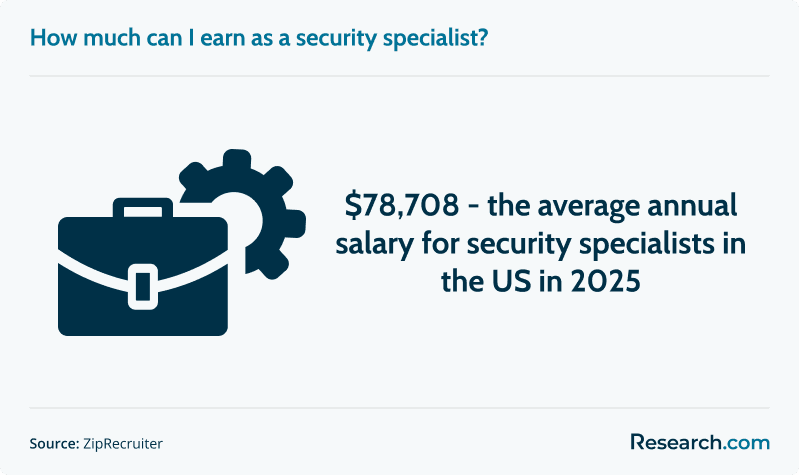
The median annual salary for a computer forensics analyst in 2027 is about $89,085. The computer forensics analyst salary range 2025 spans from approximately $59,000 for entry-level positions to $140,000 for senior roles. Actual pay can vary widely by employer, location, security clearance requirements, industry, case complexity, and whether the role includes expert testimony, incident response, management, or consulting responsibilities.
Entry-level analysts typically earn less because they are still building case experience, tool proficiency, and report-writing judgment. Pay tends to rise as analysts handle more complex investigations, lead cases, supervise teams, specialize in high-demand areas, or move into private-sector cybersecurity and consulting roles.
What affects salary growth?
- Experience level: Analysts who can independently manage investigations and defend their conclusions are usually more valuable.
- Specialization: Skills in malware analysis, cloud forensics, mobile forensics, incident response, or expert testimony can support higher earning potential.
- Industry: Finance, consulting, technology, government contracting, and information services may compensate differently.
- Credentials: Degrees and certifications can help, especially when they align with job requirements and are backed by real experience.
- Responsibility: Leadership, client-facing work, litigation support, and on-call incident response can increase compensation but may also increase pressure.
Long-term earning potential is strongest for analysts who combine technical depth with credible reporting, legal awareness, and the ability to lead high-stakes investigations. Senior professionals regularly earning $130,000 or more are typically not just tool users; they are trusted investigators, specialists, managers, or consultants.
What is the job outlook for computer forensics analysts?
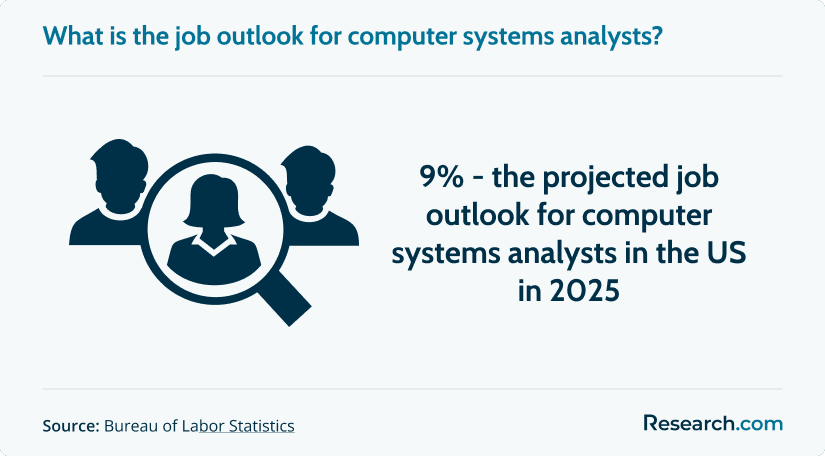
The demand for computer forensics analysts is projected to grow by 9% by 2034, faster than the average growth rate of about 4% for all occupations. The outlook is supported by continuing cybercrime, expanding digital evidence sources, and the need for organizations to investigate incidents, meet legal obligations, and protect sensitive data.
The key factors shaping the future outlook
- Cybercrime remains a major driver. Data theft, ransomware, fraud, insider threats, account compromise, and business email compromise all create demand for professionals who can reconstruct what happened.
- Digital evidence is expanding. Cloud platforms, mobile devices, remote work tools, collaboration apps, IoT devices, and networked systems generate large volumes of evidence that organizations must preserve and interpret.
- Regulation increases the need for defensible investigations. Healthcare, finance, government, and other regulated sectors often need forensic support to determine breach scope, document findings, and respond appropriately.
- Private-sector demand is broadening. Computer forensics is no longer limited to law enforcement. Corporations, consulting firms, insurers, law firms, and cybersecurity providers all use forensic expertise.
- AI and automation change the work, not the need for judgment. Tools can help process large datasets, but analysts still need to validate results, interpret context, and explain conclusions responsibly.
For students trying to enter the field without overextending financially, comparing the cheapest online colleges that accept fafsa may help identify affordable programs that still provide a credible technical foundation.
What is the typical work environment for computer forensics analysts?
The computer forensics analyst work environment is often an office, lab, secure facility, government agency, police department, consulting firm, corporate security team, or forensic services provider. Many analysts spend much of their time at a desk reviewing data, using forensic tools, writing reports, and coordinating with investigators or legal teams.
Most computer forensics analysts find employment in industries such as computer systems design and related services (26%), finance and insurance (19%), and information sectors (9%). Other opportunities may exist in government agencies, law enforcement, private corporations, consulting firms, law firms, eDiscovery providers, and forensic labs.
Schedule and work style
The computer forensics analyst typical work schedule is usually full time during standard business hours, but urgent cases can require evenings, weekends, or on-call availability. Breaches, criminal investigations, court deadlines, and preservation orders do not always fit a predictable schedule.
Remote or hybrid work may be possible in some corporate, consulting, or report-writing roles. However, positions involving law enforcement, classified systems, physical devices, or sensitive evidence often require onsite work in secure environments. Candidates should read job descriptions carefully because remote flexibility varies significantly by employer and case type.
Who succeeds in this environment?
This work environment fits people who can concentrate for long periods, tolerate detailed documentation, protect confidentiality, and communicate calmly with stakeholders under pressure. It is less ideal for someone who wants purely creative work, minimal paperwork, or a role with no exposure to conflict, sensitive content, or legal scrutiny.
What are the pros and cons of computer forensics analyst careers?
Computer forensics can be a meaningful, intellectually challenging career, but it is not an easy path. The same features that make the work important—sensitive evidence, high stakes, and constant technical change—also make it demanding.
Pros
- Meaningful impact: Your work can help identify offenders, protect victims, support organizations after breaches, and clarify disputed facts.
- Strong problem-solving element: The role rewards curiosity, pattern recognition, and the ability to reconstruct events from incomplete evidence.
- Continuous learning: New devices, apps, systems, and attack methods keep the work intellectually active.
- Career flexibility: Skills can transfer across law enforcement, corporate security, consulting, eDiscovery, incident response, and compliance roles.
- Potential for advancement: Experienced analysts can move into senior investigation, management, consulting, expert witness, or specialized cybersecurity roles.
Cons
- Exposure to disturbing content: Some investigations involve abuse, violence, exploitation, fraud, or personal trauma. This can be emotionally difficult.
- High-pressure deadlines: Evidence may need to be preserved quickly, and findings may affect legal, financial, or public safety outcomes.
- Heavy documentation: Reports, chain-of-custody records, notes, and evidence logs are central to the job and must be precise.
- Unpredictable hours: Urgent incidents, court schedules, or law enforcement needs can disrupt normal work routines.
- Constant skill maintenance: Analysts must keep up with changing operating systems, encryption, cloud services, mobile platforms, and forensic methods.
Before committing, consider whether you are drawn to both the technical and procedural sides of the role. If you are balancing work and school, the cheapest online schools for working students may help you compare flexible options for building the required foundation without pausing your career.
What are the opportunities for advancement for computer forensics analysts?
Computer forensics analysts can advance by taking on more complex investigations, specializing in a technical niche, supervising teams, moving into consulting, or transitioning into broader cybersecurity leadership. Advancement is usually based on a combination of experience, credibility, communication ability, and technical depth.
Clear paths for career advancement
- Entry-level roles: Junior Digital Forensic Analyst, Digital Forensics Technician, Cybersecurity Analyst, Security Operations Analyst, or eDiscovery Technician. These roles build tool familiarity, documentation habits, and basic case exposure.
- Mid-level roles: Digital Forensic Analyst, Forensic Examiner, Incident Response Analyst, eDiscovery Specialist, or Cyber Investigations Analyst. At this level, professionals may run investigations, prepare reports, and work directly with stakeholders.
- Senior-level roles: Senior Forensic Examiner, Lead Forensic Investigator, Incident Response Manager, Forensic Consultant, Expert Witness, or Digital Forensics Manager. These positions often involve complex cases, leadership, client interaction, and strategic decision-making.
- Executive or strategic roles: Some professionals eventually move toward Director of Incident Response, Security Operations leadership, or Chief Information Security Officer roles, especially if they broaden their management and risk skills.
Exciting computer forensics analyst specialization opportunities
- Incident response and threat analysis: Investigating active or recent breaches, coordinating containment, and determining attacker behavior.
- Malware analysis and reverse engineering: Studying malicious code to understand capabilities, persistence, command-and-control activity, and impact.
- Network forensics: Reconstructing activity from traffic records, firewall logs, authentication events, and intrusion detection data.
- Mobile forensics: Extracting and interpreting data from smartphones, tablets, messaging apps, and mobile cloud backups.
- Cloud forensics: Investigating activity in cloud platforms, SaaS tools, storage services, and identity systems.
- Legal and compliance forensics: Supporting litigation, regulatory inquiries, internal investigations, and evidence production.
The best advancement path depends on what you want more of: deeper technical analysis, courtroom work, incident response urgency, client consulting, or leadership. Choose roles and credentials that build toward that direction instead of collecting unrelated experience.
What other careers should you consider?
If you are interested in computer forensics but unsure whether it is the right fit, compare it with adjacent cybersecurity, IT, and legal technology roles. These careers share some skills but differ in daily work, stressors, and long-term direction.
- Information Security Analyst: Focuses on protecting systems before and during cyber threats. This role is usually broader than forensics and may involve monitoring, risk assessment, security controls, and incident response.
- Malware Analyst: Specializes in analyzing malicious software. This path is more code- and reverse-engineering-heavy than many general forensic roles.
- IT Security Specialist: Implements, maintains, and troubleshoots security tools and practices. It may be a strong entry point for candidates who want to build operational cybersecurity experience before moving into investigations.
- eDiscovery & Litigation Support Specialist: Manages digital evidence for lawsuits, investigations, and document review. This path may involve less intrusion analysis and more legal process, data preservation, production, and review platforms.
- Computer Systems Analyst: Evaluates and improves computer systems. This role uses analytical and technical skills but is generally less focused on evidence, cybercrime, and legal defensibility.
Choose computer forensics if you want investigative work that combines systems knowledge, evidence handling, legal awareness, and careful reporting. Choose a related cybersecurity role if you prefer prevention, operations, engineering, or real-time defense over post-incident reconstruction.
Here's What Professionals Say About Their Computer Forensics Analyst Careers
- : "As a computer forensics analyst, I see myself as a detective in a digital landscape where every byte of data can hold the key to solving complex crimes. The focus and precision needed to sift through encrypted files and fragmented logs demand not only technical skill but a relentless commitment to uncovering the truth. I take pride in how my work directly supports law enforcement by transforming raw data into solid evidence, which can make a tangible difference in protecting innocent people and upholding justice. Knowing that my meticulous analysis can help close cases gives me a profound sense of purpose. — Anders"
- : "Handling the darkest corners of the internet over the years has taken a toll on me emotionally. The graphic material I have to examine, like evidence of abuse or violence in extreme detail, is something most people don't realize, and definitely isn't easy to shrug off after work. I've seen colleagues struggle and even leave the field because of how heavy the psychological burden becomes. Still, I strive to manage the impact because I understand that this unpleasant exposure is part of the cost of preventing those crimes from continuing. It's a tough profession, and resilience is as crucial as technical expertise. — Tariq"
- : "One of the most fulfilling moments in my role happens when all the digital evidence finally aligns and I can clearly demonstrate a suspect's involvement in a crime. Recently, I was able to link activity from a private server's log directly to a device used in a fraudulent scheme, which was crucial in corroborating the investigation's timeline. Experiences like these make the countless hours of data carving and forensic imaging worth it, especially knowing that my findings can protect future victims and bring offenders to justice. It's a demanding but incredibly rewarding field when the truth comes to light. — Elena"
Key Findings
- Computer forensics analysts recover, preserve, analyze, and explain digital evidence for cyber incidents, criminal cases, litigation, and internal investigations.
- The role requires both technical skill and legal discipline. Chain of custody, documentation, privacy rules, and careful wording are central to credible forensic work.
- A Bachelor of Science degree in Computer Science, Cybersecurity and Information Assurance, or Computer Forensics is a common requirement, while credentials such as the CFCE from IACIS and CCE from ISFCE can strengthen qualifications.
- The median annual salary for a computer forensics analyst in 2027 is about $89,085, with the computer forensics analyst salary range 2025 spanning from approximately $59,000 for entry-level positions to $140,000 for senior roles.
- Demand is projected to grow by 9% by 2034, faster than the average growth rate of about 4% for all occupations.
- The career suits people who enjoy technical investigation, detailed documentation, ethical responsibility, and continuous learning.
- The biggest drawbacks include exposure to sensitive or disturbing material, high-pressure deadlines, unpredictable hours, and the need to keep skills current.
- Advancement paths include senior forensic examiner, incident response manager, forensic consultant, expert witness, and broader cybersecurity leadership roles.
Other Things You Should Know About Computer Forensics Analysts
In 2027, the typical salary for a computer forensics analyst is around $75,000 to $105,000 annually. Factors such as experience, education level, industry, and geographical location can significantly influence this range. Urban centers and specialized industries might offer higher salaries due to increased demand and cost of living.
To become a computer forensics analyst in 2027, a bachelor's degree in computer science, cybersecurity, or a related field is typically required. Specialized certifications like Certified Forensic Computer Examiner (CFCE) or GIAC Certified Forensic Analyst (GCFA) can enhance prospects in this evolving field.
In 2027, artificial intelligence streamlines data analysis for computer forensics analysts, automating tedious tasks like data sorting. However, it requires analysts to adapt to new software, interpret complex algorithms, and address ethical concerns in AI-assisted decision-making, creating a need for ongoing education and skill development.
References
- Interview with a Computer Forensics Expert - Job Shadow https://jobshadow.com/interview-with-a-computer-forensics-expert/
- The darker side of computer forensics - Forensic Focus https://www.forensicfocus.com/articles/the-darker-side-of-computer-forensics/
- Computer forensics interview questions | Infosec https://www.infosecinstitute.com/resources/professional-development/computer-forensics-interview-questions/
- What Jobs Can You Get With a Computer Forensics Degree? https://online.champlain.edu/blog/what-jobs-can-you-get-with-computer-forensics-degree
- How to Become a Computer Forensics Analyst | Cyberdegrees.org https://www.cyberdegrees.org/careers/computer-forensics/how-to-become/
- Forensic computer analyst https://www.prospects.ac.uk/job-profiles/forensic-computer-analyst
- Computer Forensic Analyst: What is your role? - IMMUNE https://immune.institute/en/blog/analista-forense-informatico/
- Digital Forensics Analyst https://www.isaca.org/career-center/career-journey/cyber-crime/digital-forensics-analyst
- Benefits and Challenges of Digital Forensics https://globalcybersecuritynetwork.com/blog/benefits-and-challenges-of-digital-forensics/
- Why Computer Forensics Is a Smart Career Choice in the Digital Age - MSU Denver https://www.msudenver.edu/innovative-lifelong-learning/blog/why-computer-forensics-is-a-smart-career-choice-in-the-digital-age/


