
2027 Return on Investment (ROI) of a Media Arts Degree Program

Co-Founder and Chief Data Scientist
Deciding to pursue a media arts degree often raises concerns about the financial payoff after graduation. Many students wonder if investing time and money will lead to stable employment or competitive salaries. Recent data shows the media arts industry is projected to grow by 13% over the next decade, faster than average for all occupations. Despite this growth, graduates frequently face intense competition and varying income levels across specialties. This article examines the return on investment of media arts degrees, analyzing costs, employment prospects, and salary trends to help readers make informed decisions about their education and career paths.
Key Things to Know About Media Arts Degree ROI
- Graduates with a media arts degree report a 15% higher average starting salary compared to non-degree holders in creative industries, enhancing initial earning potential.
- Media arts skills support career advancement in diverse fields such as advertising, film, and digital content, fostering long-term professional growth and opportunities.
- The degree offers adaptability across emerging media platforms, contributing to job stability amid technological shifts and increasing demand for digital creativity.
How Is ROI Calculated for a Media Arts Degree Program?
Return on investment (ROI) in higher education measures the financial gains a student can expect relative to the total costs and time invested in earning a degree. For students evaluating a media arts degree, ROI helps compare the program's value against expenses and career benefits. Several key factors are considered when calculating this ROI for media arts degrees.
These factors include:
- Tuition and Fees: This encompasses the full cost of the program, including tuition, books, supplies, and mandatory fees. Accurately estimating these costs is essential to understand the upfront investment required for the degree.
- Opportunity Cost: Students forgo potential income while attending school instead of working full-time. This lost earning potential during the study period directly impacts the overall ROI calculation.
- Time to Completion: The length of a media arts degree affects both the total educational expenses and the delay in entering the workforce, which can increase opportunity costs and postpone salary gains.
- Post-Graduation Salary Outcomes: Expected starting salaries and growth potential in relevant fields influence how quickly students can recoup their education costs, making this a critical component in media arts degree program cost versus earnings analysis.
- Career Advancement and Growth: The degree's impact on long-term job opportunities and salary increases contributes to ongoing ROI, reflecting advantages that extend beyond initial employment.
For those considering further education paths, options such as an MSW degree also require similar ROI assessments to ensure financial and career decisions align with long-term goals.
How Much Does a Media Arts Degree Program Cost?
Accurately gauging the return on investment for a media arts degree requires a clear view of the entire financial commitment involved. With the average graduate student debt nearing $60,000 in the U.S., it's essential to account for all expenses beyond just tuition. Several factors contribute significantly to the total cost and, ultimately, the degree's value.
Key expenses to consider include:
- Tuition and fees: These represent the primary cost and vary greatly depending on whether the program is offered by public or private institutions, as well as residency status, which can dramatically influence the price.
- Books and materials: Media arts students often incur additional costs for specialized software licenses, hardware upgrades, and creative tools necessary to complete coursework and projects.
- Living and relocation expenses: Many students must budget for housing, food, transportation, and utilities, especially if they move away from their home area to attend school.
- Opportunity cost: Full-time study typically means foregoing income from employment during the program, which can add a significant financial burden beyond direct educational expenses.
- Hidden or indirect costs: Additional charges might include technology updates, printing or production fees, portfolio preparation expenses, or costs linked to unpaid internships.
When I asked a recent media arts graduate about his experience estimating program costs, he acknowledged the complexity beyond tuition alone. He recounted, "It wasn't just about the sticker price of classes; managing the expenses for creative software subscriptions and upgrading my laptop every two years really added up." He also emphasized how relocating to a new city introduced unexpected costs, stating, "Finding affordable housing was tougher than I anticipated, and commuting drained my budget fast." Despite these hurdles, he felt that carefully planning each financial element helped him avoid surprises and better assess the real investment he was making.
What Financial Aid Is Available for Media Arts Degree Programs?
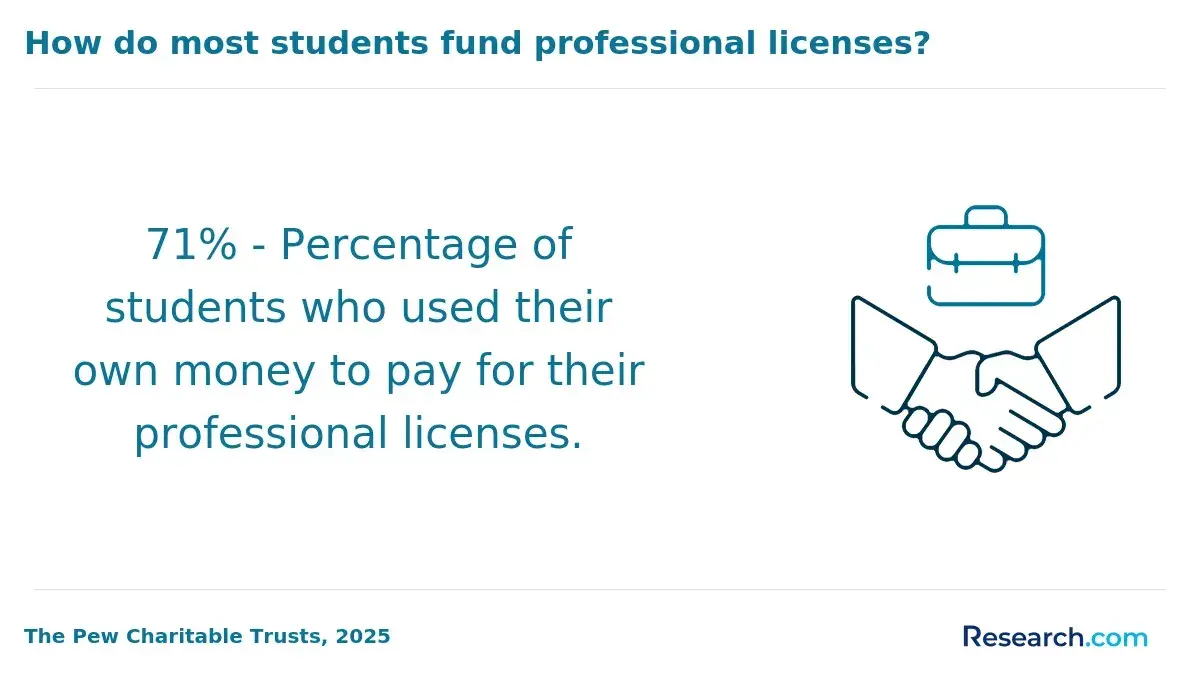
Financial aid helps reduce the initial expenses of media arts degree programs, lowering student debt and boosting the long-term return on investment. More than 85% of bachelor's degree students rely on some form of financial support, reflecting its significance in managing education costs and post-graduation financial health.
Here are common types of financial aid that can impact the overall affordability and financial outcomes of media arts studies:
- Scholarships: These merit- or talent-based awards do not require repayment, decreasing tuition costs and improving net financial gains after completing the degree.
- Grants: Usually awarded based on financial need, grants also don't need to be paid back, effectively lowering debt and making the program more accessible without added financial burden.
- Federal loans: Although loans must be repaid with interest, federal options often come with lower interest rates and flexible terms, helping students manage debt responsibly while preserving ROI.
- Fellowships: Targeted mostly at graduate students, fellowships provide funding that can cover tuition and living costs, supporting financial stability during advanced media arts study.
- Employer tuition assistance: Some working students benefit from employer-sponsored programs that reimburse tuition expenses, reducing reliance on loans and enhancing the cost-effectiveness of earning a degree.
How Long Does It Take to Complete a Media Arts Degree?
The length of time it takes to earn a media arts degree has a significant impact on return on investment (ROI) by affecting both the total cost and lost earning potential. Finishing sooner reduces tuition expenses and allows graduates to enter the workforce earlier, increasing financial gains over time. Conversely, prolonged study periods can elevate costs and delay career income, lowering overall ROI.
Several main factors shape how quickly students finish their media arts degree and influence these financial outcomes:
- Enrollment status: Full-time students generally complete programs faster due to a heavier credit load each semester, while part-time students balance other commitments but may extend their study duration.
- Program format: Online or accelerated courses provide more flexible scheduling options and can shorten time to degree by allowing students to progress at their own pace or take intensive classes.
- Transfer credits: Prior academic work can reduce the number of required courses, speeding up graduation and lowering total tuition expenses.
- Practical requirements: Internships or thesis projects add valuable experience but may add time to complete the degree depending on their scope and scheduling.
- Course availability: The timing and frequency of required classes impact how quickly students can enroll in needed courses and move forward without delay.
When I spoke to a media arts graduate about her journey, she highlighted how navigating these variables shaped her experience. She explained, "Balancing part-time work with my studies stretched the degree to about four years, longer than I initially hoped." She also shared that taking an internship in her final year was challenging but invaluable. "It wasn't always easy to fit everything in," she said, "but gaining real-world skills ultimately helped me land a good job faster after graduation." Her story shows how time to completion is personal and tied closely to individual priorities and opportunities.
Is ROI Higher for Online or On-Campus Media Arts Programs?
Choosing between online and on-campus media arts degree programs can significantly impact return on investment (ROI) due to differences in cost, flexibility, and career outcomes. Nearly 40% of U.S. higher education students now enroll in some form of online learning, reflecting growing acceptance and convenience in digital education. These trends shape how prospective students evaluate media arts degree ROI comparison when selecting a program.
Several key factors distinguish the ROI of online versus on-campus media arts programs:
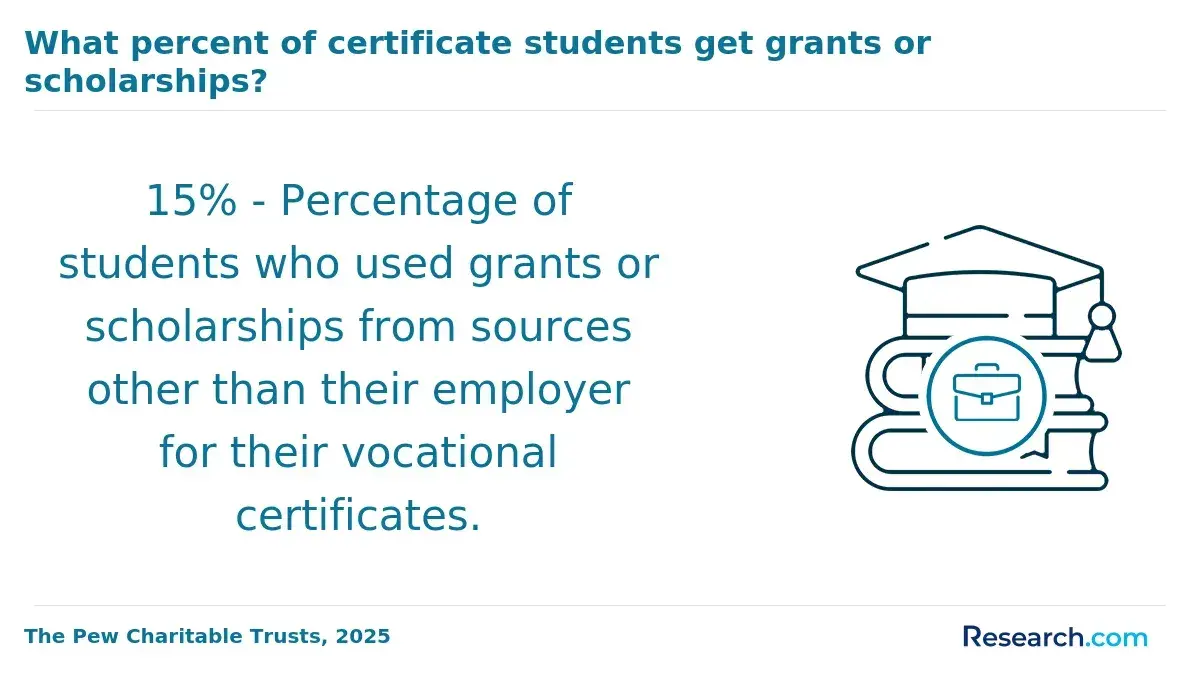
- Tuition and fees: Online programs typically have lower tuition and fees, which reduces upfront costs and minimizes student debt. This financial advantage makes online study appealing for those prioritizing affordability.
- Opportunity cost: Online students often continue working while studying, lowering opportunity costs by maintaining income streams. On-campus students may face higher indirect costs due to limited work flexibility.
- Time to completion: Both formats vary, but online programs frequently offer accelerated paths allowing faster entry into the workforce, benefiting ROI through reduced time investment.
- Networking and career services: On-campus programs generally provide stronger access to networking opportunities and career services, which can enhance job prospects and support higher long-term earnings.
- Employer perception: While online degrees gain acceptance, some employers remain skeptical regarding online learning in creative fields, sometimes influencing hiring decisions and initial salary offers.
Prospective students can explore affordability options further by reviewing engineering degrees online, which often share similar cost structures and flexible delivery methods relevant to media arts programs.
What Is the Average Salary After Earning a Media Arts Degree?
Post-graduation salary is a critical factor in evaluating the return on investment (ROI) of a media arts degree, as it determines how quickly graduates can recoup education costs. On average, media arts graduate earnings in the US range between $40,000 and $70,000 annually, influenced by multiple key factors.
Several elements impact average salary outcomes and thus ROI, including:
- Industry: Salaries vary significantly by sector; for example, film, gaming, advertising, and digital media all offer different pay scales. Typically, tech-heavy fields within media arts tend to provide higher compensation.
- Geographic Location: Graduates in urban centers with vibrant creative economies, such as New York or Los Angeles, often earn more, boosting potential ROI due to higher local demand and opportunities.
- Prior Experience: Internships and freelance work before graduation enhance prospects, allowing graduates to access better entry-level pay, which improves early career earnings.
- Specialization: Skills in niche areas like animation, visual effects, or interactive media are in demand, often resulting in higher salaries because of the specialized expertise required.
- Career Level: Entry-level roles offer lower salaries, but as graduates gain experience and move into management or creative leadership positions, their compensation and ROI increase substantially.
Prospective students exploring a media arts degree should carefully assess these factors to estimate financial outcomes accurately. For those considering complementary career paths, exploring marriage and family therapy online programs accredited might provide additional options. Understanding the average media arts degree salary alongside other fields helps inform these decisions.
Does a Media Arts Degree Lead to Promotions?
Promotions contribute significantly to the return on investment (ROI) of a media arts degree by offering higher salaries, expanded responsibilities, and greater career mobility. These advancements accelerate both professional growth and income potential, enhancing the overall value of the degree.
A growing workforce trend emphasizes credential-based promotions, where many organizations now require formal educational qualifications, such as a bachelor's degree, to access leadership or specialized roles. This shift increases the importance of a media arts degree for those seeking career advancement.
Key ways a media arts degree influences promotion opportunities and ROI include:
- Credential requirements: Many management and specialized positions mandate a formal degree, making a media arts degree essential for meeting these prerequisites and opening doors to higher-level roles.
- Leadership preparation: Degree programs often incorporate leadership and project management skills tailored to creative industries, equipping graduates to take on broader responsibilities.
- Tuition support: Employer tuition reimbursement programs frequently favor employees pursuing degrees, reducing educational costs and improving ROI through lower out-of-pocket expenses.
- Promotion policies: Internal advancement structures often prioritize candidates with formal education, aligning well with a media arts degree to strengthen promotion candidacy.
- Experience complement: When combined with practical industry experience, a media arts degree enhances an individual's qualifications, boosting chances for career advancement.
Factors such as employer support for continuing education and the synergy between academic credentials and experience play a critical role in promotion prospects. For those evaluating the financial and professional benefits of pursuing a media arts degree, considering options such as affordable online bachelor degree programs can optimize both cost and career outcomes. Embracing these aspects can maximize career advancement with a media arts degree and its overall ROI.
Which Industries Offer the Best ROI for Media Arts Graduates?
The return on investment (ROI) for media arts graduates varies significantly among industries due to differences in salary levels, career progression opportunities, and demand for specialized skills. Industries that offer competitive compensation and clear paths for advancement generally provide stronger ROI. In addition, sectors with sustained demand for creative and technical abilities tend to maximize the long-term value of a media arts degree.
Industries that consistently offer some of the highest ROI careers for media arts graduates include the following:
- Film and Television Production: This field offers competitive salaries for roles such as editors, animators, and visual effects artists. With strong growth potential, success and experience in this industry lead to better-paying roles and ongoing career advancement.
- Video Game Development: Rapid expansion in gaming fuels demand for designers and animators who have media arts skills. This sector provides job stability and compensation growth as the industry continues to evolve.
- Advertising and Marketing: Media arts professionals play a key role in developing compelling campaigns. Investments in creative talent translate into solid salary progression and frequent promotional opportunities.
- Digital Media and Content Creation: Including social media, web design, and multimedia production, this sector benefits from ongoing demand as brands seek engaging digital experiences to connect with audiences.
- Corporate Communications and Branding: Creating internal and external media content in corporate environments supports brand identity efforts. This area provides consistent demand and competitive pay, making it a strong choice for those seeking stable career opportunities.
For prospective students evaluating the best industries for media arts degree ROI, considering these sectors can help align educational investment with career outcomes. Additionally, those interested in affordable education options may explore online schools that accept FAFSA to reduce upfront costs while preparing for these lucrative fields.
Does Accreditation Affect ROI for a Media Arts Degree?
Accreditation for media arts degree programs signifies that the curriculum, faculty, and resources meet defined quality standards established by independent educational bodies. This validation is crucial because it assures employers that graduates possess the necessary skills and professionalism expected in the field.
Increasingly, employers favor candidates from accredited programs, associating them with higher preparedness for creative and technical roles. Additionally, accreditation often determines whether graduates qualify for professional licensure or certifications, which can be essential in certain sectors.
The long-term return on investment for a media arts degree is strongly linked to accreditation due to several practical benefits. Graduates from accredited programs generally enjoy greater employer trust, which enhances job opportunities and career advancement.
Accreditation also enables students to access federal financial aid, making education more affordable upfront, and supports smoother credit transfer should students pursue further studies. Furthermore, it aids licensure eligibility and facilitates career mobility across different states and industries, collectively contributing to stronger financial and professional outcomes over time.
Is a Media Arts Degree Worth It?
Evaluating the return on investment for a media arts degree involves considering several financial and career elements. Tuition and fees can vary significantly, and completing the degree usually takes two to four years. Graduates often pursue roles in fields like graphic design, video production, or digital media, where starting salaries tend to be modest compared to STEM careers.
Data indicates that the median early-career salary for media arts graduates hovers around $45,000, reflecting a competitive but sometimes unpredictable labor market. Career growth opportunities can enhance ROI, especially for those who develop strong portfolios and maintain professional networks.
The value of a media arts degree largely depends on factors such as industry demand, program flexibility, and available financial aid. Digital content creation is expanding, which supports job stability and potential wage increases over time.
However, the degree may be less advantageous if the program is costly without adequate scholarships or if graduates encounter extended periods of underemployment. Aligning the degree with clear personal goals and a willingness to refine complementary skills also plays a crucial role in optimizing returns.
What Graduates Say About The ROI of Their Media Arts Degree
- Allen: "Choosing to pursue a media arts degree as a traditional student was a big decision for me, especially considering the average cost of attendance can be around $30,000 per year. However, the investment has paid off immensely, as the skills and connections I gained opened doors to creative roles I never thought possible. Looking back, the long-term ROI and career growth make every dollar spent absolutely worthwhile."
- Gunnar: "As an online media arts student, I was initially concerned about whether the cost-often totaling close to $60,000 for the full program-would be worth it without the campus experience. Reflecting now, the flexibility and quality of education have significantly boosted my freelance career, proving that strategic investment in this degree yields strong professional returns. I'm grateful for the opportunity despite the price."
- Jas: "Balancing work and study as a part-time media arts student meant stretching the program longer, but it allowed me to manage costs better, with total expenses closer to $40,000. The professional skills I gained have been invaluable in propelling my career forward, especially in creative project leadership. While it was a substantial commitment, I firmly believe the degree's impact on my opportunities justifies the cost."
Other Things You Should Know About Media Arts Degrees
Emerging technologies significantly influence the 2027 ROI of a media arts degree. By integrating tools like AI and VR, students enhance their skills, align with industry trends, and expand job prospects, potentially increasing earnings post-graduation. Schools that adapt their curricula to include these technologies provide a stronger ROI for graduates.
Internships play a crucial role in boosting the ROI of a media arts degree. They provide practical experience, networking opportunities, and often lead to job offers, helping graduates secure higher-paying positions sooner and gain a competitive edge in the job market.
Yes, location significantly impacts the ROI of a media arts degree in 2027. Graduates in major cities often benefit from higher-paying job opportunities and a robust creative industry network. However, living costs can offset salary advantages, affecting the overall ROI. Evaluating both benefits and expenses is crucial.
References
- 30+ Best Career Options After Graduation in Arts | eMarketdu https://www.emarketeducation.in/blog/career-options-after-arts-graduation/
- How Arts Programs Profit Students and Schools - Gray DI https://www.graydi.us/blog/gray-insights/the-artists-are-not-starving-how-arts-programs-profit-students-and-schools
- Liberal Arts Careers & ROI | All Bachelor Degrees https://allbachelordegrees.com/degrees/liberal-arts-humanities/liberal-arts/liberal-arts-degree-career-overview-and-roi/
- Find your program > Media Arts — bachelor's degree > Fees and Costs | UFV.ca https://www.ufv.ca/creative-arts/programs/bachelor-media-arts/fees-costs/
- Media Arts https://www.auarts.ca/learn-with-us/program-areas/media-arts
- The Future of Accreditation: Key Changes on the Horizon for Higher Education — Alla Breve Consulting https://www.allabreveconsulting.com/blog/the-future-of-accreditation-key-changes-on-the-horizon-for-higher-education
- Imagining a Career in Creative & Media Arts https://www.futuresforall.org/post/imagining-a-career-in-creative-media-arts
- Does a Communications Degree Have a Good Return on Investment? - Best Communications Degrees https://www.bestcommunicationsdegrees.com/faq/does-a-communications-degree-have-a-good-return-on-investment/
- What Is the Return on Investment of a Tuition‑Free UoPeople Degree? | University of the People | https://www.uopeople.edu/blog/roi-of-a-tuitionfree-uopeople-degree/
- ROI Undergraduate - FREOPP https://freopp.org/roi-in-higher-education/roi-undergraduate/


