
2027 Is a 2-Year Media Arts Degree Worth It: Accelerated Bachelor's ROI & Time Trade-Offs

Co-Founder and Chief Data Scientist
Many prospective students grapple with whether a 2-year media arts degree offers sufficient return on investment compared to traditional four-year programs. Recent data shows accelerated degrees in creative fields can yield employment rates up to 15% faster, addressing industry demand for timely skills. However, wage gaps and career advancement concerns remain prevalent.
This article explores the financial and temporal trade-offs of completing a media arts accelerated bachelor's degree. It evaluates salary outcomes, time savings, and career trajectories to help readers determine if this accelerated path aligns with their professional ambitions and fiscal priorities.
Key Benefits of a 2-Year Media Arts Degree
- Accelerated 2-year media arts degrees reduce education costs and opportunity losses, enabling faster entry into the workforce compared to traditional 4-year programs.
- Graduates often gain practical skills aligned with digital trends, improving employability and an average 15% higher early-career salary than non-degree holders.
- The compressed timeline supports quicker ROI by minimizing student debt and maximizing work experience accumulation during prime career-building years.
How Do 2-Year Media Arts Programs Work?
Two-year media arts programs offer an intensive, accelerated path for students aiming to complete a bachelor's degree more quickly than traditional four-year curricula. These programs are designed to accommodate motivated students who want to enter the media industry swiftly while maintaining a strong educational foundation. Understanding the structure of these programs helps prospective students evaluate the time commitment and return on investment possible through this accelerated degree pathway.
- Accelerated pacing: Programs condense coursework into roughly two years by increasing the academic tempo, often using semesters as short as 8 to 12 weeks, allowing faster completion of degree requirements.
- Year-round enrollment: Offering continuous enrollment throughout the year reduces breaks between terms, enabling students to progress steadily without extended downtime.
- Condensed course terms: Shorter, intensive terms require students to manage heavier credit loads, typically 15 to 18 credits per term compared to traditional programs.
- Credit load expectations: Students maintain a demanding schedule with more credits per term to accelerate graduation timelines while balancing quality learning.
- Instructional format: Many programs utilize a blend of online, hybrid, and in-person classes to provide flexibility without compromising the rigorous pace.
- Assessment methods: Frequent and cumulative evaluations, including projects, presentations, and portfolios, ensure students meet learning goals effectively.
- Curriculum progression: Students advance by completing core courses in digital production, graphic design, video editing, and animation alongside general education, preparing them for media arts careers.
When researching media arts associate degree admissions and coursework, prospective students should review how accelerated programs impact workload and scheduling. It's also crucial to compare alternatives like RN to BSN without clinicals programs if considering flexible educational options across disciplines.
According to the National Center for Education Statistics, accelerated bachelor's degrees can reduce time to employment by 1.5 to 2 years, which often translates to lower tuition costs. With steady job growth in media and communication fields reported by the Bureau of Labor Statistics, these degrees offer a viable ROI for dedicated students seeking career advancement.
What Are the Admission Requirements for a 2-Year Media Arts Degree?
For students weighing the time and financial investment of an accelerated bachelor's in media arts, understanding the admission requirements for a 2-year media arts degree is essential. These criteria provide a baseline of academic and experiential qualifications that can impact acceptance and success. Below is a detailed breakdown of common entry requirements for accelerated media arts programs that prospective students should anticipate.
- Prior Education: Applicants typically need a high school diploma or equivalent such as a GED, establishing foundational academic readiness for college-level coursework.
- GPA Expectations: Many programs require a minimum GPA ranging from 2.0 to 3.0, depending on the school's competitiveness and admission standards.
- Standardized Testing: While SAT or ACT scores are less frequently mandatory, some institutions may request them, particularly for accelerated bachelor's tracks that build on the 2-year degree.
- Prerequisite Courses: Basic classes in art, design, or digital technology are often required to ensure applicants have introductory knowledge of creative tools relevant to media arts.
- Portfolio Submission: A portfolio demonstrating prior work in media arts or graphic design may be requested to highlight practical skills and artistic potential.
- Work Experience: Although not always required, internships or work experience in media production can strengthen an application by showing real-world familiarity and commitment.
Accelerated bachelor's degrees enable students to save one to two years compared to traditional four-year programs, potentially accelerating entry into the workforce and reducing educational expenses.
Students interested in these pathways should verify specific admissions qualifications with their chosen program to ensure alignment. For those balancing education with career aspirations, programs like a certified medical assistant program may offer complementary efficient training options alongside media arts studies.

What Does a Typical Week Look Like in a 2-Year Media Arts Program?
Grasping the weekly demands and structure of an accelerated Media Arts program is crucial for students weighing their ability to manage a fast-paced academic environment. The compressed timeframe intensifies workload and learning expectations compared to traditional degrees. Below is an outline of typical components shaping a student's week in such a program.
- Class sessions and lectures: Students typically attend several intensive classes weekly covering essential topics like digital media production and theory. These sessions blend practical exercises with conceptual learning, often requiring sustained focus for multiple hours.
- Assignments and assessments: Frequent projects and written work push students to apply skills and demonstrate comprehension. Deadlines come rapidly, demanding consistent effort to keep pace with course objectives.
- Collaboration and group work: Many projects involve team-based tasks to simulate professional environments. These collaborations cultivate communication skills and creative problem-solving under tight schedules.
- Independent study and practice: Outside class hours, students invest significant time refining software proficiency, editing work, and deepening theoretical understanding. This self-driven portion is vital to mastering both technical and artistic elements.
- Instructor feedback and support: Faculty engagement occurs through lectures, office hours, and detailed critiques, helping students navigate the accelerated curriculum effectively.
- Time management demands: Balancing coursework, collaboration, and independent study requires disciplined scheduling and prioritization to meet the program's rigorous pace.
When asked about his experience, a professional who completed a bachelor's degree in Media Arts in two years shared, "Managing multiple deadlines felt overwhelming at first-there was always the pressure to produce quality work quickly." He noted that staying organized and breaking projects into smaller tasks made the workload more manageable.
He recalled nights spent experimenting with editing software to enhance his portfolio, saying, "Those hours outside class really shaped my skills." The condensed timeline meant less downtime, but he emphasized that the intensity prepared him well for real-world media roles where adapting swiftly is essential.
Are 2-Year Media Arts Programs Available Online?
The delivery format of accelerated media arts programs greatly influences flexibility, accessibility, and how students manage their time. Choosing the right format can enhance learning efficiency and help balance educational goals with personal and professional commitments. The following points highlight key aspects of online two-year media arts programs.
- Fully online vs. hybrid formats: Fully online programs allow students to complete all coursework remotely and often on their own schedules. Hybrid options combine remote learning with some live sessions or occasional in-person labs, offering both flexibility and direct interaction.
- Asynchronous and synchronous learning: Asynchronous courses enable students to access materials and complete assignments anytime, supporting varied schedules. Synchronous sessions require attending scheduled classes or labs, fostering real-time engagement and collaboration.
- Technology requirements: Students need a reliable computer with multimedia capabilities, high-speed internet, and specialized media software to participate effectively in coursework and projects.
- Student support services: Robust online support includes virtual tutoring, technical help, career advising, and digital library access, all designed to sustain motivation and academic success remotely.
- Impact on pacing and engagement: Online delivery often allows accelerated completion, potentially shaving up to two years off traditional timelines. However, students must maintain self-discipline as less face-to-face interaction can challenge motivation and engagement.
How Much Does a 2-year Media Arts Degree Cost?
Evaluating the total cost of a 2-year media arts degree is vital for assessing the return on investment, especially when pursuing an accelerated bachelor's program. These programs may condense coursework into fewer terms, affecting how expenses accumulate and influence financial planning. A clear breakdown of typical costs helps determine whether the accelerated path aligns with both career ambitions and budget constraints.
- Tuition structure: Tuition is usually charged per credit hour, and accelerated media arts degrees often require a higher credit load each term. While this increases short-term tuition costs, it can result in fewer terms overall compared to traditional four-year degrees.
- Additional fees: Beyond tuition, students face registration, technology, and lab access fees that vary by institution. These mandatory charges add to the total cost and may be higher in programs with specialized equipment requirements.
- Textbooks and learning materials: Media arts demands up-to-date software licenses and specialized learning materials, making textbooks a notable expense. Students might also need to invest in personal technology like powerful computers and accessories, elevating initial costs.
- Technology and lab costs: Access to labs and software can incur ongoing expenses, especially for accelerated programs that emphasize intensive hands-on projects. These costs contribute significantly to the overall financial commitment.
- Accelerated pacing impact: Completing the degree faster can reduce ancillary expenses such as transportation and housing. However, the higher per-term financial burden and intensive schedule may affect budgeting and cash flow.
Prospective students interested in related cost-effective alternatives may consider exploring a low-cost medical coding and billing online program as a parallel inquiry. Factoring these elements into your evaluation of tuition and financial aid for media arts degree options ensures a comprehensive view of your educational investment.
Can You Get Financial Aid for 2-Year Media Arts Programs?
Financial aid options can be a deciding factor for students considering accelerated media arts programs, especially because these condensed degrees often require upfront financial planning. Knowing how different types of aid apply to shorter programs helps students make informed choices about affordability and managing expenses. Below is a breakdown of key financial support avenues and how accelerated pacing may influence their availability.
- Federal Student Aid Eligibility: Federal grants and loans, such as Pell Grants and Direct Loans, are typically accessible for two-year media arts programs if the institution maintains federal accreditation and students enroll at least half-time. However, accelerated formats might shift timing for disbursing funds, requiring frequent communication with the financial aid office to ensure smooth processing.
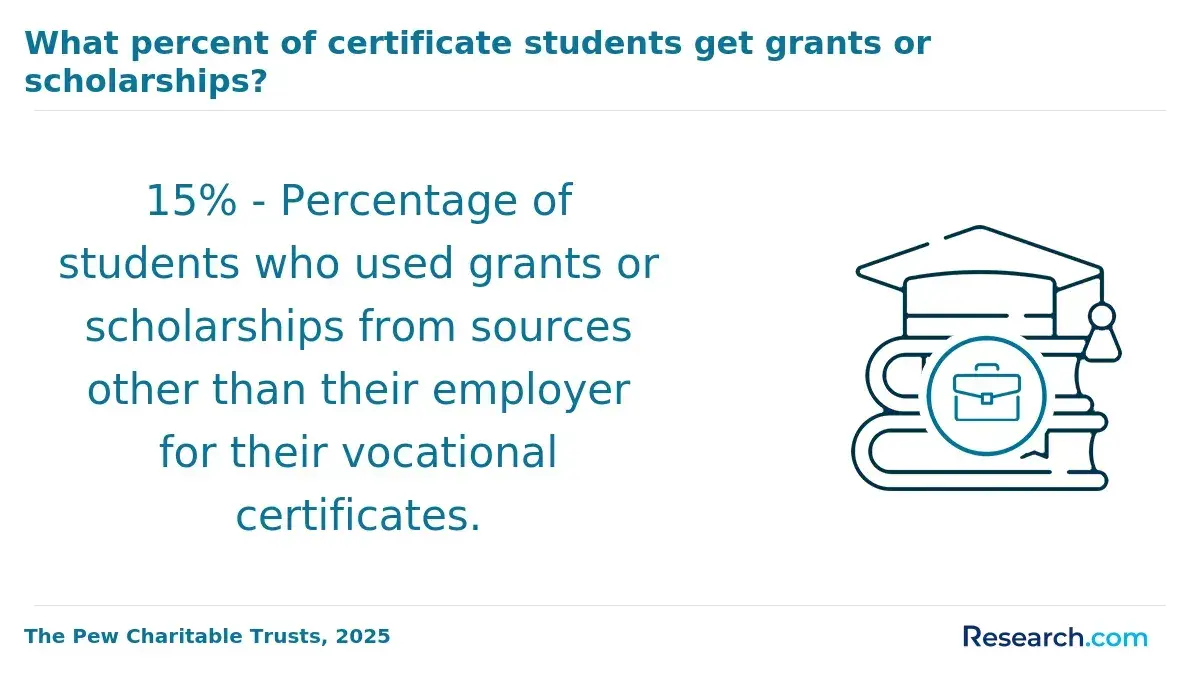
- Scholarships and Grants: Various scholarships and grants target media arts students through nonprofit organizations and industry associations. These awards often do not need repayment and can substantially lower tuition costs, but students must actively research and apply as availability varies.
- Employer Tuition Assistance: For working adults, employer-sponsored tuition benefits may offer significant financial relief. Eligibility can depend on company policy and sometimes on how accelerated program schedules fit with work commitments, making it essential to verify guidelines with human resources.
- Payment Plans: Many colleges provide payment installments options, allowing students to divide tuition into manageable monthly or quarterly payments. While helpful for budgeting, these plans might be restricted by shorter program timelines, so confirming terms early is advisable.
- Impact of Accelerated Pace: The compressed curriculum can affect the distribution of aid funds, with some institutions requiring more frequent account reviews. Additionally, traditional semester-based aid may be limited, emphasizing the need for precise financial planning.
When I spoke with a professional who completed an accelerated bachelor's degree in media arts within two years, she shared that navigating financial aid was a challenge but also empowering. "At first, I worried about whether I'd qualify because the program moved so fast," she recalled. "But working closely with the financial aid office made all the difference-they helped me understand how loan disbursements worked on my schedule."
She also highlighted the value of employer support: "My job offered tuition assistance, which covered a big portion of my tuition, but I had to coordinate my coursework and payments carefully." Ultimately, she reflected that although managing aid in an accelerated context required extra effort, it was critical to completing her degree efficiently and launching her creative career sooner than she expected.
What Jobs Can You Get With a 2-Year Media Arts Degree?
Evaluating career outcomes is essential when considering the value of an accelerated media arts bachelor's degree. Understanding the types of jobs available helps prospective students align their educational investment with their professional goals. The following overview highlights common entry-level roles and industries where graduates often find success with a 2 year media arts degree job prospects.
- Junior Graphic Designer: Many graduates start as junior graphic designers, applying foundational skills in visual design and software tools to create marketing materials, branding elements, and digital graphics for various clients.
- Video Editor: Video editing roles emphasize practical knowledge of production workflows, enabling graduates to work on projects ranging from commercials to social media content with industry-standard software.
- Digital Content Creator: Graduates often become digital content creators, producing multimedia assets like animations, short videos, and interactive media tailored for online platforms and campaigns.
- Multimedia Specialist: This role involves combining multiple artistic and technical disciplines such as animation, sound design, and web content development to support marketing and entertainment efforts.
- Social Media Coordinator: Entry-level positions in social media focus on managing digital presence, creating engaging content, and analyzing metrics to boost audience interaction and brand recognition.
- Industry Growth: Industries such as advertising, marketing, entertainment, public relations, and digital media production actively hire graduates, with projected growth reflecting steady demand for creative expertise.
- Accelerated Degree Advantages: The accelerated format allows students to complete their studies faster, saving up to two years, which can be critical for entering the workforce sooner and gaining hands-on experience that aligns with employer expectations.
- Career Advancement: Graduates with an accelerated degree may pursue continued education or specialized certifications, leveraging early career roles to build a robust professional portfolio and advance within competitive creative fields.
Entry level media arts careers after degree are designed to equip students with both creative and technical proficiency, ensuring they can skillfully contribute to projects immediately upon graduation. For those balancing education costs, researching the cheapest online nursing programs offers insight into affordable pathways in other fields as a comparison of educational investments.
How Do Salaries Compare for 2-year Media Arts Degree vs. Traditional Bachelor's Degrees?
Salary outcomes are a crucial factor when assessing the return on investment (ROI) of accelerated versus traditional degree paths in media arts. Evaluating how early earnings compare to long-term salary growth helps prospective students determine which educational route aligns best with their financial and career goals. Below is a detailed comparison of salary outcomes for graduates with a 2-year media arts degree versus those holding traditional bachelor's degrees.
- Early-career earnings: Graduates with a 2-year media arts degree typically start with median annual wages around $40,000 to $50,000, reflecting quicker entry into the workforce. In contrast, bachelor's degree holders often begin at higher salaries ranging from $50,000 to $65,000, benefiting from more extensive training.
- Long-term earning potential: Bachelor's degree holders in media arts and related fields usually see their incomes increase more significantly, with median salaries surpassing $70,000 after 10 years. Associate degree holders' salaries tend to plateau sooner, often capping near $55,000 to $60,000.
- Employer perception and career progression: Employers often favor bachelor's degree graduates for advanced creative and management roles, accelerating career advancement and salary growth. However, 2-year degree holders may compensate by gaining work experience earlier, allowing for skill-building and networking that can support upward mobility.
- Faster workforce entry and lifetime earnings: Starting work earlier can offset some long-term salary differences, as 2-year media arts degree graduates accumulate practical experience sooner. This factor influences total lifetime earnings and can appeal to those prioritizing immediate income over longer study periods.
Prospective students considering an accelerated bachelor's in media arts should also examine other affordable degree programs, such as the cheapest RN to BSN, to understand how different fields compare in ROI.
Which Factors Most Affect ROI for Accelerated Media Arts Degrees?
Evaluating the return on investment (ROI) is essential for students considering accelerated media arts degree programs, as it helps determine whether the time and money spent will lead to meaningful career and financial benefits. Since accelerated degrees typically compress the curriculum into a shorter time frame, understanding the factors that influence ROI can assist students in making informed choices. Below is a detailed look at the critical elements shaping the value of these programs.
- Time-to-completion savings: Accelerated programs usually cut degree completion from four years to about two, significantly lessening tuition costs and living expenses. This faster pace enables students to enter the workforce sooner, gaining earlier financial independence.
- Tuition and overall cost: Even if per-credit fees are marginally higher, the reduced number of semesters lowers the total amount spent on education. This cost efficiency plays a major role in improving the program's overall ROI.
- Opportunity cost reduction: Graduating earlier means students can start earning income and accumulating work experience ahead of their peers in traditional programs. Given that media arts careers often pay substantially more than jobs requiring just a high school diploma, this factor contributes notably to long-term financial gains.
- Employment prospects and wage growth: The media arts sector is projected to experience above-average job growth, with increasing demand for multimedia artists and animators. Accelerated degree holders who quickly acquire relevant skills may see faster promotions and higher salaries in this expanding market.
- Transferability of skills: Programs that focus on versatile abilities like digital design, video editing, and storytelling equip graduates for various roles within the media industry. This adaptability enhances career resilience by opening doors to multiple employment paths.
How Do You Decide If a 2-year Media Arts Degree Is Right for You?
Choosing a 2-year media arts degree requires evaluating your learning approach and schedule flexibility. These programs move quickly, often compressing four years of study into just two, which demands strong self-discipline and effective time management. If balancing work or family limits your availability, the condensed timeline could be beneficial, though it may feel intense.
Consider how urgently you need to enter the job market and whether you can adapt to an accelerated pace. Your readiness to handle this fast track will impact both your academic success and career planning.
Financially, shorter programs often mean lower overall tuition and faster return on investment by allowing earlier workforce entry. It's important to compare costs and investigate available scholarships or aid options carefully.
Employment prospects in media arts, including digital content and animation, are growing steadily, with many employers prioritizing skill and portfolio quality over degree length. Still, many roles require a bachelor's degree, so weigh how further education fits into your long-term goals. Flexibility for continued learning and career development should guide your decision alongside immediate financial benefits.
What Graduates Say About Their 2-Year Media Arts Degree
- Lisa: "The decision to pursue a 2-year media arts degree came from a desire to accelerate my passion into a tangible career. Managing the rigorous schedule was challenging at times, yet rewarding as every project enhanced my portfolio. Professionally, having this specialized degree in such a condensed timeframe differentiated me from peers and justified the tuition fees involved."
- June: "I opted for the 2-year media arts program because I valued efficiency and affordability, especially knowing the average cost of attendance was reasonable compared to traditional programs. The fast pace demanded excellent time management, but I appreciated how it mirrored the dynamic nature of the industry itself. Reflecting on my journey, this degree opened professional doors I hadn't anticipated, giving me confidence in a competitive field."
- Aly: "Choosing the accelerated 2-year media arts degree was a game-changer for me because I wanted to enter the workforce quickly without sacrificing quality education. Balancing the intensive schedule required dedication, but the structured curriculum kept me motivated and focused. Since graduating, the skills and connections I gained have propelled my career forward, making the investment well worth the average cost of attendance."
Other Things You Should Know About Media Arts Degrees
In 2027, a 2-year media arts degree can offer decent entry-level opportunities, but it may limit long-term career growth. While it provides practical skills, an accelerated bachelor's can enhance prospects, offering a better return on investment by broadening job opportunities and potential salary increases over time.
Accelerated bachelor's degrees in media arts can be a good time investment for students who want to enter the workforce quickly while ultimately earning a higher credential. They typically shorten the traditional four-year timeline by combining prior credits and more intensive coursework. This approach can improve return on investment by reducing tuition costs and lost income during extended study periods.
References
- Digital Media Degree Online | Associate Degree (AOS) https://www.sessions.edu/online-degrees/digital-media/
- Liberal Arts (Accelerated) https://www.stmarys.ac.uk/courses/undergraduate/liberal-arts-accelerated
- Digital Media Careers: What Can You Do with a Digital Media Degree? https://www.nu.edu/blog/digital-media-careers/
- Scholarships and Grants https://www.nyfa.edu/student-finances/scholarships-and-grants/
- Digital Arts & Design Bachelor's https://www.fullsail.edu/degrees/digital-arts-design-bachelor-degree-program
- Two year accelerated degrees https://www.staffs.ac.uk/courses/undergraduate/study-options/two-year-accelerated-degrees
- Schools with best financial aid? https://www.filmschool.org/threads/schools-with-best-financial-aid.21229/
- graphic design (New Media Art) - second-cycle studies, part-time, Polish-language - Polish-Japanese Academy of Information Technology https://pja.edu.pl/en/sztuka-nowych-mediow/grafika-sztuka-nowych-mediow-studia-ii-stopnia-niestacjonarne-polskojezyczne/
- Tuition and Financial Aid | BA or BFA in Film, Television and Media Arts https://www.qu.edu/schools/communications/programs/bachelors-degree/film-television-and-media-arts/tuition-and-financial-aid/


