
2027 Online vs On-Campus Management Degree Programs: Pros & Cons

Co-Founder and Chief Data Scientist
The popularity of online management degrees has surged, with recent data showing that over 40% of U.S. higher education students now enroll in at least one online course. This growing trend reflects the evolving landscape of education, where flexibility and accessibility are highly valued.
Comparing online and on-campus management programs requires careful consideration of factors such as flexibility, cost, learning experience, and career outcomes. This article examines the advantages and disadvantages of each mode, providing a clear and evidence-based overview to help prospective students make informed decisions aligned with their academic and professional goals.
Key Benefits of Online vs On-Campus Management Degrees
- Online management degree programs offer flexible scheduling that allows 70% of students to balance work and study effectively, making education accessible without relocating.
- The average cost of online management degrees is approximately 30% lower than on-campus options, providing significant savings on tuition and commuting expenses.
- On-campus management programs facilitate stronger networking opportunities, as 85% of students report forming valuable professional connections through face-to-face interactions during their studies.
Are Online vs. On-Campus Management Programs Structured the Same Way?
The structure of management degree programs varies significantly between online and on-campus formats, shaping distinct learning experiences. These differences arise mainly from how courses are delivered, scheduled, and how students engage with content and peers.
To better understand these contrasts, consider the following key structural elements that define each format.
- Course Delivery: On-campus management programs typically depend on scheduled, face-to-face lectures, seminars, and in-person group activities that encourage direct interaction with faculty and classmates. Conversely, online programs use digital platforms to present lectures and assignments, often through asynchronous modules accessible anytime or synchronous virtual classes requiring real-time attendance, demanding students be more self-motivated.
- Class Schedules: On-campus formats follow a fixed academic calendar with predetermined class times, necessitating physical presence at specific locations. Online programs offer greater flexibility, allowing students to complete coursework on their own schedule or participate in live virtual sessions, an advantage especially valuable for working professionals balancing multiple responsibilities.
- Interaction and Collaboration: In-person programs promote spontaneous networking and collaboration through classroom discussions, campus events, and extracurricular activities. Online students connect mainly via discussion boards, video conferencing, and virtual group projects, which replicate some in-person interactions but require intentional efforts to build relationships, sometimes enhanced by advanced collaborative technologies.
- Pacing and Progression: On-campus management degrees usually follow a cohort-based progression with set deadlines, fostering a shared learning pace. Online programs often enable self-paced study, letting students accelerate or decelerate their progress according to personal and professional needs, which can lead to faster completion but requires strong self-discipline.
Are Admission Requirements the Same for Online vs On-Campus Management Degree Programs?
Colleges and universities generally maintain consistent academic standards for both online and on-campus management degree programs, ensuring the quality and credibility of the credential earned. However, they may differ in how they assess applicants' readiness for online learning.
Below is a comparison highlighting key similarities and differences in admission requirements for online and on-campus management programs.
- Academic Qualifications: Both program formats usually require a regionally accredited bachelor's degree for graduate studies or completion of lower-division prerequisites for undergraduate levels. Online programs often offer more flexibility by allowing prerequisites to be met concurrently or through transfer credits, while on-campus programs may insist these be completed prior to enrollment.
- Standardized Tests: Many management programs historically required GMAT or GRE scores; however, online programs have adopted test-optional policies more quickly, weighing work experience and undergraduate performance more heavily. On-campus programs are gradually moving toward this approach but at a slower pace.
- Work Experience: Work history is valued in both formats, but online management degrees, which frequently target working professionals, tend to place greater emphasis on practical experience for admissions decisions, reflecting their career-focused orientation.
- Application Materials: Applicants to both types submit transcripts, letters of recommendation, and personal statements. Online programs often require additional proof of readiness for independent learning, such as essays or assessments that highlight time management and self-discipline skills.
- English Proficiency: Proof of English proficiency is required from non-native speakers in both formats, applying similar standards across the board.
- Cost and Schedule Flexibility: Online management degrees typically offer lower total costs and more flexible scheduling options, appealing to adult learners balancing work and family. In contrast, on-campus programs feature structured schedules and more face-to-face networking opportunities.
- Employer Perception and Career Outcomes: Accredited online management degrees are increasingly recognized as comparable to on-campus degrees by employers, with similar career and salary outcomes when earned from reputable institutions. The emphasis is shifting toward candidates' skills and practical experience rather than the program format.
Prospective students should explore different types of college majors to understand how management programs fit within broader academic and career goals.
Understanding the nuances in admission requirements for online management degree programs versus in-person formats can help applicants select the path best suited to their needs while meeting academic standards.
Do Online Management Students Receive the Same Academic Support as On-Campus Students?
Universities have significantly expanded their academic support systems to ensure that online management students receive resources and assistance comparable to those available to on-campus peers. The growth reflects a commitment to equitable access regardless of the student's learning format.
Below is a comparison of the main academic support services typically offered to both online and on-campus management students.
- Tutoring Services: Both online and on-campus students have access to tutoring tailored to their needs. Online learners often use virtual platforms offering real-time chat, video sessions, or asynchronous help, enabling flexible scheduling. On-campus students benefit from face-to-face sessions and walk-in centers for immediate personalized support.
- Career Counseling: Career support is available through various channels, with online students engaging via video calls, webinars, and virtual workshops. On-campus students attend career fairs and meet counselors in person. Both formats provide resume reviews, interview preparation, and job search assistance to prepare students for management careers.
- Library Access: Online students enjoy extensive digital library resources, including e-books, academic journals, and databases, while on-campus students have the same digital tools plus physical library access. Both groups can consult librarians through email or chat for research assistance.
- Faculty Interaction: Interaction with faculty varies by format but remains strong in both. Online students connect via email, discussion boards, and virtual office hours, while on-campus students meet faculty face-to-face before, after class, or during office hours. Both settings promote mentorship critical to student engagement and success.
How Long Does It Take to Complete an Online vs an On-Campus Management Degree?
The length of time required to complete a management degree varies widely depending on whether the program is online or on-campus, the student's pace, and how flexible the scheduling is. These factors influence how long it takes a student to graduate, with options available for both full-time and part-time enrollment.
To provide a clearer picture, here is a comparison of average completion times and flexibility between online and on-campus management degree programs.
- Online management degree: Online programs are generally designed for maximum flexibility, allowing students to study at their own pace. Some self-paced, competency-based formats enable motivated students with prior credits or experience to complete a bachelor's degree in as little as 12 to 18 months by dedicating 30-40 hours per week. More typical timelines for part-time online students balancing work or family range from 3 to 6 years, while full-time online students usually graduate in about 4 years. The asynchronous nature of many online programs lets students choose when to engage with courses, which can either accelerate or extend their completion time.
- On-campus management degree: Traditional on-campus programs follow a more rigid academic schedule, with full-time students typically completing their degree in about 4 years. Part-time on-campus options are less prevalent and often take 5 to 7 years, dependent on course availability and scheduling. On-campus students may encounter delays if required classes are only offered at certain times or if summer sessions are not accessible, resulting in less flexibility compared to online studies.
Both online and on-campus students typically need around 120 credit hours to graduate, but online programs generally offer greater control over pacing, which can shorten or lengthen time to completion depending on personal circumstances.
When speaking with a professional who pursued an online management degree, he reflected on his own experience with completion time. Balancing a demanding job and family life, he initially aimed to finish in about three years but ended up taking closer to four due to work travel and unforeseen personal commitments.
He appreciated the flexibility of asynchronous coursework, stating it "allowed me to keep progressing even when my schedule was unpredictable." Though longer than his original plan, he emphasized how the ability to study during evenings and weekends made it possible to earn the degree without sacrificing career and family priorities.
His journey highlighted how the time to completion in online programs is highly individualized but still achievable with proper planning and motivation.
Are Online Management Programs Cheaper Than On-Campus Ones?
Tuition, fees, and related expenses for online management programs are generally lower than those for on-campus programs, though this difference can vary widely by institution and degree level. While online students often save on housing and commuting, tuition rates for some schools may match or even exceed those of in-person programs.
The following breakdown highlights key factors influencing the total cost and helps clarify the average cost of online management degree vs on-campus formats:
- Tuition and Fees: Online management programs often have lower average tuition than on-campus options. For example, the 2025-26 academic year saw online tuition and fees averaging $12,216 annually, compared to $18,981 for on-campus classes, a difference of nearly $6,765. However, some public universities may charge similar or higher tuition for online students.
- Living Expenses: Online students typically avoid the hidden costs of traditional management programs such as campus housing and meal plans. The average on-campus room and board costs $744 more per year than typical living expenses, allowing online students substantial savings if they live at home or maintain alternative arrangements.
- Commuting and Daily Costs: Transportation, parking, and other campus-related daily expenses add up for on-campus learners, especially those far from university grounds. Online students generally avoid these, reducing overall program costs significantly.
- Technology Costs: While online students need reliable internet access and a capable computer, these expenses are usually minimal compared to room, board, and commuting costs. Some programs may charge modest technology or proctoring fees.
- Financial Aid Availability: Both online and on-campus students qualify for federal financial aid. However, online programs may offer less institutional aid or scholarships. Still, the ability to work full-time with flexible scheduling can help online learners reduce debt and manage expenses effectively.
Students considering an online management degree should carefully compare total costs, availability of aid, and program flexibility. For those seeking an easier path to graduate study, exploring an easy masters program may offer additional options aligned with financial and scheduling needs.
What Are the Financial Aid Options for Online vs On-Campus Management Programs?
Both online and on-campus Management students in the U.S. may qualify for various financial aid options, but eligibility and accessibility can vary depending on the program format and institutional policies. Understanding these differences is important for prospective students to maximize their funding opportunities.
The main financial aid options available to both online and on-campus Management students include the following:
- Federal Student Aid: Federal aid such as Pell Grants, Direct Loans, and Federal Work-Study programs are generally accessible to students in accredited Management programs, regardless of format. Online students typically must enroll at least half-time to qualify for federal loans, and Pell Grants are adjusted for part-time status, making them available to online learners studying more flexibly.
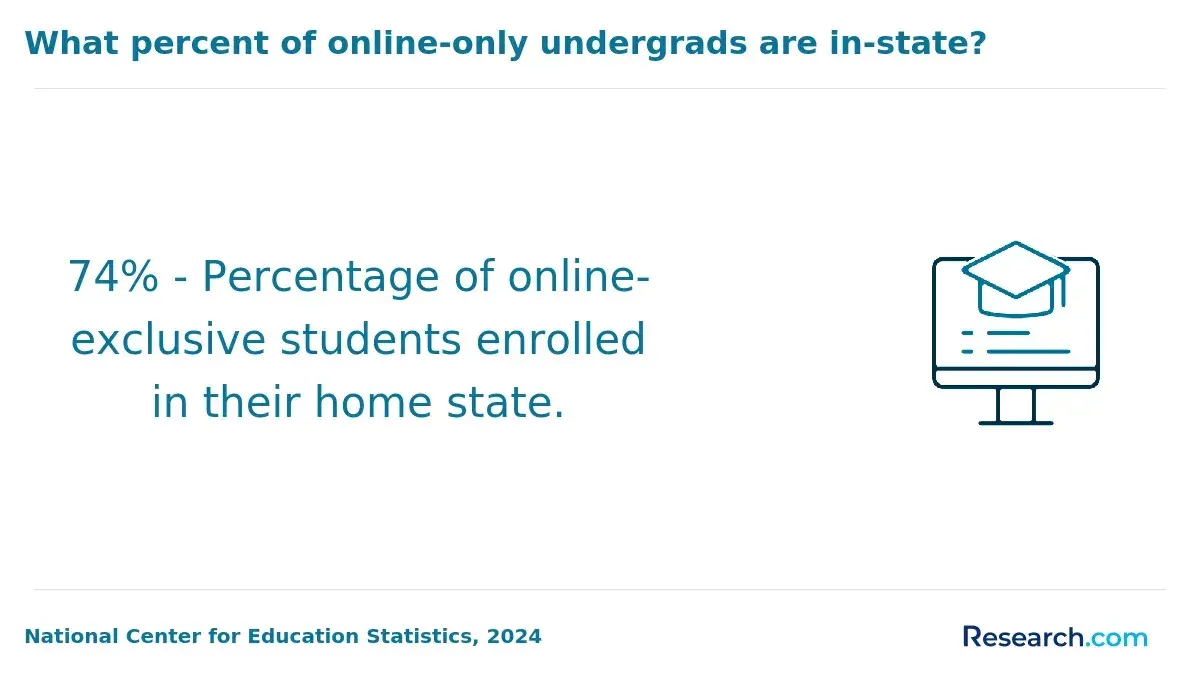
- State Aid: Many states offer grants and scholarships primarily to residents attending in-state colleges, which are often available for both online and on-campus students. However, some state programs might require full-time enrollment or campus residency, potentially limiting aid access for online students who often study part-time.
- Scholarships and Grants for On-Campus Management Students: Institutional scholarships tend to favor full-time, on-campus students, frequently requiring fall-term admission. Although online students can qualify for certain specialized scholarships-especially if they are adult learners or out-of-state-they generally receive a smaller portion of these awards compared to on-campus peers.
- Employer Tuition Reimbursement: This option benefits working professionals pursuing Management degrees in either format. Flexible online programs align well with employment schedules, and many employers now recognize accredited online degrees as eligible for tuition reimbursement if the program supports career advancement.
- Private Student Loans: Available to both online and on-campus students, private loans depend largely on creditworthiness and school accreditation rather than program type. They often fill gaps left by federal and institutional aid but tend to have higher interest rates.
Cost differences also impact financial aid considerations, as online Management programs frequently have lower fees related to housing and campus amenities, and some colleges even charge reduced tuition for online students.
Salary outcomes for online graduates, when matched for institutional quality, are comparable to those from on-campus programs, which can be important when evaluating the overall value of your degree and financial aid options.
For more insight into career potential, see what majors make the most money out of college.
Are Online Management Programs as Credible as On-Campus Ones?
The credibility of online management programs hinges on the same foundational elements that validate on-campus degrees: accreditation, faculty qualifications, and curriculum standards.
Accredited online programs from reputable universities maintain academic rigor equivalent to their on-campus counterparts, ensuring consistent educational quality. Both the U.S. Department of Education and the Council for Higher Education Accreditation confirm that degrees from properly accredited online programs carry the same legitimacy as those earned in traditional settings.
Additionally, many institutions design online curricula to closely mirror, or be identical to, on-campus offerings, meaning the primary distinction lies in how content is delivered rather than what is taught.
Perceptions among employers, academic institutions, and licensing bodies have evolved, increasingly placing trust in online management degrees from recognized institutions.
A 2023 survey revealed that 83% of business leaders now regard online degrees from well-known universities as equally valuable as on-campus degrees. Reputation and accreditation remain critical factors in evaluating a program's worth, with delivery format becoming less significant.
Moreover, advances in virtual learning technology, such as interactive platforms and real-time collaboration tools, combined with growing industry partnerships, are closing gaps in credibility.
These innovations, together with the flexibility and cost benefits of online programs, continue to enhance their standing among students, employers, and professional communities.
Do Employers Prefer Online vs On-Campus Management Degrees?
Employer attitudes toward online versus on-campus management degrees have historically favored the traditional on-campus format, largely due to perceptions of stronger networking opportunities, direct faculty interaction, and enhanced leadership development.
Surveys conducted by the Graduate Management Admission Council indicate that only about 54% of US employers regard online and in-person management degrees as equally valuable, with many still associating on-campus programs with deeper business acumen and communication skills.
However, this gap in perception is narrowing as universities increasingly harmonize their curricula across both platforms, ensuring that students receive comparable content and skill development regardless of format.
The shift towards remote and hybrid work models in the professional world has further accelerated the acceptance of online education, making it a more mainstream and respected route for management learning.
Despite lingering biases, recent research highlights a significant rise in employer acceptance of online management degrees, especially those from reputable institutions with strong accreditation.
The Society of Human Resource Managers reports that over 90% of employers now view online degrees from well-established brick-and-mortar schools positively, often weighing them similarly to traditional degrees. Hiring decisions tend to prioritize demonstrated skills, program reputation, and accreditation status far more than delivery method.
For instance, graduates from highly regarded online programs at universities like Carnegie Mellon or the University of North Carolina frequently secure comparable career opportunities to their on-campus counterparts.
This trend reflects a broader industry acknowledgment that the quality and credibility of the program itself-rather than its modality-are paramount when evaluating candidates for management roles.
When I spoke with a professional who completed her management degree online, she emphasized how the flexibility of her program allowed her to continue working while studying, which strengthened her real-world experience alongside academics.
She shared that many employers she interacted with valued the dual commitment to work and study, often commenting that it demonstrated strong time management and self-discipline. Her journey highlighted that the reputation of her university and the relevance of her skills were crucial in securing interviews and job offers, more so than the fact the degree was earned online.
She reflected positively on her experience, noting that "employers are increasingly focused on what you can do, not where you learned it," underscoring a growing recognition of online degree holders in professional management circles.
Do Online vs On-Campus Management Program Graduates Earn the Same Salaries?
Salary comparisons between online and on-campus management degree graduates are increasingly influenced by various factors beyond the mode of education delivery. Employers prioritize credentials, skills, and experience over whether the degree was earned online or in a traditional classroom setting.
Understanding these factors sheds light on the true drivers behind earning potential in management careers. The following points outline key trends and influences shaping salary outcomes for graduates from both formats.
- Degree Level: Holding a master's degree, such as an MBA, significantly boosts starting salary compared to a bachelor's degree. For example, MBA graduates often start near $100,000 annually whereas bachelor's holders begin around $55,000. This wage premium applies equally to graduates from online and on-campus programs, indicating that degree level matters more than learning format.
- Industry Selection: The sector in which a graduate works substantially affects salaries. General and operations managers in insurance can earn approximately $196,000 per year, while those in restaurants earn closer to $75,600. These opportunities are accessible to all qualified graduates, regardless of whether they studied online or on-campus.
- Professional Experience: Five or more years of relevant work experience paired with a management degree is often essential for higher pay. Online programs frequently offer flexible schedules that allow students to gain work experience concurrently, helping online graduates compete favorably in the job market.
- Career Specialization: Choosing a specialized career path, such as management analyst roles in technical consulting, can raise salaries significantly compared to more general roles. Early specialization decisions affect earning potential and apply equally to those earning degrees online or on-campus.
Those exploring the average salary for online management degree graduates can also benefit from researching options among the most affordable online colleges to maximize educational value while positioning themselves competitively in the workforce.
How Do You Decide Whether an Online vs On-Campus Management Program Is Right for You?
Choosing between online and on-campus management programs depends largely on your personal learning preferences, daily responsibilities, and long-term career goals. Understanding how each format aligns with your lifestyle and aspirations is essential when making this decision, as the experience and demands differ significantly.
Here are some key factors to consider that will help you determine which option fits you best:
- Learning Style: If you benefit from face-to-face interaction, live lectures, and immediate access to professors, on-campus programs are typically a better fit. Conversely, online programs often feature asynchronous learning, which allows for a self-paced environment favored by those who prefer digital learning and flexible study times.
- Flexibility Needs: Online management degrees are ideal for working professionals or parents needing adaptable schedules and remote access to coursework. On-campus formats require regular attendance, making it harder to balance studies with existing commitments, so consider your daily routine carefully in choosing the best online management degree program for working professionals.
- Budget Considerations: The cost difference between online and traditional options can be substantial. Online degrees often reduce expenses related to commuting, housing, and campus fees. When you compare online vs on-campus management degree cost, online studies usually come out more affordable, though consider the value of the campus experience as well.
- Networking Opportunities: On-campus programs shine in offering robust networking through in-person events, internships, and cohort projects, which can greatly enhance career prospects. Online options may provide virtual forums and occasional events but typically offer fewer direct networking chances.
- Access to Campus Resources: Students attending on-campus benefit from immediate access to libraries, study spaces, and university events. Online learners rely on digital platforms and virtual support, which are extensive but may not fully replicate the hands-on campus environment.
When exploring your options, consider also investigating universities with dual degree programs that might offer flexible pathways blending on-campus and online learning tailored to your professional goals.
Here's What Graduates of Online vs On-Campus Management Programs Have to Say About Their Degree
- Gordon: "Completing my Management degree entirely online gave me the flexibility to balance work and family while advancing my education. I was able to apply lessons in real time at my job, which made the experience incredibly practical and rewarding. The virtual classroom also allowed me to connect with diverse peers from across the country, broadening my perspective on leadership and team dynamics. This program truly launched my career in project management with confidence. The convenience and quality of the online format exceeded all my expectations. "
- Alain: "Attending an on-campus Management program was a transformative experience that immersed me in a vibrant learning community. I thrived in face-to-face interactions with professors and classmates, which fostered meaningful relationships and networking opportunities. The structured environment pushed me to grow personally and professionally, and I landed an internship that directly led to my current role in corporate management. Reflecting on my journey, I appreciate how being physically present enriched both my education and my ability to lead with empathy. "
- Bobby: "Pursuing a hybrid Management degree was the perfect balance between flexibility and in-person engagement. The blend of online coursework and on-campus workshops challenged me to develop self-discipline while still benefiting from hands-on experiences and networking events. This format helped me adapt quickly to evolving business environments and positioned me for rapid career advancement. Beyond professional growth, it deepened my dedication to promoting inclusive leadership within my community. "
Other Things You Should Know About Online & On-Campus Management Degree Programs
In 2027, online management degree programs offer flexibility, allowing students to learn at their own pace and accommodate work or family commitments. They're also generally more accessible geographically and can be more cost-effective due to reduced commuting and housing expenses.
In 2027, online management programs offer virtual networking and global connections, while on-campus programs provide face-to-face interactions and local industry networking. Both impact career prospects differently, with online programs offering broader, international opportunities and on-campus programs fostering deeper, localized professional relationships.
In 2027, participating in online management degree programs typically requires a reliable internet connection, a computer with updated software, and access to course platforms. Familiarity with virtual collaboration tools is also crucial, ensuring smooth participation in webinars and group projects.
References
- On-Campus vs. Online Graduate Programs: Picking the Best Fit https://www.baker.edu/about/get-to-know-us/blog/on-campus-vs-online-graduate-programs/
- Online MBA Degree vs. On-Campus Global MBA Degree: Which Format Suits Your Needs? https://www.gisma.com/blog/online-vs-on-campus-global-mba-which-format-suits-your-needs
- Online vs. On-Campus Programs for Returning Students - Resource Center Article https://nextmile.instride.com/resource/online-versus-on-campus-programs
- Project Management Degree https://www.bakeru.edu/area-of-study/project-management-degree/
- Can I get financial aid for an online degree? | edX https://www.edx.org/resources/can-i-get-financial-aid-for-an-online-degree
- Online and on-campus colleges | University of Phoenix https://www.phoenix.edu/blog/cost-of-online-vs-traditional-college.html
- On-campus vs online university degree: pros and cons https://www.idp.com/malaysia/blog/university-online-vs-on-campus/
- Leadership and Management Online vs. On-campus degree: Which is better? - Australian National Institute of Management https://anim.edu.au/leadership-and-management-online-vs-on-campus-degree-which-is-better/
- In-person vs. Online Learning: The Pros and Cons https://www.mba.com/explore-programs/choose-and-compare-programs/in-person-vs-online-learning


