
2027 Return on Investment (ROI) of a Psychopharmacology Degree Program

Co-Founder and Chief Data Scientist
Many students considering a psychopharmacology degree wonder if the investment justifies the financial and time commitments required. For example, a recent study found that only 65% of graduates secure jobs directly related to psychopharmacology within two years, raising concerns about career alignment. This uncertainty complicates decisions for working professionals weighing tuition costs against potential salary increases.
Understanding the return on investment (ROI) of this degree is crucial for informed choices. This article explores educational expenses, employment prospects, and salary trends to help prospective students assess whether a psychopharmacology degree aligns with their career and financial goals.
Key Things to Know About Psychopharmacology Degree ROI
- Graduates with a psychopharmacology degree earn a median salary 20% higher than related fields, reflecting strong earning potential in healthcare and pharmaceutical sectors.
- The degree supports career advancement into specialized roles such as clinical research and mental health consultancy, expanding professional opportunities.
- Job stability is reinforced by growing demand for mental health treatments, with average salary growth of 3-5% annually over ten years.
How Is ROI Calculated for a Psychopharmacology Degree Program?
Return on investment (ROI) in higher education measures the financial value a student gains from completing a degree relative to the total costs and time invested. This calculation is essential for students evaluating whether a psychopharmacology degree offers sufficient career and salary benefits compared to its demands.
Considering ROI helps compare the true value of this path against other options.
Several key factors influence how ROI is calculated for a psychopharmacology degree program:
- Tuition and fees: This includes all direct educational expenses like tuition, textbooks, lab fees, and other related costs. Accurately assessing these upfront costs is necessary to understand the total financial investment required.
- Opportunity cost: The income lost while attending school instead of working full-time. Given psychopharmacology programs often span multiple years, factoring in forgone earnings is critical to grasp the real financial sacrifice.
- Time to completion: The duration of the program affects when graduates can start earning. Longer completion times delay income generation and may increase living expenses, impacting overall ROI.
- Post-graduation salary outcomes: Evaluating expected starting salaries and typical earnings growth in psychopharmacology fields helps forecast financial returns. A careful psychopharmacology degree cost versus salary analysis is essential here.
- Career advancement: The degree's role in enabling promotions or specialized positions can boost lifetime earnings, adding long-term value beyond initial salary gains.
For students exploring healthcare fields, comparing ROI calculations for a psychopharmacology program with other options like online RN to BSN programs without clinical requirements may help clarify the best investment in education for their goals.
How Much Does a Psychopharmacology Degree Program Cost?
Accurately assessing the total expense of a psychopharmacology degree is vital to gauge its return on investment, especially as graduate tuition fees in the U.S. have steadily risen, with average student debt nearing $66,000 for master's degree holders. These costs directly influence how quickly graduates can recover their educational investments through increased earnings.
Several primary factors contribute to the overall financial commitment of such programs:
- Tuition and fees: Typically the largest expense, these vary considerably based on whether the program is offered by a public or private institution, its length, and specific curriculum requirements.
- Books and materials: Essential textbooks, lab resources, and specialized software needed for coursework and research can accumulate substantial costs over time.
- Living and relocation expenses: Expenses related to housing, transportation, and possibly moving closer to campus add to the financial burden of full-time study.
- Opportunity cost: The income foregone while dedicating time to the program is an important consideration when evaluating overall investment returns.
- Additional fees: This category includes administrative charges, examination fees, and licensing costs that may arise before entering professional practice.
When I spoke with a graduate of a psychopharmacology program about how much the degree cost them, he emphasized the emotional and financial juggling involved. "Beyond the obvious tuition, the hidden expenses caught me off guard," he explained.
"I had to budget carefully for unexpected fees and supplement my income by working part-time, which extended my study duration." His experience underscored that managing these varied costs while maintaining focus on studies can be challenging but ultimately rewarding for those driven to advance in this specialized field.
What Financial Aid Is Available for Psychopharmacology Degree Programs?
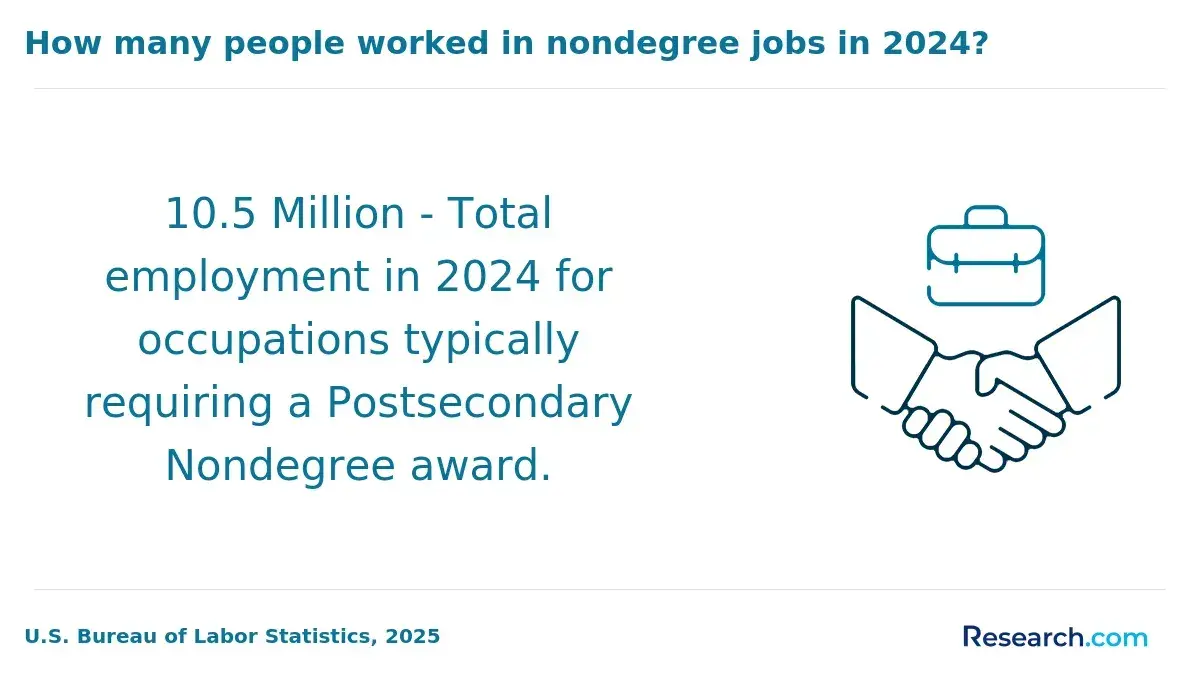
Financial aid can significantly reduce the initial expenses of a psychopharmacology degree, making the investment more manageable and improving long-term financial benefits. Recent data shows that more than 85% of U.S. graduate students utilize some form of financial assistance, underscoring its critical role in financing advanced education.
Below are common types of aid that enhance return on investment by lowering costs and debt.
- Scholarships: These awards, based on merit or financial need, decrease out-of-pocket spending without requiring repayment, directly improving the program's affordability and ROI.
- Grants: Usually funded by federal or state sources, grants provide financial support that does not need to be repaid, which helps reduce student borrowing and overall educational costs.
- Fellowships: Focused on research or academic excellence, fellowships often include stipends or tuition waivers. They not only lower expenses but can also boost professional credentials and future earning potential.
- Employer Tuition Assistance: Many employers offer financial help that covers part or all of education costs. This assistance reduces debt accumulation and encourages completion, positively impacting long-term ROI.
- Federal Loans: Although contributing to debt, federal loans generally feature favorable interest rates and repayment options, enabling students to invest in their education with manageable financial obligations.
Leveraging these financial aid sources effectively can ease financial strain and enhance career prospects for students pursuing psychopharmacology.
How Long Does It Take to Complete a Psychopharmacology Degree?
The time required to complete a psychopharmacology degree plays a crucial role in its return on investment, influencing factors such as opportunity cost, total expenses, and the timing of increased earning potential. Finishing sooner allows graduates to enter the workforce earlier and start earning a higher salary, while prolonged programs may incur greater tuition and living costs and delay income streams.
Several important aspects affect how long it takes to finish this degree and thus impact its financial value:
- Enrollment status: Committing to full-time study generally speeds up graduation compared to part-time enrollment, which can delay when students begin earning professionally.
- Program format: Choosing online or accelerated programs often shortens the duration, lowering overall costs and allowing for earlier workforce entry.
- Transfer credits: Applying relevant prior coursework to the program can reduce the number of required classes, expediting completion and reducing expenses.
- Internship and thesis commitments: These components may extend the timeline but often enhance practical experience and job market competitiveness.
- Scheduling flexibility: Programs that allow adjustable course loads help balance work and study, potentially lengthening the time to graduate but easing financial pressures.
When asking a graduate of a psychopharmacology degree about her experience with program length, she reflected on how balancing work, coursework, and personal life shaped her journey. She mentioned, "Managing a part-time schedule was challenging because it stretched the program longer than I initially hoped, but it allowed me to keep an income and avoid debt."
She also noted that completing her thesis added unexpected months but gave her a strong foundation for her clinical role afterward. Her story highlights that while longer programs may seem disadvantageous financially, thoughtful planning and realistic expectations can help students make choices that align with both their career goals and financial situations.
Is ROI Higher for Online or On-Campus Psychopharmacology Programs?
The format of a psychopharmacology degree program-online versus on-campus-plays a significant role in its return on investment (ROI) due to differences in cost, flexibility, and career outcomes. Notably, online enrollment in graduate programs has surged by over 30% in the past five years, reflecting increased acceptance of online education among students and employers alike.
Evaluating the psychopharmacology degree program cost comparison alongside these trends can help students make informed decisions.
Here are key factors influencing the ROI for online and on-campus psychopharmacology programs:
- Tuition and fees: Online programs generally have lower tuition and fees, reducing upfront costs and making them more accessible, especially for those balancing work and study.
- Opportunity cost: Flexible scheduling available in online programs allows students to maintain employment, thereby decreasing the opportunity costs associated with full-time study.
- Networking and career services: On-campus programs often offer stronger networking opportunities and more comprehensive career services, which can enhance job placement and professional growth.
- Employer perception: Degrees earned on-campus may be viewed more favorably by some employers, who associate them with rigorous training and greater access to institutional resources.
- Time to completion: Online learners can benefit from flexible pacing, potentially completing their program faster or on their own schedule compared to the structured timeline of on-campus programs.
For prospective students weighing these factors, exploring options for financial assistance is crucial. Resources such as medical billing and coding financial aid can provide useful guidance, even when pursuing related healthcare fields. Considering both ROI and cost dynamics ensures a balanced approach to choosing the best path in psychopharmacology education in the U.S.
What Is the Average Salary After Earning a Psychopharmacology Degree?
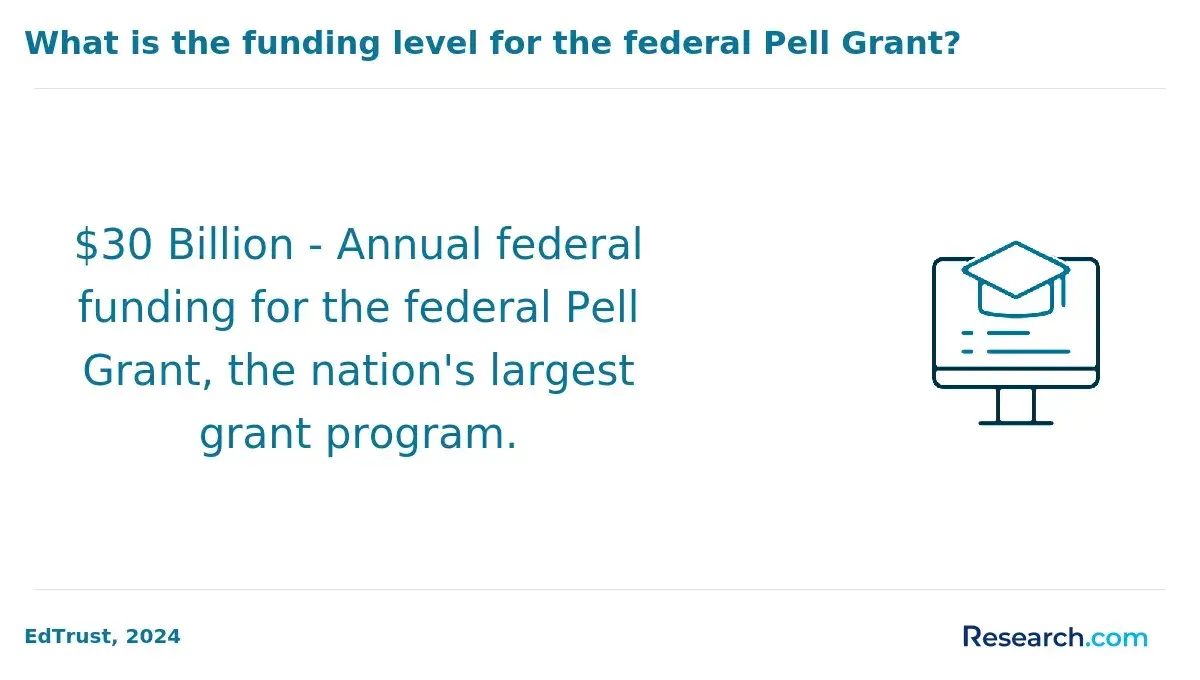
Post-graduation salary is a crucial factor in determining the return on investment (ROI) of a psychopharmacology degree, as it influences how quickly graduates can offset their educational costs and finalize financial stability. Salaries in this field typically range between $60,000 and $110,000 annually, reflecting diverse income potential based on multiple variables.
Several elements influence the average salary outcomes for psychopharmacology graduates, affecting their financial return. These include:
- Industry: Higher salaries are often found in pharmaceutical research and clinical environments compared to academic or nonprofit roles, which tend to offer lower compensation.
- Geographic Location: Metropolitan areas usually provide greater pay due to demand and cost-of-living factors, while rural locations typically offer less.
- Prior Experience: Graduates with relevant internships or work history can command higher wages, improving their degree's income potential.
- Specialization: Focusing on niche areas within psychopharmacology, such as adolescent mental health or substance abuse treatment, may lead to differentiated salary opportunities.
- Career Level: Entry-level roles start at the lower salary spectrum, but experienced professionals and leadership positions significantly boost earnings.
This range of factors helps prospective students evaluate how their background impacts their average salary for psychopharmacology graduates and the overall ROI. For those exploring educational options, considering nursing schools that are easy to get into may also provide insights into efficient pathways for entering health-related fields.
Does a Psychopharmacology Degree Lead to Promotions?
Promotions significantly increase the return on investment (ROI) of a psychopharmacology degree by offering higher salaries, expanded responsibilities, and greater career mobility. These factors accelerate both financial growth and professional development.
With workforce trends increasingly favoring credential-based promotion, employers place more value on specialized education for advancing careers.
Several key aspects highlight how a psychopharmacology degree enhances promotion opportunities and ROI:
- Credential Requirement: Many supervisory and administrative roles require advanced degrees as formal benchmarks, positioning psychopharmacology graduates as prime candidates for such promotions.
- Leadership Preparation: The specialized knowledge gained equips graduates with the skills necessary to handle complex leadership responsibilities, increasing their competitiveness for advanced positions.
- Tuition Reimbursement Eligibility: Graduates often become eligible for employer tuition reimbursement programs, which can reduce the overall educational costs and improve net ROI.
- Alignment with Promotion Policies: Internal promotion guidelines frequently prioritize candidates who hold advanced degrees, making a psychopharmacology degree a strategic investment for career advancement.
- Experience and Education Synergy: Combining practical experience with this degree enhances a candidate's profile, improving their chances for career advancement opportunities.
Career advancement with a psychopharmacology degree also aligns with growing professional credential expectations. Many employers reward continuing education through formal promotions or salary increments, recognizing the enhanced expertise graduates bring to their roles.
For those weighing options, comparing programs like the cheapest online healthcare administration degree might offer insights into cost-effective pathways to enhance credentials.
Ultimately, psychopharmacology degree promotion opportunities extend beyond immediate benefits, fostering sustained professional growth and maximizing long-term career and financial gains.
Which Industries Offer the Best ROI for Psychopharmacology Graduates?
Return on investment (ROI) for psychopharmacology graduates varies widely depending on the industry, largely driven by differences in salary levels, career advancement opportunities, and demand for specialized skills. Industries with strong needs for expertise in drug interactions, neurological effects, and mental health treatments tend to offer the best ROI.
Several industries stand out for providing the highest paying industries for psychopharmacology graduates and strong career growth potential:
- Pharmaceutical and Biotechnology: These sectors often provide the highest compensation and rapid promotion due to the need for drug development innovation and clinical trials, making them a prime choice for those seeking robust financial returns.
- Healthcare and Clinical Research: Clinical roles and research institutions value psychopharmacology skills for patient care and study design, offering stable employment with steady career progression.
- Government and Regulatory Agencies: Jobs focusing on drug safety, policy development, and public health initiatives provide reliable income and long-term advancement, fueled by ongoing oversight requirements of psychotropic medications.
- Academia and Education: Although initial pay is often lower, tenure opportunities and research grants in this sector contribute to sustained career longevity and financial security over time.
- Mental Health Services: Rising public demand for mental health treatments drives growth in job openings and salary improvements, making it a promising field for applying psychopharmacology expertise.
Graduates evaluating the best ROI careers in psychopharmacology should consider how industry demand and growth opportunities align with their goals. For professionals balancing education costs, exploring options similar to the cheapest RN to BSN online programs may be beneficial in managing investment versus outcome.
Does Accreditation Affect ROI for a Psychopharmacology Degree?
Accreditation in psychopharmacology degree programs signifies that an educational institution meets defined standards for academic quality and professional relevance. This recognition assures that the curriculum, faculty expertise, and learning resources align with industry benchmarks, which can directly impact the program's value in the job market.
Increasingly, employers prioritize candidates from accredited programs due to the reliability of verified credentials. Additionally, graduation from an accredited program is often a prerequisite for obtaining required licensure or certification in various states, shaping career eligibility.
Accreditation influences the long-term financial benefits of a psychopharmacology degree by enhancing employer confidence, which can lead to improved job prospects and salary potential. It also opens doors to federal and state financial aid, helping to reduce educational expenses.
Credits earned through accredited programs typically transfer more easily if students pursue further studies, providing greater flexibility. Ultimately, attending an accredited program supports career advancement and mobility, ensuring that the investment in education yields stronger returns over time.
Is a Psychopharmacology Degree Worth It?
Costs and duration significantly influence the return on investment for a psychopharmacology degree, with programs typically requiring two to four years to complete and varying widely in tuition fees. Graduates tend to earn salaries 15-25% higher than those holding only a bachelor's degree within related healthcare fields, reflecting specialized skills in medication management and mental health.
Career growth opportunities exist across clinical, research, and pharmaceutical sectors, where demand for psychopharmacology expertise remains strong. However, delayed entry into the workforce and tuition debt can impact the short-term financial benefits.
The degree's value often depends on individual circumstances such as career objectives and financial situation. Growing industry demand supports stable employment prospects, while program choices-such as online versus in-person formats-affect both costs and flexibility.
Access to scholarships or financial aid can lower overall expenses, improving ROI. Still, those targeting entry-level roles or uncertain about committing to specialized positions may find the investment less advantageous.
What Graduates Say About The ROI of Their Psychopharmacology Degree
- Selah: "Choosing to pursue a psychopharmacology degree as a traditional student was a game-changer for me. While the average cost hovered around $30,000, I knew the long-term return on investment would be substantial, especially given the demand in clinical settings. Today, I'm confidently advancing in my career with a network of peers and mentors I met during my time on campus. "
- Dana: "Balancing work and life while enrolled in an online psychopharmacology program required commitment, but the flexibility was worth every penny. Considering the program's cost and the growing need for specialized knowledge in mental health, I believe it was a smart financial and professional move. Completing the degree has opened doors for me to consult remotely with various healthcare providers. "
- Yvette: "Opting for a part-time psychopharmacology degree was a deliberate choice to invest in my future without overwhelming my current job responsibilities. Despite concerns about the tuition fees, averaging near $25,000, the value became evident as this qualification elevated my professional credibility and allowed me to engage in more complex pharmaceutical research projects. The program's impact on my career trajectory has been undeniable. "
Other Things You Should Know About Psychopharmacology Degrees
In 2027, ROI for a psychopharmacology degree varies by location due to factors like the local demand for mental health professionals, cost of living, and availability of job opportunities. Urban areas with high mental health needs and robust healthcare systems typically offer better ROI compared to rural regions.
In 2027, continuing education can significantly impact the ROI of a psychopharmacology degree. Keeping up-to-date with the latest research and clinical practices can increase a graduate's expertise, making them more competitive in the job market, potentially leading to higher salaries and better career opportunities.
References
- Clinical Psychopharmacology MS https://www.fdu.edu/program/ms-clinical-psychopharmacology-post-doctoral/
- Online Clinical Psychopharmacology Degrees 2025: MS Programs https://psydprograms.org/online-clinical-psychopharmacology-degree-program/
- Mastering Behavioral Health: Is a Master’s Degree Right for You? https://masterspublichealth.com/masters-in-behavioral-health/
- Affordable Psychology Master's Programs Under $30K https://careersinpsychology.org/affordable-psychology-masters-programs/
- Raising the Bar: The Impact of Accreditation on Psychology Training | SoMAP - The Society of Modern Applied Psychology https://thesomap.org/raising-the-bar-the-impact-of-accreditation-on-psychology-training/
- Financial Aid For Psychology Students | Psychology.org https://www.psychology.org/resources/financial-aid/
- Psychopharmacology https://www.fastweb.com/directory/scholarships-for-psychopharmacology-majors
- Most Affordable Online MFT Programs for 2025 https://www.onlinemastersdegrees.org/most-affordable/mft-programs/
- The 15 Highest-Paying Jobs with a Psychology Master's Degree https://www.bestpsychologydegrees.com/posts/highest-paying-jobs-with-a-psychology-masters-degree/
- What is the Master Psychopharmacology Program? https://www.neiglobal.com/default.aspx


