
2027 Return on Investment (ROI) of a Science Degree Program

Co-Founder and Chief Data Scientist
Many prospective students hesitate to pursue a science degree due to concerns about balancing education costs with future job prospects. For example, biology graduates face a competitive job market where only about 65% secure relevant employment within two years of graduation. Rising tuition and living expenses further compound financial risks, making it vital to comprehend potential returns.
Understanding these dynamics helps students make informed decisions about pursuing science studies. This article examines the return on investment (ROI) of a science degree program, analyzing costs, employment outcomes, and salary expectations to guide readers toward financially sound educational choices.
Key Things to Know About Science Degree ROI
- Science degree holders earn on average 20% more than non-degree workers, reflecting significant earning potential over a lifetime.
- Graduates experience stronger career advancement prospects, with many entering STEM leadership roles that offer greater job stability.
- Science degrees provide flexibility across industries like healthcare, technology, and environmental fields, supporting long-term salary growth amid evolving job markets.
How Is ROI Calculated for a Science Degree Program?
Return on investment in higher education measures the financial benefits students gain compared to the costs and time invested in earning a degree. It helps prospective and current students evaluate the economic value of a science degree by balancing expenses against future earnings and career opportunities.
Several key factors are considered when calculating the return on investment for a science degree program:
- Tuition and Fees: This includes the total cost of tuition, mandatory fees, and other expenses directly related to attending the program. Lower costs improve ROI by reducing the initial financial burden on the student, making science degree program cost versus earnings analysis crucial.
- Opportunity Cost: The income foregone while studying is a significant consideration. Time spent enrolled could have been used to earn wages elsewhere, so calculating ROI accounts for these lost earnings to assess net financial gain.
- Time to Completion: The duration of the program affects both opportunity costs and tuition paid. Shorter programs enable quicker entry into the workforce, increasing the overall return.
- Post-Graduation Salary: Expected starting salaries and career wage growth strongly influence ROI. Higher salaries after graduation, typical in many science fields, justify the investment by boosting financial returns.
- Long-Term Career Advancement: Potential for promotions and salary increases over a career enhances lifetime earnings. This makes the investment in a science degree increasingly rewarding over time.
For students exploring specialized fields within science, discovering affordable and flexible pathways can further improve ROI. For example, options like BCBA programs online provide accessible alternatives that may lower costs and commuting time, which factors into the overall investment decision.
When calculating return on investment for science degrees, balancing these factors offers a comprehensive financial perspective, assisting students in making informed educational choices.
How Much Does a Science Degree Program Cost?
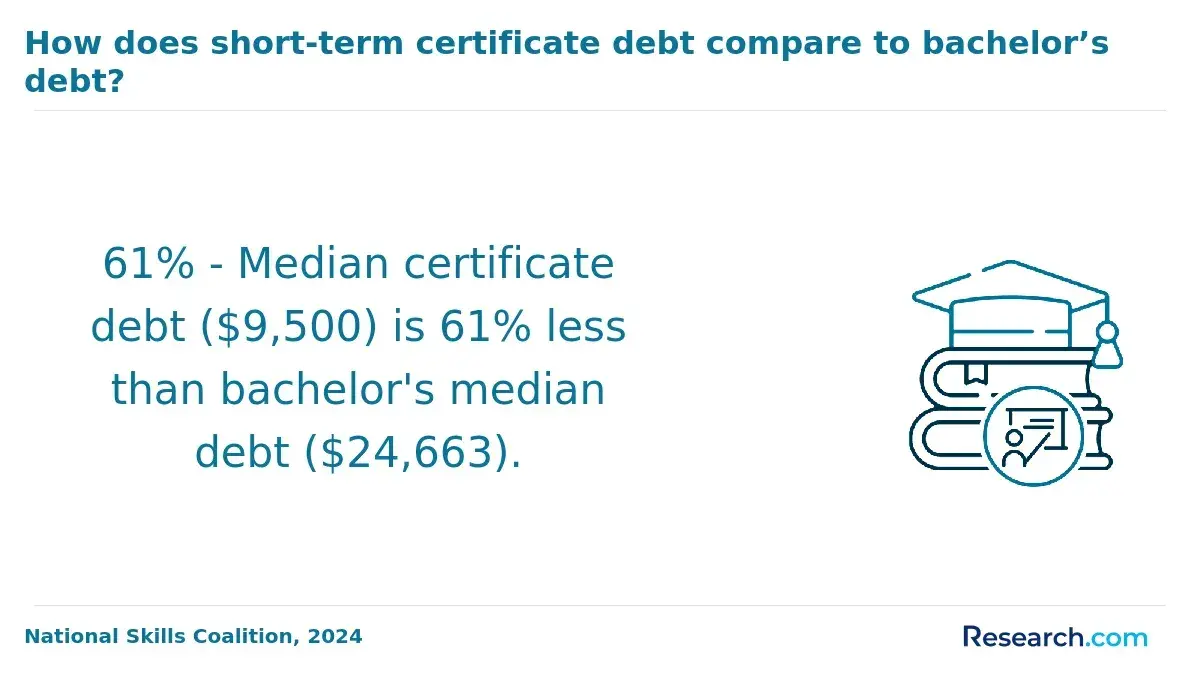
Evaluating the total expenses of earning a science degree plays a crucial role in determining its true return on investment, especially considering that the average graduate student in the U.S. carries about $66,000 in debt. This financial commitment extends far beyond just paying tuition bills.
Below are several primary cost factors that influence the overall investment and its payoff.
- Tuition and Fees: This represents the largest financial obligation, encompassing not only classroom instruction but also laboratory use and administrative charges required by universities.
- Books and Materials: Science students often face higher costs for specialized textbooks, laboratory instruments, and necessary software licenses, which can accumulate significantly over semesters.
- Living or Relocation Expenses: Many students incur additional expenses related to housing, utilities, meals, and transportation, particularly if they must relocate to attend a program away from home.
- Opportunity Cost: Time invested in studying often equates to lost wages or stalled career progress since students may reduce working hours or leave jobs to focus on their degree.
- Hidden or Indirect Costs: Additional financial demands can arise from fees associated with certifications, internships, or extended study durations due to program rigor or research commitments.
When discussing costs with a recent science degree graduate, he emphasized the emotional and financial strain beyond tuition alone. "It wasn't just the price tag on paper," he explained. "Balancing part-time jobs with demanding lab work meant constant stress and uncertainty."
He recalled countless late nights spent juggling coursework and side gigs, reflecting on how these hidden pressures shaped his educational journey and influenced his views on the degree's value. This perspective highlights that the true cost of a science degree encompasses both tangible and intangible challenges that affect ROI in complex ways.
What Financial Aid Is Available for Science Degree Programs?
Financial aid reduces initial expenses and limits future debt, thereby enhancing the long-term return on investment for students pursuing a science degree. Nearly 70% of graduate students use some form of financial aid, underscoring its importance in funding advanced education.
Common financial aid options that help improve ROI for science degree students include:
- Scholarships: These awards require no repayment and directly lower tuition costs, making education more affordable and reducing financial pressure.
- Grants: Often based on merit or need, grants do not have to be repaid and help minimize reliance on student loans, improving overall cost-effectiveness.
- Fellowships: Designed mainly for graduate students, fellowships provide stipends or tuition waivers that decrease debt and increase the affordability of advanced study.
- Employer tuition assistance: This benefit covers part or all tuition fees, frequently tied to ongoing employment, enabling students to gain education while maintaining income.
- Federal student loans: Although these loans must be repaid with interest, federal programs usually offer lower rates and flexible repayment plans that support manageable debt levels.
Utilizing these financial aid resources can reduce dependence on costly private loans, ultimately improving the financial outcomes of earning a science degree.
How Long Does It Take to Complete a Science Degree?
Time to complete a science degree significantly affects its return on investment (ROI) because the longer a student spends in school, the more they incur in direct costs and miss out on potential earnings. Finishing faster means fewer expenses and quicker entry into the workforce, boosting overall financial benefits.
Several factors shape how long the process takes and thus impact the ROI. Key elements influencing the duration of a science degree include:
- Enrollment status: Full-time students typically complete their degrees faster, accelerating ROI by reducing time spent out of the job market, whereas part-time students may take longer but can balance education with work.
- Program structure: Online or accelerated formats often shorten the timeline, cutting costs and improving ROI potential through increased flexibility and efficiency.
- Transfer credits: Having previous coursework accepted can significantly trim down the length of study, allowing students to graduate sooner and reduce tuition and living expenses.
- Practical components: Internships or thesis projects may prolong study duration but can enhance employability, offering valuable experience that may pay off in the long term.
- Scheduling flexibility: Programs that accommodate working students by offering flexible schedules help offset costs but may extend the time needed to finish the degree.
When discussing how long it takes to complete a science degree, a graduate shared her experience: balancing her full-time job with coursework was challenging, but she chose part-time enrollment to maintain income. She described the process as demanding-"often juggling late-night studying with deadlines and work responsibilities"-yet rewarding. Her internship extended her program by several months but provided critical skills that landed her a position promptly after graduation.
Reflecting on her journey, she noted, "Although it took longer than the traditional path, the hands-on experience and steady income made the extra time worthwhile." This perspective highlights how individual choices and circumstances influence the balance between duration and ROI in science education.
Is ROI Higher for Online or On-Campus Science Programs?
The delivery format of science degree programs can significantly impact return on investment due to differences in cost, flexibility, and career outcomes. With about 40% of higher education students now enrolled in some form of online learning, evaluating the financial benefits of online versus on-campus options is crucial for many prospective students.
These factors play a key role when comparing the ROI of science programs:
- Tuition and fees: Online programs typically charge lower tuition and fees, reducing upfront costs and increasing affordability, which can improve overall ROI for students balancing budget constraints.
- Opportunity cost: Online learning offers greater scheduling flexibility, allowing students to continue working while studying, thus lowering opportunity costs compared to traditional on-campus programs.
- Time to completion: Many online courses offer self-paced options that may accelerate graduation, though overall completion times are often similar between formats.
- Networking and career services: On-campus programs usually provide stronger access to in-person networking and career resources, which can enhance job placement and long-term earning potential.
- Employer perception: Some employers remain skeptical of online degrees, which can influence hiring and salary negotiations despite ongoing growth in online education acceptance.
For those considering the fastest online psychology degree options as an example of accelerated online learning, understanding these comparison points helps clarify potential ROI benefits of science degree programs accessed remotely versus on campus.
What Is the Average Salary After Earning a Science Degree?
Post-graduation salary is a key driver of the return on investment for a science degree because it determines how quickly graduates can recoup their education expenses. Typically, the average salary for science degree graduates in the U.S. ranges from $50,000 to $85,000 annually, though typical earnings after completing a science degree can vary based on multiple factors.
Several elements influence these salary outcomes and subsequently affect the ROI of a science degree:
- Industry: Graduates in biotechnology, pharmaceuticals, or environmental sectors often earn more than those in academic or governmental positions, directly impacting earning potential and ROI.
- Geographic location: Salaries tend to be higher in tech hubs and metropolitan areas, but increased living costs in these regions can offset some financial advantages.
- Prior experience: Internships and practical work during studies frequently lead to better entry-level jobs, accelerating salary growth and improving overall ROI.
- Specialization: Fields like data science or biomedical engineering usually offer higher compensation compared to traditional science domains, enhancing long-term financial returns.
- Career level: As professionals gain experience, their salaries increase substantially; senior roles provide significant boosts that contribute positively to the ROI over time.
For those interested in advancing their career beyond a science degree, exploring an EMBA online may offer additional financial and leadership advantages.
Does a Science Degree Lead to Promotions?
Promotions play a significant role in the return on investment of a science degree by offering salary increases, expanded responsibilities, and greater career mobility. These factors combine to enhance long-term earnings potential and overall career advancement opportunities for degree holders.
A notable workforce trend is the rising importance of credential-based promotions. Organizations increasingly require formal qualifications like a bachelor's or master's in a science discipline as a baseline for leadership and specialized roles, reflecting the technical demands of modern jobs and the need to demonstrate expertise.
Key ways a science degree can influence promotion opportunities and return on investment include:
- Credential Requirements: Many higher-paying roles mandate specific educational qualifications, and a science degree meets these criteria, providing a necessary credential to qualify for advancement.
- Leadership Preparation: Science curricula cultivate critical thinking and problem-solving skills that are essential for leadership positions, boosting the readiness of graduates for managerial responsibilities.
- Tuition Support Eligibility: Holding a science degree often makes graduates eligible for employer tuition reimbursement programs, which are frequently linked to defined promotion pathways.
- Alignment with Policies: Internal promotion policies in many organizations favor employees with formal education credentials, making a science degree an advantage in competitive advancement processes.
- Experience Synergy: While experience is key, a science degree complements it by providing foundational knowledge that accelerates career progression and enhances job performance.
For those interested in evaluating the financial benefits alongside career growth, exploring the best degrees to make money can provide additional insights into how a science degree stacks up in terms of return on investment of a science degree and broader career advancement opportunities.
Which Industries Offer the Best ROI for Science Graduates?
The return on investment (ROI) for science graduates varies significantly across industries due to differences in salary levels, career progression opportunities, and demand for specialized skills. These factors influence which sectors provide the best financial and professional outcomes for degree holders.
Several industries stand out for offering strong ROI to science graduates:
- Pharmaceuticals and Biotechnology: These industries provide high compensation growth driven by continuous innovation. Science graduates can apply specialized knowledge in research and development, leading to lucrative and stable career paths.
- Technology and Software Development: With rising reliance on data science, artificial intelligence, and technical research, this sector offers competitive salaries and rapid promotion potential, appealing to those seeking the highest paying science careers.
- Environmental Science and Renewable Energy: Increasing global focus on sustainability ensures long-term job stability and expanding opportunities for scientists working in climate, conservation, and green energy.
- Healthcare and Medical Devices: Consistent sector growth and breakthroughs reward graduates with strong career progression and financial incentives tied to specialized technical expertise.
- Oil, Gas, and Chemicals: Despite market volatility, these fields deliver substantial early career earnings and advancement opportunities due to their technical complexity.
Understanding which industries offer the best industry ROI for science graduates is crucial for making informed career decisions. For those considering alternate routes to high returns, exploring fast online degrees may also provide valuable options aligned with personal and professional goals.
Does Accreditation Affect ROI for a Science Degree?
Accreditation is a process that assesses science degree programs to ensure they meet established academic and professional criteria. This validation is important because it directly impacts return on investment (ROI) for students by enhancing the credibility of their qualifications.
Employers increasingly prefer candidates from accredited programs, viewing these degrees as evidence of reliable education and skills. Moreover, graduating from an accredited program often affects eligibility for licensure, which is critical in many scientific careers.
Beyond immediate benefits, accreditation supports long-term ROI by fostering employer confidence and expanding career opportunities. It also enables students to access federal financial aid, reducing educational expenses and improving financial feasibility.
The transferability of credits between accredited institutions facilitates academic progress and flexibility. Additionally, accreditation can be essential for maintaining certification and advancing professional mobility, all contributing to stronger career growth and higher earning potential over time.
Is a Science Degree Worth It?
The return on investment for a science degree is influenced by several financial and career-related factors. These include the total cost of the program, the duration of study, expected initial salary upon graduation, and the potential for long-term career development.
Data indicates that graduates with science degrees often earn approximately 20% more than the average bachelor's degree holder, reflecting the field's earning advantage. However, costs can vary greatly, and longer degree paths may delay workforce entry, impacting early earnings.
The value of a science degree depends heavily on industry demand for particular fields, which shapes job availability and salary prospects. Program delivery methods, such as on-campus versus online, can affect education expenses and flexibility for those balancing work and study.
Access to financial aid, scholarships, or employer tuition assistance plays a critical role in lowering costs and improving affordability. Ultimately, individual goals and willingness to pursue further qualifications influence whether the degree delivers sufficient career and financial benefits.
What Graduates Say About The ROI of Their Science Degree
- Elinor: "Choosing a science degree was a strategic move for me, especially considering the rising demand for STEM professionals. While the average cost of attendance hovered around $30,000 per year, I viewed it as an investment with a promising ROI, and it truly paid off-landing a job in renewable energy within six months of graduation exceeded my expectations. I couldn't be more enthusiastic about my decision. "
- Donna: "As an online science student, I had to carefully weigh the cost of tuition, which was slightly lower than traditional routes but still significant. Reflecting on my journey, I believe that the flexibility to balance work and study made the financial commitment worthwhile, as it ultimately opened doors to advanced research roles I wouldn't have considered otherwise. "
- Leona: "Pursuing a science degree part-time was a challenging yet rewarding experience. Despite the extended timeline and overall expenses that could total around $50,000, the decision made professional sense for my career growth in pharmaceuticals. It enhanced my technical expertise and credibility, making it a worthwhile financial and time investment from a professional standpoint. "
Other Things You Should Know About Science Degrees
In 2027, science degree graduates can expect robust career advancement prospects in fields such as biotechnology, data science, and environmental science. These areas continue to grow, offering competitive salaries and advancement opportunities that positively impact the ROI of a science degree.
Yes, internships and research experiences provide practical skills and professional networking that significantly improve job prospects. Engaging in hands-on projects allows students to apply theoretical knowledge, making them more competitive in the job market. Such experiences can lead to better entry-level positions and salary offers, increasing the overall ROI of the degree.
Yes, different specializations within science vary widely in their job market demand and salary levels. Fields like computer science, biotechnology, and environmental science tend to offer stronger financial returns compared to some pure science disciplines with limited direct job pathways. Prospective students should research labor market trends within their chosen specialization to better estimate ROI.
References
- Bootcamp vs CS Degree: 14-Month vs 5-Year ROI https://thisisanitsupportgroup.com/blog/it-bootcamp-vs-computer-science-degree-roi-analysis-2026/
- Financial Aid https://www.ceu.edu/admissions/financial-aid
- These are the degrees that will earn you the most money when you graduate - and the ones that won’t https://www.weforum.org/stories/2021/10/stem-degrees-most-valuable/
- The Most Popular College Degrees Ranked by Return on Investment (ROI) After 5 Years in the Workforce - StudentChoice.org https://www.studentchoice.org/news/the-most-popular-college-degrees-ranked-by-return-on-investment-roi-after-5-years-in-the-workforce/
- Bachelor of Science https://programmes.polytechnique.edu/en/bachelor/about-the-bachelor/bachelor-of-science
- Tuition fees | study.gov.pl https://study.gov.pl/tuition-fees
- Best Return on Investment Degrees - Oreate AI Blog https://www.oreateai.com/blog/best-return-on-investment-degrees/943811cfa554f88609e4e38090350198
- Is College Worth It? A Comprehensive Return on Investment Analysis - FREOPP https://freopp.org/whitepapers/is-college-worth-it-a-comprehensive-return-on-investment-analysis/
- Online vs On-Campus Degrees: Honest Comparison for Tech Students 2026 https://hakia.com/resources/online-vs-oncampus/
- Bachelor of Science (BS) Degree: Areas of Study, Careers, and More https://www.coursera.org/articles/bs-degree


