
2027 Return on Investment (ROI) of a Sports Psychology Degree Program

Co-Founder and Chief Data Scientist
An aspiring sports psychologist faces uncertainty about whether investing time and money in a sports psychology degree will yield meaningful career and financial rewards. Graduates often wonder if job prospects justify the tuition and effort. Notably, the U. S. Bureau of Labor Statistics projects a 19% growth in employment for psychologists, including sports psychology roles, over the next decade.
This article examines the return on investment of a sports psychology degree, evaluating costs, employment trends, salary potential, and career pathways. It will guide readers in making informed decisions about pursuing this specialized degree to maximize both professional fulfillment and financial outcomes.
Key Things to Know About Sports Psychology Degree ROI
- Sports psychology graduates enjoy an average starting salary 15% higher than general psychology majors, reflecting strong earning potential in specialized athletic and clinical settings.
- Career advancement is robust, with roles expanding into coaching, rehabilitation, and performance analysis, allowing professionals to diversify and increase income streams.
- Job stability is supported by growing recognition of mental health in sports, driving consistent demand and projected industry growth of 12% through 2030.
How Is ROI Calculated for a Sports Psychology Degree Program?
Return on investment (ROI) in higher education measures the financial benefits a student gains relative to the costs and time spent earning a degree. For those considering a sports psychology degree program, ROI provides a way to compare the degree's value against its overall expenses and duration.
Several key factors contribute to calculating the ROI for a sports psychology degree program:
- Tuition and fees: This includes all direct education-related costs such as tuition, textbooks, and additional fees, which together represent the initial financial investment.
- Opportunity cost: Students often forego potential income during their studies by not working full time, and this lost earning potential impacts the program's overall return.
- Time to completion: The length of the program affects how long tuition costs accumulate and delays entry into the workforce, thus influencing the ROI.
- Post-graduation salary outcomes: Expected earnings in sports psychology or related fields after graduation play a critical role in recouping the investment made.
- Career advancement and long-term earning potential: The degree can enable professional growth and higher salaries over time, further enhancing ROI.
Prospective students performing a sports psychology degree program cost analysis should also consider alternative educational paths such as online edd programs, which may offer faster completion times and different financial implications.
How Much Does a Sports Psychology Degree Program Cost?
Accurately assessing the total cost of a sports psychology degree is vital to understanding its return on investment, especially as graduate tuition in the U.S. has climbed steadily, with many students facing substantial debt upon graduation. Nearly 40% of grad students report significant borrowing that can influence long-term financial outcomes. Below are key expenses that shape the overall cost and ROI of pursuing this degree:
- Tuition and fees: This represents the most significant upfront cost, encompassing course instruction and administrative charges. Since prices differ widely across programs, careful comparison is important to find the best value.
- Books and materials: Required textbooks, specialized software, and other learning aids can accumulate to several hundred or thousands of dollars over the program's length.
- Living and relocation expenses: For those studying away from home, costs like housing, meals, and transportation can add substantially to the financial burden.
- Opportunity cost: Time committed to study often reduces earning potential during the program, as students may cut back on work hours or leave jobs temporarily, which needs factoring into ROI.
- Hidden or indirect costs: Application fees, certification exam expenses, and travel to internships or practicums can unexpectedly increase total expenditures.
When discussing costs with a recent sports psychology graduate, he reflected on how budgeting beyond tuition was a challenge. "I underestimated how quickly living expenses would add up, especially moving to a new city," he shared. Managing time was equally tough; balancing part-time work with intensive coursework required sacrifices. He noted, "The hardest part wasn't just tuition, but adjusting to the financial and emotional demands this degree imposed, which isn't always obvious at the start." This insight highlights the importance of looking beyond the sticker price to gauge true investment.
What Financial Aid Is Available for Sports Psychology Degree Programs?
Financial aid lowers the initial expenses of sports psychology degree programs, helping to decrease long-term debt and enhance overall return on investment (ROI). Nearly 56% of graduate students utilize federal student loans, underscoring the critical role of financial support in funding advanced education. Below are common financial aid types that can improve the affordability and financial outcomes of sports psychology studies:
- Scholarships: Awarded based on merit or financial need, scholarships reduce tuition fees without requiring repayment, directly cutting education costs and improving ROI by lessening debt burdens.
- Grants: Provided by government or private entities, grants offer non-repayable funds that lower out-of-pocket expenses, helping students avoid excessive borrowing and improve cost-effectiveness.
- Fellowships: These often include stipends or tuition waivers given for academic excellence, enabling students to focus fully on their studies without accumulating loan debt, which favors ROI.
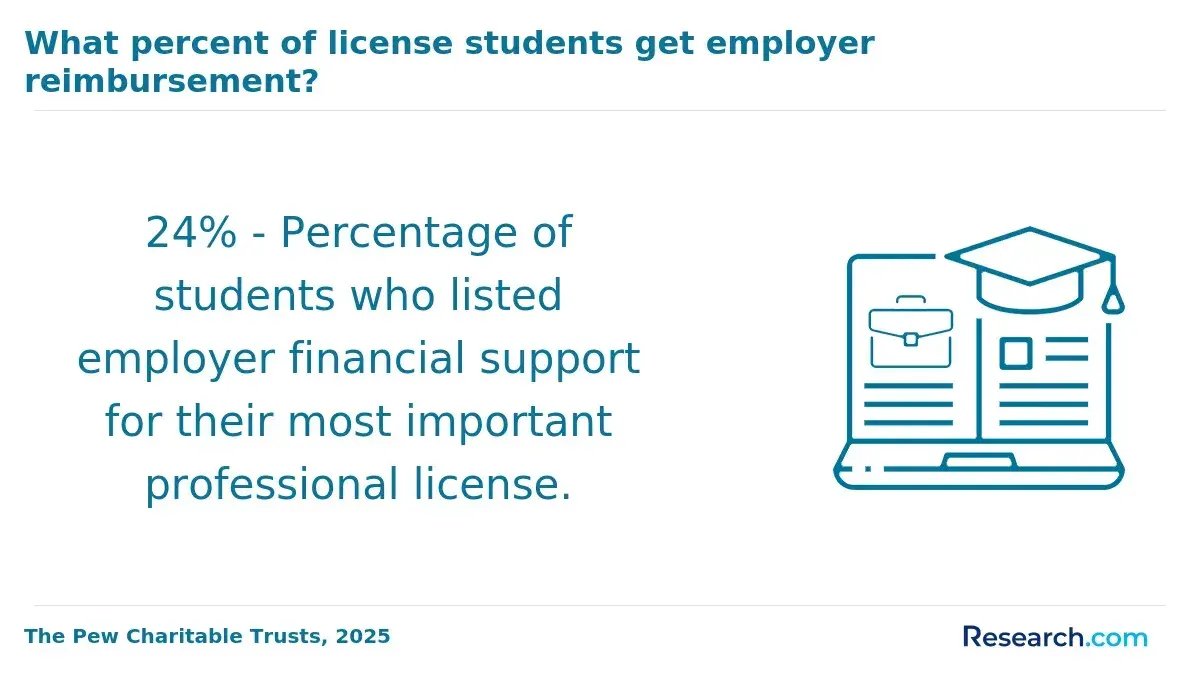
- Employer Tuition Assistance: Working professionals can benefit from employer-sponsored tuition reimbursements, reducing personal spending on education and preserving income while enhancing financial returns post-graduation.
- Federal Loans: Although loans require repayment, federal programs typically offer lower interest rates and flexible repayment plans, making debt management easier and mitigating negative impacts on ROI.
How Long Does It Take to Complete a Sports Psychology Degree?
The length of time it takes to finish a sports psychology degree has a direct impact on its return on investment because the longer the path, the greater the opportunity cost of delayed earnings and accumulating educational expenses. Starting a career sooner helps maximize income potential while minimizing overall costs associated with tuition and living expenses.
Several important factors shape how long it takes to complete this degree and influence its financial benefits:
- Full-time vs. part-time enrollment: Attending full-time speeds up graduation but may demand intense commitment, making it tougher for those balancing jobs. Part-time schedules offer flexibility but can extend the timeline and delay entering the workforce.
- Online and accelerated formats: These options often reduce program length, appealing to self-motivated learners who can manage rigorous pacing. However, they require strong time management to remain on track.
- Transfer credits: Receiving credit for prior coursework can significantly shorten study duration by exempting foundational classes, allowing students to focus on advanced subjects earlier.
- Internships and thesis requirements: Hands-on experience and research projects add valuable skills but typically increase the time needed to graduate. These elements can enhance employability despite extending educational investment.
- Scheduling flexibility: Programs offering evening or weekend classes support working professionals but may prolong completion due to limited course availability or slower progression through requirements.
When I asked a sports psychology graduate about her experience with the degree's duration, she reflected on the balancing act between ambition and reality. She described initially underestimating how time-consuming the thesis and internship phases would be, noting that "it felt like a marathon more than a sprint." Despite occasional frustration, she appreciated how the hands-on elements deepened her understanding and "opened doors professionally." She emphasized that while the process stretched over several years, the gradual progress and eventual achievement made the investment worthwhile, especially once she began working full time and saw the practical rewards of her education.
Is ROI Higher for Online or On-Campus Sports Psychology Programs?
Choosing between online and on-campus delivery formats for a sports psychology degree can significantly impact the return on investment (ROI) due to differences in cost, flexibility, and career outcomes. Currently, over 40% of graduate students in the U.S. take at least one online course, highlighting the growing acceptance of online education. This trend is important for those considering the ROI of online sports psychology degree programs. Below are key factors to consider when comparing these formats.
- Tuition and fees: Online programs generally have lower tuition and fees, reducing upfront financial burden. This can make a substantial difference in total program cost and debt load compared to traditional on-campus options.
- Opportunity cost: Online programs often provide flexible schedules that allow students to work or manage other responsibilities simultaneously. This flexibility reduces opportunity costs and makes balancing education with income generation easier.
- Networking and career services: On-campus programs typically offer stronger networking opportunities, more direct access to career services, and connections to local employers. These advantages can enhance job placement chances and long-term career growth.
- Employer perception: Some employers still prefer on-campus degrees and may view them as more rigorous or prestigious. This perception can influence hiring decisions and salary offers.
- Long-term earning potential: Often linked to the program's reputation and alumni network, long-term earning potential may be higher for graduates from established on-campus programs. However, well-designed online programs, especially accelerated ones, can also yield competitive outcomes.
For those interested in identifying the fastest online psychology degree options that could shorten time to completion and potentially increase ROI, exploring current educational offerings is advisable.
What Is the Average Salary After Earning a Sports Psychology Degree?
Post-graduation salary is a key driver of the return on investment (ROI) for a sports psychology degree because it directly affects how quickly graduates can recoup education costs and build financial gains. In sports psychology, average salary ranges typically fall between $50,000 and $90,000 annually, with entry-level roles near the lower end and seasoned professionals earning higher salaries.
Several factors impact these post-graduation earnings and thus influence the overall ROI. These include:
- Industry: Choosing sectors such as professional sports, healthcare, or academia affects pay scales. Private sector roles often offer higher wages compared to public institutions.
- Geographic location: Salaries tend to increase in metropolitan areas with a strong sports presence or greater demand for psychology services, boosting earning potential.
- Prior experience: Internships, certifications, or related work history can lead to higher starting salaries and quicker career advancement.
- Specialization: Expertise in niches like performance enhancement or injury rehabilitation can command premium pay due to limited supply of specialists.
- Career level: Senior and management positions generally come with better compensation, improving long-term ROI.
For those considering further education to enhance career outcomes, exploring an executive online mba can offer strategic advantages. Post-graduation earnings in sports psychology vary widely, but understanding these influencing factors helps evaluate the financial benefits of this degree path.
Breakdown of Private Fully Online For-profit Schools

Does a Sports Psychology Degree Lead to Promotions?
Promotions play a significant role in improving return on investment (ROI) for those earning a sports psychology degree by leading to higher salaries, broader responsibilities, and enhanced career mobility. As advanced degrees increasingly become a focal point in credential-based promotion trends, employers often value formal education alongside experience for leadership roles.
Below are several ways a sports psychology degree may impact promotion opportunities and ROI:
- Credential Requirements: Many higher-level roles in sports organizations and academic settings require advanced degrees as prerequisites, making a sports psychology degree essential for eligibility.
- Leadership Preparation: This degree equips graduates with vital leadership and communication skills, positioning them for managerial and supervisory roles that come with promotions.
- Tuition Support: Employees with relevant degrees may qualify for employer-sponsored tuition reimbursement programs, which reduce the net cost of education and improve ROI.
- Promotion Policies: Internal organizational policies often favor candidates with advanced relevant degrees, increasing promotion chances for sports psychology graduates.
- Experience and Education: Combining hands-on experience with formal education enhances professional credibility and opens doors to roles otherwise inaccessible, aiding career advancement through increased responsibilities and pay.
For those evaluating career advancement with a sports psychology degree, considering job promotion opportunities in sports psychology is crucial. Individuals may also compare this path with other options by reviewing the easiest college majors with high pay to weigh potential financial outcomes alongside career growth.
Which Industries Offer the Best ROI for Sports Psychology Graduates?
Return on investment (ROI) for sports psychology graduates varies significantly across industries due to differences in salary levels, career progression, and demand for specialized skills. Industries that provide the highest ROI typically offer competitive compensation growth, promotion potential, and opportunities to fully utilize sports psychology expertise. Below are some industries known for yielding strong financial and career returns for graduates pursuing the best career paths for sports psychology degree holders.
- Healthcare and rehabilitation: This sector consistently offers strong ROI as professionals employ sports psychology to aid physical recovery and mental health. Competitive salaries, stable demand, and clear promotion pathways to senior clinical or private practice roles make this a lucrative field.
- Collegiate and professional sports: High-profile clients and well-funded programs drive higher salaries and advancement potential. Specialized skills in performance enhancement and mental coaching are highly valued, making it a rewarding industry for sports psychology graduates.
- Corporate wellness and performance coaching: Increasing integration of sports psychology principles into employee wellbeing programs has created more demand in business. These roles often provide competitive pay and job stability as companies emphasize productivity and mental health coaching.
- Research and academia: While early salaries may be moderate, this field offers long-term career progression via tenure-track positions and grant-funded research. It also provides stable employment and opportunities to impact the discipline broadly.
Those considering graduate education in this field may explore one year masters programs that can accelerate entry into these rewarding industries while optimizing their investment. Evaluating these highest ROI industries for sports psychology graduates helps align education choices with career outcomes and financial goals.
Does Accreditation Affect ROI for a Sports Psychology Degree?
Accreditation in sports psychology degree programs signifies that a school meets established quality standards verified by independent organizations. This validation reassures employers and licensing authorities that graduates have the necessary competencies for professional practice. An increasing number of employers prioritize candidates from accredited programs, especially in professions requiring certification or licensure, which directly impacts hiring prospects and career advancement. Therefore, attending an accredited program can significantly enhance the return on investment by improving graduate employability and meeting industry expectations.
Over time, accreditation plays a key role in maximizing ROI by fostering employer confidence and expanding career opportunities. It also opens the door to federal financial aid, which can reduce educational expenses, and often ensures that academic credits transfer seamlessly between institutions, shortening the path to degree completion. Additionally, accredited programs align more closely with state licensure requirements, making graduates eligible for certification and boosting their professional mobility. These combined benefits help graduates achieve better financial outcomes relative to the cost and time invested in their education.
Is a Sports Psychology Degree Worth It?
Completing a sports psychology degree often involves significant expenses, including tuition, fees, and potential income lost while studying. Programs usually require two to three years after a bachelor's degree, delaying full-time workforce entry with specialized qualifications. Entry-level salaries can start around $50,000, while experienced professionals may earn over $100,000 annually. According to a 2023 report, those with advanced psychology degrees typically earn about 20% more than individuals holding only undergraduate credentials in related fields, highlighting the potential financial upside of further education.
The return on investment varies depending on industry demand, which is growing for experts in mental performance and athlete well-being, potentially enhancing job prospects. Choosing an online program or accessing financial aid can reduce costs and time commitments, improving overall value. However, the degree is most beneficial for those dedicated to advancing within specialized sports psychology or associated mental health careers. For individuals seeking immediate employment or uncertain about long-term goals in this niche, the investment of time and money may not yield sufficient returns.
What Graduates Say About The ROI of Their Sports Psychology Degree
- Jaime: "Choosing a traditional sports psychology degree was a conscious investment in my future. Although the average cost hovered around $30,000, the opportunities and career growth I've experienced since graduation have more than justified the expense. The in-depth face-to-face engagement really helped me build a strong foundation for my work with athletes. "
- Deandra: "Enrolling in an online sports psychology program allowed me to balance work and study while keeping costs near $20,000, which felt reasonable given the flexibility and quality of instruction. Looking back, the ROI is clear: I've gained valuable skills that have significantly boosted my consulting career. It's a savvy choice for anyone juggling multiple commitments."
- Royce: "Opting for a part-time sports psychology degree meant a longer journey, but spreading out the $25,000 cost made it financially manageable with no debt stress. The program's impact on my professional life is undeniable; it opened doors to clinical and performance roles I hadn't anticipated. My perspective on worth is pragmatic: it's an investment that pays off steadily over time."
Other Things You Should Know About Sports Psychology Degrees
Yes, selecting a specialty such as performance enhancement or counseling psychology can impact the 2027 ROI of a sports psychology degree. Specialties aligned with high-demand areas often command higher salaries, thereby improving overall ROI.
Obtaining specialized certifications, such as Certified Mental Performance Consultant (CMPC), can significantly improve ROI by enhancing professional credibility and access to higher-paying roles. These certifications often require additional study and practices but can increase job prospects and salary potential, making them a worthwhile investment for graduates.
Geographic location strongly influences ROI, as salaries and job availability in sports psychology vary across regions. Urban areas with professional sports teams and established wellness industries often offer more lucrative opportunities compared to rural locations. Cost of living and demand for mental performance specialists also play key roles in determining overall financial returns.
References
- 25 Best Return On Investment Degrees in Sports Management (Bachelor's) 2021 - Sports Management Degree Guide https://www.sports-management-degrees.com/best-bachelors-roi/
- How To Become A Sports Psychologist | Psychology.org https://www.psychology.org/careers/sports-psychologist/
- Sports Psychologist Career: Salary & Degrees 2025 https://careersinpsychology.org/becoming-a-sports-psychologist/
- Return on Investment For an Online Psychology Degree https://www.onlinepsychologydegrees.com/articles/return-on-investment-for-an-online-psychology-degree/
- Sports Psychology Degree Programs Online and In-Person | UWS https://www.uws.edu/sport-performance-psychology/
- 2025 Most Affordable Online Master's in Sports Psychology https://www.onlineu.com/most-affordable-colleges/sports-psychology-masters-degrees
- Why I Chose Sport Psychology: An Inside Look at This Rewarding Career https://www.drpaulmccarthy.com/post/why-i-chose-sports-psychology-an-inside-look-at-this-rewarding-career
- The 15 Highest-Paying Jobs with a Psychology Master's Degree https://www.bestpsychologydegrees.com/posts/highest-paying-jobs-with-a-psychology-masters-degree/
- Sports Psychology degrees https://www.whatuni.com/degree-courses/search
- Ranking Top 10 Best Sports Psychology Masters Programs https://www.online-psychology-degrees.org/best/top-graduate-sports-psychology-programs/


