
2027 Can You Complete an Online Sports Psychology Degree Program While Working Full-Time?

Co-Founder and Chief Data Scientist
Many full-time professionals wonder if pursuing an online sports psychology degree is feasible alongside demanding work and family responsibilities. In the U.S., nearly 40% of online learners balance education with full-time employment, facing challenges such as limited time and high stress. For those interested in sports psychology, coursework often involves understanding complex psychological principles and applying them in real-world scenarios, which requires significant dedication.
This article offers practical guidance to help working adults assess whether an online sports psychology program fits their lifestyle. By exploring time management strategies and program flexibility, readers can make informed decisions about advancing their careers without sacrificing personal commitments.
Key Benefits of Completing an Online Sports Psychology Degree Program While Working Full-Time
- Flexible scheduling allows full-time workers to balance coursework and job demands, enabling practical application of sports psychology principles during downtime or weekends.
- Online access to lectures and resources supports diverse learning paces, helping professionals integrate studies with varied work shifts common in athletic or clinical settings.
- Networking through virtual platforms connects students with sports psychology experts nationally, enhancing career opportunities without compromising current employment.
How Long Does It Take to Complete an Online Sports Psychology Degree While Working Full-Time?
Completing an online sports psychology degree while working full-time varies widely based on individual circumstances and program structure. The total time depends on factors like enrollment intensity, course format, and personal commitments.
Several key factors affect how long it takes to finish a degree in sports psychology online while working full-time, including:
- Enrollment Status: Part-time students, often those balancing full-time work, take fewer courses each semester, which naturally extends the time needed to graduate compared to full-time students.
- Course Format: Programs offering asynchronous or accelerated courses allow more flexible pacing. Some students may finish faster if they can handle heavier workloads, though many prefer steady pacing to manage job and study demands effectively.
- Transfer Credits: Prior relevant coursework can be credited towards the degree, reducing the overall timeline for students able to transfer these credits.
- Work Schedule and Weekly Study Hours: Consistent dedication of 10-20 hours per week is critical. Balancing a demanding job with study means more limited hours, often resulting in slower progress.
- Program-Specific Requirements: Capstone projects, internships, or practicum experiences, especially those requiring in-person participation, can add time as they must fit around a working professional's schedule.
On average, working professionals can expect to spend around 1-2 years completing a master's degree online in sports psychology, 4-5 years for a bachelor's, and 4-7 years for a doctoral program. For those interested in broader career options beyond traditional degrees, exploring certifications that pay well without a degree may be worthwhile.
Understanding the common timelines and variables involved with the online sports psychology degree completion time for working professionals helps set realistic expectations for those aiming to advance their careers while managing full-time employment.
Is an Asynchronous or Synchronous Online Sports Psychology Program Easier for Students Working Full-Time?
For students working full-time, an asynchronous online sports psychology degree for working professionals is generally easier to manage because it offers the greatest flexibility. This format allows learners to access lectures, assignments, and discussions on demand, fitting coursework around unpredictable work and personal commitments.
In contrast, synchronous programs require attendance at scheduled live classes, which can be restrictive for those with irregular hours. The course format significantly affects a student's ability to balance professional responsibilities with academic progress, making asynchronous options a preferred choice for many full-time employees.
Asynchronous online sports psychology programs provide maximum flexibility, letting students complete modules on topics like athlete mental health when convenient, useful for coaches or athletic professionals with fluctuating schedules.
On the other hand, a synchronous sports psychology master's program flexibility for full-time employees offers real-time interaction, immediate feedback, and enhanced community engagement but demands regular time management to attend live sessions.
While synchronous formats encourage deeper collaboration, asynchronous learning typically supports a more manageable balance between work, life, and study. For those seeking more insights about flexible learning options, the best college courses for seniors online also often employ similar asynchronous designs to accommodate working adults.
What Time Management Strategies Help Online Sports Psychology Students Working Full-Time?
Balancing a full-time job with online learning requires strong time management to meet deadlines and maintain focus without burnout. Effective strategies can help sports psychology students navigate academic demands alongside professional responsibilities.
Here are five research-supported techniques designed for working learners:
- The Pomodoro Technique: Divide study periods into 25-minute focused intervals with 5-minute breaks, and longer breaks after four cycles. This approach helps sustain concentration and prevents fatigue during intensive coursework.
- Priority Matrix Planning: Evaluate tasks based on their impact and effort needed, then prioritize high-value assignments. This ensures important topics, like sports psychology theories, get appropriate attention.
- Time-Blocking Schedule: Reserve dedicated time slots for studying, work, and exercise using tools like Google Calendar. Color coding can visually separate academic and job-related commitments.
- SMART Goal Setting: Define goals that are specific, measurable, achievable, relevant, and time-bound for each study session. Clear targets promote steady progress and efficient task management.
- Minimize Time Wasters: Identify distractions such as social media and procrastination, and use blockers plus quiet study environments to enhance focus.
One student who juggled a full-time career while completing her sports psychology degree shared that the most challenging part was resisting the urge to multitask during study time. She found that setting strict boundaries by scheduling study blocks and informing family and colleagues about her availability was crucial.
"There were days when balancing work deadlines and exams felt overwhelming, but breaking tasks into smaller goals kept me motivated," she reflected. She also emphasized the importance of adjusting her schedule weekly to accommodate unexpected work demands, which helped maintain a sustainable pace and avoid burnout during the program.
What Are the Biggest Challenges Full-Time Workers Face in Online Sports Psychology Programs?
Balancing a full-time job with the demands of an online sports psychology degree presents significant difficulties for many professionals. Competing priorities and unpredictable work schedules often hinder steady academic progress. Below are some of the main obstacles faced by full-time workers pursuing this field of study.
- Time Management Difficulties: Managing coursework deadlines and online participation alongside professional duties can be overwhelming. Effective scheduling is crucial since sports psychology requires thorough understanding and active engagement in assignments to build essential skills.
- Emotional and Mental Fatigue: The combined stress of work, study, and personal life can cause burnout. In sports psychology, maintaining emotional strength is important as practitioners need to be attentive and empathetic when addressing clients' mental health.
- Limited Networking and Practical Experience: Online formats may restrict access to internships and live sessions, impeding the development of real-world experience and professional connections. This gap can affect credibility and readiness for career opportunities in the sports psychology field.
How Do Online Sports Psychology Programs Handle Internships for Full-Time Workers?
Balancing internships with full-time employment can be a significant challenge due to time constraints and logistic complexities, yet internships are indispensable in many online sports psychology programs for developing practical skills. To accommodate working students, programs have adopted several flexible strategies that blend academic and professional demands efficiently.
- Remote and Hybrid Internship Options: Students can complete required hours remotely through telehealth, virtual sessions, or research projects. This model prevents disruption of their work schedules while meeting practical experience standards essential to sports psychology training.
- Flexible Scheduling: Collaborations with mentors often allow internships during evenings, weekends, or customized times. This flexibility helps students gain hands-on experience outside typical working hours, enabling a workable balance between job and study.
- Customized Placements: Internships arranged at a student's current workplace, when relevant to sports psychology, minimize travel and scheduling hurdles. Such placements integrate academic goals with existing professional roles.
- Short-Term Intensive Experiences: Accelerated internships or seminar-style programs spanning from a few days to months offer condensed, focused training. These options are ideal for individuals with limited availability who need to fulfill requirements swiftly.
- Remote Supervision and Mentorship: Online guidance and feedback ensure students receive expert support without attending physical sessions during business hours. This approach sustains quality oversight while accommodating work obligations.
When asked about his experience, a student pursuing an online sports psychology degree while working full-time shared that managing internship hours was initially daunting. He explained, "The hardest part was coordinating time around work, but the program's ability to offer virtual supervision made a huge difference." He particularly valued the chance to complete much of his work remotely and appreciated the mentors' availability outside standard hours.
The option to tailor his internship around his job responsibilities helped him stay motivated and confident, describing it as "a flexible approach that truly respects the challenges of full-time professionals." This adaptability made the practical training manageable and rewarding, reinforcing his decision to pursue the online degree despite a busy work schedule.
What Technology Do You Need for an Online Sports Psychology Degree While Working Full-Time?
Having the appropriate technology is vital for full-time professionals pursuing an online sports psychology degree, as it enables them to efficiently manage their time and stay connected with coursework despite their busy schedules. Reliable digital tools enhance organization, communication, and access to essential resources, which are critical for success in this field. Below are the key technology requirements that support full-time students navigating the demands of work and study.
- Reliable Computer or Laptop: A modern device with an updated operating system, webcam, and microphone is essential for attending synchronous classes and participating in virtual discussions. This technology supports tasks like remote supervision during applied internships, a common element of sports psychology programs.
- High-Speed Internet Connection: A fast and stable internet connection is necessary to stream lectures smoothly, download large files, and engage in live meetings without interruption. This ensures access to real-time sessions and communication with Certified Mental Performance Consultants during remote supervision.
- Learning Management System (LMS) Access: Familiarity with platforms such as Canvas, Blackboard, or Moodle is crucial for submitting assignments, joining discussion forums, and accessing course materials. These systems accommodate asynchronous learning formats, providing flexibility ideal for working students managing job responsibilities.
- Productivity and Collaboration Software: Programs like Microsoft Office or Google Workspace enable students to create research papers, presentations, and group projects. For example, Excel is often used for data analysis in sports psychology research methods, while PowerPoint helps in presenting athlete motivation case studies.
- Field-Specific Assessment and Communication Tools: Specialized software such as Qualtrics for surveys and secure video conferencing platforms like Zoom allow students to conduct virtual athlete consultations and complete practicum hours remotely, mirroring professional sports psychology practice.
These technology requirements for online sports psychology degree learners reflect the best online learning tools for sports psychology students balancing career and education. For professionals considering this path, finding affordable options can ease the transition; detailed information about programs is available through resources like cheap phd listings.
Can You Qualify for Financial Aid If You Study Online and Work Full-Time?
Financial aid is often a crucial consideration for full-time professionals aiming to pursue an online sports psychology degree while managing work commitments. Accessing financial support can make advanced education more affordable and help balance the costs associated with working and studying. Several factors influence financial aid eligibility for online students working full-time, highlighting key aspects to consider.
- Federal Financial Aid (FAFSA): Most accredited online sports psychology programs allow you to apply for federal aid by submitting the FAFSA. Your employment status does not disqualify you from receiving aid, but your income and enrollment level affect the amount. For example, as a full-time worker, higher income may reduce need-based aid, yet federal loans and some grants remain available, answering the common question of whether you can get federal student aid while working full-time.
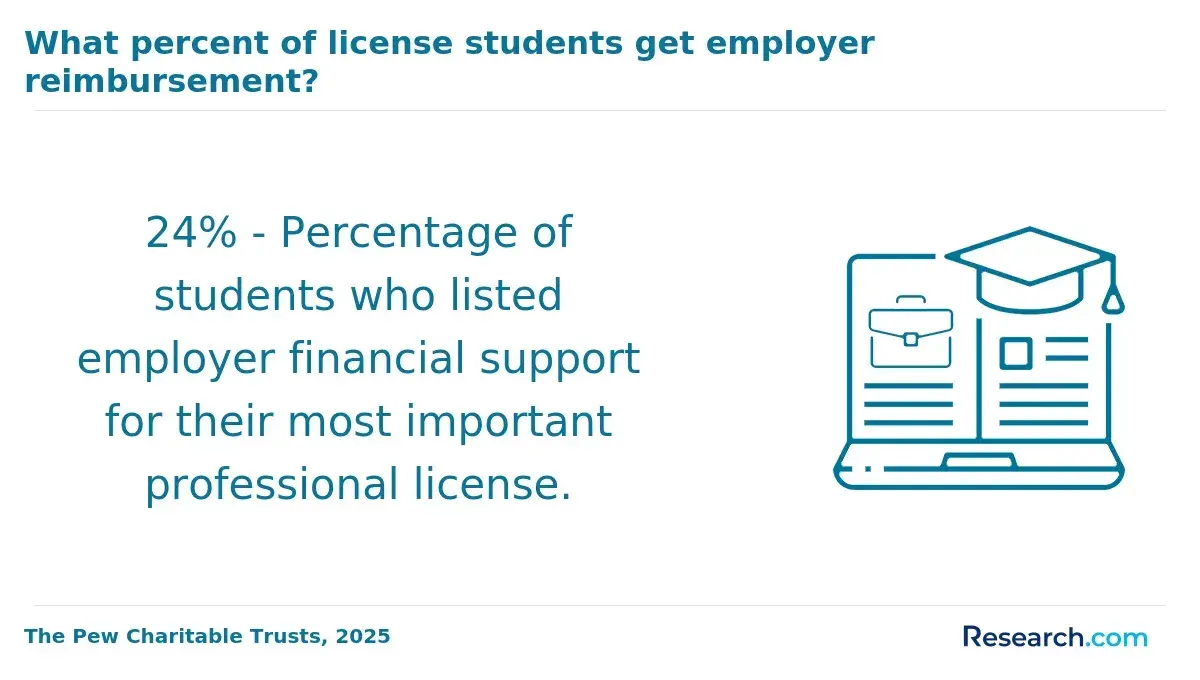
- Employer Tuition Assistance: Many companies provide tuition reimbursement or scholarships for employees pursuing further education, especially in disciplines linked to their roles. Some universities collaborate with employers-California Baptist University, for instance, offers a 20% tuition scholarship to employees of certain partner organizations. Checking with your HR department can uncover such opportunities.
- Part-Time vs. Full-Time Enrollment: Financial aid typically requires at least half-time enrollment, usually defined as six graduate credits per semester. If work limits your course load, verify your program's half-time criteria to maintain eligibility. Part-time students might receive reduced federal loans but still qualify for many scholarships and grants.
- Scholarships and Grants: Various scholarships target students in sports psychology or strength and conditioning fields, often not requiring repayment. Organizations like the NSCA Foundation offer awards supporting working students in online sports psychology coaching or degree programs.
- State and Institutional Aid: Certain states and universities extend aid to online students working full-time; however, non-degree or non-matriculated students are usually ineligible. Confirm your status with your school's financial aid office to understand your options better.
To explore more on institutions that might offer supportive financial options, consider reviewing the best accredited universities online with no application fee. Understanding your financial aid eligibility for online sports psychology students involves actively researching these elements and consulting both your school and employer to maximize financial assistance possibilities.
Do Employers Support Employees Pursuing Online Sports Psychology Degrees in 2027?
Employer support has become a crucial factor for full-time professionals considering enrolling in an online sports psychology program. Workplace policies greatly influence a student's ability to balance academic demands with job responsibilities, impacting their overall success.
Understanding the kinds of support available can clarify how employees might manage both roles effectively. Below are key insights on how employers typically support or hesitate to support employees pursuing online sports psychology degrees.
- Tuition Assistance: Some employers offer tuition reimbursement or scholarships specifically for job-related degrees like sports psychology, helping reduce financial barriers for working students. Larger organizations or those focusing on employee development most commonly provide this benefit, which is a valuable aspect of employer tuition reimbursement for online sports psychology degrees.
- Flexible Scheduling: Flexible work hours or remote work options enable employees to engage in online lectures, complete assignments, or fulfill internship requirements. This workplace support for working professionals in sports psychology programs is especially important given the applied internship hours required to graduate.
- Career Advancement Incentives: Obtaining an advanced degree in sports psychology may open doors to promotions, pay raises, or expanded responsibilities within coaching, athletic administration, or wellness management roles. Employers who recognize this often encourage continued education as part of professional growth.
- Performance Concerns: Some employers worry that pursuing a degree while working could reduce productivity or cause divided attention. These concerns may lead to limited flexibility or expectations that employees maintain full job performance without accommodations, creating challenges for balancing both roles.
- Professional Development Support: Supportive workplaces may offer mentorship, networking opportunities, or allow use of company resources for degree-related projects. Such support enhances learning outcomes by enabling students to apply sports psychology concepts in practical, real-world contexts.
For those interested in related career options with flexible educational requirements, exploring certs that pay well can offer valuable alternatives or complementary pathways.
Does Completing an Online Sports Psychology Degree While Working Full-Time Improve Your Salary?
Completing an online sports psychology degree can impact your salary, but outcomes depend on several key factors. Industry demand, the level of degree earned, employer attitudes, and your relevant experience all contribute to earning potential.
For example, professionals with a master's degree generally see salaries between $50,000 and $75,000, while those holding a doctorate or certifications such as the CMPC often earn $80,000 to $150,000 or more, especially in private practice or elite sports settings.
Higher wages are more common in major cities and environments that highly value sports psychology. Additionally, advanced degrees paired with significant experience increase the likelihood of securing top-paying roles.
Continuing full-time work while studying can further boost career growth by allowing immediate application of new skills, which may lead to quicker promotions, better job security, and recognition by supervisors.
Some employers support further education through tuition assistance or accelerated advancement. However, results differ depending on the industry, specific employer policies, and broader economic factors. Not all fields guarantee immediate pay raises for additional qualifications, and regional demand for sports psychology professionals plays an important role in salary improvements.
What Should Full-Time Workers Look for When Choosing an Online Sports Psychology Program?
Choosing the right online sports psychology program is crucial for full-time workers, as the program's design can greatly impact their ability to juggle professional and academic demands. A program with the right pace and support can mean the difference between success and burnout. Consider these essential factors when making your decision.
- Flexible Learning Formats: Programs that offer asynchronous or self-paced courses enable working professionals to study on their own schedule, avoiding conflicts with fixed class times. This flexibility allows for a better balance between work responsibilities and coursework completion.
- Support Services and Accessibility: Robust academic advising, technical help, and career resources are vital for maintaining progress and managing stress. Reliable support ensures quick resolution of issues and keeps students focused despite work pressures.
- Accreditation and Reputation: An accredited program signals academic rigor and credibility, which is important for licensure and employer recognition in the sports psychology field. Accreditation also reflects the program's quality and adherence to industry standards.
- Admission and Academic Requirements: Understanding prerequisites and potential waivers based on work experience helps applicants assess their eligibility and plan accordingly. Holistic admissions can offer flexibility for professionals returning to study later in life.
- Technology and Course Delivery: Since online programs rely on digital platforms, having dependable internet and meeting technical criteria ensures uninterrupted learning and access to all course materials.
What Graduates Say About Completing an Online Sports Psychology Degree While Working Full-Time
- Rowan: "As a busy professional, enrolling in an online sports psychology degree demanded dedication, but the self-paced format respected my time constraints perfectly. The program's value was more than just financial, even though the cost was competitive compared to others. Gaining deep insights into athlete behavior has enhanced my coaching career in meaningful ways. "
- Enzo: "The decision to study sports psychology online while working full-time was one of the best I've made; the convenience meant I could learn on my schedule without sacrificing income. The coursework was rigorous yet manageable, and knowing the average cost was reasonable helped me stay motivated throughout. This degree has opened doors for me professionally that I hadn't imagined. -="
- Jaime: "Balancing a full-time job while pursuing my online sports psychology degree was challenging but incredibly rewarding. The flexible pace allowed me to absorb complex concepts without feeling overwhelmed, and the affordable tuition made it feasible to invest in my future career. This program has truly reshaped how I approach both my work and personal goals. "
Other Things You Should Know About Sports Psychology Degrees
Yes, it's feasible to complete an online sports psychology degree while working full-time in 2027. Programs offer flexible schedules, allowing students to balance work and study. Effective time management and prioritizing tasks can further enhance the ability to successfully complete the degree while maintaining a full-time job.
Full-time workers can manage the demands of research projects for an online sports psychology degree by leveraging flexible scheduling, prioritizing tasks, utilizing online resources, and seeking support from faculty and peers. Effective time management and consistent communication with program advisors are also crucial for balancing work, studies, and research commitments.
Most online sports psychology programs offer career services tailored to working students, including resume reviews, interview preparation, and networking opportunities. These services are often accessible remotely and scheduled to accommodate varied time zones. Career support helps students transition smoothly into advanced roles or new opportunities within the sports psychology field.
References
- How a Career in Sports Psychology Can Be Rewarding – Faulkner University https://www.faulkner.edu/news/ways-a-career-in-sports-psychology-can-be-rewarding/
- Performance Psychology (Online Distance Learning Part-Time) MSc https://www.bangor.ac.uk/courses/postgraduate-taught/performance-psychology-online-distance-learning-part-time-msc
- Sport and Exercise Psychology (Online) https://springfield.edu/graduate-programs/sport-and-exercise-psychology-online
- Affordable Ph.D. in Sports Psychology Programs 2025 | Low-Cost https://www.sportspsychology.org/articles/affordable-phd-sports-psychology-degree-programs/
- MSc Sport Psychology and Body Psychology online | Top University/Provider in Germany https://academic-institute.com/online-degree/msc-sport-body-psychology/
- Online Sports Psychology Degree Programs | Psychology.org https://www.psychology.org/online-degrees/sports-psychology/
- Time Management Tips for Student-Athletes | 7 Proven Strategies https://www.css.edu/about/blog/7-tested-time-management-tips-for-student-athletes/
- Managing expectations: the challenges in sport psychology » ifeel - EN https://ifeelonline.com/en/occupational-health/managing-expectations-the-challenges-in-sport-psychology/
- Sport and Exercise Psychology https://www.staffs.ac.uk/course/sport-exercise-psychology-bsc
- Master's in Sport and Performance Psychology https://www.commonwealthu.edu/academics/programs/sports-performance-psychology-ms


