
2027 Return on Investment (ROI) of a Taxation Degree Program

Co-Founder and Chief Data Scientist
Many prospective students face uncertainty when deciding whether to invest in a taxation degree, questioning if the financial and time commitments will yield sufficient career benefits. Recent data shows that employment in tax-related fields is projected to grow 5% from 2022 to 2032, faster than the average for all occupations. Despite rising tuition costs, tax professionals often command competitive salaries due to growing complexity in tax law and corporate compliance demands. This article explores the return on investment of a taxation degree program, helping readers evaluate the financial outcomes, career opportunities, and long-term advantages of pursuing this specialized education.
Key Things to Know About Taxation Degree ROI
- Graduates with a taxation degree earn a median salary 20% higher than those without, reflecting strong financial returns in various accounting and finance roles.
- The degree offers career advancement in public accounting, corporate finance, and government agencies, with many professionals reaching senior positions within five to seven years.
- Taxation skills provide job stability and adaptability, allowing professionals to work across industries and benefit from steady long-term salary growth despite economic fluctuations.
How Is ROI Calculated for a Taxation Degree Program?
Return on investment (ROI) in higher education measures the financial benefits obtained from completing a degree compared to the costs and time spent earning it. For students assessing a taxation degree program, ROI helps compare how the education's value stacks up against expenses and opportunity costs.
Several key factors contribute to calculating return on investment for a taxation degree:
- Tuition and Fees: These are the direct costs of the program, including tuition, books, supplies, and additional fees. This total investment must be justified by increased income post-graduation.
- Opportunity Cost: Time spent studying typically means lost wages from not working full-time or delaying career advancement. ROI calculations consider this forgone income alongside tuition expenses.
- Time to Completion: Longer degree programs raise costs and delay entry into the workforce, which can reduce the overall financial return.
- Post-Graduation Salary Outcomes: Expected starting salaries and growth in taxation-related roles greatly impact ROI. Higher salaries and faster increases enhance financial returns over time.
- Career Advancement and Long-Term Earnings: A taxation degree's influence on promotions, job stability, and earning potential matters. It often leads to higher-paying positions and benefits accumulated over a full career.
Calculating taxation degree program ROI formula and factors enables prospective students and working professionals to make informed decisions, especially when comparing different paths such as the online doctorate of education programs or other advanced degrees in the financial and educational fields.
How Much Does a Taxation Degree Program Cost?
Accurately assessing the return on investment for a taxation degree requires a clear picture of all related costs, especially as average graduate tuition in the U.S. now surpasses $19,000 annually. Factoring in every expense is crucial to understanding the real financial commitment and future rewards. Below are several major components that influence the overall cost and impact the ROI.
- Tuition and fees: This covers not only course tuition but also registration and administrative charges, constituting the primary expense of enrollment.
- Books and materials: Many taxation programs demand specialized textbooks and software, which can amount to significant extra costs each semester.
- Living and relocation expenses: Students moving to a new city or managing housing away from home must budget for rent, utilities, and daily necessities that add up over time.
- Opportunity cost: Time spent studying often means reduced working hours or delayed career progress, representing income an individual might forgo in pursuit of the degree.
- Hidden or indirect costs: These include additional expenditures such as commuting, technology upgrades, and fees associated with exam preparation or certification.
When I spoke with a graduate of a taxation degree program, he shared that the financial strain was more than just tuition. "Balancing part-time work with coursework was exhausting," he said, noting how frequent software updates for tax simulation exercises required purchasing new laptops sooner than expected. He also recalled unexpected expenses like traveling to distant testing centers and feeling pressure over the time lost away from advancing his full-time job. His experience highlights that costs extend beyond tuition and must be carefully weighed against the career advantages gained.
What Financial Aid Is Available for Taxation Degree Programs?
Financial aid helps reduce the initial expenses of pursuing a taxation degree, which in turn can significantly boost the long-term return on investment by lowering debt accumulation. Data shows that over 70% of U.S. graduate students use some type of financial support to manage education costs and improve financial outcomes after graduation.
Common financial aid options available for taxation programs include:
- Scholarships: Awarded based on merit, these do not require repayment and reduce tuition costs directly, enhancing ROI by lowering the overall financial burden.
- Grants: Usually need-based, grants help offset upfront costs without adding debt, supporting a stronger financial position post-degree.
- Fellowships: Often designated for advanced study or research, fellowships may provide stipends that cover living expenses, easing financial pressures during the program.
- Employer tuition assistance: Many companies offer reimbursement plans that reduce out-of-pocket payments, cutting down loan reliance and improving ROI through decreased debt.
- Federal student loans: Although loans increase total debt, federal options generally have lower interest rates and flexible repayment schedules, allowing better debt management and preservation of investment value.
How Long Does It Take to Complete a Taxation Degree?
The length of time needed to earn a taxation degree plays a crucial role in determining its return on investment (ROI). This is because the duration affects opportunity costs such as lost income while studying, as well as the total expenses related to tuition and living. Finishing sooner allows for an earlier start in the workforce, which can boost earnings and reduce debt.
Several factors influence how long it takes to complete a taxation degree and ultimately impact financial outcomes. Key considerations include:
- Enrollment status: Students attending full-time usually graduate faster, enabling quicker entry into higher-paying roles, while part-time learners may juggle work and study but extend the program length and associated costs.
- Program format: Online and accelerated degree options often speed up completion by offering more flexible pacing, which can help reduce overall expenses and increase early earning potential.
- Credit transfers: Utilizing previously earned college credits can shorten the required coursework, lowering both time and financial investment.
- Practical requirements: Internship placements or thesis projects might lengthen study periods but often add valuable experience, enhancing employability and future income.
- Scheduling flexibility: Evening or weekend classes benefit working students but may prolong the total time spent in school.
When asked about how long it took her to complete her taxation degree and how it affected her career path, a recent graduate described a challenging but rewarding journey. She explained that balancing a part-time schedule while working full-time extended her studies beyond initial expectations, yet it gave her the financial stability to avoid debt. "Taking longer was tough at times, especially when work deadlines piled up with coursework," she shared. However, the flexibility of evening classes allowed her to gradually build relevant skills and gain internship experience, which proved invaluable when job hunting. Reflecting on her experience, she emphasized that while finishing quickly might seem ideal, the additional time afforded her deeper learning and confidence entering the workforce, ultimately benefiting her long-term ROI in ways that couldn't be measured just by speed alone.
Is ROI Higher for Online or On-Campus Taxation Programs?
Delivery format significantly influences the return on investment (ROI) of taxation degree programs by affecting cost, flexibility, and career outcomes. Currently, more than 30% of U.S. higher education students are enrolled in online courses, a trend that highlights the rising acceptance of virtual learning environments among diverse learners. These dynamics are important to consider when comparing online versus on-campus taxation degree ROI.
Here are key factors impacting the taxation program ROI comparison between online and traditional formats:
- Tuition and fees: Online programs generally have lower tuition and fees, which reduces upfront educational expenses, especially helpful for cost-conscious students and working professionals.
- Opportunity cost: Flexible scheduling in online programs allows students to maintain employment while studying, minimizing income loss during the degree pursuit and potentially improving the overall ROI.
- Time to completion: Many students complete online programs faster due to accelerated calendars and fewer location-based constraints, leading to quicker entry or reentry into the workforce.
- Networking and career services: On-campus programs often provide richer networking opportunities and access to dedicated career resources, which can enhance job placement and long-term earning potential.
- Employer perception: Although employer attitudes toward accredited online degrees continue to improve, some industries still show a preference for traditional on-campus qualifications.
Those investigating educational options should also consider exploring online counseling degrees as a comparative example of growing online program affordability and flexibility across fields.
What Is the Average Salary After Earning a Taxation Degree?
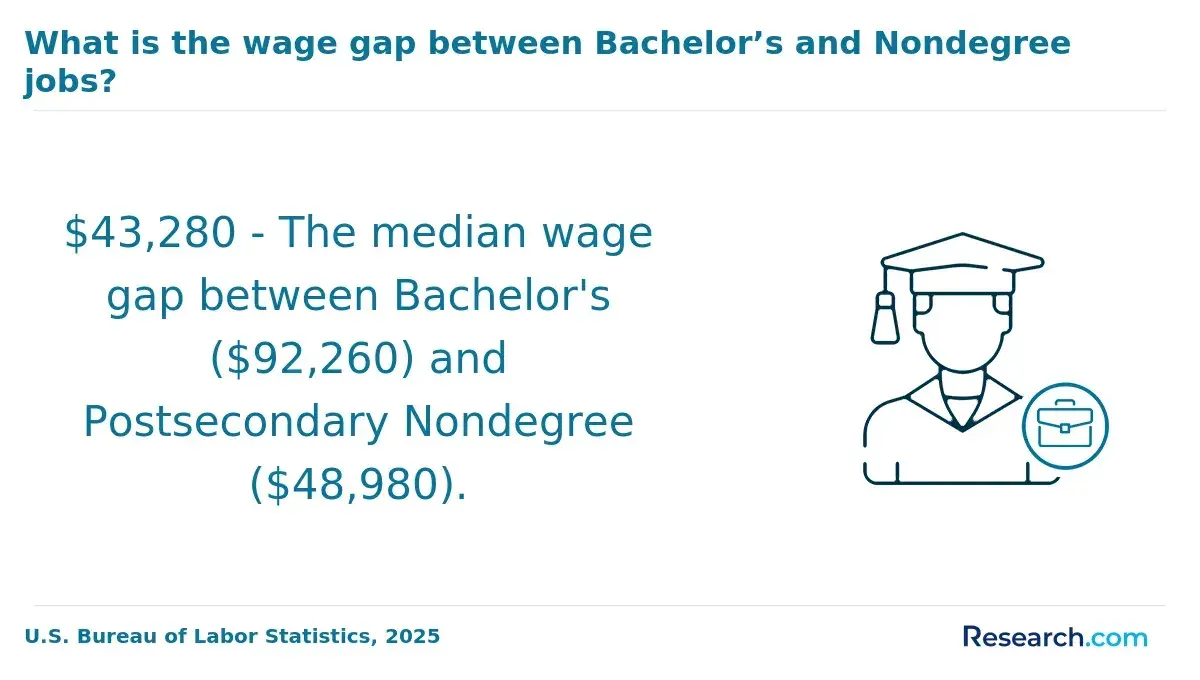
Post-graduation salary is a crucial determinant of the return on investment (ROI) for students earning a taxation degree, as it directly impacts how soon educational expenses can be recovered. In the United States, the average salary for taxation degree graduates ranges from $55,000 to $90,000 annually, reflecting differences from entry-level to more experienced roles. The typical earnings with a taxation degree vary based on several significant factors:
- Industry: Salary scales differ across sectors such as public accounting, corporate tax departments, and government agencies, each offering distinct advancement and pay opportunities that influence ROI.
- Geographic location: Regional economic conditions and cost of living cause variation in pay, making location a key factor in maximizing post-degree income and financial returns.
- Prior experience: Graduates with internships or relevant work experience often command higher starting salaries, improving early career earnings and overall ROI.
- Specialization: Focus areas like international tax or tax compliance can lead to premium compensation due to specialized skills in demand.
- Career level: Advancing from entry-level to managerial positions significantly boosts salary potential, affecting long-term financial benefits of the degree.
For professionals considering further education options, exploring programs such as an EMBA online may complement taxation expertise and enhance career and salary growth.
Does a Taxation Degree Lead to Promotions?
Promotions contribute significantly to the return on investment (ROI) of a taxation degree by offering salary increases, expanded responsibilities, and greater career mobility. These advancements enhance long-term financial benefits, making the degree a valuable asset in professional growth. A key workforce trend is the rising emphasis on credential-based promotions, where formal degrees like taxation are increasingly required for managerial and specialized roles, reflecting a shift in employer preferences for career advancement.
Below are key factors illustrating how a taxation degree impacts promotional opportunities and the overall ROI:
- Credential Requirements: Many advanced roles mandate formal qualifications, and a taxation degree meets these critical eligibility criteria, opening doors to promotions.
- Leadership Preparation: The program develops analytical and leadership skills essential for supervisory positions, helping candidates stand out in competitive promotion scenarios.
- Tuition Support: Employees pursuing a taxation degree often qualify for internal tuition reimbursement, reducing education costs and improving net ROI.
- Promotion Policies: Employers frequently favor candidates with academic credentials, aligning their internal policies to reward degree holders with advancement.
- Experience Synergy: Combining professional experience with a taxation degree accelerates career progression by enhancing both practical and theoretical expertise.
Incorporating a taxation degree in your career plan boosts promotional opportunities and financial returns, especially when aligned with current trends favoring education credentials. For those considering educational investments, it is useful to compare this path with other options among the best bachelor degrees available today. The interaction of a taxation degree with real work experience is a powerful factor in boosting taxation degree career advancement and increasing promotional opportunities with taxation degree.
Which Industries Offer the Best ROI for Taxation Graduates?
The return on investment (ROI) for taxation graduates varies significantly across industries due to differences in salary levels, career progression, and demand for specialized skills. Industries offering high ROI typically combine competitive compensation, strong promotion potential, and sustained demand for tax expertise. These factors influence the top career paths for taxation degree ROI and impact long-term financial outcomes.
Several industries stand out as particularly lucrative for taxation graduates:
- Financial services: This sector offers high salaries and steady career growth, as tax skills are vital for regulatory compliance, tax planning, and risk management. Professionals benefit from strong compensation growth and job stability.
- Accounting and consulting firms: Exposure to diverse clients and rapid skills development in these firms accelerates career advancement, generating a solid ROI. Tax experts here often move quickly into leadership roles.
- Corporate sector: Large corporations hire tax professionals for internal compliance and strategic planning, providing competitive pay and well-defined promotion pathways, ensuring long-term career benefits.
- Government and public sector: While salaries tend to be moderate, these roles offer long-term job security, benefits, and a steady demand for taxation knowledge, contributing positively to ROI over time.
- Legal services: Tax attorneys and consultants command above-average earnings growth due to the specialized, complex nature of their work, leading to strong financial rewards.
For students and professionals considering how to maximize educational investment, understanding the highest ROI industries for taxation graduates can help guide career decisions. Those weighing their educational options might also explore one year masters programs to accelerate entry into these fields.
Does Accreditation Affect ROI for a Taxation Degree?
Accreditation for taxation degree programs is an official endorsement by a recognized agency confirming that the program meets established educational standards. This certification assures both students and employers that the curriculum is rigorous, relevant, and aligned with industry demands, enhancing confidence in the value of the education. As a result, graduates from accredited programs often enjoy improved job prospects and higher earning potential. Current workforce trends reveal growing employer preference for candidates with credentials from accredited programs, which directly impacts successful job placement and wage advancement.
The long-term return on investment of a taxation degree is significantly shaped by its accreditation status. Accredited programs generally qualify students for federal financial aid, reducing education costs and subsequent debt. They also facilitate smoother credit transfers across institutions and offer eligibility for key professional licensure exams essential in taxation careers. These factors collectively boost career mobility and employer trust, helping graduates sustain better earning trajectories and advancement opportunities over time.
Is a Taxation Degree Worth It?
Evaluating the financial return of a taxation degree requires considering tuition costs, program length, and potential earnings after graduation. These degrees usually take two to four years, with longer or private programs costing more. Graduates often see a salary increase, with earnings approximately 15-30% higher than those in general accounting roles. Career growth opportunities also improve, as specialized tax knowledge can lead to positions like tax consultant or corporate tax manager, fields that typically benefit from steady demand and advancement prospects.
The value of a taxation degree depends on various external factors. Job market conditions and economic shifts influence salary and employment chances, while the choice between online and on-campus formats affects cost and flexibility. Access to financial aid or scholarships can significantly reduce initial expenses, enhancing overall return. Ultimately, individuals with clear professional goals and willingness to commit time and resources tend to gain the most, whereas others might find alternative certifications or experience more cost-efficient for their objectives.
What Graduates Say About The ROI of Their Taxation Degree
- Bill: "Enrolling in a taxation degree program was a strategic choice for me, especially knowing that the average cost can be around $40,000 but the potential return on investment is substantial. The rigorous curriculum prepared me extensively for the tax consulting field, and within a year, my salary doubled. I confidently affirm that the financial and professional benefits far outweigh the initial expenses. "
- Casey: "Choosing to pursue a taxation degree online was a balanced decision considering both time and cost. The program's tuition was more affordable than traditional routes, roughly $20,000, which made it manageable alongside work commitments. Reflecting on my journey, the flexibility paired with gaining essential expertise has positively influenced my career growth and client trust. "
- Walker: "As a part-time student, I weighed the average tuition of about $30,000 against the long-term advantages of entering the taxation field. The experience was demanding but worth it, as completing the degree opened doors to senior advisory roles. The investment paid off through enhanced professional credibility and expanded opportunities. "
Other Things You Should Know About Taxation Degrees
In 2027, the ROI of a taxation degree is influenced by geographic location due to varying job markets and salary levels across regions. Higher salaries in urban areas can lead to quicker loan repayment and higher ROI, whereas less competitive rural locations may offer lower salaries, affecting ROI negatively.
Yes, internships provide practical experience and networking opportunities that can significantly improve job prospects and starting salaries. Hands-on experience during a taxation degree often leads to faster career advancement and a better return on investment.
Obtaining certifications such as CPA (Certified Public Accountant) or EA (Enrolled Agent) can substantially increase earning potential and job security. These credentials complement a taxation degree by demonstrating specialized expertise that employers and clients highly value.
References
- Is an Online BBA in Taxation Better Than On-Campus in 2025? https://ubmcollege.ac.in/blogs/online-vs-on-campus-bba-taxation-2025/
- 8 Tax Careers: Professional Specializations https://tsengcollege.csun.edu/blog/tax-careers
- Accreditation and financial ROI | Woolf News & Updates https://woolf.university/news/accreditation-and-financial-roi
- Tax Training ROI: When Will You Break Even? https://ict.net.pk/blogs/roi-tax-training-break-even
- Does College Pay Off? A Comprehensive Return On Investment Analysis - FREOPP https://freopp.org/whitepapers/does-college-pay-off-a-comprehensive-return-on-investment-analysis/
- LLM in Taxation (LLMT) https://www.grad.ubc.ca/prospective-students/graduate-degree-programs/llm-taxation
- The ROI of Accredited Learning for Business Advisors https://project-equity.org/news/employee-ownership-insider/roi-accredited-learning-business-advisors/
- Why You Should Consider a Career in Taxation? https://www.himhaldia.edu.in/public/index.php/blog/why-you-should-consider-a-career-in-taxation
- How To Calculate The ROI Of Your College Degree | Bankrate https://www.bankrate.com/loans/student-loans/roi-college-degree/
- Comparing Online MAcc and MBA Accounting Programs | Lindenwood https://online.lindenwood.edu/blog/comparing-online-macc-and-mba-accounting-programs/


