
2027 Taxation Degree Coursework Explained: What Classes Can You Expect to Take?

Co-Founder and Chief Data Scientist
Choosing a taxation degree is really a coursework decision: you need to know whether the classes will build the technical tax, accounting, research, and compliance skills required for the roles you want. Tax programs can vary by level, format, and specialization, but most are built around federal tax law, business taxation, tax research, ethics, and applied problem-solving.
That curriculum matters because tax work is detail-heavy and rule-driven. Recent data shows that 78% of taxation graduates report that their curriculum directly prepared them for essential workforce skills such as tax law interpretation, compliance, and financial analysis. For prospective students, the key is not just asking what classes are listed in a catalog, but how those classes connect to career readiness, certification preparation, salary potential, and workload.
This guide explains the common classes in taxation degree programs, how core and elective coursework differ, what to expect from internships, capstones, online learning, credit requirements, weekly study time, and how taxation coursework can support career and salary goals.
Key Benefits of Taxation Degree Coursework
- Taxation coursework develops advanced analytical skills, enabling students to interpret complex tax laws and regulations critical for compliance and advisory roles in accounting and finance.
- Curriculum emphasizes practical problem-solving and ethical decision-making, enhancing graduates' adaptability in various regulatory environments and boosting employability.
- Graduates with specialized taxation knowledge report higher starting salaries, reflecting strong industry demand for experts in tax planning, audit, and consulting services.
What Types of Class Do You Take in a Taxation Degree?
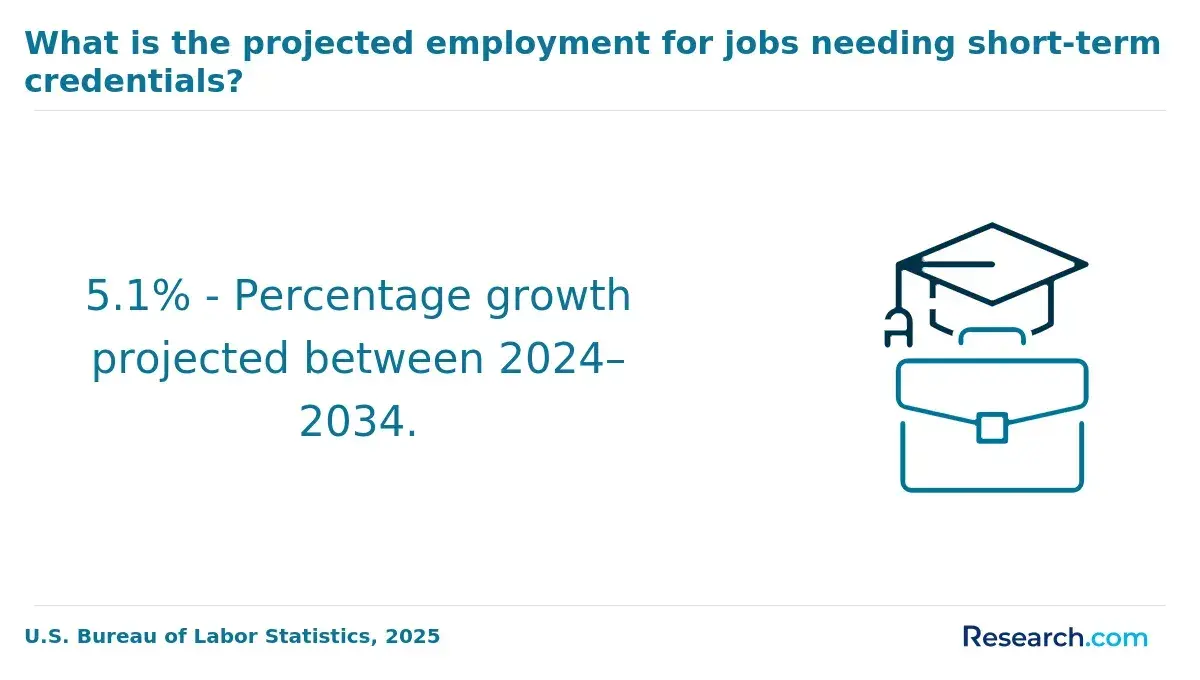
Taxation degree programs usually combine accounting fundamentals, tax law, research methods, ethics, and applied tax planning. The goal is to help students understand how tax rules work, how to interpret them, and how to apply them accurately for individuals, businesses, estates, and other entities. The U.S. Bureau of Labor Statistics projects that tax-related jobs will grow by around 5% over the next decade, which points to steady demand for professionals who can handle compliance and planning work carefully.
Most taxation curricula include four broad categories of classes:
- Foundational business and accounting courses: These classes build the base students need before moving into advanced tax topics. They commonly cover financial accounting, managerial accounting, business law, economics, and financial reporting.
- Core taxation courses: These courses focus on the rules and procedures that tax professionals use regularly, including federal income taxation, corporate taxation, tax research, tax compliance, and tax ethics.
- Specialized electives: Electives let students focus on career-relevant areas such as international taxation, estate and gift taxation, state and local taxation, nonprofit taxation, tax technology, or tax controversy.
- Applied learning experiences: Many programs include internships, practicums, simulations, case studies, capstones, or thesis options. These experiences help students move from textbook knowledge to workplace-ready judgment.
A strong taxation program should do more than explain tax rules. It should teach students how to find authoritative guidance, document conclusions, communicate recommendations, and recognize when tax decisions involve legal, ethical, or financial risk. Students interested in combining tax expertise with technology-driven analysis may also compare related fields, including an online artificial intelligence degree, depending on their long-term career plans.
What Are the Core Courses in a Taxation Degree Program?
Core taxation courses give students the technical foundation needed for tax compliance, planning, research, and advisory work. These classes usually appear in both undergraduate and graduate taxation programs, though graduate courses tend to move faster and assume stronger accounting knowledge.
The most important core courses teach students how to read tax law, apply rules to specific facts, prepare defensible analyses, and communicate findings clearly. They also introduce professional ethics, since tax professionals often work with sensitive financial information and must understand the difference between legitimate planning and improper reporting.
- Federal Income Taxation: Covers the taxation of individuals and often introduces business-related income tax concepts. Students learn how income, deductions, credits, filing status, and compliance requirements affect tax liability.
- Tax Research and Writing: Teaches students how to locate and interpret statutes, regulations, rulings, cases, and administrative guidance. This course is especially important because tax work often involves uncertain facts or changing rules.
- Corporate Taxation: Focuses on the tax treatment of corporations and business entities. Topics may include formation, distributions, taxable income, deductions, entity-level tax, and planning considerations.
- Estate and Gift Taxation: Examines taxation connected to wealth transfers, inheritance, gifts, trusts, and estate planning. This course is useful for students interested in private client services, financial planning, or advisory roles.
- Tax Policy and Ethics: Explores why tax systems are structured the way they are and how professional responsibility applies in tax practice. Students examine fairness, compliance, confidentiality, and conflicts of interest.
Students should review whether a program’s core classes align with their target role. For example, students pursuing corporate tax positions may need stronger business taxation coursework, while those interested in individual tax planning may benefit from estate, gift, and trust taxation. Those comparing very different professional paths may also look at alternatives such as an accelerated online social work degree, but taxation coursework is best suited for students who want a technical business, accounting, or finance-focused path.
What Elective Classes Can You Take in a Taxation Degree?
Elective classes allow taxation students to shape their degree around a specific career direction. More than 70% of students select electives to build specialized skills that improve job prospects, which makes elective planning an important part of choosing a program.
Good electives should do one of three things: deepen expertise in a high-demand tax area, broaden a student’s ability to work with different clients or entities, or strengthen practical tools such as research, procedure, and technology. Common elective options include:
- International Taxation: Covers cross-border transactions, treaties, foreign income, transfer pricing concepts, and compliance issues for multinational activity. This elective is useful for students interested in global companies, public accounting, or international advisory work.
- Estate and Gift Tax Planning: Focuses on tax strategies related to wealth transfers, trusts, gifts, and estates. It can support careers in estate planning, private wealth advising, and financial planning.
- Tax Research and Procedure: Builds deeper skills in interpreting tax authority, responding to tax notices, understanding IRS processes, and preparing research-based conclusions. This course is helpful for students interested in consulting, controversy, or tax litigation support.
- Corporate Taxation: Provides advanced study of business entity taxation, corporate transactions, compliance, and planning. Students aiming for corporate finance, public accounting, or in-house tax departments often benefit from this elective.
- Tax Technology and Compliance: Introduces software, digital workflows, data tools, and systems used in tax reporting. This elective is increasingly relevant because tax departments rely heavily on technology for accuracy, documentation, and efficiency.
When choosing electives, students should avoid selecting only the easiest or most convenient classes. A better approach is to identify target roles first, then choose courses that build evidence of relevant expertise. For example, a student who wants to work with multinational clients should prioritize international taxation, while a student interested in family wealth planning should consider estate and gift tax planning.
One taxation graduate described electives as the point where the degree became more career-specific. He said, “Choosing the right electives wasn't easy because I wanted skills that would set me apart.” He spent time reviewing course descriptions and speaking with advisors before choosing classes that combined practical tax knowledge with emerging industry needs.
He also noted that the most challenging electives were not always the least useful. Courses involving technical software pushed him outside his comfort zone, but they later helped him adapt faster at work. His advice was direct: “Be strategic and flexible; electives are your chance to explore and deepen areas that matter most to your career.”
Are Internships or Practicums Required in Taxation Programs?
Internships and practicums are common in taxation programs, but they are not required everywhere. Some programs make experiential learning mandatory, while others strongly recommend it or offer it as an elective. About 60% of students in these programs engage in internships before graduation, reflecting how valuable practical experience can be for entering the tax field.
Students should check internship requirements before enrolling because they can affect scheduling, graduation timelines, and access to local or remote placement opportunities. Key factors include:
- Program requirements: Some taxation programs require an internship, practicum, or applied tax project for graduation. Others allow students to substitute additional coursework, a capstone, or independent research.
- Duration and hours: When required, internships generally last between 8 and 12 weeks. Practical hours typically range from 120 to 200 to fulfill program guidelines.
- Placement settings: Students may work with accounting firms, corporate tax departments, government agencies, nonprofit organizations, or tax assistance programs. Each setting develops different skills.
- Typical responsibilities: Interns may help prepare tax returns, organize documentation, conduct tax research, assist with audits, review compliance issues, or use tax software under supervision.
- Skills developed: Internships help students practice accuracy, professional communication, confidentiality, deadline management, tax research, and client or stakeholder interaction.
Internships are especially useful for students with limited accounting or finance experience. They can also help students decide whether they prefer public accounting, corporate tax, government work, or advisory roles. Online students should ask whether the program helps arrange remote or local placements, since flexibility can vary by institution.
Is a Capstone or Thesis Required in a Taxation Degree?
A capstone or thesis may be required in a taxation degree, especially at the graduate level, but requirements differ by program. Around 60% of master's programs in taxation now favor capstones, showing a shift toward practice-based final projects rather than traditional academic research.
Both options demonstrate advanced learning, but they serve different goals:
- Nature of the project: A capstone is usually practice-focused. Students may analyze tax scenarios, prepare planning recommendations, solve compliance problems, or present case-based solutions. A thesis is research-focused and requires original analysis presented in a formal academic document.
- Common requirements: Capstones often involve applied tax law, professional writing, presentations, and sometimes teamwork. Theses typically require research design, literature review, sustained analysis, and formal academic writing.
- Skills developed: Capstones strengthen practical judgment, communication, collaboration, and problem-solving. Theses develop independent research, critical analysis, and scholarly writing.
- Time commitment: A thesis generally requires a longer, more intensive process because of data collection, research development, and faculty review. Capstones are usually more structured and tied closely to professional scenarios.
- Career and academic impact: Capstones are often better aligned with practice-based roles in firms, government agencies, and corporate tax departments. Theses may be better for students considering doctoral study, academic work, or tax policy research.
A taxation professional who completed a capstone described the experience as demanding but directly useful. She chose the capstone because she wanted hands-on work with real tax issues rather than a purely research-based project. The hardest part was coordinating with teammates and combining different viewpoints into one clear recommendation.
Even with those challenges, she said the project improved her ability to apply tax regulations, explain decisions, and present conclusions with confidence. Her experience shows why students should choose the culminating option that best matches their goals: a capstone for applied readiness, or a thesis for research depth.
Is Taxation Coursework Different Online vs On Campus?
The subject matter in taxation coursework is generally similar online and on campus. Students in both formats study federal tax law, corporate taxation, estate planning, tax research, compliance, ethics, and applied case analysis. The main difference is not usually what students learn, but how they learn it.
Online taxation programs often use recorded lectures, live virtual sessions, discussion boards, digital case studies, remote presentations, and online tax software exercises. This format can work well for working adults and students who need schedule flexibility. However, online coursework requires strong self-management because readings, assignments, and deadlines can accumulate quickly.
On-campus programs provide more in-person interaction with instructors and classmates. Students may benefit from live classroom discussion, campus resources, study groups, networking events, and easier access to faculty. This format can be helpful for learners who prefer structure or who want face-to-face academic support.
Students comparing formats should ask practical questions: Are classes synchronous or asynchronous? How are exams administered? Does the program provide access to tax software? Are internships available to online students? How often can students meet with faculty? The better choice depends on learning style, schedule, location, and how much direct interaction the student wants.
How Many Hours Per Week Do Taxation Classes Require?
Taxation classes typically require between 10 and 18 hours of weekly study for most students. That estimate may include 3 to 5 hours attending lectures, 4 to 8 hours reviewing readings and tax regulations, 2 to 5 hours completing assignments, 1 to 3 hours participating in group work, and 1 to 4 hours working on applied activities such as tax software simulations or case studies.
The workload can feel heavier than in some other business courses because tax classes require precision. Students often need to read dense rules, apply exceptions, document assumptions, and revise work carefully. The weekly commitment depends on several factors:
- Enrollment status: Full-time students usually spend more total hours per week because they take more courses at once. Part-time students may spend fewer academic hours but often balance school with work or family responsibilities.
- Course level: Introductory courses focus on foundations, while advanced taxation courses often require more research, case analysis, and complex problem-solving.
- Course format: Online courses offer flexibility, but students must be disciplined about lectures, readings, discussion posts, and assignments. On-campus courses provide more built-in structure.
- Credit load: The number of credits taken per term directly affects weekly study time. A heavier credit load usually means more readings, deadlines, and exams.
- Practicum or capstone projects: Applied experiences can increase weekly hours during busy periods, especially when projects involve research, teamwork, presentations, or employer schedules.
Students who work full time should be especially cautious about overloading their schedule during tax-heavy terms. Reviewing flexible graduate models, such as online executive MBA programs, can help students think through how advanced coursework fits around professional responsibilities.
How Many Credit Hours Are Required to Complete a Taxation Degree?
Credit hour requirements vary by degree level, institution, and program design. They determine how many courses students must complete, how long the program may take, and how much room students have for electives or experiential learning.
Common credit hour patterns in taxation programs include:
- Core coursework: At the undergraduate level, taxation degrees typically require between 120 and 150 credit hours in total, with core courses covering tax law, accounting principles, and government regulations making up about 60-70% of these credits. Graduate programs usually require around 30 to 36 credit hours, focusing heavily on advanced taxation topics and research.
- Electives: Electives make up roughly 20-30% of the total credits. They allow students to specialize in areas such as corporate taxation, estate planning, international taxation, or tax technology.
- Experiential learning: Internships, practicums, capstone projects, or theses generally account for 3 to 6 credit hours when included. Graduate taxation programs often place greater emphasis on applied projects or research components than undergraduate programs.
Credit totals should be reviewed alongside course sequencing. Some taxation courses require accounting prerequisites, and some advanced electives may only be offered in certain terms. Students who want a faster route should ask whether the program allows transfer credits, summer enrollment, accelerated terms, or prior coursework review. Those comparing faster undergraduate pathways may also research an online accelerated bachelor’s degree to understand how pacing can affect completion time.
Before enrolling, students should confirm the total credits required, the number of credits per term, whether internships or capstones are included, and whether the program’s pace is realistic with their work and personal obligations.
How Does Taxation Coursework Prepare Students for Careers?
Taxation coursework prepares students for careers by building the technical, analytical, and communication skills needed to interpret tax rules and apply them accurately. Graduates may pursue roles in public accounting, corporate tax departments, government agencies, consulting, financial services, or related business fields, depending on their degree level and experience.
The strongest programs connect classroom learning with the kind of work tax professionals actually perform. Key areas of career preparation include:
- Technical tax knowledge: Students learn federal income tax, business taxation, compliance, and regulatory concepts. This knowledge helps them understand how tax decisions affect individuals, companies, and other entities.
- Research and documentation: Tax rules can be complex and fact-specific. Coursework teaches students how to find authoritative guidance, evaluate sources, and explain conclusions in professional language.
- Applied problem-solving: Case studies, simulations, and projects help students practice preparing returns, analyzing transactions, identifying risks, and making tax recommendations.
- Technology readiness: Many programs expose students to tax preparation software, digital research platforms, compliance systems, and data-based workflows used in modern tax practice.
- Ethics and professional judgment: Tax professionals must understand confidentiality, accuracy, conflicts of interest, and the limits of acceptable tax planning. Ethics coursework helps students recognize these responsibilities.
- Communication and teamwork: Tax work often requires explaining technical issues to clients, managers, auditors, or colleagues. Presentations, memos, and group projects help students build those skills.
Students looking for taxation degree career preparation tips should pay close attention to applied learning, faculty expertise, software access, and whether coursework supports certification goals. Prospective students comparing efficient education paths may also review quick degrees that pay well, but taxation is most appropriate for learners who are comfortable with detailed rules, numbers, research, and compliance-focused work.
Overall, taxation coursework is career-relevant when it teaches students not only what tax rules say, but how to apply them responsibly in real business and client situations.
How Does Taxation Coursework Affect Salary Potential After Graduation?
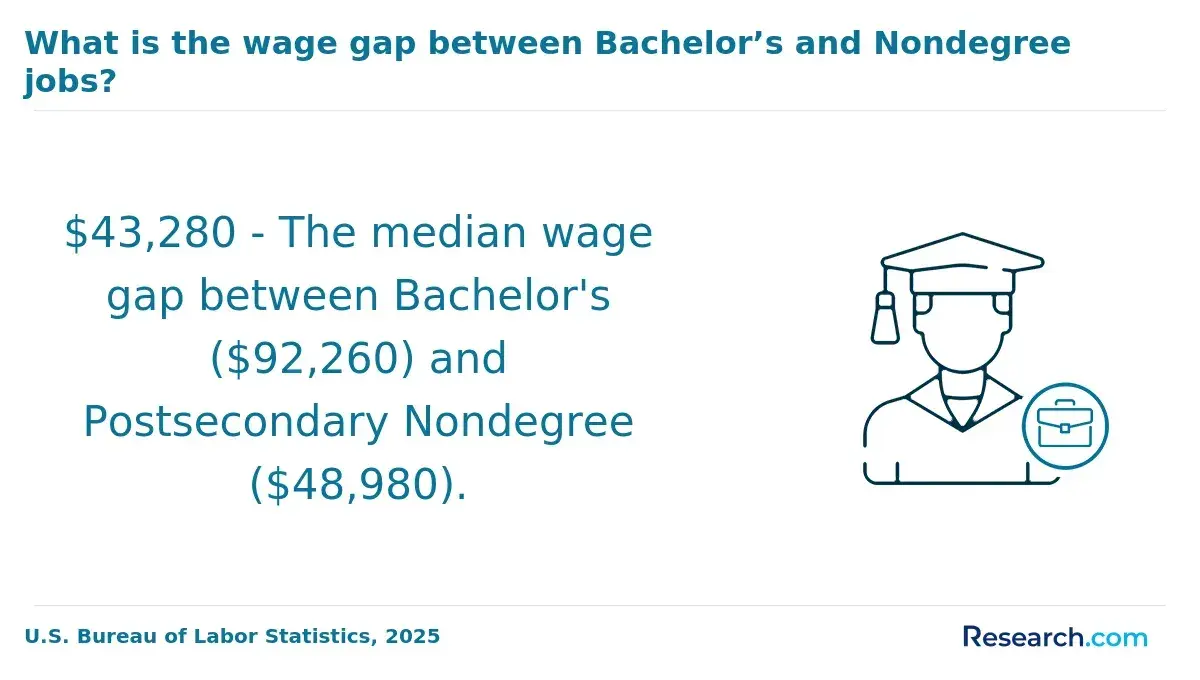
Taxation coursework can improve salary potential by giving graduates specialized skills that employers need for compliance, planning, audit support, and advisory work. Salary outcomes still depend on location, degree level, experience, employer type, credentials, and job responsibilities. The U.S. Bureau of Labor Statistics reported that tax examiners earned a median annual salary around $55,000 in 2022, while experienced professionals in advanced positions often make over $90,000.
Coursework can affect earning potential in several ways:
- Development of in-demand skills: Courses in tax compliance, auditing, research, and planning prepare students for roles in accounting, finance, corporate tax, and government settings.
- Advanced and specialized study: Classes in areas such as international tax law or trust taxation can help students qualify for more specialized roles, which may offer stronger compensation depending on the employer and market.
- Applied experience: Practicums, internships, and capstones give students examples of real work they can discuss in interviews. Employers often value candidates who can demonstrate practical problem-solving, not just classroom knowledge.
- Leadership and management preparation: Team projects and advanced coursework can build communication and project management skills that support movement into supervisory or advisory positions.
- Certification preparation: Many taxation programs help students build knowledge relevant to credentials such as the CPA or EA exams. Professional credentials can improve job mobility, salary potential, and long-term career stability.
Students should be careful not to assume that a taxation degree alone guarantees a specific salary. The best results usually come from combining rigorous coursework with relevant experience, strong research skills, software proficiency, and, when appropriate, professional certification.
What Graduates Say About Their Taxation Degree Coursework
- Walker: "Reflecting on my taxation degree, the affordability of the program was impressive given the depth of knowledge I gained. Taking the coursework online was convenient but also required a lot of self-discipline, which taught me valuable time management skills. Professionally, the degree opened doors to advanced roles in tax advisory, and I continue to draw on the lessons learned regularly."
- Brittany: "The cost of the taxation coursework was reasonable, especially considering the quality of education provided on-campus. I appreciated the traditional classroom environment where I could engage directly with both peers and instructors. This experience solidified my foundation in tax law and greatly enhanced my credentials for a career in corporate finance."
- Miles: "Enrolling in the taxation degree program was a game-changer for me. While the coursework cost was a bit higher than I initially expected, the comprehensive curriculum and access to expert professors made every dollar worth it. Completing my classes online allowed me the flexibility to work and study simultaneously, which propelled my career forward remarkably in tax consulting."
Other Things You Should Know About Taxation Degrees
Prerequisites for enrolling in a 2027 taxation degree program often include coursework in accounting or economics, and sometimes a bachelor's degree in a related field. Some programs may also require relevant work experience or completion of specific certification exams.
A 2027 taxation degree program covers advanced topics including international taxation, corporate tax planning, and estate tax planning. Students also delve into tax research methods and contemporary issues in tax policy, preparing them for complex financial environments.
A 2027 taxation degree program typically includes courses like Federal Taxation, State and Local Taxation, Tax Research and Writing, and International Taxation, providing students with a comprehensive understanding of tax systems.
References
- Taxation LL.M. https://curriculum.law.georgetown.edu/llm/llm-llm-programs/llm-taxation/
- What are the benefits of a career in taxation? https://taxfaculty.ac.za/news/read/what-are-the-benefits-of-a-career-in-taxation
- Getting a Master's in Taxation: Everything You Need to Know https://www.westerncpe.com/blog-post/getting-a-masters-in-taxation-everything-you-need-to-know/
- Taxation Master's Degree Online - Penn State World Campus https://www.worldcampus.psu.edu/degrees-and-certificates/penn-state-online-taxation-masters-degree
- Online vs On-Campus BBA in Taxation – Which Is Better for You? https://inspiria.edu.in/online-vs-offline-campus-bba-in-taxation/
- UK Taxation Courses | GoStudyIn https://gostudyin.com/study-in-uk/popular-courses/accounting-and-finance/taxation/
- Is an Online BBA in Taxation Better Than On-Campus in 2025? https://ubmcollege.ac.in/blogs/online-vs-on-campus-bba-taxation-2025/
- Why You Should Study Tax Law Courses: Best Course Details and Career Benefits in 2025 https://careermantraacademy.com/tax-law-courses/
- Careers in Tax | Chartered Institute of Taxation https://www.tax.org.uk/careers-in-tax


