
2027 Return on Investment (ROI) of a TESOL & Multilingual Learners Degree Program

Co-Founder and Chief Data Scientist
Many educators face uncertainty about the financial benefits of pursuing a TESOL & multilingual learners degree amid rising tuition and career competition. With over 150,000 English language learners (ELL) students entering U.S. schools annually, demand for qualified teachers is growing steadily. However, salaries for TESOL-certified teachers average 8% less than those of general education teachers, raising concerns about return on investment.
This article examines the career opportunities, salary trends, and long-term benefits associated with TESOL & multilingual learners' degrees. It provides a clear analysis to help prospective students make informed decisions about advancing their education and careers.
Key Things to Know About TESOL & Multilingual Learners Degree ROI
- Graduates typically see a 15% higher earning potential compared to general education degrees, supported by increasing global demand for multilingual educators.
- The degree offers diverse career advancement options in schools, corporations, and NGOs, enhancing job stability through transferable language and teaching skills.
- Long-term salary growth is driven by ongoing professional development and specialized certifications within the multilingual learner sector, often exceeding standard education wage increases.
How Is ROI Calculated for a TESOL & Multilingual Learners Degree Program?
Return on investment (ROI) in higher education measures the financial benefits a student gains relative to the costs and time committed to earning a degree. For a tesol & multilingual learners degree, calculating ROI allows prospective students to compare the program's value against tuition expenses and study duration, helping them make informed decisions.
Several key factors are used to evaluate ROI for this type of degree program:
- Tuition and fees: This covers all direct expenses including tuition, registration, textbooks, and materials. Accurately capturing these costs establishes the baseline investment required.
- Opportunity cost: Time spent studying often means lost income or career advancement opportunities. This cost varies depending on whether a student studies full-time or part-time.
- Time to completion: Program length impacts both total costs and how soon graduates can increase their earnings. Shorter programs typically reduce missed earnings and speed up ROI.
- Post-graduation salary outcomes: Comparing wages before and after finishing the degree helps estimate financial gains. Entry into higher-paying roles often starts immediately after graduation.
- Career advancement potential: Beyond initial pay raises, this factor evaluates long-term earning growth and job stability enabled by credentials earned.
For those also considering other routes, exploring online MBA programs can provide additional perspectives on educational investments. This is a useful part of a broader TESOL & multilingual learners degree ROI analysis when weighing career and educational outcomes.
How Much Does a TESOL & Multilingual Learners Degree Program Cost?
Total expenses play a critical role in assessing the return on investment for a TESOL & multilingual learners degree, especially as graduate tuition rates have climbed above $20,000 annually at many public universities. Accurately gauging these costs beyond tuition ensures a realistic picture of the financial commitment involved.
Several key factors influence the overall expense and ROI of such programs:
- Tuition and fees: Often the most significant cost, these vary widely depending on whether the program is offered by a public or private institution and the specific curriculum requirements.
- Books and materials: Though generally less costly than tuition, required textbooks and specialized language learning tools can add up each semester.
- Living and relocation: Expenses for housing, daily life, and transportation differ greatly based on the program's location and whether students must move to attend.
- Opportunity cost: Full-time study may result in temporary loss of income, which is an important consideration for those juggling work and education.
- Hidden costs: Additional fees such as for applications, technology upgrades, and certification exams related to language teaching often go unnoticed but impact total spending.
I spoke with a graduate of a TESOL & multilingual learners program who described managing unexpected financial hurdles while juggling coursework and part-time work. "I hadn't anticipated how much time was spent on assignments outside the classroom," he said, "which meant cutting back hours at my job and stretching every dollar for materials and commuting." His experience underlines that understanding both visible and less obvious expenses is vital to making an informed decision about the program.
What Financial Aid Is Available for TESOL & Multilingual Learners Degree Programs?
Financial aid can significantly reduce initial expenses for students pursuing a tesol & multilingual learners degree, enhancing the long-term return on investment by minimizing the need for extensive personal funding or loans. Data shows that about 85% of graduate students use some form of financial aid to help offset escalating education costs and better handle debt.
Common financial aid choices for these programs include:
- Scholarships: Awarded based on merit or financial need, scholarships cut down tuition fees without requiring repayment, which directly improves ROI by lowering debt burden.
- Grants: Typically need-based and sourced from federal or state agencies, grants reduce the overall expense of attendance without adding to student loans.
- Fellowships: Often connected to research or teaching, fellowships offer stipends or tuition coverage, reducing costs while providing valuable professional experience.
- Employer Tuition Assistance: Some companies reimburse education expenses partially or fully, making it more affordable to earn the degree and enhancing ROI by linking learning to career advancement.
- Federal Loans: While increasing debt, federal loans usually come with favorable interest rates and flexible repayment options, enabling students to responsibly finance their education's long-term benefits.
How Long Does It Take to Complete a TESOL & Multilingual Learners Degree?
The length of time needed to finish a TESOL & multilingual learners degree directly influences its return on investment through factors like opportunity cost, earlier earning potential, and overall education expenses. Graduating sooner not only reduces the period without a full income but also cuts down on tuition and other related costs.
Several key elements affect how long it takes to complete this degree, impacting financial outcomes. Consider these factors:
- Enrollment status: Choosing full-time enrollment usually means finishing within one to two years, allowing quicker entry into the workforce and faster salary growth. Part-time students may take longer but maintain income through ongoing employment.
- Program format: Online and accelerated courses often provide flexible schedules and faster completion options, reducing indirect expenses such as commuting and lost work hours.
- Transfer credits: Applying previous academic work or certifications can lower the number of required credits, significantly shortening time to degree completion and improving overall ROI.
- Practical requirements: Internships or thesis projects may extend study duration but often enhance skills, employability, and salary prospects in the long term.
- Scheduling flexibility: Evening, weekend, or self-paced formats accommodate working professionals, enabling income continuation though potentially lengthening finish times.
When I spoke with a TESOL & multilingual learners degree graduate about her experience, she emphasized how managing her workload alongside family and a part-time job shaped her timeline. "Balancing assignments with my job and childcare meant spacing out courses over three years instead of finishing faster," she shared. This extended timeline was challenging at times, but it also allowed her to apply what she learned directly to her classroom work.
"It wasn't a sprint," she reflected, "but taking the time to absorb and practice really boosted my confidence and employability." Her journey illustrates that while duration varies, aligning program pacing with personal circumstances can provide meaningful benefits beyond just a quick completion.
Is ROI Higher for Online or On-Campus TESOL & Multilingual Learners Programs?
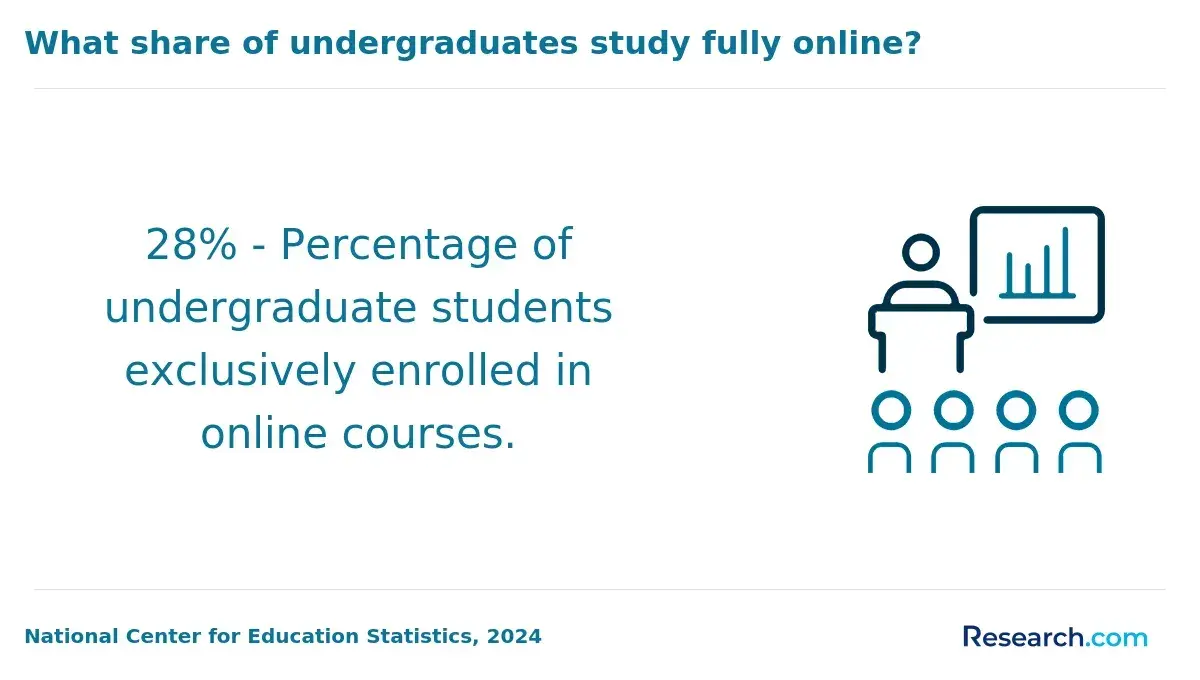
The return on investment for online versus on-campus TESOL & multilingual learners degree programs varies significantly due to differences in cost, flexibility, and career outcomes. Online enrollment in higher education has increased by over 20% in the last decade, illustrating a growing shift toward remote learning options that can impact overall ROI. For prospective students assessing TESOL degree ROI comparison by learning format, these factors play a crucial role.
Key distinctions between online and on-campus options include:
- Tuition and fees: Online programs usually have lower tuition and fees, reducing upfront expenses. This cost advantage can make online study more financially accessible, especially for working adults.
- Opportunity cost: Online formats offer greater flexibility, enabling students to maintain full-time employment while studying. This flexibility lowers opportunity costs compared to on-campus programs that often require physical presence and stricter schedules.
- Networking and career services: On-campus programs typically provide stronger opportunities for face-to-face networking with peers and faculty. They also give more direct access to career services, which may improve job placement outcomes.
- Employer perception: Some employers may view on-campus degrees as more reputable due to traditional formats, potentially influencing hiring and advancement prospects.
- Long-term earning potential: Given the above factors, graduates of on-campus tesol & multilingual learners programs may experience higher long-term salary growth, though this varies by individual circumstances.
Students interested in accelerated options may also consider programs like an accelerated psychology bachelors degree online, which highlight how online education can be tailored for efficient completion without sacrificing quality.
What Is the Average Salary After Earning a TESOL & Multilingual Learners Degree?
Post-graduation salary is a key factor in assessing the return on investment of a TESOL & multilingual learners degree, as higher earnings help offset tuition and the time spent completing the program. On average, graduates in the United States earn between $40,000 and $65,000 annually, with entry-level roles typically near the lower end and experienced professionals reaching the higher range.
Several factors influence these salary outcomes and therefore impact the ROI. Consider these key elements:
- Industry: Salaries tend to be higher in higher education institutions, specialized language schools, or corporate training environments compared to public K-12 schools, affecting overall financial returns.
- Geographic location: Urban centers and regions with higher living costs generally offer better pay, which can improve ROI for tesol and multilingual learners salary outcomes in those areas.
- Prior experience: Individuals with extensive teaching experience or additional certifications often earn more, increasing the economic benefits of the degree.
- Specialization: Expertise in areas such as curriculum design or assessment for multilingual learners commands premium salaries that enhance ROI.
- Career level: Advancement to administrative or leadership positions typically raises earning potential, positively influencing the degree's financial value.
For those exploring educational opportunities, comparing costs and returns with programs like the cheapest online psychology degree can offer additional perspective on investment decisions in education careers.
Does a TESOL & Multilingual Learners Degree Lead to Promotions?
Promotions contribute significantly to the ROI of earning a TESOL & multilingual learners degree by enabling salary increases, expanded job responsibilities, and greater career mobility. A rising workforce trend shows professionals with specialized multilingual education credentials are increasingly sought after in educational leadership roles. This growing demand enhances the financial and professional benefits tied to career advancement in this field.
Several factors illustrate how this degree can influence promotion opportunities and improve ROI. Consider the following:
- Credential requirements: Many leadership positions in academia and educational administration require advanced degrees. Holding a tesol & multilingual learners degree meets these essential credential criteria, making candidates eligible for roles such as curriculum coordinators or program directors.
- Leadership preparation: The degree equips graduates with knowledge and skills necessary for expanded responsibilities beyond classroom teaching, positioning them to take on supervisory and program management tasks that often come with promotions.
- Employer tuition support: Some institutions offer tuition reimbursement or financial aid for employees pursuing advanced degrees, reducing overall educational costs and enhancing ROI for those investing in a tesol & multilingual learners credential.
- Internal promotion policies: Promotion systems often prioritize a combination of hands-on teaching experience and formal education. Earning this degree complements practical experience, making candidates more competitive when advancement opportunities arise.
- Career mobility: In a growing market focused on multilingual learner populations, professionals with specialized credentials have increased options to advance within their current organizations or transition to new roles with higher responsibilities and pay.
Prospective students and working professionals interested in accelerating their academic qualifications might explore accelerated online bachelor degree programs to build a strong foundation for advanced degrees like tesol & multilingual learners. This pathway can enhance promotion opportunities and strengthen career outcomes for those targeting leadership and specialized teaching roles.
Which Industries Offer the Best ROI for TESOL & Multilingual Learners Graduates?
Return on investment (ROI) for graduates with a TESOL & multilingual learners degree varies significantly by industry due to differences in salary levels, career advancement opportunities, and the demand for specialized language and cultural skills. Industries that highly value these competencies typically deliver better financial rewards and career growth.
Below are some of the highest paying industries for TESOL graduates that often provide strong ROI:
- Education (K-12 and higher education): This sector offers stable employment and clear promotion paths, especially as schools adapt to growing multilingual populations. While starting salaries may be moderate, long-term career growth and job security are notable advantages.
- Corporate training and human resources: These industries utilize TESOL skills to design programs for diverse, global workforces. They often provide higher compensation compared to education and faster career progression through roles that emphasize multicultural communication expertise.
- International business: Multinational firms rely on TESOL professionals to facilitate cross-cultural communication, creating competitive pay and global career options. This sector rewards specialized skills, leading to enhanced earnings and advancement possibilities.
- Nonprofit organizations: Focused on immigrant and refugee support, nonprofits offer meaningful and stable roles for TESOL graduates. Though sometimes less lucrative, these positions provide strong long-term career satisfaction and job steadiness.
For those exploring further education options, considering online colleges that accept FAFSA can be a practical step in managing costs while enhancing credentials. Overall, prospective candidates should evaluate the best career fields for multilingual learners degree holders to align their goals with industries offering the highest ROI.
Does Accreditation Affect ROI for a TESOL & Multilingual Learners Degree?
Accreditation in TESOL & multilingual learners degree programs indicates that a program aligns with rigorous quality standards established by recognized educational authorities. This endorsement assures employers and licensing bodies that graduates have met credible, industry-relevant criteria, which enhances their marketability.
A key workforce trend is the increasing preference of schools and districts for candidates holding degrees from accredited programs, which often leads to improved hiring opportunities and better salary potential. Such recognition directly impacts the return on investment by making graduates more competitive in the job market and eligible for professional licensure.
Over time, accreditation contributes to stronger financial and career outcomes by fostering greater employer confidence and trust in graduates' qualifications. Accredited programs typically enable students to access federal financial aid, reducing the upfront cost of education.
Additionally, credits earned from these programs tend to transfer more easily when pursuing advanced degrees, offering flexibility for career advancement. Accreditation also ensures eligibility for state licensure and broadens career mobility within education and related fields, all of which enhance the long-term ROI of the degree.
Is a TESOL & Multilingual Learners Degree Worth It?
The return on investment for a TESOL & multilingual learners degree is influenced by multiple financial and career factors. Tuition and fees can represent a significant upfront expense, and most programs require one to two years to complete, often alongside existing work commitments.
Post-graduation salaries typically range between $40,000 and $60,000 annually, depending on location and experience. Employment in ESL teaching roles is expected to grow by approximately 6% over the next decade, indicating ongoing demand for qualified educators and potential for career advancement.
The degree's value depends largely on aligning with market demand and personal career objectives. Programs offered online may provide greater flexibility and potentially lower costs compared to on-campus options, while financial aid or employer tuition reimbursement can ease financial burdens.
For those aiming to progress into administrative or curriculum design positions, the degree may enhance earning potential. However, if salary gains remain marginal or program costs are high without support, the overall return may be less advantageous.
What Graduates Say About The ROI of Their TESOL & Multilingual Learners Degree
- Gracie: "Deciding to pursue a TESOL & multilingual learners degree was driven by my desire for a solid long-term career foundation. Although the average cost of attendance was substantial, around $30,000, the investment has proven worthwhile given the steady growth in demand for ESL professionals. This degree has significantly advanced my career opportunities, allowing me to work internationally and expand my professional network. "
- Kayla: "As someone balancing work and study, the online TESOL & multilingual learners program was ideal despite concerns about the cost, which typically ranges in the mid-$20,000s. Reflecting on the decision now, the ROI is clear: flexibility plus solid career advancement equals real value. Completing the degree has opened doors to leadership roles in educational programs that I would not have accessed otherwise. "
- Olivia: "After weighing the total expenses of approximately $25,000, I chose the part-time TESOL & multilingual learners path because of its affordability and manageable pace. The degree's impact on my career is undeniable; it has enriched my teaching methods and increased my salary potential. I genuinely believe the financial and time commitment has paid off in both professional growth and personal satisfaction. "
Other Things You Should Know About TESOL & Multilingual Learners Degrees
In 2027, experience significantly enhances the ROI for TESOL & multilingual learners graduates. Experienced professionals often command higher salaries and have more job opportunities globally, thereby improving their return on investment through increased earnings and career advancement prospects.
Experience significantly impacts the ROI for TESOL & multilingual learners graduates. Entry-level salaries are typically modest, but as professionals gain teaching experience, especially in diverse or high-demand contexts, they can command higher wages and leadership positions. This progression helps increase the financial benefits relative to the initial educational investment.
Additional certifications like DELTA or specialized endorsements in bilingual education can enhance a graduate's credentials and marketability. These certifications often lead to better-paying job opportunities and increased chances for advancement, which can improve the overall ROI of the initial TESOL & multilingual learners degree.
References
- The ROI of Learning a Second Language for Career Advancement https://www.europeanbusinessreview.com/the-roi-of-learning-a-second-language-for-career-advancement/
- Accreditation vs. Non-Accredited TESOL Programs | ITTT https://www.teflonline.net/pillars/tesol-accreditation/impact-of-accreditation-on-tesol-job-prospects/accreditation-vs-non-accredited-tesol-programs/
- TESOL/EL | Huntington University https://www.huntington.edu/graduate/education/programs/tesol
- How Much Can I Earn Teaching English Online in 2025? | The TEFL Org https://www.tefl.org/teach-english-online/salary/
- Student Loans for TESOL Education | ITTT https://www.tesolcourse.com/pillars/tesol-master-s-degree-guide/funding-options-for-tesol-masters-education/student-loans-for-tesol-education/
- Beginning Your Career | TESOL | International Association https://www.tesol.org/careers/career-tools/beginning-your-career/
- ROI of language training: multilingualism creates 10-20% of turnover https://blcc.be/en/blog/roi-of-language-training
- Is a Master’s in TESOL worth it? – Bridge https://bridge.edu/tefl/blog/masters-tesol-worth-it/
- What 9 Educators Say About Earning a Master’s Degree - Moreland University https://moreland.edu/resources/blog-insights/what-9-educators-say-about-earning-a-masters-degree
- Scholarships and Financial Aid for TESOL Programs | ITTT https://www.teflcourse.net/pillars/tesol-certification-guide/tesol-certification-costs/scholarships-and-financial-aid-for-tesol-programs/


