
2027 Does a TESOL & Multilingual Learners Degree Require Internships or Clinical Hours?

Co-Founder and Chief Data Scientist
Many prospective students in TESOL & multilingual learners programs worry about the added time and commitment that internships or clinical hours may demand. This concern impacts decisions about enrollment and career planning. According to recent data, nearly 65% of TESOL program graduates secure employment faster when their studies include practical teaching experience, highlighting the value of hands-on training. However, requirements vary widely across programs, affecting program length and workload.
This article, prepared by career planning experts, will clarify whether internships or clinical hours are mandatory in TESOL & multilingual learners degrees and explain how these requirements influence educational outcomes and job readiness.
Key Things to Know About TESOL & Multilingual Learners Degree Internships or Clinical Hours
- Internships or clinical teaching hours are commonly required for TESOL and multilingual learners degrees to develop practical language instruction and cultural competency skills.
- Campus-based programs offer structured, supervised teaching placements, while online programs arrange local or virtual practicum experiences for added flexibility.
- Clinical requirements may slightly extend program duration but improve career readiness, with 71% of graduates reporting practicum experience significantly enhanced employment opportunities in language education roles.
Does a TESOL & Multilingual Learners Degree Require Internships or Clinical Hours?
TESOL & multilingual learners degree programs commonly require internships or clinical hours, though the specifics vary by institution and certification level. Many U.S. programs mandate student teaching, supervised practicum, or internship hours as part of their curriculum, especially for those seeking teacher certification.
These practical experiences serve to apply theoretical knowledge in real classroom settings, helping students develop essential teaching skills and gain mentorship from experienced educators. For many programs, practical components like these internships or clinical hours are integral to preparing graduates for the workforce, with documented field experience often required for TESOL-related teaching licenses.
Internships or clinical hours typically occur near the end of the degree after foundational coursework in language acquisition, pedagogy, and linguistics. These experiences usually range between 100 and 300 hours and can include observation, direct instruction, and lesson planning. Such requirements are crucial for skill development and career readiness, influencing scheduling and time commitment for students.
Prospective students should weigh these factors carefully when researching programs, especially since some may offer optional internships for further career enhancement. Those interested in broader social work fields may also consider related offerings such as masters in social work online. Understanding tesol degree internship requirements and the role of clinical hours in multilingual learners programs is essential for informed program selection.
Are Internships Paid or Unpaid in TESOL & Multilingual Learners Programs?
Internships in TESOL & multilingual learners programs are most often unpaid, though compensation can vary by placement. This distinction matters for students planning finances and managing time during their education and professional development. About 65% of internships in this field do not offer payment, emphasizing hands-on teaching skills over financial reward.
Key points to consider regarding paid internships in TESOL programs include:
- Common unpaid format: Many internships focus on educational value rather than monetary compensation, partnering with schools or community organizations. This arrangement allows students to gain practical experience essential for career readiness.
- Influencing factors: Whether an internship is paid depends on the host organization type, location, and funding. Public schools and nonprofit organizations typically offer unpaid clinical hours for multilingual learners degrees, whereas some private language schools may provide stipends or hourly wages.
- Academic credit and portfolio building: Unpaid internships often come with academic credit, helping students meet degree requirements while building a teaching portfolio and increasing employability.
- Career value despite no pay: Although paid internships are less common, the experiential learning gained during these unpaid clinical hours substantially enhances job prospects in the competitive TESOL field.
- Financial planning approach: Students should weigh these factors carefully and consider broader educational costs, possibly exploring related programs such as online business colleges for supplemental skills or funding options.
What Is the Difference Between Internships or Clinical Hours in TESOL & Multilingual Learners Degree Levels?
Students planning their academic and career pathways in tesol & multilingual learners programs must recognize how internship requirements vary by degree level. These differences affect time investment, hands-on experience, and readiness for professional roles.
Below is an overview of typical expectations across degree levels.
- Undergraduate and certificate: These programs usually require shorter internships, ranging from 40 to 100 hours, focused on observation and assisting certified teachers. Students gain foundational classroom exposure under close supervision without full teaching responsibilities, emphasizing basic skills development.
- Graduate (master's): Clinical hours in these programs often exceed 100 hours and involve direct teaching assignments. Students plan lessons, manage classrooms, and engage multilingual learners with mentoring that promotes professional growth. These clinical hours are more complex and prepare students for state certification and licensure.
- Doctoral and professional: At this advanced level, clinical experiences become more intensive and self-directed, emphasizing research-based teaching methods and leadership in multilingual education. Supervision shifts to peer collaboration and expertise demonstration, enhancing competencies beyond initial certification.
Familiarity with TEFL internship requirements by degree level helps students choose programs aligned with their career goals. For those balancing work and study, exploring options like an executive online MBA could offer additional pathways to advance skills efficiently.
How Do Accelerated TESOL & Multilingual Learners Programs Handle Internships or Clinical Hours?
Accelerated TESOL & multilingual learners programs condense required internships or clinical hours into tight schedules, often lasting 12 to 18 months. These programs carefully coordinate practicum placements so students complete essential supervised teaching experiences without extending their study time.
Academic mandates typically require between 100 and 200 clinical hours, making it necessary for programs to partner closely with schools or community organizations to ensure students gain meaningful exposure amid rigorous coursework.
To help students balance real-world practice with accelerated study demands, many programs adopt flexible scheduling such as evening or weekend internships and offer virtual or hybrid observation options. Integrating internship hours alongside classes encourages immediate application of theory, while dedicated supervisors keep student progress on track. Approximately 30% of U.S. tesol & multilingual learners programs have embraced these accelerated formats, meeting career readiness standards through carefully structured, intensive field experiences.
Are Internship Requirements the Same for Online and On-Campus TESOL & Multilingual Learners Degrees?
Internship and clinical hour requirements for TESOL & multilingual learners programs generally remain consistent across online and on-campus formats. Both delivery methods maintain comparable professional standards to ensure students acquire practical experience in authentic teaching settings.
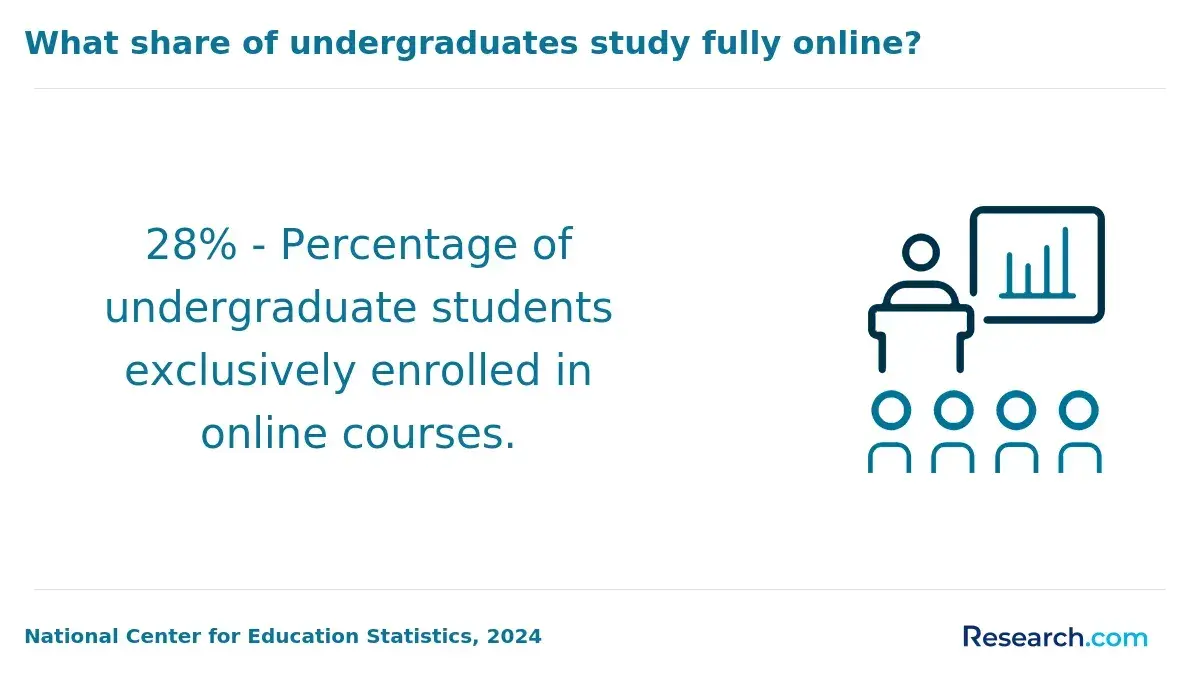
These requirements typically involve a set number of supervised teaching hours focused on skill development like lesson planning and classroom management. A 2023 report from the Online Learning Consortium highlighted a 15% annual increase in online enrollments, indicating rising acceptance of remote experiential learning within TESOL training.
The main practical differences lie in how internships are arranged and supervised. Online students usually benefit from greater flexibility in placements and scheduling, accommodating geographic limitations and personal commitments.
Supervision may occur through virtual meetings with mentors or coordinators, while on-campus students often have more direct, in-person observation opportunities. Despite variations in logistics, both formats prioritize meaningful mentorship and reflective practice to prepare candidates effectively for diverse multilingual classroom environments.
How Do TESOL & Multilingual Learners Degree Specialization Choices Affect Internship Requirements?
Specialization choices within TESOL & multilingual learners degree programs significantly influence internship or clinical hour requirements because each specialization aligns with different educational contexts and learner needs. Approximately 65% of graduates in these fields complete internships that differ widely in length and setting based on their chosen focus.
A specialization in adult education may involve internships at community colleges or workforce development centers, emphasizing engagement with adult learners. Conversely, those pursuing K-12 education specializations often undertake clinical hours in elementary or secondary schools, applying teaching strategies suited to children and adolescents. These variations reflect the diverse demands across educational environments and highlight how multilingual learners degree internship variations respond to workforce needs.
These internship differences also impact students' scheduling, workload, and career readiness. Intensive clinical hours in school settings can require full-day commitments during academic terms, challenging students to balance their coursework and work responsibilities. In contrast, internships related to adult education or online teaching might offer more flexible hours but expect proficiency with technology and independent project management.
Such specialization-driven distinctions provide targeted practical experience that equips graduates for specific career paths, enhancing how well-prepared they are for their future roles. Prospective students interested in pursuing these degrees should consider how these factors align with their personal and professional goals, especially when exploring degrees that make the most money.
Can Work Experience Replace Internship Requirements in a TESOL & Multilingual Learners Degree?
Work experience can sometimes substitute for internship requirements in TESOL & multilingual learners degree programs, which is an important consideration for many working students balancing education and professional commitments. Acceptance of prior experience usually hinges on the relevance to teaching English learners, the duration of that experience, and whether it can be verified by a current or former employer.
Programs geared toward mid-career professionals or featuring applied specializations are more likely to recognize work experience in place of formal clinical hours. In contrast, programs with strict accreditation demands typically require traditional internships to ensure comprehensive practical training.
Decisions about substituting internships with work experience vary significantly across institutions and degree levels, so students need to consult with academic advisors early in their studies. Providing detailed job descriptions and official documentation enhances the chances of approval. For example, a teacher with several years handling multilingual classrooms may have their internship waived, while others might still need to complete practicum hours to meet credentialing criteria.
How Long Do Internships or Clinical Rotations Last in a TESOL & Multilingual Learners Degree?
Knowing the duration of internships or clinical rotations is key for managing academic and personal commitments within a TESOL & multilingual learners degree. Approximately 75% of these programs mandate at least 100 hours of supervised teaching to prepare candidates for diverse classrooms.
The following outlines typical timelines for these practical experiences.
- Short-term rotations: These last around 4 to 6 weeks and focus on intensive, hands-on classroom exposure. Often used in programs with a condensed format, short-term rotations emphasize rapid skill acquisition in real teaching environments.
- Semester-long internships: Spanning roughly 12 to 16 weeks, these internships align with academic semesters and allow gradual development of teaching abilities. Many in-person and hybrid programs use this model to balance practical learning with ongoing coursework.
- Extended clinical hours: Some degree tracks require 150 or more hours distributed over multiple terms or integrated within a capstone practicum. These extended formats are common in programs emphasizing specialization areas like K-12 or adult education and often meet stricter accreditation or certification standards.
The length and structure of these practical requirements can also depend on whether the program is delivered online or in person, as well as the particular accreditation criteria the institution follows. Prospective students should consider these factors, as they affect how clinical hours fit into overall program scheduling and career preparation.
Does Completing Internships Improve Job Placement After a TESOL & Multilingual Learners Degree?
Job placement outcomes are a primary concern for prospective students pursuing a tesol & multilingual learners degree, as these results directly reflect the program's value and return on investment. A 2022 survey by the National Association of Colleges and Employers found that 65% of employers prefer candidates with relevant internship experience, highlighting the importance of hands-on training.
The following points explain how internships shape career prospects:
- Skill development: Internships provide practical experience in language instruction, classroom management, and cultural competence, essential areas for those in tesol roles. This hands-on learning enhances teaching effectiveness and confidence upon graduation.
- Professional networking: Completing an internship expands connections with educators, administrators, and potential employers, which can lead to valuable job leads and mentorship opportunities.
- Employer preferences: Schools and organizations often prioritize candidates who have demonstrated real-world teaching ability through internships, making these experiences a significant advantage during hiring.
- Pathway to full-time roles: Many internships serve as a stepping stone to permanent positions, allowing candidates to transition smoothly into the workforce after graduation.
Because of these benefits, programs that include clinical hours or internships typically demonstrate improved career outcomes for graduates of TESOL & multilingual learners degree programs. However, not all programs require such practical experiences, so prospective students should consider how these options impact time commitment and job readiness when comparing degrees.
Incorporating internships or clinical hours bridges academic knowledge and teaching practice, which is critical for enhancing employability and meeting the expectations within the field of TESOL & multilingual learners degree career outcomes. For students interested in expanding their qualifications beyond a degree, exploring accredited online certificate programs can further enhance job prospects.
Do Employers Pay More for TESOL & Multilingual Learners Graduates With Hands-On Experience?
Practical experience often leads to higher starting salaries for graduates with a TEFL & multilingual learners degree. Studies show that candidates who complete internships or clinical hours can earn between 5% and 10% more in entry-level roles.
Several key reasons explain why hands-on experience matters in compensation discussions.
- Employer Preference for Experience: Hiring managers prioritize graduates with real classroom exposure because it signals immediate readiness to teach, reducing training time and costs. This practical background makes candidates more attractive and often translates to better pay.
- Stronger Negotiation Position: Demonstrable skills gained through internships or clinical practice strengthen a graduate's ability to negotiate salary. Candidates can highlight their applied competencies, increasing leverage in compensation talks.
- Industry and Specialization Variability: Compensation impacts differ depending on the sector. For example, private language schools may offer less salary variation based on experience, while public school districts or specialized programs that require clinical practice often reward hands-on training more significantly.
- Program Structure Influences: Graduates from tesol & multilingual learners programs with embedded practicum requirements generally develop a more robust skill set. Such programs tend to better prepare students for competitive salaries compared to those without practical components.
Overall, while not universally mandatory, completing internships or clinical hours enhances job readiness and can lead to measurable financial benefits. This advantage is especially pronounced in sectors where practical teaching experience is an established standard.
What Graduates Say About Their TESOL & Multilingual Learners Degree Internships or Clinical Hours
- Allen: "The internship for my online TESOL & multilingual learners degree was surprisingly affordable, costing less than I expected compared to on-campus options. It gave me hands-on experience with real students while balancing my full-time job, which made the program feel very practical. This internship truly boosted my confidence and opened doors to teaching positions abroad."
- Sophia: "Reflecting on my internship experience, I appreciated the cost-effectiveness-the fees were reasonable given the level of mentorship provided. The online format allowed me to interact with diverse learners, enriching my understanding far beyond textbooks. This opportunity was pivotal in shaping my pedagogical approach and advancing my career in international education. "
- Erman: "As a working professional, fulfilling the internship requirement in my TESOL & multilingual learners program online was a strategic and cost-efficient choice, averaging well below industry norms for practicum experiences. The experience directly translated into a promotion, as I could immediately apply practical skills in multilingual classroom settings. I value this program's internship as a crucial investment in my vocational growth. "
Other Things You Should Know About TESOL & Multilingual Learners Degrees
In 2027, the requirement for internships or clinical hours in a TESOL & Multilingual Learners degree can vary by institution. However, many programs include practical experiences to enhance teaching skills and provide hands-on learning opportunities in real classroom settings, crucial for preparing aspiring educators.
Yes, most states or school districts require TESOL certification or licensure to teach English language learners in public schools. These certifications often include completing an approved TESOL program and passing standardized assessments. Certifications can vary depending on the teaching setting, such as K-12 or adult education.
By 2026, TESOL & multilingual learners degree programs will increasingly emphasize both theoretical and practical components, including internships or clinical hours. These experiences are designed to ensure career readiness by providing students with hands-on teaching practice and exposure to diverse classroom settings.
TESOL & multilingual learners programs train graduates to understand linguistic diversity and cultural differences in the classroom. They focus on strategies for differentiated instruction and assessment tailored to varied language proficiency levels. Graduates learn to create inclusive environments that support learners from multiple linguistic backgrounds.
References
- Beginning Your Career | TESOL | International Association https://www.tesol.org/careers/career-tools/beginning-your-career/
- What Is a TESOL Certification? https://www.alliant.edu/blog/what-tesol-certification
- Practical Experience and Internships in TESOL Courses | ITTT https://www.teflonline.net/pillars/tesol-master-s-degree-guide/career-development-with-a-tesol-master-s-degree/practical-experience-and-internships-in-tesol-courses/
- Everything You Need to Know About TESOL Programs https://gsep.pepperdine.edu/blog/posts/everything-you-need-to-know-about-tesol-programs.htm
- TEFL & ESL jobs to teach English online https://tefl-tesol-certification.com/blog/tefl-esl-jobs-where-you-can-teach-english-online
- What are the job prospects like for TESOL graduates? | ITTT TESOL & TESOL https://www.tesolcourse.com/ai/what-are-the-job-prospects-like-for-tesol-graduates/
- Teach English Overseas, TEFL Certification, and Paid Teach Abroad Programs https://www.volunteerforever.com/article_post/teach-english-overseas-tefl-certification-and-paid-teach-abroad-programs/
- Teaching English as a Second Language (TESOL) https://www.kean.edu/academics/programs/teaching-english-second-language-tesol
- Kickstart Your TESOL Career | Language Magazine https://languagemagazine.com/2011/10/06/kickstart-your-tesol-career/
- Internship Requirement Checklist https://www.usfca.edu/education/programs/masters/tesol-credential/internships/internship-checklist


