
2027 How to Compare TESOL & Multilingual Learners Degree Programs Effectively

Co-Founder and Chief Data Scientist
Choosing the right TESOL & multilingual learners degree program can be overwhelming for prospective students who must balance career goals, costs, and flexible scheduling. Many programs offer similar titles but differ vastly in curriculum focus and credential recognition.
Recent data shows that employment for TESOL professionals is projected to grow by 11% through 2031, highlighting the increasing demand for qualified educators. However, not all programs equally prepare students for diverse multilingual classrooms or certification requirements. This article will guide readers through key factors for comparing programs effectively to select the best fit for their professional and personal needs.
Key Benefits of Comparing TESOL & Multilingual Learners Degree Programs Effectively
- Verify program accreditation to ensure credibility and eligibility for certification; regional accreditation is preferred for wider recognition in TESOL & Multilingual Learners careers.
- Examine curriculum focus, selecting programs emphasizing linguistics, cultural competence, and specialized teaching methods aligned with your career goals.
- Assess cost relative to potential salary benefits; TESOL & Multilingual Learners graduates often see a 10-20% income increase due to specialized expertise.
What Types of Accreditation Should a TESOL & Multilingual Learners Degree Program Have?
Accreditation plays a vital role in helping prospective students compare the quality, credibility, and long-term value of different TESOL & multilingual learners degree programs. Graduates from accredited institutions have a 15% higher chance of securing employment in their field within a year, demonstrating strong employer recognition of accredited credentials.
Below are the key types of accreditation to evaluate when assessing these programs.
- Regional Accreditation: This widely recognized accreditation covers entire institutions, ensuring comprehensive quality standards are met. It supports smoother credit transfer between colleges and is often required for eligibility for federal financial aid, making it essential for affordability and flexibility.
- Programmatic Accreditation: Focused on specialized bodies related to language teaching and education, this accreditation evaluates curriculum relevance, faculty qualifications, and practical experience opportunities. It confirms readiness for licensure or certification exams and builds employer trust in graduates' skills.
- Combined Accreditation: Programs holding both regional and relevant programmatic accreditation provide working professionals and career changers with flexible options that don't compromise educational rigor. This dual accreditation ensures the education meets industry standards and is recognized by employers and licensing authorities alike.
For those seeking accredited pathways with proven outcomes, verifying accreditation standards for TESOL and multilingual learners programs is crucial. Additionally, understanding how to verify TESOL and multilingual learners' degree accreditation can guide informed decisions.
For related fields, such as applied behavior analysis, exploring a reliable BCBA degree program can illustrate similar accreditation importance and options.
What Specializations Are Offered in TESOL & Multilingual Learners Degree Programs?
Specializations in TESOL and multilingual learners degree programs help prospective students compare options based on academic focus areas for TESOL multilingual learners studies and how well they align with career aspirations. Programs featuring bilingual education specializations, for instance, report a 20% higher employment rate within the first year after graduation, indicating strong workforce demand.
The following are common specializations that shape educators' skills and career paths.
- ESL Instruction: Focuses on language acquisition theories and teaching techniques tailored for non-native English speakers. This specialization prepares educators to support English learners in diverse educational environments.
- Bilingual Education: Combines language development with cultural responsiveness and dual-language teaching methods. Graduates often pursue roles in K-12 schools where bilingual proficiency is essential.
- Curriculum Development: Prepares educators to design inclusive and effective lesson plans for multilingual learners, emphasizing educational equity and engagement strategies.
- Assessment & Evaluation: Trains professionals to create and interpret language proficiency tests and academic assessments, helping schools measure and support student progress accurately.
Students evaluating these pathways should also consider broader educational opportunities, such as pursuing an accelerated psychology bachelors degree online, which can complement their understanding of learner cognition and development.
How Can You Compare Courses Across TESOL & Multilingual Learners Degree Programs?
Comparing courses across TESOL and multilingual learners degree programs is essential for students to evaluate program rigor, skill development opportunities, and how well the curriculum aligns with their career goals. Research shows that programs with greater curriculum depth can achieve course completion rates as high as 85%, indicating strong student engagement and satisfaction.
To effectively identify the best criteria for comparing TESOL and multilingual learners degree programs, consider the following practical strategies.
- Reviewing Course Syllabi: This reveals the range and depth of topics covered, allowing students to assess how thoroughly key teaching methods and multilingual theories are taught.
- Assessing Credit Hours and Workload: Understanding the time commitment helps determine if the program fits your schedule and learning preferences, which is vital for balancing personal and professional responsibilities.
- Evaluating Learning Outcomes: Focus on whether courses emphasize practical teaching skills, language acquisition theories, or cultural competency critical to multilingual learners.
- Checking Faculty Qualifications: Experienced instructors with relevant research or teaching backgrounds indicate higher course quality and real-world applicability.
- Exploring Practicum or Internship Opportunities: Hands-on experiences support skill application and better prepare students for professional roles.
Students exploring online courses for psychology degree options may find similar evaluation criteria helpful when comparing education programs broadly. Incorporating the key factors to evaluate multilingual learners and TESOL courses ensures a well-rounded approach to selecting the right degree path.
What Scheduling Options Are Available in TESOL & Multilingual Learners Degree Programs?
Flexible scheduling is a vital consideration for students choosing tesol & multilingual learners degree programs, as it allows individuals to balance education with professional and personal commitments. The variety of formats offered helps accommodate diverse lifestyles and learning preferences.
Here are key scheduling options to consider:
- Full-Time Enrollment: This option suits students aiming to complete their degrees efficiently by taking a heavier course load. It requires a significant time commitment, ideal for those able to prioritize their studies without external constraints.
- Part-Time Study: Designed for learners who need a slower pace, part-time schedules extend the program duration but reduce weekly class hours. This format benefits working professionals and caregivers managing multiple responsibilities.
- Evening and Weekend Classes: These sessions cater to students unavailable during traditional daytime hours, providing access to education outside standard business times. It supports working adults and those with daytime obligations.
- Online and Hybrid Formats: Combining remote coursework with occasional in-person sessions or fully asynchronous options, these formats provide geographic flexibility and study-at-your-own-pace opportunities. They are especially helpful for distance learners and those balancing jobs or family life.
What Are the Pros and Cons of Online vs Campus-Based TESOL & Multilingual Learners Degrees?
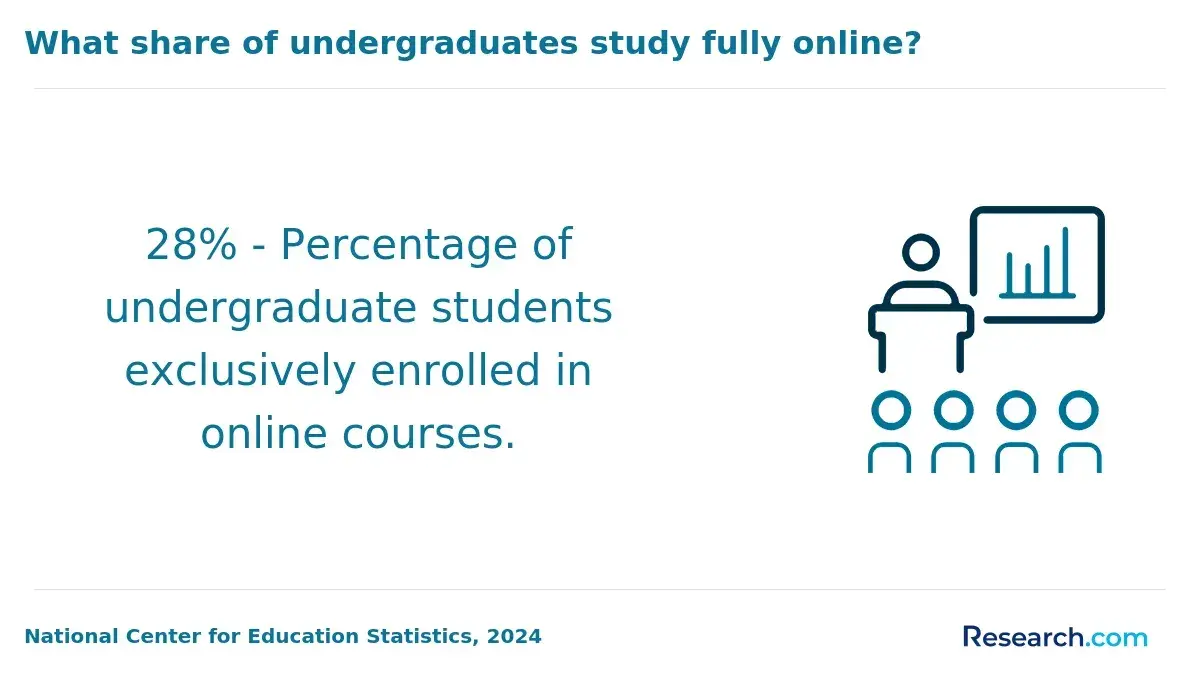
Delivery format significantly influences a student's ability to manage time, engage with content, and prepare professionally in TESOL & Multilingual Learners degree programs. Data from the National Center for Education Statistics reveal that over 40% of graduate students in education-related fields enrolled in online programs in 2022, reflecting a strong shift toward virtual learning environments.
Below is a breakdown of the key benefits and drawbacks of both formats.
Online
- Flexibility: Students can access coursework anytime, allowing them to balance employment and studies without geographic limits.
- Accessibility: Materials and recorded lectures are readily available, supporting various learning speeds and review opportunities.
- Networking Limitations: Limited live interaction can restrict the formation of professional connections and reduce immediate feedback.
- Self-Motivation Challenges: Success requires strong discipline since hands-on practice and direct supervision are less frequent.
Campus-Based
- Hands-On Practice: Direct engagement with faculty and peers promotes skill development and practical teaching experience.
- Live Interaction: In-person classes enhance networking possibilities and allow for instant clarification of concepts.
- Scheduling Constraints: Fixed class times and commuting needs challenge students juggling work or family responsibilities.
- Less Convenience: Physical attendance demands relocation or travel, which can be costly and time-consuming.
When I spoke with a graduate who completed an online TESOL & Multilingual Learners degree, he shared how he weighed the options carefully. "I wanted the flexibility because I was working full-time, but I worried about missing out on real-time discussions and networking," he explained.
To compensate, he proactively joined online forums and scheduled virtual meetups to build connections. "It wasn't easy balancing everything. There were moments when motivation dipped, especially without face-to-face support, but knowing I could revisit lectures at my own pace really helped me stay on track."
His process involved comparing curriculum depth and practicum options, emphasizing that the final choice depended on his personal goals and lifestyle more than on prestige or format alone.
How Do GPA Requirements Vary Among TESOL & Multilingual Learners Degree Programs?
GPA requirements serve as a key comparison point for those exploring TESOL & Multilingual Learners degree programs because they reflect the academic expectations programs set for candidates. Here are important aspects to consider regarding how GPA criteria vary across programs:
- Requirement Range: GPA cutoffs typically span from about 2.5 to 3.5 on a 4.0 scale, indicating that some programs demand stronger academic records while others maintain more accessible thresholds.
- Admission Flexibility: Several programs offer conditional admission or probationary acceptance for applicants whose GPAs fall slightly below standard requirements, allowing candidates to prove their capacity through future coursework or experience.
- Holistic Evaluation: Many admissions processes extend beyond GPA, incorporating letters of recommendation, personal statements, and professional background, which enables applicants with lower GPAs but compelling qualifications to remain competitive.
- Recency Emphasis: Programs often place greater importance on recent academic performance rather than older grades, recognizing growth and improvement to better gauge current readiness for graduate study.
How Can You Compare Tuition Across TESOL & Multilingual Learners Degree Programs?
Comparing tuition is a vital step for students exploring TESOL & Multilingual Learners degree programs to ensure they find affordable options that offer real value. With the average graduate student debt exceeding $66,000 in the U.S., understanding full program costs rather than just per-credit rates makes a significant difference.
Here are key points to consider when evaluating tuition expenses:
- Total Program Cost: Focus on the comprehensive expense of completing the degree, including the number of required credits and any additional compulsory fees, as these factors vary widely across programs.
- Cost Per Credit: While it helps to know the per-credit tuition, it's crucial to view it in the context of total credits needed, since a lower per-credit cost may not always translate to lower overall debt.
- Additional Fees: Budget for extra costs such as technology charges, registration fees, and graduation expenses, which can add substantially to the final price beyond tuition alone.
- Financial Aid Options: Explore scholarships, grants, and flexible payment plans offered by programs, as these can considerably reduce what you pay out of pocket.
- Employer Tuition Benefits: Many working students can benefit from employer-sponsored tuition reimbursement, which significantly offsets direct costs and should factor into your financial planning.
- Long-Term Value: Lower tuition doesn't always mean better value; consider how program quality and career outcomes may impact your return on investment over time.
When I asked a graduate who completed a tesol & multilingual learners degree about her tuition comparison experience, she shared how overwhelming it was at first. "I realized that just looking at tuition per credit wasn't enough; I had to dig deeper into fees and aid options," she explained.
She recalled making detailed spreadsheets that included hidden costs and employer benefits, which shed light on which programs truly fit her budget. "That process gave me confidence in my choice and helped me avoid surprises later," she said.
Her thoughtful approach highlights how careful research can transform a stressful decision into a strategic investment in your future.
Does a TESOL & Multilingual Learners Degree Meet Licensure Requirements?
Licensure alignment is essential for prospective students pursuing regulated careers or switching fields, as it ensures programs meet professional certification demands. Nearly 72% of education-related roles require official credentials, highlighting the significance of appropriate licensure preparation.
Below are key factors to consider when comparing TESOL & multilingual learners degree programs.
- Curriculum Alignment: Programs should integrate state-approved teaching standards and evidence-based language acquisition theories to prepare students effectively for licensure.
- Accreditation Status: Seek degrees accredited by recognized agencies that comply with both state and federal educational requirements to guarantee program validity and acceptance.
- State-Specific Criteria: Since licensure requirements vary widely across states, verify that the program addresses particular state mandates, including mandated coursework and practicum hours.
- Supervised Experience: Hands-on practicum or student teaching placements supervised by qualified professionals are critical components that fulfill licensure prerequisites and build practical skills.
- Certification Exam Eligibility: Programs must prepare candidates to meet eligibility criteria for necessary certification exams, such as state teaching credentials or English learner endorsements.
Evaluating these elements helps prospective students select TESOL & multilingual learners programs that streamline licensure achievement and enhance career prospects in multilingual education.
Which TESOL & Multilingual Learners Programs Have the Best Career Placement Rates?
Career placement rates are a vital indicator of how effectively TESOL & Multilingual Learners degree programs prepare graduates for the job market. Some reputable programs report employment rates exceeding 85% within six months after graduation, reflecting strong employer connections and comprehensive student support.
Below are key factors to consider when evaluating these placement rates.
- Employer Partnerships: Look for programs that collaborate with schools and organizations to create job opportunities. These partnerships often facilitate internships and direct hiring pipelines, boosting graduate employment.
- Internship Pipelines: Internship opportunities provide essential hands-on experience and networking to help students transition from study to work smoothly. Programs with established internship pathways tend to improve placement outcomes.
- Alumni Outcomes: Examining alumni success stories and graduate employment data by region offers insight into a program's reputation and effectiveness. Top career placement rates for TESOL & Multilingual Learners degree programs in the US often correlate with strong alumni networks.
- Program Support Services: Robust career support such as resume workshops, interview coaching, and job fairs enhances students' readiness. These resources are critical for navigating competitive job markets and securing positions after graduation.
To get a detailed view of TESOL & Multilingual Learners graduate employment outcomes by region, prospective students should review published data from program websites and accreditation bodies. For those planning advanced studies, exploring options like an EdD degree online can also align with long-term career goals.
How Do Salaries Compare Across TESOL & Multilingual Learners Degree Program Graduates?
Post-graduation salary outcomes serve as a critical metric for prospective students comparing how do TESOL and multilingual learners degree salaries compare in the US, providing insight into potential earnings. The average wage for professionals with these degrees generally ranges from $45,000 to $70,000 annually, depending on various factors.
Several key elements influence salary differences across these fields, as outlined below.
- Role: Salaries vary notably between teaching and administrative or curriculum development positions. TESOL graduates working as ESL instructors in K-12 public schools often earn between $45,000 and $60,000, whereas multilingual learners degree holders in specialized roles may command higher wages due to their technical expertise.
- Industry: Employment in public education versus private language schools or corporate training significantly impacts earnings. Private and corporate sectors may offer salaries that exceed $65,000, reflecting demand for tailored language services.
- Location: Metropolitan areas typically provide higher compensation compared to rural regions, primarily due to increased living costs and greater institutional funding.
- Experience: Entry-level salaries rise substantially with career progression. Mid-career educators and specialists can surpass $75,000 annually, especially in regions with high demand for multilingual education.
For those evaluating degree options, understanding average earnings for multilingual learners and TESOL program graduates is indispensable. Candidates seeking to maximize their return on investment should also explore the best online certificate programs available to complement their qualifications and expand career opportunities.
What Graduates Say About Comparing TESOL & Multilingual Learners Degree Programs Effectively
- Theo: "Before enrolling in the TESOL & Multilingual Learners degree program, I weighed the options carefully. The cost was a major concern since similar programs averaged around $30,000, but this program offered exceptional value without compromising quality. Completing it catapulted my career, allowing me to teach internationally and connect with students from diverse backgrounds. "
- Claire: "Choosing to pursue the TESOL & Multilingual Learners degree program was a reflective decision; I compared several institutions and their fees, noting the affordability of this program at nearly half the expected price. Balancing cost and career advancement, it was clear this choice was strategic. Now, I apply what I learned daily as a curriculum specialist, a role I attribute to the solid foundation this degree provided. "
- Julianne: "The decision to enter the TESOL & Multilingual Learners degree program came after analyzing both the tuition fees and the credentials that would best enhance my professional standing. Given that many comparable courses cost upwards of $25,000, the accessible pricing here was crucial. The program has had a profound effect on my work as an educational consultant, enriching my expertise and opening numerous doors. "
Other Things You Should Know About TESOL & Multilingual Learners Degrees
In 2027, differences in curricula between TESOL and Multilingual Learners programs usually lie in their focus; TESOL programs often emphasize teaching English as a second language, while Multilingual Learners programs prioritize bilingual education and multicultural competencies. Prospective students should examine courses and specializations to align with career goals.
Many TESOL & Multilingual Learners programs require practical teaching experiences or practicum placements to provide hands-on training. These components typically involve supervised classroom teaching that helps students apply theoretical knowledge in real-world multilingual or English learner contexts.
When comparing TESOL & Multilingual Learners programs, consider the qualifications, research, and professional experience of the faculty members. Faculty who actively publish in applied linguistics, second language acquisition, or multicultural education can enhance the quality of instruction and mentorship.
References
- Accreditation certificate for multilingual education | NEOLAiA https://neolaiacampus.eu/accreditation-certificate-for-multilingual-education/
- Salary Expectations for TESOL Teachers in North America | ITTT https://www.tesolcourse.com/pillars/tesol-certification-requirements-by-country/tesol-certification-in-north-america/salary-expectations-for-tesol-teachers-in-north-america/
- All Courses Accredited By ALAP https://intesoltesoltraining.com/accredited-tefl-courses/
- Teach English as a Second Language Job and Salary Outlook | CUNE https://www.cune.edu/news/teach-english-second-language-salary
- Teaching Multilingual Learners Minor https://wheatoncollege.edu/academics/programs/teaching-multilingual-learners/
- Online vs On-Campus ESL Programs Near Me: Which One Fits Your Lifestyle Best? https://crossborderedu.com/online-vs-on-campus-esl-programs-near-me-which-one-fits-your-lifestyle-best/
- TESOL English Language Bulletin https://multibriefs.com/briefs/tesol/TESOL042319.php
- What's the Difference Between ESL, EFL, ESOL, ELL, MLL, and ESP? https://readinghorizons.com/blog/what-s-the-difference-between-esl-efl-esol-ell-and-esp/
- Online vs. On-Campus TESOL Master's Programs | ITTT https://www.teflcourse.net/pillars/tesol-master-s-degree-guide/online-vs-on-campus-tesol-master-s-programs/


