
2027 Return on Investment (ROI) of an Adult Gerontology Acute Care Nurse Practitioner Degree Program

Co-Founder and Chief Data Scientist
Many registered nurses consider pursuing an adult gerontology acute care nurse practitioner degree to advance their careers but hesitate due to concerns about educational costs and uncertain job prospects. The Bureau of Labor Statistics projects a 45% growth in demand for nurse practitioners through 2030, highlighting the expanding need for specialized adult gerontology acute care professionals.
This rapid growth underscores the urgency of understanding the real return on investment for graduating from these programs. In this article, we'll explore the financial and career outcomes related to this degree, helping prospective students assess whether the investment aligns with their professional goals and economic expectations.
Key Things to Know About Adult Gerontology Acute Care Nurse Practitioner Degree ROI
- Graduates typically see a salary increase of 30-40% compared to registered nurses, with median annual earnings around $115,000, reflecting strong earning potential post-degree.
- Career advancement opportunities expand significantly, including roles in critical care management, research, and healthcare policy, fostering long-term professional growth.
- High demand for acute care nurse practitioners ensures job stability and flexibility, with employment projected to grow 45% through 2030 across hospitals and specialty clinics.
How Is ROI Calculated for a Adult Gerontology Acute Care Nurse Practitioner Degree Program?
Return on investment (ROI) in higher education measures the financial gains a student can expect compared to the costs and time spent earning a degree. This metric helps students evaluate whether an adult gerontology acute care nurse practitioner degree program offers worthwhile value relative to its expense and duration.
Several factors play a key role when calculating ROI for this specialized nursing degree program:
- Tuition and fees: This encompasses the total cost of enrollment, including tuition, books, supplies, and other associated expenses. These upfront costs establish the baseline investment to compare against future earnings.
- Opportunity cost: Time invested in studying reduces hours available for full-time employment or other income streams. This lost income during the program must be accounted for in assessing ROI.
- Time to completion: The length of the program affects how soon graduates can begin earning higher wages. Shorter programs may improve ROI by minimizing time and costs before increased salary gains.
- Post-graduation salary: Expected earnings after certification as an adult gerontology acute care nurse practitioner directly impact ROI. Higher salaries shorten the payback period for educational expenses.
- Career advancement potential: This degree often leads to enhanced clinical roles and leadership positions, boosting long-term earnings. Such upward mobility significantly raises lifetime return prospects.
Prospective students weighing cost versus earnings analysis for nurse practitioner degrees should also consider exploring options like RN to BSN programs to build foundations that support advanced nursing roles. Understanding these financial and career factors is essential for making informed decisions about pursuing an adult gerontology acute care nurse practitioner degree program.
How Much Does a Adult Gerontology Acute Care Nurse Practitioner Degree Program Cost?
Accurately assessing the total expense of an adult gerontology acute care nurse practitioner degree program is vital to determine its return on investment, especially as graduate tuition costs have recently surpassed $19,000 per year on average in the U.S.
These rising expenses contribute to increasing student debt loads, making it essential to understand all financial factors involved. Below are key elements that impact the overall cost and ultimate ROI of such programs:
- Tuition and fees: This represents the largest portion of the cost and differs significantly based on whether the school is public or private, as well as the student's residency status.
- Books and materials: The purchase of specialized textbooks, clinical equipment, and required technology can add several hundred to a few thousand dollars to the total cost.
- Living and relocation expenses: Students often face extra costs for housing, transportation, and daily necessities, especially if relocating or reducing work hours to focus on studies.
- Opportunity cost: Time dedicated to coursework and clinical practice frequently limits earning potential during enrollment, representing lost income opportunities.
- Hidden or indirect costs: Licensure exam fees, malpractice insurance, and personal expenses such as childcare or healthcare can incur additional financial burdens.
When I spoke with a graduate of an adult gerontology acute care nurse practitioner program, he emphasized how managing these expenses required careful planning. "Balancing clinical hours with part-time work was tough," he said, noting that unexpected costs like liability insurance caught him off guard.
He recalled moments of financial stress but felt that the long-term career benefits justified the investment. His experience underscores not just the sticker price but also the varied personal costs and sacrifices involved in completing the program.
What Financial Aid Is Available for Adult Gerontology Acute Care Nurse Practitioner Degree Programs?
Financial aid reduces upfront expenses for adult gerontology acute care nurse practitioner programs, enhancing long-term return on investment by limiting initial debt and accelerating financial recovery. In fact, approximately 80% of U.S. graduate students depend on financial support to manage education costs effectively.
Below are common types of aid that impact the overall value of these advanced nursing programs:
- Scholarships: Funds awarded that do not require repayment, significantly decreasing the total cost and lowering the debt burden, which improves ROI by reducing long-term financial strain.
- Grants: Typically need-based, these awards reduce out-of-pocket expenses, helping to minimize reliance on loans and making programs more affordable upfront.
- Fellowships: Competitive opportunities that often include stipends and tuition coverage, providing financial stability and reducing the need to incur debt during the program.
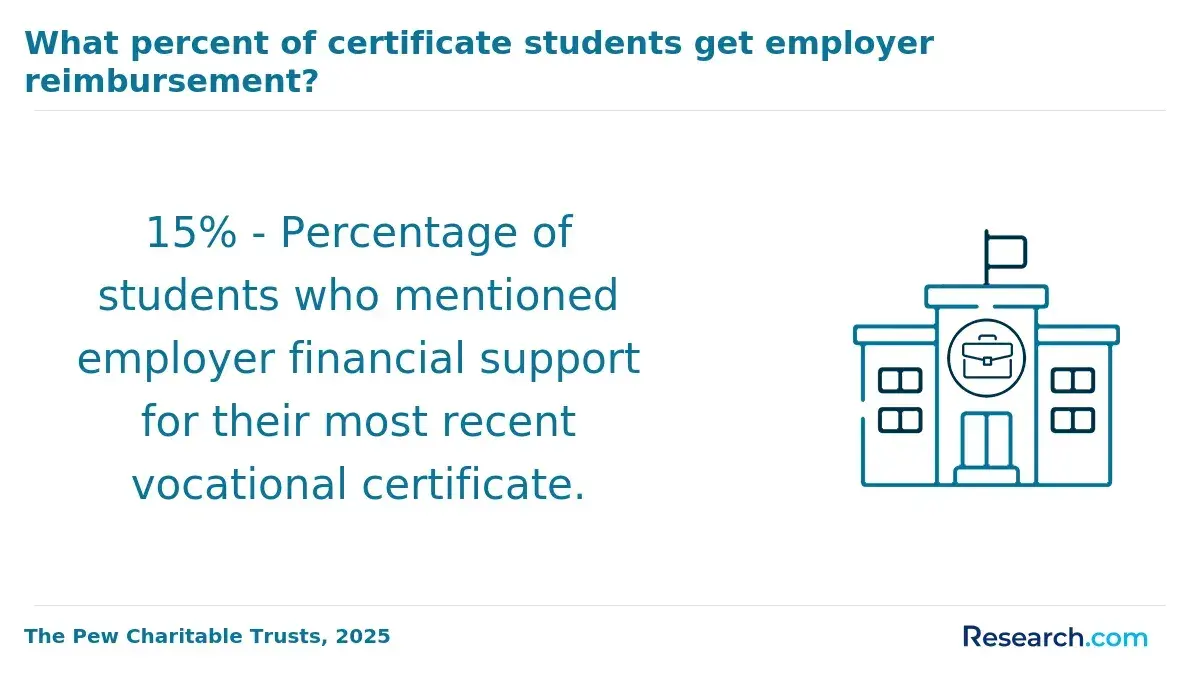
- Employer tuition assistance: Many healthcare employers offer tuition reimbursement or financial help tied to work commitments, which can substantially lower tuition costs and enhance ROI by spreading education costs over time.
- Federal loans: While these require repayment with interest, they usually offer lower interest rates and flexible repayment terms, enabling students to finance their education without immediate financial pressure.
Each aid type supports students differently-either by cutting initial expenses or easing repayment-making the pursuit of this specialized nursing degree more financially manageable and worthwhile.
How Long Does It Take to Complete a Adult Gerontology Acute Care Nurse Practitioner Degree?
The duration needed to complete an adult gerontology acute care nurse practitioner degree directly impacts its return on investment due to opportunity costs, earlier salary potential, and cumulative expenses.
Programs that take longer postpone the transition into higher-paying roles and usually accumulate more costs, reducing overall financial benefit. Several factors shape how quickly students can finish this degree and influence their financial outcomes.
Key elements affecting time to completion include:
- Enrollment status: Full-time students often complete their studies in a shorter timeframe, allowing faster entry into the workforce, while part-time students balance other responsibilities but typically extend their education duration.
- Program format: Online and accelerated tracks can shorten the path to degree completion by offering more flexible schedules and condensed coursework, enabling students to start earning sooner.
- Transfer credits: Recognition of prior nursing coursework can reduce required classes, trimming both time in school and tuition costs.
- Clinical requirements: Practical experiences such as internships or thesis projects can lengthen study time but are crucial for gaining hands-on skills and meeting certification standards.
- Scheduling flexibility: Programs that adapt to working professionals' needs may allow part-time progress but typically extend the overall timeline.
When discussing the timeframe, a graduate shared that her journey took just over three years. She recalled, "Balancing family life and work commitments meant I chose part-time enrollment, which extended my program length but allowed me to manage stress better." She emphasized how the clinical rotations proved both rewarding and demanding, often requiring more time than initially expected.
Yet, she reflected positively on the experience, noting, "The extended duration gave me confidence and clinical competence I wouldn't trade, even if it meant delayed earnings." Her story highlights how individual circumstances influence completion time and, ultimately, the return on investment in this demanding but fulfilling career path.
Is ROI Higher for Online or On-Campus Adult Gerontology Acute Care Nurse Practitioner Programs?
The delivery format of adult gerontology acute care nurse practitioner degree programs significantly impacts return on investment (ROI) through differences in cost, flexibility, and career outcomes. With online enrollment increasing by nearly 12% annually, more students are choosing distance learning options that fit their professional and personal lives.
This trend also affects the adult gerontology acute care nurse practitioner program cost comparison for prospective students. Key comparison points include:
- Tuition and fees: Online programs generally have lower tuition and fewer campus-related expenses, making them more affordable overall compared to on-campus options.
- Opportunity cost: Online learners can often maintain full-time employment while studying, reducing lost income and enhancing the overall financial return of the degree.
- Time to completion: Flexible scheduling in online formats can allow motivated students to graduate faster, which shortens the time before increased earnings begin.
- Networking and career services: On-campus programs may provide stronger face-to-face networking opportunities and direct access to career resources, which some employers value.
- Employer perception and earnings: Employer preference is slowly shifting to prioritize program accreditation and individual experience rather than delivery mode, influencing long-term earning potential more than format.
For professionals looking to accelerate their healthcare career timeline, programs like the accelerated MA program illustrate how compressed training can also affect ROI by reducing upfront time and cost investment.

What Is the Average Salary After Earning a Adult Gerontology Acute Care Nurse Practitioner Degree?
Post-graduation salary is a key driver of the return on investment for adult gerontology acute care nurse practitioner degree programs, as it determines the financial benefits graduates can expect compared to the costs and time invested. Typically, adult gerontology acute care nurse practitioners in the U.S. earn between $90,000 and $130,000 annually, depending on various factors.
Several key elements influence the average salary outcomes for adult gerontology acute care nurse practitioner graduates and impact their overall ROI:
- Industry: Hospitals and specialized medical centers generally offer higher salaries than outpatient clinics or long-term care facilities, reflecting the demand and complexity of care provided.
- Geographic location: Salaries tend to be higher in urban centers and regions with greater living costs, such as the Northeast or West Coast, compared to more rural areas.
- Prior experience: Nurses with established clinical backgrounds often command better pay as they bring valuable skills to the advanced practice role.
- Specialization: Additional certifications or subspecialties within acute care can enhance earning potential by addressing complex patient needs.
- Career level: Senior practitioners and those who take on leadership or administrative roles typically earn more than entry-level practitioners.
When considering the return on investment for adult gerontology acute care nurse practitioner degree options, it's also useful to explore easy nursing programs to get into that may help reduce educational expenses and time to degree completion.
Does a Adult Gerontology Acute Care Nurse Practitioner Degree Lead to Promotions?
Promotions contribute significantly to the return on investment (ROI) of earning an adult gerontology acute care nurse practitioner degree by offering salary increases, expanded responsibilities, and enhanced career mobility. These advancements not only improve financial outcomes but also open doors to leadership and specialized clinical roles. A notable trend in healthcare workforce development today is the increased reliance on credential-based promotions.
This degree offers several advantages that can accelerate career advancement opportunities for adult gerontology acute care nurse practitioners. Key factors include:
- Credential Requirements: Many advanced clinical and administrative roles require specific graduate-level degrees, making this credential vital for promotions.
- Leadership Preparation: Specialized coursework equips professionals with management and leadership skills necessary for higher-level responsibilities.
- Tuition Support: Employers frequently offer tuition assistance programs, encouraging nurses to complete such degrees and facilitating career growth.
- Promotion Policies: Internal advancement often favors candidates who possess advanced degrees and certifications, increasing competitiveness within healthcare organizations.
- Experience Synergy: Combining relevant clinical experience with a nurse practitioner degree strengthens candidates' profiles and enhances their chances for upward mobility.
Because employer decisions on promotions weigh both experience and education, an adult gerontology acute care nurse practitioner degree validates practical expertise while positioning graduates favorably for higher roles.
This dynamic directly supports the promotional benefits of adult gerontology acute care nurse practitioner degree holders by enabling access to better-paying jobs and more complex opportunities. Prospective students considering career advancement can explore options for affordable education through programs like nursing programs online.
Which Industries Offer the Best ROI for Adult Gerontology Acute Care Nurse Practitioner Graduates?
The return on investment (ROI) for graduates of an adult gerontology acute care nurse practitioner program varies significantly across industries due to differences in salary levels, career advancement opportunities, and the demand for specialized skills. Industries with the highest-paying roles and strong career progression pathways tend to provide the best financial outcomes.
This variability highlights why it is important to consider industry-specific factors when evaluating an Adult Gerontology Acute Care Nurse Practitioner degree's value. Here are some of the top healthcare sectors for adult gerontology acute care NP ROI:
- Hospital and acute care facilities: These settings require complex clinical expertise to manage adult and geriatric patients with high acuity needs, resulting in higher salaries and increased promotion potential within both clinical and leadership tracks.
- Specialized outpatient clinics: Focusing on chronic disease management and post-acute care, these clinics offer stable patient volumes and long-term care relationships, supporting consistent employment and steady compensation growth.
- Home healthcare and hospice services: With the aging population, home-based acute care demand is rapidly expanding, offering job security and the opportunity to apply advanced clinical skills in patient-centered environments.
- Academic and research institutions: Although salaries here may be slightly lower, these institutions allow career diversification through teaching, research, and policy roles that can lead to leadership positions with competitive salary increments.
For those exploring how to maximize their investment in nursing education, comparing these industries can help identify where the highest paying industries for adult gerontology acute care nurse practitioners lie and where long-term career growth is supported. Prospective students may also want to consider foundational programs like the cheapest BSN programs to build their nursing pathway affordably before advancing to acute care specialties.
Does Accreditation Affect ROI for a Adult Gerontology Acute Care Nurse Practitioner Degree?
Accreditation for adult gerontology acute care nurse practitioner degree programs signifies that the curriculum meets established quality standards set by recognized accrediting organizations. This validation ensures that the program adequately prepares students for clinical responsibilities and professional requirements.
Accreditation is a key factor in return on investment because employers tend to favor candidates who graduate from accredited programs. Additionally, only graduates from accredited programs qualify for licensure and certification, both essential for practicing in this specialized nurse practitioner role.
Accredited programs also enhance long-term ROI by providing access to financial aid and scholarships that may otherwise be unavailable, reducing the financial burden of education. The ability to transfer credits between accredited institutions supports continuing education and career flexibility. Moreover, accreditation builds employer confidence by confirming that graduates possess the competencies needed in a competitive healthcare environment.
Is a Adult Gerontology Acute Care Nurse Practitioner Degree Worth It?
The return on investment for an adult gerontology acute care nurse practitioner degree depends largely on tuition costs, program length, and anticipated career benefits. Programs typically take two to three years to complete, impacting both upfront expenses and potential lost wages during study.
Graduates often earn median salaries above $110,000 annually, reflecting strong earning potential in this field. Additionally, roles in acute care settings offer pathways to leadership and specialized clinical responsibilities, enhancing long-term career growth.
The value of this degree varies based on several factors. High industry demand-with nurse practitioner jobs expected to grow by about 45%-supports favorable employment prospects, especially when paired with flexible or part-time program formats that help minimize opportunity costs.
Access to financial aid or employer sponsorship further strengthens ROI by reducing debt burdens. Ultimately, the degree is more worthwhile when aligned with clear career objectives and favorable job markets; however, steep program costs or saturated local markets may diminish its financial appeal for some candidates.
What Graduates Say About The ROI of Their Adult Gerontology Acute Care Nurse Practitioner Degree
- Pauline: "Choosing to enroll in the adult gerontology acute care nurse practitioner program as a traditional student was a calculated investment for me. While the average cost of attendance hovered around $40,000, I knew that the long-term ROI would far outweigh the initial expense. Today, I'm not only advancing in my career with higher responsibilities but also enjoying a significant increase in salary. It was absolutely worth every penny."
- Kara: "The decision to pursue an online adult gerontology acute care nurse practitioner degree was driven by my need to balance work and family. Although the cost was similar to traditional programs, roughly $35,000 to $45,000, the flexibility it offered made the price feel justified. Completing the program has opened doors to specialized clinical roles and leadership positions I never thought possible. I'm truly grateful for this career boost."
- Jennifer: "As a part-time student in the adult gerontology acute care nurse practitioner program, I was initially skeptical about the expense, given that the tuition was around $42,000 on average. However, reflecting on the professional growth and expanded expertise I've gained, I confidently say it was a strategic investment. The degree has allowed me to transition into acute care settings with more authority and improved patient outcomes."
Other Things You Should Know About Adult Gerontology Acute Care Nurse Practitioner Degrees
In 2027, strong job market demand significantly boosts the ROI for Adult Gerontology Acute Care Nurse Practitioners. As the aging population grows, demand for specialized care rises, leading to more job opportunities and lucrative salaries. This strong market demand ensures that graduates can quickly recover their educational investment.
Tuition costs significantly affect the ROI of an Adult Gerontology Acute Care Nurse Practitioner Degree. Higher tuition fees can prolong the time needed to recoup the investment, while scholarship opportunities and financial aid can enhance ROI by reducing initial education costs. Comparing tuition rates across programs is crucial for financial planning.
References
- Understanding Adult Gerontology Nurse Practitioner Salary and Benefits https://www.nphire.com/blog/adult-gerontology-nurse-practitioner-salary-in-2025-how-much-agnps-really-make
- The Most Affordable 32 Online AGNP Programs https://www.geteducated.com/online-college-ratings-and-rankings/online-agnp-programs/
- Nursing Career Advancement Opportunities | Maryville Nursing https://nursing.maryville.edu/blog/nursing-career-advancement
- Tuition and Financial Aid | MSN in Adult-Gerontology Acute Care Nurse Practitioner https://grad.qu.edu/programs/masters-degree/msn-adult-gerontology-acute-care-nurse-practitioner/tuition-and-financial-aid/
- Should I Become a Nurse Practitioner? 5 Signs You’re Ready for an MSN https://learn.neumann.edu/neuperspectives/should-i-become-a-nurse-practitioner-5-signs-youre-ready-for-an-msn
- Are You Considering a Career as an Adult-Gerontology Acute Care Nurse Practitioner? https://www.aanp.org/news-feed/are-you-considering-a-career-as-an-acute-care-nurse-practitioner
- 10 Most Affordable Master’s In Gerontology Online - GradSchoolHub.com https://www.gradschoolhub.com/affordable/online/masters/gerontology/
- Is College Still Worth It? Why Nursing and Teaching Degrees Matter https://www.graceland.edu/blog/is-a-college-degree-still-worth-it/


