
2027 Return on Investment (ROI) of an Information Systems Degree Program

Co-Founder and Chief Data Scientist
Many prospective students weigh the high costs of enrolling in an information systems degree program against uncertain career benefits. In today's rapidly evolving tech landscape, 82% of information systems graduates find employment within six months of completing their degree, signaling strong market demand. However, questions about salary growth and job stability frequently arise.
This article examines the return on investment (ROI) of information systems degrees by analyzing tuition costs, employment rates, salary trajectories, and industry trends. Readers will gain data-driven insights to assess whether pursuing this degree aligns with their financial and professional goals.
Key Things to Know About Information Systems Degree ROI
- Graduates with an information systems degree earn a median salary 25% higher than those with non-technical bachelor's degrees, reflecting strong earning potential in tech-driven markets.
- Information systems skills enable career advancement into roles such as IT manager or systems analyst, which show 11% projected job growth through 2032.
- The degree offers flexibility across industries like finance, healthcare, and government, providing long-term job stability amid evolving technological demands.
How Is ROI Calculated for a Information Systems Degree Program?
Return on investment in higher education quantifies the financial gain a student can expect from earning a degree relative to the total cost and time invested. This metric helps students weigh the value of pursuing an information systems degree by comparing potential career benefits against expenses and time commitment.
Several key factors influence calculating information systems program return on investment. These elements provide a practical framework for evaluating the degree's financial viability:
- Tuition and fees: This includes direct costs like tuition, books, and supplies. Lower expenses can improve ROI, but quality and available resources also play important roles.
- Opportunity cost: The income a student forgoes by attending school full-time must be considered. This lost earnings potential can significantly affect overall ROI, especially for working professionals.
- Time to completion: The program's length impacts return calculation by influencing opportunity costs and delaying job market entry. Shorter programs generally produce faster financial returns.
- Post-graduation salary outcomes: Expected starting salaries and job placement rates are crucial for estimating immediate financial benefits after earning the degree.
- Long-term earning potential: Career advancement opportunities in the information systems field, along with salary growth, determine lifetime financial gains and improve overall ROI.
Prospective students interested in cost-effective degree options may also explore an online AI degree. This additional avenue complements considerations when calculating information systems degree ROI for those balancing affordability with career goals.
How Much Does a Information Systems Degree Program Cost?
Carefully assessing the full cost of a information systems degree is vital for measuring its true return on investment, especially as the median graduate debt nationally has climbed above $66,000 for master's degree holders. Beyond tuition, several other expenses can substantially impact the overall financial commitment of earning this degree.
Key factors to consider include:
- Tuition and fees: These fluctuate based on whether the program is online or in-person, residency status, and school type, often representing the largest share of upfront costs.
- Books and materials: Course textbooks, required software licenses, and specialized technology purchases may add significant cumulative expenses over the program's duration.
- Living or relocation costs: Attending on-campus programs can involve additional housing, transportation, and day-to-day living expenses, especially for students moving away from their home region.
- Opportunity cost: Time dedicated to coursework frequently means reduced working hours or pausing career advancement, leading to lost income that affects the program's net value.
- Hidden expenses: Application fees, certification exam costs, networking events, and other professional development expenditures also contribute to total financial outlay.
When speaking with a recent graduate of a information systems program, he described balancing the costs as a "constant juggling act," especially managing unexpected fees alongside regular tuition. He emphasized how the financial strain was often "not just about the bills but the stress around lost work opportunities and late nights," making him carefully evaluate if the anticipated career growth justified the investment.
His experience highlights the importance of accounting for all direct and indirect expenses when determining whether the degree's benefits outweigh its costs.
What Financial Aid Is Available for Information Systems Degree Programs?
Financial aid reduces upfront expenses for information systems degrees, thereby enhancing long-term return on investment by lowering the amount students need to borrow. Nearly 85% of graduate students receive some form of financial support, highlighting its importance in managing education costs effectively.
Common types of financial aid include:
- Scholarships: These awards do not require repayment and help decrease overall costs, making it easier to graduate with less debt and improve financial outcomes post-graduation.
- Grants: Usually awarded based on financial need, grants assist in covering tuition and related fees, reducing the need for loans and lowering total educational expenses.
- Fellowships: Often granted for academic or research excellence, fellowships provide funds that offset program costs without increasing debt, boosting the net financial benefit of the degree.
- Employer tuition assistance: Many employers support continuing education by reimbursing part or all of tuition costs, enabling students to advance their careers while minimizing financial strain.
- Federal loans: Although repayment is required, federal loans offer lower interest rates and flexible repayment plans compared to private loans, making them a more manageable funding option.
Strategically using these financial aid sources can greatly reduce debt burdens and increase the overall financial gain from completing an information systems degree.
How Long Does It Take to Complete a Information Systems Degree?
The length of time it takes to finish an information systems degree significantly impacts its return on investment (ROI) by affecting opportunity costs, potential earnings, and overall education expenses. A shorter duration means students can begin working and earning sooner while minimizing tuition and other associated costs.
Several important factors shape how quickly a degree can be completed, influencing its financial benefits:
- Enrollment Status: Full-time students usually complete their studies more quickly than part-time learners. However, part-time enrollment allows students to maintain full employment, which can offset educational expenses despite the longer timeline.
- Program Format: Online and accelerated courses offer flexible schedules and condensed terms, enabling students to finish faster and improve ROI through earlier workforce entry.
- Transfer Credits: Prior college coursework that is accepted towards the degree reduces the number of classes needed, saving time and tuition dollars.
- Practical Requirements: Components such as internships or a thesis may add to program length but provide valuable experience that can increase future job prospects and salary potential.
- Scheduling Options: Programs with evening, weekend, or asynchronous classes help those balancing work and school, though flexibility can sometimes extend completion time.
When asked about her experience navigating how long it takes to complete an information systems degree, one graduate shared her candid reflections. She recalled feeling challenged by juggling course loads alongside a demanding job but found the program's evening classes essential for managing both responsibilities. "It wasn't easy," she admitted, "but the flexibility made a huge difference."
She also emphasized how transferring credits from previous studies helped her accelerate progress, cutting almost a semester off her timeline. The process required careful coordination with advisors and persistence, but seeing her graduation approach after balancing work, classes, and family commitments felt incredibly rewarding. This firsthand account highlights how personal circumstances and program choices influence not just timing, but the overall value of the degree journey.
Is ROI Higher for Online or On-Campus Information Systems Programs?
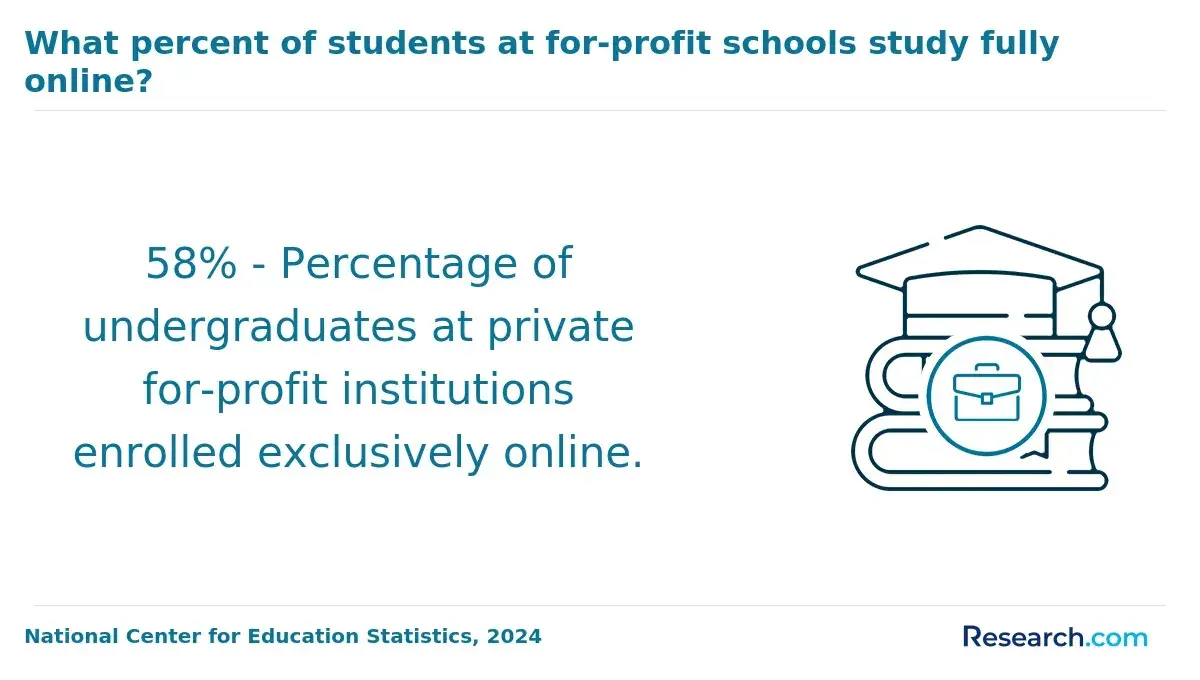
Delivery format significantly influences the return on investment for information systems degrees due to differences in cost, flexibility, and career outcomes. In recent years, approximately 45% of higher education students took at least one online course, highlighting the growing role of online learning in education pathways. This trend affects how students weigh options between online and on-campus programs for their degree pursuit.
Key factors affecting the ROI comparison between online and on-campus information systems programs include the following:
- Tuition and fees: Online programs generally have lower tuition and fees, reducing upfront financial burden. This lower cost can make online education more accessible to working professionals and those managing other expenses.
- Opportunity cost: Online degrees offer greater flexibility, allowing students to continue employment while studying, which minimizes income loss during the program. This can enhance ROI by limiting time away from the workforce.
- Time to completion: While comparable overall, some online programs offer accelerated tracks or self-paced options, accommodating varied schedules and potentially shortening time spent in school.
- Networking and career services: On-campus programs tend to provide stronger networking opportunities and more comprehensive career support, which can positively impact job placement and salary growth post-graduation.
- Long-term earning potential: When controlling for factors such as institutional reputation and work experience, earnings tend to be similar between online and on-campus graduates, suggesting comparable financial returns over time.
Students exploring online options can also consider online counseling programs as examples of accessible, affordable pathways in related fields. Evaluating online vs on-campus information systems program ROI carefully can help align education choices with career goals and financial realities.
What Is the Average Salary After Earning a Information Systems Degree?
Post-graduation salary is a key driver of the return on investment for an information systems degree because it directly impacts how quickly graduates can recoup educational costs and begin to earn a profit from their qualifications. The average salary for information systems graduates typically ranges from $60,000 to $80,000 for entry-level roles, while mid-career professionals can earn between $85,000 and $110,000 annually.
Several factors influence these salary outcomes and the overall ROI of an information systems degree:
- Industry: Salaries vary significantly depending on the sector. Graduates working in technology, finance, or consulting usually command higher pay compared to those in non-profit or government positions.
- Geographic location: Urban centers and tech hubs offer elevated salaries due to higher demand and cost of living, which can improve the value of an information systems degree salary by industry.
- Prior experience: Internships and relevant work experience often translate into higher starting salaries and faster advancement opportunities.
- Specialization: Expertise in areas such as cybersecurity, data analytics, or system architecture generally leads to better compensation and career growth.
- Career level: Entry-level salaries are lower, but they tend to grow considerably with experience and expanded responsibilities.
Evaluating these factors alongside salary expectations is essential for assessing the economic benefits of an information systems degree. For those interested in further education, exploring a masters in psychology online can be an alternative path for career advancement and salary improvement in related fields.
Does a Information Systems Degree Lead to Promotions?
Promotions contribute significantly to the return on investment of an information systems degree by often leading to salary increases, expanded job responsibilities, and enhanced career mobility. These factors combined improve both the financial and professional benefits that graduates can expect. A growing workforce trend emphasizes credential-based promotions, where employers increasingly prioritize candidates with relevant degrees or certifications for advanced roles.
Key ways an information systems degree impacts promotion opportunities and overall ROI include the following:
- Credential requirements: Many technical and managerial positions mandate an information systems degree or equivalent credential as a baseline for advancement, making the degree essential for meeting employer qualifications.
- Leadership preparation: The degree provides foundational knowledge and skills that prepare graduates to take on leadership roles, bridging the gap between technical expertise and management capabilities.
- Tuition support access: Holding an information systems degree can unlock employer tuition reimbursement programs, encouraging further education and facilitating internal career progression at a reduced cost.
- Promotion policies alignment: Numerous organizations have internal promotion frameworks that favor candidates holding relevant degrees, thereby giving degree holders a competitive edge for advancement.
- Experience synergy: An information systems degree complements work experience, strengthening a candidate's profile and making them more attractive for higher-level positions.
Education often serves as a formal indicator of capability that many leadership roles require, where experience alone may not be sufficient. Additionally, scholarships and tuition reimbursement programs further lower the net cost of obtaining the degree, enhancing ROI.
Prospective students and working professionals considering pathways for advancement should explore accelerated online bachelor degree programs to efficiently earn credentials that align with both promotion prospects and financial goals. Integrating an information systems degree career advancement strategy with promotions with information systems degree opportunities can yield substantial long-term benefits.
Which Industries Offer the Best ROI for Information Systems Graduates?
Return on investment for information systems graduates varies widely by industry due to differences in salary levels, career advancement opportunities, and demand for specialized skills. Industries that offer competitive compensation and clear promotion paths generally provide the best financial returns on education and training.
Several sectors stand out for providing high ROI for information systems graduates, as highlighted in the top industries for information systems ROI.
- Technology: Rapid innovation drives strong demand for IT expertise. Graduates often benefit from competitive starting salaries and well-defined career paths that significantly enhance long-term earning potential.
- Financial Services: This sector relies heavily on robust information systems for data analysis and secure transactions, rewarding technical skills with substantial compensation and advancement opportunities.
- Healthcare: Growing use of electronic health records and telemedicine supports steady demand for systems professionals. Career progression in this field contributes to consistently favorable ROI.
- Manufacturing: Digital transformation and automation increase the need for systems analysts and network experts, offering stable jobs and potential for salary growth.
- Consulting: Adaptability and problem-solving skills are highly valued, with varied projects providing rapid compensation growth and professional development.
When evaluating a career sector for information systems graduates, aligning education with these best career sectors can maximize investment returns. For students looking to balance cost and quality, considering options such as a cheapest online college can be part of an effective financial strategy.
Does Accreditation Affect ROI for a Information Systems Degree?
Accreditation in the context of information systems degree programs involves an external evaluation that confirms a program meets established academic and industry standards. This process ensures the curriculum is relevant and rigorous, which employers increasingly use as a benchmark when hiring.
Graduates from accredited programs often enjoy better job prospects and higher initial salaries, reflecting a growing employer preference for verified educational quality. Additionally, accreditation supports eligibility for professional certifications, a key workforce trend that enhances a graduate's competitiveness in specialized roles.
Beyond immediate career benefits, accreditation also plays a crucial role in strengthening long-term return on investment. It fosters employer confidence, making graduates more attractive candidates.
Accreditation enables access to federal financial aid, reducing upfront educational costs and improving financial feasibility. Furthermore, it facilitates credit transfer for further education and qualifies students for licensure in various fields, expanding career advancement opportunities and geographic mobility over time.
Is a Information Systems Degree Worth It?
The return on investment for an information systems degree depends on factors such as tuition costs, program duration, and the salaries graduates can command. Typically, professionals with this degree start with annual earnings between $60,000 and $80,000, often increasing as experience grows.
The potential for career advancement in technology-driven roles further enhances earning opportunities. Evaluating these financial and career prospects in relation to time and money spent is critical for determining value.
Strong demand for information systems experts across industries supports solid employment prospects, boosting the degree's worth. Flexible program options, like online or part-time study, allow students to maintain income while learning, reducing opportunity costs.
Access to scholarships or employer tuition assistance can also improve affordability. However, high program expenses and competitive job markets may limit financial gains, so aligning the degree with clear career objectives is essential to maximize return on investment.
What Graduates Say About The ROI of Their Information Systems Degree
- Lauren: "Choosing to pursue an information systems degree was a game-changer for me financially and professionally. Despite the average cost being around $40,000 to $60,000 for a traditional program, I saw it as a valuable investment with a strong long-term ROI. Now, years after graduating, the skills I gained have opened doors to leadership roles in tech firms, making every dollar spent worth it. "
- Alicia: "When I started my online information systems degree, I was initially worried about the cost and whether it would pay off. Considering the flexibility and generally lower tuition compared to on-campus options, I found it to be a smart economic decision. Graduating allowed me to confidently advance my career in IT management, proving the program's cost was truly justified. "
- Oliver: "Balancing work while completing a part-time information systems degree felt challenging, but the cost spread out over time made it manageable. Reflecting back, the decision was strategic, especially with the growing demand for IT expertise. This degree helped me transition into a more specialized role, significantly enhancing both my job satisfaction and earning potential. "
Other Things You Should Know About Information Systems Degrees
Specialization within information systems can significantly affect ROI. In 2027, focusing on fields like cybersecurity, data analytics, or cloud computing is likely to enhance job prospects and salary potential. Tailoring your expertise to industry demand can lead to higher initial salaries and faster career progression, improving ROI.
Gaining relevant work experience, such as internships or cooperative education, can significantly enhance the ROI of an information systems degree. Practical experience helps students build professional networks, improve job readiness, and often leads to higher starting salaries. This combination accelerates the payback period on education costs and supports long-term career advancement.
In 2027, skills such as data analysis, cybersecurity, and cloud computing significantly enhance the ROI of an Information Systems degree. Proficiency in these areas is in high demand, leading to better job prospects and higher salaries, thus improving the financial return on one’s educational investment.
References
- Continuing Education Registration Software: Streamlining Enrollment to Maximize ROI https://moderncampus.com/blog/continuing-education-registration.html
- Bootcamp vs CS Degree: 14-Month vs 5-Year ROI https://thisisanitsupportgroup.com/blog/it-bootcamp-vs-computer-science-degree-roi-analysis-2026/
- Student Information System ROI Calculator for Schools and Universities - Classe365 https://www.classe365.com/blog/student-information-system-roi-calculator-for-schools-and-universities/
- Bachelor of Science in Information Systems (B.Sc. IS) https://www.udst.edu.qa/academic/our-colleges/college-computing-and-information-technology/bachelor-science-1
- Careers in IT: Lucrative Fields for Recent Grads https://www.onlinemastersdegrees.org/careers/information-technology-it/
- Online MCA Fees and ROI Explained: Cost Breakdown & Value for Money https://sgtonline.in/blogs/online-mca-fees-and-roi-explained
- Is an Information Technology Degree Worth It? | UAGC https://www.uagc.edu/blog/is-an-information-technology-degree-worth-it
- OCNews https://www.okanagancollege.ca/story/diploma-battles-is-computer-information-systems-worth-it


