
2027 How to Compare Information Systems Degree Programs Effectively

Co-Founder and Chief Data Scientist
Many students struggle to choose the right information systems degree program because each offers unique curriculum focuses, delivery methods, and internship opportunities. This confusion complicates aligning choices with career aspirations, especially as the field rapidly evolves. According to the U.S. Bureau of Labor Statistics, employment in computer and information technology occupations is projected to grow 15% through 2031, emphasizing the demand for skilled graduates.
This article will examine key factors such as program specialization, flexibility, and post-graduate outcomes to help prospective students make informed comparisons tailored to their personal and professional goals.
Key Benefits of Comparing Information Systems Degree Programs Effectively
- Accreditation ensures program quality and employer recognition; look for ABET or regional accreditation as verified by over 70% of IT employers.
- Curriculum alignment with in-demand skills like cybersecurity or data analytics increases job readiness amid evolving technology landscapes.
- Evaluate cost against career outcomes, considering average Information Systems graduate salaries have risen 15% over five years, boosting return on investment.
What types of accreditation should an information systems degree program have?
Accreditation plays a vital role in helping prospective students assess the quality, credibility, and long-term value of various information systems degree programs. Studies show that about 85% of employers prefer candidates with degrees from accredited institutions, underscoring the importance of recognized accreditation. Here are the key accreditation standards for information systems degree programs to consider:
- Regional Accreditation: This accreditation applies to the entire college or university and is awarded by one of the recognized regional accreditation agencies for information systems degrees in the United States. It ensures that the institution meets broad academic quality standards, which affects credit transferability and eligibility for federal financial aid-essential factors for many students.
- Programmatic Accreditation: Focused specifically on the information systems or related technology programs, this accreditation evaluates whether the curriculum adheres to industry-specific standards. For example, accreditation from the Accreditation Board for Engineering and Technology (ABET) confirms that the program prepares students effectively for professional certifications and earns employer trust.
For those exploring career changes or seeking flexible options, attending an accredited program guarantees that their education is respected by employers and transferable for further studies. Prospective students interested in flexible, reputable options can explore accredited online MBA programs as well to balance career and education goals.
What specializations are offered in information systems degree programs?
Specializations within information systems degree programs allow prospective students to compare options based on career alignment and academic focus. With careers in cybersecurity projected to grow 35% from 2021 to 2031 according to the U.S. Bureau of Labor Statistics, students benefit by selecting areas with strong workforce demand. Below are common specializations that reflect career-focused pathways within information systems programs.
- Cybersecurity: Focuses on protecting networks and data, developing skills in threat analysis and risk management, leading to roles such as security analyst or information security manager.
- Data Analytics: Emphasizes statistical methods, data mining, and visualization, preparing students for careers in data science and business intelligence.
- Enterprise Systems: Centers on large-scale business software like ERP systems, teaching process integration and software implementation, supporting roles in system administration and consulting.
- IT Project Management: Covers leadership and organizational skills needed to manage technology projects, aligning with roles like project manager or IT coordinator.
Choosing the right specialization also depends on academic standards and program accreditation, which can impact career outcomes. Students interested in counseling or guidance related to technical careers may find relevant resources through CACREP accredited programs.
Overall, information systems degree specializations in the United States offer tailored education paths designed to meet evolving industry needs and individual career ambitions.
How can you compare courses across information systems degree programs?
Comparing courses across information systems degree programs helps students evaluate program rigor, skill development, and alignment with career goals. Programs with comprehensive curricula tend to have a 15% higher course completion rate, demonstrating more effective student engagement and success. To make an informed choice, consider these practical strategies:
- Review Course Descriptions: Analyze the topics covered to ensure essential areas such as data management, cybersecurity, and systems analysis are included. A well-rounded curriculum supports gaining in-demand knowledge.
- Check Prerequisites and Workload: Understanding course difficulty and credit hours helps estimate academic demands, enabling better planning for study time and balancing other commitments.
- Evaluate Hands-On Components: Look for labs, projects, or internships that foster practical skills directly applicable in industry settings, enhancing readiness for professional roles.
- Assess Skill Outcomes: Identify if courses emphasize competencies like programming, database design, or business intelligence tools, which are valuable in today's job market.
- Compare Elective Options: Diverse electives allow customization to specific career paths such as IT management or software development, aligning education with personal goals.
In addition to considering course curriculum rigor, it's wise to research online degree options, especially for those balancing work and study. For example, students interested in related fields might explore flexible options like masters in psychology online. These choices can expand learning opportunities while addressing budget considerations.
When seeking the best ways to compare information systems program costs and outcomes, focusing on curriculum depth alongside affordability ensures a balanced decision.
What scheduling options are available in information systems degree programs?
Flexible scheduling plays a vital role for students weighing their options among information systems degree programs, especially when balancing work, family, or other commitments. Below are common formats that help accommodate different learning preferences and lifestyles.
- Traditional On-Campus: Classes take place on campus during weekdays, providing a structured environment and direct interaction with instructors and peers. This format suits students who benefit from face-to-face engagement and a consistent schedule.
- Evening and Weekend: Designed for working professionals, these courses are scheduled outside typical business hours to help students continue their education without disrupting their jobs. This option offers flexibility while maintaining some regular attendance requirements.
- Fully Online: These programs offer maximum convenience by allowing students to study from any location and often at their own pace. They are ideal for self-motivated learners who need adaptable access to course materials and assignments.
- Hybrid Model: Combining online learning with periodic in-person sessions, this approach balances flexibility with direct interaction. It supports students who want some face-to-face time but also require the convenience of online coursework.
- Accelerated and Modular: Some programs offer condensed courses or modular units that let students finish faster or focus on smaller segments at a time. This can benefit those seeking a quicker path to completion or a more manageable workload.
- Part-Time Enrollment: Allows learners to spread their coursework over a longer period, reducing the immediate time commitment and easing scheduling conflicts. It supports those who must fit studies around demanding personal or professional schedules.
What are the pros and cons of online vs campus-based information systems degrees?
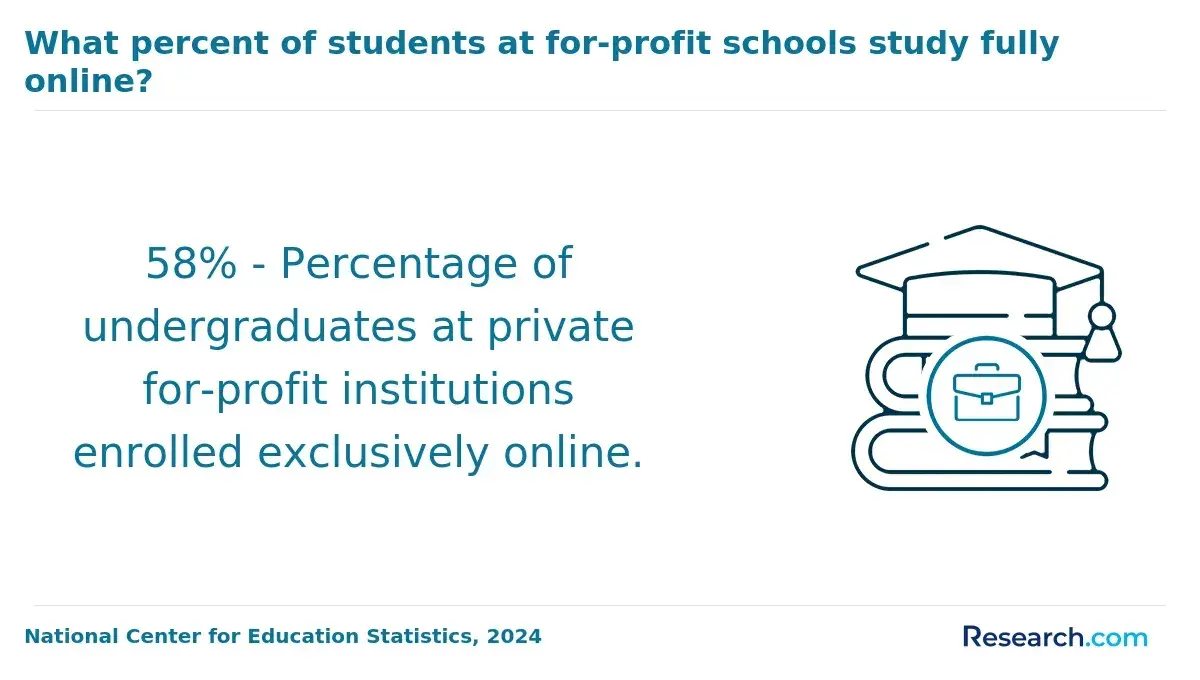
Choosing the right delivery format is crucial for prospective students evaluating information systems degree programs, as it impacts flexibility, engagement, and career readiness. Notably, enrollment in fully online undergraduate programs grew by 5% from 2018 to 2021, according to the National Center for Education Statistics. The following comparison highlights the strengths and challenges of each format.
Online Degrees
- Flexibility: Students can study at their convenience, balancing education with jobs or personal life more easily than traditional formats.
- Networking Limitations: Opportunities to build professional connections can be fewer, as face-to-face interactions are limited.
- Self-Motivation Required: Success often depends on independent time management and discipline without immediate supervision.
- Modern Learning Tools: Many programs use interactive platforms and real-world projects to replicate hands-on experiences.
Campus-Based Degrees
- Direct Engagement: Access to faculty, peers, and campus resources fosters strong relationships and collaboration.
- Practical Experience: In-person labs and group work develop applicable skills through active participation.
- Less Flexible Scheduling: Fixed class times and required commuting can challenge students with other responsibilities.
- Enhanced Networking: Face-to-face contact often leads to richer professional connections.
When asked about his decision-making process, a graduate of an online information systems degree shared that comparing programs was both exciting and daunting. "I had to weigh my work schedule against the intensity of the courses," he explained.
"Seeing how some programs included live sessions helped me picture how connected I could feel even online." Yet, he admitted the absence of campus life left him initially worried about missing out on networking. Over time, though, he found creative ways to engage virtually and build a support system, noting, "It wasn't easy, but deciding based on what fit my lifestyle helped me stay motivated and finish strong."
How do GPA requirements vary among information systems degree programs?
GPA requirements serve as a key differentiator when evaluating information systems degree programs, significantly impacting admissions chances and academic expectations. Below are important aspects to consider regarding how GPA criteria vary and influence program selection.
- Range of Standards: GPA thresholds differ widely, with some programs requiring a minimum around 3.0 or higher, reflecting a competitive academic environment, while others allow more leniency depending on additional applicant strengths.
- Flexible Admissions: Many programs use a holistic review process, where lower GPAs might be offset by relevant work experience, strong recommendations, or personal statements, highlighting a broader evaluation beyond grades alone.
- Course-Specific Weighting: Some institutions emphasize GPA in major-related coursework more than overall undergraduate GPA, prioritizing demonstrated expertise in core information systems subjects over general academic performance.
- Graduate Program Policies: Graduate-level degrees often adopt more adaptable GPA rules, occasionally permitting conditional acceptance or probationary status for applicants just below standard cutoffs, reflecting the varied preparedness of candidates.
How can you compare tuition across information systems degree programs?
Comparing tuition among information systems degree programs is essential because costs vary widely and significantly affect long-term financial stability. With the average graduate student loan debt nearing $71,000, evaluating tuition alongside other expenses becomes vital. Consider these factors when assessing program affordability:
- Total Program Cost: Look beyond tuition alone by including mandatory fees and additional expenses such as textbooks or software. Some programs may appear cheaper initially but have higher overall costs once these are factored in.
- Cost Per Credit: This reveals how much each credit hour actually costs and helps when programs require different total credits for completion, making some degrees more affordable than others on a per-credit basis.
- Financial Aid Options: Scholarships, grants, and federal aid can dramatically reduce net costs. Comparing the availability and criteria for aid programs can influence which school offers the best value.
- Employer Tuition Benefits: For working students, employer sponsorship or reimbursement can lower out-of-pocket tuition expenses. Knowing the extent and conditions of such benefits is crucial when comparing programs.
- Long-Term Value: Cheaper upfront costs don't always equate to better outcomes. Higher tuition might pay off through stronger job placement rates, higher salaries, or networking opportunities provided by the program.
When I spoke with a recent information systems graduate about tuition comparisons, she shared that managing these variables was initially overwhelming. "I had to track fees and compare what financial aid would realistically cover rather than just looking at advertised tuition rates," she explained.
She found employer benefits complicated to verify but ultimately valuable. Her process involved reaching out directly to program advisors and past students for clarity. "It wasn't just the numbers-understanding how a program's reputation and career support translated into job offers helped me decide where the best investment really was." This experience highlights how personal research beyond basic tuition figures can lead to more informed and confident decisions.
Does an information systems degree meet licensure requirements?
Aligning an information systems degree with licensure requirements is essential for students targeting regulated fields or career transitions. Nearly 25% of U.S. jobs mandate professional certification or licensure, making it vital to select programs that match these standards. Consider the following factors when comparing information systems programs:
- Curriculum Alignment: Assess whether the coursework covers skills needed for certifications like Certified Information Systems Auditor (CISA) or Certified Information Systems Security Professional (CISSP), ensuring relevant exam preparation.
- Accreditation Standards: Verify if the program holds accreditation from recognized organizations such as ABET, which can be crucial for qualifying for licensure exams and professional recognition.
- State-Specific Requirements: Research local mandates, as some states require distinct coursework or supervised practice hours to meet licensure eligibility.
- Supervised Experience: Determine if the program includes internships or practicum components, providing the practical experience often required before obtaining licensure.
- Exam Eligibility: Confirm that completing the degree makes candidates eligible to sit for necessary certification or licensing exams, minimizing additional training delays.
Which information systems programs have the best career placement rates?
Career placement rates serve as a vital benchmark when evaluating information systems degree programs because they reveal how well a program prepares students for success in the job market. For example, a 2023 report by the National Association of Colleges and Employers found that graduates from top U.S. information systems degree programs with highest employment outcomes secured jobs at an employment rate exceeding 90% within six months of graduation.
Here are key factors prospective students should consider when assessing these programs:
- Published Career Placement Rates: Many schools publicly share placement statistics through their career services or institutional research offices. Reviewing these numbers offers a snapshot of how effectively graduates transition from academics to professional roles.
- Employer Partnerships: Programs that maintain strong connections with industry often facilitate direct job placement or networking opportunities. Partnerships with employers can lead to exclusive internship pipelines and recruitment events, giving students a competitive edge.
- Internship Opportunities: Hands-on experience through internships is critical. Programs that offer structured internships help students build real-world skills and professional contacts, which are often correlated with higher placement rates.
- Alumni Outcomes: Tracking the sectors and companies where alumni find employment provides insight into the long-term career support a program offers. Successful alumni stories reflect a program's ability to prepare graduates for diverse career paths.
- Support Services: Career counseling, resume workshops, and job fairs tailored to information systems careers can substantially aid students' job searches. Such dedicated services indicate a program's commitment to student career success.
Prospective students wanting to know what bachelors degree should I get can benefit from exploring these aspects alongside salary data and program quality.
How do salaries compare across information systems degree program graduates?
Salary outcomes are a key factor for prospective students comparing information systems degree programs as they indicate potential return on investment and career growth. Entry-level analysts typically earn between $60,000 and $80,000 annually, while top IT managers can see wages exceeding $120,000. The following aspects highlight key salary variations among graduates:
- Role: Salaries differ significantly by role, with analysts earning less than experienced managers or systems architects who often command higher pay due to advanced responsibilities and leadership duties.
- Industry: Graduates working in finance, healthcare, or technology generally receive higher compensation compared to those in government or education sectors, reflecting differing industry demands.
- Location: Geographic factors impact earnings, with urban centers like San Francisco, New York, and Seattle offering better salaries to offset higher living costs and draw from competitive talent pools.
- Experience: Wages typically increase with experience; mid-career professionals earn more than recent graduates, and senior leaders benefit from premium salaries, as demonstrated by the $151,150 median annual wage for computer and information systems managers reported in May 2023.
For students seeking affordable options while pursuing these salary outcomes, exploring online colleges with financial aid can be a strategic choice. Understanding average salaries for information systems degree holders by region can further guide decisions about program selection and career planning.
What Graduates Say About Comparing Information Systems Degree Programs Effectively
- Allen: "Before deciding on an information systems degree, I weighed several fields, but the affordability of this program really stood out compared to others that were far more expensive. With the average cost of attendance much lower here, I felt it was a smart investment. Since graduating, the practical skills I gained have propelled my career, making me more competitive and confident in the tech industry. "
- Zara: "Choosing to enroll in an information systems degree was a thoughtful decision driven largely by cost concerns; I couldn't justify the high tuition of other programs. Reflecting back, the program's blend of accessible costs and high-quality coursework was exactly what I needed. It has opened doors professionally that I hadn't expected, providing a solid foundation for my current role in IT management."
- Ingrid: "I was initially hesitant because many degree options were priced out of my reach, but the comparatively moderate cost of an information systems degree made it a feasible choice. The real-world applicability of the classes, combined with the financial practicality, gave me a unique advantage. Today, I can confidently attribute my career advancements and salary growth to this education. "
Other Things You Should Know About Information Systems Degrees
In 2027, when comparing curricula, consider core course consistency, elective options, and alignment with industry trends. Look for programs that offer courses in cybersecurity, data analytics, and emerging technologies. Evaluate faculty expertise and research facilities to ensure a comprehensive education aligned with career goals.
Many information systems programs include internships, co-ops, or capstone projects to provide hands-on experience. Requirements for these practical components vary, with some programs mandating completion before graduation and others offering them as optional. Evaluating these options is crucial for students seeking real-world application and networking opportunities.
References
- Accreditation - ABET https://www.abet.org/accreditation/
- Computer Information Systems https://wit.edu/academics/management/degrees/undergraduate/computer-information-systems
- Bachelor of Science Management Information Systems https://europe.umgc.edu/online-degrees/bachelors/information-systems-management
- Computer Information Systems, BS https://www.fitchburgstate.edu/academics/programs/computer-information-systems-bs
- Information Systems vs. Information Technology (IS vs. IT) https://www.coursera.org/articles/information-systems-vs-information-technology
- MS in Information Systems in USA with Low GPA: Universities & Fees 2025 https://studyabroad.careers360.com/articles/ms-in-information-systems-in-usa-low-gpa
- Management Information Systems Major https://www.stonehill.edu/programs/management-information-systems/
- Master’s in Information System in the USA https://gradright.com/masters-in-information-system-in-the-usa/
- Information Systems Certificate | Florida Gulf Coast University https://www.fgcu.edu/cob/programs/isasc/information-systems-certificate


