
2027 Social Work Degree Programs With No GRE or GMAT Requirements

Co-Founder and Chief Data Scientist
Choosing a social work degree program without the GRE or GMAT can remove a major application barrier, especially for working adults, career changers, first-generation graduate students, and applicants returning to school after several years in the field. Test preparation can add cost, delay deadlines, and shift attention away from the parts of an application that often matter more in social work: academic readiness, service experience, ethical judgment, communication skills, and commitment to vulnerable populations.
Nearly 40% of social work graduate programs have removed standardized test requirements to improve access and diversity among students. That shift reflects a broader admissions trend: schools are increasingly questioning whether exam scores meaningfully predict success in a profession built on field education, cultural competence, advocacy, and client-centered practice.
This guide explains what “no GRE or GMAT required” means, which social work programs commonly use test-optional admissions, what schools evaluate instead, how waivers work, and whether these policies affect accreditation, cost, graduation time, employer perception, or salary outcomes.
Key Benefits of Social Work Degree Programs with No GRE or GMAT Requirements
- Social work programs without GRE or GMAT requirements increase accessibility for nontraditional and working students balancing education with other commitments.
- Eliminating these tests reduces application time and cost, making social work degrees more affordable and attainable for a wider range of applicants.
- Admissions focus more on holistic criteria, emphasizing academic history and professional experience, aligning candidate evaluation with real-world social work skills and potential.
What Does "No GRE or GMAT Required" Mean for a Social Work Degree?
“No GRE or GMAT required” means an applicant can be considered for admission to a social work degree program without submitting standardized graduate test scores. In most cases, this does not mean the program is easier, less selective, or less rigorous. It means the school uses other evidence to judge whether the applicant is ready for graduate-level social work education.
In recent years, nearly 60% of social work programs have eliminated GRE or GMAT requirements, reflecting a shift toward no-test admissions policies that emphasize holistic review. For social work, this approach often makes practical sense: a strong applicant may show readiness through coursework, employment in human services, volunteer work, advocacy experience, field exposure, or a clear professional mission rather than through a general standardized test.
What applicants should understand before applying
- No-test does not mean automatic admission: Programs still evaluate academic preparation, writing ability, professional judgment, and fit with the school’s mission.
- Admissions may become more holistic: Committees often give more weight to transcripts, personal statements, recommendations, work history, and evidence of service.
- Optional scores may still help some applicants: If a program is test-optional and an applicant has strong scores, submitting them may strengthen the file. If scores are weak, applicants can usually rely on other materials unless the school states otherwise.
- Requirements can vary by pathway: A school may waive tests for some tracks, such as online, part-time, or advanced standing options, while keeping additional requirements for other applicants.
- Academic standards remain separate from admissions testing: Once admitted, students must still complete the same core coursework, field education, and program expectations required for graduation.
Applicants comparing graduate school options may notice similar test-optional trends across fields. For example, resources on affordable online MBA programs can provide a useful comparison point for how graduate admissions policies are changing across disciplines.
What Types of Social Work Programs Have No GRE or GMAT Requirements?
No-GRE and no-GMAT policies are common across several social work formats, especially programs designed for applicants who already have relevant academic preparation, field exposure, or professional experience. The most important point is to check the exact admissions page for each program, because requirements can differ by campus, delivery format, start term, or degree track.
Common program types that waive standardized tests
- Online or hybrid programs: These programs often serve working adults, caregivers, and students who need location flexibility. Because their applicant pools are diverse, they may rely more heavily on transcripts, essays, recommendations, and experience than on test scores.
- Part-time programs: Part-time social work programs frequently attract applicants already employed in social services, nonprofit work, education, healthcare, community outreach, or related fields. Professional experience can become a stronger readiness signal than a standardized exam.
- Advanced standing programs: These pathways are generally intended for students who already hold an undergraduate social work degree. Because applicants have prior social work coursework and often field education, schools may not require additional standardized testing.
- Holistic admissions programs: These programs explicitly review the whole applicant, including academic history, service orientation, writing quality, professional references, lived experience, and alignment with social work values.
How to compare no-test programs
When reviewing programs, do not stop at the phrase “no GRE required.” Compare accreditation status, field placement support, tuition, financial aid, licensure alignment, class format, faculty access, and whether the program offers the concentration you need. Applicants focused on counseling-related alternatives may also want to compare social work options with affordable CACREP-accredited online counseling programs, since licensure pathways and professional roles differ by field.
What Do Schools Look at Instead of GRE or GMAT for Social Work Admissions?
When social work programs do not require GRE or GMAT scores, they usually shift attention to evidence that is more directly connected to social work education and practice. Many programs have waived standardized test requirements to increase accessibility and reduce barriers for a broader applicant pool. This aligns with a national trend where over 60% of social work programs now use test-optional or test-waiver policies.
Admissions factors that often matter most
- Academic transcripts: Schools review GPA, prerequisite coursework, grade trends, writing-intensive courses, and performance in social science or human services-related subjects. A transcript can show whether an applicant is ready for graduate reading, research, and writing demands.
- Personal statement: This is often one of the most important parts of the application. Strong essays explain why the applicant wants to study social work, what populations or issues they hope to serve, and how their background has prepared them for ethical, client-centered practice.
- Letters of recommendation: Effective recommendations come from people who can speak to reliability, maturity, communication skills, empathy, leadership, academic ability, or professional conduct. Generic letters are less helpful than specific examples.
- Relevant experience: Paid work, internships, AmeriCorps service, crisis hotline volunteering, case management exposure, advocacy, community organizing, healthcare support, school-based work, and nonprofit experience can all help demonstrate fit.
- Interview performance: If an interview is required, schools may evaluate communication, self-awareness, ethical reasoning, cultural humility, and the applicant’s understanding of the realities of social work practice.
How to strengthen an application without test scores
Applicants should use the application to create a consistent picture: the transcript shows academic readiness, the statement explains purpose, the resume shows service or professional exposure, and recommendations confirm the applicant’s strengths. Students comparing closely related helping-profession degrees can also review affordable online MFT programs, but should remember that social work, counseling, and marriage and family therapy programs can lead to different licensure requirements.
Who Qualifies for GRE or GMAT Waivers in Social Work Programs?
Some programs are fully test-free, while others require applicants to request a GRE or GMAT waiver. A waiver means the school normally has a testing policy but allows certain applicants to apply without scores if they meet stated criteria. These criteria vary, so applicants should read the admissions instructions carefully and ask whether the waiver must be approved before submitting the application.
Applicants who commonly qualify for waivers
- Experienced professionals: Applicants with several years in social services, healthcare, education, nonprofit work, community advocacy, or a related field may be able to show readiness through job responsibilities and documented performance.
- Strong academic history: Candidates with a high undergraduate GPA, typically 3.0 or above, may qualify because prior coursework provides evidence of academic preparation.
- Graduate students or alumni: Applicants who have already completed graduate coursework or hold an advanced degree may be exempt because they have demonstrated graduate-level study skills.
- Military personnel or veterans: Some programs recognize military training, leadership, discipline, and service experience when evaluating waiver eligibility.
- Certified professionals: Applicants who hold credentials such as Licensed Social Worker may qualify because the credential reflects field knowledge and professional preparation.
What to include in a waiver request
A strong waiver request is brief, specific, and evidence-based. Applicants should reference the program’s stated criteria, identify the qualification they meet, and attach or list supporting documentation such as transcripts, resumes, licenses, certifications, or proof of professional experience.
A graduate of an online social work program without GRE or GMAT requirements described the waiver as a major turning point: “Preparing for those tests while working full-time was overwhelming.” He said the waiver allowed him to focus on his application essay and relevant experience instead.
“It wasn’t just about scores; the program valued my background and passion, which made the process more personal and less stressful,” he added. His experience reflects why waiver policies can matter for nontraditional students who have strong field experience but limited time or resources for test preparation.
Are Course Requirements the Same in No-GRE or GMAT Social Work Programs?
Course requirements are generally determined by the degree level, accreditation standards, curriculum model, and licensure preparation goals—not by whether the school requires the GRE or GMAT. A no-test admissions policy changes how applicants enter the program; it does not automatically change what students must learn or complete after enrollment.
How no-test and test-required programs usually compare
- Curriculum alignment: Both types of programs typically include social work theory, ethics, policy, research methods, human behavior, diversity and social justice content, assessment, intervention, and field education.
- Learning outcomes: No-GRE or no-GMAT programs still aim to build the competencies needed for client assessment, ethical decision-making, evidence-informed practice, documentation, advocacy, and collaboration.
- Faculty oversight: Faculty members design assignments, evaluate student performance, supervise academic progress, and maintain expectations regardless of admissions testing policy.
- Assessment methods: Students are usually evaluated through papers, case analyses, presentations, research projects, exams, skills demonstrations, participation, and field evaluations rather than through admissions test performance.
- Field education: Field placement expectations remain a central part of social work education. Students should ask how placements are arranged, whether evening or weekend options exist, and what support is available for online learners.
The better question is not whether a program required the GRE or GMAT, but whether the curriculum fits the student’s goals. Applicants should confirm whether the program supports the practice area they want, such as clinical social work, school social work, healthcare, child and family services, community practice, policy, or administration.
Are No-GRE or GMAT Social Work Programs Accredited?
Yes, many no-GRE and no-GMAT social work programs are accredited. Accreditation is based on educational quality, institutional standards, curriculum, faculty qualifications, student support, outcomes, and professional preparation. It is not based on whether a program requires a standardized admissions exam.
Students should evaluate two types of accreditation. Institutional accreditation applies to the college or university as a whole. Program-level accreditation applies specifically to the social work program and is especially important when a degree is intended to support professional practice or licensure goals.
For social work, students should pay close attention to specialized program-level approval from organizations like the Council on Social Work Education (CSWE). Accreditation can affect field education standards, transferability, employer recognition, and eligibility for certain licensure pathways. Because licensure rules vary by state and role, applicants should verify both the program’s accreditation status and their state’s licensing requirements before enrolling.
How to verify accreditation before applying
- Check the school’s official accreditation page: Confirm the accrediting body and the status of the institution.
- Use official accreditor databases: Do not rely only on marketing language or third-party summaries.
- Confirm the exact program and format: Make sure the online, hybrid, campus-based, advanced standing, or part-time option is covered as applicable.
- Ask about licensure alignment: Admissions staff should be able to explain how the curriculum supports common licensure requirements, but students should still verify state rules independently.
Does Waiving the GRE or GMAT Reduce the Total Cost of a Social Work Degree?
Waiving the GRE or GMAT can reduce upfront application costs, but it does not automatically make the full degree cheaper. GRE fees alone range from $205 to $275, and GMAT fees range from $250 to $300, not including preparation books, courses, tutoring, score reports, travel, or the opportunity cost of study time. For many applicants, avoiding those costs is meaningful. Still, tuition, fees, field placement logistics, books, technology, commuting, and lost work hours usually make up a much larger share of total degree cost.
Where students may save money
- Testing and preparation: Applicants can avoid exam fees and may not need paid prep resources.
- Application timing: Without test scheduling, retesting, and score reporting delays, some students can apply earlier and enter the program sooner.
- Reduced stress-related costs: Students balancing work, caregiving, and school applications may save time and avoid taking unpaid leave for test preparation or test day.
Where costs may remain the same or increase
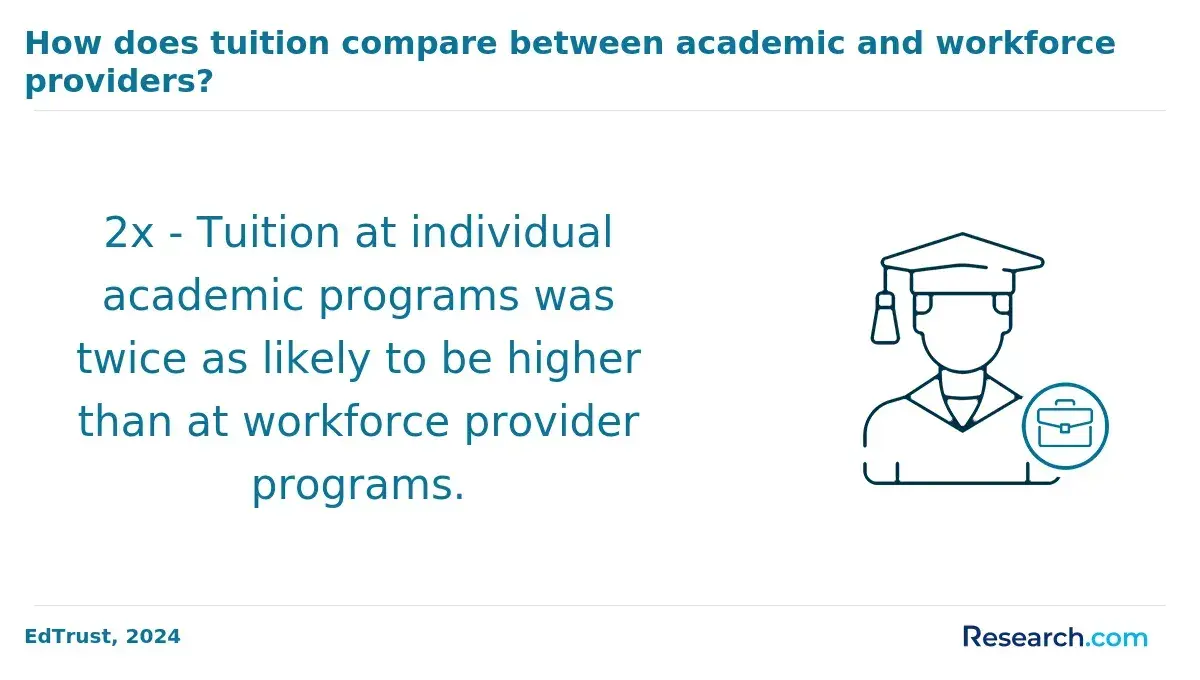
- Tuition: A no-test program may charge similar or even higher tuition than a test-required program.
- Fees and materials: Technology fees, course materials, background checks, liability insurance, and field placement expenses can still apply.
- Financial aid conditions: Certain scholarships, assistantships, or grants may still require test scores, limiting funding opportunities for applicants without GRE or GMAT results.
- Indirect costs: Living expenses, reduced work hours, transportation, childcare, and extended enrollment can outweigh application-stage savings.
Students comparing cost should calculate the full price of attendance rather than focusing only on test savings. Those specifically looking for lower-cost graduate social work options can use an affordable online msw list as a starting point, then verify tuition, accreditation, field placement support, and financial aid directly with each school.
When I spoke with a graduate of a no-GRE required social work master’s program, she described the policy as both financially and emotionally helpful: “Not having to prepare for and take the GRE saved me hundreds of dollars and weeks of stress during a difficult time.” She also emphasized that the degree still required careful budgeting because tuition and living costs remained significant.
She appreciated the faster admission timeline, which allowed her to begin moving toward her career goals sooner, but she cautioned applicants to research financial aid early. Her experience shows the practical takeaway: test waivers can lower entry costs, but they do not guarantee a lower total degree cost.
Does Removing the GRE or GMAT From Social Work Programs Affect Graduation Time?
Removing the GRE or GMAT usually affects the admissions timeline more than the graduation timeline. It may help applicants apply sooner because they do not need to schedule an exam, prepare for retesting, or wait for scores. Once enrolled, however, graduation time depends mainly on program structure, course load, field education requirements, transfer credit, academic progress, and the student’s work and personal responsibilities.
Data shows that the average duration for completing a master’s degree in social work is typically two to three years for full-time students. A no-test policy does not change that by itself, but it can make the path into the program faster and less complicated.
Factors that influence time to completion
- Admissions readiness: Without standardized testing, schools may rely more heavily on transcripts, experience, and writing samples to judge whether students are prepared for graduate-level work.
- Course sequencing: Required courses may need to be taken in a specific order. Missing a prerequisite or taking a reduced course load can delay graduation.
- Academic support: Advising, tutoring, writing support, field placement guidance, and peer networks can help students stay on track.
- Student schedule: Full-time students, part-time students, and working professionals often progress at different rates.
- Program format: Online, hybrid, and in-person formats can affect convenience, structure, commuting time, and access to required field placements.
Students who need maximum scheduling flexibility should compare start dates, course availability, field placement policies, and part-time options before enrolling. Those still exploring broader online education pathways can also review affordable online colleges to understand how format and cost differ across degree levels.
Overall, no-GRE and no-GMAT policies may help students begin sooner, but graduation speed depends on program design and individual circumstances rather than standardized test policies alone.
Do Employers Care If a Social Work Program Doesn't Require GRE or GMAT?
Most social work employers care far more about accreditation, licensure eligibility, field experience, professionalism, and job-ready skills than whether the applicant submitted GRE or GMAT scores. Over 40% of accredited social work programs have adopted test-optional policies or eliminated these exams, according to a survey by the Council on Social Work Education, so employers are increasingly familiar with graduates from no-test programs.
What employers usually evaluate
- Accreditation and degree relevance: Employers want to know that the degree comes from a legitimate program that prepares graduates for professional social work practice.
- Fieldwork and internships: Supervised experience is often more persuasive than admissions test history because it shows how the graduate performs in real service settings.
- Licensure and certification: For many roles, licensure eligibility or active licensure matters much more than whether a program required standardized tests.
- Practice skills: Employers look for communication, documentation, assessment, crisis response, case management, cultural humility, ethical judgment, and teamwork.
- Program reputation and local connections: A school’s field placement network and reputation with local agencies can influence hiring opportunities.
A no-test admissions policy is unlikely to be a hiring disadvantage if the program is accredited, the student completes strong field placements, and the graduate meets licensure or certification expectations for the role. Applicants comparing social work with other career-oriented programs can review online degrees with strong career outcomes, but should weigh salary against licensure requirements, service population, emotional demands, and long-term career fit.
How Does Salary Compare for No-GRE vs GRE Social Work Degrees?
Salary is usually shaped by occupation, licensure, location, employer type, specialization, experience, and program reputation—not by the GRE or GMAT requirement alone. Labor-market data shows graduates from test-optional social work programs typically start with salaries about 7% lower than those from GRE-mandated programs. That difference should be interpreted carefully because test-required programs may differ in selectivity, institutional reputation, location, employer networks, or student demographics.
Factors that can influence the salary difference
- Program reputation: Institutions with GRE requirements may sometimes have stronger employer connections, more selective admissions, or greater name recognition, which can influence early job opportunities.
- Work experience: Students who enter with relevant experience or complete strong field placements may improve their starting salary prospects regardless of admissions testing policy.
- Skill development: Programs with strong preparation in clinical practice, administration, policy, research, healthcare, school settings, or leadership may position graduates for roles with more responsibility.
- Industry demand: Funding levels and job availability vary across agencies, hospitals, schools, government programs, and nonprofits.
- Geographic location: Urban areas generally offer higher wages than rural settings, which can affect earnings more than a program’s testing policy.
Students should avoid choosing a program based only on whether it requires the GRE. A better salary-focused comparison includes accreditation, licensure preparation, field placement quality, alumni outcomes, specialization options, tuition, and local employer relationships.
What Graduates Say About Their Social Work Degree Program with No GRE or GMAT Requirements
- : "Choosing a social work degree program with no GRE or GMAT requirements was a relief for me, as standardized tests never reflected my true potential. The affordable tuition, which was notably lower than many traditional programs, made it possible to pursue my passion without financial strain. Graduating from this program has truly opened doors for me in community outreach, and I feel equipped to make a meaningful impact every day. — Tristan"
- : "After weighing my options, I opted for a social work degree that did not require GRE or GMAT scores because I wanted to focus my energy on practical learning instead of test preparation. The cost, which averaged around $15,000 annually, was manageable and worth every penny considering the flexibility and support the program provided. Completing this degree has significantly boosted my confidence and credibility as a licensed social worker in a hospital setting. — Holly"
- : "Professionally, I pursued a social work degree without needing GRE or GMAT because it streamlined my admission process and aligned with my timeline to enter the workforce. The reasonable cost was a decisive factor, especially since I was funding my education independently. With this degree, I have advanced to a leadership role within a nonprofit organization, demonstrating how accessible education directly influences career growth. — Roslyn"
Other Things You Should Know About Social Work Degrees
In 2027, social work programs without GRE or GMAT requirements often evaluate applicants based on undergraduate GPA, personal statements, letters of recommendation, and relevant work or volunteer experience. This holistic approach aims to assess candidates' readiness and commitment to the field of social work.
Letters of recommendation tend to carry increased weight in social work programs that waive GRE or GMAT scores. Admissions panels rely on these references to assess an applicant's interpersonal skills, ethical standards, and suitability for social work practice. Strong recommendations from professors, employers, or supervisors familiar with the applicant's abilities can be critical to a successful application.
Without GRE or GMAT scores, social work programs often assess academic readiness through undergraduate transcripts, especially prerequisite courses related to social sciences. Some programs may also require personal statements, writing samples, or interviews to evaluate critical thinking and communication skills. These measures help ensure that admitted students are prepared for graduate-level coursework.
References
- Online MSW Programs With No GRE Required - MSW Degrees https://www.mswdegrees.org/degrees/no-gre/
- 15 MSW Programs That Accept Low GPA Students in 2025 (Below 3.0) - Social Work Education Center https://www.socialworkdegree.net/online-msw-programs/msw-programs-that-accept-low-gpa/
- Online Master’s in Social Work Programs https://onlinecounselingprograms.com/online-counseling-degrees/cswe-accredited-online-msw-programs/
- Online MSW in Social Work Degree with No GRE + Best Accredited Options | HealthGrad https://www.healthgrad.com/mental-health/no-gre-online-masters-social-work-degree/
- Social Worker (LCSW, MSW) Salary Guide By State https://socialworklicensemap.com/social-work-careers/social-work-salary/
- FAQ: Are there any online MSW programs that do not require the GRE? https://www.onlinemswprograms.com/faqs/online-msw-programs-no-gre-required/
- Masters degree without GRE or GMAT | MS in USA - MBA Crystal Ball https://www.mbacrystalball.com/blog/2016/04/06/masters-degree-without-gre/


