
2027 Social Work Degree Programs for Career Changers

Co-Founder and Chief Data Scientist
Changing into social work is not just a degree decision; it is a time, money, licensing, and field-placement decision. Adult professionals often need a program that lets them keep working, use prior experience, and move toward a credential without starting over academically. Nearly 54% of social work students are over age 25, which shows how common this path has become for career changers rather than only first-time college students.
This guide explains which social work programs may fit career changers, what admissions committees typically expect, how coursework and field education work, which formats offer the most flexibility, and what career and salary outcomes to consider. It is designed for adults comparing BSW, MSW, online, hybrid, and part-time options while trying to make a practical transition into social work.
Key Things to Know About Social Work Degree Programs for Career Changers
- Many social work degree programs offer flexible scheduling and online or hybrid formats, enabling working adults to balance studies with full-time employment.
- Accelerated degree options reduce time to completion by up to 50%, allowing career changers to enter the workforce faster while meeting licensure requirements.
- Support services like career counseling, peer mentoring, and employer partnerships improve graduate employment rates, which currently average 85% within six months post-graduation.
What Social Work Programs Accept Career Changers?
Many social work programs accept applicants who did not major in social work. The key is choosing the right degree level for your current education, career goal, and licensing needs. Since nearly 40% of graduate program enrollments come from adult learners, many schools now offer formats and admissions processes built for students with work histories, family responsibilities, and prior degrees.
- Accelerated Bachelor of Social Work (BSW) Completion Program: This option may fit students who already have college credits or a bachelor's degree in another field but need an undergraduate social work foundation. It can reduce duplication when transfer credits apply, but students should confirm how many credits the school will accept before enrolling.
- Master of Social Work (MSW) Program: An MSW is often the main route for adults who already hold a bachelor's degree and want advanced social work roles. Applicants from fields such as education, healthcare, psychology, criminal justice, human services, or business may be able to show relevant preparation through work experience, recommendations, and a strong personal statement.
- Online Social Work Degree Programs: Online programs can work well for adults who need asynchronous coursework or who cannot relocate. However, field education is still required in social work, so students should ask how placements are arranged in their local area and whether evening or weekend placements are realistic.
- Hybrid Social Work Programs: Hybrid programs combine online coursework with campus visits, in-person skills labs, or local field placements. They can offer more face-to-face connection than fully online programs while still reducing commuting demands.
Career changers should pay close attention to accreditation, field placement support, time to completion, and whether the degree aligns with state licensure requirements. For comparison, flexible graduate models in other fields, such as online EdD programs, can help adults understand how accelerated or online structures may differ across professions.
What Social Work Specializations Are Best for Career Changers?
The best specialization for a career changer is usually the one that connects prior experience with a realistic employment path. The U.S. Bureau of Labor Statistics projects a 13% growth in employment for social workers through 2032, but demand, licensing requirements, and daily responsibilities vary by specialty.
These specializations often make sense for adults entering social work from another field:
- Healthcare Social Work: This path can fit people with backgrounds in nursing support, healthcare administration, patient services, public health, or counseling. Healthcare social workers help patients and families understand care plans, access resources, manage discharge needs, and cope with illness or disability.
- Child and Family Social Work: This specialization may appeal to career changers with nonprofit, education, childcare, advocacy, or community-service experience. The work can involve case management, family support, child welfare, and coordination with schools, courts, or agencies.
- School Social Work: Former teachers, youth workers, coaches, and education staff may find this path especially relevant. School social workers support students' social, emotional, behavioral, and family-related needs, often working with teachers, administrators, parents, and community providers.
- Mental Health and Substance Abuse Social Work: Adults with psychology, peer support, crisis response, counseling, or healthcare experience may be drawn to this area. It can offer strong mission alignment, but students should understand that clinical practice typically requires supervised experience and licensure after graduation.
Career changers comparing social work with counseling should understand the credential differences. Social work programs emphasize person-in-environment practice, advocacy, systems navigation, and field education, while counseling programs may focus more narrowly on therapeutic methods. For adults considering counseling as a related path, CACREP-accredited online counseling programs can provide a useful comparison point.
What Are the Admission Requirements for Career Changers Applying to a Social Work Program?
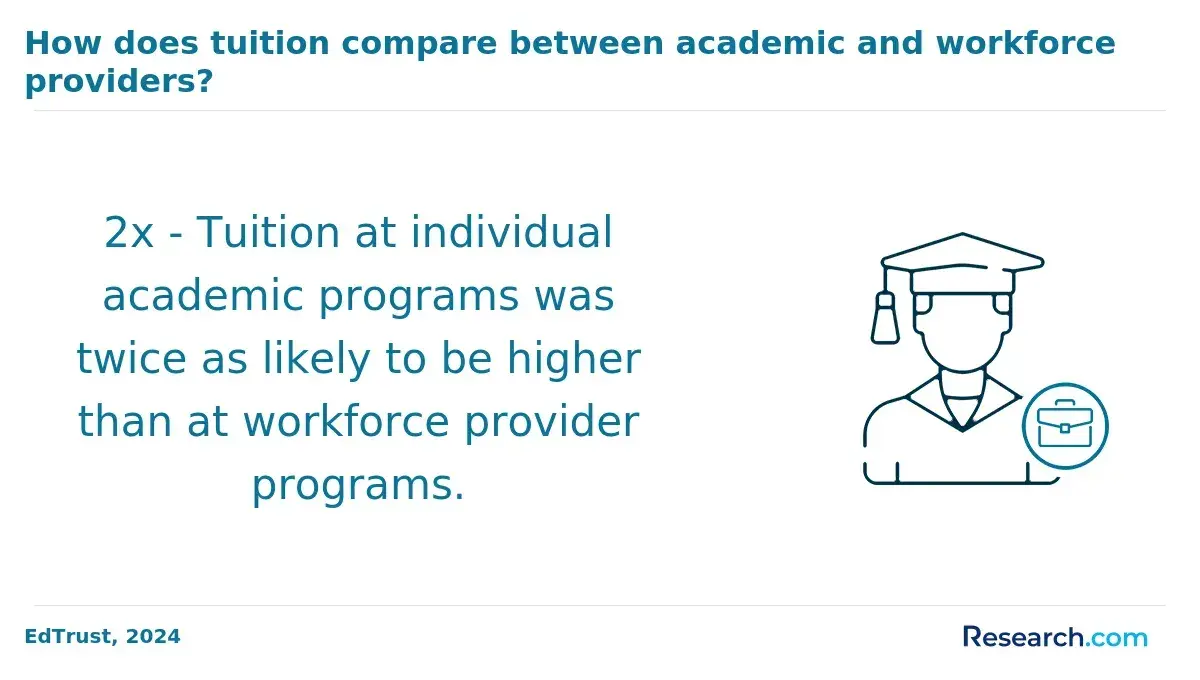
Admissions requirements for career changers usually focus on academic readiness, professional maturity, and a clear reason for entering social work. Approximately 40% of postbaccalaureate students in the U.S. are nontraditional learners, so many programs are familiar with applicants who have been out of school for years or who are moving from an unrelated profession.
Common requirements include:
- Bachelor's Degree: MSW programs generally require a bachelor's degree from an accredited institution, but the major does not always have to be social work. BSW completion programs may evaluate prior college credits differently, so applicants should request a transfer-credit review early.
- Official Transcripts: Schools use transcripts to evaluate GPA, prerequisite coursework, writing preparation, and overall academic readiness. If your grades were uneven, use the application to explain growth, later success, or relevant professional development.
- Letters of Recommendation: Career changers can often use supervisors, volunteer coordinators, faculty, or professional colleagues. Strong letters should speak to judgment, communication, reliability, empathy, leadership, and readiness for client-facing work.
- Personal Statement: This is one of the most important parts of a career-change application. It should explain why social work, why now, what you understand about the profession, and how your past experience prepares you for ethical service.
- Relevant Experience: Paid social work experience is not always required. Volunteer work, caregiving, mentoring, crisis-line service, human services work, education, healthcare, nonprofit work, and community engagement can all help demonstrate fit.
- Updated Resume: A social work application resume should translate your past roles into relevant competencies such as assessment, advocacy, documentation, collaboration, conflict resolution, training, and case coordination.
Some programs may also require an interview, writing sample, background check, or prerequisite courses. Adults applying to online or part-time programs should ask whether admission is available year-round, whether field placement begins immediately, and whether prior experience can strengthen the application without replacing required coursework. Students comparing adjacent helping-profession degrees may also review affordable online MFT programs to understand how admissions and licensure paths differ.
What Is the Coursework for a Social Work Degree for Career Changers?
Social work coursework is designed to move students from good intentions to professional practice. For career changers, the curriculum must do two things at once: build a foundation in social work values and methods, and help students translate prior career experience into ethical, supervised practice.
Most programs include the following areas:
- Foundations Of Social Work: Students study the profession's history, mission, values, ethical standards, and role in addressing individual and social problems. This course helps career changers understand how social work differs from counseling, coaching, casework, and general nonprofit service.
- Human Behavior And The Social Environment: Coursework examines how development, family systems, culture, community, policy, trauma, inequality, and institutions affect people across the lifespan. This helps students avoid viewing client concerns in isolation.
- Social Work Practice: Practice courses teach engagement, assessment, intervention, documentation, advocacy, and evaluation at the individual, family, group, organization, and community levels. Students learn how to work within professional boundaries rather than relying only on personal instincts.
- Research Methods: Students learn to read research, evaluate programs, use evidence-informed practices, and assess whether interventions are working. This is especially important for career changers moving from experience-based decision-making into accountable professional practice.
- Field Education Or Practicum: Field education places students in supervised agency settings where they apply classroom learning. It is often the most time-intensive part of the degree, so working adults should ask about placement schedules, required hours, supervision, and whether employment-based placements are allowed.
Flexible programs may offer online, evening, or part-time coursework, but field education usually requires predictable availability. One professional who completed an online social work degree to change careers described balancing coursework with a full-time job as "challenging but rewarding." He initially felt overwhelmed by practicum demands, but structured supervision and real-world assignments helped build confidence.
He also described the curriculum as "relevant and flexible" because it allowed him to connect assignments to the populations and settings he hoped to serve. For career changers, that connection matters: the most useful coursework does not simply explain social work concepts; it helps students practice professional judgment before they are responsible for clients independently.
What Social Work Program Formats Are Available for Career Changers?
Career changers should choose a format based on three constraints: weekly study time, field-placement availability, and how quickly they need to graduate. More than 40% of graduate students are age 30 or older, so many schools now offer formats that recognize adult learners cannot always attend full-time daytime classes.
- Part-Time Programs: Part-time enrollment lets students take fewer courses per term while continuing to work. This can reduce academic overload, but it may extend the time before graduation and licensure preparation.
- Online Programs: Fully online coursework can provide the greatest flexibility for adults with work, caregiving, or commuting limits. Students considering an msw online pathway should still verify accreditation, field placement support, state authorization, and whether any campus visits are required.
- Hybrid Programs: Hybrid formats blend online coursework with in-person components. They can be useful for students who want peer connection, skills practice, and faculty interaction without attending campus every week.
- Evening and Weekend Programs: These programs are designed around working adults, but availability varies by school and by course sequence. They can be a strong fit when field placements also offer nontraditional hours, though not all agencies can accommodate that schedule.
The right format is not always the fastest one. A full-time program may shorten the calendar, but a part-time or hybrid program may be more sustainable if you need income, health insurance, or caregiving flexibility during the transition.
What Skills Do Career Changers Gain in a Social Work Program?
Social work programs help career changers turn transferable strengths into profession-specific competencies. About 60% of working professionals acknowledge the need to update their abilities to stay relevant in today's dynamic job market, and social work education is a structured form of reskilling for adults moving into service, advocacy, clinical, or community roles.
Important skills include:
- Effective Communication: Students practice listening, interviewing, documentation, motivational communication, and difficult conversations. This skill is central because social workers must build trust while also gathering accurate information and coordinating with other professionals.
- Critical Thinking: Social work decisions often involve incomplete information, urgent needs, competing risks, and limited resources. Programs teach students to assess context, evaluate options, and avoid one-size-fits-all responses.
- Cultural Competency: Students learn to work respectfully with people across differences in race, ethnicity, language, disability, age, gender, religion, socioeconomic status, family structure, and lived experience. The goal is not memorizing groups, but practicing humility, awareness, and responsive service.
- Ethical Judgment: Coursework and supervision help students recognize boundaries, confidentiality issues, mandated reporting obligations, conflicts of interest, and power dynamics. This is especially important for career changers who may be used to different norms in previous industries.
- Case Management: Students learn to assess needs, create service plans, coordinate referrals, document progress, follow up, and adjust support as circumstances change. These skills are valuable across healthcare, schools, community agencies, and government programs.
One career changer who completed a social work degree said the early transition was "daunting," especially while balancing study with family responsibilities. She found that communication practice and cultural competency training made client interactions less intimidating and more purposeful.
"I realized these skills were not just academic but practical tools I use daily," she explained. Ethical frameworks helped her make decisions with more clarity, while case management training gave her a system for handling multiple client needs without feeling overwhelmed. For many adults, the degree is valuable because it gives structure to qualities they may already have, such as empathy, persistence, and problem-solving.
How Much Does a Social Work Degree Cost for Career Changers?
Cost is one of the biggest concerns for adults changing careers because tuition is only part of the total investment. On average, graduate tuition and fees at public institutions have approached $12,410 annually, and career changers may also need to plan for reduced work hours, commuting, technology, background checks, and unpaid or lower-paid field placement time.
- Tuition: Tuition typically ranges from $8,000 to $25,000 per year depending on program length and affiliation. Public, in-state, online, part-time, and credit-transfer options may affect total cost, but students should compare the full program price rather than only the per-credit rate.
- Textbooks and Materials: Books and supplies generally add a few hundred dollars annually. Used books, library reserves, digital editions, and careful course planning can reduce recurring costs.
- Field Placement Fees: Some programs require fees for practicums, liability insurance, background checks, drug screening, or onboarding. These expenses vary widely and should be included in the budget before committing to a program.
- Financial Support: Employer tuition assistance, scholarships, grants, payment plans, and transfer credits can reduce out-of-pocket costs. Career changers should also ask whether aid is available for part-time students and whether field placement schedules may affect their ability to keep working.
Affordability should be weighed against accreditation, licensure alignment, placement support, and graduation outcomes. A cheaper program that does not support field placement or licensing goals can become expensive in the long run. Adults comparing broader graduate pathways may also review options such as an online PhD organizational leadership to understand how cost, flexibility, and career outcomes differ across advanced degrees.
How Does a Social Work Curriculum Support Career Transitions?
A social work curriculum supports career transitions by giving adults a guided bridge from previous work experience to professional social work practice. Rather than assuming students are blank slates, strong programs help them connect prior skills with new expectations around ethics, assessment, advocacy, documentation, and supervised fieldwork.
- Applied Learning: Internships and fieldwork let students test their skills in real agencies under supervision. This is where career changers learn the pace, documentation standards, emotional demands, and team-based nature of social work.
- Transferable Skills Development: Communication, advocacy, leadership, problem-solving, training, and project coordination can transfer from many previous careers. The curriculum helps students adapt those skills to client-centered and systems-aware practice.
- Flexible Pacing: Part-time, evening, online, and hybrid options can make the transition more manageable. Flexible pacing is especially useful for adults who cannot pause employment while completing degree requirements.
- Real-World Projects: Case studies, simulations, community assessments, policy analyses, and program evaluations help students practice decision-making before entering higher-stakes professional situations.
- Reflective Practice: Reflection helps students examine bias, power, identity, stress, boundaries, and professional purpose. This is critical for career changers because past workplace habits may not always fit social work values or client needs.
For some adults, the transition begins before a bachelor's or master's degree. Learners interested in starting with an associate's degree can use that path to build academic confidence, complete general education requirements, and explore human services before committing to a longer social work program.
What Careers Can Career Changers Pursue With a Social Work?
Social work graduates can pursue roles in clinical, healthcare, school, community, nonprofit, and government settings. Employment for social workers is expected to increase by 12% between 2022 and 2032, but the best career target depends on degree level, specialization, state licensure requirements, and whether the role involves clinical practice.
- Clinical Social Worker: Clinical social workers provide assessment, therapy, crisis support, and treatment planning. This path is often attractive to career changers with counseling, psychology, healthcare, or human-services backgrounds, but independent clinical practice typically requires post-graduate supervised experience and licensure.
- Healthcare Social Worker: Healthcare social workers help patients and families navigate illness, discharge planning, insurance barriers, community resources, and care transitions. Prior experience in hospitals, clinics, senior services, patient advocacy, or healthcare administration can be useful.
- School Social Worker: School social workers support students' social, emotional, behavioral, and family-related needs. Former educators, youth workers, and child advocates may find this role a natural extension of prior experience, though school-based requirements vary by location.
- Case Manager: Case managers coordinate services, referrals, documentation, and follow-up for individuals or families. This role can fit adults with project management, administrative, healthcare, nonprofit, or customer-service experience.
- Community Outreach Coordinator: Outreach coordinators design, promote, and manage programs that connect people with services. This path can suit career changers with backgrounds in communications, public engagement, organizing, training, or program development.
Before choosing a program, career changers should identify the jobs they want and then work backward: required degree, accreditation, field placement type, licensure steps, and preferred specialization. This prevents enrolling in a program that is flexible but not aligned with the intended career outcome.
What Is the Average Salary After Earning a Social Work Degree as a Career Changer?
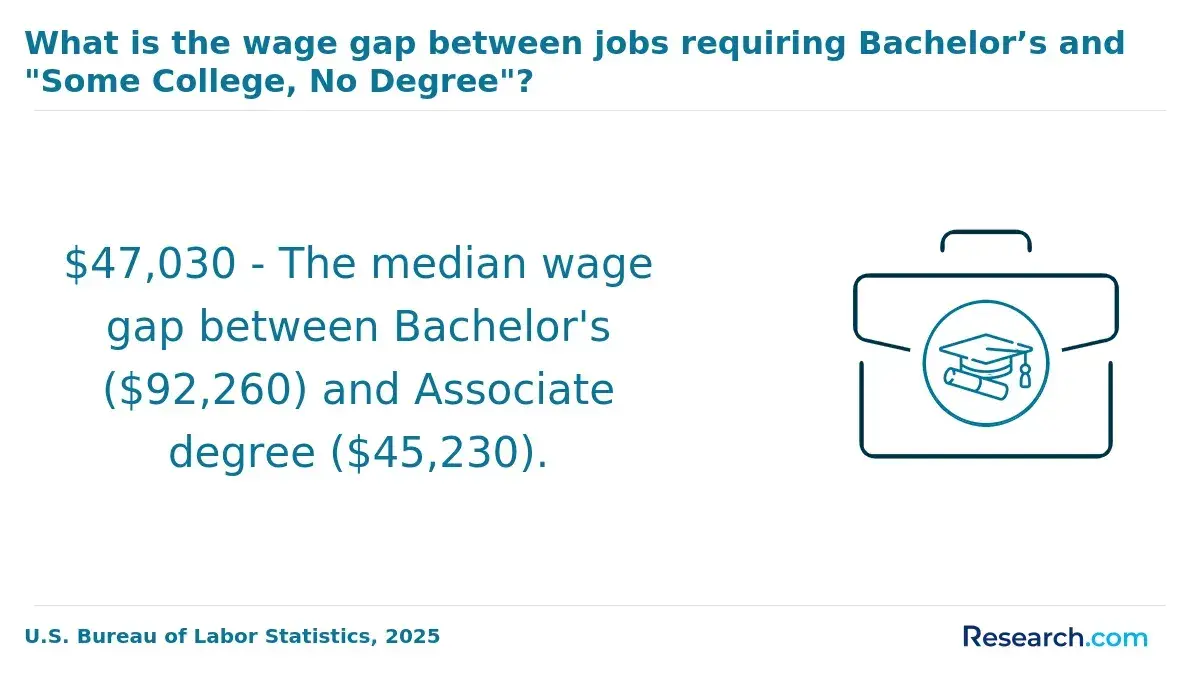
Salary is an important planning factor for career changers because the return on a social work degree may include both financial and nonfinancial benefits. Studies show that individuals who earn new degrees often see an average salary increase of 15% within three years, but actual earnings in social work depend heavily on role, location, employer type, license level, and prior relevant experience.
- Entry-Level Salaries: Social workers starting their careers typically earn between $40,000 and $50,000 annually, depending on location and demand.
- Licensed Clinical Social Workers: LCSWs usually command salaries ranging from $60,000 to $90,000, influenced by credentials and years of experience.
- Experience Impact: Mid-career social workers can expect to earn 20% to 30% more than newcomers, reflecting skill development and professional growth.
- Industry Variation: Pay often varies by sector, with healthcare and government roles generally offering higher salaries compared to nonprofit organizations.
- Prior Experience: Relevant backgrounds in counseling, education, or related fields can boost starting salaries and enhance advancement opportunities within social work.
Career changers should compare salary expectations with tuition, lost income, field-placement demands, and licensure timelines. A role that pays less at entry may still be worthwhile if it leads to clinical licensure, government benefits, public-service opportunities, or stronger long-term alignment with personal values.
What Graduates Say About Their Social Work Degrees for Career Changers
- Louie: "After years in the corporate world, I realized my true passion was helping others, which led me to pursue a social work degree. The average cost was a concern, but investing roughly $40,000 in my education felt worth it, given the fulfillment I now find in my career. Completing the program gave me not only the credentials but also the confidence to make a meaningful impact."
- Reina: "I took a reflective pause in my career as a teacher and decided to switch to social work, knowing it would require both time and money. With tuition hovering around $35,000, it was a major financial commitment, yet it opened doors I hadn't imagined possible before. That degree bridged the gap between my desire to serve and the practical skills I needed."
- Scarlett: "The decision to enter the social work field from healthcare was daunting, especially considering the typical cost of $45,000 for the degree. However, I viewed it as a strategic step to enhance my ability to support patients holistically, combining clinical insight with social advocacy. Graduating empowered me to redefine my professional path in a way that truly aligns with my values."
Other Things You Should Know About Social Work Degrees
Career changers typically need to complete prerequisite courses when transitioning to a social work degree. These might include introductory courses in psychology, sociology, or human services, depending on the program. It's crucial to check specific program requirements, as they can vary across institutions.
Many social work programs provide dedicated advising, career counseling, and peer mentoring specifically for career changers. These support services help students balance academic demands with work and personal commitments and facilitate a smoother transition into the social work profession.
References
- Social Work News https://www.mysocialworknews.com/article/how-do-you-transition-out-of-social-work-for-something-at-a-higher-salary
- How to Change Careers by Earning an MSW Degree https://www.chamberlain.edu/blog/how-to-change-careers-by-earning-an-msw-degree
- What Can I Do With An MSW Degree? https://www.psychology.org/social-work/alternative-jobs-with-a-social-work-degree/
- FAQ: Which Social Work Degree Do You Need for the Job? https://www.onlinemswprograms.com/faqs/social-work-degree-jobs/
- 2022 Guide to Becoming a Social Worker https://socialworklicensemap.com/become-a-social-worker/
- Social Work Career Path Guide: BSW vs MSW for Your Aspirations https://online.aurora.edu/program-resources/social-work-career-path-bsw-msw-aspirations/
- MSW Specializations: Clinical, Macro, Advanced Generalist Programs https://www.masterofsocialwork.com/resources/msw-specializations
- How to become a social worker https://basw.co.uk/careers/how-become-social-worker
- Social Work FAQ: Degrees, Careers & Licensing Guide https://www.socialworkdegrees.org/faq


