
2027 Social Work Degrees Explained: Are They Classified as Professional Degrees?

Co-Founder and Chief Data Scientist
A social work degree is not just an academic credential when it comes from the right program. For students who want to become licensed social workers, move into clinical practice, work in schools or healthcare, or qualify for advanced human services roles, the type of degree and its accreditation status can determine what career doors are actually open.
The key distinction is whether the program is designed as professional preparation. Social work programs accredited by the Council on Social Work Education (CSWE) are commonly used as pathways to licensure and employment in clinical, community, policy, nonprofit, and public agency settings. Choosing a non-accredited or poorly matched program can delay licensure, limit job options, and make a degree less useful than expected.
Demand also matters. According to the U. S. Bureau of Labor Statistics, employment of social workers is projected to grow 12% from 2022 to 2032, outpacing average job growth rates. This guide explains what counts as a professional social work degree, who should consider one, how accreditation and licensure fit together, what costs to expect, and how to evaluate the return on investment before enrolling.
Key Benefits of Professional Social Work Degrees
- Holding a professional social work degree often enables leadership and supervisory roles, enhancing career advancement within healthcare, community services, and policy organizations.
- Graduates typically experience higher earning potential, with social workers holding advanced degrees earning an estimated 15-25% more than their counterparts with only undergraduate qualifications.
- Such degrees qualify individuals for regulated positions and advanced licensure, essential for long-term job stability and expanded professional responsibilities in clinical and administrative settings.
What Is Considered a Professional Social Work Degree?
A professional social work degree is a career-oriented credential that prepares students for recognized social work practice, not simply a general study of social problems or human services. The most important markers are programmatic accreditation, supervised field education, and alignment with state licensure requirements.
For students planning to become licensed, the difference is practical: a professional degree can satisfy education requirements for regulated roles, while a related degree in psychology, sociology, public administration, or human services may not. Enrollment in accredited Master of Social Work (MSW) programs rose by more than 15% nationwide over recent years, reflecting the increasing importance of formal preparation for the field.
What makes the degree professional?
- Accreditation: The program should be accredited by a recognized body for social work education, especially when licensure is the goal.
- Practice-based curriculum: Students study assessment, ethics, policy, human behavior, research, intervention methods, and case management.
- Supervised fieldwork: Professional programs require hands-on training in approved agencies or practice settings.
- Licensure alignment: The degree is structured to help graduates meet educational requirements for state licensing exams and credentials.
Common myths and facts
- Myth: Any degree with "social work" in the title is a professional social work degree.
Fact: A professional social work degree must provide applied preparation that supports recognized practice roles and, where applicable, licensure eligibility. - Myth: All social work-related degrees qualify graduates for professional licensure.
Fact: Licensure boards usually look for completion of an accredited social work program, not merely coursework in a related field. - Myth: Professional social work degrees are mostly theoretical.
Fact: They combine theory with practical training in clinical assessment, case planning, advocacy, ethics, documentation, and supervised field internships.
Students comparing helping professions should also separate social work from business, counseling, public health, and nonprofit management pathways. For example, online MBA programs may support management careers, but they do not replace a professional social work degree for licensure-based social work roles.
Who Should Pursue a Professional Social Work Degree?
A professional social work degree is best suited for people who want a practice-focused career helping individuals, families, groups, or communities through direct service, advocacy, policy work, or clinical intervention. It is especially important for students whose target jobs require a BSW, MSW, or state-issued social work license.
Notably, enrollment in social work programs in the U.S. has increased by approximately 15% in recent years, reflecting growing demand for qualified professionals. Still, the degree is not the right choice for every student interested in helping others. The decision should depend on your preferred work setting, tolerance for emotionally demanding work, licensing goals, and willingness to complete field education.
Strong candidates for a professional social work degree
- Early-career students: People starting in human services, community programs, child welfare, healthcare support, or advocacy can use a BSW or MSW to build a structured path into the profession.
- Career changers: Adults moving from education, criminal justice, healthcare, nonprofit work, ministry, public service, or unrelated fields often need a professional degree to qualify for regulated social work positions.
- Future clinical practitioners: Students interested in therapy-adjacent, mental health, substance use, trauma-informed, or behavioral health roles should pay close attention to MSW accreditation and state licensure rules.
- Public service professionals: People who want to work in schools, hospitals, veterans services, correctional systems, public agencies, or community organizations may benefit from the degree’s policy and casework training.
- Advancement-focused workers: Current case managers, social services assistants, and nonprofit staff may need a professional credential to move into supervisory, licensed, or specialized roles.
When another path may fit better
A professional social work degree may not be the best match if your main goal is business leadership, organizational consulting, academic research outside social welfare, or counseling licensure through a different profession. Students comparing social work and counseling should review license requirements carefully; accredited options such as CACREP-accredited online counseling programs may lead to different credentials than social work degrees.
What Are the Most Common Professional Social Work Degree Programs?
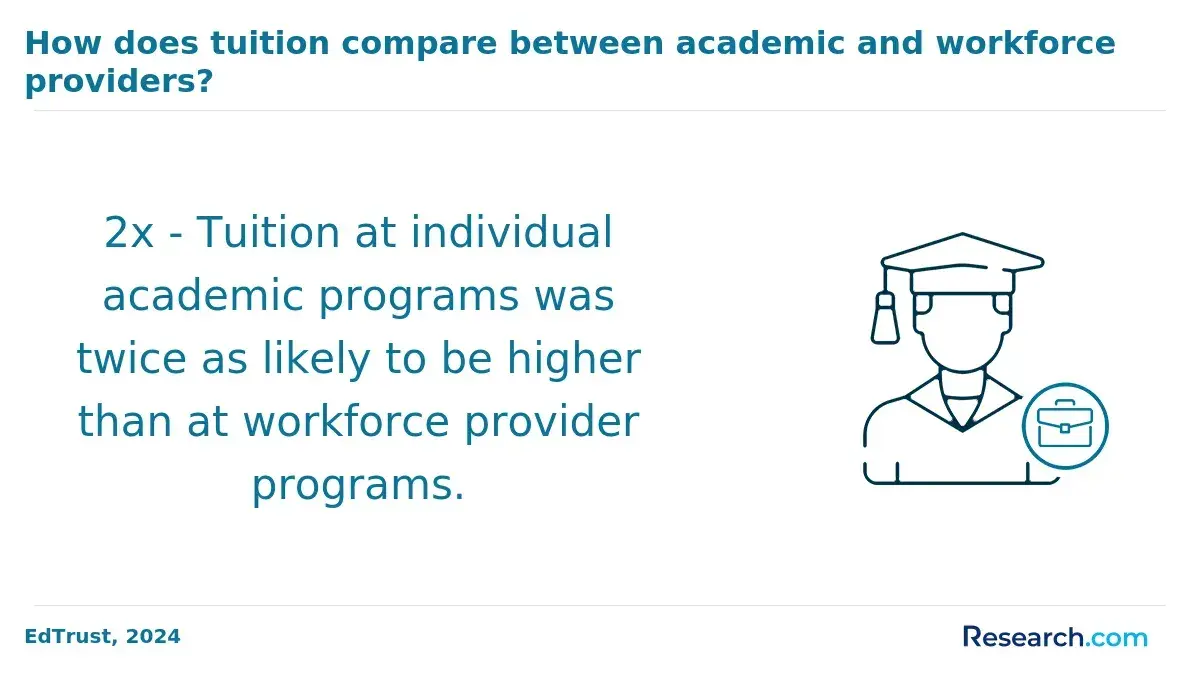
The most common professional social work degrees are the Bachelor of Social Work (BSW), Master of Social Work (MSW), and doctoral-level social work degrees such as the DSW and PhD. Each serves a different purpose, so students should choose based on the level of practice they want, whether licensure is required, and how much time they can commit.
Enrollment in master's level social work programs has steadily increased, reflecting greater workforce demand in healthcare and community service sectors. For many students, the MSW is the key credential because it is commonly tied to advanced practice, clinical preparation, and broader licensure options.
Bachelor of Social Work (BSW)
- Best for: Entry-level social service roles, case management support, community outreach, advocacy, and preparation for graduate study.
- What it provides: Foundational knowledge in human behavior, social welfare policy, ethics, diversity, research, and generalist practice.
- Important consideration: A BSW may support entry-level licensure in some states, but requirements vary. Students should verify rules with their state licensing board.
Master of Social Work (MSW)
- Best for: Students seeking advanced practice, clinical roles, supervision, healthcare social work, mental health services, or leadership in agencies.
- What it provides: Advanced coursework, specialized practice training, and supervised field placements.
- Important consideration: The MSW is often the degree associated with clinical licensure pathways, but completing the degree is only one part of the process. Postgraduate supervised experience and exams may also be required.
Doctoral degrees (DSW, PhD)
- Best for: Experienced professionals interested in senior leadership, teaching, research, policy design, advanced practice scholarship, or program evaluation.
- What they provide: Deeper preparation in research, administration, policy, education, or high-level practice.
- Important consideration: A doctorate is not usually required for most direct social work practice roles, so students should pursue it only when it clearly supports their career objective.
Are Professional Social Work Degree Programs Accredited?
Yes, professional social work degree programs can be accredited, and accreditation is one of the most important factors to verify before applying. For licensure-oriented students, programmatic accreditation is often the difference between a degree that supports professional eligibility and one that may not meet state requirements.
Recent data show that over 70% of social work students enroll in programs accredited by recognized bodies, underlining the importance of proper program oversight. Accreditation helps confirm that the curriculum, faculty qualifications, field education, assessment methods, and student outcomes meet accepted standards.
Institutional vs. programmatic accreditation
- Institutional accreditation: Applies to the college or university as a whole. It can affect federal financial aid eligibility and general academic recognition.
- Programmatic accreditation: Applies specifically to the social work program. For professional social work, this is especially important because employers and licensing boards may require it.
Common accreditation misconceptions
- Myth: All social work degrees are automatically professional degrees.
Fact: A degree must meet recognized standards to be treated as professional preparation for licensure and many social work jobs. - Myth: Institutional accreditation alone is enough.
Fact: Institutional accreditation is important, but social work students should also confirm programmatic accreditation when licensure is the goal. - Myth: Accreditation does not affect licensing exams or aid.
Fact: The Council on Social Work Education (CSWE) provides key programmatic accreditation, often required to sit for licensing exams and to access federal financial aid.
Before enrolling, students should confirm accreditation directly with the program and compare it with the requirements published by the state licensing board where they plan to practice. This is especially important for online and out-of-state programs because licensure rules are state-specific.
Students considering adjacent leadership or management credentials should remember that options such as an online executive MBA may support administrative goals, but they do not substitute for accredited social work education when a social work license is required.
What Are the Admission Requirements for a Professional Social Work Degree?
Admission requirements vary by school and degree level, but professional social work programs generally look for academic readiness, ethical maturity, communication skills, and evidence that the applicant understands the responsibilities of the field. With enrollment in accredited social work degrees rising by 8% in 2023, applicants should prepare materials carefully rather than treating the process as a formality.
Typical application requirements
- Application and personal statement: Programs usually require a formal application and a written statement explaining the applicant’s interest in social work, commitment to service, and understanding of social justice, ethics, and professional boundaries.
- Academic transcripts: Official transcripts show prior academic performance and may document coursework in psychology, sociology, human development, statistics, or related subjects.
- Minimum GPA: Most programs expect at least a 3.0 GPA at the undergraduate level, though some may review applicants holistically when other strengths are evident.
- Letters of recommendation: Strong references from professors, supervisors, volunteer coordinators, or human services professionals can help demonstrate readiness for practice-oriented education.
- Relevant experience: Volunteer work, employment, internships, or community service with vulnerable populations can strengthen an application, especially when the applicant can reflect thoughtfully on what they learned.
- Resume or CV: Graduate programs often ask for a resume summarizing education, employment, service, leadership, and relevant training.
- Standardized tests: Requirements vary. Some schools still request scores, while many programs are phasing out these requirements in favor of holistic review.
How to strengthen an application
- Show informed motivation: Admissions committees want more than good intentions. Explain why social work, why this degree level, and why now.
- Connect experience to professional values: Instead of listing every volunteer role, discuss what the experience taught you about equity, client dignity, systems barriers, or ethical practice.
- Choose recommenders carefully: A detailed letter from someone who supervised your service or academic work is usually stronger than a generic letter from a well-known person.
- Address weaknesses directly: If your GPA or experience is limited, use optional statements or interviews to explain growth, preparation, and readiness.
After speaking with a graduate of a professional social work degree, it became clear that the process can feel challenging beyond simply meeting checklist requirements. He recalled spending weeks refining his personal statement to capture his motivation honestly, noting, "It wasn't just about listing experiences; I had to explain why they mattered." Securing strong recommendation letters also required planning because he wanted each referee to understand the stakes of the application. He described the process as a period of self-reflection that helped him "embrace the responsibility that comes with social work."
What Courses and Practical Training Are Required in a Professional Social Work Degree?
Professional social work degrees combine classroom learning with supervised practice. The goal is not only to teach students about social systems and human behavior, but also to help them develop the judgment, communication skills, documentation habits, and ethical awareness needed in real client and community settings.
Students should review both the course list and the field education structure before enrolling. A program may look convenient on paper, but field placement expectations can significantly affect scheduling, transportation, work hours, and total cost.
Core coursework
- Human behavior and the social environment: Examines development, family systems, communities, culture, trauma, and social conditions that shape client needs.
- Social welfare policy: Helps students understand how laws, institutions, funding systems, and public programs affect individuals and communities.
- Ethics in social work: Focuses on professional boundaries, confidentiality, informed consent, mandated reporting, conflicts of interest, and decision-making under pressure.
- Practice methods: Covers engagement, assessment, intervention planning, advocacy, case management, group work, and community practice.
- Research methods: Teaches students to read evidence, evaluate programs, measure outcomes, and support practice decisions with data.
- Diversity and social justice: Prepares students to work across differences and recognize the effects of poverty, discrimination, disability, migration, and structural inequality.
Field education and practicum
Practical training, often called fieldwork, practicum, or field education, is a defining feature of professional social work education. Students work under supervision in settings such as hospitals, schools, mental health clinics, child welfare agencies, public agencies, shelters, or community organizations.
- Skills developed: Client assessment, interviewing, case planning, documentation, referral coordination, crisis response, advocacy, and professional communication.
- Supervision: Field instructors help students connect classroom theory with practice and evaluate their readiness for professional responsibilities.
- Scheduling impact: Placements may occur during regular business hours, which can be difficult for working adults. Applicants should ask how placements are arranged before committing to a program.
Students interested in long-term administration, agency leadership, or program development may also compare related options such as online doctoral programs in leadership, but those programs are complementary rather than substitutes for required social work field training.
How Much Do Professional Social Work Degrees Cost?
The cost of a professional social work degree depends on degree level, school type, residency status, delivery format, fees, and field placement requirements. On average, professional social work degree tuition fees range from $10,000 to $30,000 annually, with total program costs often reaching between $20,000 and $60,000.
Because students pursuing a professional social work degree usually study full time for two years, the real cost includes more than tuition. Applicants should estimate the full financial impact before enrolling, especially if the program requires unpaid or daytime field placements.
Common cost categories
- Tuition and fees: This is usually the largest expense. Public and private institutions can differ substantially, and in-state or out-of-state tuition policies may affect affordability.
- Books and materials: Required texts, software, background checks, professional supplies, and course materials can add from several hundred to over a thousand dollars per year.
- Field placement expenses: Practicum requirements may create transportation costs, parking fees, reduced work hours, or unpaid internship time.
- Living costs: Housing, food, childcare, and personal expenses can be significant for full-time students, particularly in urban areas.
How to compare programs by value
- Calculate total cost, not just tuition: Include fees, travel, books, lost wages, and placement-related expenses.
- Check accreditation first: A lower-cost program is not a good value if it does not support your licensure goal.
- Ask about field placement support: Programs that help secure appropriate placements can reduce stress and delays.
- Compare aid packages: Scholarships, grants, assistantships, employer support, and loans can change the net cost substantially.
If affordability is the main barrier, compare tuition, fees, accreditation, field placement expectations, and aid options before choosing a cheapest online msw program. Students may also review cheap online colleges when evaluating schools that offer competitive tuition and fee structures. The best financial choice is the program that meets professional requirements at a manageable total cost, not simply the one with the lowest advertised tuition.
Do Professional Social Work Degrees Qualify for Financial Aid?
Yes, professional social work degrees may qualify for financial aid when the student and program meet eligibility rules. Nearly 60% of graduate social work students utilize financial aid, which makes funding strategy a central part of the enrollment decision.
Students should confirm two things early: whether the institution participates in federal aid programs and whether the social work program is properly accredited for their goals. Aid eligibility and licensure alignment are separate issues, but both affect whether the degree is financially and professionally worthwhile.
Federal aid
- Myth: Professional social work degrees are too specialized to qualify for federal financial aid.
Fact: Accredited social work programs, including bachelor's and master's degrees recognized by bodies like the Council on Social Work Education (CSWE), typically qualify for federal aid such as Direct Loans and Pell Grants, depending on student and program eligibility.
Scholarships and grants
- Myth: There are no scholarships or grants specifically for social work students.
Fact: Many awards target social work students through universities, professional organizations, community foundations, and agencies seeking to strengthen the workforce.
Employer assistance
- Myth: Employers rarely support tuition costs for social work degrees.
Fact: Some human services, healthcare, nonprofit, and public-sector employers offer tuition reimbursement or assistance, especially when the degree supports the employee’s current or future role.
Loan forgiveness
- Myth: Social work careers do not qualify for public service loan forgiveness.
Fact: Social workers employed in qualifying public service roles often can benefit from federal public service loan forgiveness programs, which may reduce long-term debt burdens for eligible borrowers.
When asked about her experience with financial aid during her professional social work degree, a recent graduate said the process was initially overwhelming. She described balancing work, family, scholarship applications, and employer paperwork as challenging but worth the effort. "I wasn't sure if I could afford the program at first," she explained, "but securing a combination of federal loans and employer tuition reimbursement made it manageable." Her experience shows why students should investigate every funding source before deciding a program is out of reach.
Are Professional Social Work Degrees Required for Certain Careers?
Yes, professional social work degrees are required for many social work careers, especially regulated or licensed roles. The exact requirement depends on the state, employer, job title, and practice area, but students who want to become licensed social workers should assume that degree type and accreditation will matter.
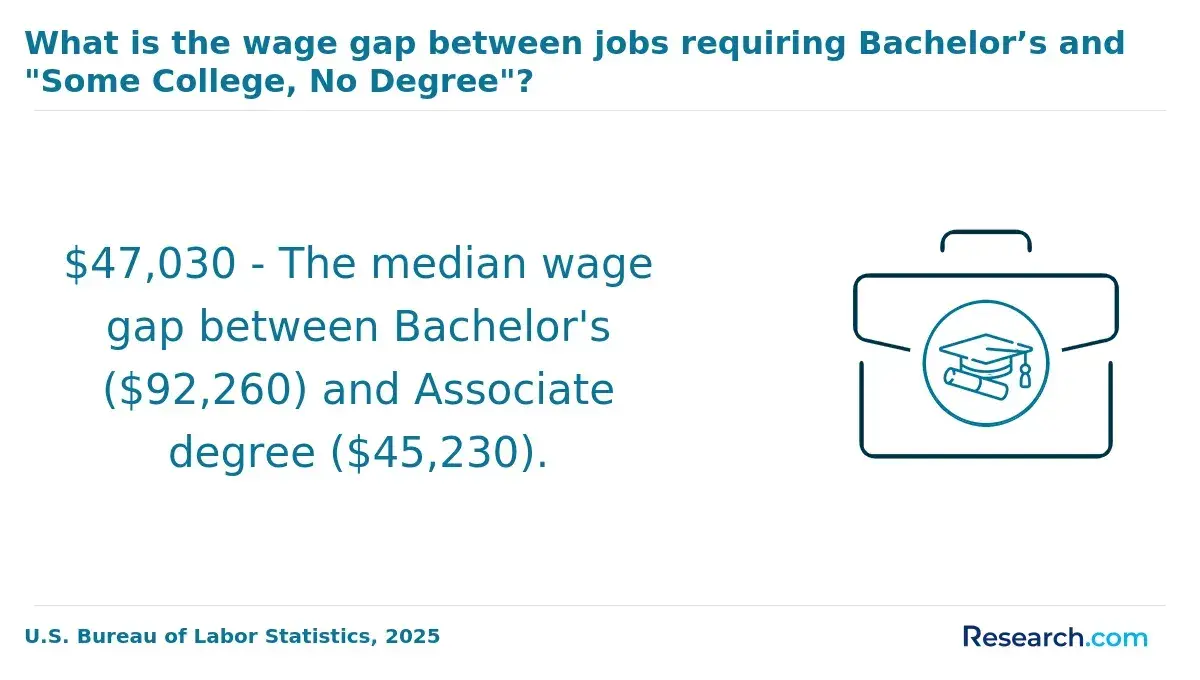
Employment in social work is expected to grow by 12% from 2022 to 2032, reflecting strong demand, especially for licensed practitioners. However, job growth does not remove credential requirements. Graduates must still meet the education, examination, supervision, and licensing standards that apply in their state.
Roles where the degree often matters most
- Licensed social worker positions: State licensure as an LSW or LCSW usually requires a degree from a Council on Social Work Education (CSWE) accredited program.
- Clinical social work: Mental health, therapy-adjacent, substance use, trauma, and behavioral health roles commonly require an MSW and additional supervised experience.
- Healthcare social work: Hospitals, hospice organizations, clinics, and care coordination teams often prefer or require professional social work credentials.
- School social work: Requirements vary, but many school-based roles require social work education plus state-specific credentials.
- Child welfare and public agency roles: A BSW or MSW may be required or strongly preferred for advancement, supervision, or specialized responsibilities.
Common misconceptions
- Myth: Most social work jobs do not require professional degrees.
Fact: Some entry-level support roles may not require a social work degree, but many professional and licensed roles require a BSW or MSW from an accredited program. - Myth: Social work licensure can be obtained without completing a professional degree program.
Fact: Licensure as an LSW or LCSW usually requires graduation from a Council on Social Work Education (CSWE) accredited program to qualify for state exams. - Myth: Specialized fields accept any related degree.
Fact: Mental health, healthcare, and child welfare roles may require accredited social work education for licensure eligibility and employer compliance. - Myth: Career growth is the same without a professional social work degree.
Fact: Non-licensed roles exist, but advancement may be limited without the degree and credentials required for clinical, supervisory, or specialized positions.
Do Professional Social Work Degrees Lead to Higher Salaries?
A professional social work degree can improve earning potential, but it does not automatically guarantee a higher salary. Its financial value comes from what it qualifies graduates to do: pursue licensure, enter specialized practice areas, move into supervisory roles, or compete for positions that are closed to applicants without accredited credentials.
Students should evaluate salary potential realistically. Pay can vary by location, employer, license level, experience, specialization, and whether the role is in government, healthcare, education, nonprofit, private practice, or community services.
How the degree can affect earnings
- Licensure access: Accredited professional degrees are frequently prerequisites for clinical licensure, which can expand access to advanced roles.
- Specialization: Training in healthcare, mental health, child welfare, substance use, or policy may support movement into more specialized jobs.
- Promotion eligibility: Employers may require a BSW, MSW, or license for supervisory and program leadership positions.
- Career mobility: A recognized professional credential can make it easier to move across agencies, states, or practice settings, though state licensure rules still apply.
Myths and facts about salary outcomes
- Myth: Obtaining a professional social work degree automatically results in a much higher salary.
Fact: The degree can qualify graduates for better-paying roles, but salary depends on license level, experience, setting, and local labor markets. - Myth: A social work degree has no influence on promotion opportunities.
Fact: Accredited professional degrees are often required for clinical licensure and may support eligibility for specialized or supervisory jobs. - Myth: The financial value is limited to the first job after graduation.
Fact: Over time, the degree may support promotions, practice specialization, leadership roles, and broader career options.
The best way to judge return on investment is to compare total program cost with the specific roles you want, the credentials those roles require, and the likely time needed to complete any post-degree licensure steps.
What Graduates Say About Their Professional Social Work Degree
- : "The flexibility of the professional social work degree program was a game changer for me. Balancing work and studies seemed daunting, but the online and part-time options made it manageable. Investing in this degree, which averaged around $15,000, has dramatically expanded my career opportunities within community health. I'm grateful I made that choice. Trent"
- : "Pursuing a professional social work degree was a thoughtful decision rooted in my desire to make a tangible difference in people's lives. The program's adaptability allowed me to maintain my full-time job while studying, and the knowledge I gained has profoundly shaped my approach as a practitioner. Seeing how this investment-averaging about $15,000-positively influenced my career confirms it was the right call. Jesiah"
- : "Completing my professional social work degree provided essential credentials and practical skills that elevated my role in the nonprofit sector. I appreciated the program's structured flexibility, which accommodated my busy schedule without compromising rigor. Considering the average cost of attendance, I view this as a valuable professional investment that has opened doors I hadn't imagined. Christopher"
Other Things You Should Know About Social Work Degrees
Yes, many accredited institutions offer professional social work degrees through online programs. These programs maintain the same curriculum standards as on-campus options and often include virtual field placements or internships.
Online degrees provide flexibility for students balancing work or personal commitments.
Yes, professional Social Work degrees in 2027 are classified as professional degrees. They are designed to prepare students for direct practice in the field and often include a combination of foundational social work theory, ethics, and practical skills through fieldwork or internships.
Yes, fieldwork or internship components are integral to professional social work degrees. Most programs require students to complete supervised clinical hours in real-world settings to develop practical skills.
This hands-on experience is essential for licensure eligibility and effective professional practice.
References
- Global Standards for Social Work Education and Training https://www.ifsw.org/global-standards-for-social-work-education-and-training/
- Why Choose the Social Work Profession? https://www.socialworkers.org/Careers/NASW-Career-Center/Explore-Social-Work/Why-Choose-the-Social-Work-Profession
- Social Work: Debunking Myths and Embracing the Impact - Chapters Health 2025 https://www.chaptershealth.org/chapters-of-life-blog/healthcare-professionals/social-work-debunking-myths-and-embracing-the-impact/
- 3 Social Work Myths And 1 Truth | OhioGuidestone https://ohioguidestone.org/3-social-work-myths-1-truth/
- 10 reasons why you should study Social Work https://www.bcu.ac.uk/blog/social-work-and-community-studies/10-reasons-to-study-social-work
- Types of Social Workers: Exploring the Many Fields in Which They Serve https://www.umassglobal.edu/blog-news/types-of-social-workers
- Thinking about social work? Here's everything you need to know about starting this amazing career | University of East London https://www.uel.ac.uk/blog/thinking-about-social-work-heres-everything-you-need-know-about-starting-amazing-career
- How Can You Use a Social Work Degree? | The University of Olivet https://www.uolivet.edu/what-can-you-do-with-a-social-work-degree/
- The Top 6 Benefits of Becoming a Social Worker https://online.yu.edu/wurzweiler/blog/6-benefits-of-being-a-social-worker


