
2027 Return on Investment (ROI) of a Social Work Degree Program

Co-Founder and Chief Data Scientist
A social work degree can lead to stable, mission-driven work, but the financial payoff is not automatic. Students have to weigh tuition, field placement requirements, lost work time, licensure expectations, and the reality that many entry-level social work roles pay modestly compared with other professional fields.
Data from the U. S. Bureau of Labor Statistics shows the employment of social workers is projected to grow 12% through 2032, faster than the average for all occupations. That demand supports the career case for the degree, but return on investment depends on program cost, credential level, location, specialization, and whether the degree helps you qualify for licensed, clinical, supervisory, or higher-paying roles.
This guide explains how ROI works for social work programs, what costs to include, how online and on-campus formats compare, which industries may offer stronger returns, and when the degree is most likely to be worth the investment.
Key Things to Know About Social Work Degree ROI
- Social work graduates see a median annual salary of approximately $50,000, with opportunities for higher earnings in specialized fields like clinical social work.
- Advanced degrees increase career advancement potential, enabling roles in management, policy development, and private practice.
- Job stability remains strong due to consistent demand across healthcare, education, and community services, with 13% projected growth through 2032.
How Is ROI Calculated for a Social Work Degree Program?
ROI for a social work degree compares what you spend to earn the credential with the financial and career benefits you gain after graduation. The calculation should include more than tuition. A realistic ROI estimate also accounts for time out of the workforce, unpaid fieldwork, loan interest, licensing costs, and the type of role the degree makes possible.
A simple way to think about ROI is this: the lower your total cost and the faster the degree helps you reach better-paid or more stable work, the stronger the return. For social work, the best ROI often comes from choosing an accredited, affordable program that fits your schedule and supports the license or credential required for your target role.
- Tuition and fees: Include tuition, required fees, books, technology charges, and any program-specific expenses. A low posted tuition rate can still become expensive if fees, travel, or residency requirements are high.
- Opportunity cost: Consider the income you may lose if you reduce work hours, leave a job, or cannot take paid work because of class schedules or field placements.
- Time to completion: Finishing faster can reduce tuition exposure and allow earlier workforce entry. However, an accelerated schedule may be difficult if you need to keep working.
- Post-graduation salary outcomes: Compare expected starting pay with your total education cost. Entry-level pay matters because it affects how quickly you can repay debt.
- Career advancement and long-term earnings: ROI improves if the degree helps you move into clinical, supervisory, healthcare, government, or administrative roles with stronger pay and benefits.
Prospective graduate students should also compare program price with licensure alignment and field placement support. Affordable msw online programs may be worth considering when flexibility and lower opportunity costs are central to the ROI calculation.
How Much Does a Social Work Degree Program Cost?
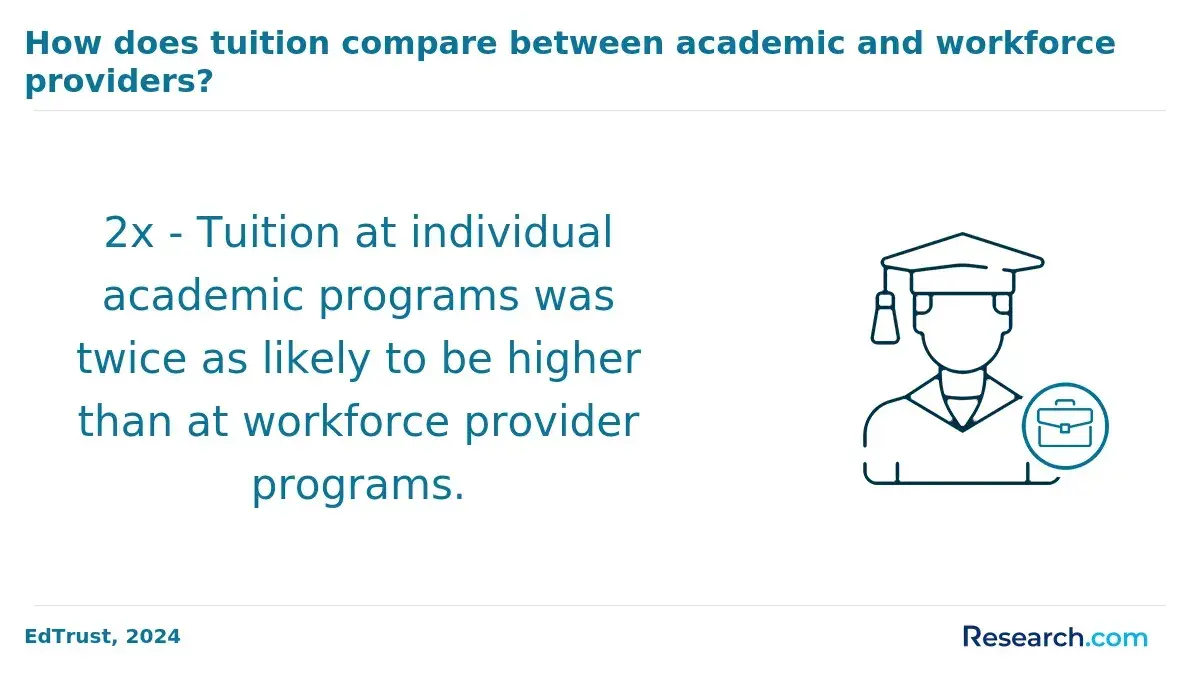
The cost of a social work degree depends on institution type, enrollment format, residency status, transfer credits, and whether the student is pursuing a bachelor’s or graduate credential. Recent data indicate that average graduate tuition at public institutions is about $11,000 per year, while many students face loan debts exceeding $30,000 after completing their degrees.
For ROI planning, students should separate direct costs from indirect costs. Direct costs are the charges a school bills you for. Indirect costs are expenses created by enrollment, such as reduced income, transportation, or unpaid practicum time. Both affect the true price of the degree.
| Cost category | Why it matters for ROI |
| Tuition and required fees | Usually the largest expense and the easiest to compare across schools. Public, private, online, and on-campus programs can differ substantially. |
| Books and materials | Textbooks, software, assessment tools, and course materials can add recurring costs each term. |
| Living or relocation expenses | Moving for a program, commuting, or living in a higher-cost area can reduce the financial advantage of a lower tuition rate. |
| Opportunity cost | Lost wages from reduced work hours can be one of the largest hidden costs, especially during field placements. |
| Professional entry costs | Background checks, licensing exam fees, fingerprinting, application fees, and unpaid practicum requirements can affect affordability. |
When I asked a recent social work graduate about managing expenses, he said the most difficult part was not only tuition but the schedule. “I underestimated how much time unpaid internships would take,” he explained. The practicum requirement reduced his ability to work, stretched his savings, and increased his reliance on loans.
He also pointed to smaller expenses that were easy to overlook, including fees and transportation costs. His main advice was to ask schools for a full cost breakdown before enrolling, including field placement expectations and any expenses not included in advertised tuition.
What Financial Aid Is Available for Social Work Degree Programs?
Financial aid can improve the ROI of a social work degree by lowering upfront costs, reducing loan balances, or allowing students to stay enrolled without taking on excessive debt. Recent figures show nearly 85% of U.S. graduate students receive some form of financial assistance, underscoring how important aid is in graduate affordability planning.
The strongest aid for ROI is money that does not have to be repaid. Loans can make enrollment possible, but they should be evaluated carefully against expected salary, repayment terms, and whether the degree is required for the student’s career goal.
- Scholarships: Scholarships may be based on academic merit, financial need, service commitment, identity, location, or practice area. Because they do not require repayment, they directly reduce total degree cost.
- Grants: Grants are often need-based and may come from government agencies, schools, foundations, or nonprofit organizations. Like scholarships, they improve ROI by lowering net price.
- Fellowships: Fellowships may include tuition support, stipends, research opportunities, or practice-based funding. They can be especially useful for graduate students who need help covering living expenses.
- Employer Tuition Assistance: Some social service agencies, healthcare employers, government offices, and nonprofit organizations provide tuition reimbursement for job-related education. Students should confirm eligibility rules, repayment obligations, grade requirements, and whether they must stay with the employer after graduation.
- Federal Student Loans: Federal loans can provide access to education when grants and scholarships are not enough. They generally offer structured repayment options, but borrowing still affects long-term ROI and should be limited when possible.
Students should ask each program whether institutional scholarships are automatically considered or require a separate application. They should also confirm whether field placements are paid, whether part-time study affects aid eligibility, and whether the program participates in federal financial aid.
How Long Does It Take to Complete a Social Work Degree?
Completion time affects ROI because it determines how long students pay tuition, how soon they can earn higher wages, and how much work income they may give up while enrolled. A shorter program can improve ROI, but only if the pace is realistic and does not force the student to leave paid employment unnecessarily.
Several factors influence how quickly students finish a social work degree:
- Enrollment status: Full-time enrollment usually shortens the path to graduation but may reduce income during school. Part-time enrollment can protect cash flow but may delay advancement.
- Program format: Online and accelerated formats may make it easier to continue working. They also require strong time management, especially when coursework overlaps with fieldwork.
- Transfer credits: Accepted transfer credits can reduce both time and tuition. Students should request a formal transfer evaluation before committing to a school.
- Internship and thesis requirements: Field education is central to social work preparation, but it can add scheduling pressure. Students should ask how placements are arranged and whether evening, weekend, or employment-based placements are available.
- Scheduling flexibility: Evening, weekend, hybrid, and asynchronous courses can help working adults progress without sacrificing income or family responsibilities.
When I asked a graduate about completing her social work program, she described the challenge of balancing a part-time schedule with field placement hours. “It wasn’t easy to manage work, classes, and my field placement,” she said, “but the practical experience made a big difference in feeling prepared for the job market.”
She also said that transferring credits helped shorten her time in school. Although her degree took several years, the slower pace made it financially and emotionally manageable. Her experience shows that the best timeline is not always the fastest one; it is the one that lets students finish without taking on avoidable debt or burnout.
Is ROI Higher for Online or On-Campus Social Work Programs?
ROI can be strong in either online or on-campus social work programs. The better option depends on total cost, accreditation, field placement quality, student support, and whether the format allows the student to keep earning while enrolled. Online enrollment in social work programs has grown by over 20% in the past decade, reflecting broader acceptance of remote learning and demand for flexible pathways.
Students should not assume online automatically means better ROI or that on-campus automatically means better career outcomes. The deciding question is whether the program is affordable, properly accredited, aligned with licensure needs, and practical for the student’s life.
| Factor | Online programs | On-campus programs |
| Tuition and fees | May reduce commuting or relocation costs, though tuition varies by school. | May include campus fees and commuting or housing costs, but some public options can be affordable. |
| Opportunity cost | Often better for working adults because coursework may be more flexible. | Can be harder to balance with full-time work if courses and fieldwork follow fixed schedules. |
| Networking | May rely on virtual advising, online cohorts, and local field placements. | Can offer more frequent in-person networking, faculty access, and campus-based events. |
| Employer perception | Increasingly accepted when the school and program are reputable and accredited. | Still valued by employers that prefer in-person training or local university pipelines. |
| Field placement | Quality depends heavily on how well the school supports placements in the student’s area. | May benefit from established relationships with nearby agencies. |
Students comparing ROI should verify accreditation, field placement support, licensure alignment, graduation requirements, and total cost before choosing a format. Those also considering adjacent helping professions can review affordability information for online degrees in counseling as part of a broader education planning process.
What Is the Average Salary After Earning a Social Work Degree?
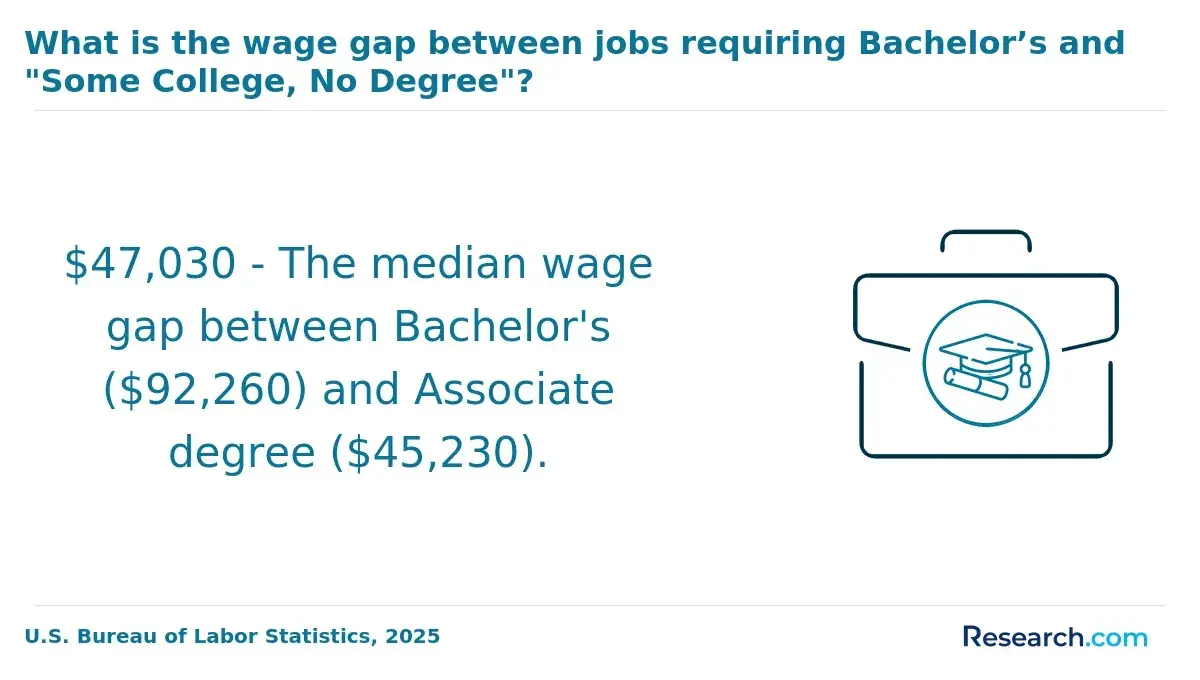
Salary is one of the clearest measures of financial ROI, but social work pay varies widely by role, location, license level, employer, and specialization. In the U.S., the average salary for social work degree graduates typically ranges from $50,000 to $70,000 annually, with entry-level salaries near the lower end and experienced professionals earning substantially more.
Students should compare expected salary with debt, not just with tuition. A degree that leads to reliable employment may still have a weaker financial return if borrowing is high and starting wages are modest. Conversely, a lower-cost program that supports licensure or advancement can produce stronger long-term value.
- Industry: Healthcare settings often offer stronger pay than some education, nonprofit, or community agency roles, although benefits and workload vary.
- Geographic location: Pay is often higher in urban or high-cost regions, but higher living expenses can reduce the real financial advantage.
- Prior experience: Case management, behavioral health, human services, or related experience can help graduates qualify for better roles sooner.
- Specialization: Clinical practice, medical social work, substance use, child welfare leadership, and administration may offer stronger earning potential than generalist roles.
- Career level: Licensed clinical social workers, supervisors, program managers, and directors often have higher earning potential than entry-level practitioners.
Students evaluating salary should look at the roles they actually want, not only broad averages. Comparing education costs across fields, including options such as a library master's degree, can also help clarify whether a program’s cost is reasonable for its expected earnings.
Does a Social Work Degree Lead to Promotions?
A social work degree can support promotions, especially when it qualifies graduates for licensed, clinical, supervisory, or administrative positions. However, promotion is not guaranteed by the degree alone. Employers typically consider credentials, performance, field experience, licensure status, leadership ability, and organizational need.
The ROI of a degree improves when it opens roles that would otherwise be inaccessible. For many social work professionals, the biggest career gains come from combining education with supervised experience, licensure, and a clear specialization.
- Credential requirements: Advanced degrees, such as a Master of Social Work (MSW), are often required for clinical practice, supervision, and some leadership roles.
- Leadership preparation: Social work programs can build skills in assessment, ethics, policy, case documentation, program evaluation, and team coordination.
- Internal promotion eligibility: Agencies may require a degree for senior case manager, supervisor, coordinator, or director roles, even when the employee already has strong practical experience.
- Salary potential: Promotions can improve lifetime earnings, benefits, and job stability, which strengthens degree ROI.
- Tuition assistance leverage: Employer reimbursement can lower personal cost, making advancement more affordable if the student meets all eligibility conditions.
Professionals seeking faster advancement should map the exact credential needed for their target role before enrolling. For some students, an accelerated bachelor's degree online may reduce time to credential completion, but the schedule should be realistic alongside work and field requirements.
The strongest promotion outcomes usually come from a practical sequence: choose an accredited program, complete required fieldwork, pursue the appropriate license, build experience in a high-demand setting, and document measurable results on the job.
Which Industries Offer the Best ROI for Social Work Graduates?
ROI for social work graduates differs by industry because pay, benefits, advancement paths, and job stability are not the same across employers. The best industry is not always the one with the highest starting salary. Students should also consider benefits, burnout risk, licensure support, supervision availability, and long-term mobility.
- Healthcare: Hospitals, clinics, behavioral health providers, hospice organizations, and care coordination teams may offer competitive salaries and steady demand. Medical and clinical specialization can improve long-term ROI.
- Government and Public Administration: Government roles may provide job stability, structured promotion systems, and pension benefits. These advantages can strengthen ROI even when starting salaries are not the highest.
- Education: School social workers support student well-being, family engagement, crisis response, and special education services. Salary may vary by district and certification rules, but experienced professionals can move into leadership or specialized support roles.
- Nonprofit Organizations: Nonprofit roles may start with lower pay, but they can offer valuable experience in advocacy, program development, community outreach, and grant-funded services. ROI improves when graduates move into program management or executive roles.
- Private Sector Counseling and Therapy: Licensed clinical social workers may increase earnings through private practice, group practice, telehealth, or healthcare networks. This path usually requires additional licensure steps, supervised hours, and business development skills.
Graduates can improve ROI by choosing industries that match both their values and their financial needs. Additional credentials may also help in specialized areas; students asking what certifications can I get online should focus on credentials recognized by employers in their intended practice area.
Does Accreditation Affect ROI for a Social Work Degree?
Accreditation can have a major effect on the ROI of a social work degree because it influences licensure eligibility, employer trust, credit transfer, and access to financial aid. For social work, accreditation is not just a quality signal; it may determine whether the degree supports the professional pathway a student intends to pursue.
Accreditation for social work degree programs signifies that they meet standards established by authoritative bodies like the Council on Social Work Education. This validation indicates that the curriculum, faculty qualifications, field education, and student learning outcomes align with professional expectations.
Students should verify accreditation before applying, especially if they plan to pursue licensure. Completing an unaccredited or improperly aligned program may limit eligibility for certain licenses, reduce employer confidence, and make it harder to transfer credits or continue into advanced study.
- Licensure alignment: Many social work roles require a degree from an accredited program. Without that alignment, the degree may not produce the intended career return.
- Financial aid access: Accredited institutions and programs are more likely to support federal financial aid eligibility, which can affect affordability.
- Employer confidence: Employers often use accreditation as evidence that graduates received standardized preparation.
- Graduate school mobility: Accreditation can make it easier to continue from a bachelor’s program into graduate social work study.
- Reduced risk: Choosing an accredited program lowers the chance of paying for a credential that does not meet professional requirements.
Is a Social Work Degree Worth It?
A social work degree can be worth it for students who want stable employment in human services, healthcare, schools, government, nonprofit organizations, or clinical practice. It is usually less compelling for students whose primary goal is rapid entry into a high-salary field, because early-career wages can be modest relative to education costs.
The return on investment depends on tuition, borrowing, completion time, salary, licensure goals, and career path. Typically, completing a bachelor's degree takes around four years, with a master's requiring an additional two years. Graduates can expect median salaries near $50,000 annually, reflecting moderate financial rewards compared to some other professions.
The degree is more likely to pay off when students keep debt low, attend an accredited program, use scholarships or employer assistance, maintain income while enrolled, and pursue roles with advancement potential. Flexible program formats such as part-time or online study can also reduce opportunity costs for working adults.
The degree may be a weaker financial choice if a student borrows heavily for a program that does not align with licensure, lacks strong field placement support, or leads only to roles with limited wage growth. Before enrolling, students should compare total program cost with realistic salary outcomes in their state and preferred practice area.
Overall, a social work degree tends to offer the best ROI for students who value public service, job stability, professional credentialing, and long-term advancement more than high starting pay alone.
What Graduates Say About The ROI of Their Social Work Degree
- : "Choosing to pursue a social work degree as a traditional student was a clear investment in my future. With the average cost around $40,000 for a bachelor's, I initially worried about the expense, but realizing the long-term ROI in terms of meaningful career opportunities and the ability to make real community impact made it worth every penny. Today, I'm proud to work in a nonprofit where my education directly influences the support I provide to vulnerable populations. — Trish"
- : "Going the online route for my social work degree was a strategic choice, especially considering the flexibility and generally lower costs, around $20,000 less than traditional options. Reflecting on the cost, I believe it was absolutely worth it, given how it has expanded my career possibilities while allowing me to manage work and study simultaneously. Completing the program online didn't diminish the professional credibility I've gained; in fact, it has enriched my approach to practice. — Hillary"
- : "As a part-time student, investing in a social work degree felt daunting, primarily due to concerns about balancing finances and time. However, with tuition averaging about $30,000 spread over a longer period, the cost was manageable, and the ROI became clear as my career advanced within clinical settings. The credibility and skills obtained have been essential for my professional development, proving the degree to be a valuable and pragmatic pursuit. — Annabelle"
Other Things You Should Know About Social Work Degrees
The 2027 ROI of a Social Work Degree Program is influenced by factors including tuition costs, scholarship availability, salary expectations in various social work roles, regional job market demand, and opportunities for advanced degrees. Graduates who pursue licensure and specialization may see improved ROI due to higher earning potential.
Licensure significantly impacts the ROI of a social work degree. In 2027, licensed social workers often earn higher salaries and have access to more job opportunities compared to non-licensed peers. This increased earning potential can lead to a better overall return on investment for degree holders.
Field experience, often required in social work programs, enhances practical skills and employability, directly affecting the ROI in 2027. Graduates with hands-on experience are likely to secure higher-paying roles faster, improving their income potential and overall program value.
References
- Tuition & Financial Aid | UK College of Social Work Online Programs | University of Kentucky https://socialworkonline.uky.edu/tuition/
- Is Grad School Worth It? A Comprehensive Return on Investment Analysis - FREOPP https://freopp.org/whitepapers/is-grad-school-worth-it-a-comprehensive-return-on-investment-analysis/
- 2022 Guide to Social Work Scholarships and Financial Aid https://www.onlinemswprograms.com/resources/scholarships-financial-aid-guide
- Social Worker (LCSW, MSW) Salary Guide By State https://socialworklicensemap.com/social-work-careers/social-work-salary/
- Social Work Salaries https://www.socialworkers.org/careers/career-center/kickstart-your-job-hunt/social-work-salaries
- 5 High-Paying Jobs You Can Get with an MSW https://onlinedegrees.keuka.edu/blog/highest-paying-msw-jobs
- Bridging Education and Opportunity: Exploring the ROI of Higher Education and Workforce Development — HCM Strategists https://hcmstrategists.com/resources/ucmfwg7ha7zzeug6nb3dlawh3poziz
- How Long is a Master of Social Work Program? Length of MSW Programs https://www.masterofsocialwork.com/faqs/length-of-msw-programs
- Social Work FAQ: Degrees, Careers & Licensing Guide https://www.socialworkdegrees.org/faq


