
2027 Accelerated vs. Traditional Social Work Degrees: Pros & Cons

Co-Founder and Chief Data Scientist
The choice between an accelerated and a traditional social work degree is not only about graduating sooner. It affects your weekly workload, field placement schedule, admissions options, financial aid timing, and how much room you have to work, care for family, or build experience while enrolled.
Accelerated programs are often designed for students who already have relevant preparation, especially those with a Bachelor of Social Work, and want to move quickly into advanced practice or the job market. Traditional programs usually give students more time to build foundational knowledge, complete fieldwork at a steadier pace, and adjust to graduate-level or professional social work training. Recent data shows accelerated social work programs have grown by over 30% in popularity across the U.S., reflecting evolving learner needs.
This guide compares accelerated and traditional social work programs by timeline, admissions, course structure, cost, aid, support services, accreditation, and employment outcomes so you can choose the route that fits your background, responsibilities, and career goals.
Key Points About Accelerated vs. Traditional Social Work Degrees
- Accelerated social work degrees offer greater flexibility, ideal for working adults or those balancing family commitments seeking quicker entry into the workforce with an average completion time of 12-18 months.
- Traditional programs foster deeper academic engagement and peer collaboration, supporting skill mastery through paced coursework, beneficial for students valuing comprehensive understanding and networking.
- Cost efficiency in accelerated formats often reduces tuition and living expenses, while traditional degrees provide a balanced schedule promoting long-term retention and professional growth opportunities.
What Are the Differences Between Accelerated vs. Traditional Social Work Programs?
Accelerated and traditional social work programs can lead to the same type of credential, but they are built for different students. The main differences are pace, admissions profile, field placement intensity, and how much time students have to absorb course material before moving to the next requirement.
In practical terms, an accelerated program asks you to trade time for intensity. A traditional program asks you to trade speed for a more gradual academic and fieldwork experience.
- Admission profile: Accelerated social work program requirements typically favor students who already hold a Bachelor of Social Work from a CSWE-accredited institution. That prior preparation may allow students to skip foundational coursework and move into advanced practice content. Traditional programs are more open to applicants from other academic backgrounds because they include both foundation and advanced coursework.
- Fieldwork expectations: Accelerated programs often compress field requirements into a shorter calendar. Depending on the pathway, students may complete 450 to 600 hours in a concentrated format. Traditional programs may spread 900 to 1,200 fieldwork hours over a longer period, which can make weekly scheduling easier for students with jobs or caregiving responsibilities.
- Learning pace: Accelerated degrees move quickly, with heavier weekly reading, assignments, skill labs, and field placement demands. Traditional programs usually follow a more standard academic rhythm, giving students more time for supervision, reflection, and gradual skill development.
- Format and flexibility: Many accelerated programs use online or hybrid delivery to serve working adults, but that does not always mean the schedule is light. Traditional programs may be on campus, online, or hybrid and can offer more room to choose part-time or full-time pacing.
- Best-fit student: Accelerated programs tend to work best for organized students with relevant preparation and strong time management. Traditional programs are often better for career changers, students who want more faculty interaction, or anyone who needs a steadier workload.
Students still building an academic pathway into the field may also compare earlier credentials, including a fast-track associate degree online, before committing to a bachelor’s or master’s route in social work.
How Fast Can You Finish an Accelerated vs. Traditional Social Work Program?
Accelerated social work programs are designed to shorten the time to graduation, but the exact timeline depends on your prior degree, transfer credits, enrollment status, and field placement availability. Traditional programs usually take longer because they include more gradual sequencing and, for students without a social work background, foundational coursework.
For many students, the key question is not simply “Which is faster?” but “Can I realistically sustain the faster schedule without reducing performance, delaying fieldwork, or creating financial strain?”
- Prior credits and degree background: Students entering with a BSW or eligible transfer credits may shorten their path because they can avoid repeating foundational material. Students without a social work background typically need the traditional route because they must complete the full professional foundation.
- Full-time or part-time enrollment: Full-time accelerated MSW students commonly finish within 12 to 18 months. Part-time enrollment can extend the timeline by one to two years or more. Traditional MSW program duration comparison often places completion at two to three years, depending on whether the student enrolls full time or part time.
- Course intensity: Accelerated terms compress assignments, exams, discussions, and skill-based learning into fewer months. This can be efficient, but it leaves less time to recover from illness, work conflicts, or field placement disruptions.
- Fieldwork scheduling: Both pathways may require roughly 900-1,200 fieldwork hours, but accelerated students complete them in a shorter window. That can mean more weekly hours in an agency setting and less flexibility to maintain full-time employment.
- Delivery format: Online and hybrid options can reduce commuting and make scheduling easier, but they do not eliminate the required field placement. Older students or returning learners may want to compare online programs for older adults when assessing pace, support, and flexibility.
A fast program is only an advantage if you can complete the coursework and field hours successfully. Before enrolling, ask each school for a sample term schedule, weekly field placement expectations, and policies for students who need to slow down.
What Are the Admission Requirements for Accelerated vs. Traditional Social Work Programs?
Accelerated and traditional social work programs often require transcripts, recommendations, a personal statement, and evidence of academic readiness. The major difference is that accelerated programs usually expect applicants to arrive with prior social work preparation, while traditional programs are built to admit students from a wider range of undergraduate majors.
- Undergraduate degree requirement: Accelerated programs nearly always require a Bachelor of Social Work from a CSWE-accredited school. This matters because the accelerated curriculum assumes students have already completed core social work foundation content. Traditional programs typically accept a bachelor’s degree in any discipline and provide the foundation courses needed for students new to the field.
- Work and field experience: Accelerated applicants may be asked to show readiness through BSW fieldwork, paid social services experience, or strong recommendations from supervisors or faculty. Traditional programs usually place more emphasis on academic potential, motivation, and fit with the profession rather than prior field exposure.
- Academic performance: Both types of programs may set a minimum GPA. Accelerated programs may look closely at grades in social work courses because students will move directly into advanced content with limited review time.
- Application review: Accelerated programs may require additional review steps, such as an interview, detailed transcript evaluation, portfolio, or readiness assessment. Traditional MSW admission criteria are often broader and may focus on writing ability, ethical fit, human service experience, and capacity for graduate study.
According to MSW Degrees, accelerated programs are almost exclusively designed for those with a BSW, while traditional MSW programs serve students with diverse academic backgrounds and limited field exposure.
If you are still deciding whether social work is the best academic investment for your goals, it may help to compare it with college majors that can lead to strong earnings before choosing a degree path.
Breakdown of All 2-Year Online Title IV Institutions

How Are Accelerated Social Work Courses Structured Compared to Traditional Ones?
Accelerated social work courses cover required competencies in a shorter period, while traditional courses spread learning across a longer academic calendar. The content may be similar, especially in accredited programs, but the experience feels different because deadlines, fieldwork, supervision, and skills practice are compressed.
- Course length: Accelerated programs typically last 12-18 months for MSW or 2-3 years for BSW degrees, compared to 2 years (MSW) or 4 years (BSW) for traditional study. The shorter timeline can help students enter or advance in the workforce sooner, but it also reduces downtime between terms.
- Weekly workload: Accelerated students often complete the same credits and field expectations with fewer breaks. That may mean more reading, writing, client documentation practice, group projects, and field hours in the same week. Traditional students usually have more time to revisit difficult material and prepare for field supervision.
- Instruction style: Accelerated options often use online or hybrid formats, especially for working professionals. Traditional programs may offer more live class meetings, campus-based activities, and extended faculty access. Both formats can meet Council on Social Work Education standards when properly accredited.
- Field integration: In an accelerated format, classroom concepts and field practice may happen almost simultaneously. This can be powerful for students who learn by doing, but it can be overwhelming if placement demands rise during heavy academic weeks.
- Assessment pace: Papers, case analyses, exams, and competency evaluations may come quickly in accelerated courses. Students who need more processing time or who are new to professional writing may prefer the traditional structure.
Before choosing a format, review an actual course map rather than relying on the label “online,” “hybrid,” or “accelerated.” The best indicator of fit is the number of credits, field hours, synchronous sessions, and major assignments required in each term.
How Much Do Accelerated Social Work Programs Cost Compared to Traditional Programs?
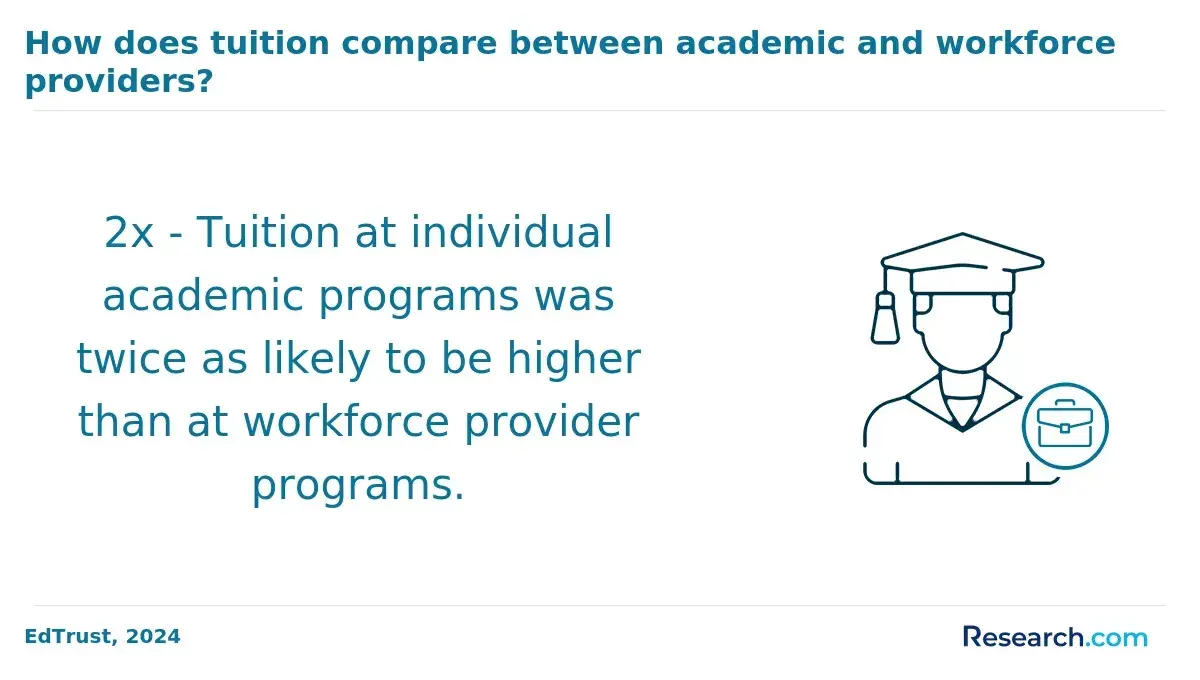
The cost comparison between accelerated and traditional social work programs is not always obvious. Accelerated programs may have higher per-credit tuition or more intense short-term expenses, but they can reduce total time in school. Traditional programs may feel more manageable semester by semester, yet extended enrollment can add fees, living costs, and delayed earnings.
- Program duration and total cost: Accelerated programs typically take half the time, such as finishing in two years instead of four for a bachelor’s, or 12-16 months versus two years for a master’s. A shorter timeline may reduce the number of semesters you pay tuition and fees, although this depends on the school’s pricing model.
- Tuition rate per credit: The cost per credit in accelerated programs tends to be higher because of the intensive format. For example, accelerated bachelor programs can charge around $350-$533 per credit, which may be higher than some traditional rates but can be offset by a shorter enrollment period.
- Opportunity costs: Finishing sooner may allow students to return to work, increase hours, or qualify for social work roles earlier. This is one reason an accelerated program can be financially appealing even when the upfront cost feels heavier.
- Total program expenses: Online accelerated bachelor’s degrees often range from $9,000 to $15,000 for in-state students, while accelerated master’s programs start near $7,125 but mostly fall between $9,000 and $12,000. Traditional programs may accumulate higher costs because students remain enrolled longer and may pay additional fees across more terms.
- Financial aid access: Both program types can offer access to scholarships, loans, and other aid when the school and program meet eligibility rules. Accelerated students may borrow less overall if they spend fewer terms enrolled, but they should plan carefully because expenses may be concentrated into a shorter period.
Students comparing master’s-level options should also look beyond sticker price and review field placement support, licensure alignment, and total borrowing. For affordability research, a focused search for msw online programs can be useful when comparing flexible routes.
What Financial Aid Is Available for Accelerated vs. Traditional Social Work Degrees?
Students in both accelerated and traditional social work programs may qualify for financial aid in the US, but the timing can differ. Accelerated students often take heavier course loads across shorter terms, which can affect aid disbursement, annual loan limits, and how quickly funds are used. Traditional students may have more predictable semester-by-semester aid planning but may need support for a longer period.
- Federal aid: Eligible students in both formats can complete the FAFSA to be considered for federal loans, grants, and work-study. Accelerated students should ask how continuous enrollment affects annual loan limits and whether aid is divided across nonstandard terms.
- Scholarships: Scholarships may be available for both accelerated and traditional students, including awards tied to child welfare, public service, underserved communities, or specific populations. Some scholarships include service commitments, so students should read the terms carefully before accepting.
- Employer tuition assistance: Some employers help pay for social work education, especially when the degree aligns with the employee’s current role. Traditional students may find it easier to remain employed while studying, while accelerated students should confirm whether their workload will allow them to meet employer requirements.
- Aid renewal and disbursement: Accelerated programs can create cash-flow challenges if tuition is due before aid is released or if terms do not follow a standard academic calendar. Students should ask the financial aid office for a full disbursement schedule before enrolling.
- Field placement costs: Financial planning should include transportation, background checks, technology, professional clothing, reduced work hours, and other placement-related expenses. These costs can be harder to absorb in an accelerated program because the schedule is compressed.
The safest approach is to compare net cost, not just tuition. Ask each school for a written estimate that includes tuition, fees, expected aid, borrowing options, and the timing of payments across the full program.
1
What Kind of Student Support Do Accelerated vs. Traditional Social Work Programs Offer?
Student support can make the difference between staying on track and falling behind, especially in a field that combines academic theory, professional ethics, client interaction, and supervised practice. Accelerated and traditional programs may offer similar services, but students access them differently because the pace and calendar are different.
Academic Advising
Traditional programs often provide advising across multiple semesters, giving students more time to plan electives, field placements, licensure steps, and career direction. Accelerated programs may use more structured advising checkpoints, group sessions, or virtual meetings because decisions need to be made quickly.
Tutoring and Academic Assistance
Traditional students may have more time to use writing centers, tutoring, office hours, and academic workshops before major deadlines. Accelerated students should look for programs with fast-response academic support because waiting several weeks for help can be too late in a compressed term.
Career Services
Traditional programs may offer extended career development through workshops, alumni events, agency visits, and internship-to-employment connections. Accelerated programs often focus on efficient job search preparation, résumé review, licensure guidance, and placement pipelines for students close to graduation.
Peer Interaction
Traditional programs may provide more opportunities for in-person study groups, student organizations, and informal peer support. Accelerated students may rely more on scheduled cohorts, online discussion spaces, and structured group projects. A strong cohort can be especially valuable in accelerated programs because students move through the same intense milestones together.
Field Placement Support
Field placement support is one of the most important services to compare. Ask whether the school finds placements, whether students must locate their own sites, how quickly placement problems are resolved, and whether evening or weekend placements are realistic. This matters in both formats, but accelerated students have less time to recover from placement delays.
Do Graduates from Accelerated vs. Traditional Social Work Programs Get Hired More Quickly?
Graduates from accelerated and traditional social work programs can both be competitive for jobs when their degree is properly accredited and aligned with employer and licensure expectations. Hiring speed depends less on the program label and more on field placement quality, local demand, references, licensure eligibility, and how prepared the graduate is to interview for specific roles.
- Employer perception: Employers generally respect CSWE-accredited social work degrees regardless of whether the program was accelerated, traditional, online, hybrid, or campus-based. Some employers may associate traditional programs with more time in training, while others may value the discipline and time management shown by accelerated graduates.
- Career readiness: Traditional students may have more time to build confidence through extended coursework and practicum experiences. Accelerated students may enter the workforce sooner and may be highly focused, but they need strong supervision and clear field experiences to demonstrate readiness.
- Industry demand: Social work jobs are growing at a robust pace, and graduates from both pathways can benefit from demand in areas such as healthcare, education, behavioral health, child welfare, and community services.
- Job placement speed: Data shows accelerated online graduates often find jobs as fast as their traditional counterparts, frequently securing positions within months after graduation.
- Licensure considerations: Hiring can be affected by state licensure rules, exam timelines, supervised experience requirements, and whether the job requires a specific credential. Students should confirm that their program supports the licensure pathway required in the state where they plan to work.
To improve hiring outcomes, choose a program with strong field partnerships, clear licensure advising, responsive career services, and alumni connections in the setting where you want to work.
Are Accelerated Social Work Degrees Accredited the Same Way as Traditional Programs?
Yes. In the United States, accelerated and traditional social work programs are evaluated under the same accreditation expectations when they seek recognition from the Council on Social Work Education. The format or pace may differ, but a CSWE-accredited program must still meet standards for curriculum quality, faculty qualifications, field education, assessment, and professional competencies.
This is one of the most important details to verify before enrolling. Accreditation can affect federal financial aid eligibility, transfer credit recognition, employer acceptance, and licensure preparation. A fast program that is not properly accredited may create serious problems later, especially for students who plan to become licensed social workers.
Students should check two levels of accreditation. First, confirm that the social work program has appropriate programmatic accreditation through CSWE when required for the credential and career path. Second, verify that the institution itself holds recognized regional accreditation so the degree is broadly accepted by employers, graduate schools, and licensing boards.
Accelerated programs may compress coursework into shorter timeframes, but they do not get a lower accreditation standard because of speed. If a school suggests that format alone makes a program equivalent, ask for direct evidence of accreditation status and licensure alignment in your state.
For students prioritizing cost, it can also be useful to compare low-tuition online colleges that accept financial aid while confirming that any social work program under consideration meets the accreditation requirements needed for your goals.
Understanding CSWE accreditation for accelerated social work programs helps prospective students compare formats without confusing speed, delivery method, and professional legitimacy.
How Do You Choose Between an Accelerated vs. Traditional Social Work Degree?
Choose an accelerated social work degree if you already have the required background, can handle a concentrated workload, and want to finish as quickly as possible. Choose a traditional program if you are new to social work, need more scheduling flexibility, or want more time for academic development, field learning, and professional networking.
The better choice is the one you can complete successfully while meeting accreditation, fieldwork, financial, and licensure requirements.
- Time commitment: Accelerated programs typically last 12 to 18 months, while traditional programs span about two years. A shorter timeline can be appealing, but it may require more weekly study and fieldwork hours.
- Eligibility: Accelerated degrees often require a Bachelor of Social Work and are designed to skip foundational courses. Traditional programs accept students with any bachelor’s degree and are more appropriate for those entering social work from another field.
- Learning style: Accelerated programs suit students who are self-directed, organized, and comfortable with rapid deadlines. Traditional programs suit students who prefer a steadier pace and more time to process complex ethical, clinical, and policy content.
- Lifestyle needs: If you work full time, care for family members, or need predictable breaks, a traditional or part-time route may be more realistic. If you can temporarily reduce outside commitments, an accelerated route may be manageable.
- Career goals: Both options can prepare graduates for social work roles when properly accredited. Accelerated paths may help you move faster, while traditional paths may provide more time to explore specializations and build relationships in the field.
- Financial fit: Compare total cost, aid timing, expected borrowing, and lost income. A lower total program cost is not always easier to manage if payments are concentrated into a short period.
- Field placement logistics: Ask how placements are assigned, whether your location has approved agencies, and what happens if a placement falls through. This is especially important for online and accelerated students.
Students comparing social work with other career routes may also review high-paying trade school jobs to understand alternative training timelines, costs, and work settings.
What Students of Accelerated vs. Traditional Social Work Programs Say About Their Degree
- : "Pursuing a traditional social work degree has allowed me the space to deeply understand the core theories and practical skills needed for meaningful client work. Although the program's pace is slower compared to accelerated options, I appreciate having time to absorb complex material and engage in internships. The cost was manageable for me, especially with available scholarships, but it's definitely a long-term investment. Overall, this program has profoundly shaped my career goals in community advocacy. — Tristan"
- : "The fast-paced nature of the accelerated social work program was both a blessing and a challenge. I loved how quickly I could enter the workforce, but balancing intense coursework with personal life was tough. The higher upfront cost felt justified because I started earning sooner than my peers in traditional tracks. This program sharpened my clinical skills rapidly, and I feel ready to make an immediate impact. — Jesiah"
- : "Enrolling in a traditional social work degree required careful financial planning given the average attendance costs, yet the comprehensive curriculum made it worthwhile. The deliberate learning pace allowed me to build strong relationships with faculty and peers, enriching my understanding of social policies. While it is a lengthy commitment, the depth of knowledge gained has been invaluable for my advancement in social services management. — Christopher"
Other Things You Should Know About Traditional vs. Accelerated Social Work Degrees
Accelerated social work degrees from accredited schools meet the educational requirements for licensure and certification in most states, just like traditional degrees. It is crucial for students to verify that their accelerated program complies with their state's licensing board standards. Completing necessary supervised fieldwork hours, regardless of program type, is essential for licensure eligibility.
Traditional social work programs often provide more time for students to build relationships with faculty, peers, and field supervisors, potentially enhancing networking opportunities. Accelerated students may have fewer chances for extended networking due to the program's pace but can compensate by actively seeking professional groups and online communities. Both paths require proactive engagement to maximize professional development and career opportunities.
References
- Fast-Tracking Your Mental Health Career: The Advantages of Advanced Standing MSW Programs https://www.e-counseling.com/articles/fast-tracking-your-mental-health-career-the-advantages-of-advanced-standing-msw-programs/
- How to Choose the Right Master of Social Work Program: A Step-by-Step Guide - Social Work Education Center https://www.socialworkdegree.net/msw-programs/
- A Preliminary Evaluation of Students' Learning and Performance Outcomes in an Accelerated 3-Year MD Pathway Program https://pmc.ncbi.nlm.nih.gov/articles/PMC8848877/
- What is the Difference Between Advanced Standing and Traditional MSW Degrees? https://onlinelearning.csuohio.edu/blog/what-difference-between-advanced-standing-and-traditional-msw-degrees
- Reliability estimation from two types of accelerated testing considering individual difference and measurement error - ScienceDirect https://www.sciencedirect.com/science/article/abs/pii/S0266892024000067
- MSW Admission Information https://health.csuohio.edu/social-work/msw-admission-information
- How Long to Become a Social Worker? 2025 Timeline Guide https://www.socialworkdegrees.org/faq/how-long-does-it-take-to-become-a-social-worker
- Social Work Scholarships https://socialworklicensemap.com/social-work-resources/social-work-scholarships/
- Fast track social work training schemes: How I went from believer to sceptic — Part I https://socialwhatnow.medium.com/fast-track-social-work-training-schemes-how-i-went-from-believer-to-sceptic-part-i-b59e1da78635
- Fast-Track vs. Traditional Degrees: Why Accelerated Programs Work https://www.stjohns.edu/news-media/johnnies-blog/fast-track-accelerated-programs-ccps-nyc


