
2027 Can You Complete an Online Pediatric Care Nurse Practitioner Degree Program While Working Full-Time?

Co-Founder and Chief Data Scientist
Full-time professionals pursuing an online pediatric care nurse practitioner degree often face significant challenges balancing job responsibilities, family life, and rigorous coursework. According to recent studies, nearly 40% of online adult learners in the U.S. juggle employment and education simultaneously, highlighting the growing demand for flexible learning options in healthcare fields.
This article will explore whether undertaking an online pediatric care nurse practitioner program is feasible for busy working adults. By examining time management strategies and program structures, we aim to help professionals assess how this advanced nursing degree can fit into their complex schedules.
Key Benefits of Completing an Online Pediatric Care Nurse Practitioner Degree Program While Working Full-Time
- Flexible schedules allow working nurses to complete coursework during off-hours, balancing clinical rotations and family care, which is crucial given pediatric care nurse practitioners often manage unpredictable patient needs.
- Online programs reduce commuting time, enabling full-time workers to allocate more hours to studying pediatrics, enhancing practical knowledge critical for child health assessments.
- Access to digital resources and virtual simulations supports skill development remotely, helping nurses stay current with pediatric guidelines while maintaining employment in busy healthcare settings.
How Long Does It Take to Complete an Online Pediatric Care Nurse Practitioner Degree While Working Full-Time?
The time to complete an online Pediatric Care Nurse Practitioner degree while working full-time varies widely depending on several key factors. Students should expect completion times ranging from about 2 to 5 years based on their individual circumstances and program structure.
Key factors influencing how long to finish Pediatric NP degree while employed full-time include:
- Enrollment Status: Full-time students typically complete the program in 2 to 3 years, while part-time students often take up to 5 years. Balancing work and study usually means enrolling part-time, which extends program duration but provides necessary flexibility.
- Course Format: Asynchronous courses allow students to manage assignments according to their own schedules, often enabling faster progress. Accelerated tracks shorten timelines for highly motivated students, whereas synchronous classes and mandatory campus visits may require more rigid time commitments.
- Prior Academic Credits: Transfer credits up to 30 hours can significantly reduce total time to degree completion by allowing students to bypass certain coursework, which benefits working nurses seeking an expedited path.
- Work Schedule and Study Hours: The amount of weekly study time available impacts pacing. Those juggling full-time jobs with consistent study hours may finish sooner, while irregular work schedules often necessitate slower progress.
- Program-Specific Requirements: Clinical hours, capstone projects, and practicums typically demand hundreds of hours and must be coordinated around employment. Many programs support local placements to accommodate working professionals, but these requirements usually extend the overall timeline.
Programs like Spring Arbor University's online MSN pediatric nurse practitioner track can be completed in approximately two years and five months when taking one course at a time. More advanced DNP programs at institutions such as Baylor University and Maryville University can take three to four years for BSN-prepared nurses, even with accelerated options.
Understanding the online Pediatric Nurse Practitioner program duration for working nurses is crucial for planning your education and career path effectively. For those interested in the fastest adult degree programs online, some accelerated options offer pathways to reduce completion time while balancing full-time work.
Is an Asynchronous or Synchronous Online Pediatric Care Nurse Practitioner Program Easier for Students Working Full-Time?
For students working full-time, asynchronous pediatric care nurse practitioner programs for working professionals generally offer a more manageable experience than synchronous options. This course format allows students to complete lectures, assignments, and discussions at their convenience, which is essential for balancing demanding work hours and personal commitments. Flexibility in scheduling helps nurses accommodate irregular shifts or family responsibilities, making it easier to progress without sacrificing job performance or well-being.
In comparison, synchronous online Pediatric NP programs with flexible schedules require attendance at live sessions, which can be difficult for nurses with fixed or unpredictable shifts. While synchronous learning fosters immediate interaction with faculty and peers, promoting engagement and accountability, it often reduces flexibility and may force students to adjust work schedules or use time off. Asynchronous programs enable logging in after night shifts or on weekends, allowing pediatric nurses to study recorded materials at their own pace. Both formats typically include in-person clinical placements, but asynchronous options provide greater control over coursework timing. For professionals exploring online pediatric nursing degrees, finding an easy masters program that fits their work-life balance is crucial.
What Time Management Strategies Help Online Pediatric Care Nurse Practitioner Students Working Full-Time?
For online pediatric care nurse practitioner students juggling full-time work, effective time management is crucial to reduce stress and maintain steady progress. Below are five research-supported strategies designed to help these students balance demanding schedules and academic goals.
- Structured Daily Scheduling: Creating and sticking to a set daily routine with dedicated study periods allows students to navigate irregular work hours and responsibilities more efficiently.
- Time Blocking and Timeboxing: Allocating fixed time slots specifically for coursework as non-negotiable appointments fosters greater focus and consistent advancement through the curriculum.
- Utilization of Productivity Tools: Employing digital planners, reminder apps, and synchronized devices helps track assignments, deadlines, and weekly tasks seamlessly.
- Prioritization through To-Do Lists: Organizing tasks by urgency and dividing large projects into manageable steps prevents overwhelm and keeps academic priorities clear.
- Pomodoro Technique: Working in focused intervals of 25 minutes followed by short breaks supports sustained concentration and limits distractions, especially in busy home environments.
One student who balanced full-time nursing while completing her online pediatric care nurse practitioner degree described the experience as "both exhausting and rewarding." She found early mornings before shifts were her most productive study times, but admitted, "It took trial and error to identify when I could focus best amid fatigue."
Regularly adjusting her schedule and using apps to track assignments became essential habits. Despite moments of doubt, she reflected that maintaining small, consistent study sessions and planning around her unpredictable shifts ultimately made her goals achievable. "It wasn't easy, but staying organized and flexible was key to managing everything without burning out," she shared.
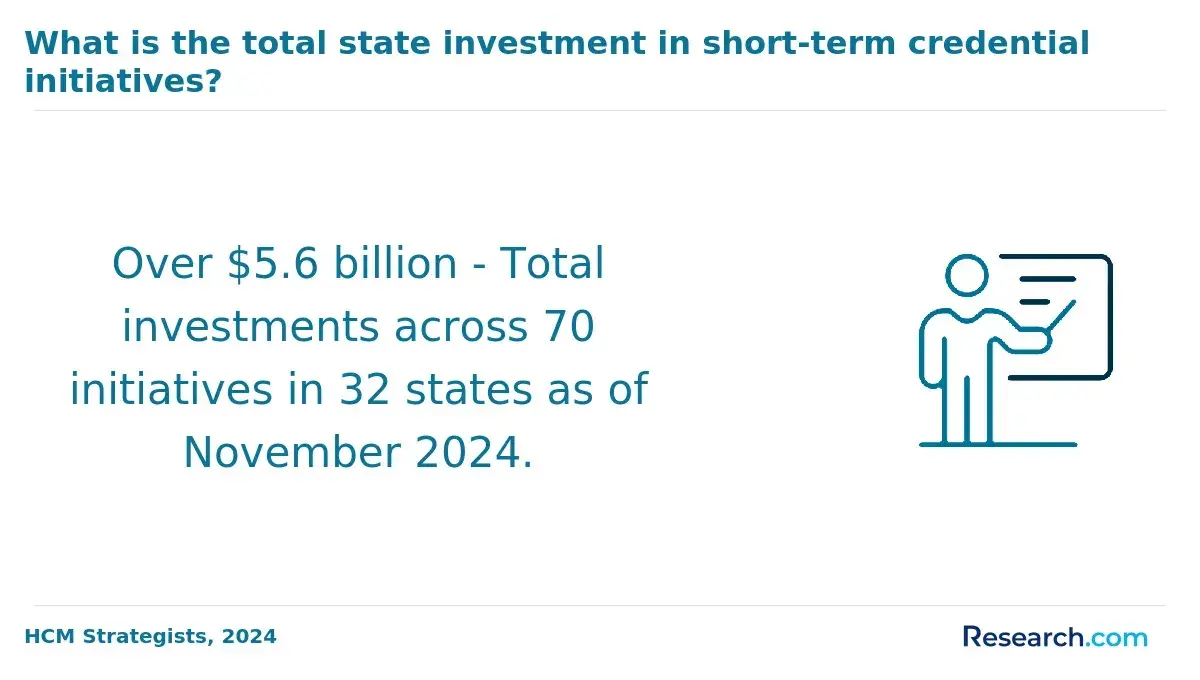
Breakdown of Public Fully Online Title IV Institutions

What Are the Biggest Challenges Full-Time Workers Face in Online Pediatric Care Nurse Practitioner Programs?
Balancing full-time employment with the demands of an online pediatric care nurse practitioner program presents substantial obstacles. Professionals often find it difficult to allocate sufficient time and energy between job responsibilities and the rigorous coursework required. Below are the primary challenges they encounter while managing both roles.
- Time management strain: Coordinating clinical hours, assignments, and work duties can be highly stressful. The tight schedules can leave minimal opportunity for rest or personal activities, heightening burnout risk and potentially affecting academic success.
- Securing clinical placements: A shortage of qualified pediatric nurse practitioner preceptors limits access to essential clinical rotation sites and mentors. This scarcity can delay program progress and reduce exposure to critical hands-on pediatric training.
- Financial and personal sacrifice: The cost of online pediatric nurse practitioner programs typically ranges from $35,000 to $60,000, representing a significant economic commitment. Maintaining full-time work may support finances but often requires sacrificing personal time and can hinder full engagement with educational and clinical demands.
How Do Online Pediatric Care Nurse Practitioner Programs Handle Internships for Full-Time Workers?
Balancing internships with a full-time job poses significant challenges due to demanding schedules and extensive hands-on requirements. Despite this, internships remain a vital component in many online pediatric care nurse practitioner programs to ensure clinical competency and meet certification standards.
These programs typically support working students through:
- Flexible Clinical Scheduling: Programs often allow clinical hours to be completed during evenings, weekends, or in concentrated blocks, enabling students to fit requirements around their work commitments.
- Local Clinical Placements: Students can usually arrange internships at nearby healthcare facilities, reducing commute times and easing access while maintaining quality clinical experiences.
- Clinical Placement Assistance: Dedicated coordinators help identify approved sites and preceptors, streamlining the placement process and lowering logistical challenges for employed nurses.
- Integration with Current Employment: Some programs permit completion of clinical hours at the student's workplace if it meets program standards, which helps minimize disruptions and preserve professional routines.
- Extended Program Timelines: To accommodate working students, program lengths may be stretched over two to three years, allowing more manageable pacing for clinical and academic demands.
When asked about his experience, a student pursuing an online pediatric care nurse practitioner degree while working full-time shared that the program's flexible scheduling was indispensable. He described how evening and weekend clinical blocks, combined with local placements coordinated by clinical advisors, "removed a lot of the stress" he initially felt. Being able to complete some hours at his current hospital made it easier to manage both roles. He admitted that juggling responsibilities was tough but appreciated the extended timeline, which allowed him to maintain steady progress without sacrificing job performance. His journey reflects how carefully structured internship support can bridge the gap between work and advanced pediatric nursing education.
What Technology Do You Need for an Online Pediatric Care Nurse Practitioner Degree While Working Full-Time?
Having the right technology is essential for busy working professionals pursuing an online pediatric care nurse practitioner degree, as it provides seamless access to coursework and clinical training while fitting into unpredictable schedules. Reliable digital tools enable students to balance demanding job responsibilities with academic deadlines and live sessions. Below are the key technology requirements to support success in this online program.
- High-Performance Computer: A modern laptop or desktop with sufficient processing speed, memory, and storage is necessary to run advanced nursing software, participate in video conferences, and manage large research files. Many students choose the best laptop for pediatric nurse practitioner online students to efficiently use platforms like Blackboard or Canvas, as well as electronic health record (EHR) simulation tools tailored to pediatric practice.
- Stable High-Speed Internet Connection: Consistent broadband access is critical for streaming live lectures, uploading assignments, and engaging in telehealth simulations. This ensures full-time professionals can participate in synchronous discussions or virtual group projects during short breaks at work.
- Webcam and Headset: Quality audio and video equipment supports active participation in live clinical seminars, virtual presentations, and telehealth training that simulate real pediatric consultations with families and interdisciplinary teams.
- Healthcare-Specific Software: Familiarity with electronic medical record (EMR) systems such as Epic or Cerner, pediatric dosage calculators, and telehealth platforms is often required. These tools help replicate current clinical practice and complete clinical simulations effectively.
- Cloud Storage and Collaboration Tools: Secure access to platforms like Google Drive, Microsoft OneDrive, or institutional portals facilitates safe document storage, easy sharing of pediatric case studies, and real-time group work. Cloud services help full-time workers access resources and collaborate on projects regardless of their work hours.
Choosing the right technology aligns with a student's ability to succeed in the program while managing full-time employment. For those exploring the financial benefits of nursing degrees, viewing lucrative majors can provide insight into career outcomes related to pediatric nurse practitioner programs.
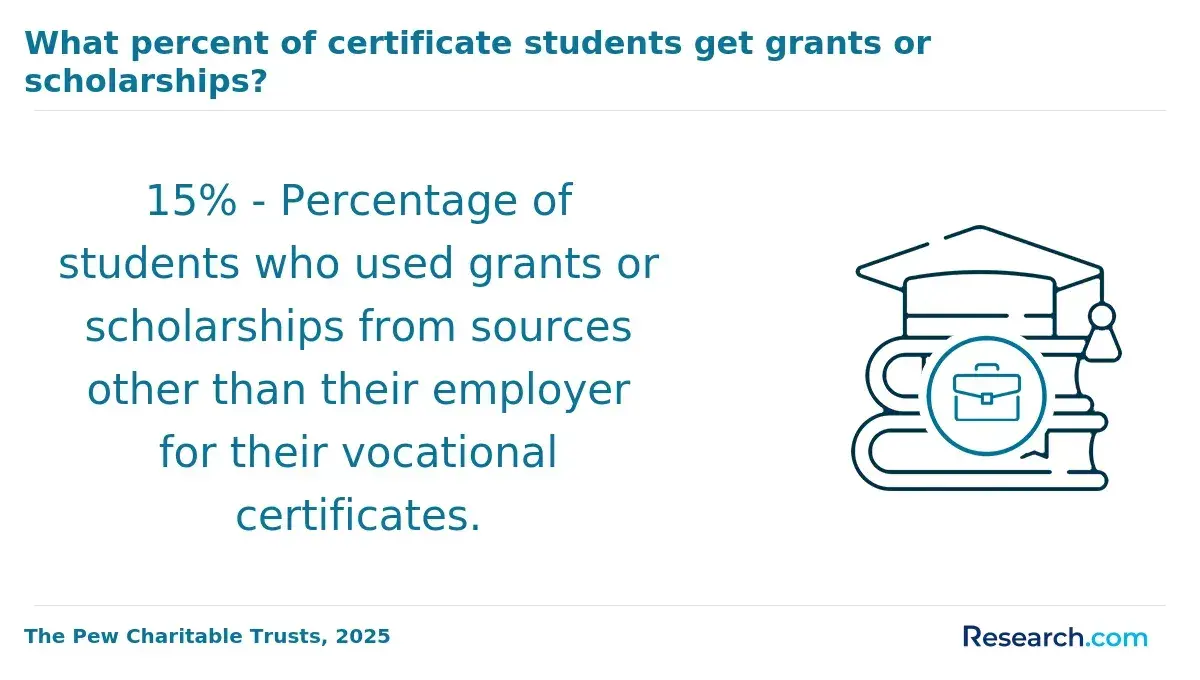
Can You Qualify for Financial Aid If You Study Online and Work Full-Time?
Financial aid is a crucial consideration for full-time professionals pursuing an online pediatric care nurse practitioner degree, as the challenge of balancing tuition expenses with work and personal life can be significant. Accessing the right financial resources can ease this burden, enabling working students to progress without overwhelming debt. Below are key factors influencing online pediatric nurse practitioner financial aid eligibility for full-time workers.
- Enrollment status: Federal and institutional financial aid, including FAFSA, is generally available for both full-time and part-time students in accredited programs. However, some scholarships specifically require full-time enrollment, so verifying requirements is essential for working nurses seeking financial aid for working nurses in online pediatric NP programs.
- Income and financial need: Earning a full-time salary may reduce eligibility for need-based grants or subsidized loans since your income is considered. Still, most graduate nursing students qualify for federal Direct Unsubsidized Loans and Graduate PLUS Loans, which have no income limits but often require credit checks.
- Employer tuition assistance: Many healthcare employers provide tuition reimbursement or assistance, especially when advanced credentials benefit the organization. Hospitals and clinics may cover partial or full tuition for pediatric care nurse practitioner degrees if employees commit to working for a set time after graduation.
- Scholarships and grants: Scholarships like those offered by DiversityNursing.com and the NAPNAP Foundation welcome applicants working full-time as RNs or nurse practitioners, including those studying online. These funding sources can be vital avenues for financial aid tailored to working nurses in online pediatric NP programs.
- Loan forgiveness programs: Programs such as Public Service Loan Forgiveness (PSLF) and the National Health Service Corps (NHSC) Scholarship Program provide debt relief for those employed in qualifying public or nonprofit roles. These programs can significantly lessen overall education expenses for full-time professionals serving in high-need communities.
For professionals seeking accelerated options, exploring one year phd programs may offer additional pathways for advancing education while managing work commitments.
Do Employers Support Employees Pursuing Online Pediatric Care Nurse Practitioner Degrees in 2027?
Employer support has become a critical factor for full-time professionals pursuing an online pediatric care nurse practitioner degree due to the challenge of balancing demanding work schedules with rigorous academic and clinical requirements. Workplace policies and organizational culture can significantly influence a student's ability to manage both responsibilities effectively. Understanding common employer support practices helps clarify what working nurses can expect when enrolled in such programs.
Many employers offer different types of assistance or set limitations that impact students' success. Key insights include:
- Tuition Assistance: Many healthcare organizations provide tuition reimbursement or scholarships for online pediatric nurse practitioner programs. This financial support, a form of employer tuition assistance for online pediatric nurse practitioner programs, reduces barriers and promotes skill development benefiting both employee and employer.
- Flexible Scheduling: Employers often allow flexible shift arrangements or reduced hours to accommodate coursework and clinical hours. Workplace flexibility for pediatric nurse practitioner students is essential to manage clinical placements, exams, and intensives alongside job duties.
- Clinical Placement Support: Some employers collaborate with universities to offer onsite clinical placements or enable nurses to complete clinical hours at their current facility. This reduces commute times and logistical challenges for working students.
- Career Advancement Incentives: Completing a pediatric care nurse practitioner degree can be rewarded with promotions or leadership roles, motivating employees to persist and advance within their organizations.
- Performance Concerns and Limitations: Some employers limit support due to fears of decreased job performance or increased absenteeism. They may restrict time off or require proof that education won't interfere with responsibilities, creating obstacles for some students.
Before enrolling, nurses should consult human resources to understand available benefits and restrictions. For those seeking flexible careers, exploring the best trade school job options and employer policies can be a strategic step.
Does Completing an Online Pediatric Care Nurse Practitioner Degree While Working Full-Time Improve Your Salary?
Completing an online pediatric care nurse practitioner degree while working full-time can lead to higher salaries, influenced by several key factors. High industry demand drives competitive pay, with nurse practitioners earning an average of $132,000 annually. Advanced education levels, such as master's or doctoral degrees, typically result in better compensation, with median salaries for pediatric nurse practitioners ranging between $106,300 and $117,229. Employers often value advanced degrees combined with relevant work experience, rewarding these qualifications with greater responsibilities, leadership opportunities, and higher pay. Practical experience earned during full-time work further increases earning potential, making practitioners more attractive for specialized or remote positions.
Balancing full-time employment while earning your degree can support career growth through promotions, increased job stability, and the immediate application of new skills. Many employers view ongoing education and commitment as grounds for raises or career advancement, especially if tuition assistance programs are offered. Applying enhanced skills on the job can visibly demonstrate value to employers and strengthen your resume. However, salary growth and opportunities depend on the healthcare sector, individual company policies, and larger economic factors, with some organizations maintaining fixed pay scales regardless of degree attainment.
What Should Full-Time Workers Look for When Choosing an Online Pediatric Care Nurse Practitioner Program?
For full-time professionals, selecting the right online pediatric care nurse practitioner program is crucial because balancing work and study demands flexibility and strong support systems. A well-structured program can help avoid burnout and promote success amid a busy schedule. Consider these essential factors when evaluating programs:
- Flexible Course Delivery: Programs with asynchronous or hybrid formats allow learners to manage coursework around their job hours. Online lectures and resources reduce campus visits, easing scheduling pressures.
- Clinical Placement Support: Securing appropriate clinical sites is often challenging for working students. Programs providing dedicated coordinators or assistance in arranging clinical experiences can significantly ease this burden.
- Accreditation and Certification Records: Accreditation by recognized bodies like CCNE or ACEN ensures quality education. High graduation rates and certification pass percentages indicate a program's reliability and the likelihood of successfully obtaining credentials.
- Student Support Services: Access to advising and counseling throughout the program helps learners stay on track and balance work-life demands, especially when managing complex schedules.
- Admission and Experience Criteria: Programs typically require a valid RN license and relevant pediatric nursing experience, which may impact eligibility for full-time workers planning enrollment.
What Graduates Say About Completing an Online Pediatric Care Nurse Practitioner Degree While Working Full-Time
- Hudson: "As a full-time professional, I appreciated how the online pediatric care nurse practitioner degree fit into my busy schedule with its self-paced modules and accessible resources. The cost was reasonable compared to traditional programs, and I've noticed a marked improvement in my clinical confidence and patient care practices. Overall, it was a pragmatic and fulfilling decision. "
- Morgan: "Enrolling in an online pediatric care nurse practitioner program while working full-time gave me the chance to advance my skills without sacrificing my job stability. The comprehensive curriculum and interactive online environment enhanced my learning experience, though I often found myself reflecting on the significant financial commitment it required. Nonetheless, it was a pivotal step in shaping my professional journey. "
- Joey: "Balancing a full-time job while pursuing my online pediatric care nurse practitioner degree was challenging but incredibly rewarding. The flexible pacing allowed me to manage work commitments and coursework effectively, and the affordable tuition made it a smart investment in my career growth. This program truly opened new doors for me in pediatric healthcare. "
Other Things You Should Know About Pediatric Care Nurse Practitioner Degrees
Clinical hours might pose scheduling challenges for those working full-time. Many programs offer flexible scheduling to accommodate busy professionals, but it's important to communicate with both your employer and academic advisors to effectively manage time and ensure all requirements are met.
Yes, many online pediatric care nurse practitioner programs are specifically designed with working professionals in mind. These programs often offer flexible course schedules, part-time enrollment options, and the ability to access lectures and materials asynchronously. This structure helps full-time workers manage education alongside their employment.
Students enrolled in online pediatric care nurse practitioner programs generally have access to robust support services including academic advising, tutoring, and career counseling. Many schools provide virtual office hours and peer support groups to assist students balancing work and study. These resources are critical for full-time workers to stay on track and succeed.
References
- Pediatric Primary Care Nurse Practitioner https://www.nursing.upenn.edu/pediatric-primary-care-nurse-practitioner/
- Nursing (Primary Care Pediatric Nurse Practitioner), DNP (Online) | Loma Linda University https://llu.edu/academics/programs/school-nursing/nursing-primary-care-pediatric-nurse-practitioner-dnp-online
- On-Campus Hybrid vs. Online Modality | Regis College https://www.regiscollege.edu/academics/majors-and-programs/nursing-msn/nurse-practitioner/campus-hybrid-vs-online-modality
- Post Master's Pediatric Nurse Practitioner Certificate Programs - Online & Campus https://www.registerednursing.org/post-masters-certificate/pediatric/
- How Do Employers View Online Nurse Practitioner Education? | ThriveAP https://provider.thriveap.com/blog/how-do-employers-view-online-nurse-practitioner-education
- Earning Your DNP Degree: Balancing Work, School and Life https://online.uark.edu/blog/earning-your-dnp-degree-balancing-work-school-life.php
- The Pediatric Nurse Practitioner Workforce: Meeting the Health Care Needs of Children - Journal of Pediatric Health Care https://www.jpedhc.org/article/S0891-5245(13)00083-7/fulltext
- Current trends and challenges in the United States of America based pediatric nursing workforce - ScienceDirect https://www.sciencedirect.com/science/article/pii/S0882596325002842
- Some of the Best Online Nurse Practitioner (NP) Programs for 2025–2026 - Nurse Practitioner Degrees https://npdegrees.org/degrees/best-online-np-programs/
- Time Management and Task Prioritization Curriculum for Pediatric and Internal Medicine Subinternship Students https://pmc.ncbi.nlm.nih.gov/articles/PMC8861138/


