2027 Sports Psychology Internship Requirements: Hours, Placements, and Supervision

Co-Founder and Chief Data Scientist
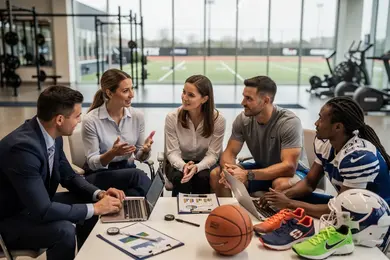
How many hours must a sports psychology student complete to fulfill internship requirements? This question often puzzles those preparing for professional practice. Internships in this field typically involve placements in athletic teams, wellness centers, or rehabilitation clinics where students gain firsthand experience.
Supervision by licensed practitioners ensures adherence to ethical and educational standards. With employment in sports psychology expected to grow by 13% over the next decade, understanding these requirements is critical for timely career advancement. This article clarifies the necessary internship hours, placement options, and supervision expectations to help students navigate their path efficiently.
Key Things to Know About Sports Psychology Internship Requirements
- Internship hours typically range from 300 to 600, requiring careful academic scheduling to balance coursework and practical experience in sports psychology.
- Placement availability varies by region and often depends on the affiliations between programs and local athletic organizations, impacting where students complete internships.
- Supervision standards mandate licensed professionals who provide ongoing feedback and formal evaluations, ensuring competency and professional growth during the internship.
Do All Sports Psychology Degrees Require an Internship?
Internships are frequently integrated into sports psychology curricula to provide essential practical experience that complements academic study. Nearly 70% of applicants for the Certified Mental Performance Consultant (CMPC) credential reported completing an internship or comparable field experience, underscoring the profession's emphasis on experiential learning.
Various factors influence whether an internship is a mandatory component of a sports psychology degree program.
- Program Type: Graduate-level sports psychology degrees are more likely to require internships than undergraduate programs. While some bachelor's degrees treat internships as optional, master's and doctoral programs typically mandate them to ensure competency in applied settings.
- Accreditation Expectations: Programs accredited by professional organizations usually include internships as part of their curriculum to meet licensure or certification standards. This alignment with accreditation ensures students gain exposure to real-world scenarios critical for professional readiness.
- Specialization Tracks: The focus of a program's track, whether clinical, performance consulting, or research-oriented, can affect internship requirements. Tracks emphasizing applied practice generally require hands-on internships, while research-heavy options may allow alternative experiential methods.
- Alternative Experiential Learning: Some programs substitute traditional internships with practicum projects, supervised research, or simulated settings. These alternatives offer flexibility, especially when direct placement opportunities are limited, but their acceptance varies by institution and accreditation body.
Students exploring typical internship prerequisites for sports psychology programs in the United States should carefully review specific curriculum details and accreditation standards. Those interested in related fields might also consider pathways through online pharmacy schools for diverse experiential learning models.
What Requirements Must Be Met Before Starting a Sports Psychology Internship?
Internship programs in sports psychology establish prerequisites to ensure that candidates possess the academic foundation and professionalism needed for success. Approximately 85% of accredited sports psychology internships require applicants to meet specific academic benchmarks, underscoring the importance of preparation before beginning practical training.
The following are common eligibility criteria students must satisfy before starting their internship.
- Completed Coursework: Candidates are expected to finish core classes related to exercise psychology, counseling techniques, research methods, and ethical practices. These courses build essential knowledge for applying psychological principles effectively in athletic settings.
- Minimum GPA: Maintaining a GPA of around 3.0 on a 4.0 scale is often required to demonstrate academic competence and readiness to handle the internship's demands.
- Application Approval: Formal endorsement by faculty advisors or internship coordinators is typically necessary. This review process assesses the applicant's preparedness and alignment with program goals.
- Professional Documentation: Submission of items like resumes, letters of recommendation, and personal statements is commonly required. These documents help illustrate motivation and relevant experience.
- Background Checks: Many programs mandate clearance screenings, especially when interns will interact with schools, sports teams, or vulnerable populations, to ensure safety and compliance with ethical standards.
Meeting these prerequisites helps align academic training with professional expectations, supports ethical standards, and prepares interns to contribute effectively within their placements in the field of sports psychology.
How Many Internship Hours Are Required for Sports Psychology Degrees?
Internship hours are a critical component of sports psychology degree programs, designed to ensure practical experience complements academic learning. Typically, students complete between 300 and 600 supervised internship hours, often translating to about 6 to 12 academic credits based on common credit-hour conversions.
Several factors determine the exact hour requirements for each program.
- Academic Credit Equivalencies: Internship hours usually convert into course credits, commonly with 45 to 50 hours equaling one credit. This system creates a measurable academic framework linking hands-on experience to degree progress.
- Program Level: Master's and doctoral programs differ in expectations, with doctoral students generally completing more hours to meet advanced competency standards.
- Accreditation Standards: Accrediting organizations set minimum supervised training requirements to assure consistent quality and adequate skill development across programs.
- Enrollment Status: Full-time students often complete internship hours more intensively, whereas part-time students spread hours over multiple semesters to balance coursework and practical experience.
A sports psychology degree graduate shared that completing the required internship hours was both demanding and rewarding. He recalled the challenge of balancing intensive fieldwork alongside coursework and described the process of securing placements as sometimes stressful but ultimately vital for career preparation.
"Logging hundreds of hours felt daunting at first," he said, "but the hands-on experience was crucial to understanding the real-world application of theories we studied. It also helped build confidence working with athletes in various settings." This firsthand insight highlights how internship hour expectations shape both academic and professional readiness.
Where Do Sports Psychology Students Complete Internships?
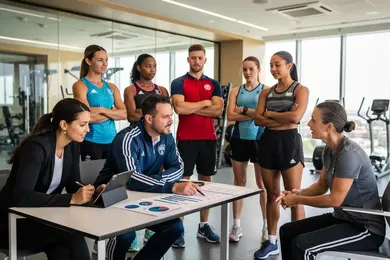
Internship settings are crucial in shaping the practical skills of sports psychology students by exposing them to varied populations and applied methods. Nearly 40% of internships take place within collegiate athletic programs, underscoring their prevalence among typical placements for sports psychology internship placements in the United States.
The following list highlights common environments where students gain hands-on experience.
- Corporate Wellness Programs: These organizations focus on enhancing employee health and performance through psychological strategies. Interns learn to apply techniques in workplace settings that promote mental well-being and productivity across diverse industries.
- Government Agencies: Military services, public health departments, and similar entities provide settings where students engage with specialized populations. Such placements emphasize performance under stress, rehabilitation, and community health initiatives.
- Nonprofit Organizations: Focused on sports and community health, these groups offer internships centered on youth development, injury prevention, and rehabilitation. Students gain experience working with varied demographics and social outreach programs.
- Academic and Clinical Research: Research laboratories and hospitals offer environments where interns assist with data collection and intervention studies. These placements enhance skills in evidence-based practices and contribute to ongoing psychological research.
This diversity across industries helps students tailor their training to specific interests. For those considering a comprehensive approach, exploring options like an affordable healthcare administration degree online can expand career versatility within health-related fields.
How Are Internship Placements Assigned in Sports Psychology Programs?
Placement systems in sports psychology programs are carefully designed to align students with opportunities that support their academic and professional goals. Structured coordination between institutions and placement sites ensures students receive appropriate training while meeting program objectives.
According to recent data, more than 70% of sports psychology internships involve some form of collaborative decision-making in the assignment process. Below are common methods used in assigning internship placements.
- Faculty-Guided Matching: Faculty often play a central role by considering students' interests, academic progress, and site availability to recommend suitable placements that align with training goals.
- Student Preference Submission: Many programs allow students to rank or apply to preferred sites, with final decisions influenced by matching availability and program compatibility.
- Partnership Agreements: Schools maintain formal relationships with sports teams, clinics, or organizations, providing vetted, consistent placement options that fit established educational criteria.
- Centralized Placement Systems: Some institutions use centralized platforms that aggregate available internships and facilitate matching based on both student qualifications and site needs.
One sports psychology degree student shared that the placement process felt both exciting and nerve-wracking. She described how faculty discussions helped her understand which settings would best suit her interests and provided support when negotiating preferences with sites.
Although she initially worried about limited options, she appreciated how the structured approach allowed her to make informed choices rather than facing placements randomly. The experience, she noted, underscored the importance of clear communication and flexibility throughout the assignment period.

Are Virtual or Remote Internships Available?
Remote and virtual internships have become increasingly prominent, reflecting a wider shift in professional training toward flexibility and digital access. A recent survey by the National Association of Colleges and Employers found that roughly 45% of internships across various fields now offer fully or partially remote options.
This shift is evident in sports psychology programs as they adapt to meet changing student needs and modern workplace models. These new internship formats offer alternatives to traditional in-person experiences while maintaining professional standards.
Virtual internships typically leverage tools such as video conferencing, cloud-based file sharing, and specialized client management software to allow meaningful participation from a distance. This flexibility benefits students managing coursework, jobs, or personal commitments by reducing the need for commuting and allowing diverse scheduling.
Additionally, remote options expand access to a broader range of employers beyond local or campus-affiliated sites. However, the extent to which such internships are available depends largely on the specific program's requirements, as some still prioritize hands-on clinical experience or hybrid models combining remote and on-site work.
Are Part-Time Internships Allowed for Working Students?
Many students enrolled in sports psychology programs work part-time or full-time while completing their degrees. In fact, around 70% of college students in the U.S. hold paid jobs during their studies, making flexible internship options essential. To accommodate these students, part-time internships are commonly offered, allowing a balance between work, academics, and practical experience.
Key features of such internships include:
- Scheduling Flexibility: Students can spread their internship hours over an extended period, fitting practical training around their existing work and study commitments without overwhelming daily routines.
- Employer Accommodations: Internship sites often coordinate with academic programs to provide shifts during evenings or weekends, creating opportunities that align with students' work schedules.
- Academic Workload Balance: Part-time internships are structured to complement coursework, ensuring students can maintain strong academic performance alongside gaining hands-on experience.
- Program-Specific Restrictions: Some sports psychology programs may require minimum weekly hours or limit the maximum internship duration to guarantee comprehensive learning while still allowing flexibility.
These arrangements make internship experiences more accessible for students with employment, familial responsibilities, or other obligations. Institutions also emphasize that part-time internships must fulfill competency and hour requirements to prepare students adequately for professional careers in sports psychology.
What Supervision Is Required During a Sports Psychology Internship?
Supervision is a vital part of sports psychology internship experiences, ensuring that students gain practical skills while maintaining professional and ethical standards. Research indicates that structured mentorship can improve job readiness by up to 40%, highlighting the importance of guided oversight.
Below are key aspects of supervision that support student learning and accountability in these programs.
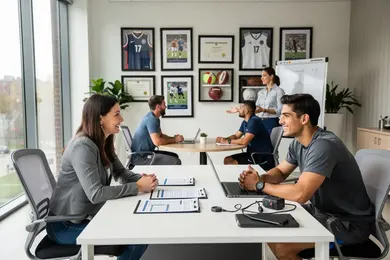
- Faculty Oversight: Faculty members provide academic supervision through regular meetings where interns discuss client cases and receive theoretical guidance. This ensures alignment between clinical practice and academic objectives, reinforcing clinical supervision standards in sports psychology training.
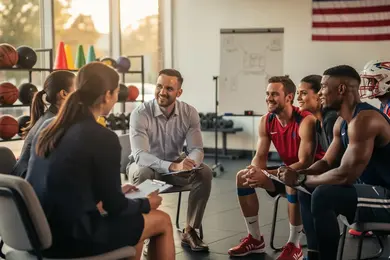
- Workplace Mentors: Experienced professionals, often licensed sports psychology practitioners or certified mental performance consultants, offer hands-on supervision. They observe client sessions, give performance feedback, and help interns develop counseling techniques relevant to sport contexts.
- Progress Monitoring: Supervisors continuously track interns' professional growth, ethical conduct, and skill acquisition. This ongoing evaluation helps ensure compliance with supervision requirements for sports psychology internships, facilitating a smoother transition to independent practice.
- Constructive Feedback: Detailed post-session evaluations focus on communication skills, assessment accuracy, and intervention strategies. This feedback loop encourages continuous improvement under expert advice, essential for developing client-centered competencies.
- Ethical Accountability: Supervision enforces adherence to ethical codes established by governing bodies in sports psychology. Protecting client welfare and promoting intern competence are central goals during internships.
Sports psychology students who are also exploring other advanced degrees might find programs like nursing PhD programs useful for broader professional development perspectives.
How Are Sports Psychology Internships Evaluated?
Evaluating internship performance in sports psychology programs is crucial to ensure students develop the necessary skills and competencies to succeed professionally. A 2019 study published in the Journal of Applied Sport Psychology found that over 85% of accredited programs rely on formal assessments to verify readiness for independent practice.
Effective evaluation methods cover various aspects of intern development, combining multiple sources of feedback and objective measures. Below are common evaluation strategies used by these programs.
- Supervisor Reviews: Experienced supervisors provide detailed feedback on clinical skills, professionalism, and the intern's ability to engage effectively with athletes, forming a primary basis for performance assessment.
- Reflective Assignments: Interns submit journals or structured reflections that foster self-assessment, helping faculty understand how students internalize feedback and adapt their techniques during the internship period.
- Performance Benchmarks: Programs establish specific goals such as client interaction quality, report writing accuracy, and appropriate intervention techniques, which offer clear indicators of satisfactory progress.
- Faculty Assessments: Faculty members review documentation, assignment quality, and sometimes conduct direct observations during site visits to ensure consistency and fairness in evaluation.
These measures are essential in maintaining the high standards of sports psychology internship programs and ensure students meet the evaluation criteria for sports psychology internship programs. Prospective students seeking a comprehensive educational experience might also consider related fields or supplemental courses, such as a medical assistant course online, which can complement their clinical skills and professional readiness.
What Challenges Do Sports Psychology Students Face During Internships?
Internships are crucial for gaining practical skills in sports psychology but often come with significant demands. Nearly 60% of interns report high stress linked to juggling coursework and placement tasks.
Recognizing these challenges can help students better prepare and persevere during their sports psychology internship.
- Balancing Schedules: Managing internship hours alongside academic work and personal life can be overwhelming. The time pressures often require strong organizational skills to meet all obligations without burnout.
- Adapting to Professional Norms: First-time interns must quickly learn workplace expectations, including maintaining client confidentiality and adhering to ethical standards. This adjustment can be stressful when transitioning from classroom learning to applied practice.
- Financial and Transportation Struggles: Many internships are unpaid or low-paid, creating financial strain. Additionally, commuting challenges can add to the stress, especially when balancing tight schedules.
- Handling Professional Duties: New interns often find it difficult to manage responsibilities like documentation, client interaction, and applying theoretical knowledge practically. This lack of prior experience can increase anxiety and workload.
Successfully overcoming obstacles during sports psychology internship involves not only commitment but also accessing resources to support students through these hurdles. Students interested in expanding their qualifications while managing these challenges might explore programs such as the cheapest online MBA healthcare options to enhance their career prospects.
What Graduates Say About Sports Psychology Internship Requirements
- Otis: "Completing my sports psychology degree internship was a truly eye-opening experience. With over 300 supervised hours across diverse placements, I gained firsthand insight into athlete mental conditioning and recovery strategies. This hands-on training was pivotal in shaping my confidence and competence in the professional sports environment."
- Ronan: "Reflecting on my sports psychology internship, I appreciate how structured and supportive the supervision was throughout. Being placed in both collegiate and community sports settings allowed me to observe varied psychological approaches to athlete motivation. These experiences solidified my passion and prepared me well for the challenges in my career."
- Brooks: "From a career standpoint, my sports psychology internship was incredibly impactful. The rigorous hours and exposure to real-world scenarios enhanced my ability to apply psychological theories effectively. Engaging closely with mentors during supervised internships gave me invaluable professional insight that continues to inform my practice today."
Other Things You Should Know About Sports Psychology Degrees
A sports psychology internship in 2027 is critical for meeting licensure requirements, as it provides essential supervised practical hours. These internships offer direct experience in clinical or applied settings and must adhere to specific state guidelines for licensure eligibility. Always verify hours and supervision meet your state's requirements.
Students typically develop practical skills such as performance assessment, mental skills training, and consultation with athletes and coaches. Internships provide hands-on experience with psychological testing, intervention strategies, and ethical decision-making specific to athletic populations. These experiences build essential competencies needed for effective practice in varied sports environments.
Yes, students must maintain detailed logs of their hours, client interactions, and supervisory meetings throughout their internships. Documentation often includes case notes, progress reports, and reflective journals. These records are required by academic programs and licensing bodies to verify the completion and quality of internship experiences.
Internships often encourage or require collaboration with other professionals such as coaches, physical therapists, and nutritionists. This multidisciplinary approach enhances understanding of athlete care and allows interns to integrate psychological principles within a broader health and performance context. Such experiences are valued by both training programs and employers.
References
- How To Become A Sports Psychologist | Psychology.org https://www.psychology.org/careers/sports-psychologist/
- Recent Posts : https://nanakijchadha.com/on-the-field-and-behind-the-scenes-challenges-encountered-by-sport-psychologists-during-competitions/
- A Study on the Causes, Mechanisms and Coping Strategies for Psychological Problems Among Undergraduate Sports Students https://apcz.umk.pl/PPS/article/view/67983
- Psychology Internship Abroad | StudentsGoAbroad https://studentsgoabroad.org/psychology-internship-abroad
- Sport Psychology Predoctoral Internship - Texas Tech Red Raiders https://texastech.com/sports/2023/1/11/sport-psychology-predoctoral-internship
- How to Land an Internship in Sports Psychology https://www.sportspsychology.org/articles/internship-in-sports-psychology/
- Supervision and Consultation in Exercise and Sport Psychology https://www.apadivisions.org/division-47/about/resources/supervision
- Sports Psychology Association of India https://spaionline.in/academic
- JUNE 2024 https://ijsshmr.com/v3i6/12.php
- Internships/Fellowships https://americanboardofsportpsychology.org/internships-fellowships/