2027 What Can You Do with a Data Analytics Master's Degree? Careers, Salaries & Growth

Co-Founder and Chief Data Scientist
Many professionals struggle to break into the growing field of data analytics without advanced credentials. With 27% projected employment growth over the next decade, demand for skilled data analysts far exceeds supply. However, choosing the right master's program and understanding the career trajectory can be overwhelming.
This article addresses these challenges by exploring program structures, admission standards, and industry-specific job opportunities tied to a data analytics master's degree. It also analyzes salary trends, compares online and on-campus study formats, and reviews relevant certifications. This comprehensive guide helps prospective students make informed decisions about investing in a data analytics graduate education.
Key Things to Know About What You Can Do with a Data Analytics Master's Degree
- Admission typically requires a bachelor's in a related field; programs combine core analytics, statistics, and machine learning with electives reflecting career goals and offer online or on-campus options.
- Graduates access diverse roles like data scientist or business analyst, with median salaries around $95,000 and potential for growth exceeding 15% over the next decade.
- Comparing programs by cost, flexibility, and reputation is crucial; professional certifications like CAP or SAS further enhance employability and long-term earning potential.
What Are the Admission Requirements for a Data Analytics Master's Program?
Preparing the necessary prerequisites is essential for a smooth admission to a data analytics master's program. Given the competitive landscape and the growing demand for skilled professionals-the U.S. Bureau of Labor Statistics projects a 36% increase in data science jobs from 2021 to 2031-understanding these requirements helps applicants align their credentials effectively. Below is a summary of the common expectations applicants should meet when applying to a data analytics master's degree.
- Relevant Undergraduate Degree: Most programs require a bachelor's degree in fields like computer science, statistics, mathematics, engineering, or business, with a minimum GPA often around 3.0 on a 4.0 scale. Some schools accept applicants with unrelated degrees if prerequisite courses in programming, calculus, or data management have been completed.
- Standardized Tests: Tests such as the GRE and GMAT are frequently part of the application, but requirements have become more flexible recently. Many institutions waive these exams or make them optional, especially after changes prompted by the COVID-19 pandemic, though a strong GRE quantitative score can enhance admissions chances.
- Supplementary Materials: Letters of recommendation, usually from professors or employers, are standard. Applicants often provide personal statements explaining career goals and program fit, and some programs request writing samples or resumes demonstrating relevant experience, particularly for those from nontechnical backgrounds.
- Field-Specific Prerequisites: Certain specializations, such as advanced analytics or machine learning tracks, may require prior experience with programming languages like Python or R. These tailor admission criteria to the specialization's technical demands.
The requirements for enrolling in a data analytics master's degree vary somewhat by institution, so prospective students should research programs carefully. For information on accelerated options, exploring one year masters programs can offer valuable insight into flexible, fast-track learning pathways.
What Is the Minimum GPA Requirement for a Data Analytics Master's Program?
Meeting the minimum GPA requirement is a key consideration for students applying to a master's program in data analytics. Typically, a baseline GPA helps institutions evaluate academic readiness, but this is only one factor among many. As the demand for skilled data analytics professionals grows-projected to increase by 23% from 2021 to 2031 according to the U.S. Bureau of Labor Statistics-applicants often weigh GPA alongside other qualifications. Below is a summary of typical GPA considerations and admissions nuances for prospective students.
- Typical GPA Range: Most programs require a minimum GPA between 2.75 and 3.0 on a 4.0 scale, reflecting standard academic expectations for consideration.
- Variation by Institution: Admissions thresholds can vary, with private or prestigious universities often setting higher GPA standards than some public institutions.
- Holistic Admissions: Many schools conduct a holistic review, considering experience, standardized test scores, and personal statements alongside GPA to assess overall potential.
- Opportunities for Low GPA Applicants: Candidates with GPAs below the typical minimum may still gain admission with strong professional backgrounds, exceptional test results, or compelling recommendations.
- Growing Industry Demand: Increasing opportunities in data analytics encourage applicants to explore all factors of their profile, including GPA, to strengthen their chances of acceptance.
Those exploring graduate admission GPA standards for data analytics degrees should also consider the flexibility offered by various programs, including online degree programs that might provide alternative pathways or different admission criteria.
How Much Does a Data Analytics Master's Degree Cost and How Can You Finance It?
Managing the financial demands of a data analytics master's program helps students plan effectively for both tuition and associated expenses. This clarity supports better decision-making and eases the pressure of balancing education with other commitments. Key points to consider include:
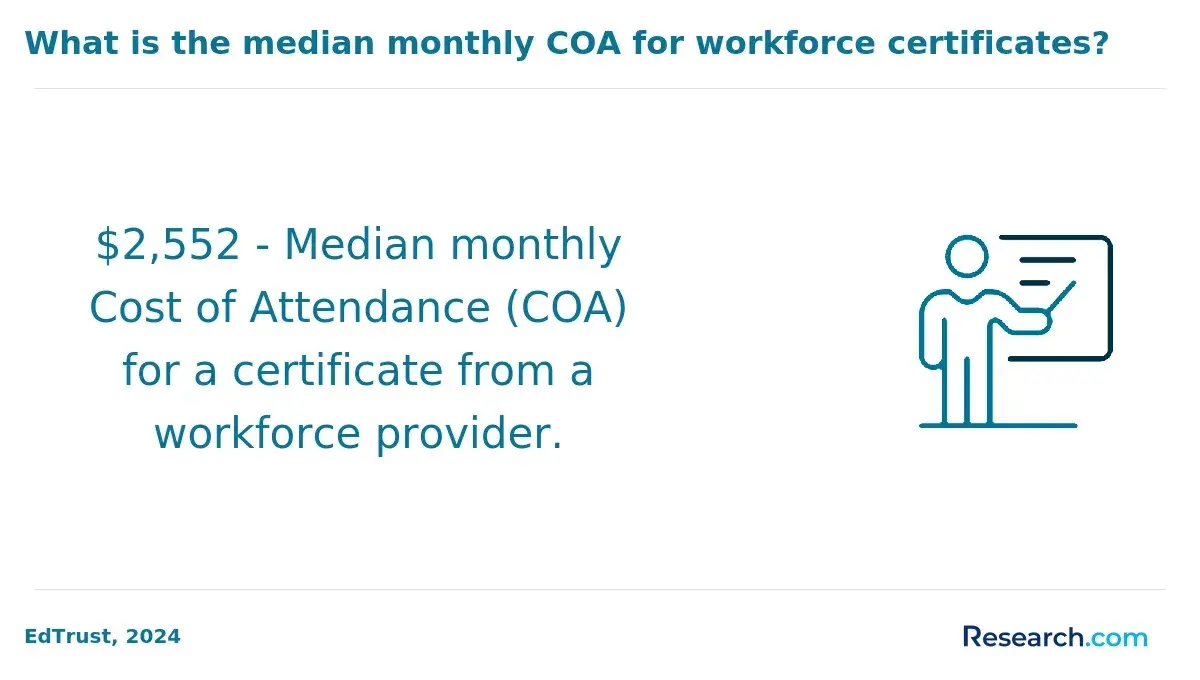
- Tuition Differences by Institution: Public universities typically offer the most affordable rates for in-state students, ranging from $15,000 to $25,000 in total, while private schools usually charge between $30,000 and $50,000. Online programs may reduce living costs but sometimes have similar or slightly higher tuition fees.
- Available Funding Sources: Financial aid options such as scholarships, fellowships, and graduate assistantships can greatly lower expenses. Employer tuition reimbursement programs and federal loans provide additional support, though minimizing debt remains important.
- Debt Reduction Strategies: Securing departmental fellowships or assistant roles often grants tuition waivers and stipends. Selecting in-state public institutions or accredited online options can also decrease overall costs.
- Evaluating Return on Investment (ROI): Comparing the total educational costs with expected salaries in your specialty helps determine if the degree is a sound financial choice. Fields like machine learning offer higher salaries, speeding up ROI.
- Opportunity Costs and Living Expenses: In addition to tuition, students should account for lost income during study periods and costs like housing and materials, which vary by program format and location.
A graduate of a data analytics master's program shared that financing the degree required careful juggling of work and study commitments. While the tuition was manageable through a combination of a graduate assistantship and employer support, the unexpected challenge was balancing part-time work hours with coursework deadlines. "It wasn't easy," they explained, "but the focus on real-world projects and flexible online classes helped me advance my skills without putting my career on hold." This experience reinforced their decision to pursue the degree despite the financial and time investments involved.
How Long Does It Take to Earn a Data Analytics Master's Degree?
Planning the duration of a master's degree in data analytics is essential for aligning educational goals with career timelines. The length of these programs can be influenced by enrollment choices, program formats, and academic requirements. Below are several key factors that affect how long it typically takes to complete a data analytics master's degree program in the US.
- Full-Time Enrollment: Most students pursuing a data analytics master's degree full-time complete their studies within 1.5 to 2 years. This assumes a consistent course load each semester and may include summer sessions to accelerate progress.
- Part-Time and Online Programs: Designed to accommodate working professionals or individuals with other commitments, part-time and online options typically extend the completion time to 3-4 years. Duration depends largely on the number of credits taken per term and scheduling flexibility.
- Accelerated and Combined Pathways: Some institutions offer accelerated master's degrees or integrated bachelor's/master's programs, allowing students to reduce overall time by blending undergraduate and graduate coursework efficiently.
- Transfer Credits: Applicants with prior relevant coursework or certifications may transfer credits, which can shorten the degree program by reducing required classes and allowing faster progress.
- Thesis vs. Non-Thesis Tracks: Programs requiring a thesis often take longer due to the research and writing process, whereas non-thesis tracks provide a more streamlined path to completion.
- Internship or Practicum Requirements: Practical experience components such as internships or practicums can add time depending on their length and scheduling, but they are valuable for career preparation.
Prospective students weighing these factors should also consider cost and financing options carefully. Those interested in flexible pathways may explore programs through an online bachelors degree as part of their educational planning. This awareness helps map out an effective and realistic path to achieving a master's in data analytics, balancing academic depth, career readiness, and personal circumstances.
What Career Paths Are Available with a Data Analytics Master's Degree?
This overview offers insight into the diverse career opportunities opened by a master's degree in data analytics. The degree equips graduates with skills applicable across roles and industries, providing a solid foundation for various professional pathways.
Consider these key aspects of career outcomes for data analytics master's graduates:
- Core Analytics Roles: Graduates often take on positions such as data analyst, data scientist, business intelligence analyst, and data engineer. These roles focus on handling extensive datasets to extract actionable insights that influence business decisions.
- Cross-Industry Demand: Opportunities extend beyond traditional analytics jobs to fields like marketing analytics, supply chain, and operations research. Sectors including finance, healthcare, retail, technology, government, and nonprofits actively seek professionals to optimize strategies and operations using data.
- Career Progression: Starting primarily as individual contributors, many graduates advance into leadership roles such as analytics manager or director. Experience can eventually lead to executive positions, for example, chief data officer, where strategic oversight of data initiatives is key.
- Employment Outlook: According to labor statistics, roles related to data science and analytics are expected to grow significantly, reflecting strong and expanding demand across diverse employment settings like private companies, academia, and public institutions.
When asked about their experience, a recent graduate shared how the degree dramatically eased the transition into a new field. They described facing initial uncertainty but found that the program's comprehensive curriculum and practical projects built confidence and competence rapidly. "I was able to shift careers smoothly because the coursework mirrored real-world challenges," they said, emphasizing that the structured learning environment and access to experienced instructors were invaluable. Their journey highlights how a focused master's program can shorten the learning curve and open doors to rewarding roles in data-driven fields.
What Is the Average Salary for Data Analytics Master's Degree Holders?
Salary expectations for data analytics master's degree holders vary widely depending on experience level, location, and employer type. Various authoritative sources, including the U.S. Bureau of Labor Statistics, indicate clear differences across career stages and sectors. Key aspects to consider are outlined below:
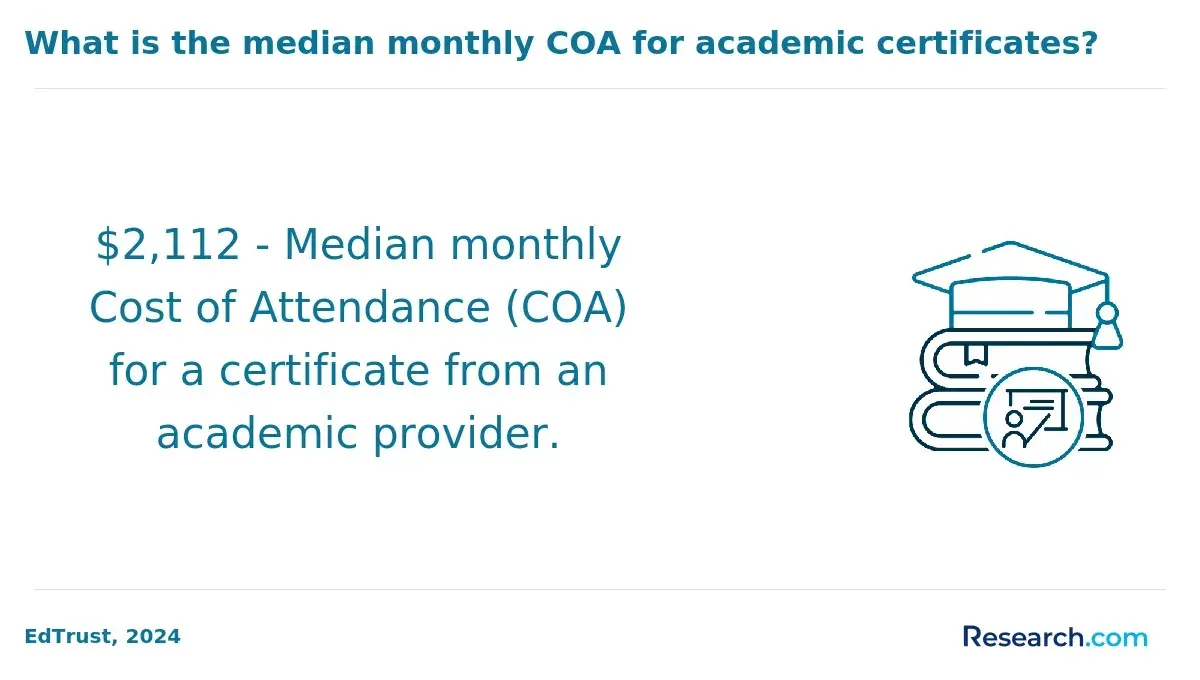
- Entry-Level Salaries: Professionals beginning their careers can anticipate earning between $65,000 and $85,000 annually, with tech-centric cities such as San Francisco and New York typically offering salaries at the higher end of this spectrum.
- Mid-Career Earnings: After accruing five to ten years of experience, salaries often increase to a range between $90,000 and $120,000. Private industries like finance, consulting, and technology generally offer more lucrative pay packages than public agencies.
- Senior-Level Compensation: Those with extensive experience or in managerial roles may command salaries from $130,000 up to $160,000 or beyond. Sectors with high demand, including healthcare analytics and artificial intelligence, tend to provide the most competitive salaries, particularly for leadership positions.
- Geographic and Employer Variations: Compensation fluctuates based on region, reflecting cost of living and local demand. Metropolitan areas usually pay a premium, and private sector roles offer higher wages, whereas public sector jobs may compensate with stronger benefits.
- Master's Degree Salary Advantage: Holding a master's degree typically results in a 15-25% salary increase compared to those with only a bachelor's in the same field, according to PayScale and BLS data.
- Total Compensation Factors: Beyond base salary, bonuses, stock options, and additional benefits significantly enhance overall earnings. Many companies in competitive industries provide performance-based bonuses and equity incentives that elevate total pay.
What Professional Certifications Complement a Data Analytics Master's Degree?
Professional certifications are a powerful way to enhance the value of a data analytics master's degree, validating expertise and improving employability in competitive fields. Below are some of the most valuable credentials to consider, each with distinct requirements, exam formats, and industry recognition. For prospective students investigating professional certifications for data analytics master's graduates, these options align well with different career stages and specialization goals.
Key certifications include:
- Certified Analytics Professional (CAP): Offered by the Institute for Operations Research and the Management Sciences (INFORMS), this credential requires a combination of education and professional experience plus passing a rigorous exam covering the analytics lifecycle, data management, and ethics. It must be renewed every three years. CAP is highly regarded for mid- to senior-level roles such as analytics consultant or data strategist across sectors like finance and healthcare.
- Google Data Analytics Professional Certificate: Targeted mainly at beginners or career changers, this fully online program emphasizes practical skills through hands-on projects without a formal exam. It offers an employer-valued portfolio showcase and is especially popular in tech startups and digital marketing firms. It can be pursued during or after the master's program to build foundational expertise.
- SAS Certified Data Scientist: This advanced certification from SAS Institute combines programming, machine learning, and statistical analysis. Candidates must pass multiple exams demonstrating proficiency in SAS tools commonly used in large enterprises within healthcare and banking. Staying current with software versions is essential for renewal.
Strategically, the best time to pursue these credentials is during or immediately after completing a master's degree to maintain momentum and integrate new knowledge effectively. Combining a master's degree with these certifications can significantly increase salary prospects and access to diverse analytics roles. Additionally, those researching online msw programs should note similar considerations about certification timing and specialization when weighing their options.
What Are the Top Industries Hiring Data Analytics Master's Degree Graduates?
Recognizing the top industries actively hiring graduates with a master's degree in data analytics is crucial for career planning. Each sector offers unique roles, requires specific skills, and provides varied growth opportunities, helping students align their education with market demands. The following list highlights leading industries and emerging fields where data analytics expertise is highly sought after.
- Technology Sector: This industry is a primary employer, from agile startups to global corporations, hiring professionals as data scientists, business analysts, and machine learning engineers. Mastery of programming languages like Python or R and credentials such as Certified Analytics Professional (CAP) significantly improve job prospects.
- Financial Services: Banks, insurance companies, and investment firms recruit data analysts for roles including risk assessment, fraud prevention, and portfolio management. Advanced certifications like Financial Risk Manager (FRM) or Chartered Financial Analyst (CFA) enhance eligibility for senior positions.
- Healthcare Industry: Rapid expansion in healthcare analytics is driven by the demand for analyzing patient data, predictive modeling, and clinical trial insights. Employers include hospitals and pharmaceutical companies, with growing emphasis on skills relevant to electronic health records and personalized treatment approaches.
- Emerging Sectors: Renewable energy and e-commerce are experiencing increased demand for data-driven strategies, focusing on sustainability metrics and consumer behavior patterns. These sectors benefit from professionals familiar with specialized tools and agile responses to regulatory and technological changes.
- Career Preparation Strategies: To enter these fields, students should pursue targeted internships, actively participate in industry networking events, and customize their coursework with specialized topics such as financial modeling or healthcare informatics, aligning education with specific sector needs.
According to the U.S. Bureau of Labor Statistics, employment in data-related occupations is projected to increase by 31% between 2020 and 2030, demonstrating robust and sustained demand across industries for skilled graduates.
What Are the Highest-Paying Jobs for Data Analytics Master's Degree Holders?
For individuals pursuing a master's degree in data analytics, identifying career paths with strong earning potential is essential. Salaries can vary significantly based on job title, industry, geographic location, and experience, so understanding which roles offer the highest compensation and what skills or credentials are valued is vital. Below is a summary of prominent high-paying positions available to master's graduates in data analytics.
- Data Scientist: Data scientists specialize in interpreting complex datasets to build predictive models and extract actionable insights. They require proficiency in programming, statistics, and machine learning. Median pay ranges from $120,000 to $140,000, with tech, finance, and healthcare sectors typically offering the best salaries, especially for those holding certifications like the Certified Analytics Professional (CAP) and with several years of experience.
- Quantitative Analyst: Predominantly found in finance and investment banking, quantitative analysts focus on creating algorithms to evaluate risk and predict market trends. Advanced skills in mathematics, programming, and statistics are essential. Median salaries often exceed $130,000, and possessing a Chartered Financial Analyst (CFA) credential or a PhD frequently leads to the highest compensation levels.
- Business Intelligence Manager: Responsible for guiding teams that translate data into strategic business decisions, these managers require strong leadership alongside expertise in data visualization and database tools. Salaries usually fall between $110,000 and $150,000, depending on company size and location. Earning certifications such as Microsoft Certified: Azure Data Engineer enhances salary prospects.
- Machine Learning Engineer: Focused on designing AI-driven models, these professionals blend software development with statistical knowledge. The tech and automotive industries are known to offer top-tier compensation, typically ranging from $115,000 to $145,000. Holding advanced degrees or certifications related to AI and deep learning can push earnings further.
- Data Analytics Consultant: Consultants provide strategic advice and oversee the execution of data-driven initiatives. Strong communication skills, combined with analytical expertise, define success in this role. Salary ranges vary widely from $90,000 to over $140,000, influenced by client base and firm reputation. Specialized certifications and sector experience can lead to increased remuneration.
What Is the Job Outlook and Employment Growth for Data Analytics Professionals?
Data analytics job growth projections are crucial for students considering a master's degree in this field, as they highlight the evolving demand and career stability in data-driven roles. Employment outlook for data analytics professionals indicates much faster growth than the average for most occupations, reflecting broad economic and technological trends that support this expansion.
- Strong Projected Growth: According to the U.S. Bureau of Labor Statistics, occupations like operations research analysts and data scientists are expected to grow between 25% and 31% from 2022 to 2032, significantly outpacing the 5% average growth rate for all jobs.
- Technological Advancements: Increased reliance on artificial intelligence and machine learning drives demand for advanced analytics expertise, making Data Analytics a key component of strategic decision-making across industries.
- Demographic and Economic Trends: Aging populations and efficiency-focused economic shifts result in higher demand for analytics in healthcare, finance, and social services, sectors where data interpretation plays a vital role.
- Automation and Globalization: While automation may reduce routine tasks, complex problem-solving positions remain secure; globalization pushes firms to adopt sophisticated tools, even as outsourcing affects entry-level roles.
- Regulatory Impact: Growing emphasis on data privacy and compliance elevates the need for professionals trained in ethical data use and regulatory standards.
Prospective students interested in how education pathways relate to these trends should consider program length and format carefully; for example, exploring mft programs can offer insights into accelerated degree options in related fields.
What Skills and Competencies Does a Data Analytics Master's Program Develop?
For prospective students, understanding the essential skills cultivated in a data analytics master's program is crucial. These competencies not only prepare graduates for technical challenges but also foster adaptability and leadership across multiple sectors.
- Technical Proficiency: Coursework focuses on mastery of programming languages and software tools such as Python, R, SQL, and Tableau, enabling students to manage, analyze, and visualize complex datasets effectively.
- Research Techniques and Statistical Analysis: Students are trained in experimental design, statistical modeling, and research methodologies, equipping them to approach data-driven problems with rigor and precision.
- Soft Skills Development: Emphasis on leadership, critical thinking, clear communication, and teamwork prepares graduates to translate data insights into strategic business actions and lead collaborative projects.
- Industry Versatility: The combination of technical and interpersonal skills ensures graduates can navigate diverse fields such as healthcare, finance, and marketing, expanding their career options and adaptability.
- Experiential Learning Opportunities: Internships, case studies, simulations, and group projects provide practical environments that replicate real-world data challenges, reinforcing theoretical knowledge with hands-on experience.
- Employer Priorities: Hiring managers consistently prioritize candidates' technical capabilities, problem-solving skills, and effective communication when selecting data analytics professionals, highlighting the balanced skillset programs aim to develop.
What Graduates Say About Their Data Analytics Master's Degree
- Rashid: "Applying for the data analytics master's program felt like navigating a maze at first, but using official academic catalogs gave me the clarity I needed. I appreciated how thoroughly I could compare accredited institutions and understand their unique offerings. Looking back, having such reliable federal education resources at my fingertips made all the difference in feeling confident about my choice and requirements."
- Merlinda: "Choosing to pursue a data analytics master's online was overwhelming due to the abundance of programs out there. What helped me most was diving deep into accrediting agencies' databases to weed out non-accredited options. It was a reflective process that taught me not only how to meet the degree requirements but also how to value program quality, which was invaluable for my career preparation."
- Lily: "From my perspective as a professional, the most rewarding aspect of working through the admission process was relying on federal education resources to ensure I was aligning with legitimate and high-standard programs. Navigating the landscape of accredited online data analytics master's programs gave me insight into each school's strengths and rigor. By thoroughly reviewing official catalogs, I was able to tailor my studies effectively to meet and exceed the program expectations."
Other Things You Should Know About Data Analytics Degrees
Yes, pursuing a Data Analytics master's degree in 2027 remains a strong investment, with growing demand for data professionals across industries. Graduates can expect competitive salaries and career growth in roles such as data scientist, analytics manager, and business intelligence analyst.
Choosing between online and on-campus data analytics master's programs depends on personal circumstances and learning preferences. Online programs offer flexibility for working professionals or international students, often with the same curriculum as on-campus options. However, on-campus programs may provide more direct networking opportunities, hands-on labs, and immediate access to faculty and resources.
Top programs for data analytics master's degrees are often found in universities with strong computer science, statistics, and business departments. Highly regarded schools emphasize practical experience, interdisciplinary coursework, and connections with industry. Prospective students should consider program curriculum, faculty expertise, industry partnerships, and alumni outcomes when evaluating the best fit.
References
- 7 Data Analytics Careers That Are in High Demand, and How to Stand Out https://www.bentley.edu/news/7-data-analytics-careers-are-high-demand-and-how-stand-out
- Application Deadlines https://www.eastern.edu/academics/colleges-seminary/college-health-and-sciences/department-mathematical-data-analytics-admissions
- 10 data science certifications that will pay off https://www.cio.com/article/230640/15-data-science-certifications-that-will-pay-off.html
- Exploring Career Opportunities With a Data Analytics Degree https://blog.utc.edu/business/2023/11/09/career-opportunities-data-analytics-degree/
- How long does it take to become a data analyst? https://www.herzing.edu/faq/how-long-to-become-data-analyst
- Data Analytics Master’s Programs: What Do They Want in Applicants? https://blog.accepted.com/data-analytics-masters-programs-what-do-they-want-in-applicants/
- Master's in data analytics jobs | edX | edX https://www.edx.org/resources/what-can-you-do-with-a-masters-in-data-analytics
- Top Highest Paying Data Analytics Jobs in 2024 https://www.codingtemple.com/blog/highest-paying-data-analytics-jobs-in-2024/
- Best Data Analytics Certifications to Boost Your Career – Dataquest https://www.dataquest.io/blog/best-data-analytics-certifications/
- Online Master’s Degree: Data Analytics https://www.umgc.edu/online-degrees/masters/data-analytics