
2027 Return on Investment (ROI) of a Data Analytics Degree Program

Co-Founder and Chief Data Scientist
Many prospective students hesitate to invest in a data analytics degree without clear insight into its financial payoff. With 83% of data analytics graduates securing relevant employment within six months of graduation, understanding the economic benefits is crucial. The rising demand for data professionals across industries intensifies competition and affects salary prospects.
This article examines the return on investment for data analytics degree programs, analyzing tuition costs, time commitments, and employment outcomes. It aims to provide readers with a comprehensive evaluation to make informed decisions about pursuing a data analytics degree and maximizing career returns.
Key Things to Know About Data Analytics Degree ROI
- Graduates with a data analytics degree report a 15% higher average starting salary compared to peers in related fields, reflecting strong earning potential.
- Data analytics skills unlock career advancement prospects across sectors like finance, healthcare, and technology, supporting long-term job stability.
- Employment in data analytics is projected to grow 31% through 2031, indicating sustained demand and salary growth opportunities.
How Is ROI Calculated for a Data Analytics Degree Program?
Return on investment (ROI) in higher education measures the financial benefits a student gains from completing a degree compared to the total costs and time invested. It provides a useful way for prospective students and career changers to evaluate the value of a data analytics degree against its expenses and duration. ROI calculations help clarify whether the degree's cost is justified by potential earnings and career growth.
Several key factors influence how ROI is calculated for a data analytics degree program, including the following:
- Tuition and fees: This includes all direct expenses involved in earning the degree, such as tuition, textbooks, and other fees. Lower overall costs improve ROI by reducing the upfront financial burden.
- Opportunity cost: This represents income lost while attending school either full- or part-time. For many, this may also include reduced work hours or postponed promotions, which raise the total cost of earning the degree.
- Time to completion: The program's length affects ROI since longer paths increase both expenses and opportunity costs. A shorter time to completion allows quicker entry into the workforce, boosting ROI.
- Post-graduation salaries: Expected earnings after graduation greatly impact ROI. Higher starting salaries and strong demand for data analytics expertise accelerate cost recovery and improve financial returns.
- Career advancement potential: The degree may offer access to promotions and higher-paying roles over time, raising long-term earning potential beyond initial salary figures.
Evaluating the return on investment calculation for data analytics degree enables students to make informed decisions. Comparing data analytics degree cost versus salary analysis with personal financial goals helps clarify career prospects. Those interested in flexible programs can explore reputable online slp master's programs as a reference point for balancing affordability and educational quality.
How Much Does a Data Analytics Degree Program Cost?
Grasping the full expenses associated with a data analytics degree is vital to accurately assess its return on investment (ROI), especially as graduate tuition rates in the U.S. have surged more than 25% over the last ten years, contributing to a ballooning $1.7 trillion in student debt. Below are several primary cost factors that shape the overall financial picture and affect ROI calculations.
- Tuition and fees: These usually represent the bulk of expenses but can differ greatly depending on whether the program is online or in-person, its duration, and the institution's pricing model.
- Books and materials: Required resources often extend beyond textbooks to include specialized software licenses and data sets that must be purchased each term.
- Living or relocation expenses: Those attending on-campus programs or reducing work hours may face heightened costs for housing, transportation, and daily necessities.
- Opportunity cost: Time dedicated to coursework can reduce or eliminate income opportunities, making lost wages an important consideration when tallying overall investment.
- Hidden or indirect costs: Additional charges such as certification exam fees, technology upgrades, or fees for career services can unexpectedly increase total spending.
A graduate of a data analytics degree I spoke with described the financial strain as "more than just tuition," emphasizing unexpected expenses that forced careful budgeting. He recalled having to delay purchasing a required software upgrade after suddenly facing extra certification fees, which "added stress and uncertainty" to an already demanding schedule. This experience illustrated how costs beyond tuition can significantly influence one's perception of a program's affordability and value.
What Financial Aid Is Available for Data Analytics Degree Programs?
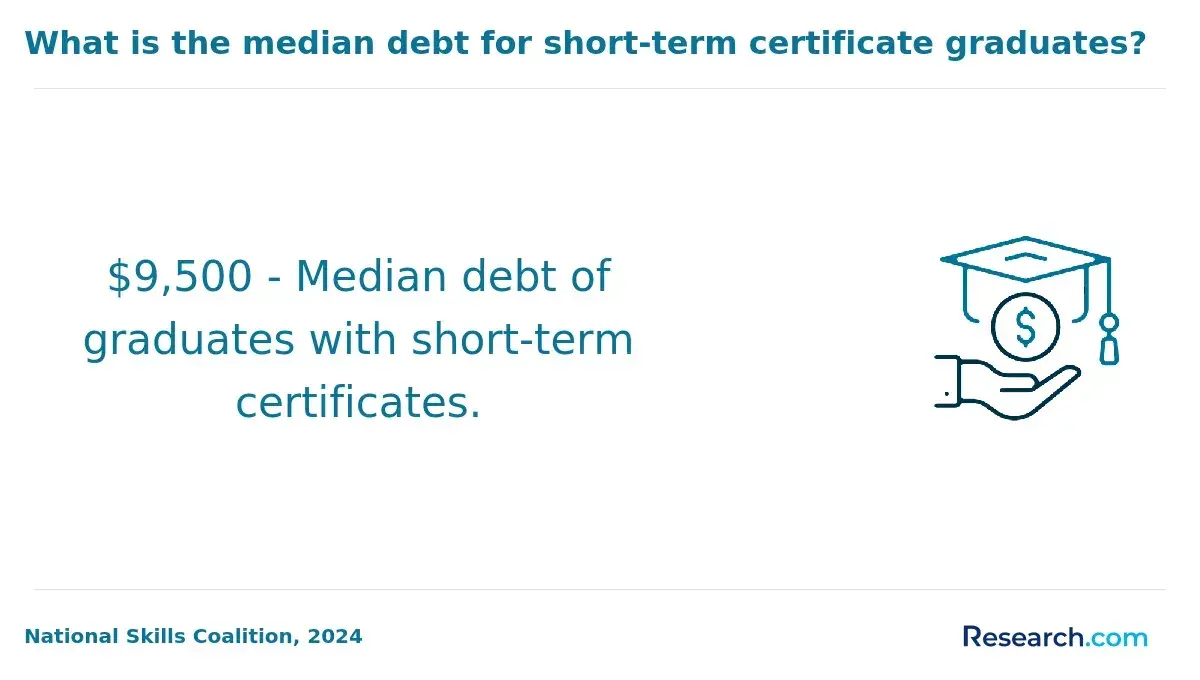
Financial aid can significantly reduce the initial expenses of pursuing a data analytics degree, ultimately enhancing the long-term return on investment by minimizing the amount students need to borrow. Recent data shows that nearly 60% of graduate students take on some form of debt to finance their education, underscoring the value of effective aid options. Below are several common types of financial assistance that can help manage costs and improve financial outcomes.
- Scholarships: Awarded based on merit or financial need, scholarships directly lower tuition costs without requiring repayment, which helps lessen overall debt and increase ROI.
- Grants: Provided by government programs or private entities, grants do not have to be paid back and reduce upfront expenses, easing future financial pressures.
- Fellowships: Generally aimed at graduate students, fellowships often include stipends or tuition coverage, allowing recipients to focus on studies while limiting reliance on loans.
- Employer Tuition Assistance: Many employers support continuing education by covering part or all tuition fees, enabling students to maintain their income and shorten the time needed to recoup educational costs.
- Federal Loans: Though loans add to debt, federal options typically offer lower interest rates and more flexible repayment terms compared to private loans, helping students manage financial risk better.
Strategically combining these aid sources can lower out-of-pocket expenses and optimize financial benefits over the course of a data analytics program.
How Long Does It Take to Complete a Data Analytics Degree?
The length of time required to earn a data analytics degree plays a crucial role in determining its ROI by influencing opportunity costs, how soon graduates can start earning, and the total expenses involved. Finishing more quickly means entering the job market sooner, which can positively affect long-term financial outcomes.
Several key factors shape the time needed to complete a data analytics program and thus impact its overall value. They include:
- Enrollment status: Full-time students tend to finish their degrees faster, reducing the time without income, while part-time study offers flexibility for those balancing work or family but may extend the graduation timeline.
- Program format: Online or accelerated tracks can significantly shorten your path by allowing you to study at your own pace and avoid traditional semester schedules, helping you enter the workforce earlier.
- Transfer credits: Bringing in relevant coursework from previous studies can cut down required classes, speeding completion and lowering tuition costs, which enhances the return on investment.
- Internship or thesis involvement: While these elements might lengthen the program, they often provide valuable, real-world experience that can lead to better job offers and higher salaries after graduation.
- Scheduling flexibility: Programs accommodating evening or weekend classes enable steady progress for working students, preventing delays that reduce the degree's financial benefits.
When I spoke with a graduate of a data analytics degree, she reflected on her experience balancing a full-time job and studies over three years. "It wasn't easy juggling deadlines and work demands," she shared, noting how evening classes were a lifesaver in keeping momentum. She also highlighted how completing a capstone project in her final semester, despite pushing her timeline a bit, proved invaluable when interviewing-"Employers really wanted to see that hands-on evidence." Her path wasn't the shortest possible, but she credits that practical experience and steady pace for the salary growth she enjoys today. "It felt like investing in myself with the big picture in mind, not just rushing for the diploma."
Is ROI Higher for Online or On-Campus Data Analytics Programs?
Delivery format significantly affects the return on investment (ROI) for data analytics degree programs, influencing cost, flexibility, and career outcomes. Online enrollment has increased by 15% over the past five years, reflecting wider acceptance of virtual education. This growth impacts how prospective students evaluate the data analytics program return on investment comparison between online and on-campus options.
Key factors shaping ROI differences include:
- Tuition and fees: Online programs generally have lower tuition and fees, reducing the initial financial burden for students compared to on-campus programs.
- Opportunity cost: Flexibility in online studies allows students to maintain full-time employment while studying, minimizing lost income and enhancing overall ROI.
- Time to completion: While both formats offer similar durations, some online programs provide self-paced options, which can accelerate completion for motivated students.
- Networking and career services: On-campus programs usually offer stronger networking opportunities and more direct access to career support, which may improve job placement and long-term earnings.
- Employer perception: Although employer views vary, acceptance of accredited online degrees is improving, narrowing the gap with traditional on-campus credentials.
For students exploring options in related fields, an accelerated social work degree online also presents a flexible path worth considering within the broader context of online degree ROI evaluations.
What Is the Average Salary After Earning a Data Analytics Degree?
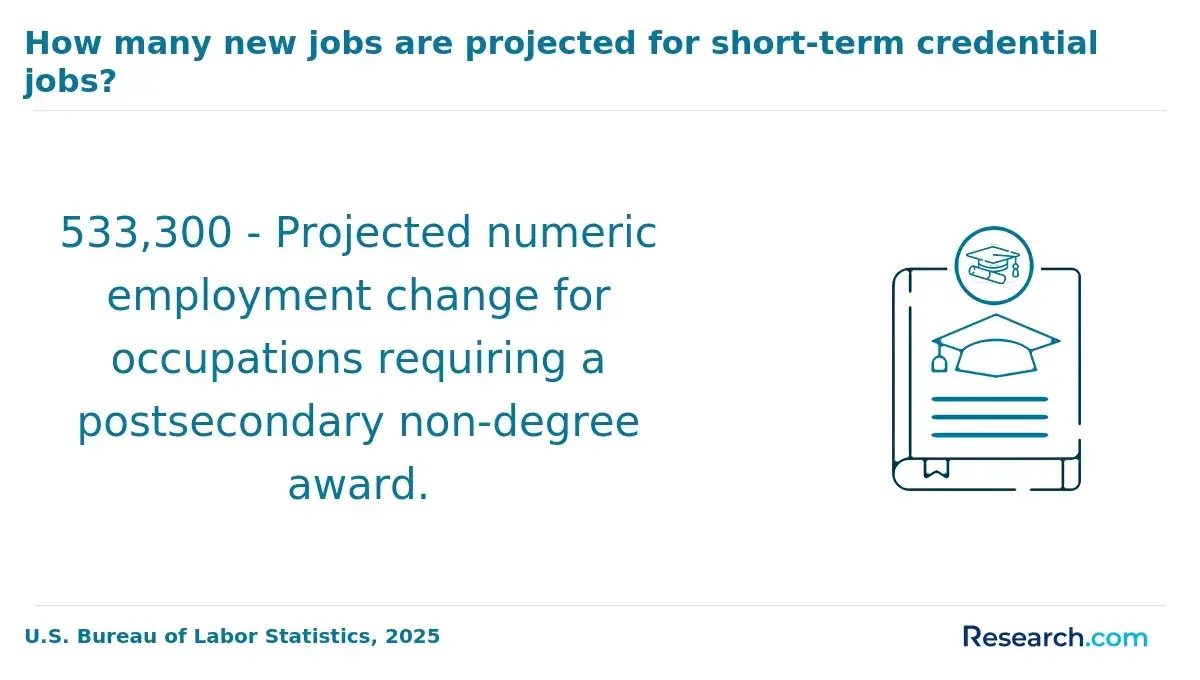
Post-graduation salary is a key driver of ROI for data analytics degrees because it directly affects how quickly graduates can recoup educational expenses. Average salary data analytics graduates report ranges from $60,000 to $85,000 for entry-level roles, with mid-career salaries reaching $110,000 or more depending on various factors.
Several factors influence these salary expectations and thus impact the financial returns of the degree:
- Industry: Data analytics roles in finance and technology sectors tend to offer higher salaries compared to nonprofit or education fields, boosting earning potential and ROI.
- Geographic location: Metropolitan areas with high demand for analytics professionals, like New York, San Francisco, and Chicago, typically provide better compensation packages.
- Prior experience: Graduates who have internships or relevant work experience often command stronger starting salaries, improving the overall return on investment.
- Specialization: Skills in machine learning, predictive modeling, or big data analytics frequently lead to premium pay due to the advanced expertise required.
- Career level: Progressing from entry-level to senior analytics positions significantly raises earning potential and enhances long-term ROI.
Prospective students weighing data analytics degree salary expectations alongside costs may also consider related executive mba programs for advancing their careers.
Does a Data Analytics Degree Lead to Promotions?
Promotions enhance the return on investment (ROI) of a data analytics degree through salary increases, expanded responsibilities, and greater career mobility. These factors combine to increase both the financial and professional value of earning such a degree.
A notable workforce trend is the rise of credential-based promotion, with employers increasingly requiring formal education as a prerequisite for advancement. This shift makes a data analytics degree a critical asset for career advancement with data analytics degree holders positioned favorably for upward movement.
Key ways a data analytics degree influences promotion opportunities and ROI include:
- Credential Requirements: Many specialized and managerial roles require specific degrees, and holding a data analytics degree ensures candidates meet these baseline qualifications necessary for promotion.
- Leadership Preparation: Coursework develops critical thinking and leadership skills that employers value when considering employees for higher-level positions.
- Tuition Support: Employers often offer tuition reimbursement, which reduces the financial burden and encourages continued education in data analytics, making the degree more accessible and cost-effective.
- Internal Promotion Policies: Degree holders are frequently favored in internal promotion decisions due to company policies that recognize formal education as part of advancement criteria.
- Experience-Education Synergy: Combining practical experience with formal education helps candidates stand out during promotion evaluations, leveraging both skill sets for career growth.
Employers' increasing emphasis on credentials aligns well with a data analytics degree's impact on promotions. This degree also prepares graduates with essential analytical decision-making and project management skills necessary for leadership roles. For those evaluating options, exploring affordable edd programs may provide additional perspectives on cost-effective education paths in related fields that support career advancement.
Which Industries Offer the Best ROI for Data Analytics Graduates?
The return on investment (ROI) for a data analytics degree varies significantly across industries, influenced by factors such as salary levels, career progression opportunities, and demand for specialized skills. Industries with strong ROI typically offer competitive starting salaries, rapid promotion potential, and sustained job security driven by ongoing reliance on data.
Several key industries consistently provide some of the best industries for data analytics graduates ROI. These sectors leverage advanced analytics to improve operations and strategic decision-making, resulting in attractive compensation and growth prospects.
- Technology: High demand for data-driven innovation and solutions leads to competitive salaries and continuous skill growth. The fast-paced environment ensures ongoing relevance and strong advancement potential for analytics professionals.
- Finance and Banking: This sector uses data analytics extensively for risk management and fraud detection, offering lucrative pay and structured career pathways that contribute to one of the top paying sectors for data analytics professionals.
- Healthcare: Increasing adoption of analytics to optimize patient outcomes and operational efficiency fuels job stability and steady salary growth in this expanding sector.
- Retail and E-commerce: Analytics powers customer behavior insights and supply chain improvements, resulting in growing compensation and promotion opportunities within this dynamic industry.
- Consulting: Serving multiple industries, consulting requires versatile data analytics skills, which translate into diverse projects, high earnings, and rapid career advancement.
Prospective students and career changers may also consider an associate degree as an accessible pathway toward entering these rewarding fields, balancing time and financial commitment with solid job outcomes.
Does Accreditation Affect ROI for a Data Analytics Degree?
Accreditation is a formal review process where independent agencies assess data analytics degree programs to ensure they meet established academic and professional criteria. This validation assures prospective students that their education meets recognized standards, which can significantly impact the return on investment. A notable trend is that many employers prioritize candidates from accredited programs, trusting these graduates possess the skills needed for practical challenges in the workforce. Additionally, accreditation can be a prerequisite for certain professional certifications, enhancing graduate employability and career prospects.
Accredited programs often lead to better long-term ROI by fostering employer confidence in the degree's quality and relevance. They also provide students with access to federal financial aid, reducing upfront costs and financial barriers. Furthermore, credits earned through accredited programs are generally transferable between institutions, supporting continued education or advanced degrees. This recognition also opens doors to licensing opportunities and greater career flexibility, all of which contribute to enhanced professional growth and financial returns over time.
Is a Data Analytics Degree Worth It?
The return on investment for a data analytics degree depends largely on the program's cost, duration, and the career opportunities it unlocks. Programs typically span two to four years with tuition varying widely, but graduates often start with median salaries above $60,000, reflecting strong demand in the job market. Career growth in fields like finance, healthcare, and technology frequently leads to quicker promotions and salary increases. Employment projections for data-related roles indicate significantly faster-than-average growth, enhancing the degree's long-term value.
Whether pursuing a data analytics degree makes financial sense varies by individual circumstances. High industry demand supports strong ROI, especially for those entering data-focused positions in established sectors. Program flexibility, such as part-time or online options, can reduce opportunity costs by allowing students to earn while studying. Additionally, financial aid and employer tuition support improve affordability, but personal career ambitions and expected benefits should ultimately guide the decision.
What Graduates Say About The ROI of Their Data Analytics Degree
- Leon: "Choosing a traditional data analytics degree was a no-brainer for me because I knew the long-term ROI would outweigh the initial investment. Even though the average cost of attendance was around $40,000, the structured learning environment and networking opportunities made it absolutely worth it. Since graduating, I've landed a role as a data scientist at a top firm, which has significantly accelerated my career growth. "
- Mark: "When I opted for the online data analytics program, cost efficiency was a major factor; at roughly $20,000, it was much more affordable than on-campus options. While I was initially skeptical about the experience, completing the degree remotely has proven invaluable, enabling me to upskill while working full-time. This flexibility helped me pivot my career towards data consulting, confirming that the investment paid off. "
- Stan: "Balancing a part-time data analytics degree alongside work was challenging but rewarding. Considering the median cost hovered close to $30,000, I often questioned whether it was worth it; however, applying my learning in real-time made the ROI clear to me. The credential boosted my professional credibility and opened doors to leadership roles in data management. "
Other Things You Should Know About Data Analytics Degrees
Yes, prior work experience in related fields can significantly enhance the ROI of a data analytics degree. Students or professionals who combine formal education with practical experience often find better job placements and may command higher starting salaries. Internships and cooperative education during the program also provide valuable experience that positively affects long-term earnings.
In 2027, the choice of specialization significantly impacts ROI for data analytics degrees. Specializing in fields like machine learning or data engineering can lead to higher salaries and demand, enhancing ROI. Conversely, generalist tracks may offer broader opportunities but could result in lower immediate financial returns.
References
- Data Analyst Career Path: Roles, Growth, and Skills Needed https://www.emeris.ac.za/blogs/data-analyst-career-path
- Is the ROI of Data Science Certification Worth Your Investment? https://emeritus.org/in/learn/roi-of-data-science-certification/
- What is the cost of Data Analytics Courses - IABAC https://iabac.org/blog/what-is-the-cost-of-data-analytics-courses
- How Long is a Master's in Data Analytics / Data Science Program? https://www.onlineeducation.com/analytics/faqs/how-long-is-a-masters-in-analytics-program
- Data Science Degrees vs. Courses: The Value Verdict - KDnuggets https://www.kdnuggets.com/data-science-degrees-vs-courses-the-value-verdict
- Data Analytics ROI: How to Measure and Maximize the Value of Your Data | Domo https://www.domo.com/glossary/data-analytics-roi
- The ROI of Your Business Degree: Why Your Education Matters https://www.sbs.edu/blog/roi-of-your-business-degree-education-matters/
- Online vs On-Campus Degrees: Honest Comparison for Tech Students 2026 https://hakia.com/resources/online-vs-oncampus/
- Funding and Financial Aid - Data Science and Business Analytics https://dsba.charlotte.edu/admissions/financial-information/funding-and-financial-aid/
- Measuring the ROI of Data Analytics: Metrics and KPIs to Track https://www.expeed.com/measuring-the-roi-of-data-analytics-metrics-and-kpis-to-track/


