
2027 Data Analytics Degree Programs for Career Changers

Co-Founder and Chief Data Scientist
Many working professionals face uncertainty when considering a career change into data analytics, especially without a clear path to bridge skills gaps. According to a recent report, 62% of adult learners pursuing data analytics degrees are motivated by the demand for roles offering flexibility and growth. Transitioning careers often involves overcoming challenges like balancing education with current job responsibilities while acquiring relevant, practical knowledge.
This article explores degree programs designed to support career changers by outlining flexible learning formats, curriculum relevance, and outcomes, helping readers make informed decisions about entering the data analytics field confidently and efficiently.
Key Things to Know About Data Analytics Degree Programs for Career Changers
- Many programs offer flexible scheduling and online or hybrid formats, allowing working adults to balance coursework with job and family responsibilities.
- Accelerated pacing options enable faster degree completion, essential for career changers aiming to enter the workforce promptly in a growing field.
- Programs often include employer-relevant curricula and support services like career coaching, increasing job placement success in industries demanding data literacy.
What data analytics programs accept career changers?
Many Data Analytics programs are designed to support working professionals and adult learners with nontraditional backgrounds, making them a popular choice for those seeking career changes. Recent studies show that adult learners now make up over 40% of graduate program enrollees, highlighting the growing opportunities for career changers in advanced education.
- Online Certificate Programs: These programs typically have few prerequisites and allow learners to progress at their own pace. This flexibility suits working adults who need to balance education with other responsibilities while gaining foundational skills.
- Bootcamp-Style Training Programs: Known for their intensive, practical focus, bootcamps emphasize hands-on projects and quick skill acquisition. Their flexible entry criteria make them accessible to individuals moving from non-technical fields into analytics.
- Hybrid Master's Degree Programs: Combining online coursework with occasional in-person sessions, hybrid programs offer structured learning with some direct interaction. This model benefits career changers who require a balance between flexibility and guidance.
- Professional Master's Degree Programs: These degrees often accept applicants without a strict analytics or computer science background. They focus on transferable skills such as problem-solving and include foundational courses to build necessary analytics expertise.
Working professionals exploring data analytics degree programs for working professionals with nontraditional backgrounds can also find options that accommodate varying schedules and learning preferences. For those interested, exploring the most affordable online MBA can provide insights into flexible educational pathways supporting career transitions.
What data analytics specializations are best for career changers?
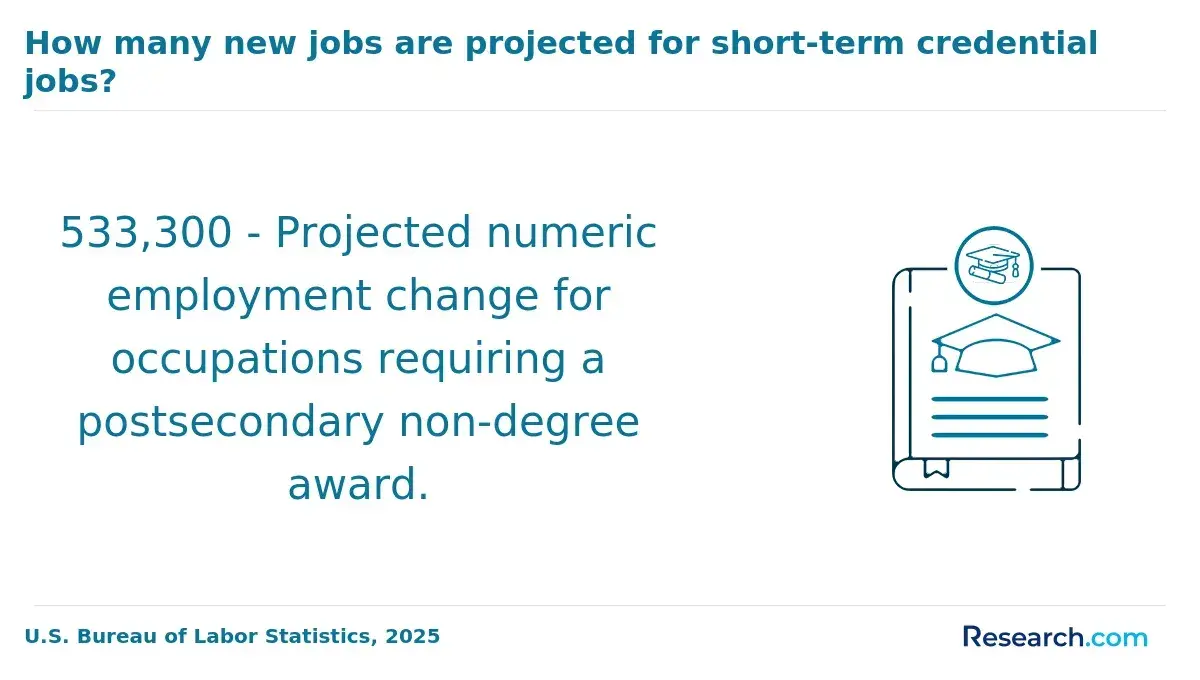
Selecting the right data analytics specialization is essential for career changers who want to leverage their existing skills while entering a high-demand job market efficiently. The U.S. Bureau of Labor Statistics projects a 25% growth in employment for data analysts and related roles through 2031, reflecting strong opportunities for professionals with targeted expertise.
Below are four top data analytics specializations that align well with diverse backgrounds and support smooth professional transitions.
- Business Analytics: Designed for professionals familiar with strategic decision-making, this specialization leverages transferable skills in interpreting data to influence business outcomes. It offers a natural pathway for those seeking roles in business intelligence or consulting.
- Healthcare Analytics: Suited for individuals with healthcare or life sciences experience, this track focuses on using data to improve patient outcomes and operational efficiency. Career changers can apply domain knowledge while developing technical analytics skills.
- Marketing Analytics: Best for those with marketing or communications backgrounds, this specialization uses data to optimize campaigns and customer engagement. It bridges creative insights with technical data skills to enhance marketing effectiveness.
- Data Visualization and Reporting: Accessible to beginners, this area emphasizes presenting data clearly and effectively across industries. It suits career changers seeking roles in reporting, dashboards, or communication-focused analytics.
For working professionals exploring paths into data-driven fields, considering programs with strong foundations in these specializations can make a significant difference. Those interested in related technical degrees might also explore online engineering degrees, which often complement data analytics skill sets. Choosing the best data analytics tracks for professional transition requires evaluating your existing skills and career goals to maximize growth potential.
What are the admission requirements for career changers applying to a data analytics program?
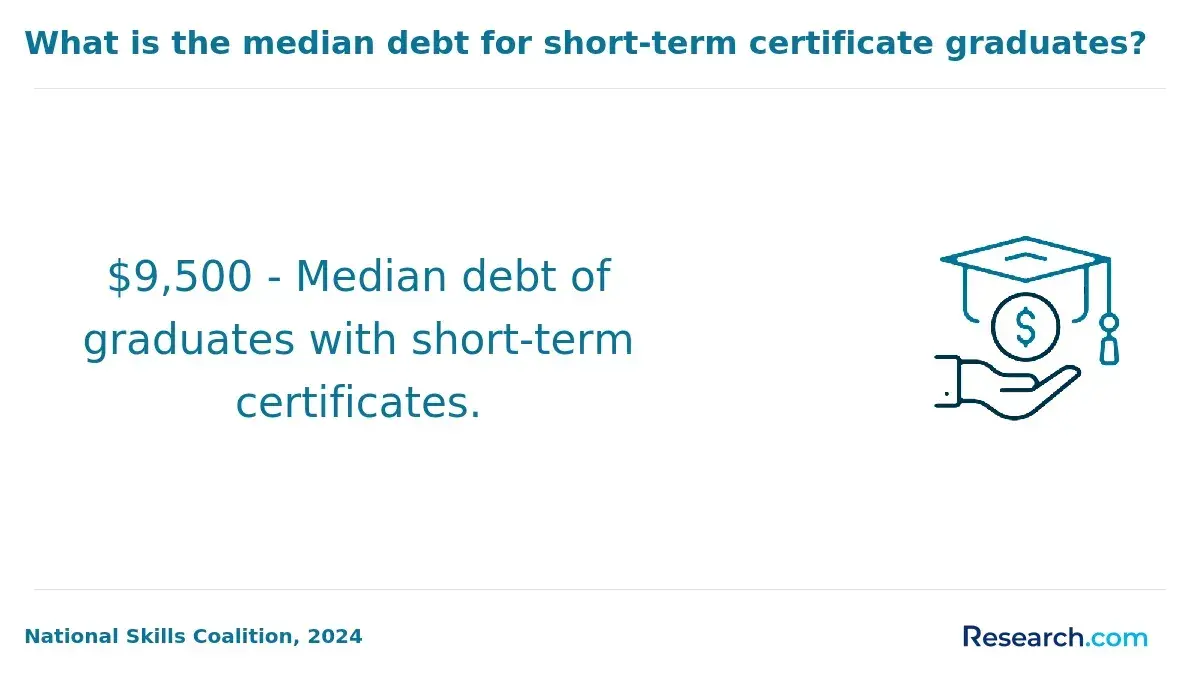
Admission requirements for career changers in data analytics can vary widely, reflecting the diverse academic and professional backgrounds of applicants. Nearly 40% of graduate students in the U.S. are adult learners, highlighting the growing availability of flexible and inclusive admissions processes. Below are common prerequisites for nontraditional data analytics applicants to help guide preparation.
- Bachelor's Degree: A completed undergraduate degree is typically required but it can be in any field, not necessarily technical or quantitative, emphasizing flexibility for career changers.
- Foundational Skills: Proof of basic mathematics or statistics skills is often necessary, which may be demonstrated through prerequisite courses or placement exams tailored to those without traditional backgrounds.
- Relevant Experience: Work history that showcases analytical thinking or problem-solving is valuable. Admissions frequently recognize transferable skills from areas like finance, marketing, or IT.
- Personal Statement: A written essay explaining the motivation for career change and how the data analytics program aligns with professional goals helps programs assess readiness and commitment.
- Letters of Recommendation: References from employers or educators familiar with the applicant's abilities provide additional insight into qualifications and potential for success.
Many programs also offer part-time, evening, or online options to accommodate working professionals. Additionally, alternative pathways such as certifications or project portfolios can demonstrate competence for those lacking traditional academic credentials.
Applicants interested in affordable online MFT programs might find similarly flexible options in data analytics programs. Understanding these admission requirements for career changers in data analytics can significantly improve application success.
What is the coursework for a data analytics degree for career changers?
Career changers often face unique hurdles when pursuing a data analytics degree, making it essential to understand the coursework's structure and demands. This knowledge helps in balancing current responsibilities while gaining relevant expertise. The curriculum usually focuses on the following key areas:
- Foundations of Data and Statistics: Covers core statistical concepts, probability theories, and data interpretation techniques, providing a critical base for analyzing complex datasets.
- Programming and Software Tools: Emphasizes practical use of languages such as Python or R alongside software like SQL and Excel, which support effective data handling and querying.
- Data Management and Database Systems: Focuses on methods for organizing data, database architecture, and cleansing processes that help maintain data accuracy and accessibility.
- Data Visualization: Teaches how to communicate insights through visual formats such as charts and interactive dashboards, making findings easier to understand.
- Applied Analytics Projects: Involves hands-on tasks and comprehensive projects that replicate real business problems, encouraging direct application of learned concepts.
One professional who completed an online data analytics degree shared that flexibility was crucial for balancing study with work and family life. He explained, "Initially, managing deadlines while working full-time felt overwhelming." However, he appreciated how project-based assignments provided "real-world context that kept me motivated."
He also found that the opportunity to revisit lectures at his own pace helped solidify his understanding. When asked about his overall experience, he noted, "The coursework challenged me but also gave me confidence to step into a new career with practical skills and a clear sense of direction."
What data analytics program formats are available for career changers?
Flexibility in program formats is essential for career changers balancing education with work and personal duties. According to the National Center for Education Statistics, over 40% of U.S. college students are adult learners who often rely on adaptable learning options. The following formats are especially suited to those transitioning into data analytics careers:
- Online Programs: These feature asynchronous courses that enable students to study anytime and anywhere, perfect for managing full-time jobs or family needs without a rigid schedule.
- Part-Time Programs: Designed to extend coursework over a longer period, part-time options allow learners to progress steadily while minimizing stress and maintaining other commitments.
- Evening and Weekend Classes: Offering in-person sessions outside traditional hours, this format supports work-life balance by accommodating daytime job schedules while promoting direct interaction.
- Hybrid Formats: Blending online learning with occasional face-to-face meetings, hybrid programs provide both convenience and personal engagement, catering to diverse preferences.
Choosing a format that fits individual circumstances enables career changers to advance their education effectively while continuing to meet existing responsibilities.
What skills do career changers gain in a data analytics program?
Building new skills is crucial for career changers, as 68% of adult learners acknowledge the need to develop competencies that align with shifting job market demands. This focus on skill acquisition helps bridge their previous expertise with today's technical roles. Below are five essential skills typically gained in a data analytics program that equip career changers for success.
- Statistical Analysis: Provides the ability to identify trends and make informed decisions based on data patterns, which is vital across a wide range of industries and roles.
- Data Visualization: Enhances the communication of complex information through clear visual presentations, facilitating better understanding among team members and stakeholders.
- Programming Languages: Knowledge of tools like Python and R enables automation and the handling of large datasets, increasing efficiency and analytic depth.
- Data Management: Focuses on cleaning and organizing data to ensure accuracy and reliability in analyses, forming the backbone of sound data-driven decision-making.
- Critical Thinking: Sharpens problem-solving skills and fosters strategic insight, which helps career changers adapt to varied business challenges and sustain their employability.
One career changer who completed a data analytics degree reflected on her journey: she found the initial technical concepts challenging but gradually gained confidence through practical projects and collaboration with peers. "It was tough to switch from a non-technical background, but learning to code and visualize data gave me a new way to approach problems," she shared.
She highlighted how critical thinking exercises helped her connect data insights to real-world business needs, making the experience rewarding beyond just acquiring technical skills. Her story underscores how these programs prepare learners not only to adopt new tools but also to think analytically, which proved essential in her successful career transition.
How much does a data analytics degree cost for career changers?
Career changers must carefully evaluate the total cost of earning a data analytics degree to balance this investment with existing financial responsibilities. Recent data shows that the average student debt for graduates with a master's degree exceeds $66,000, highlighting the importance of strategic financial planning. Several factors contribute to the overall expenses of such programs, including the following:
- Tuition: Tuition is the largest cost and often ranges from $15,000 to $50,000 depending on the institution and whether the program is online or in-person. Working professionals typically look for affordable data analytics programs for working professionals that offer flexibility without compromising quality.
- Fees: Additional fees can cover technology access, course materials, and proctoring services. These can add several hundred to a few thousand dollars to the total cost and vary by program structure.
- Books and Software: Textbook costs and licenses for specialized analytics software may amount to a few hundred or even several thousand dollars, especially if the tools are industry-standard.
- Hardware Requirements: In some cases, students may need to invest in specific hardware to handle data processing or software compatibility, which can add to upfront costs.
- Payment Options and Employer Support: Many programs offer flexible payment plans or accept employer tuition assistance, which can significantly reduce upfront financial burdens. Career changers should explore opportunities for partial or full employer sponsorship aligned with job skills.
- Cost-saving Strategies: Accelerated degree paths, certificate stacking, and online formats can shorten the time to completion, lowering both tuition and opportunity costs. Understanding these pathways is essential for managing the financial investment effectively.
For those considering a career switch into a high-demand field, investigating degrees that pay well can be a valuable step in determining the return on investment of a data analytics degree.
How does a data analytics curriculum support career transitions?
Curriculum design plays a crucial role in supporting career changers by providing clear pathways that link prior experience with new industry demands. A well-structured data analytics curriculum builds confidence and facilitates skill acquisition essential for adapting to a new field. The following features help ensure a smooth transition for adult learners:
- Applied Learning: Programs focus on hands-on data manipulation and analysis, enabling learners to develop practical skills immediately applicable to real jobs.
- Transferable Skills: Critical thinking, problem-solving, and communication are emphasized, allowing learners to leverage existing strengths across diverse professional settings.
- Flexible Pacing: Many curricula offer part-time or online options, helping working professionals balance education with their current responsibilities.
- Real-World Projects: Case studies and industry-relevant challenges provide meaningful experience, building a portfolio that appeals to future employers.
- Customizable Coursework: Foundational subjects combined with electives allow learners to tailor their studies according to prior expertise and career goals.
These curriculum elements emphasize how a data analytics degree curriculum facilitates seamless career transitions by integrating core data analytics skills gained for effective career changers. For adults considering a shift, understanding what certifications can I get online can also complement academic programs, further enhancing employment prospects.
What careers can career changers pursue with a data analytics?
Career changers should evaluate potential job outcomes carefully, as aligning prior skills with new technical expertise improves the likelihood of success. The U.S. Bureau of Labor Statistics forecasts a 25% increase in data-related jobs through 2031, highlighting strong market demand. Below are typical roles graduates with a data analytics degree often pursue.
- Data Analyst: Responsibilities include examining datasets to extract meaningful insights. Transferable skills like critical thinking and research from previous roles help interpret complex information effectively, making this role accessible to many career changers.
- Business Intelligence Analyst: This role transforms raw data into strategic business recommendations. Professionals with backgrounds in management or consulting can leverage their analytical approach and decision-making experience to excel here.
- Data Scientist: Involves creating predictive models and conducting advanced analyses. Those with prior experience in quantitative fields such as mathematics or engineering often find their analytical mindset and problem-solving skills valuable in this position.
- Operations Analyst: Focuses on optimizing business processes by reviewing performance metrics. Career changers from logistics or supply chain management will find their knowledge of workflows and efficiency improvements particularly relevant.
- Marketing Analyst: Entails interpreting consumer behavior data to refine marketing efforts. Individuals with sales or communication experience can apply their understanding of customer interactions to support data-driven strategies.
What is the average salary after earning a data analytics degree as a career changer?
Setting realistic salary expectations is crucial for career changers investing in a data analytics degree, as it helps align educational efforts with financial goals. According to a 2023 U.S. Bureau of Labor Statistics report, professionals who reskill in data analytics typically start with an average salary near $65,000. Below are key salary ranges and factors affecting compensation in this field.
- Entry-Level Data Analysts: Usually earn between $55,000 and $70,000 annually, depending on foundational skills and location.
- Mid-Level Professionals: With 3 to 5 years of experience, salaries often rise to the $70,000-$90,000 range, reflecting growing expertise.
- Senior Analysts and Specialists: Experienced individuals may command between $90,000 and $120,000, particularly when holding advanced certifications or specialized skills.
- Industry Impact: Sectors such as finance and technology generally offer higher pay compared to education or government roles, influencing overall compensation.
- Experience and Location: Prior career background and metropolitan areas significantly affect salary offers, with urban centers tending to pay more due to demand and cost of living.
What Graduates Say About Their Data Analytics Degrees for Career Changers
- Angela: "Changing my career path to data analytics felt daunting, especially considering the average cost of attendance around $12,000. But investing in the program was worth every cent, as it opened doors to roles I never imagined. Now, my skills are highly sought after, and I feel confident in my new profession."
- Cole: "The decision to switch careers was gradual, and enrolling in a data analytics degree program was a significant step that came with a manageable price tag compared to other degrees. Reflecting on this journey, the knowledge gained transformed my approach to problem-solving and increased my marketability exponentially."
- Rachael: "I approached the data analytics degree program with a professional mindset, aware that the investment, typically between $10,000 and $15,000, was substantial. Completing it enhanced my analytical capabilities and provided a measurable impact on my career advancement, validating the cost and effort invested."
Other Things You Should Know About Data Analytics Degrees
Yes, many data analytics degree programs offer financial aid options to career changers, including federal student loans, grants, and scholarships. Career changers should check with the specific institution's financial aid office to explore eligibility requirements and application deadlines. Employer tuition assistance programs may also be available for those currently employed.
In 2027, career changers pursuing a data analytics degree can access various financial aid options, including federal student loans, scholarships specific to data analytics, employer tuition assistance, and private loans. Eligibility may depend on financial need, academic performance, or the program selected.
Many programs value prior professional experience, especially if it involves analytical skills or technology use. Career changers can sometimes receive credit for relevant experience, potentially reducing the time to degree completion. Admissions committees often consider both academic qualifications and work history to assess readiness for the program.
References
- 5 Reasons Why You Should Consider a New Career in Data Analytics - Business Technology Academy https://techacademy.ie/5-reasons-why-you-should-consider-a-new-career-in-data-analytics/
- Top Data Science Specializations for 2025 https://www.analyticsvidhya.com/blog/2024/02/top-data-science-specializations/
- Refonte Learning https://www.refontelearning.com/blog/best-data-analytics-certifications-for-career-growth-in-2025
- A Career Change to Data Analytics | Earn a Data Analytics Certification https://appliedeconomics.bc.edu/career-change-to-data-analytics/
- Career Change to Data Analytics: Is It Really Possible for Non-Tech https://www.analyticsshiksha.com/jobs/career-change-to-data-analytics-is-it-really-possible-for-non-tech
- How to Become a Data Analyst: 10-Step Career Roadmap | Walbrook https://www.walbrook.ac.uk/subjects/data-science/how-to-become-a-data-analyst/
- Best Data Analytics Courses for a Career Change in 2024 https://www.turingcollege.com/blog/best-data-analytics-courses
- From Aspiration to Achievement: Your Step-by-Step Guide to Starting a Career in Data Analytics or Business Intelligence - INDUSTRY CONNECT https://industryconnect.org/aspiration-achievement-step-step-guide-starting-career-data-analytics-business-intelligence/
- Specializations https://www.mastersindatascience.org/data-science/masters/specializations/
- Transitioning into Data Analytics as a Mid-Career Professional: What No One Prepares You For - Data With Sarah https://datawithsarah.com/post/transitioning-into-data-analytics-as-a-mid-career-professional-what-no-one-prepares-you-for/


