2027 What Can You Do with a Developmental Psychology Master's Degree? Careers, Salaries & Growth

Co-Founder and Chief Data Scientist
Many aspiring professionals struggle to understand the tangible benefits of a developmental psychology master's degree amid growing education costs and competitive job markets. Recent data shows employment for developmental psychologists is projected to grow 8% from 2022 to 2032, faster than average, yet nearly 30% of graduates remain underemployed or work outside their field. This disconnect highlights the need for clear guidance on career paths and earning potential.
This article details program structures, admission criteria, career opportunities, salary ranges, and industry growth, offering readers an evidence-based framework to make informed decisions about investing in a developmental psychology master's degree.
Key Things to Know About What You Can Do with a Developmental Psychology Master's Degree
- A master's in developmental psychology typically requires a bachelor's in psychology or related fields, with programs ranging 1-3 years, offering flexible online and on-campus options tailored to diverse student needs.
- Graduates can pursue careers in clinical, educational, or research settings, with median salaries around $65,000 and growth projected at 10% through 2030, reflecting strong labor demand.
- Comparing programs by cost, flexibility, and reputation is crucial; obtaining relevant certifications enhances employability and long-term earning potential across various psychology-related industries.
What Are the Admission Requirements for a Developmental Psychology Master's Program?
Preparing the admission criteria for developmental psychology master's programs is essential to ensure a seamless application process. Prospective students should know the common prerequisites to successfully enter a developmental psychology master's degree. Below is an overview of typical requirements, including educational background, test scores, and supplementary materials. Employment in psychology-related fields, including developmental psychology, is projected to grow by about 8% from 2022 to 2032, highlighting the value of meeting these criteria.
- Bachelor's Degree: Applicants generally need a relevant undergraduate degree, such as psychology, education, or a related social science. The degree establishes foundational knowledge crucial for graduate coursework and research in developmental psychology.
- GPA Thresholds: Many programs require a minimum GPA, commonly around 3.0 on a 4.0 scale, but this can vary depending on the program's competitiveness and institutional standards.
- Standardized Tests: The GRE is frequently requested but increasingly optional or waived, especially since 2020. The GMAT is rarely required for psychology programs, so candidates should verify specific policies with each school.
- Letters of Recommendation: Two or three letters are typically required, preferably from academic professors or employers who can attest to the applicant's research potential and professional skills.
- Personal Statement: A statement of purpose is standard, allowing applicants to describe their career goals, research interests, and motivation for pursuing developmental psychology.
- Writing Samples and Research Experience: Some programs request writing samples or evidence of research experience, particularly in clinical or experimental developmental psychology tracks.
- Field-Specific Prerequisites: Coursework in statistics, developmental theory, or other relevant subjects may be required and vary by institution and specialization.
Those exploring this path may also consider flexible learning options such as online programs, including ai degree programs, to complement their development in the field.
What Is the Minimum GPA Requirement for a Developmental Psychology Master's Program?
For prospective students evaluating admission chances, knowing the minimum GPA requirement for developmental psychology master's programs is essential. Typically, this threshold falls between 2.75 and 3.0 on a 4.0 scale, though actual standards vary by program prestige, institution type, and concentration. This section outlines key factors influencing GPA requirements and admission flexibility to help applicants plan effectively. In addition, developmental psychology remains a growing field, with employment expected to increase 6% over the next decade.
- Typical GPA Range: Most master's programs set a minimum GPA requirement between 2.75 and 3.0, establishing baseline academic preparedness necessary for graduate coursework.
- Variability by Program: GPA standards differ depending on whether the school is public or private and the specific developmental psychology focus, with more competitive programs often expecting higher academic achievements.
- Holistic Admissions: Many graduate programs employ comprehensive reviews that balance GPA with standardized test scores, relevant professional experience, and personal statements to assess candidates.
- Opportunities for Low GPA Applicants: Applicants with below-minimum GPA standards can still gain admission by showcasing strong research interests, impactful work experience, or exceptional application materials.
- Labor Market Trends: Increasing demand in developmental psychology supports steady salary growth and job opportunities, emphasizing the degree's long-term value.
Prospective students may also consider flexible learning formats; for those interested in various educational pathways, exploring online college courses can supplement traditional study options.
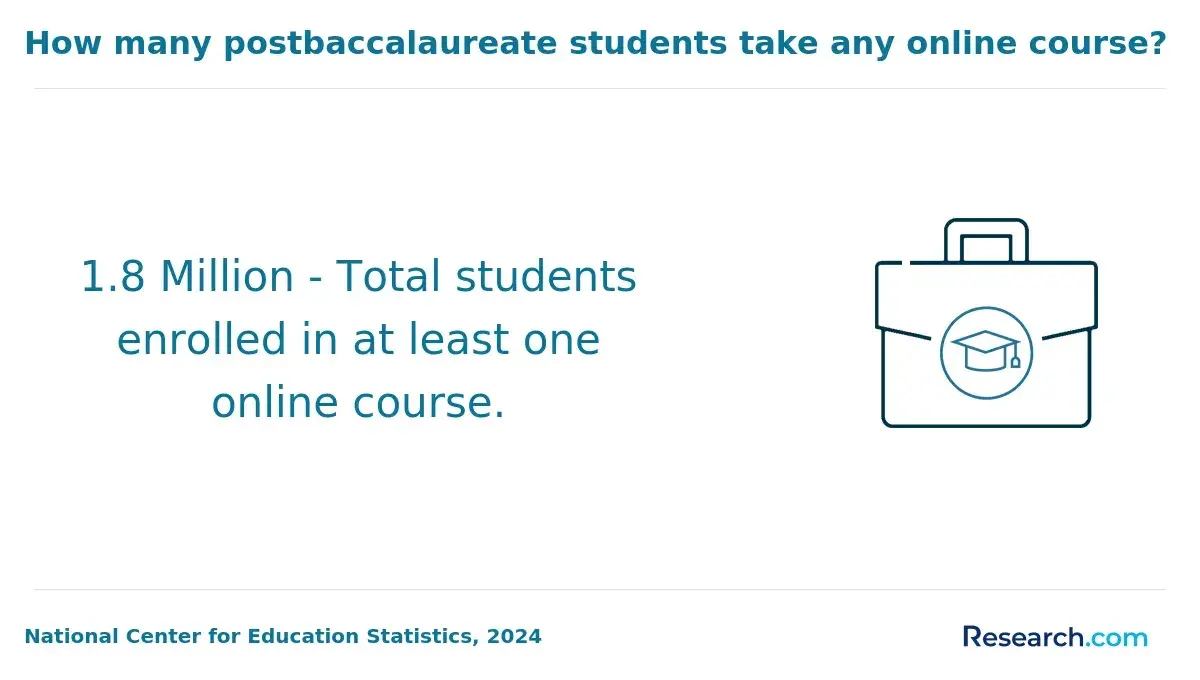
How Much Does a Developmental Psychology Master's Degree Cost and How Can You Finance It?
Planning finances in advance helps applicants approach a developmental psychology master's degree with clarity and confidence. Knowing how tuition, living costs, and financial aid options balance out creates a roadmap to manage expenses wisely. Below are key points to consider when evaluating cost and funding.
- Cost Breakdown: Public universities typically charge $10,000-$20,000 annually for in-state tuition, while private schools often exceed $30,000. Beyond tuition, fees and living expenses near $12,000 add to the total. Online programs may lower some living costs but usually have similar tuition rates as their on-campus counterparts.
- Funding Options: Scholarships and fellowships reduce direct costs; graduate assistantships can cover tuition and provide stipends. Employer tuition reimbursement programs and federal loans are additional avenues, though loans increase long-term debt.
- Debt Reduction Tactics: Applying early for department fellowships, choosing in-state public institutions, and securing teaching or research assistantships are effective ways to lessen financial burdens. Negotiating tuition waivers in exchange for work contributions is also standard in many programs.
- ROI Assessment: Weigh total expenses against anticipated earnings and job market trends by specialty. Subfields like early childhood development or applied psychology often show strong return on investment due to steady demand and competitive salaries.
A graduate of a developmental psychology master's program shared how financing was a hurdle yet manageable. "I was initially overwhelmed by the tuition and living costs, especially balancing part-time work," they explained. "Applying for a research assistantship not only helped cover fees but enriched my experience. It took persistence to find scholarships, but those were crucial." Their advice emphasized patience and proactive funding searches to reduce debt while gaining career-boosting opportunities throughout the program.
How Long Does It Take to Earn a Developmental Psychology Master's Degree?
Estimating the time to complete a developmental psychology master's program is essential for prospective students to plan their academic and career paths effectively. The duration varies widely depending on program format, enrollment status, and specific degree requirements. Below is an overview of key factors that affect how long it typically takes to earn this degree.
- Full-Time Enrollment: Most students studying full-time complete the developmental psychology master's degree within 1.5 to 2 years. This period usually includes completing coursework, research assignments, and any required practicum or internship experiences.
- Part-Time and Online Programs: These flexible options can extend program length to 3-4 years, depending largely on the number of credits taken each term and the pacing allowed by the institution.
- Accelerated and Combined Pathways: Some universities offer accelerated tracks or combined bachelor's/master's degree programs, which reduce the total time by overlapping undergraduate and graduate coursework.
- Transfer Credits: When accepted, previous graduate-level credits can shorten time to degree completion. The number of transferable credits varies by school and can significantly affect the overall timeline.
- Thesis vs. Non-Thesis Tracks: Thesis options involve substantial research and writing, which may lengthen the program. Non-thesis tracks often allow for faster completion by focusing on coursework.
- Internship or Practicum Requirements: Hands-on training components, such as internships or practicums, require additional time for scheduling and fulfillment of mandated hours, influencing program duration.
Choosing the right program format and understanding these time factors are crucial decisions for anyone seeking a developmental psychology master's degree. For those weighing degree options against potential earnings, consulting data on the best degrees in the world can offer valuable insight into career outcomes and salary prospects after graduation.
What Career Paths Are Available with a Developmental Psychology Master's Degree?
This section offers an outline of career opportunities for graduates holding a master's degree in developmental psychology, highlighting roles across various sectors and the typical career progression they might expect. It provides a snapshot of where the degree's skills are most in demand and how they translate into professional pathways.
Consider these key aspects of career potential in this field:
- Applied Clinical Roles: Many graduates work directly with children and families in positions such as child life specialists, behavioral counselors, or developmental therapists, applying research-driven methods to support growth and intervention.
- Education and Program Development: Opportunities include designing curricula, coordinating early education programs, or consulting on learning strategies, where expertise informs age-appropriate content and developmental milestones.
- Private Sector Engagement: Businesses involved in creating child-centered products, media, or user-experience research value developmental psychology insights to tailor design and communication effectively.
- Government and Nonprofit Work: Graduates often contribute to policy analysis, program evaluation, or advocacy efforts, supporting initiatives aimed at child welfare and community health with evidence-based approaches.
- Academic and Research Positions: Early-stage roles include research assistants or coordinators, with potential progression toward faculty appointments for those pursuing advanced study and scholarly contributions.
- Career Advancement: Most begin in individual contributor roles but can advance into managerial posts overseeing projects or teams; executive leadership is less frequent without further qualifications or extensive experience.
When asked about career paths after completing the master's degree, one graduate shared how the program clarified their focus and eased the transition into professional roles. They described navigating initial uncertainty and the tight competition for specialized jobs but noted that the degree's applied training made them confident in clinical assessment and intervention techniques. "Having practical experience integrated with theory was invaluable," they said, adding that ongoing mentorship opportunities through the program helped build networking connections that accelerated their career start.
What Is the Average Salary for Developmental Psychology Master's Degree Holders?
Compensation for professionals holding a developmental psychology master's degree varies widely depending on experience, location, employer, and sector. Salaries increase as individuals gain expertise, with several factors influencing overall pay, including bonuses and benefits. Below are key salary insights based on authoritative sources such as the U.S. Bureau of Labor Statistics and industry surveys:
- Entry-Level Salaries: Those beginning their careers typically make between $45,000 and $60,000 annually. Early roles often involve research assistance, behavioral health support, or coordinating programs within educational and healthcare environments.
- Mid-Career Earnings: With several years of experience, salaries usually rise to $60,000 to $85,000. Professionals may take on supervisory responsibilities or more specialized positions, especially within private sector organizations or specialty clinics offering better compensation.
- Senior-Level Compensation: Experienced individuals such as lead researchers, clinical supervisors, or program directors often earn between $90,000 and $110,000 or more. Higher urban living costs, particularly in metropolitan areas, often correspond with greater salaries.
- Geographic and Employer Influences: Salaries generally trend higher in regions like the Northeast and West Coast, where there is strong demand for developmental psychology expertise. Public sector jobs usually provide reliable benefits but tend to pay less than private companies or nonprofits focused on child development research.
- Master's Degree Salary Premium: Holding a master's degree in developmental psychology typically results in a 15-25% increase in salary compared to a bachelor's degree, reflecting advanced skills and training.
- Additional Compensation Factors: Besides base salary, many employers include bonuses, comprehensive benefits, and occasionally equity or profit-sharing, enhancing the total compensation package.
What Professional Certifications Complement a Developmental Psychology Master's Degree?
Several professional certifications complement a developmental psychology master's degree, enhancing both career prospects and salary potential. Earning the right credential can open doors in diverse fields, making graduates more competitive in a growing job market. For those considering the best certifications to enhance developmental psychology career opportunities, timing is crucial - students should explore eligibility requirements early to integrate necessary coursework or internships during their master's program. Below is a list of key certifications valued across clinical, educational, and organizational settings.
- Board Certified Behavior Analyst (BCBA): Offered by the Behavior Analyst Certification Board, this credential requires a relevant master's degree, supervised experience, and passing a comprehensive exam focused on behavior analysis principles. It must be renewed every two years with continuing education. The BCBA is highly regarded in autism intervention and behavior modification roles within clinical and educational environments.
- Licensed Professional Counselor (LPC) or Licensed Mental Health Counselor (LMHC): Licensing requirements vary by state but generally involve completing supervised clinical hours post-master's, passing a licensure exam, and fulfilling ongoing education for renewal. This license allows independent counseling practice, increasing opportunities in healthcare systems, schools, and private practices.
- Certified Child Life Specialist (CCLS): Administered by the Association of Child Life Professionals, the CCLS requires a bachelor's or master's degree with a child life emphasis, a clinical internship, and a certification exam. Renewal occurs every five years through continuing education. Hospitals and pediatric organizations commonly prefer or require CCLS certification for working with children facing medical challenges.
Pursuing these certifications in alignment with degree completion optimizes readiness for exams and strengthens employment immediate after graduation. Graduates aiming to maximize returns from a Developmental Psychology master's degree should also consider related educational pathways, such as exploring the easiest associate's degree to get for supplemental qualifications that may complement their credentials and enhance their professional versatility.
What Are the Top Industries Hiring Developmental Psychology Master's Degree Graduates?
For students pursuing a master's degree in developmental psychology, understanding which industries actively hire graduates is key to aligning career goals with market demands. Different sectors offer various roles and opportunities, often requiring specialized skills or certifications. The following points outline the top employers and emerging fields to consider when planning your path.
- Healthcare and Social Assistance: This sector employs the largest number of developmental psychology graduates, mainly in positions such as behavioral health counselors, developmental therapists, and program coordinators. Typical employers include hospitals, clinics, and nonprofit organizations. Certifications like Licensed Professional Counselor (LPC) or Board Certified Behavior Analyst (BCBA) significantly boost job prospects.
- Education: Schools and government education bodies hire graduates as special education consultants, school psychologists, and curriculum developers. Expertise in educational assessment and child development is highly valued, with larger school districts being prominent recruiters.
- Government Agencies: Departments focusing on child welfare, public health, or social services utilize developmental psychology professionals for roles in policy development, program evaluation, and research. Strong skills in data analysis and grant writing are often necessary.
- Technology and Innovation: Emerging opportunities are growing in tech companies that develop developmental assessment tools and educational software. Positions related to user experience research and human factors psychology reflect increasing demand due to advancements in digital learning and healthcare solutions.
- Career Preparation Strategies: Internships tailored to the intended industry and active participation in professional psychology networks enhance employability. Selecting electives in research methods, counseling, or education helps build credentials relevant to target fields.
What Are the Highest-Paying Jobs for Developmental Psychology Master's Degree Holders?
For candidates holding a master's degree in developmental psychology, identifying high-paying roles is essential for aligning career goals with financial expectations. Salary levels vary depending on required credentials, sector, and location, making it important to understand which positions offer the most advantageous compensation. The following list highlights prominent job titles with notable earning potential for these graduates.
- Clinical Psychologist: Often necessitating a doctoral degree and official licensure, clinical psychologists evaluate and treat psychological issues with a focus on developmental phases. Annual median salaries typically fall between $80,000 and $110,000, with the highest earnings seen in private practice or specialized healthcare environments.
- School Psychologist: Requiring certification and experience in educational settings, school psychologists support students' academic and emotional development. Median wages average around $78,000, with urban and private school districts frequently offering greater pay.
- Developmental Research Scientist: These specialists conduct studies on growth and developmental processes, often employed by universities, government agencies, or nonprofit centers. Salaries usually range from $70,000 to $95,000, with elevated earnings tied to leadership roles or a Ph.D.
- Child Life Specialist: Working mainly in healthcare facilities, child life specialists assist children coping with medical treatments. Certification is mandatory, and typical salaries range from $50,000 to $75,000, growing with experience and locale.
- Human Factors Specialist: Applying developmental insights to enhance product usability, these professionals are commonly positioned in technology and engineering fields. Median pay exceeds $90,000 in tech-focused urban environments.
- Licensed Professional Counselor (LPC): LPCs provide therapy emphasizing developmental stages, requiring additional licensure and supervised practice. Salary ranges are broad, commonly $50,000 to $80,000, with higher rates in private practice or specialized niches.
Obtaining advanced credentials such as doctoral degrees or professional licenses greatly boosts salary prospects. Additionally, metropolitan areas and private sector employment often offer the most competitive compensation packages in this field.
What Is the Job Outlook and Employment Growth for Developmental Psychology Professionals?
Employment growth projections for developmental psychology careers remain optimistic, reflecting a strong outlook for those considering advanced degrees in this field. Prospective students benefit from understanding how economic, demographic, and technological factors shape the job outlook for developmental psychology professionals in the United States. This insight aids in evaluating long-term career potential and stability.
- Projected Growth Rate: According to the U.S. Bureau of Labor Statistics, roles such as clinical, counseling, and school psychologists-typical career paths for developmental psychology master's graduates-are expected to grow by about 8% from 2022 to 2032, matching or slightly exceeding the national average for all occupations.
- Demographic Shifts: An aging population and increased emphasis on early childhood development drive demand for psychological services, expanding opportunities in educational and healthcare settings.
- Technological Advances: The rise of telepsychology has increased access to mental health care, requiring professionals to adapt to new service delivery models without reducing demand for empathetic human interaction.
- Policy and Funding Changes: Legislative shifts affecting mental health funding and education reforms influence job availability, contributing to relatively stable and promising employment prospects.
- Limited Impact of Automation: Unlike many other sectors, automation poses minimal threats to this field due to the essential interpersonal and empathetic skills involved in developmental psychology careers.
For those also interested in related fields, exploring the cheapest online criminal justice degrees can offer alternative career pathways. This broader perspective helps individuals weigh options and understand the evolving employment landscape across social science disciplines.
What Skills and Competencies Does a Developmental Psychology Master's Program Develop?
Students pursuing a master's degree in developmental psychology acquire a balanced mix of technical and interpersonal skills vital for diverse work environments. These competencies not only enhance academic understanding but also increase employability across various sectors.
- Technical Research Skills: Proficiency in methodologies like experimental design and longitudinal research enables accurate data collection and analysis. Familiarity with statistical software such as SPSS or R supports rigorous interpretation of study results.
- Data Analysis and Interpretation: Graduates develop the ability to critically analyze quantitative and qualitative data, forming evidence-based conclusions essential for applied psychology roles.
- Critical Thinking and Problem-Solving: The curriculum emphasizes evaluating complex situations and generating informed solutions, which are crucial in clinical and organizational settings.
- Effective Communication: Clear presentation of findings and collaboration with multidisciplinary teams are honed through written reports, presentations, and discussions.
- Leadership and Ethical Judgment: Students cultivate decision-making skills guided by ethical standards, preparing them to lead projects and interact responsibly with clients or stakeholders.
- Experiential Learning Opportunities: Internships, case studies, group projects, and simulations provide practical contexts, reinforcing theoretical knowledge and improving adaptability to real-world challenges.
- Transferability of Competencies: Employers prioritize analytical thinking, data literacy, and interpersonal skills, which enable graduates to transition into roles within healthcare, education, policy, and human resources, expanding career possibilities.
What Graduates Say About Their Developmental Psychology Master's Degree
- Cass: "Applying to the online developmental psychology master's program was initially overwhelming, but delving into the official academic catalogs really clarified the course structure and requirements. I appreciated how thoroughly the program aligned with accredited institutions, giving me confidence in the quality of education I would receive. Navigating these resources independently enhanced my understanding and prepared me well for the challenges ahead."
- Lindy: "The process of selecting an accredited developmental psychology master's program online was eye-opening; I had to sift through numerous institutions to find the ones truly recognized by official accrediting agencies. Relying on federal education resources helped me verify program credibility and avoid uncertain options. Reflecting on my journey, I realize how instrumental these steps were in ensuring my investment paid off in both education and career prospects."
- Phoebe: "When searching for a developmental psychology master's degree, I took a methodical approach by examining academic catalogs and cross-referencing information with accrediting bodies. This professional diligence ensured that I chose a program esteemed in the field and met all federal education standards. The structured guidance I discovered made progressing through coursework and degree requirements engaging and achievable."
Other Things You Should Know About Developmental Psychology Degrees
A master's degree in developmental psychology generally leads to higher earning potential compared to a bachelor's degree alone. Graduates often experience salary growth as they gain experience, advance into supervisory roles, or specialize in areas like clinical services or research. Labor market data suggests that holding this degree can open doors to more stable, higher-paying jobs in educational, healthcare, and social service settings.
Choosing between online and on-campus programs depends on your learning style, schedule flexibility, and career goals. Online programs offer convenience and accessibility, especially for working professionals or those distant from major institutions. On-campus options may provide more hands-on experience and networking opportunities, which can be valuable in fields requiring direct client interaction or research lab work.
In 2027, career opportunities for graduates with a Developmental Psychology Master's Degree are promising, particularly in educational, clinical, and research settings. The aging population and focus on mental health have increased demand for professionals who understand human development stages, enhancing job prospects.
References
- Master’s in Child Psychology (Degree Guide) https://www.allpsychologyschools.com/degrees/masters-in-child-psychology/
- What can I do with an MSc in Psychology? Career options in psychology | Walbrook https://www.walbrook.ac.uk/subjects/psychology/msc-psychology-jobs-career-path/
- What can you do with a master's in psychology? | edX https://www.edx.org/resources/what-can-you-do-with-a-masters-in-psychology
- Developmental psychologists: Salary, career path, job outlook, education and more - RaiseMe https://www.raise.me/careers/life-physical-and-social-science/psychologists/developmental-psychologists/
- Region Selector - AUBG https://www.aubg.edu/aubg-today/what-to-do-with-a-major-in-psychology-job-outlook-and-career-pathways/
- Developmental Psychologist Salary Guide 2025 - PsychologyJobs.com https://psychologyjobs.com/career-advice/developmental-psychologist-salary/
- How Long Does It Take to Get a Psychology Degree? | Psychology Degree Guide https://psychologydegreeguide.org/resources/psychology-degree-timeline/
- Developmental Psychology (Ph.D.) https://gs.howard.edu/developmental-psychology-phd
- Developmental Psychologist Salary | Salary.com https://www.salary.com/research/salary/posting/developmental-psychologist-salary
- Graduate Programs in Developmental Psychology https://www.apadivisions.org/division-7/students-careers/graduate-programs