
2027 What Can You Do with a Gerontology and Aging Master's Degree? Careers, Salaries & Growth

Co-Founder and Chief Data Scientist
As the U. S. population aged 65 and older is projected to nearly double by 2060, the demand for professionals with expertise in gerontology and aging is rising sharply. Currently, only about 4% of social science master's degrees focus on aging-related fields, reflecting a workforce gap in this critical area.
Graduates with a gerontology and aging master's degree can fill roles in healthcare, policy, research, and social services sectors. This article explores program structures, career paths, salary expectations, and future growth. It offers prospective students a data-driven guide to making informed decisions about pursuing this specialized degree and advancing their careers.
Key Things to Know About What You Can Do with a Gerontology and Aging Master's Degree
- Admission typically requires a bachelor's degree and prerequisites in social sciences or health, with programs offering flexibility through online or on-campus formats lasting 1-2 years.
- Graduates pursue careers in healthcare, policy, and social services, earning median salaries from $50,000 to $70,000, varying by role and geographic region.
- Employment growth for aging-related occupations is projected at 15% over the next decade, with certification and program reputation crucial for long-term career advancement.
What Are the Admission Requirements for a Gerontology and Aging Master's Program?
Preparing the necessary prerequisites is essential for a smooth admission into a master's program in gerontology and aging. Candidates should understand the common expectations across institutions, which help set academic and professional standards. Employment in fields related to gerontology is growing steadily, with social and community service managers seeing a 17% increase projected by the U.S. Bureau of Labor Statistics.
Below is an overview of typical eligibility criteria in gerontology and aging master's programs:
- Undergraduate Degree: Most programs require a bachelor's degree from an accredited institution, preferably in a related field such as psychology, social work, health sciences, or biology. This academic foundation aligns with core topics covered in graduate studies.
- GPA Threshold: A minimum GPA around 3.0 on a 4.0 scale is commonly set, ensuring applicants demonstrate adequate academic performance. Some programs may consider candidates with lower GPAs if they possess relevant experience or advanced coursework.
- Standardized Tests: Requirements for GRE or GMAT scores vary. While some institutions mandate these tests, many programs waive them for applicants with substantial professional experience or previous graduate-level coursework.
- Supplementary Materials: Applicants usually submit two to three letters of recommendation highlighting their academic potential, along with a personal statement describing their interest in the field and relevant experiences. Writing samples or resumes may be requested to assess applicants from diverse backgrounds.
- Prerequisites by Specialization: Coursework demands differ by program focus. Clinical aging tracks often require biology or health sciences classes, whereas policy-oriented programs emphasize social sciences.
For those considering a career transition, exploring a fastest medical assistant program might offer an alternative pathway to enter the healthcare field efficiently.
What Is the Minimum GPA Requirement for a Gerontology and Aging Master's Program?
Meeting the minimum GPA requirement for admission to a gerontology and aging master's program is crucial for applicants aiming to advance their careers in this growing field. Typically, graduate schools expect a GPA between 2.75 and 3.0 on a 4.0 scale, but these standards can differ significantly depending on program structure and institutional factors.
Given the forecasted 17% employment growth for healthcare social workers, many of whom hold this advanced degree, understanding these requirements helps prospective students gauge their competitiveness. Below is a summary of key aspects related to typical GPA standards for admission to a gerontology and aging master's degree:
- Typical GPA Range: Most programs require a minimum GPA of 2.75 to 3.0, though this varies depending on the school and program focus.
- Institutional Differences: Public and private universities often set different GPA thresholds to reflect their unique admission policies and applicant pools.
- Holistic Admission: GPA is one factor among many; strong professional experience, high test scores, or compelling personal statements can compensate for lower GPAs.
- Program Selectivity: Prestigious or highly specialized gerontology tracks may demand higher academic standards, raising GPA expectations.
- Job Market Outlook: Good job prospects in aging-related fields encourage applicants to meet or exceed GPA standards to enhance career opportunities.
For those concerned about meeting GPA requirements, exploring the easiest nursing program to get into may offer additional pathways toward healthcare-related graduate education.
How Much Does a Gerontology and Aging Master's Degree Cost and How Can You Finance It?
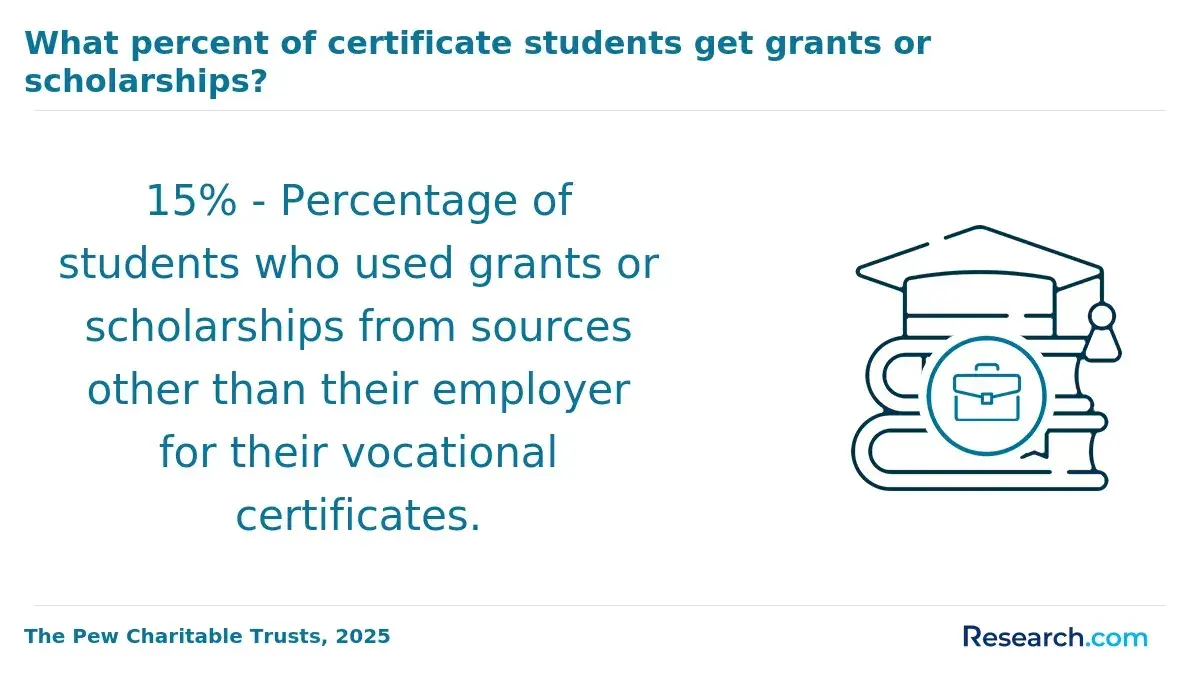
Getting a clear picture of the total expenses for a gerontology and aging master's degree can help students plan their finances before applying. This includes understanding tuition variations, living costs, and opportunity expenses, along with the main ways to fund the education.
Here are key points to consider:
- Cost Differences by Institution: Public universities usually offer lower tuition, especially for residents, while private schools tend to be costlier. Online programs often provide flexible pricing that may reduce living and commuting costs.
- Common Funding Options: Scholarships, fellowships, and graduate assistantships help reduce out-of-pocket expenses. Employer tuition reimbursement programs and federal student loans are additional sources, though loans require attention to repayment commitments.
- Debt Reduction Tactics: Applying for department-specific financial aid and assistantships can ease the financial load. Choosing in-state public institutions or accredited online programs often results in lower overall costs.
- Evaluating Return on Investment: Weigh program expenses against expected salaries and job prospects in your chosen specialization. Researching placement success and demand in the field ensures the degree offers worthwhile financial benefits.
A graduate of a gerontology and aging master's program shared that balancing work and study was challenging but doable thanks to employer tuition support and a research assistantship. They explained, "Applying for assistantships really eased my financial stress, and choosing an online program let me keep my job while studying." They emphasized the importance of carefully reviewing all funding avenues early to avoid surprises and maximize the degree's value for long-term career growth.
How Long Does It Take to Earn a Gerontology and Aging Master's Degree?
Choosing a gerontology and aging master's program involves considering the length of time needed to complete the degree. This decision impacts academic planning, professional timelines, and personal commitments. Various factors influence how long it typically takes to earn this degree, including enrollment status, program format, and specific academic requirements.
Key considerations include the following:
- Full-Time Enrollment: Most full-time students complete a gerontology and aging master's degree within 1.5 to 2 years. This timeframe includes required coursework and often a practicum or internship experience integral to practical learning.
- Part-Time and Online Programs: Those who study part-time or select online formats generally take 3 to 4 years to finish due to lighter course loads and flexible schedules. These options suit working professionals balancing other responsibilities, with timelines varying by credit load and program structure.
- Accelerated and Dual Degree Options: Some institutions offer accelerated pathways or combined bachelor's/master's degrees that reduce total study time, enabling completion in as little as 12 to 18 months. These fast-track programs are ideal for those aiming to enter the workforce quickly.
- Transfer Credits: Applicants with relevant previous coursework can transfer credits, effectively shortening the duration by one or more semesters depending on the institution's policies and the transferability of courses.
- Thesis vs. Non-Thesis Tracks: Selecting a thesis track requires additional research time, potentially extending program length, while non-thesis tracks focus on coursework for quicker completion.
- Internship or Practicum Requirements: Mandatory field experiences influence the total time to degree. Some programs integrate these experiences alongside classes, whereas others dedicate a full semester to practical training.
Prospective students evaluating the average duration of gerontology and aging graduate programs may also explore flexible study options through online programs. For example, resources on RN to BSN online programs illustrate how online learning can fit diverse schedules while facilitating steady progress toward academic goals.
What Career Paths Are Available with a Gerontology and Aging Master's Degree?
This overview offers a snapshot of the career possibilities available to graduates with a master's degree in gerontology and aging. The degree opens doors to roles across various sectors, providing both hands-on and strategic opportunities.
Below are key areas where graduates can apply their expertise and build meaningful careers:
- Healthcare Roles: Graduates often work in clinical and community healthcare settings as case managers, social workers, or program coordinators, focusing on improving seniors' well-being and managing care services.
- Long-Term Care and Wellness: Opportunities exist in assisted living facilities and senior centers to develop wellness initiatives and manage operations that address the needs of older adults.
- Government and Policy: Public agencies hire graduates to help shape aging policies, provide advocacy, and design programs that support aging populations at local, state, or federal levels.
- Nonprofit Sector: Many find roles in grant writing, educational outreach, and program development within organizations committed to aging research, advocacy, and community services.
- Private Industry: Health tech companies, insurers, and elder care enterprises seek specialists who understand aging demographics to inform product development and market strategies.
- Academic and Research Careers: Some graduates engage in teaching or research at universities, contributing to the advancement of gerontology scholarship and educating future professionals.
- Career Progression: Initially, many start as individual contributors focusing on assessment and counseling; experienced professionals often advance into supervisory or executive roles such as program directors or chief officers overseeing aging services.
When I spoke with a graduate of a gerontology and aging master's program, they described the transition into the workforce as smoother than expected. The practical training and interdisciplinary knowledge helped them confidently navigate early challenges in case management roles.
"Having that specialized education gave me not only the confidence but also a clearer pathway to find positions that valued my expertise," they shared. They emphasized that the degree's focus on both theory and real-world application made adapting to diverse work environments much easier and set a solid foundation for future leadership opportunities in the field.
What Is the Average Salary for Gerontology and Aging Master's Degree Holders?
Professionals with a master's degree in Gerontology and Aging see a notable salary advantage compared to those holding only a bachelor's degree in related fields. Compensation levels vary by experience, employer, and region, with added factors like benefits and bonuses influencing total earnings.
Below is an overview of key salary distinctions based on career stage and other influential elements:
- Entry-Level Salaries: Graduates entering the field often earn between $45,000 and $60,000 annually. Positions within public health entities or senior care organizations typically start on the lower side, while private healthcare and research roles can offer slightly higher pay.
- Mid-Career Income: After five to ten years, professionals usually see salaries rise to between $60,000 and $85,000. This growth often aligns with roles involving management, policy work, advocacy, or program leadership, which bring increased financial rewards.
- Senior-Level Earnings: Experienced specialists and administrators may command salaries ranging from $85,000 up to beyond $110,000. Those working in major metropolitan areas or private sector leadership roles tend to receive top-tier compensation.
- Geographic and Sector Differences: Pay rates are generally higher in states with large aging populations, such as California and Florida. Private employers, including healthcare providers and consulting firms, usually offer more competitive salaries and benefits compared to public organizations.
- Additional Compensation Factors: Alongside base pay, many professionals benefit from bonuses, retirement plans, and health coverage. Some employers also provide equity stakes or profit-sharing mechanisms, increasing overall financial gains and future security.
What Professional Certifications Complement a Gerontology and Aging Master's Degree?
Professional certifications play a pivotal role in enhancing career prospects and salary potential for graduates with a Gerontology and Aging master's degree. These credentials not only validate specialized expertise but also increase employability across healthcare, social work, and medical leadership roles. For individuals exploring top certifications for gerontology and aging careers, timing the pursuit of these credentials strategically, either during graduate studies or shortly after graduation, can set candidates apart in competitive job markets.
Below is a list highlighting the most valuable and widely recognized certifications that complement a gerontology and aging master's degree.
- Certified Senior Advisor (CSA): Offered by the Society of Certified Senior Advisors, this certification requires candidates to have a relevant background and pass a multiple-choice exam focused on aging, finance, and healthcare. Renewal occurs every three years via continuing education. Employers in healthcare, financial services, and community organizations highly value the CSA, particularly for roles involving senior client advising and program management.
- Certified Gerontological Social Worker (CGSW): Provided by the Association of Gerontology Social Work Boards, the CGSW requires candidates to be licensed social workers with gerontology experience and pass an extensive exam. It must be renewed every two years through continuing education. This credential is especially important for social workers in clinical, community, or policy settings serving older adults.
- American Board of Post-Acute and Aging Care Medicine Certification: This board certification targets physicians specializing in aging care. Candidates need to be board-eligible in a medical specialty and pass a comprehensive exam. This credential serves medical professionals aiming for leadership roles in geriatric care and post-acute care management.
Graduates should consider integrating certification coursework during their master's program when eligibility aligns to maximize preparation time. Alternatively, pursuing these certifications soon after graduation can bolster professional credibility and open doors in aging services and healthcare sectors.
For those seeking educational pathways aligned with advancing in healthcare and aging careers, there are also nursing schools that do not require entrance exam, providing accessible routes to complementary qualifications that add value in this specialized field.
What Are the Top Industries Hiring Gerontology and Aging Master's Degree Graduates?
For those pursuing a master's degree in gerontology and aging, understanding the primary industries that employ graduates and the roles within them is essential for career planning. Recognizing key sectors and how to develop relevant skills can guide students in tailoring their education and professional experiences.
The main industries and emerging fields are outlined below:
- Healthcare Sector: This is the leading employer, offering positions like geriatric care managers, clinical social workers, and aging program coordinators. Employers vary from small clinics to extensive hospital systems. Skills such as patient assessment, interdisciplinary teamwork, and certifications like Certified Senior Advisor (CSA) or Licensed Clinical Social Worker (LCSW) add value.
- Social Services Industry: This field includes community outreach, elder advocacy, and policy development roles found in nonprofits and government agencies. Expertise in grant writing, program management, and cultural awareness is key to success here.
- Technology and Innovation: Growing sectors focus on assistive devices, telehealth, and aging-in-place solutions, driven by demographic changes and policy incentives. Roles often involve user experience research, product design, and healthcare technology project management, requiring a blend of gerontology and tech knowledge.
Students can improve their job prospects by seeking internships aligned with these industries and engaging with professional organizations such as the American Society on Aging. Selecting courses that match desired career paths and building networks in these fields are strategic moves.
What Are the Highest-Paying Jobs for Gerontology and Aging Master's Degree Holders?
Master's degree holders in gerontology and aging can access a variety of high-paying careers that reward advanced knowledge and experience. Salary ranges differ significantly based on role, location, and certifications, which makes it important for graduates to understand which positions maximize earnings. Additional credentials and leadership responsibilities further enhance income potential in this specialized field.
Below are key roles with strong compensation prospects for graduates:
- Geriatric Care Manager: Earning between $70,000 and $90,000, these professionals coordinate comprehensive care for older adults. They need excellent communication skills and familiarity with healthcare and social support systems, often requiring 3 to 5 years of experience. Job opportunities are common in healthcare providers, eldercare consultancies, and private clinics.
- Clinical Gerontologist: Typically making $75,000 to $100,000, clinical gerontologists focus on diagnosing and treating mental health and cognitive issues related to aging. This role demands advanced clinical assessment capabilities and often state licensure as a psychologist or counselor to qualify.
- Director of Aging Services: Responsible for managing senior centers or community programs, these professionals can earn upwards of $80,000 to over $100,000. Leadership experience combined with healthcare administration certifications can significantly boost salaries, especially in larger organizations.
- Health Program Manager: Salaries usually range from $70,000 to $95,000 for those designing and overseeing health initiatives targeting older populations. Employers include public health agencies and nonprofits, with credentials in project management enhancing career advancement.
- Academic Researcher in Gerontology: Those pursuing doctoral studies may secure university or think tank research positions, where salaries can surpass $90,000. Achieving top compensation requires earning a PhD and establishing a strong publication record.
What Is the Job Outlook and Employment Growth for Gerontology and Aging Professionals?
For those considering a master's degree in gerontology and aging, understanding the job outlook is essential. Employment growth projections for gerontology and aging careers show promising opportunities driven by demographic and technological trends that shape the demand for specialized professionals.
- Demographic Growth: The aging Baby Boomer population significantly increases the need for healthcare, advocacy, and support services, positioning gerontology and aging professionals for about 13% job growth from 2022 to 2032, which is faster than the average across all occupations.
- Technological Advancements: Innovations like telehealth and data analytics improve care delivery but require professionals to acquire evolving technical skills, impacting roles and responsibilities within the field.
- Policy and Funding Changes: Shifts in healthcare policies and elder care programs may influence job availability and alter the focus of careers in gerontology and aging, necessitating adaptability.
- Globalization and Cultural Competency: While globalization has a lesser direct effect, increasingly diverse aging populations demand heightened cultural competency from professionals.
Students exploring career paths should also consider accredited self-paced online courses, which can provide flexible options for advancing their expertise in this growing field.
What Skills and Competencies Does a Gerontology and Aging Master's Program Develop?
Prospective students should understand the key skills developed through a gerontology and aging master's program, as these shape career readiness and adaptability across multiple fields. The curriculum systematically builds both technical abilities and interpersonal qualities essential for success in diverse roles.
- Research and Data Analysis: Students gain expertise in qualitative and quantitative research methods, including the use of statistical software and program evaluation. This foundation prepares them to interpret complex health, social, and policy data for evidence-based decision-making.
- Critical Thinking and Leadership: Graduates enhance their problem-solving abilities and learn to lead teams effectively. These soft skills facilitate ethical judgment and strategic planning in multidisciplinary environments.
- Effective Communication and Cultural Competence: The program emphasizes clear communication and sensitivity to diverse populations, enabling graduates to advocate and collaborate in culturally varied settings.
- Experiential Learning Opportunities: Internships, case studies, simulations, and group projects provide practical experience that reinforces classroom concepts. Applying theory to real-world situations improves teamwork and adaptability.
- Employer-Preferred Competencies: Organizations prioritize candidates who exhibit strong analytical skills, empathy, and the capacity to manage complex aging-related programs. These attributes increase employability across sectors such as healthcare, social services, policy, and education.
What Graduates Say About Their Gerontology and Aging Master's Degree
- Suzanne: "Applying for the online gerontology and aging master's program was initially daunting, but having access to detailed academic catalogs made the process much clearer than I expected. I spent a lot of time researching accredited institutions, and relying on official accrediting agencies gave me confidence in choosing a program that aligned with my career goals. Overall, this journey has been extremely rewarding and has deepened my passion for improving the lives of older adults."
- Michele: "Reflecting on my path through an online gerontology and aging master's degree, I found the landscape of programs quite complex but fascinating. Navigating between institutions with federal education resources as a guide helped me understand the nuances of program requirements and available specializations. My approach was methodical, making sure each step-from researching to applying-was grounded in credible information, which truly paid off in the long run."
- Diana: "From the start, I prioritized thorough research into the gerontology and aging master's programs before submitting my application, knowing that accreditation was key to a quality education. Consulting official academic catalogs and leveraging federal education resources were indispensable in clarifying the degree requirements and course structures. This professional preparation laid a solid foundation for my studies and has equipped me with valuable expertise for advancing my career."
Other Things You Should Know About Gerontology and Aging Degrees
A master's degree in gerontology and aging generally leads to higher earning potential compared to a bachelor's degree. Graduates who enter managerial or specialized roles in healthcare, social services, or policy development often see steady salary growth over time. Advanced qualifications also open doors to leadership positions that offer increased financial benefits and job stability.
In 2027, a Gerontology and Aging master's degree can significantly enhance earning potential, with graduates often starting in roles like healthcare management or policy advisors. With experience, the earning potential can increase, reaching upwards of $70,000 to $100,000 annually, depending on the specific career path and region.
In 2027, a Gerontology and Aging master's degree can lead to careers such as geriatric care manager, policy advisor on aging, researcher, and director of senior living facilities. The aging population increases demand for expertise in these areas, offering robust career prospects.
In 2027, a Gerontology and Aging master's program focuses on competencies such as understanding aging processes, policy development, and program management. Courses include health promotion, the psychology of aging, and ethical issues in elder care. These skills prepare graduates for diverse roles in the aging sector.
References
- Gerontology Careers: Outlook, Opportunities, and Salary https://online.maryville.edu/online-bachelors-degrees/general-studies-healthcare/careers/gerontology-careers/
- MSc Gerontology and Global Ageing (Online) | Find a course | University of Stirling https://www.stir.ac.uk/courses/pg-taught/gerontology-global-ageing-online/
- Online Master of Science in Applied Gerontology – Careers – Brenau University Online MS in Applied Gerontology https://online.brenau.edu/programs/ms-applied-gerontology/careers/
- What Can You Do With a Master's in Gerontology? | National University https://www.nu.edu/blog/what-can-you-do-with-a-masters-in-gerontology/
- What Can I Do With a Master's in Gerontology? Careers & Salaries https://www.mhaonline.com/faq/careers-with-masters-in-gerontology
- Course Planner https://www.idea.edu/course-planner/gerontology/masters-degree
- Gerontology Research / Policy MS https://www.umb.edu/academics/program-finder/gerontology-research--policy-ms/
- The Ultimate Career Roadmap for Family Studies & Gerontology Graduates https://www.snu.edu/degrees/the-ultimate-career-roadmap-for-family-studies-and-gerentology-graduates
- What Can You Do With a Degree in Gerontology? - Gerontology at FranU https://gerontologyatfranu.com/what-can-you-do-with-a-degree-in-gerontology/
- Gerontology Salary & Income Expectations https://gero.cuchicago.edu/gerontology-careers/gerontology-salary-expectations-and-considerations/


