
2027 What Can You Do with a Leadership Master's Degree? Careers, Salaries & Growth

Co-Founder and Chief Data Scientist
Many professionals face stagnation despite growing demand for skilled managers. The U. S. Bureau of Labor Statistics projects a 9% growth in management occupations from 2022 to 2032, faster than average. Yet, less than 30% of managers hold advanced degrees, limiting access to higher-paying roles. Leadership master's degrees, designed to develop strategic and organizational skills, respond to this gap. This article explores program structures, admission criteria, and compares online versus on-campus options. It details career paths, salaries, and certification opportunities, providing prospective students with data-driven insights to evaluate if a leadership master's degree suits their goals and financial plans.
Key Things to Know About What You Can Do with a Leadership Master's Degree
- Admission to leadership master's programs typically requires a bachelor's degree, relevant work experience, and a structured curriculum combining theory, ethics, and practical management skills.
- Graduates often pursue roles such as organizational managers or consultants, with median salaries around $85,000 and projected job growth of 8% over ten years.
- Program comparison should consider tuition, flexibility (online vs. on-campus), reputation, and alignment with certifications like PMP or SHRM to maximize career and financial outcomes.
What Are the Admission Requirements for a Leadership Master's Program?
Preparing the necessary prerequisites is essential for a smooth application process to a leadership master's program. Understanding graduate school entry criteria for leadership degrees can help applicants meet expectations and improve their chances of admission. Below is a summary of standard requirements commonly requested by institutions.
These key components are typically expected:
- Relevant Undergraduate Degree: Applicants usually need a bachelor's degree in business, management, social sciences, or a related field from an accredited university. This foundational education supports advanced study in leadership.
- GPA Thresholds: Many programs require a minimum GPA around 3.0 on a 4.0 scale, but this can vary based on the program's competitiveness and institution.
- Standardized Tests: Tests such as the GRE or GMAT may be required by some programs; however, many schools have made these optional or waived them, particularly after the COVID-19 pandemic disrupted testing availability. It is important for applicants to verify each program's specific test requirements.
- Supplementary Materials: Two to three letters of recommendation from academic or professional sources, a personal statement outlining career aspirations and leadership philosophy, and sometimes a writing sample are common. Interviews may also be part of the final admission decision.
- Field-Specific Prerequisites: Depending on the program's focus-whether public sector leadership, organizational development, or executive coaching-additional requirements or professional experience, especially supervisory or managerial roles, are often preferred to enhance real-world classroom discussions.
Employment in management roles is projected to grow 7% from 2021 to 2031, reflecting strong demand and potential salary growth for graduates with advanced leadership training. For those exploring flexible options, several universities now offer fully online slp master's programs, showcasing how graduate education continues to adapt to diverse student needs.
What Is the Minimum GPA Requirement for a Leadership Master's Program?
Prospective students often wonder about the minimum GPA requirement for leadership master's programs as it can significantly affect their admission chances. Typically, programs expect a GPA between 2.75 and 3.0 on a 4.0 scale, but this varies widely depending on several factors. With the demand for skilled managers projected to grow 7% from 2021 to 2031, understanding academic standards is key. Below are key considerations regarding typical academic standards for leadership master's admission.
- Typical GPA Range: Most programs require a minimum GPA between 2.75 and 3.0, although some highly selective schools may set higher standards.
- Program Variability: Private institutions and prestigious programs tend to have stricter GPA requirements, while public universities might be more flexible based on applicant pools and diversity goals.
- Holistic Review: Many admissions committees evaluate applications more broadly, including work experience and personal statements, allowing candidates with lower GPAs to remain competitive.
- Alternative Qualifications: High test scores and leadership achievements can compensate for GPAs below the typical threshold, emphasizing overall potential.
- Labor Market Relevance: Given the growth in management jobs, programs value demonstrated leadership ability along with academic performance.
Applicants considering alternative pathways might also explore options such as an associate degree in 6 months online to strengthen their academic background before applying to leadership master's programs.
How Much Does a Leadership Master's Degree Cost and How Can You Finance It?
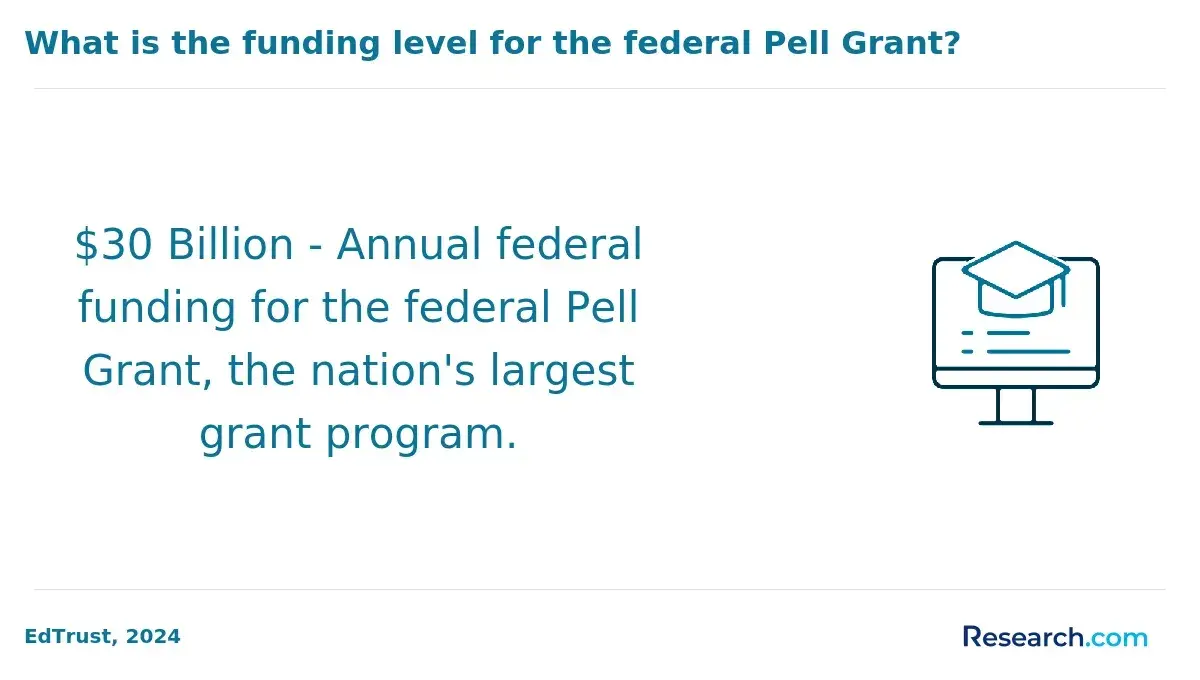
Getting a clear picture of the financial commitments involved in pursuing a leadership master's degree enables prospective students to budget wisely and explore viable funding options. This insight is essential for balancing tuition, fees, living costs, and lost income while weighing future earnings. Key points to consider include the following:
- Cost Variation by Institution: Tuition differs significantly; public universities often charge $10,000 to $25,000 annually for in-state students, while private schools may exceed $40,000. Online programs can lower expenses by cutting housing costs but add fees for technology and materials. Overall spending should also factor in day-to-day living and lost wages during study.
- Common Funding Sources: Merit-based scholarships and fellowships tailored for leadership students can substantially reduce expenses. Graduate assistantships offering tuition remission in exchange for academic work, employer tuition reimbursement plans, federal loans, and sometimes work-study also play crucial roles in financing education.
- Debt Reduction Tactics: Selecting an in-state public university often lessens tuition costs. Early application to department-funded fellowships or assistantships can secure financial aid. Negotiating tuition reductions based on teaching or research involvement helps maintain manageable debt levels post-graduation.
- Evaluating Return on Investment: Graduates typically earn between $70,000 and $120,000 depending on the sector, with job growth projected at roughly 8% over ten years. Comparing these salary prospects against total program costs allows students to determine whether the investment aligns with their career and financial goals.
I spoke with a graduate of a leadership master's degree program who described the financial journey as a balancing act of careful planning and resilience. He recalled applying broadly for scholarships after realizing early on that tuition alone would strain his budget. "I had to be very strategic about choosing a program that offered assistantships and allowed me to continue working part-time," he shared.
Despite occasional doubts, the support from his employer's tuition reimbursement and a small fellowship helped bridge the gap. Reflecting on the expense, he noted that understanding the full financial picture upfront was key to avoiding surprises and staying focused on the career advancement he sought through the degree.
How Long Does It Take to Earn a Leadership Master's Degree?
Determining how long it takes to complete a leadership master's degree program is crucial for students planning their academic and career pathways. The average duration of leadership master's degree in the US can vary considerably based on enrollment status, program format, and academic requirements. Below is a summary of key factors that influence program length.
- Full-Time Enrollment: Most full-time leadership master's programs require about 1.5 to 2 years to complete. This assumes students maintain a typical course load every semester and study continuously without significant breaks.
- Part-Time and Online Programs: These flexible options are often chosen by working professionals, generally extending completion to 3 to 4 years. The duration depends heavily on how many credits are taken each term and individual scheduling needs.
- Accelerated Programs: Some institutions offer accelerated pathways that reduce time-to-degree to under 1.5 years. These require a more intense schedule and greater weekly time investment from students.
- Combined Bachelor's/Master's Pathways: Integrated programs allow students to earn both degrees in less time by overlapping coursework and meeting requirements concurrently.
- Transfer Credits: Students who enter with relevant graduate-level credits from accredited programs may shorten their leadership master's degree, depending on institutional policies.
- Thesis vs. Non-Thesis Track: Choosing a thesis option can add months for research and writing, while non-thesis tracks usually involve more coursework, which affects total program length.
- Internship or Practicum Requirements: Programs that include practical experience may need additional time depending on the length and scheduling of these components.
A leadership master's degree offers versatile opportunities across many industries, and understanding program duration helps align educational goals with professional ambitions. For more information on earnings potential related to various fields, prospective students can consult degrees that make the most money.
What Career Paths Are Available with a Leadership Master's Degree?
This section offers prospective students a clear view of the diverse career opportunities available after earning a leadership master's degree, highlighting both direct and related roles where advanced leadership skills are critical. It outlines typical job functions as well as the industries that actively seek these graduates, helping readers understand the potential professional paths and growth prospects.
Key career considerations include:
- Career Progression: Graduates often begin as individual contributors or mid-level managers, leveraging strategic thinking and team management skills. Over time, many advance toward senior leadership roles such as chief operating officer or director of leadership development, reflecting the degree's emphasis on upward mobility.
- Industry Diversity: Leadership master's holders find employment across a wide range of sectors including government agencies, nonprofit organizations, corporate enterprises, and academia. Each sector values their ability to drive organizational change, manage teams, and implement policies effectively.
- Role Variety: Common positions include project manager, human resources manager, organizational development specialist, and executive director. These roles allow graduates to apply their training in various contexts, from public administration and fundraising to corporate strategy and educational administration.
- Employment Growth: Managerial roles connected to leadership expertise are projected to expand by roughly 9% through 2032, indicating steady demand and encouraging long-term job stability.
One graduate I spoke with shared how the master's program significantly eased his transition into leadership roles. "Navigating organizational complexities was overwhelming at first," he said, "but the program's focus on practical leadership frameworks and real-world case studies boosted my confidence and effectiveness." He emphasized that understanding diverse leadership styles and strategic planning made it easier to secure promotions and gain respect across departments. This insight highlights how the degree equips professionals not only with skills but also with the mindset needed for sustained career advancement.
What Is the Average Salary for Leadership Master's Degree Holders?
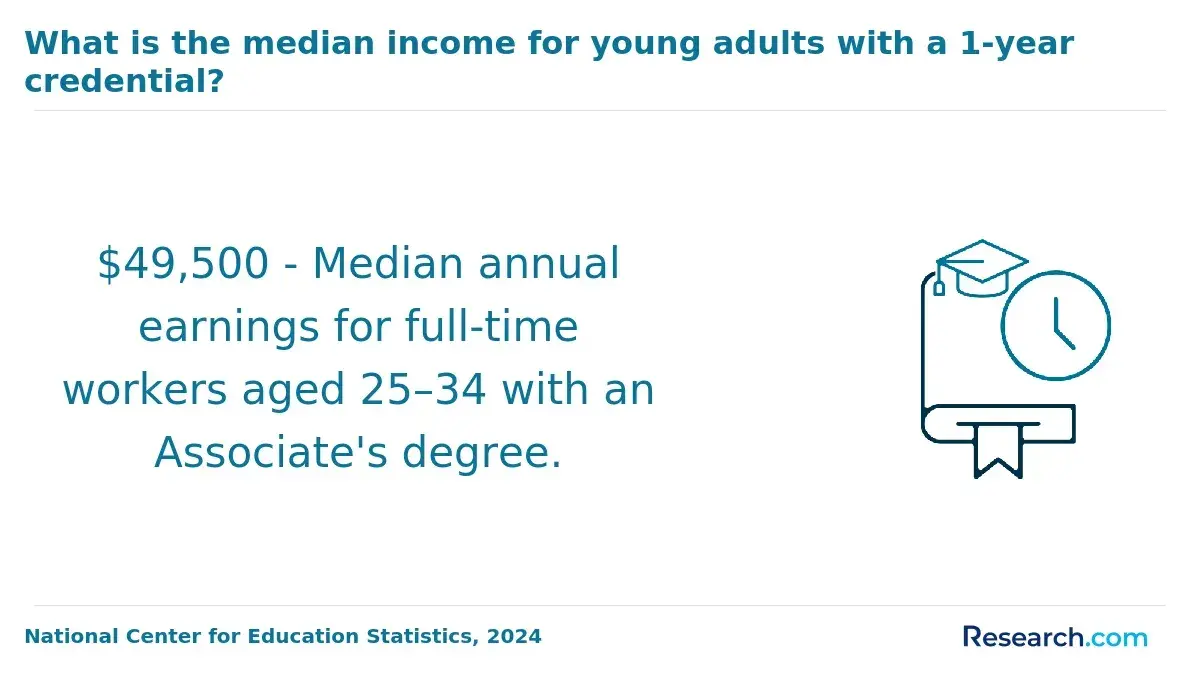
Salaries for professionals holding a master's degree in leadership vary widely by experience level, industry, and geographic location. Compensation also depends on whether the employer is in the public or private sector, with private companies generally offering higher pay but public organizations providing stronger benefits and job stability. Additional elements such as bonuses, stock options, and other incentives may significantly increase total earnings. Below are key salary considerations for leadership master's graduates:
- Starting Salaries: New graduates typically earn between $60,000 and $80,000 annually. Entry-level roles in nonprofit or educational leadership tend to be on the lower end, whereas positions in healthcare or business management often offer salaries toward the upper end of this range.
- Mid-Level Income: Professionals with several years of experience usually see annual earnings between $85,000 and $120,000. Progression into senior management or specialized leadership roles within sectors like finance or technology commonly drives these increases.
- Executive Compensation: Senior leaders in large companies or metropolitan areas can command salaries from $130,000 up to $200,000 or more. These roles often include bonuses and equity awards, further boosting overall remuneration.
- Regional and Employer Influences: Salary levels rise considerably in major urban hubs such as New York and San Francisco. Public sector pay typically trails private organizations by 10% to 25%, yet public roles may offer greater job security and benefits.
- Degree Salary Advantage: Holding a master's degree in leadership usually results in a 10% to 20% increase in pay compared to bachelor's degree holders in similar positions, according to data from the National Association of Colleges and Employers.
What Professional Certifications Complement a Leadership Master's Degree?
Several professional certifications significantly enhance the value of a leadership master's degree by boosting both expertise and employability in competitive markets. These credentials often align with diverse career paths and industries, adding credibility and opening the door to higher salaries and specialized roles. For graduates seeking the most recognized certifications to complement a leadership master's degree, consider the following:
- Certified Manager (CM): Offered by the Institute of Certified Professional Managers (ICPM), this credential demands a bachelor's degree plus two years of management experience. The exam includes multiple-choice and short-answer questions. Recertification occurs every three years with 60 continuing education credits. CM is highly regarded in supervisory and general management roles across manufacturing and service industries.
- Project Management Professional (PMP): Managed by the Project Management Institute (PMI), PMP requires 35 hours of project management education and 4,500 hours leading projects. The exam consists of 180 multiple-choice questions and is renewed every three years through professional development units (PDUs). PMP is favored in technology, consulting, and construction sectors, often enhancing leadership credibility and salary potential.
- SHRM Certified Professional (SHRM-CP): This certification from the Society for Human Resource Management combines education and HR leadership experience. The exam tests knowledge and situational judgment, with recertification requiring 60 professional development credits every three years. SHRM-CP is essential for leadership positions in human resources and organizational development.
Strategically, pursuing these certifications either during or shortly after completing a leadership master's degree maximizes the impact of current academic knowledge and accelerates career advancement. This timing strengthens job prospects within sectors valuing both credentials and academic preparation.
For prospective students exploring options, comparing certification paths alongside program choices-including online versus on-campus formats and cost considerations-can help build a tailored career strategy. Resources covering related educational opportunities, such as the msw programs, provide further insights into specialized fields connected to leadership development.
What Are the Top Industries Hiring Leadership Master's Degree Graduates?
For prospective students pursuing a leadership master's degree, understanding which industries most actively hire graduates is essential for aligning career goals with market demand. Labor market data highlights several sectors where advanced leadership skills are particularly sought after. Below is an overview of these fields, emphasizing relevant roles, employer types, and skills or certifications that enhance job prospects.
- Healthcare: This sector frequently employs leadership graduates in roles such as hospital administrators, healthcare managers, and policy coordinators. Organizations range from large hospital networks to specialized clinics. Familiarity with healthcare regulations and certifications like Certified Professional in Healthcare Quality (CPHQ) improves employability.
- Finance: Leadership professionals fill positions including project managers, operations directors, and compliance officers within banks, insurance firms, and investment companies. Credentials such as Certified Financial Planner (CFP) and Project Management Professional (PMP) bolster career opportunities in this area.
- Education: Graduates often work as school administrators, program directors, or policy advisors. Success in this sector typically requires knowledge of educational leadership standards and, in some cases, state-specific licensure or certifications.
- Technology and Renewable Energy: These emerging industries are expanding their need for leadership talent to guide innovation teams and manage regulatory adaptation. Key competencies include change management and agility in navigating shifting market dynamics.
- Career Preparation Strategies: Students aiming at particular sectors should seek internships aligned with their target industry and engage in professional associations for networking opportunities. Choosing coursework that addresses sector-specific challenges further strengthens their market readiness.
What Are the Highest-Paying Jobs for Leadership Master's Degree Holders?
Prospective students pursuing a master's degree in leadership often prioritize career opportunities that offer strong financial rewards. Knowledge of the highest-paying roles linked to this degree helps tailor education plans toward lucrative outcomes. The following positions represent some of the most financially rewarding careers, detailing responsibilities, average salaries, and qualifications needed to excel.
- Chief Executive Officer (CEO): CEOs earn median incomes well over $180,000 annually, especially in large, high-profile companies within metropolitan areas. Responsibilities include setting vision, steering company operations, and ensuring overall success. This role demands extensive leadership experience, advanced decision-making capabilities, and often advanced degrees or credentials in business or leadership.
- Director of Operations: With salaries typically between $120,000 and $150,000, directors of operations oversee daily business functions, optimize processes, and enforce policies. Candidates usually hold 5 to 10 years of progressive leadership experience alongside expertise in project management and strategic implementation.
- Human Resources Director: Earning roughly $110,000 to $140,000, HR directors craft workforce strategies, supervise recruitment efforts, and maintain legal compliance. Certifications like SHRM-SCP boost earning potential, with healthcare and technology sectors frequently providing top pay.
- Management Consultant: Median salaries ranging from $90,000 to $130,000 depend on firm size and region. Consultants diagnose organizational challenges, develop leadership programs, and refine management approaches. Advanced degrees such as MBAs or doctorates enhance prospects for senior, higher-paid roles.
- Academic Administrator (Dean or Provost): Salaries vary from $95,000 to over $150,000 based on institution scale and reputation. These leaders manage academic affairs, faculty, and policies, typically requiring doctoral qualifications and extensive educational leadership experience.
Professional credentials like the Project Management Professional (PMP) or Certified Manager (CM) designations can further elevate salary ranges. Compensation is also influenced by geography and sector, with urban centers and industries like technology and finance tending to offer higher pay than average. Holding advanced degrees in conjunction with a leadership master's can open doors to the top income levels in this competitive field.
What Is the Job Outlook and Employment Growth for Leadership Professionals?
Employment projections for leadership professionals highlight steady growth, particularly benefiting those with a master's degree. This outlook is crucial for prospective students who want evidence-based insight into career growth for leadership master's degree holders. The U.S. Bureau of Labor Statistics (BLS) forecasts management occupations to grow about 8% from 2022 to 2032, outpacing the 5% average growth rate for all occupations, reflecting expanding opportunities in this field.
- Technological Advancements: Leaders must manage digital transformations, guiding organizations through rapidly evolving tech landscapes, which increases demand for skilled leadership.
- Globalization: Cross-cultural management skills become essential as businesses expand globally, requiring leaders who can navigate diverse teams and international markets.
- Shifting Demographics: Inclusive leadership approaches are increasingly valued due to changing workforce demographics, creating new challenges and opportunities for leadership professionals.
- Automation Impact: While automation reduces routine managerial tasks, it shifts focus toward roles emphasizing emotional intelligence and critical thinking, enhancing the strategic role of leaders.
- Policy Changes: Regulatory shifts in sectors like healthcare and education influence leadership demand, creating specialized opportunities requiring industry-specific expertise.
For those exploring programs, comparing online versus on-campus options and understanding costs is essential. Prospective students can review offerings from famous online colleges to find pathways that fit their goals and financial situations.
What Skills and Competencies Does a Leadership Master's Program Develop?
For prospective leadership master's students, understanding the specific hard and soft skills developed during the program is essential. These skills not only build professional competence but also broaden career flexibility across various sectors.
- Technical Proficiency: Students gain expertise in data analysis software, research methodologies, and project management tools, enabling them to interpret complex data and implement evidence-based solutions effectively.
- Communication and Interpersonal Skills: Emphasis on clear communication, emotional intelligence, and team motivation equips graduates to manage diverse groups and foster collaboration.
- Critical Thinking and Strategic Problem-Solving: The curriculum cultivates analytical reasoning and decision-making abilities that help navigate complex challenges and develop innovative strategies.
- Transferability Across Industries: The combined skill set is valuable in fields such as healthcare, business, education, and government, allowing graduates to pursue leadership roles in a broad array of workplaces.
- Experiential Learning Opportunities: Internships, simulations, case studies, and group projects provide hands-on experience, reinforcing theoretical knowledge and promoting practical application in real-world settings.
- Employer Priorities: Critical thinking, effective communication, and adaptability consistently rank as the most sought-after attributes when evaluating leadership candidates, reflecting the real-world demands of managerial positions.
What Graduates Say About Their Leadership Master's Degree
- Sharmaine: "Applying for admission to an online leadership master's program was initially daunting, but I found that carefully researching accredited institutions helped me avoid common pitfalls. Consulting official academic catalogs gave me clear insights into curriculum expectations and course sequencing, which was invaluable. This preparation empowered me to confidently navigate the requirements and stay on track throughout the program."
- Wilma: "Choosing the right accredited school for my leadership master's degree felt overwhelming at first, but relying on accrediting agencies and federal education resources truly made a difference. I appreciated how these tools clarified the quality and recognition of various programs. Reflecting on my journey, those efforts ensured that my degree holds strong credibility in any professional setting."
- Leopold: "From the moment I began exploring leadership master's programs, I prioritized official academic catalogs to thoroughly understand each degree's structure and requirements. It was also essential for me to verify institutional accreditation to maintain the value of my credentials. Ultimately, this systematic approach gave me peace of mind and helped me successfully achieve my goals in the program."
Other Things You Should Know About Leadership Degrees
In 2027, graduates with a Leadership master's degree can pursue careers in executive management, human resources, consultancy, or non-profit leadership. These roles typically offer competitive salaries and growth potential, as organizations value advanced leadership skills to drive business success.
The choice between online and on-campus leadership master's programs depends on your personal circumstances and learning preferences. Online programs offer greater flexibility for working professionals and international students, while on-campus programs may provide more direct networking and hands-on experiences. Both formats can be rigorous, but it is important to select an accredited program that matches your career goals.
A Leadership master's degree can significantly enhance earning potential over time by equipping graduates with advanced skills sought after in various industries. Individuals often experience salary growth as they advance to managerial and executive roles, reflecting their enhanced leadership capabilities and increased responsibilities.
To enroll in a Leadership master's degree program in 2027, you'll typically need a bachelor's degree from an accredited institution and a minimum GPA of 3.0. Some programs may also require professional experience in leadership roles and letters of recommendation.
References
- Leadership Development Jobs: Your Strategic Career Guide https://quarterdeck.co.uk/articles/leadership-development-jobs
- MA in Leadership - Admission - The University of Olivet https://www.uolivet.edu/academics/ma-leadership-admission/
- Fees, financing and scholarships | Global Masters in Management | London Business School https://www.london.edu/masters-degrees%2Fglobal-masters-in-management%2Ffees-financing-and-scholarships
- Master of Science in Leadership and Organizational Development https://lakeland.edu/degrees/master-of-science-in-leadership-and-organizational-development/curriculum
- Top Career Paths for Graduates of an MA in Organizational Leadership https://www.cui.edu/townsend/articles/post/top-career-paths-for-graduates-of-an-ma-in-organizational-leadership
- Online Master’s in Educational Leadership: Careers https://www.arcadia.edu/majors-and-programs/online-masters-educational-leadership/careers/
- Educational Leadership and Policy https://www.ouc.ac.cy/index.php/en/studies/master/elp-en
- What Can I Do With a Master’s in Organizational Leadership? https://claremontlincoln.edu/news-blog/what-can-i-do-with-a-masters-in-organizational-leadership/
- How Long Does It Take to Get a Master's Degree? https://www.snhu.edu/about-us/newsroom/education/how-long-does-it-take-to-get-a-masters-degree
- Cost https://online.colorado.edu/organizational-leadership-ms/cost


