2027 What Can You Do with a STEM Master's Degree? Careers, Salaries & Growth

Co-Founder and Chief Data Scientist
Many aspiring professionals face uncertainty about the value of pursuing a STEM master's degree amid rising education costs and evolving job markets. Data from the National Science Foundation reveal that earnings for STEM master's graduates are approximately 20% higher than those with only a bachelor's degree. However, navigating program options, admission criteria, and career outcomes remains complex for recent graduates, career changers, and international applicants.
This article unpacks key aspects such as program formats, admission requirements, salary expectations, and growth projections. It also evaluates financial considerations and certification opportunities, enabling readers to make informed decisions about investing in a STEM master's degree.
Key Things to Know About What You Can Do with a STEM Master's Degree
- Admission typically requires a bachelor's degree in a related field, with programs lasting 1-2 years combining coursework and research or practical projects.
- Graduates can expect competitive salaries, with median STEM master's degree holders earning significantly above the national average, reflecting strong employer demand.
- Employment growth is robust across disciplines; comparing program costs, flexibility, and reputation helps align investment with long-term career and salary advancement.
What Are the Admission Requirements for a STEM Master's Program?
Preparing the necessary prerequisites is essential for a smooth admission process into a stem master's program. Understanding these requirements can help applicants meet expectations and strengthen their applications. With employment in STEM fields projected to grow rapidly, meeting these prerequisites is a valuable step. Here is an overview of the typical admission requirements:
- Relevant Undergraduate Degree: Applicants must hold a bachelor's degree in a related area such as engineering, computer science, mathematics, or physical sciences. This foundational knowledge ensures readiness for advanced study and is a key qualification for how to qualify for a stem master's degree.
- GPA Thresholds: Many programs expect a minimum GPA around 3.0 on a 4.0 scale, though competitive programs may require higher academic standing. Maintaining a strong GPA reflects academic capability and commitment.
- Standardized Tests: GRE scores are frequently requested but have become optional at numerous institutions due to policy changes, particularly after the COVID-19 pandemic disruptions. The GMAT is less common and typically only required if the program includes business or management elements.
- Supplementary Materials: Applications usually require two or three letters of recommendation, a personal statement that outlines career goals and motivation, and sometimes a writing sample or portfolio related to the applicant's field. These materials provide insight into the candidate's qualifications and fit.
- Field-Specific Prerequisites: Certain specializations, such as data science or biotechnology, may mandate prior coursework in programming or biology. If gaps exist in prerequisite knowledge, applicants might need to complete additional courses before enrollment.
Applicants interested in accelerating their education might explore the fastest degree to get online, combining speed with STEM field relevance to improve career prospects.
What Is the Minimum GPA Requirement for a STEM Master's Program?
Meeting the minimum GPA requirement for a STEM master's program is a critical step for many applicants, as it often serves as a primary filter during admissions. Criteria such as minimum GPA are important, but they vary widely across institutions and programs, influencing applicant eligibility. The STEM labor market is growing rapidly, with employment projected to increase 8% from 2020 to 2030, underscoring the importance of understanding these admissions factors. Below are key considerations regarding GPA eligibility criteria for STEM graduate admissions:
- Typical GPA Requirements: Most STEM master's programs require a minimum GPA between 2.75 and 3.0 on a 4.0 scale, depending on the institution's prestige and program selectivity.
- Variation by Institution and Program: More competitive and private institutions typically expect higher GPAs, while some public universities may accept candidates with GPAs at the lower end of this range.
- Holistic Admissions Process: Many programs consider professional experience, test scores, and personal statements along with GPA to evaluate an applicant's full potential.
- Alternative Strengths: Applicants with GPAs below the stated minimum may gain admission by demonstrating strong work experience, academic achievements, or compelling personal essays.
- Labor Market Demand: A STEM master's degree remains a strategic investment given steady employment growth, and understanding these requirements helps align educational goals with career opportunities.
Prospective students may also explore the cheapest doctorate degree options as a long-term strategy after completing their master's. Understanding the minimum GPA requirement for a STEM master's program will help applicants navigate admissions successfully and position themselves effectively in this competitive field.
How Much Does a STEM Master's Degree Cost and How Can You Finance It?
Setting clear financial goals before starting a master's degree in STEM helps streamline planning and reduces stress during enrollment. Knowing how tuition, fees, living costs, and lost income impact overall expenses enables smarter choices. Key considerations for funding and managing these costs include:
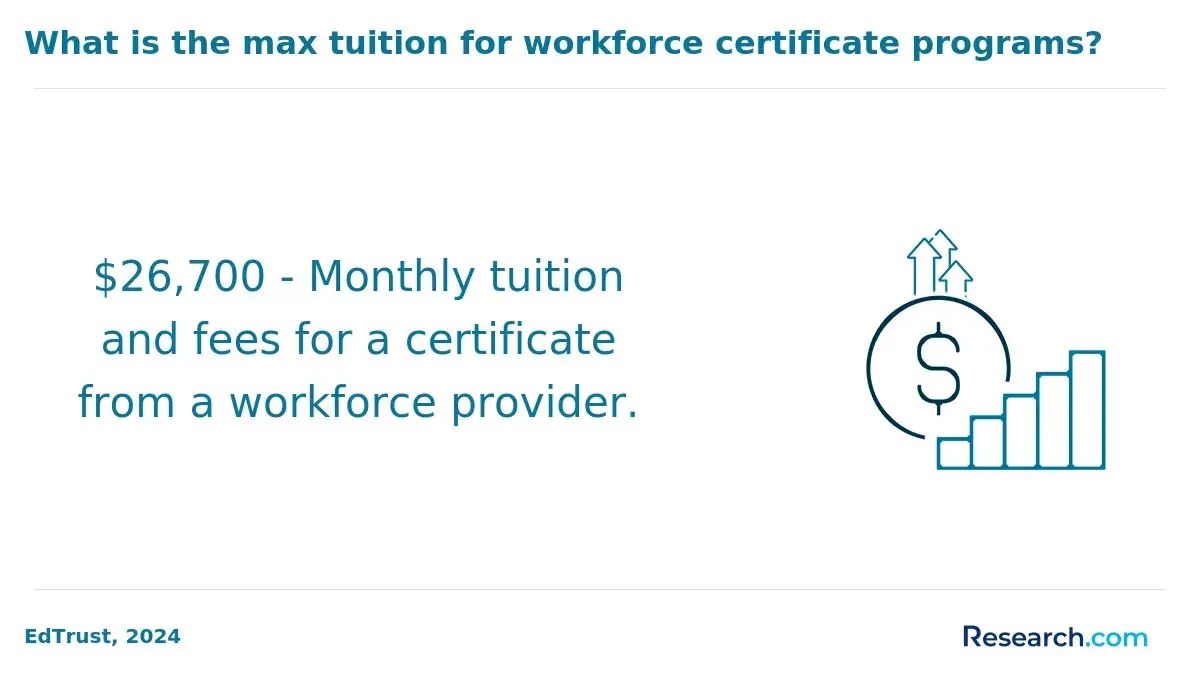
- Variation in Tuition and Fees: Public institutions usually charge lower tuition for in-state students compared to private universities, with annual costs typically ranging from $10,000 to $25,000. Online programs offer flexibility and can decrease living expenses but vary widely in price.
- Opportunity Costs: Time spent studying often means forgoing income from full-time work, which adds to the investment beyond direct expenses.
- Primary Funding Sources: Scholarships, fellowships, and graduate assistantships frequently offset tuition, while employer tuition reimbursement and federal student loans provide additional support, each with unique eligibility and repayment terms.
- Debt Reduction Tactics: Applying for specialized department awards, selecting in-state public schools, or pursuing teaching and research assistantships can provide tuition waivers or stipends, lowering overall debt.
- Assessing Return on Investment: Comparing total costs to potential salaries and job growth in targeted subfields helps determine if the financial commitment aligns with career objectives.
When I spoke with a graduate of a STEM master's program about the financial challenge, they described a careful balancing act. "Paying tuition felt overwhelming initially," they shared, "but securing a research assistantship that covered fees and provided a modest stipend was a game-changer." Juggling part-time work and study required discipline, yet the increased earning potential after graduation justified the sacrifices. They emphasized that early financial planning, including applying broadly for funding and choosing a program aligned with career goals, eased the process considerably and made the degree a worthwhile investment.
How Long Does It Take to Earn a STEM Master's Degree?
Prospective students exploring how long it takes to complete a STEM master's program should carefully consider various factors that influence the total time commitment. The average duration of a STEM master's degree in the US varies widely depending on enrollment status, program structure, and additional requirements. Below are some key elements that affect completion timelines.
- Full-Time Enrollment: Most full-time STEM master's programs take approximately 1.5 to 2 years to complete, assuming students follow a standard course load without interruptions.
- Part-Time and Online Programs: Students enrolled part-time or through online formats often require 3 to 4 years, depending on credit load and scheduling flexibility. Many online universities offer these options to accommodate working professionals.
- Accelerated and Combined Pathways: Some programs allow students to pursue accelerated degrees or combined bachelor's/master's tracks, reducing overall time by blending undergraduate and graduate coursework and potentially completing the degree within 1 year after the bachelor's.
- Transfer Credits: Applicants transferring relevant graduate-level credits may shorten their study duration based on institutional policies and course equivalencies.
- Thesis vs. Non-Thesis Tracks: Choosing the thesis option typically extends study time due to research and writing demands, whereas non-thesis tracks focus more on coursework and can enable faster completion.
- Internships and Practicums: Programs requiring professional experience like internships or practicums might add extra months to the timeline, varying with the program's structure and availability of placements.
What Career Paths Are Available with a STEM Master's Degree?
This section offers a clear overview of typical career paths open to graduates of a STEM master's program, illustrating the diverse roles and industries where their skills are valued. It highlights both specialized and crossover positions, as well as opportunities for growth from technical roles to leadership.
Key factors shaping career prospects for STEM master's degree holders include:
- Direct Industry Roles: Graduates frequently join engineering, data science, biotechnology, computer science, and environmental science fields, applying technical expertise in development, software, or research tasks.
- Adjacent Positions: Skills acquired enable transitions to roles like technical consulting, project management, or systems architecture, where analytical and problem-solving abilities are critical.
- Leadership Opportunities: With experience, many move into managerial roles overseeing teams or projects in technology firms, manufacturing, or research organizations, combining technical and supervisory responsibilities.
- Industry Diversity: Government agencies, nonprofits, private companies, and academia actively seek STEM graduates for specialized positions in defense, energy, health, innovation, and education sectors.
- Long-Term Advancement: The degree supports eventual executive or senior leadership roles, especially in technology-driven or research-focused environments that prize both management skills and advanced technical knowledge.
One graduate shared how pursuing the STEM master's degree provided a strategic advantage when switching careers. Navigating a competitive job market had been daunting, but the program's rigorous curriculum and real-world projects helped build confidence and technical credibility. This foundation smoothed the transition into a project management role within a tech company, where practical skills and the ability to solve complex problems were highly valued. He noted, "The degree wasn't just about acquiring knowledge-it was about gaining a toolkit that made me stand out and adapt more quickly than many peers."
What Is the Average Salary for STEM Master's Degree Holders?
Salary expectations for those holding a STEM master's degree vary based on experience, location, employer type, and industry. Additional earnings often come from bonuses, benefits, and equity, especially in tech and engineering fields. Below are key salary insights organized by career stage and factors influencing compensation.
- Entry-Level Salaries: Graduates entering the workforce with a STEM master's typically earn between $65,000 and $85,000 annually. Fields such as computer science and engineering tend to offer salaries at the upper end, with added premiums in metropolitan tech hubs like Silicon Valley and New York.
- Mid-Career Earnings: With five to ten years of experience, median salaries rise to roughly $95,000-$120,000. Private sector jobs generally pay more than public roles, particularly in software, biotech, and aerospace. Coastal urban centers often provide higher wages compared to the national average.
- Senior-Level Compensation: Professionals with over ten years in the field can expect salaries starting around $130,000, with some senior positions exceeding $180,000 annually. Total compensation frequently includes performance bonuses and equity shares, significantly increasing income in growth-driven sectors.
- Master's Degree Salary Premium: Holding a STEM master's boosts earnings by approximately 20% compared to bachelor's degree holders in similar roles. This premium reflects greater expertise and responsibility associated with advanced education.
- Impact of Employer Type and Industry: Private companies, especially those focused on technology and engineering innovation, tend to offer better salaries and benefits than government or academic organizations. Sectors emphasizing cutting-edge product development usually feature the most competitive pay packages.
What Professional Certifications Complement a STEM Master's Degree?
Professional certifications significantly enhance the value of a master's degree in Science, Technology, Engineering, and Mathematics (STEM), making graduates more competitive and boosting their earning potential. Pursuing the best certifications to complement a STEM master's degree can vary depending on career goals, but several credentials stand out for their recognized market value and rigorous standards. Below is a focused overview of key certifications, including eligibility requirements, exam formats, renewal procedures, and the types of roles and employers that highly regard them. These insights can help candidates decide on optimal timing, whether to pursue certifications before, during, or after completing their master's program.
- Project Management Professional (PMP): Offered by the Project Management Institute (PMI), this credential requires 35 hours of project management education and relevant work experience, followed by a challenging four-hour exam. PMP certification lasts three years and involves ongoing professional development for renewal. It is especially valued in technology and engineering roles that demand strong project oversight and leadership skills.
- Certified Data Professional (CDP): Administered by the Institute for Certification of Computing Professionals (ICCP), the CDP requires candidates to demonstrate education and professional experience in data management or analytics. The exam covers topics like data governance and analytics techniques, with recertification every three years. Graduates with CDP often secure roles in data science, analytics, and business intelligence, notably across finance, healthcare, and tech sectors.
- Certified Information Systems Security Professional (CISSP): Provided by (ISC)², CISSP demands five years of relevant experience before exam eligibility, which tests knowledge across eight cybersecurity domains. The certification is valid for three years and requires continuing education for maintenance. CISSP is preferred by employers in sectors such as government, finance, and multinational corporations safeguarding digital assets.
- Strategic Timing and Career Impact: For many, beginning certification during a master's program is ideal if sufficient work experience exists, allowing concurrent skill validation and academic progression. Others benefit from gaining industry experience before pursuing certifications to leverage real-world knowledge. Combining targeted certifications with a STEM master's degree forms a compelling profile attractive to employers seeking advanced technical expertise and proven professional competence.
Integrating certifications into your career planning complements a STEM master's degree and can open doors to higher-level positions and better salary outcomes. Candidates exploring further education options might also examine online educational leadership programs as part of a broader professional development strategy.
What Are the Top Industries Hiring STEM Master's Degree Graduates?
For students pursuing a master's degree in STEM, identifying top industries for employment is essential to align education and career goals. Employers value specialized skills and certifications that enhance job prospects across diverse sectors. The following points highlight key industries hiring STEM master's graduates, the roles available, and strategies to effectively break into these fields.
- Technology Sector: This industry employs a vast number of STEM master's holders, including roles in software development, data science, and cybersecurity. Employers range from innovative startups to large global corporations, seeking expertise in programming languages, cloud platforms, and certifications such as CISSP or AWS.
- Healthcare Industry: Opportunities exist in biomedical engineering, health informatics, and pharmaceutical research, primarily within major hospitals and biotech firms. Familiarity with regulatory standards and clinical data analysis significantly improves employability in this sector.
- Engineering Firms: Companies specializing in aerospace, civil, and environmental engineering recruit STEM graduates for project management, research, and design positions. Credentials like PMP or LEED certification are highly valued and can distinguish candidates.
- Finance Sector: Banks and investment firms increasingly hire STEM professionals for roles involving quantitative analysis, algorithm design, and risk modeling. Advanced knowledge of machine learning and statistical software enhances competitiveness in these positions.
- Emerging Industries: Rapidly growing areas such as renewable energy, artificial intelligence, and environmental technology are expanding due to societal and regulatory demands for sustainable innovation. These fields focus on research, development, and application of cutting-edge technologies.
- Targeting Specific Fields: Students should pursue internships that align with their preferred industries, engage in professional networking through relevant groups, and select coursework emphasizing critical technical skills and certifications to improve job market readiness.
What Are the Highest-Paying Jobs for STEM Master's Degree Holders?
For graduates holding a STEM master's degree, targeting roles with high salary potential is crucial for maximizing career and financial growth. These positions typically demand specialized skills, extensive experience, and often additional credentials or advanced education. Compensation can vary widely by industry, geographic region, and expertise level. Below are some of the leading high-paying career paths for STEM master's degree holders.
- Data Scientist: These professionals interpret complex data sets to help organizations make informed decisions, requiring strong expertise in machine learning, statistics, and programming languages like Python or R. Median salaries usually fall between $100,000 and $130,000, with the highest earnings found in tech centers such as Silicon Valley, surpassing $150,000. Certifications like the Certified Analytics Professional (CAP) can significantly boost earning power.
- Biomedical Engineer: Focused on developing medical devices and technologies, biomedical engineers often collaborate with healthcare providers and regulatory bodies. Their median annual pay ranges from $90,000 to $120,000. Holding a Professional Engineer (PE) license or pursuing further advanced degrees frequently leads to elevated income levels. Industry opportunities cluster around medical manufacturing and research organizations.
- Software Development Manager: Overseeing software teams that build sophisticated systems, these managers combine technical knowledge with leadership abilities. Salaries often reach above $140,000, especially in finance and technology sectors. Acquiring project management credentials such as PMP can be advantageous for salary advancement.
- Petroleum Engineer: Responsible for designing extraction techniques for oil and gas, petroleum engineers earn median wages between $110,000 and $150,000, influenced by location and experience. Top earners are typically found in energy regions like Texas and Alberta. Advanced certifications and safety training enhance compensation potential.
- Actuary: Actuaries apply mathematical and statistical methods to evaluate financial risks, predominantly within insurance and consulting firms. Starting salaries hover around $100,000, increasing substantially after passing professional exams and gaining experience, with top salaries exceeding $150,000.
What Is the Job Outlook and Employment Growth for STEM Professionals?
Considering the job outlook for stem professionals in the United States is crucial for those pursuing a master's degree in related fields. Employment growth projections for stem careers show promising trends, highlighting expanding opportunities across various industries. Understanding these dynamics helps prospective students assess long-term career prospects and make informed decisions.
- Strong Growth Rates: Many stem occupations, including computer science, engineering, and data science, are expected to grow between 8% and 15% over the next decade, significantly outpacing the national average of roughly 5% for all occupations.
- Economic and Technological Drivers: Innovation, technological advancements, and an increased reliance on data across industries are primary factors fueling this growth, creating a sustained demand for highly skilled professionals.
- Demographic Trends: An aging workforce combined with rising global competition amplifies the need for adaptable stem talent, encouraging continuous learning and skill upgrades.
- Automation and Globalization: While these forces may alter specific job roles, they also emphasize the importance of flexibility and evolving expertise within stem careers.
- Policy Support: Increased government funding for research and development is expected to further bolster job opportunities in stem fields.
For students exploring various options, programs such as an online construction management degree offer flexible pathways into stem-related professions, reflecting the growing trend toward remote and hybrid education models.
What Skills and Competencies Does a STEM Master's Program Develop?
For prospective students pursuing a master's degree in STEM, understanding the skillset developed during the program is essential. These skills not only enhance technical proficiency but also foster abilities that support leadership and adaptability in various professional environments.
- Technical Proficiency: Students gain expertise in programming languages, advanced data analysis, and research techniques, equipping them to handle complex experimental designs and interpret sophisticated data.
- Leadership and Communication: Emphasis on soft skills enables graduates to effectively lead teams, communicate results clearly, and influence decision-making processes in multidisciplinary settings.
- Critical Thinking and Problem-Solving: The curriculum hones analytical reasoning and strategic approach, enabling graduates to identify challenges and develop innovative solutions across diverse contexts.
- Cross-Industry Versatility: The competencies acquired are applicable in sectors like healthcare, technology, finance, and manufacturing, providing graduates with flexibility to explore various career paths beyond their specialty.
- Experiential Learning: Opportunities such as internships, simulations, case studies, and collaborative projects bridge theory and practice, reinforcing knowledge through real-world application.
- Employer Priorities: Analytical skills, teamwork, adaptability, and proficiency with technical tools are consistently ranked by employers as key attributes sought in STEM candidates, reflecting industry demands for well-rounded professionals.
What Graduates Say About Their STEM Master's Degree
- Fatima: "Applying for admission to a STEM master's program felt daunting at first, but the wealth of official academic catalogs and federal education resources made the process much more transparent. I was able to sift through accredited institutions carefully, ensuring I picked one that aligned with my professional goals. Looking back, the detailed guidelines helped me stay confident and organized throughout the journey."
- Marvin: "Exploring the landscape of accredited institutions offering STEM master's programs was an eye-opener, revealing both opportunities and challenges I hadn't anticipated. Using accrediting agencies to verify the legitimacy of programs gave me peace of mind, especially knowing that my hard work would be recognized. The entire experience taught me the value of thorough research and patience in pursuing an advanced degree online."
- Parker: "I approached my STEM master's degree with a professional mindset, leaning heavily on official academic catalogs and federal resources to understand each program's requirements clearly. Navigating between different accredited institutions required careful comparison, but staying informed ensured I chose a program that suited my career trajectory. This strategic preparation made all the difference in successfully completing my studies."
Other Things You Should Know About STEM Degrees
In 2027, pursuing a STEM master’s degree online offers flexibility, allowing students to balance work and study. Online programs often provide access to various resources and experts worldwide, and they can be more cost-effective than traditional programs, making them an attractive option for many.
In 2027, a STEM master's degree opens doors to advanced roles in research, technology, and development. Graduates often find opportunities in sectors such as healthcare, engineering, and data science, where specialized knowledge is increasingly valued, leading to greater career advancement and job security.
Applicants typically need a bachelor's degree in a related field, such as Math, Science, or Engineering, and may require a minimum GPA of 3.0. Some programs also ask for GRE scores or relevant work experience. Requirements vary by institution.
References
- M.Ed. in STEM Education | ACE https://ace.edu/degree-programs/masters-degrees/masters-education/master-of-education-in-stem-education/
- STEM Education - Entry Requirements | King's College London https://www.kcl.ac.uk/study/postgraduate-taught/courses/stem-education-ma/requirements
- These are the degrees that will earn you the most money when you graduate - and the ones that won’t https://www.weforum.org/stories/2021/10/stem-degrees-most-valuable/
- Top Careers with a STEM Master’s: Is It Worth the Upgrade? https://www.onlinemastersdegrees.org/careers/stem/
- The Top 5 Most In-Demand STEM Jobs https://www.mcsgroup.jobs/resources/blog/the-top-5-most-in-demand-stem-jobs/
- What Can You Do as a Stem Major? https://www.scholaro.com/db/News/what-can-you-do-as-a-stem-major-261
- How to finance your computer science degree as an international student https://www.mpowerfinancing.com/blog/finance-computer-science-degree
- STEM degrees high up on list of highest paying jobs for people with graduate degrees : EIT – South Africa https://www.eit-za.com/stem-degrees-high-up-on-list-of-highest-paying-jobs-for-people-with-graduate-degrees/
- Career with STEM https://www.thm.de/wi/international/incoming/career-with-stem
- These Certifications Will Take Your STEM Career to the Next Level https://synerfac.com/2018/10/26/these-certifications-will-take-your-stem-career-to-the-next-level/