
2027 Part-Time vs. Full-Time Game Development Degree Programs

Co-Founder and Chief Data Scientist
Many students face the challenge of choosing between part-time and full-time game development degree programs while managing work commitments and financial pressures. Approximately 40% of game development students opt for flexible learning options, reflecting a growing trend toward balancing education with personal responsibilities. Understanding workload expectations is critical when deciding the best study format.
This article clarifies key differences between part-time and full-time game development programs, covering factors like course intensity, time management, and career impact. By exploring these distinctions, students can make informed choices suited to their academic goals and life situations.
Key Benefits of Part-Time vs. Full-Time Game Development Degree Programs
- Part-time programs offer flexibility, allowing students to balance work while gaining practical industry experience, which enhances career readiness upon graduation.
- Financially, part-time study reduces immediate tuition pressure, enabling students to spread costs over a longer period and manage living expenses more effectively.
- Part-time study supports better work-life balance, helping students avoid burnout and maintain personal commitments alongside their academic progress in game development.
How Are Part-Time Game Development Programs Structured Compared to Full-Time Programs?
Choosing between part-time versus full-time game development programs structure is important as it directly impacts a student's scheduling flexibility and academic workload. These differences affect the pace of learning and the overall student experience, especially for those balancing other commitments.
Part-Time Program
- Course Load: Typically involves 1-2 classes per semester, allowing students to manage studies alongside work or family responsibilities.
- Weekly Time Commitment: Students spend about 12 to 20 hours per week on coursework, balancing study with other obligations.
- Scheduling Flexibility: Often offers evening, weekend, and hybrid or online classes, providing adaptable options for diverse schedules.
- Delivery Methods: Schools like Full Sail University and the Savannah College of Art and Design tailor part-time programs to progress steadily without pausing careers.
Full-Time Program
- Course Load: Enrolls students in 4-6 classes per semester to deliver a more immersive and concentrated educational experience.
- Weekly Time Commitment: Typically requires 35 to 40+ hours per week, including classroom and independent study time.
- Scheduling Rigidity: Classes are usually during daytime hours on weekdays, limiting options for students with other major commitments.
- Academic Intensity: Enables quicker progression through curriculum and deeper engagement with coursework.
For those considering the differences in game development degree schedules, part-time programs offer flexibility but require consistent discipline, while full-time studies demand significant time but provide immersive learning. Students aiming to boost their career prospects might also explore the highest paying certifications in related fields to complement their education.
How Long Does It Take to Earn a Part-Time vs Full-Time Game Development Degree?
Understanding the time to complete a part-time game development degree versus a full-time program is essential for students planning their academic and career timelines. Program duration influences financial planning, job prospects, and personal commitments.
The typical completion times vary based on enrollment status, course load, and institutional factors.
- Full-time duration: Most full-time game development degree programs take about four years to complete, consistent with standard bachelor's degree timelines in the U.S. Full-time students often enroll in 12 to 15 credit hours per semester, helping them stay on track for timely graduation.
- Part-time duration: Part-time programs offer flexibility but can extend the degree completion to six to eight years. Students usually take half the full-time credit load and may experience delays due to course availability or program structure.
- Influencing factors: The total time can be affected by transfer credits, availability of accelerated courses, and hybrid or evening classes designed for working professionals.
For those seeking more accessible options, exploring an easy bachelor degree path can also influence program length and workload.

Are Admission Requirements Different for Part-Time vs Full-Time Game Development Programs?
Admission requirements for part-time and full-time game development degree programs share core elements but differ to accommodate diverse student profiles and scheduling needs. Understanding these differences helps prospective students determine which program aligns better with their background and goals, especially for those considering the admission criteria for part-time game development degrees versus full-time program entry requirements.
- GPA and Academic Records: Full-time programs generally require a minimum GPA between 2.5 and 3.0 on a 4.0 scale, reflecting consistent academic achievement. Part-time programs tend to be more flexible, often accepting lower GPAs since students usually balance coursework with work or other commitments.
- Prerequisite Coursework: Both formats expect foundational knowledge in math, computer science, or art depending on specialization. Full-time curricula may enforce stricter prerequisites to match accelerated study pace, while part-time options often provide remedial or bridge courses to accommodate varied educational backgrounds.
- Professional Experience: Part-time applicants often submit portfolios or professional work evidence, leveraging their career experience. Full-time programs emphasize academic potential more heavily, though portfolios have become increasingly important regardless of format.
- Standardized Tests: SAT or ACT requirements are diminishing overall but remain more relevant for full-time admissions. Part-time programs, aiming at adult learners, frequently waive these tests to reduce barriers for working professionals.
- Supporting Documents: Both formats require personal statements and letters of recommendation. For part-time applicants, recommendations often highlight professional skills and time management, reflecting the challenge of balancing work and study.
Choosing between part-time and full-time degrees involves considering these differing admission standards in relation to your career and academic background. For those targeting career advancement with practical experience, understanding the nuances of full-time game development program entry requirements versus part-time options can be crucial.
Exploring careers in game development also benefits from awareness of which fields rank among high paying majors.
How Do Tuition Fees Differ for Part-Time vs Full-Time Game Development Programs?
Tuition costs vary significantly between part-time and full-time game development programs due to differences in enrollment and billing methods. Full-time students usually pay a fixed rate covering a set number of credits per term, which lowers the effective cost per credit hour.
Meanwhile, part-time students pay per credit, offering flexibility but potentially leading to increased total expenses if the program duration extends. These cost structures impact budgeting decisions for prospective students balancing education with work or other commitments.
- Per-credit tuition rates: Full-time enrollment often reduces the price per credit because tuition is flat for a range of credits. Part-time students pay individually for each credit, which can make short-term costs seem smaller but adds up over time.
- Overall program cost: Full-time students face higher upfront charges each term, but their total cost is generally more predictable. Part-time students spread expenses out, sometimes increasing the total amount spent due to extended study periods.
- Financial aid implications: Full-time students typically have greater access to scholarships, grants, and employer tuition reimbursement programs, while part-time learners may encounter restrictions but maintain income from ongoing employment.
- Additional fees: Technology, lab, and activity fees usually apply to both formats equally, although full-time flat rates can help cap total charges beyond a credit threshold.
A graduate of a part-time game development degree program shared her perspective on the cost differences. She recalled feeling relieved by the manageable payments each semester but also aware that extending the program length would likely increase total expenses. "Balancing work and school meant I couldn't afford full-time, so I appreciated the flexibility the per-credit option gave me," she said.
However, she also noted the emotional challenge of tracking costs term by term and sometimes feeling uncertain about how much she'd ultimately invest. Despite these hurdles, she valued the steady progress and the ability to continue earning an income, considering it a worthwhile path for her circumstances.
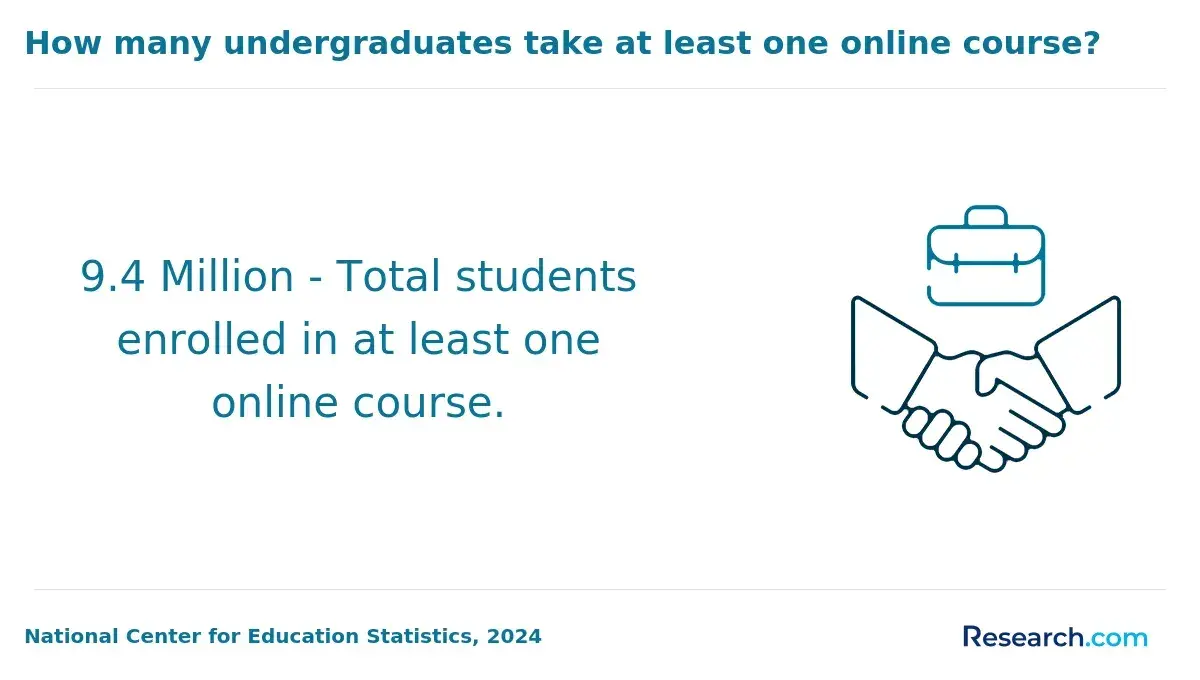
Which Game Development Degree Program Format Offers More Online or Hybrid Course Options?
Part-time game development degree programs generally provide more online and hybrid course options than full-time programs. This is largely due to their focus on accommodating working adults and students balancing multiple commitments.
Below is a summary of how each format typically handles course delivery based on factors like student demographics and institutional priorities.
- Part-time flexibility: These programs often prioritize asynchronous learning and remote collaboration tools, allowing students to attend classes during evenings or weekends. Online and hybrid formats are common to support students managing work and family responsibilities.
- Full-time immersion: Designed around a conventional campus experience, full-time programs emphasize in-person classes and hands-on labs that encourage real-time interaction and teamwork. While some hybrid options exist, on-campus attendance is usually expected regularly.
- Hybrid prevalence: Hybrid models are more frequently offered in part-time programs as a way to blend flexibility with some face-to-face engagement. Institutions tailor these to meet the needs of non-traditional students without compromising access to faculty and resources.
These distinctions reflect universities' efforts to align course formats with the differing priorities of part-time and full-time students, balancing flexibility with academic rigor.
Can Game Development Students Switch Between Part-Time and Full-Time Enrollment?
Most institutions do allow students to switch between part-time and full-time enrollment, though the specific procedures vary. Generally, students need to notify their registrar or academic advisor and often must meet deadlines within the semester. Approval usually depends on maintaining good academic standing.
Before making a change, students should weigh financial aid consequences, as full-time status often unlocks more benefits while part-time enrollment might reduce or eliminate aid. Additionally, the availability of courses can be affected, with some classes limited to certain enrollment statuses or semesters.
Students commonly need advisor approval to ensure the status change fits their educational plan and career goals. Academic standing is frequently reviewed before granting permission.
Altering enrollment status may extend graduation timelines, especially since part-time study tends to lengthen completion rates. According to education data, technical students like those in game development often take about 1.5 times longer to graduate when enrolled part-time instead of full-time.
When I spoke with a graduate who switched from part-time to full-time game development studies, he shared how daunting yet rewarding the transition was. Balancing work alongside part-time classes felt overwhelming, and shifting to full-time allowed greater focus and faster progress.
He recalled needing to carefully coordinate with advisors and manage financial aid adjustments. Despite initial anxiety about the heavier course load, moving full-time ultimately helped him feel more engaged and confident in completing his degree on schedule.
How Do Online, Hybrid, and Campus Game Development Program Delivery Formats Affect Part-time vs. full-time learning?
Delivery format significantly shapes the learning experience in game development programs, with flexibility levels varying greatly between part-time and full-time study. Students must carefully consider whether an online, hybrid, or on-campus approach best supports their scheduling and educational needs.
- Scheduling flexibility: Online game development learning offers unmatched flexibility, ideal for part-time students balancing work and study, allowing access to coursework anytime. Hybrid programs combine on-campus sessions with online work, appealing to those seeking a blend of structure and self-paced learning, while full-time campus learners enjoy fixed schedules but less flexibility.
- Workload management: Full-time students generally handle heavier workloads across all formats, progressing faster through the material. Part-time learners, especially in campus settings with rigid schedules, may face difficulty managing assignments alongside other responsibilities, aligning with data showing longer completion times for part-time tech students.
- Accessibility and resources: Campus programs provide direct access to facilities and mentorship, benefiting full-time students immersed in campus culture. Part-timers in on-campus programs may experience limited access during traditional hours. Online formats supply abundant digital resources and forums suited for diverse schedules, supporting working professionals in part-time study.
- Learning pace and depth: In hybrid and online game development programs flexibility allows part-time learners to control their pace, essential for mastering complex skills like coding and 3D design. Full-time campus students benefit from immersive environments and prompt feedback, often resulting in faster progress. This dynamic reflects findings that many online STEM students value recorded lectures for review.
- Student support and engagement: Full-time campus students gain from in-person collaboration, networking, and real-time instructor access, which enhances engagement. Part-time students rely more on digital support including virtual office hours and tutoring. Effective services are crucial to lower attrition rates, which are notably higher among part-time learners.
For those weighing options between online vs campus game development learning or exploring the benefits of hybrid game development programs flexibility, researching options thoroughly is vital.
Prospective students might also consider accredited online universities that don't charge to apply to ease entry barriers and find programs suited for part-time study.
Do Employers Prefer Full-Time Game Development Degrees Over Part-Time Degrees?
Employers generally do not have a strict preference for full-time game development degrees over part-time ones. Their views are more influenced by the quality of the candidate's skills, portfolio, and relevant professional experience than the study format itself. Full-time programs are often perceived as more rigorous due to their intensity and immersion, suggesting strong time management and dedication.
Conversely, part-time students demonstrate valuable abilities by balancing work, study, and personal commitments, a trait many employers seek in fast-paced game studios. Overall, employer preferences for full-time game development degrees often depend on demonstrated capability rather than enrollment type.
Industry trends reveal growing appreciation for diverse educational paths. The Entertainment Software Association reports that 62% of game developers hold degrees in computer science or related areas, without distinguishing between full- or part-time study, highlighting skills over the mode of education.
Part-time programs can offer simultaneous studio experience, enhancing career readiness and portfolios. For those weighing the career impact of part-time vs full-time game development degrees, practical experience and strong networks matter more than program format.
Additionally, considering the highest paying trade jobs can help students align their education with market demand and career goals.
Is a Part-Time or Full-Time Game Development Degree More Worth It for ROI?
Return on investment (ROI) plays a vital role when choosing between part-time and full-time game development degrees. It measures how tuition, materials, and living costs compare to the financial rewards graduates can expect, including salary growth and career advancement.
Evaluating ROI helps students understand which format better aligns with their financial and professional goals.
Full-time programs usually require a higher initial investment but shorten the time to completion, often between two and four years. This faster path reduces lost earnings from delayed workforce entry.
In contrast, part-time programs spread costs over a longer period, easing immediate financial burdens but potentially delaying salary increases and promotions.
- Total Costs: Full-time programs demand higher upfront tuition and expenses, while part-time enrollments allow manageable payments over time.
- Opportunity Cost: Full-time students forego income during study but enter the job market sooner; part-time students continue earning but study longer.
- Salary Potential: Full-time graduates often start with higher pay, as they can capitalize on early career momentum.
- Career Growth: Full-time students typically have better access to internships and networking, enhancing advancement chances.
- Long-Term ROI: Part-time study suits those needing steady income, but full-time programs generally yield higher lifetime earnings.
How Do You Decide Between a Part-Time and Full-Time Game Development Degree Program?
Choosing the right format for a game development degree is essential for aligning your academic progress with career ambitions and personal responsibilities. Whether opting for part-time or full-time study, evaluating several key factors will help ensure your success and satisfaction.
- Time Availability: Full-time programs demand a major time commitment, often requiring most of your day for classes and projects. Part-time options allow you to balance study with work or family but extend the overall duration.
- Financial Resources: Full-time students may face higher immediate costs but can complete the degree faster. Part-time study lets you earn income while learning, easing financial pressure over a longer period.
- Career Goals: If you aim to quickly enter the industry, full-time might accelerate your path. Professionals seeking to enhance skills without leaving a job typically prefer part-time formats.
- Learning Style: Immersive, hands-on learning suits full-time students who thrive in structured environments. Part-time learners need strong self-discipline and effective time management to succeed.
- Program Duration: Full-time degrees usually span two to four years, while part-time study can take double that time due to reduced course loads.
- Flexibility: Part-time programs offer scheduling freedom valuable for those juggling multiple priorities, whereas full-time study provides a focused, intensive experience.
What Graduates Say About Their Part-Time vs. Full-Time Game Development Degree
- Jason: "Taking the full-time game development degree was intense but incredibly rewarding. The immersive learning environment helped me quickly develop a strong skill set, and despite the higher cost-close to $30,000-I view it as an investment that propelled my career into the gaming industry. Thanks to this program, I landed a role at a top studio within months of graduation. "
- Camilo: "Balancing my part-time game development studies with a full-time job was challenging, but it offered the flexibility I needed. The program, costing around $15,000, allowed me to steadily build my portfolio without financial strain. Reflecting on the journey, the gradual learning pace helped deepen my understanding and ultimately advanced my freelancing career. "
- Alexander: "Enrolling full-time in a game development degree was a strategic career move for me. The cost was significant-around $28,000-but gaining hands-on experience and mentorship was invaluable. Professionally, it opened doors I hadn't expected and boosted my confidence in tackling complex projects. I recommend it for anyone serious about making an impact in game design. "
Other Things You Should Know About Game Development Degrees
In 2027, full-time programs offer more immediate immersion into game development, accelerating entry into industry roles. Part-time programs provide flexibility for those balancing work or personal commitments, potentially extending the timeline for entering the workforce. The choice impacts how quickly students build a professional portfolio but ultimately does not limit career opportunities in game development.
Part-time game development programs typically require 12-18 credit hours per semester, while full-time programs demand 24-30 credit hours. These requirements ensure students meet the graduation criteria within the stipulated timeframe for each mode of study in 2027.
References
- Perks and Pitfalls of Part-time Game Development https://www.gamedeveloper.com/business/perks-and-pitfalls-of-part-time-game-development
- Hobby vs Career: The Unseen Challenges of Becoming a Full-Time Game Developer https://dev.to/ociel_gonzalez/hobby-vs-career-the-unseen-challenges-of-becoming-a-full-time-game-developer-10ll
- Bachelor of Software Engineering - Game Programming | Media Design School at Strayer https://www.mediadesignschool.com/courses/undergraduate-studies/bachelor-software-engineering-game-programming
- Games Design and Development at Ulster University. BSc (Hons) Full-time, - 2026/27 entry year. https://www.ulster.ac.uk/courses/202627/games-design-and-development-41435
- Gamedev & Career Choice? https://forum.gamemaker.io/index.php
- Game Development Degrees and Alternatives in 2025 https://www.coursera.org/articles/game-development-degree
- Games Development, BSc Hons https://www.gre.ac.uk/undergraduate-courses/engsci/games-development-bsc-hons
- BSc (Hons) in Computing in Games Development | DkIT https://www.dkit.ie/courses/bsc-hons-in-computing-in-games-development
- Leeds Trinity University http://www.leedstrinity.ac.uk/courses/undergraduate/computer-science-with-games-development/
- Freelance vs. Full-time Game Developers: Which is Right for Your Project? | peopleHum https://www.peoplehum.com/blog/freelance-vs-full-time-game-developers


