
2027 What Can You Do with a Supply Chain Management Master's Degree? Careers, Salaries & Growth

Co-Founder and Chief Data Scientist
Supply chain disruptions have increased by over 30% in the past five years, highlighting a critical need for skilled professionals to optimize complex networks. Graduates with a master's degree in supply chain management are in high demand, with employment projected to grow 20% through 2031, much faster than the average for all occupations. Annual salaries for master's holders typically range from $75,000 to $120,000, reflecting the advanced expertise required.
This article outlines program structures, admission criteria, career paths, salary trends, and growth opportunities, helping readers weigh the value of earning a supply chain management master's degree and make an informed decision about their education and career investment.
Key Things to Know About What You Can Do with a Supply Chain Management Master's Degree
- Master's programs often require a bachelor's degree and cover topics like logistics, procurement, and analytics, offering both online and on-campus options for flexibility and cost considerations.
- Graduates can expect a median salary of $80,000-$100,000, with roles ranging from supply chain analysts to operations managers across various industries.
- Long-term growth in supply chain management is robust, with projected industry employment growth of 5-7%, enhancing career advancement and earning potential over time.
What Are the Admission Requirements for a Supply Chain Management Master's Program?
Preparing the necessary prerequisites is crucial for a smooth admission to a supply chain management master's program. Meeting entry requirements for graduate supply chain management degrees helps applicants present a competitive application. Employment in supply chain management is projected to grow 22% from 2020 to 2030, reflecting increasing demand for skilled professionals. Below are key admission criteria commonly expected:
- Bachelor's Degree: A relevant undergraduate degree is typically required, often in business, engineering, logistics, or economics. Foundational coursework in statistics, operations management, and accounting is usually recommended.
- GPA Thresholds: Most programs prefer a minimum GPA of around 3.0 on a 4.0 scale. However, some schools may consider professional experience if academic records fall slightly below this benchmark.
- Standardized Tests: GRE or GMAT scores are often requested but are increasingly optional, especially as many institutions have adopted test waivers post-pandemic. Competitive scores can strengthen applications, particularly at top-tier schools.
- Supplementary Materials: Applicants generally submit two to three letters of recommendation from academic or professional references, a personal statement outlining motivation and career goals, and sometimes writing samples or resumes detailing professional experience.
- Field-Specific Prerequisites: Some programs may require knowledge of supply chain software or analytics, especially for logistics-focused tracks, while global supply chain roles may favor applicants with international experience.
Prospective students exploring bcba programs online may also find insights useful when researching how to prepare for graduate-level admissions in other specialized fields.
What Is the Minimum GPA Requirement for a Supply Chain Management Master's Program?
Meeting minimum GPA requirements is a key consideration for applicants seeking admission to supply chain management master's programs. Understanding typical academic standards for supply chain management graduate admission can help prospective students assess their eligibility and prepare stronger applications. Employment in this field is projected to grow 17% from 2020 to 2030, reflecting rising demand and salary potential. Below are important points about minimum GPA expectations and related admissions factors.
- Typical GPA Range: Most programs set a minimum GPA requirement between 2.75 and 3.0 on a 4.0 scale, though this varies by institution and program selectivity.
- Program Variability: Public universities often have slightly lower GPA thresholds compared to prestigious private schools; concentrations within the degree can also influence academic standards.
- Holistic Admissions: Many supply chain management programs now evaluate candidates beyond GPA, considering work experience, standardized test scores, and strong personal statements.
- Professional Experience Impact: Relevant supply chain or management experience can compensate for GPAs below minimum cutoffs, strengthening application competitiveness.
- Labor Market Outlook: Given the expected job growth, maintaining academic standards is only part of successfully entering this expanding career field.
For those exploring options, learning about what's the easiest masters degree to get can provide additional context on graduate programs that balance academic rigor with accessibility.
How Much Does a Supply Chain Management Master's Degree Cost and How Can You Finance It?
Setting a clear financial plan before beginning a supply chain management master's helps students manage costs and funding effectively. The expenses and methods to cover them vary widely depending on program type and location. Consider key factors and practical approaches below to prepare your budget.
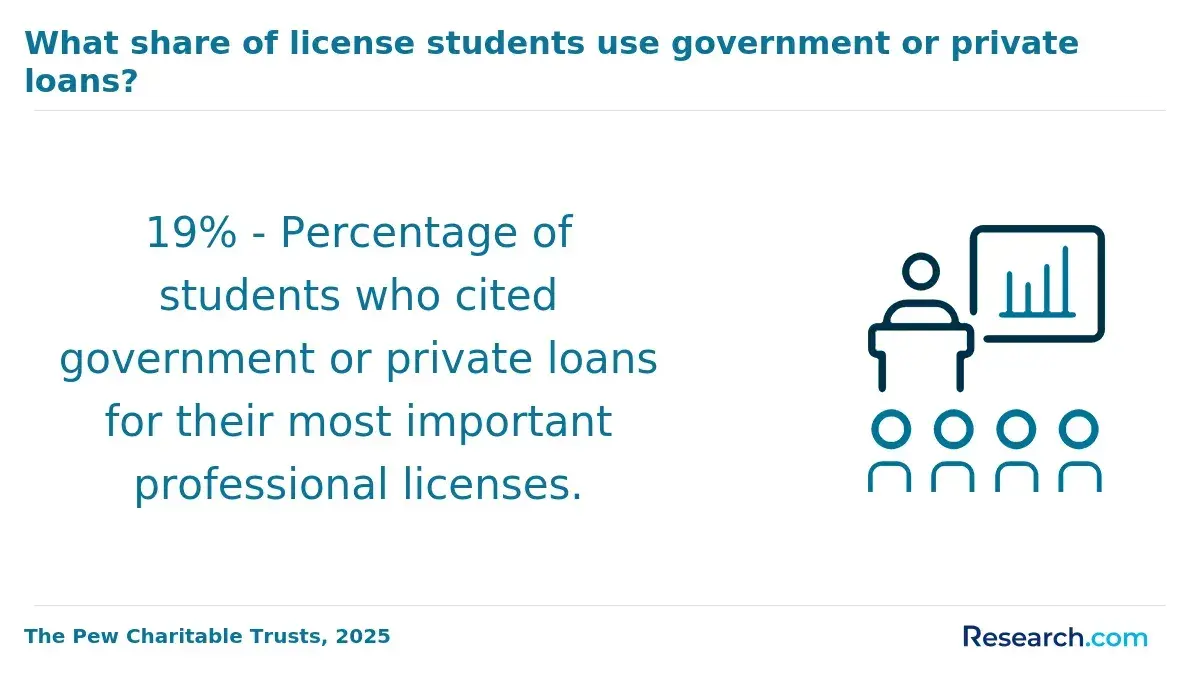
- Cost Breakdown: Tuition fees differ significantly-public universities usually range from $10,000 to $30,000 annually, private schools may charge upwards of $50,000, and online programs often provide more affordable and flexible options. Additional costs include fees, housing, and lost income while studying.
- Funding Sources: Scholarships, fellowships, graduate assistantships, employer tuition reimbursement plans, and federal student loans are the main avenues to finance your degree. Many programs also assess financial need as part of holistic admissions to allocate funding.
- Debt Reduction Tactics: Applying for department-specific awards, selecting in-state public institutions, and securing teaching or research assistant roles can substantially lower educational expenses. Employer-sponsored tuition benefits are particularly helpful for working professionals.
- Evaluating ROI: Comparing the total investment against potential salary increases in your chosen subfield allows you to assess if the degree is a sound financial decision. Calculating return on investment helps align program costs with long-term career gains.
When I spoke with a graduate of a supply chain management master's program, they described juggling rigorous coursework with part-time work and carefully applying for several competitive fellowships. They emphasized the challenge of balancing living expenses and tuition without accumulating overwhelming debt. Yet, they found negotiating an assistantship crucial-it not only offset costs but also provided valuable experience that boosted their confidence and employability. The graduate reflected that while the financial investment was substantial, the degree opened doors to advanced roles and better compensation that made the effort worthwhile.
How Long Does It Take to Earn a Supply Chain Management Master's Degree?
When evaluating the time to complete a supply chain management master's program, understanding the various factors influencing duration is essential for making an informed choice. The typical length varies widely based on enrollment status, course format, and additional academic or practical requirements. Below is a summary of key considerations that shape a prospective student's timeline.
- Full-Time Enrollment: Most full-time supply chain management master's degree programs take about 1.5 to 2 years to complete. This assumes a steady course load without interruptions, typical of traditional on-campus programs.
- Part-Time and Online Programs: For those balancing work or other responsibilities, part-time or online options usually extend time-to-completion to 3 to 4 years. These flexible formats allow for fewer credits each term, adapting to varied schedules and often appealing to career professionals.
- Accelerated Programs: Some institutions offer accelerated master's pathways that reduce duration to as little as one year. These require heavier course loads and may include summer terms or year-round study.
- Combined Bachelor's/Master's Pathways: Integrated degree plans enable students to earn both bachelor's and master's degrees more quickly, typically trimming about a year off the usual timeline.
- Transfer Credits: Students bringing in qualifying graduate coursework from previous studies may shorten their supply chain management master's duration by one or more semesters, subject to university policies.
- Thesis vs. Non-Thesis Tracks: Thesis tracks often take longer due to research and writing demands, while non-thesis options may replace this with extra courses or projects, potentially shortening overall time.
- Internship or Practicum Requirements: Programs incorporating internships or practicum experiences might lengthen completion times but provide crucial hands-on skills and industry connections.
The time to complete a supply chain management master's program is a critical factor, especially for working adults considering online or part-time study. For evaluation of program affordability and accreditation, prospective students may also find it helpful to explore cacrep accredited options as a model of quality assurance.
What Career Paths Are Available with a Supply Chain Management Master's Degree?
This section provides prospective students with insight into the diverse career options a supply chain management master's degree can unlock. Graduates often enter roles directly tied to supply chains but also find opportunities in related fields requiring similar expertise. The degree supports both individual contributor functions and advancement into leadership positions.
Below are key career trajectories graduates typically pursue:
- Core Supply Chain Roles: Positions such as supply chain analyst, logistics manager, procurement specialist, and operations manager focus on enhancing efficiency, coordinating supplier and distributor networks, and optimizing the end-to-end flow of goods.
- Management and Leadership: With experience, many assume supervisory or departmental head roles. Executive opportunities like chief supply chain officer or operations director emerge for professionals who demonstrate strategic insight and organizational leadership.
- Industry Variety: Graduates find roles in sectors including manufacturing, retail, and technology, as well as government agencies and nonprofits that need expertise in procurement and crisis logistics.
- Extended Career Paths: Some leverage their degree for careers in academia, consulting, or research, applying supply chain theories to teaching, advising, or developing innovative solutions.
A graduate I spoke with described how the degree smoothed the transition into her role as a demand planner. She highlighted how mastering analytical tools during the program clarified complex forecasting challenges. "Without the structured curriculum and practical projects," she said, "it would have been overwhelming to grasp the multiple variables influencing supply chains. The degree gave me confidence and credibility early in my career." This preparation allowed her to rapidly adapt and progress, underscoring the degree's practical value beyond just theory.
What Is the Average Salary for Supply Chain Management Master's Degree Holders?
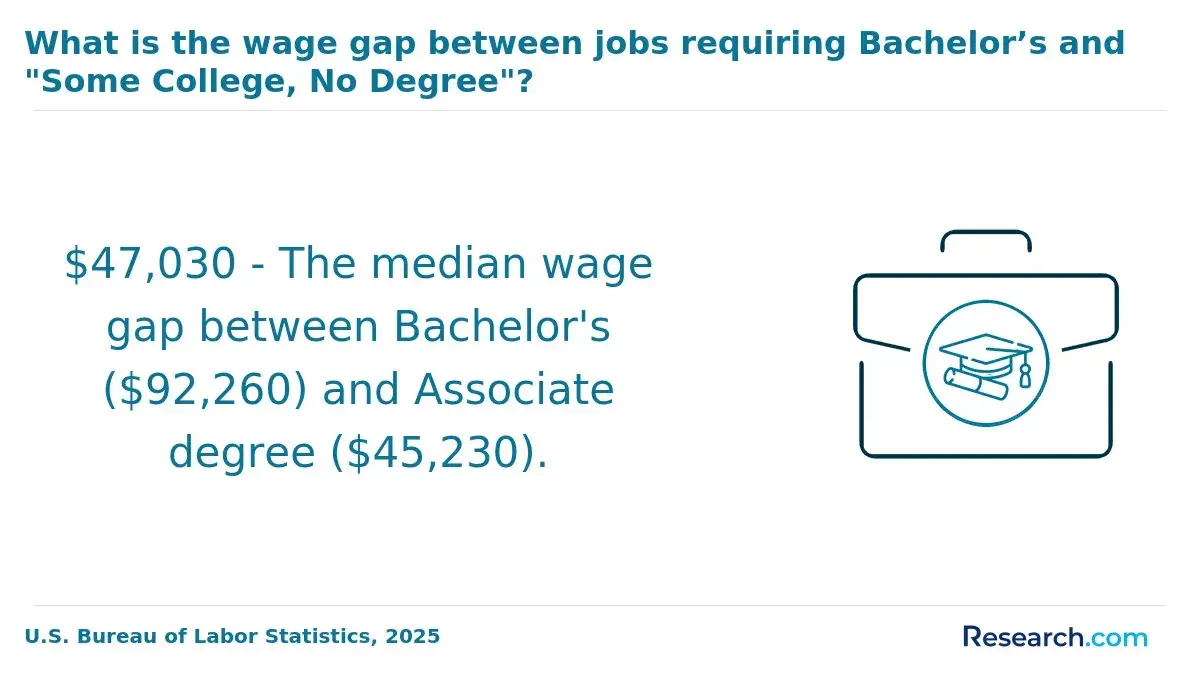
Professionals holding a master's degree in supply chain management generally experience higher earning potential compared to those with only a bachelor's degree, influenced by factors such as career stage, location, employer type, and industry. Below are key insights outlining typical salary ranges and compensation elements for graduates in this field:
- Entry-Level Salaries: Individuals beginning their careers often earn between $65,000 and $85,000 annually. This reflects specialized knowledge in logistics, operations, and procurement, granting them a competitive advantage in the job market.
- Mid-Career Growth: At this phase, salaries typically increase to a $85,000 to $120,000 range, driven by expanded roles in leadership, analytics, and risk management within supply chains.
- Senior-Level Compensation: Experienced managers and directors may command $120,000 to $180,000 or more, especially in sectors like manufacturing, technology, and pharmaceuticals where optimal supply chains significantly impact profits.
- Geographic Influence: Salaries tend to be higher in major metropolitan areas such as New York, Chicago, and San Francisco due to higher living costs and competitive markets offering more lucrative opportunities.
- Employer and Industry Differences: Private companies generally provide greater base pay and bonuses compared to public organizations. Industries like technology, healthcare, and automotive frequently offer superior compensation relative to retail or transportation sectors.
- Additional Compensation: Beyond base salary, many roles include bonuses, profit sharing, stock options, and comprehensive benefits, all of which can substantially boost overall earnings for supply chain professionals.
What Professional Certifications Complement a Supply Chain Management Master's Degree?
Several professional certifications greatly complement a supply chain management master's degree, boosting career prospects and salary potential. These credentials are often sought by employers for various roles across industries, making them valuable for recent graduates and career changers alike. For those pursuing top supply chain management certifications to boost career outcomes, here is an overview of the most recognized options, including eligibility, exam structure, and ongoing renewal requirements. Strategic timing in obtaining these certifications-whether before, during, or after a master's program-can also maximize their impact on employment opportunities and long-term growth.
- Certified Supply Chain Professional (CSCP): Offered by APICS, now part of the Association for Supply Chain Management (ASCM), this widely recognized credential requires candidates to have three years of related experience or a bachelor's degree. The exam consists of multiple-choice questions on supply chain design, planning, and execution. Renewal mandates 75 hours of professional development every five years. This certification is highly valued for roles such as supply chain analyst and operations manager, especially in companies emphasizing end-to-end supply chain expertise.
- Certified Professional in Supply Management (CPSM): Provided by the Institute for Supply Management (ISM), CPSM certification requires at least three years of full-time professional supply management experience. The exam is split into three parts covering purchasing, supply strategy, and leadership skills. Recertification involves completing 60 hours of continuing education every three years. It is particularly favored for procurement specialists and sourcing managers in manufacturing and service sectors.
- Project Management Professional (PMP): The Project Management Institute (PMI) offers PMP credentials, ideal for supply chain roles demanding strong project coordination. Candidates need 3,000 hours of project leadership experience plus 35 hours of project management education. The exam covers the full project lifecycle. Renewal needs 60 professional development units every three years, reinforcing ongoing expertise in project management within supply chain contexts.
Strategically, pursuing these certifications alongside or soon after completing a supply chain management master's degree can reinforce theoretical knowledge with practical skills. Early certification often enhances internship and entry-level opportunities but requires balancing study and preparation effectively. Additionally, professionals considering further advancement may explore pathways like a phd in organizational leadership to deepen their leadership and strategic capabilities in supply chain contexts.
What Are the Top Industries Hiring Supply Chain Management Master's Degree Graduates?
For those pursuing a supply chain management graduate degree, understanding which industries have the greatest demand helps focus career planning. Graduates often find opportunities in sectors experiencing strong growth and requiring specific skill sets. Below is an overview of key industries hiring these professionals, along with emerging areas where expertise is increasingly valued.
- Manufacturing Sector: This remains the largest employer, with roles like procurement manager, logistics coordinator, and operations analyst. Large multinational firms dominate, valuing knowledge in lean manufacturing, ERP software, and Six Sigma certifications.
- Retail and E-commerce: Fast-growing fields needing experts in inventory management, distribution strategies, and supplier relationships. Success here depends on skills in demand forecasting, data analytics, and integrating warehouse automation technologies.
- Healthcare and Pharmaceuticals: Expansion in this industry drives demand for supply chain analysts, compliance specialists, and logistics managers. Familiarity with healthcare regulations and certifications such as APICS CPIM enhances employability.
- Emerging Industries: Renewable energy and tech manufacturing sectors seek professionals skilled in sustainable sourcing and circular supply chains, responding to new regulations and sustainability goals.
- Career Development Tactics: Internships tailored to target industries, networking with professionals, and selecting coursework focused on relevant analytics, regulatory knowledge, and sustainable practices help align education with career goals.
According to the U.S. Bureau of Labor Statistics, employment for logisticians, a large subset of supply chain roles, is projected to grow 11% from 2022 to 2032. This above-average growth illustrates expanding opportunities for those with advanced supply chain management expertise.
What Are the Highest-Paying Jobs for Supply Chain Management Master's Degree Holders?
For those pursuing a master's degree in supply chain management, targeting well-compensated roles is crucial for maximizing career growth and return on investment. These positions demand leadership, analytical expertise, and specialized industry knowledge, often rewarding professionals generously. Below are some of the highest-paying job titles for graduates, outlining their responsibilities, salary expectations, and necessary qualifications.
- Supply Chain Director: Earning median wages above $130,000 yearly, these leaders manage complete supply chain processes, develop strategy, and coordinate across departments. Extensive experience in areas like procurement, logistics, and production is essential, commonly found in sectors such as manufacturing, retail, and technology.
- Procurement Manager: With average pay near $110,000, procurement managers oversee supplier relationships, negotiate contracts, and focus on reducing costs. They must possess strong negotiation capabilities and global sourcing knowledge, often working within industrial and consumer goods markets.
- Logistics Manager: Professionals in this role typically earn between $95,000 and $105,000, managing transportation, warehousing, and distribution functions. Their work ensures operations run efficiently and comply with regulations, especially in freight, retail, and e-commerce industries.
- Operations Research Analyst: These specialists command roughly $90,000 and use data analytics to improve supply chain performance. Advanced degrees or relevant certifications and proficiency with analytic software tools are frequently required.
- Supply Chain Consultant: Consultants generally earn between $85,000 and $120,000 by advising companies on workflow enhancements and technology integration. Certifications such as CSCP or CPSM and experience with ERP systems enhance earning potential.
Holding additional credentials like APICS/ASCM certifications, PMP licensure, or a PhD can further elevate salary levels. Geographic location and industry also influence compensation, with metropolitan areas and high-demand sectors like pharmaceuticals or technology offering premium salaries.
What Is the Job Outlook and Employment Growth for Supply Chain Management Professionals?
The job outlook for supply chain management professionals in the USA is strong, with the U.S. Bureau of Labor Statistics projecting employment growth for supply chain management careers to be about 22% from 2022 to 2032. This rate is significantly faster than the average for all occupations, reflecting expanding demand in sectors like manufacturing, retail, and transportation.
Globalization and Expanded Supply Networks: Increasing globalization connects markets worldwide, broadening the complexity and scale of supply chains and driving demand for skilled managers to oversee these large systems.
Technological Advancements: Automation, data analytics, and artificial intelligence improve operational efficiency but also require professionals who can manage sophisticated tools and make strategic decisions.
Demographic and Consumer Trends: Shifts in consumer preferences and aging populations prompt companies to adapt supply strategies, increasing the need for innovative and flexible supply chain expertise.
Automation's Dual Impact: While automation may reduce some routine positions, it simultaneously raises demand for higher-level roles focused on strategy, risk management, and sustainability.
Regulatory and Policy Changes: New trade policies and environmental standards require supply chain professionals who can ensure compliance and navigate evolving legal frameworks.
Overall, a master's degree in supply chain management prepares graduates to meet these complex and evolving challenges. Candidates should also consider the financial investment carefully, comparing options such as on-campus programs or more affordable alternatives like the cheapest online phd in criminal justice for related fields.
What Skills and Competencies Does a Supply Chain Management Master's Program Develop?
Prospective students pursuing a master's in Supply Chain Management develop a combination of technical and interpersonal skills crucial for success in various industries. These competencies equip graduates to adapt to diverse roles and challenges, enhancing their professional flexibility.
- Technical Proficiency: Coursework builds expertise in tools such as enterprise resource planning (ERP) software, data analytics platforms, and demand forecasting models, enabling precise management of logistics and procurement processes.
- Research and Analytical Skills: Students master quantitative analysis and research methodologies that support data-driven decision-making, optimizing supply chain efficiency and strategy development.
- Leadership and Communication: Emphasis on leadership fosters the ability to manage teams and communicate effectively with stakeholders, critical for negotiating supplier agreements and coordinating complex operations.
- Critical Thinking and Problem-Solving: Programs cultivate the capacity to evaluate challenges thoughtfully and implement innovative solutions, a key asset in dynamic supply chain environments.
- Experiential Learning: Internships, simulations, case studies, and collaborative projects provide practical experience that bridges theory with real-world applications, reinforcing classroom knowledge.
- Employer Priorities: Industry recruiters consistently highlight analytical acumen, adaptability, and teamwork as essential attributes when assessing candidates, underscoring the importance of these skills in career advancement.
What Graduates Say About Their Supply Chain Management Master's Degree
- Timothy: "Applying for admission to the supply chain management master's program felt daunting at first, but focusing on official academic catalogs helped me understand the exact prerequisites and course expectations. Sorting through the variety of accredited institutions was a challenge, yet it was rewarding to find a program that matched my career goals and offered flexibility. This process truly sharpened my organizational skills and prepared me for the dynamic nature of the field."
- Emilio: "My journey to earning a supply chain management degree started with navigating the landscape of federally recognized accrediting agencies, which ensured I pursued a legitimate and respected program. Using federal education resources alongside institutional catalogs gave me clarity on degree requirements and course sequences. Looking back, this thorough research phase was essential in building confidence throughout my studies and beyond."
- Xavier: "Choosing a supply chain management master's program meant relying heavily on official academic catalogs and investigating which institutions held recognized accreditation. This approach was practical and helped me avoid unnecessary roadblocks later on. The admissions process itself was straightforward once I had clarity on degree requirements and had narrowed down programs aligned with my professional aspirations."
Other Things You Should Know About Supply Chain Management Degrees
In 2027, a master's degree in Supply Chain Management can significantly boost earning potential. Entry-level salaries typically start around $70,000, with experienced professionals earning over $120,000. Continued industry growth suggests salaries may increase over time, as demand for skilled supply chain managers rises.
Choosing between online and on-campus programs depends on your learning style, schedule, and career goals. Online programs offer flexibility for working professionals and international students, while on-campus programs may provide more networking and hands-on opportunities. Both formats typically deliver comparable curricula and career outcomes when accredited properly.
In 2027, prospective students can evaluate top programs by researching rankings published by industry analysts like Gartner or QS World University Rankings. Detailed curriculum reviews, faculty credentials, and alumni success stories can provide additional insights into program quality.
A master's degree in supply chain management is worth it for those aiming to advance into leadership roles or specialized fields like procurement, logistics, or operations strategy. The degree provides advanced skills that are highly valued in many industries, supporting career growth and higher earning potential. However, individual circumstances such as cost, time commitment, and career goals should be carefully evaluated.
References
- Admission requirements https://www.buas.nl/en/programmes/master-supply-chain-management/admission-requirements
- 19 supply chain certifications for you and your company https://fsc.org/en/blog/supply-chain-certification
- The Supply Chain Management Certifications Needed for Your Career | Prologis https://www.prologis.com/insights-news/blog/certifications-needed-your-career-supply-chain-management
- Best Supply Chain Courses & Certifications In 2025 https://abcsupplychain.com/supply-chain-course-certification/
- 2026 Supply Chain Job Market: What Job Seekers Need to Know https://www.scoperecruiting.com/blog/supply-chain-job-market-2026-job-seekers
- Supply Chain Management Salary and Career Outlook https://teach.com/online-ed/business-degrees/online-masters-supply-chain-management/salary-and-career-outlook/
- Supply Chain Management Careers: Salaries, Growth & Opportunities | UAGC https://www.uagc.edu/blog/supply-chain-management-careers-salaries-growth-opportunities
- Supply Chain Management Master's Degree | Elmhurst University https://www.elmhurst.edu/academics/departments/business/programs/ms-supply-chain-management/
- Master in Logistics and Supply Chain Management https://www.uni.lu/fdef-en/study-programs/master-in-logistics-and-supply-chain-management/
- What job to do after a Master in Supply Chain Management? - ESCE https://www.esce.fr/en/faq-all-the-answers-to-your-questions/what-job-to-do-after-a-master-in-supply-chain-management/


