2027 What Can You Do with a Theology Master's Degree? Careers, Salaries & Growth

Co-Founder and Chief Data Scientist
Many prospective students wonder if pursuing a theology master's degree leads to viable career paths and competitive salaries. Data from the U. S. Bureau of Labor Statistics shows that employment in religious institutions is expected to grow 6% through 2032, aligning with the average for all occupations. However, not all graduates secure traditional clergy roles; many diversify into education, counseling, and non-profit leadership.
This article offers a comprehensive analysis of theology master's degree programs, career prospects, salary ranges, and industry growth trends. Readers will gain clarity on program formats, costs, and certifications, aiding informed decisions about this academic investment.
Key Things to Know About What You Can Do with a Theology Master's Degree
- Theology master's programs typically require a bachelor's degree and cover religious studies, ethics, and ministry through flexible online or on-campus formats, allowing comparison by cost, reputation, and schedule.
- Graduates often pursue roles in education, nonprofit leadership, or pastoral work, with median salaries ranging from $50,000 to $70,000 depending on location and experience.
- Long-term growth in theology-related careers is steady, with professional certifications enhancing earning potential and advancement prospects in diverse faith-based and academic settings.
What Are the Admission Requirements for a Theology Master's Program?
Preparing the necessary prerequisites is essential for a smooth admission to a theology master's program. These requirements ensure that applicants are academically and experientially equipped to succeed. Knowing the common elements requested can help you navigate how to apply for a theology master's degree more confidently. Here are key admission factors to consider:
- Relevant Undergraduate Degree: Most programs require a bachelor's degree, typically in theology, religious studies, or a closely related field. Some schools accept applicants from other disciplines if they show strong interest and relevant experience in theology.
- GPA Thresholds: A minimum undergraduate GPA, usually around 3.0 on a 4.0 scale, is commonly required to demonstrate academic preparedness for graduate-level study.
- Work Experience: Experience in ministry, religious organizations, or related fields can strengthen an application but is not universally mandatory. It shows practical engagement with theological concepts.
- Standardized Tests: Requirements such as the GRE or GMAT are increasingly optional but may still be required by some competitive or research-focused institutions. Applicants should verify these details for each program.
- Letters of Recommendation: Typically, two or three letters are needed from academic or professional references who can attest to the candidate's qualifications and potential for graduate study.
- Personal Statement and Writing Samples: A personal statement outlining goals and motivations is standard. Some schools also request writing samples to assess analytical and theological reasoning skills.
- Field-Specific Prerequisites: Students from non-theological backgrounds may need to complete foundational courses or meet additional prerequisites depending on the program.
According to the U.S. Bureau of Labor Statistics, employment for clergy and religious workers is expected to grow about 8% from 2022 to 2032, reflecting growing demand for advanced theology education in ministry and academic roles. For those exploring flexible options, consider reviewing the 1 year online masters programs, which may offer streamlined pathways to obtaining a theology master's degree.
What Is the Minimum GPA Requirement for a Theology Master's Program?
Meeting the minimum GPA requirement is a crucial factor for admission into theology master's programs, which typically expect a GPA between 2.75 and 3.0 on a 4.0 scale. However, these academic standards for theology graduate admission can vary depending on the program's prestige, institution type, and the theological concentration chosen. As the demand for clergy and religious workers grows steadily, understanding these admissions nuances helps applicants better prepare their applications. Below are key considerations regarding typical GPA expectations and admission flexibility.
- Typical GPA Range: Most programs require a minimum GPA ranging from 2.75 to 3.0, reflecting general academic standards for theology graduate admission.
- Program Variability: GPA requirements fluctuate based on whether the institution is public or private, and on the specific theological focus.
- Holistic Admissions: Many schools assess applicants using a holistic review process where GPA is one component among professional experience, test scores, and personal statements.
- Alternatives for Low GPA: Applicants with GPAs below the minimum may enhance their application by emphasizing strong professional experience, compelling personal statements, or high standardized test scores.
- Career Outlook: According to the U.S. Bureau of Labor Statistics, employment for clergy and religious workers is projected to grow 5% from 2021 to 2031, encouraging diverse applicants to consider theological education pathways.
For those exploring options to strengthen their qualifications or seeking additional credentials, pursuing certificates online can complement a theology master's degree and improve career prospects.
How Much Does a Theology Master's Degree Cost and How Can You Finance It?
Careful financial planning can make pursuing a master's degree in theology more manageable, helping students prepare for costs and evaluate funding options before enrollment. Below are key points to consider when estimating expenses and securing financial support.
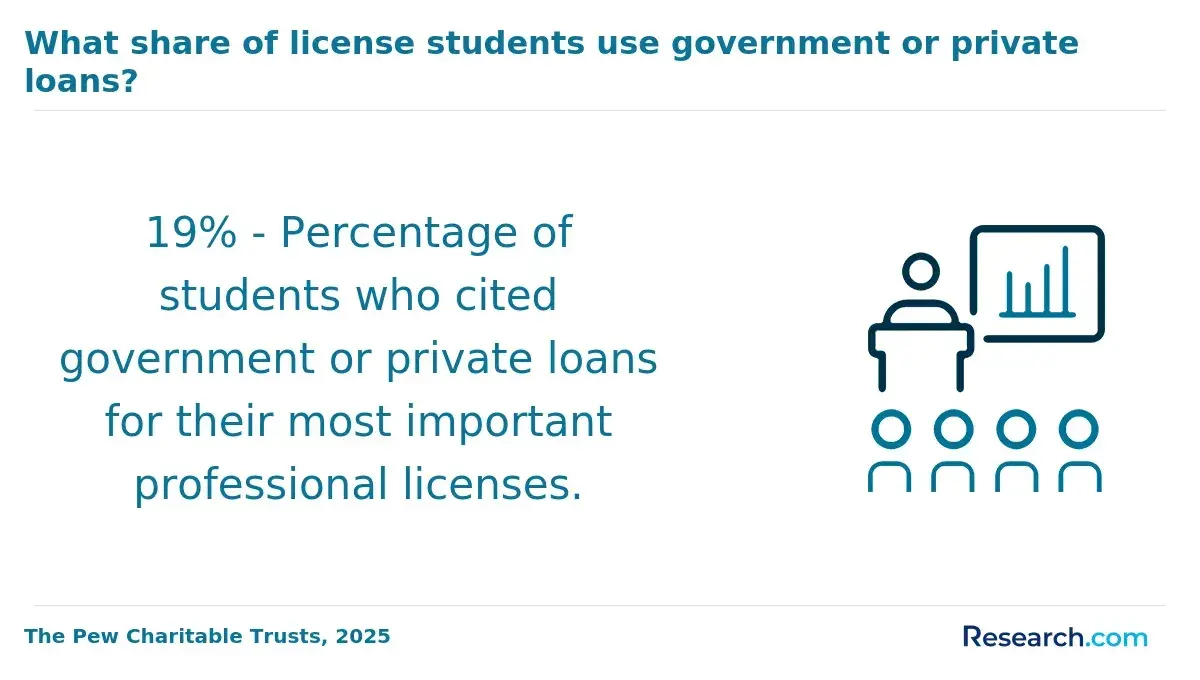
- Total Cost Breakdown: Tuition varies significantly, with public universities charging from $10,000 to $25,000 annually for in-state students, while private universities often exceed $40,000. Additional costs include fees, housing, and the potential loss of income during full-time study.
- Funding Mechanisms: Scholarships and fellowships geared toward theology students can reduce costs, while graduate assistantships frequently offer tuition waivers and stipends. Employer tuition reimbursement programs and federal student loans are other common sources of aid.
- Debt Minimization Strategies: Selecting an in-state public institution or enrolling in accredited online programs helps lower expenses. Applying actively for departmental awards and pursuing teaching or research assistantships can also secure tuition reductions.
- Calculating ROI: Weigh the total program cost against expected salaries in your theology subfield and location. Consider job placement rates and industry growth forecasts to assess whether the financial investment aligns with your career goals.
A graduate I spoke with explained that managing expenses while completing the degree required constant effort and creativity. "I balanced part-time ministry work with grad assistant roles to cover tuition and living costs," they shared. Applying for multiple scholarships was time-consuming but crucial, and online courses gave flexibility amid a busy schedule. Despite the challenges, they viewed the financial sacrifices as worthwhile because the degree opened doors to leadership roles and enhanced earning potential in their field.
How Long Does It Take to Earn a Theology Master's Degree?
Prospective students weighing the average duration of a theology master's degree in the United States often need clarity on how different factors influence completion time. Knowing these timelines is crucial when planning both academic and career paths. Below are key considerations impacting how long it takes to complete this advanced degree.
- Full-Time Enrollment: Typically, full-time students complete a theology master's degree in about 1.5 to 2 years by maintaining a full course load each semester without extended breaks.
- Part-Time and Online Programs: Students who choose part-time or online study paths usually extend their program duration to 3-4 years. These options suit working professionals or those balancing other commitments and allow more flexible scheduling.
- Accelerated and Combined Pathways: Some institutions offer accelerated master's programs or combined bachelor's/master's tracks. These routes permit earlier completion by integrating undergraduate and graduate coursework or increasing credit loads.
- Transfer Credits: Bringing transfer credits from previous graduate work or related studies can shorten program length, depending on how institutions evaluate and accept these credits.
- Thesis vs. Non-Thesis Tracks: Selecting a thesis track generally adds time due to research and writing demands. In contrast, non-thesis tracks usually require extra coursework or practicums, which affect timelines differently.
- Internships and Practicums: Programs with mandatory practical experiences might add several months to the completion period, depending on placement length and scheduling constraints.
Students interested in foundational undergraduate preparation may also consider the cheapest online bachelors degree options available to set a cost-effective path toward graduate study in theology.
What Career Paths Are Available with a Theology Master's Degree?
This overview offers prospective students a clear view of career possibilities after earning a master's degree in theology, outlining both traditional ministry roles and opportunities in related fields. The skills developed often translate to diverse professional environments, enabling a broad spectrum of job prospects.
- Faith-Based Leadership: Graduates frequently assume roles such as pastors, chaplains, or religious educators, focusing on spiritual guidance, counseling, and teaching within religious communities. Demand for clergy roles is steady, with growth projections around 2% over the next decade.
- Nonprofit and Advocacy Work: Theology degrees equip graduates to contribute in program management, advocacy, and community outreach, where ethical insight and cultural awareness are valuable. Nonprofits actively recruit individuals who can navigate complex social and moral issues.
- Government and Policy Roles: Positions in public administration, especially as policy advisors on ethics or intercultural affairs, are accessible to graduates, reflecting government interest in faith-informed perspectives.
- Academic Careers: Opportunities exist in research, lecturing, and administration within educational institutions, with potential for advancement into managerial or executive roles over time.
- Private Sector Opportunities: Some graduates find niche roles in corporate social responsibility, diversity and inclusion initiatives, or ethical compliance, applying theological skills beyond traditional settings.
- Career Progression: While many start in individual contributor or mid-level managerial roles, experience often leads to executive leadership, particularly in religious or nonprofit organizations.
When asked about challenges, a graduate shared how their theology master's degree simplified transitioning into ministry and nonprofit sectors, emphasizing that the program provided not only academic knowledge but also practical skills like communication and ethical reasoning. "It wasn't just theory," they recalled, "the coursework helped me develop confidence in leading community initiatives and navigating complex ethical dilemmas." This foundation made entering varied roles less daunting and opened doors that aligned closely with their personal values and career goals.
What Is the Average Salary for Theology Master's Degree Holders?
Professionals holding a theology master's degree typically experience a broad salary spectrum influenced by experience, location, employer type, and sector. Data from the U.S. Bureau of Labor Statistics and industry research highlight how salaries evolve throughout career stages and vary across settings. Key points about earnings and compensation include the following:
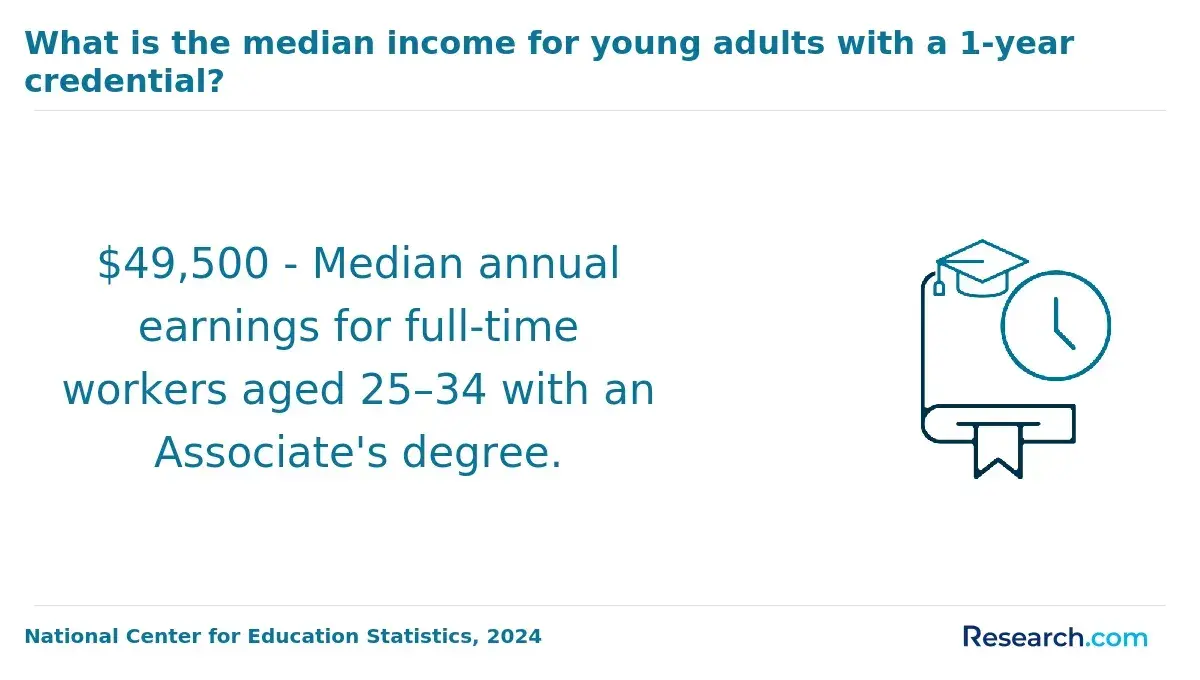
- Entry-Level Salaries: Graduates starting their careers in roles such as parish leadership, chaplaincy, or religious education generally earn between $40,000 and $55,000 annually, with variation based on geographic region and employer.
- Mid-Career Earnings: After five to ten years, salary ranges typically increase to between $55,000 and $75,000, reflecting greater responsibilities like management or specialized counseling within religious or nonprofit organizations.
- Senior-Level Compensation: Leaders and administrators with extensive experience often command salaries from $80,000 up to $100,000 or more, especially in large religious institutions, academic environments, or nonprofit sectors.
- Geographic and Employer Variability: Urban centers with robust religious and nonprofit sectors offer higher pay levels. Public organizations may deliver lower base salaries but provide comprehensive benefits, whereas private entities might offer elevated pay accompanied by bonuses or equity incentives.
- Master's Degree Salary Premium: Holding a theology master's degree commonly results in a 15-25% increase in earning potential compared to a bachelor's degree, particularly when combined with relevant experience and certifications.
- Additional Compensation Elements: Benefits such as health coverage, retirement plans, housing allowances, and performance bonuses enrich total remuneration, especially for clergy and chaplaincy positions.
What Professional Certifications Complement a Theology Master's Degree?
Several professional certifications significantly enhance the career prospects of individuals with a theology master's degree by validating advanced expertise and practical skills. These certifications are often sought by employers in religious education, healthcare chaplaincy, and faith-based leadership roles. Strategically, pursuing such credentials before, during, or immediately after completing the degree can maximize their impact, allowing graduates to gain relevant experience and begin professional development early on.
Here is a brief overview of the most valuable certifications that complement a theology master's degree:
- Certified Religious Educator (CRE): Offered by the Religious Educators Association (REA), this credential requires a theology master's degree or equivalent experience. The exam tests pedagogical methods, scriptural knowledge, and religious leadership, with renewal every three years through continuing education. It is highly regarded by seminaries, faith-based schools, and religious organizations prioritizing qualified educators.
- Certified Professional Chaplain (CPC): Administered by the Association of Professional Chaplains (APC), candidates must have a master's in theology or a related field plus clinical pastoral education units. This exam evaluates clinical skills, ethics, and spiritual care principles, with ongoing renewal based on professional development and peer review. This certification is essential for hospitals, hospice, and military chaplaincy positions.
- National Association of Catholic Chaplains (NACC) Certification: Specifically for Catholic chaplains, this credential emphasizes sacramental theology and pastoral care. Candidates need a theology master's degree, relevant clinical experience, and examination success, with renewal via continuing education. It is a preferred certification in Catholic healthcare and ecclesiastical institutions.
Obtaining these certifications greatly boosts employability and salary potential in specialized religious and healthcare roles. For students evaluating advanced educational pathways, exploring affordable master degree programs can be a prudent step to manage costs while securing these career-enhancing credentials.
What Are the Top Industries Hiring Theology Master's Degree Graduates?
Knowing which sectors most actively employ theology master's graduates helps students align their education with career prospects. Exploring industries with strong demand, job roles, and essential credentials ensures a focused approach after graduation. Below is a summary of key industries and strategies for targeting them effectively.
- Religious Organizations: Churches, seminaries, and faith-based groups are the primary employers, ranging from small local congregations to large denominational bodies. Common roles include clergy, chaplains, and religious educators, with certifications in pastoral counseling or chaplaincy boosting employability.
- Higher Education: Colleges and universities hire theology graduates for teaching, research, and administrative positions. Institutions vary in size but often seek candidates with strong theological expertise and teaching or research credentials.
- Nonprofit Sector: Faith-related charities and advocacy groups offer opportunities in community outreach, program management, and fundraising. Employers value skills in grant writing, leadership, and nonprofit operations.
- Emerging Digital Ministries and Publishing: Technological advances have fueled growth in digital content creation and religious publishing. Expertise in ethical leadership, intercultural communication, and digital media production enhances job prospects in these evolving areas.
- Industry Targeting Strategies: Internships with local religious bodies, networking at denominational events, and coursework focused on counseling, ethics, or digital media help students develop relevant experience and professional connections.
What Are the Highest-Paying Jobs for Theology Master's Degree Holders?
Top-paying roles for holders of a master's degree in theology often combine their religious expertise with leadership, counseling, or academic skills. These careers typically demand advanced experience or additional credentials, which directly affect earning potential. Understanding these positions helps graduates target jobs that align with their strengths and maximize income. Below are several high-compensation jobs frequently pursued by theology master's graduates, along with details on salaries, key duties, and required qualifications.
- Director of Religious Education: Responsible for developing and managing religious curriculum and programs in churches, faith-based schools, or nonprofits. Median salaries generally fall between $70,000 and $90,000, with five or more years of experience preferred. Strong organizational and leadership skills are essential, and employers often include large congregations and established educational institutions.
- Chaplain or Pastoral Counselor: These professionals provide spiritual guidance and emotional support within hospitals, military units, correctional facilities, or universities. Median pay ranges from $50,000 to $75,000 and varies by location and sector. Certification by recognized bodies such as the Association of Professional Chaplains can enhance career prospects and salary.
- Professor of Theology or Religious Studies: Teaching at colleges and universities offers salaries starting around $60,000, reaching over $100,000, especially at research-intensive institutions. A doctoral degree, alongside scholarly publications and teaching experience, is typically required. Positions are found mainly in higher education and seminaries.
- Religious Program Manager or Administrator: Overseeing daily operations and grant management in faith-based nonprofits or charitable organizations, these roles usually pay between $55,000 and $85,000. Expertise in financial oversight, grant writing, and leadership is crucial for success and salary growth.
- Theologian or Religious Researcher: Engaged primarily in academic or think tank research, these specialists require advanced degrees, often a PhD, as well as published work. Salaries vary but senior researchers often earn above $75,000. Sector and geographic factors influence compensation substantially.
What Is the Job Outlook and Employment Growth for Theology Professionals?
Employment prospects for professionals holding a master's degree in Theology show moderate growth, with an approximate 5% increase in job opportunities projected from 2022 to 2032 according to data from the U.S. Bureau of Labor Statistics (BLS). This growth rate is somewhat below the 6% national average for all occupations, indicating a stable but limited expansion within theology careers employment growth in the United States.
The job outlook for theology graduates nationwide is shaped by several key factors:
- Stable Demand for Pastoral Services: Communities and institutions continue to require pastoral care and spiritual counseling, maintaining steady employment possibilities despite some demographic shifts reducing religious affiliations in specific regions.
- Technological Adaptation: Advances such as online religious services and virtual counseling introduce new opportunities and challenges, reshaping traditional job roles and expanding access beyond geographical limitations.
- Limited Impact of Globalization and Policy: While broader economic changes and immigration policies influence related sectors, theology-focused positions are less directly affected but can experience indirect effects through education funding and community resources.
- Resilience to Automation: Roles in theology heavily rely on personal interaction, making them less vulnerable to automation compared to other fields, which helps sustain long-term employment prospects.
Prospective students interested in expanding their career options should also consider hybrid or online program formats. For example, those exploring flexible education could review reputable programs offering an online bachelor's in construction management to compare structure and delivery methods as part of a broader academic planning process.
What Skills and Competencies Does a Theology Master's Program Develop?
Prospective students considering a master's degree in Theology should understand the diverse skills acquired throughout the program. These competencies not only deepen academic expertise but also enhance professional flexibility across various sectors.
- Research Proficiency: Master's candidates develop advanced abilities in utilizing theological databases, digital archives, and critical methodologies. These skills promote accurate interpretation of complex texts and support evidence-based decision-making.
- Analytical and Ethical Reasoning: Emphasis on critical analysis of religious materials and ethical frameworks sharpens students' capacity to address nuanced moral questions. This prepares graduates to navigate challenging social and institutional contexts.
- Leadership and Communication: Students cultivate strong verbal and written communication, alongside leadership skills essential for managing diverse teams and engaging public audiences effectively.
- Cross-Cultural Competence: Exposure to global religious perspectives fosters cultural sensitivity, enriching graduates' ability to work in multicultural environments and multidisciplinary settings.
- Experiential Learning: Internships, case studies, group projects, and simulations complement classroom instruction by offering real-world application of theoretical concepts and encouraging collaborative problem-solving.
- Transferability of Skills: Employers highly value ethical judgment, communication, and cultural awareness in theology-related roles. These competencies open career pathways in education, counseling, nonprofit leadership, and community advocacy beyond traditional religious institutions.
What Graduates Say About Their Theology Master's Degree
- David: "Applying for admission to the theology master's program was more straightforward than I expected once I relied on official academic catalogs to understand each institution's prerequisites. Navigating through the landscape of accredited schools gave me confidence in selecting a program that fit my schedule and goals. I truly appreciated how federal education resources clarified the degree requirements, making my journey less stressful and more rewarding."
- Mick: "The process of exploring accredited institutions offering theology master's degrees was eye-opening and essential in finding a program that aligned with my personal beliefs and academic ambitions. I spent considerable time reviewing official academic catalogs to ensure the courses matched my interests. Reflecting on my experience, I believe that grounding my decision in reputable accrediting agencies made all the difference in successfully completing the program."
- Gregory: "From a professional standpoint, relying on federal education resources helped me clearly understand how to meet the theology master's degree requirements efficiently. Applying to the program felt more manageable after thoroughly investigating accreditation status and course offerings from various schools. The structured guidance from official catalogs steered me towards a quality education that's already impacting my career."
Other Things You Should Know About Theology Degrees
In 2027, theology master's degree holders can pursue careers as religious educators, counselors, or non-profit leaders. The degree may also open opportunities in academia or publishing. Salaries vary by role, with some positions like academic advisors earning between $45,000 and $70,000 annually.
In 2027, Theology master's graduates can explore diverse career paths, including pastoral roles, teaching religious studies, working in non-profit organizations, or becoming chaplains. Each path offers unique opportunities to apply theological knowledge in meaningful and impactful ways.
A Theology master's degree equips graduates with critical thinking, philosophical analysis, and ethical reasoning skills. These competencies are valuable in sectors like education, non-profit management, and counseling, enhancing employability and career advancement, particularly in roles demanding ethical decision-making and cultural understanding.
References
- Admission requirements - Protestant Theological University https://www.pthu.nl/en/education/master-theology/requirements-master/
- Application Deadline https://www.palmerseminary.edu/programs/master-practical-theology-online-openseminary/master-practical-theology-admissions
- Graduate Theology Programs - The National Association of Catholic Chaplains https://www.nacc.org/certification/graduate-theology-programs/
- Degrees & Certificates https://www.bc.edu/bc-web/schools/stm/academics/degrees-certificates.html
- CERTIFICATE PROGRAMS IN THEOLOGY https://www.villanova.edu/university/liberal-arts-sciences/programs/theology/graduate-programs/certificates.html
- What can I do with a Theology degree? - Birmingham Newman University blog https://www2.newman.ac.uk/blog/2020/07/15/what-can-i-do-with-a-theology-degree/
- Master of Divinity - Wikipedia https://en.wikipedia.org/wiki/Master_of_Divinity
- Certificates Programs - TEDS https://www.tiu.edu/divinity/certificates/
- Graduate Certificates - The Southern Baptist Theological Seminary https://www.sbts.edu/degree-programs/graduate-certificate/
- Fully Funded Master's Programs in Religion and Theology | ProFellow https://www.profellow.com/fellowships/fully-funded-ma-mth-and-mdiv-programs-in-religion-and-theology/