2027 What Can You Do with an Educational & Teacher Leadership Master's Degree? Careers, Salaries & Growth

Co-Founder and Chief Data Scientist
Many educators face a plateau in career advancement due to limited leadership qualifications. Nearly 30% of U. S. school districts report shortages in qualified instructional leaders, creating a competitive demand for professionals with an educational & teacher leadership master's degree. Graduates tend to earn 15-25% higher salaries than teachers without advanced degrees, reflecting the value of specialized leadership skills.
This article breaks down program structures, admission criteria, and career pathways, helping prospective students evaluate if pursuing this degree aligns with their goals. It also analyzes salary data, job growth, program delivery methods, costs, and relevant certifications to support informed decisions.
Key Things to Know About What You Can Do with a Educational & Teacher Leadership Master's Degree
- Admission typically requires a bachelor's degree and teaching experience; programs offer flexible formats including online and on-campus, with a curriculum emphasizing leadership skills, policy, and educational research.
- Graduates often pursue roles such as instructional coordinators or school administrators, with median salaries around $75,000, influenced by region, experience, and certification status.
- Long-term growth aligns with education trends signaling increased demand for leadership roles; comparing program cost, flexibility, and reputation helps identify the best return on investment.
What Are the Admission Requirements for a Educational & Teacher Leadership Master's Program?
Preparing the necessary prerequisites is essential for a smooth admission process into an educational & teacher leadership master's program. Success in meeting these admission requirements for educational leadership master's program enhances the chance of acceptance and readiness for graduate-level challenges. The field shows promising demand, with education administrators projected to grow 6% from 2022 to 2032, reflecting strong career potential.
Key admission aspects include the following:
- Relevant Undergraduate Degree: Applicants typically need a bachelor's degree in education, leadership, or a related discipline to qualify. Holding the required qualifications for teacher leadership master's degree admission usually strengthens candidacy.
- GPA Requirements: Most schools expect a minimum GPA of around 3.0 on a 4.0 scale, though some programs may be flexible for candidates with significant professional experience.
- Standardized Tests: Tests like the GRE or GMAT are sometimes required but increasingly optional. Many institutions waive these exams, especially if applicants show extensive teaching or leadership experience.
- Supplementary Materials: Applications often require two to three letters of recommendation from supervisors or academic mentors. Personal statements that outline career goals and leadership philosophy are standard, with some programs also requesting writing samples or portfolios.
- Field-Specific Prerequisites: Certain specializations, such as K-12 leadership, may require licensed teaching experience, whereas other tracks may have fewer prerequisites. Tailoring your application to the program's focus is advisable.
The growing demand for educational leadership roles also suggests favorable earnings; exploring quick degrees that pay well related to this field can help clarify financial prospects.
What Is the Minimum GPA Requirement for a Educational & Teacher Leadership Master's Program?
Meeting the minimum GPA requirement is a critical step for admission into an educational and teacher leadership master's degree program. Typically, programs expect a GPA between 2.75 and 3.0 on a 4.0 scale, but this can vary widely. Understanding these nuances can help applicants align their credentials and expectations. According to the U.S. Bureau of Labor Statistics, employment in related education leadership roles is projected to grow 8% from 2021 to 2031, indicating expanding opportunities.
Below are key factors to consider regarding GPA standards and admissions.
- Typical GPA Range: Most programs require a minimum GPA between 2.75 and 3.0, but the average GPA needed to enter educational and teacher leadership master's degree programs can vary by institution.
- Holistic Admissions: Many schools assess candidates with a comprehensive approach, where GPA is only one part of the evaluation alongside experience, motivation, and personal statements.
- Variation by Concentration: Specific concentrations within educational and teacher leadership may set different academic standards, impacting GPA expectations.
- Alternative Qualifications: Applicants with lower GPAs might compensate through strong professional experience, excellent test scores, or a compelling personal statement.
- Industry Growth: The rising demand for education leaders supports strong career prospects, encouraging candidates to consider complementary credentials such as certificate programs that pay well.
How Much Does a Educational & Teacher Leadership Master's Degree Cost and How Can You Finance It?
Planning finances effectively before starting a educational & teacher leadership master's degree can ease the challenge of managing costs and funding. Knowing the main financial factors helps candidates anticipate expenses and explore support options. Below is a list of important cost considerations and funding strategies.
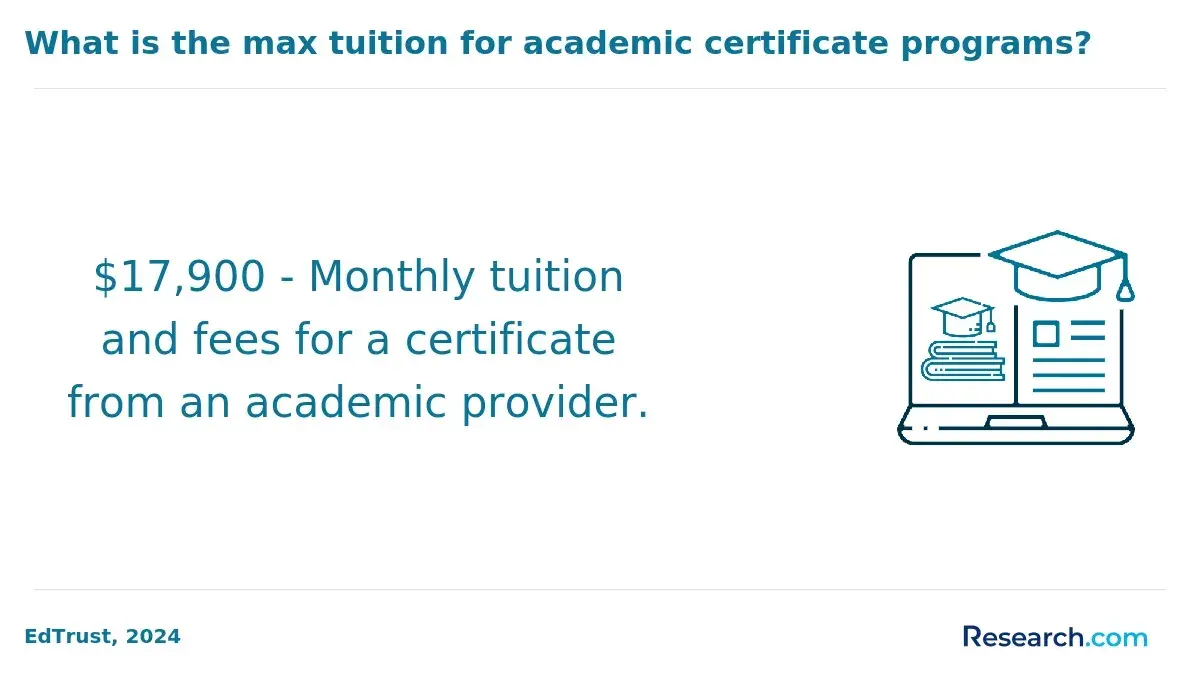
- Total Cost Overview: Tuition varies by institution; public universities generally charge between $10,000 and $20,000 per year for in-state students, while private schools often exceed $30,000 annually. Additional fees, textbooks, and living expenses can add $12,000 to $18,000 yearly. Online programs may reduce housing costs but typically have similar tuition fees.
- Funding Sources: Scholarships, fellowships, and graduate assistantships provide critical financial aid. Employer tuition reimbursement programs benefit working students, and federal student loans offer manageable repayment options for covering remaining costs.
- Debt Reduction Tips: Attending in-state public universities can lower tuition bills. Securing teaching or research assistantships may include tuition waivers and stipends, while departmental fellowships, though competitive, can significantly offset expenses.
- ROI Assessment: Candidates should weigh total program costs against potential salary increases in related careers, which often range from $60,000 to $90,000 annually. Job market growth projections and increased earning potential help determine if the investment is worthwhile.
A graduate I spoke with shared how balancing coursework with a full-time job was difficult but rewarding. They applied for a graduate assistantship that covered a significant portion of tuition and provided a stipend, easing financial pressure. "Choosing an in-state program made a huge difference," they noted, reflecting on how careful planning and leveraging employer support helped them afford the degree. Their increased salary and leadership opportunities after graduating confirmed the financial decisions were well worth the effort.
How Long Does It Take to Earn a Educational & Teacher Leadership Master's Degree?
Prospective students interested in how long to complete an Educational & Teacher Leadership master's degree should consider various factors influencing the timeframe for earning this degree. The duration can vary widely based on enrollment status, program format, and academic requirements. Below are several important considerations that help clarify the typical timelines involved:
- Full-Time Enrollment: Most full-time students finish their master's degree in about 1.5 to 2 years. This period usually includes coursework, practicum or internship hours, and sometimes a thesis or capstone project.
- Part-Time and Online Programs: These flexible formats often extend completion to 3 to 4 years, depending on how many credits a student takes each semester and their scheduling preferences. Many students choose this option to balance work and study.
- Accelerated Programs: Some institutions offer accelerated tracks that allow students to complete the degree in under two years by increasing course loads or reducing breaks between terms.
- Combined Bachelor's/Master's Pathways: Integrated programs enable students to earn both degrees faster than pursuing them separately, often shortening total study time by a year or more.
- Transfer Credits: Students with prior graduate-level coursework may transfer credits, which can reduce the time needed to fulfill program requirements.
- Thesis vs. Non-Thesis Tracks: Choosing a thesis track may extend the timeframe due to research demands, while non-thesis options generally allow for faster completion.
- Internship or Practicum Requirements: Hands-on experience components can add weeks or months to the program, depending on their scope and scheduling.
For those balancing cost concerns with career advancement goals, exploring options like the cheapest online business degree programs may provide valuable insight into affordable education paths.
What Career Paths Are Available with a Educational & Teacher Leadership Master's Degree?
This section offers a clear understanding of the career opportunities that follow a master's degree in educational & teacher leadership, outlining how graduates can navigate various roles across industries. It highlights the range from initial individual contributor positions to management and executive-level advancement over time.
Key factors shaping these career trajectories include:
- Direct Education Roles: Graduates frequently start in positions like instructional coordinators, curriculum developers, or school principals, where they apply leadership to enhance instructional quality and student achievement. The demand for such roles is steady, with growth projections supporting job stability.
- Government and Policy Positions: Many find employment in government agencies managing education programs or shaping policy, leveraging their expertise to influence educational systems and funding decisions.
- Nonprofit Sector Opportunities: Leadership skills are valuable in nonprofits focusing on advocacy, community engagement, and managing grants related to educational initiatives.
- Private Sector Growth: Companies in educational technology, corporate training, and workforce development seek graduates to lead instructional design and professional development projects.
- Advancement to Leadership: The degree primarily equips individuals for mid- to upper-management roles such as department heads or education directors, with pathways toward executive titles like superintendent or chief learning officer as experience grows.
- Industry Diversity: Recruitment spans public and private schools, education departments, consulting firms, and nonprofits intent on advancing educational standards and innovation.
A graduate I spoke with reflected on their experience transitioning from classroom teaching to administration, emphasizing how the program's focus on leadership theory and practical application eased the shift. They described early challenges balancing coursework with full-time work but felt the curriculum's relevance made acquiring new skills more manageable. "It wasn't just about learning concepts; it was about learning how to lead effectively in real-world settings," they said. Their degree smoothed the path toward a leadership role, offering both confidence and credibility in a competitive field.
What Is the Average Salary for Educational & Teacher Leadership Master's Degree Holders?
Salary prospects for those with a master's in educational & teacher leadership vary considerably based on experience, location, and employer sector. The following points summarize key earnings data and factors shaping compensation.
- Starting Salaries: Individuals newly entering the field typically earn between $50,000 and $65,000 annually. Roles at this stage often include assistant principal or curriculum coordinator positions, usually within public school districts that provide stable yet moderate pay scales.
- Mid-Level Income: After five to ten years, salaries generally increase to a range of $70,000 to $90,000. Employment in private schools or specialized education organizations can drive earnings toward the higher end, with urban and coastal locations commonly offering elevated pay.
- Senior Roles and Earnings: Seasoned professionals with over a decade of experience may see compensation between $95,000 and $120,000 or beyond. Leadership posts in large districts or private education firms often include bonuses and enhanced benefits, substantially boosting total remuneration.
- Master's Degree Salary Advantage: Obtaining a master's degree usually results in a 15% to 25% salary increase compared to holding only a bachelor's degree. This reflects the recognition of advanced skills and leadership credentials across public and private educational sectors.
- Additional Compensation Elements: Employers frequently offer benefits such as healthcare, retirement plans, and performance incentives. While equity or profit-sharing is less common, it may be available in private or nonprofit institutions, further enhancing overall earnings potential.
What Professional Certifications Complement a Educational & Teacher Leadership Master's Degree?
Professional certifications can greatly enhance the value of an educational & teacher leadership master's degree, boosting career opportunities and long-term earning potential. These credentials validate specialized skills and leadership capabilities that employers in educational settings highly regard. For prospective students evaluating top teaching leadership certifications to boost career opportunities, here is a concise overview of the most valuable options, their requirements, and strategic timing. Consider this summary of key certifications:
- National Board Certification: Overseen by the National Board for Professional Teaching Standards (NBPTS), this credential requires candidates to demonstrate advanced teaching skills through a portfolio and written assessment. Renewal happens every five years via evidence of ongoing professional growth. National Board Certified Teachers are often preferred for leadership roles, with salaries exceeding non-certified peers by up to 20%, according to the Learning Policy Institute.
- Certified Educational Leader (CEL): Offered by the Association of School Administrators, this credential demands prior school leadership experience and successful completion of a comprehensive exam. Ongoing professional development is required for certification maintenance. The CEL is especially valued for roles such as principals and district administrators and frequently leads to salary increases and promotion.
- Project Management Professional (PMP): Provided by the Project Management Institute (PMI), PMP certification, while not education-specific, signals expertise in managing complex projects-an asset for educational leaders overseeing school or district-wide initiatives. Candidates must meet education and experience thresholds and pass a rigorous examination. Certification renews every three years through professional development activities.
Timing these certifications strategically can maximize their impact. Some candidates benefit from pursuing them during or immediately after their master's program to leverage synergies between academic coursework and credentialing requirements, thus maximizing employability early. Others find completing credentials like NBPTS or CEL after gaining some leadership experience offers practical advantages aligned with career goals.
For those seeking affordable advanced options, exploring a PhD leadership online program may complement these certifications effectively. Making informed choices about certification timelines aligned with individual ambitions and employer expectations is essential for leveraging an educational & teacher leadership master's degree to its fullest potential.
What Are the Top Industries Hiring Educational & Teacher Leadership Master's Degree Graduates?
Understanding the primary industries employing graduates with a educational & teacher leadership master's degree is key for prospective students to align their career goals with market opportunities. These sectors vary in size, required expertise, and certifications, making targeted preparation crucial. Below is a summary of the top industries and emerging fields hiring these graduates.
- Education Institutions: The largest employers are public and private K-12 schools and higher education institutions. Positions such as curriculum coordinator, instructional coach, and school administrator are common, with medium to large-sized organizations emphasizing leadership abilities and knowledge of educational law. Certifications like school principal licensure significantly improve job prospects.
- Government Agencies: State and federal bodies hire graduates for roles in educational policy analysis, program oversight, and community engagement. These jobs require skills in data management, grant administration, and compliance with educational regulations.
- Nonprofit Organizations: Advocacy groups and nonprofits focus on education reform and research, offering opportunities in program development and stakeholder communications. Proficiency in grant writing and public outreach enhances employability here.
- Educational Technology Firms: An expanding sector driven by advances in digital learning tools and remote education demands teacher leadership expertise to support design and implementation of technology solutions. Familiarity with educational technology and organizational leadership coursework positions graduates well for these roles.
- Strategic Industry Targeting: Engaging in internships within schools, policy institutes, or edtech companies, along with active networking through professional groups, helps concentrate efforts in chosen industries. Tailoring academic programs to include relevant policy, leadership, or technology coursework further sharpens market competitiveness.
What Are the Highest-Paying Jobs for Educational & Teacher Leadership Master's Degree Holders?
For those pursuing a master's degree in educational & teacher leadership, knowing which careers offer the highest salaries is essential for making informed decisions about their investment. These roles not only align with leadership skills and educational expertise but also provide opportunities for significant income and career growth. Additional certifications or advanced degrees can further enhance earning potential.
Below are prominent job titles that often provide top compensation in this sector.
- School Principal: With median salaries typically between $95,000 and $120,000, principals lead school operations, staff management, and program development. Success in this role requires solid teaching experience, strong leadership abilities, and often state principal licensure, which can elevate compensation, particularly in larger or more affluent districts.
- Director of Curriculum and Instruction: Earning from $85,000 to $115,000, these professionals design and oversee academic programs across schools or districts. Expertise in curriculum planning, assessment, and staff training is critical, with private schools and large districts generally offering higher wages.
- Educational Consultant: Consultants provide guidance on best educational practices, curriculum refinement, and policy compliance. Salaries range widely from $70,000 to $110,000, influenced by specialization and location. Holding advanced credentials or doctorates can substantially increase earnings in this field.
- Higher Education Administrator: Typically earning around $90,000, these roles involve overseeing student services or academic departments at colleges and universities. Skills in program oversight and budget management are key, with doctoral degrees opening pathways to higher-paying positions.
- Instructional Coordinator: Focused on evaluating teaching quality and integrating educational technology, this role offers median earnings near $70,000. Experience in education, combined with certifications in instructional design or technology, enhances salary potential, especially in urban or well-funded school systems.
What Is the Job Outlook and Employment Growth for Educational & Teacher Leadership Professionals?
Employment growth projections for educational and teacher leadership careers indicate a promising future for graduates pursuing a master's degree in this field. The job outlook for instructional coordinators and education administrators is stronger than average, reflecting broader trends impacting the education sector. Prospective students should consider these factors carefully to understand potential career stability and advancement.
- Above-Average Growth: According to the U.S. Bureau of Labor Statistics, employment in roles common to educational & teacher leadership professionals is expected to grow by about 7% to 8% from 2022 to 2032, outpacing the 5% average growth rate for all occupations. This signals a stable and expanding demand for skilled educators and leaders.
- Demographic and Enrollment Trends: Increasing student enrollment and population growth in specific regions continue to drive the need for qualified educational administrators who can manage expanding school systems and improve educational outcomes.
- Technological Advances: New digital learning platforms and data-driven teaching strategies have created emerging roles that complement traditional leadership positions, broadening career opportunities within the field.
- Impact of Automation: While automation may streamline some administrative tasks, it is unlikely to replace the complex leadership and decision-making skills required by professionals in educational & teacher leadership roles.
- Policy and Funding Influence: Fluctuations in education policy, funding levels, and a global emphasis on education quality continue to shape employment trends and the demand for advanced expertise.
Those exploring an educational & teacher leadership degree should also consider financing options and program formats, including flexible online choices like online cybersecurity degree programs, which reflect broader trends in digital education access and affordability.
What Skills and Competencies Does a Educational & Teacher Leadership Master's Program Develop?
Identifying the key competencies developed in an educational & teacher leadership master's program helps prospective students understand the practical and professional value of the degree. These proficiencies build a foundation for effective leadership and broaden career options within and beyond education.
- Technical Skills: Students gain expertise in data analysis, educational research methodologies, and the use of digital learning platforms, enabling them to implement evidence-based strategies and design effective curricula.
- Leadership and Communication: Programs cultivate abilities in leadership, clear communication, and conflict management, essential for motivating colleagues, managing classrooms, and fostering collaboration across teams and departments.
- Critical Thinking and Cultural Competency: Graduates develop strong analytical skills and sensitivity to diverse cultural perspectives, which support inclusive decision-making and the creation of equitable learning environments.
- Experiential Learning Opportunities: Internships, simulations, case studies, and group projects provide hands-on experience where students apply theoretical knowledge, sharpening problem-solving and interpersonal skills in real-world contexts.
- Employer Priorities: Hiring managers consistently highlight leadership, data-driven decision-making, and effective communication as the most sought-after qualities in candidates for educational leadership roles.
- Transferable Competencies: Skills acquired through the program extend beyond education into fields such as corporate training, nonprofit management, and policy analysis, offering graduates greater flexibility and expanded career pathways.
What Graduates Say About Their Educational & Teacher Leadership Master's Degree
- Margaret: "Applying for admission to the educational & teacher leadership master's program was a meticulous process, but I found that thoroughly researching accredited institutions helped me make an informed decision. I relied heavily on official academic catalogs and accrediting agencies' websites to understand the program requirements, which gave me confidence during my studies. The experience was truly rewarding, as I could see the direct impact my advanced knowledge had on my career growth."
- Kelly: "Navigating the landscape of accredited online programs in educational & teacher leadership felt overwhelming at first, but utilizing federal education resources clarified many concerns. I appreciated the emphasis on checking each institution's legitimacy and curriculum rigor, which helped me avoid less reputable options. Reflecting now, I value how this careful approach prepared me well to meet the challenges of leadership roles in education with confidence and clarity."
- Beatrice: "My journey applying for an educational & teacher leadership master's degree was guided primarily by insights from official academic catalogs and accrediting agencies. These sources helped me understand the degree requirements and program structure thoroughly before committing. The entire process has been professionally enriching, and I now feel better equipped to contribute meaningfully to educational leadership with practical and research-based skills."
Other Things You Should Know About Educational & Teacher Leadership Degrees
A educational & teacher leadership master's degree generally increases earning potential compared to holding only a bachelor's degree in education. Graduates can expect higher starting salaries and improved long-term income due to qualifying for leadership and administrative roles in schools and educational organizations. Over time, those with this master's degree often experience more significant salary growth because of increased responsibilities and eligibility for promotions.
Choosing between an online or on-campus educational & teacher leadership master's depends on personal circumstances and learning preferences. Online programs offer flexibility for working professionals and distance learners, while on-campus programs may provide more direct access to faculty and networking opportunities. Both options are generally respected by employers if the program is accredited and maintains rigorous academic standards.
Earning a master's degree in Educational & Teacher Leadership in 2027 enhances job satisfaction by equipping educators with leadership, curriculum development, and administrative skills. This advanced degree can accelerate career progression, offering increased opportunities for roles like curriculum coordinator or instructional coach.
References
- What Can I Do with a Teacher Leadership Degree? | Goodwin University https://www.goodwin.edu/enews/what-can-i-do-with-masters-teacher-leadership-degree/
- Master's Degrees for Teachers to Pursue Advanced Teaching and Leadership | ACE Blog https://ace.edu/blog/masters-degrees-for-teachers-to-pursue-advanced-teaching-and-leadership/
- Teacher Salary with a Master’s Degree https://www.educationdegree.com/articles/teacher-salary-with-masters-degree/
- Educational Leadership (M.Ed.) & Principal Certification https://www.esu.edu/academics/graduate-programs/med-educational-leadership.php
- How a Master's Degree in Teacher Leadership Can Affect a Career - Graduate Programs for Educators https://www.graduateprogram.org/blog/how-a-masters-degree-in-teacher-leadership-can-affect-a-career/
- The 10 Highest Paying Jobs With a Teaching Degree [Quiz] https://www.umassglobal.edu/blog-news/highest-paying-jobs-with-a-teaching-degree
- 6 Best Career Opportunities in Educational Leadership https://www.manchester.ac.ae/blog-post/6-best-career-opportunities-in-educational-leadership
- How Long Does It Take to Get a Master’s in Education? https://www.ndnu.edu/articles/education/how-long-does-it-take-to-get-a-masters-degree-in-education.html
- Online Master’s in Educational Leadership: Careers https://www.arcadia.edu/majors-and-programs/online-masters-educational-leadership/careers/
- Master’s in Educational Leadership: What It Is & Career Paths | UT Permian Basin Online https://online.utpb.edu/about-us/articles/education/masters-in-educational-leadership-what-it-is-and-career-paths