2027 What Can You Do with an Elementary Education Master's Degree? Careers, Salaries & Growth

Co-Founder and Chief Data Scientist
Many aspiring educators and career changers face uncertainty about the value and outcomes of pursuing a elementary education master's degree. With the U. S. Bureau of Labor Statistics projecting an 8% growth in elementary school teaching jobs through 2031-higher than average for all occupations-understanding the potential career paths and salary ranges is essential. However, students often lack clear guidance on program differences, certification benefits, and employment trends.
This article addresses these gaps by examining degree requirements, workforce data, salary insights, and program formats. It equips readers to make informed decisions tailored to their professional and financial goals.
Key Things to Know About What You Can Do with a Elementary Education Master's Degree
- Programs typically require a bachelor's degree and teaching experience; options include online and on-campus formats, allowing flexible pacing and specialization to match career goals.
- Graduates can expect median salaries around $60,000, with variations based on location, experience, and additional certifications enhancing earning potential.
- Job growth for elementary educators with a master's is projected at 5% over ten years, supporting advancement into leadership, curriculum development, and specialized instructional roles.
What Are the Admission Requirements for a Elementary Education Master's Program?
Preparing the necessary prerequisites is essential for a smooth admission process into an elementary education master's degree program. These requirements ensure that candidates are well-equipped for graduate-level study and successful future careers. Employment in elementary education is projected to grow steadily, making understanding these admission criteria especially valuable for applicants.
Below is a summary of common prerequisites to guide prospective students.
- Undergraduate Degree: A relevant bachelor's degree in education or a closely related field is typically required. Many programs emphasize completion of foundational courses in education, child development, or psychology to meet the requirements for admission to elementary education graduate programs.
- GPA Requirements: Most institutions expect a minimum GPA of around 3.0 on a 4.0 scale, although specific thresholds vary by program. This benchmark helps maintain academic standards for graduate study.
- Standardized Tests: While GRE or GMAT scores may be requested, many schools have made these optional or have eliminated them, especially following shifts in admissions policies driven by the COVID-19 pandemic. Applicants should verify requirements individually.
- Supplementary Materials: Applicants usually submit two or three letters of recommendation from academic or professional references familiar with their teaching potential, a personal statement outlining goals and motivations, and writing samples to demonstrate communication and critical thinking skills.
- Experience and Licensure: Some programs may require prior teaching experience or licensure, particularly for candidates pursuing advanced certification or leadership roles. Prerequisites can also vary with specializations such as curriculum development or educational technology.
For those evaluating career outcomes and cost, it can be helpful to consult data on the highest paying online degrees, as some elementary education master's programs offer flexible online options that balance cost with earning potential.
What Is the Minimum GPA Requirement for a Elementary Education Master's Program?
Meeting the minimum GPA requirement is a key consideration for those applying to a elementary education master's program, as it often serves as an initial benchmark for admissions committees. These programs usually accept students with GPAs between 2.75 and 3.0 on a 4.0 scale, but requirements differ based on several factors. Understanding how GPA fits into the broader admissions criteria is important for prospective students, especially given that demand for elementary teachers is projected to increase by approximately 5% through 2031.
Below is an overview of factors affecting GPA admissions standards.
- GPA Range: Most elementary education master's programs require a minimum GPA between 2.75 and 3.0, although this range can vary widely across institutions.
- Variability by Institution: GPA thresholds are influenced by whether the program is public or private, as well as the program's prestige and specific concentration.
- Holistic Review: Many programs assess applicants beyond GPA, considering professional experience, standardized test results, and personal statements.
- GPA as One Factor: Admissions committees often weigh multiple elements, so a lower GPA does not automatically disqualify applicants with strong qualifications.
- Field Demand: Given the positive job outlook, applicants should consider complementing their degree with professional certifications and may explore options like online college courses with financial aid to support their educational journey.
How Much Does a Elementary Education Master's Degree Cost and How Can You Finance It?
Planning finances before enrolling in an elementary education master's program is crucial to avoid surprises and build a sustainable budget. Understanding key cost factors and funding options can help you make strategic decisions tailored to your situation. Here are several important points to consider:
- Tuition Variability: Public universities typically charge between $300 and $600 per credit hour, whereas private institutions often exceed $1,200. Online programs may offer more flexible pricing but can vary widely depending on accreditation and institution type.
- Additional Expenses: Beyond tuition, students should account for mandatory fees, textbooks, technology, and living costs, which differ whether you study on campus or remotely. These add substantially to the overall financial commitment.
- Opportunity Costs: Pursuing a full-time master's may require reducing work hours or leaving a job temporarily, resulting in lost income that should be factored into total costs.
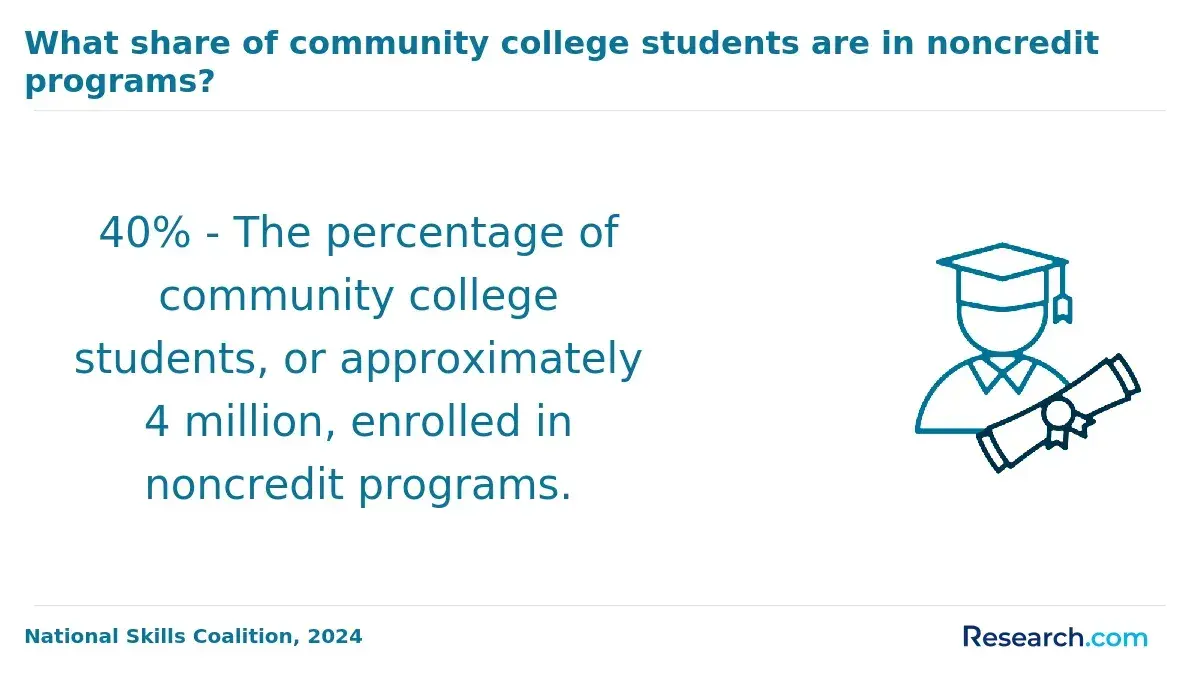
- Funding Resources: Scholarships, fellowships, and graduate assistantships offer partial tuition relief. Many employers provide tuition reimbursement, while federal student loans remain a common financing route, especially for those balancing work and study.
- Debt Reduction Strategies: Choosing in-state public schools, applying for departmental support, or negotiating assistantships tied to teaching or research can lower education expenses and limit borrowing.
- Evaluating Return on Investment: Consider salary prospects in your specialization and compare them against the cumulative program cost plus foregone earnings to determine financial viability.
When I spoke with a graduate of an elementary education master's program currently working in a school district, she shared how navigating finances required careful planning. "Balancing my job with coursework was stressful," she recalled, "but I was able to secure a teaching assistantship that reduced tuition costs and gave me valuable experience." She emphasized the importance of applying early for scholarships and communicating with employer HR about tuition benefits. Despite the challenges, she reflected positively on the financial investments, noting that the degree ultimately opened doors to leadership roles she hadn't accessed before.
How Long Does It Take to Earn a Elementary Education Master's Degree?
Estimating the typical duration of a master's degree in Elementary Education is crucial for prospective students aiming to align their academic plans with personal and professional goals. Program length varies widely based on enrollment status, course structure, and additional requirements. Below is a rundown of key factors influencing how long it takes to complete an Elementary Education master's program.
- Full-Time Enrollment: Most students enrolled full-time complete their master's degree in about 1.5 to 2 years. This involves a structured sequence of coursework over consecutive semesters, enabling steady and timely progression toward graduation.
- Part-Time and Online Programs: Part-time or online students benefit from flexible scheduling but often extend their program length to 3-4 years. Completion time depends on credit load per term and availability of required classes or practicum placements.
- Accelerated and Combined Pathways: Some universities offer accelerated tracks or combined bachelor's/master's programs, which reduce the total time to degree by permitting graduate coursework during undergraduate studies.
- Transfer Credits: Students with relevant graduate coursework or certifications may shorten their degree duration by transferring credits, effectively bypassing some requirements.
- Thesis vs. Non-Thesis Tracks: Selecting a thesis track generally lengthens program time due to research and writing obligations, while non-thesis options focus on coursework and can be completed faster.
- Internship and Practicum Requirements: Mandatory hands-on teaching experiences can influence overall time to completion, based on placement schedules and program flexibility.
For those also examining cost-efficiency, exploring the cheapest executive MBA online options can provide insights into managing educational investments effectively alongside program duration.
What Career Paths Are Available with a Elementary Education Master's Degree?
This overview offers prospective students insight into the variety of career opportunities available to those earning a master's degree in elementary education. The degree not only supports advancement in traditional teaching roles but also provides a foundation for positions across multiple sectors. Below are key pathways to consider:
- Classroom and Instructional Roles: Graduates often start as teachers or instructional coordinators, focusing on curriculum design and student learning. These positions remain in demand, with the U.S. Bureau of Labor Statistics projecting steady growth in educational roles.
- Leadership and Administration: The degree opens doors to leadership positions such as school principals, curriculum specialists, and educational consultants. These roles usually require both teaching experience and advanced credentials, often leading to district or executive-level management.
- Nonprofit and Government Opportunities: Organizations working on educational policy, child advocacy, and program administration seek candidates with this degree to impact public education and community services. International education agencies also value this expertise for global learning initiatives.
- Private Sector Careers: Educational publishing companies, instructional technology firms, and corporate training departments recruit graduates for their knowledge in pedagogy and curriculum development.
- Career Progression: Most graduates begin in direct contributor roles but develop leadership skills and policy expertise that facilitate advancement into higher-level administrative and executive positions over time.
A graduate I spoke with reflected on their journey and noted how the degree eased their transition into diverse roles. They shared, "Navigating the shift from classroom teacher to instructional coordinator felt challenging at first, but my coursework gave me a deeper understanding of curriculum strategies, which made management tasks more approachable. It's rewarding to see how the master's program prepared me not just for teaching, but for broader educational leadership." This perspective highlights how the program supports both immediate employment and long-term career growth.
What Is the Average Salary for Elementary Education Master's Degree Holders?
Salary outcomes for individuals with a master's degree in elementary education differ notably by experience, location, employer, and sector. Beyond base pay, total compensation often includes bonuses, benefits, and occasionally equity, creating varied earning potentials. Key factors influencing salary ranges are summarized below:
- Experience Levels: Early-career educators holding a master's degree usually earn between $50,000 and $60,000 annually. Those in mid-career positions can expect roughly $65,000 to $75,000, while senior educators or administrative leaders may command salaries exceeding $80,000 based on roles and responsibilities.
- Impact of Location: Compensation fluctuates significantly by geographic area. Urban centers and states with elevated living costs, such as California, Massachusetts, and New York, offer higher wages, compared to rural or less populated regions, which typically have lower salaries but might provide alternative benefits or incentives.
- Employer Type Variations: Public school districts commonly provide steadier salaries alongside comprehensive benefits. Private schools tend to vary more in pay scales, sometimes offering competitive wages but fewer benefits, while charter schools and specialized organizations present diverse compensation packages reflecting their unique structures.
- Industry Sector Differences: While the majority teach within K-12 systems, some master's degree holders pursue careers in educational consulting, curriculum design, or school administration, often receiving higher pay that acknowledges advanced responsibilities tied to their qualifications.
- Master's Degree Salary Premium: On average, individuals with a master's degree in elementary education earn 10% to 15% more than those holding only a bachelor's degree. This wage advantage tends to increase with experience and additional professional certifications.
What Professional Certifications Complement a Elementary Education Master's Degree?
Several professional teaching certifications significantly enhance career prospects and salary potential for graduates of elementary education master's degree certification programs. To maximize the benefits of these credentials, it is important to understand the eligibility criteria, assessment methods, and renewal requirements associated with each. Below is a concise overview of the most valuable certifications and their market impact.
Consider these key certifications:
- National Board Certification: Offered by the National Board for Professional Teaching Standards (NBPTS), this prestigious credential requires candidates to hold a bachelor's degree, have three years of teaching experience, and submit a portfolio with videos and student work samples. The process includes performance-based assessments and a content knowledge exam, with recertification every ten years. Many school districts favor National Board Certified teachers for higher pay, advanced teaching roles, and leadership positions.
- Reading Specialist Certification: Typically administered by state education agencies, this certification requires a valid teaching license and graduate coursework in reading instruction. Candidates must pass a content-specific exam, which qualifies them for positions such as reading coach or literacy specialist-roles critical in schools focused on improving literacy rates.
- Special Education Certification: Focused on inclusive education, this certification entails specialized coursework and passing state exams related to special education. It opens doors to teaching in specialized programs or inclusive classrooms, addressing diverse learner needs.
Strategically, pursuing these professional teaching certifications for elementary education graduates during or immediately after completing the master's program is ideal. Many degree programs integrate certification preparation, facilitating smoother completion. Early certification improves competitiveness when entering the workforce and supports faster advancement into specialized or leadership roles. For those exploring cost-effective options to further their education, examining the cheapest psychology degree online programs may also provide complementary insights into educational trends and career development.
What Are the Top Industries Hiring Elementary Education Master's Degree Graduates?
Prospective students pursuing a master's degree in elementary education benefit from understanding the industries that most actively employ graduates. Knowing where demand is strongest, the roles available, and relevant skills or certifications can help shape career planning and academic focus. Below is an overview of key sectors employing elementary education master's holders and emerging opportunities to consider.
- Public K-12 Education: This sector is the primary employer, offering positions such as classroom teachers, instructional coaches, and curriculum coordinators. Employers range from small rural districts to large urban school systems, often requiring state teaching certifications and advanced pedagogical expertise.
- Private and Charter Schools: These schools value innovation and flexibility in teaching, frequently hiring graduates with specialized credentials like ESL or special education endorsements. Emphasis on ongoing professional development is common in this sector.
- Educational Publishing and Curriculum Development: Companies in this industry create instructional materials and digital content. Graduates with skills in instructional design, educational psychology, or technology integration are well suited for roles in product development and assessment design.
- Educational Technology (EdTech): A rapidly expanding field, EdTech firms develop digital learning tools and platforms. Career opportunities include curriculum development tailored to technology-enhanced learning environments and user experience roles focusing on young learners.
- Career Targeting Strategies: To enter specific industries, students should pursue internships, cultivate professional networks with educators and industry leaders, and select courses aligned to desired career paths such as educational leadership or digital learning innovation.
What Are the Highest-Paying Jobs for Elementary Education Master's Degree Holders?
Prospective students pursuing a master's degree in elementary education often weigh potential earnings alongside career advancement opportunities. Higher-paying roles usually require specific skills, experience, and sometimes additional certifications or advanced degrees. Recognizing these top positions helps graduates target jobs that align with both their expertise and financial goals.
- Instructional Coordinator: These professionals design and oversee curriculum development while training educators and assessing program effectiveness. Annual median salaries are around $67,000, with higher wages in specialized districts or leadership roles. Strong curriculum design, analytical abilities, and leadership experience-often combined with classroom teaching and certification-facilitate career growth.
- School Principal: Principals are responsible for managing daily school operations, leading staff, and improving student outcomes. Salaries generally average $98,000 per year but can surpass $120,000 in urban areas with a higher cost of living. This role typically requires a master's degree, state licensure, and significant administrative and teaching experience.
- Education Consultant: Consultants support schools and educational organizations by advising on instructional methods, technology use, and policy. Earnings can exceed $75,000 and vary based on expertise, clientele, and credentials. Strong research, communication skills, and additional certifications or doctoral degrees enhance earning potential and influence marketability.
- Curriculum Developer in Private Sector: Employed by education publishers or tech firms, these developers craft instructional materials with salaries usually between $60,000 and $85,000. Success depends on subject mastery and the ability to integrate educational technology effectively. Company size and location significantly affect compensation.
- Higher Education Instructor: Teaching future educators in colleges or universities offers median salaries near $75,000. A master's degree is sufficient for many lecturer roles, but tenure-track positions often demand a doctorate. This career path also provides opportunities for research and ongoing professional development.
What Is the Job Outlook and Employment Growth for Elementary Education Professionals?
Prospective students pursuing a master's degree in elementary education should understand the employment growth landscape to make informed career decisions. The job outlook for elementary education professionals nationwide indicates positive trends supported by demographic, economic, and technological factors.
- Employment Growth: The U.S. Bureau of Labor Statistics projects employment growth for elementary education professionals in the United States at about 7% from 2022 to 2032, slightly faster than the average for all occupations. This suggests steady demand for qualified educators over the coming decade.
- Increasing Student Enrollments: Rising student enrollments in both public and private schools contribute directly to the need for more elementary education graduates, fueling job creation and requiring replacements for retiring teachers.
- Technological Impact: Automation and digital learning tools transform instructional methods but do not eliminate the need for teacher-led critical thinking and social development. Educators must integrate technology effectively into their teaching approaches to remain competitive.
- Policy and Funding Influence: Federal and state educational policies, along with fluctuating funding availability, significantly impact job stability and growth trajectories within the elementary education job market.
This evolving landscape makes a master's degree increasingly valuable, enhancing a candidate's competitiveness for leadership or specialized roles. For those exploring related fields, programs like construction management courses offer alternative career pathways.
What Skills and Competencies Does a Elementary Education Master's Program Develop?
Prospective students pursuing a Elementary Education master's degree benefit from understanding the range of skills developed throughout the program. These competencies form the foundation for effective teaching and leadership while also providing versatility in various career paths.
- Technical Proficiency: Students build expertise in educational technologies, including software tools for classroom management, data collection, and analysis. Mastery of research methodologies supports data-driven decision-making to improve student outcomes and curriculum design.
- Critical Thinking and Research Skills: Advanced analytical abilities enable graduates to evaluate educational practices and design interventions based on empirical evidence. These skills enhance problem-solving capabilities applicable within and beyond academic environments.
- Communication and Leadership: Emphasis on clear, effective communication and leadership development prepares students to lead instructional teams and collaborate with diverse stakeholders. These qualities are essential for managing classrooms and facilitating educational initiatives.
- Collaboration Through Experiential Learning: Internships, group projects, case studies, and simulations provide practical opportunities to apply theoretical knowledge. These experiences cultivate teamwork, adaptability, and real-world problem-solving skills valued by employers.
- Transferability of Competencies: The combination of analytical and interpersonal skills equips graduates for roles in curriculum development, educational consulting, corporate training, and other industries requiring instructional expertise. This cross-sector applicability broadens career opportunities and professional growth.
- Employer Priorities: Hiring managers consistently highlight the importance of strong communication, flexibility, and instructional leadership when assessing candidates' qualifications in education-related fields.
What Graduates Say About Their Elementary Education Master's Degree
- Jimmy: "Applying for admission to an online elementary education master's program was surprisingly straightforward once I learned to trust only accredited institutions. Navigating the numerous options was initially overwhelming, but focusing on schools recognized by reputable accrediting agencies made all the difference. I found that using official academic catalogs and federal education resources helped me clearly understand degree requirements and plan my study schedule effectively."
- Erica: "The process of choosing the right online elementary education master's program required careful consideration of each institution's credibility. I spent considerable time verifying accreditation and reading through official academic catalogs to ensure the programs aligned with my career goals. Reflecting on my journey, I appreciate how these reliable sources guided me through complex requirements and helped me stay organized throughout the program."
- Rowan: "I was enthusiastic about advancing my teaching career and found that navigating accredited elementary education master's programs online was less daunting than expected. Applying for admission became clearer after I focused on data from federal education resources and thoroughly compared official academic catalogs from multiple schools. Relying on these trustworthy references meant I could confidently manage my degree requirements and stay on track."
Other Things You Should Know About Elementary Education Degrees
A master's degree in elementary education typically leads to higher salaries compared to a bachelor's degree. Over time, educators with this advanced credential often qualify for salary scale increases, leadership roles, and additional stipends. The degree can also open opportunities in specialized teaching areas or administrative positions that offer greater financial rewards.
A master's degree in elementary education enhances expertise in teaching methodologies, curriculum design, and classroom management. It promotes professional growth by opening pathways for leadership roles such as curriculum developer or instructional coordinator, while also improving classroom effectiveness and student engagement.
In 2027, a master's degree in elementary education can lead to roles such as elementary school teacher, curriculum developer, education consultant, and instructional coordinator. Graduates can also pursue leadership positions, like vice principal or principal, depending on additional qualifications and experience.
A master's degree in elementary education is worth it for those seeking advanced teaching positions, higher salaries, or leadership roles within education. It also provides opportunities to specialize in areas such as curriculum development or special education. However, individuals should weigh program costs and time commitments against their career goals and potential salary gains.
References
- Elementary Education (M.A./M.Ed.) (General) https://www.gradcollege.txst.edu/programs/elementary-ed-general.html
- Master of Education in Elementary Education https://www.deltastate.edu/academics/graduate-programs/med-elementary-education/
- The 10 Highest Paying Jobs With a Teaching Degree [Quiz] https://www.umassglobal.edu/blog-news/highest-paying-jobs-with-a-teaching-degree
- Master’s in Elementary Education Requirements | University of Bridgeport https://www.bridgeport.edu/news/masters-in-elementary-education-requirements/
- How to Pay for a Master's Degree in Education - Graduate Programs for Educators https://www.graduateprogram.org/blog/how-to-pay-for-a-masters-degree-in-education/
- Discover Career Opportunities With FGCU's M.Ed. in C&I https://onlinedegree.fgcu.edu/programs/med-ci-elementary-education/career-opportunities/
- Master of Education in Elementary and Early Childhood Education https://www.kennesaw.edu/degrees-programs/master-degrees/elementary-early-childhood-education.php
- Online MEd in Elementary Education – Brenau University https://online.brenau.edu/programs/med-elementary-education/
- Elementary Education, M.S. https://www.mcdaniel.edu/academics/graduate-professional-studies/elementary-education-ms
- Elementary Education Master’s Degree Online | University of Phoenix https://www.phoenix.edu/online-education-degrees/elementary-teacher-education-masters-degree.html