2027 What Is a Marine Science Master's Degree? Definition, Curriculum & Career Paths

Co-Founder and Chief Data Scientist
Rising ocean temperatures, shifting marine ecosystems, and increasing human impact demand experts capable of integrating complex ecological data with emerging technology. A marine science master's degree equips candidates to navigate these challenges through an interdisciplinary approach combining oceanography, biology, and environmental management.
The field's rapid adoption of autonomous underwater vehicles and AI-driven data analytics, as highlighted in the 2024 NOAA Workforce Report, redefines required competencies beyond traditional laboratory skills. This degree serves as a bridge to roles that demand both scientific rigor and practical problem-solving, preparing graduates for careers in research, policy, conservation, and resource management.
Key Benefits of Marine Science Master's Degree
- Graduates gain advanced technical skills in oceanographic data analysis, yet programs require significant time investment, impacting working professionals balancing education with job demands.
- Employers increasingly value specialized marine modeling expertise, reflecting a shift toward data-driven environmental decision-making, making tailored master's focus crucial for career alignment.
- Recent 2024 studies show research funding concentrates in coastal resilience, limiting wide-ranging project access but guiding students toward high-impact, policy-relevant sectors.
Who Should Pursue a Marine Science Master's Degree?
Graduate education is most valuable when it serves a clearly defined purpose rather than functioning as a default next step after a bachelor's degree. The ideal candidate for a marine science master's degree depends on specific career objectives, existing skill gaps, industry expectations, and the advancement opportunities sought.
Careful consideration of how this degree aligns with long-term professional trajectories is essential to maximize return on investment and workforce positioning.
- Recent Graduates Seeking Specialization: Individuals with bachelor's degrees in biology, environmental science, or related fields often pursue a marine science master's to deepen technical knowledge and research capabilities.
- Working Professionals Targeting Leadership Roles: Those already employed in environmental consulting, fisheries management, or related sectors may find that advanced training in marine spatial analysis and ecosystem modeling enhances their qualifications for supervisory or specialized positions.
- Career Changers Entering Environmental or Scientific Fields: Professionals transitioning from unrelated sectors may pursue the degree to acquire foundational and applied knowledge critical for marine science roles. This pathway helps overcome skill deficits and demonstrates commitment to industry-relevant methodologies.
- Aspiring Researchers and Doctoral Candidates: Individuals aiming for research-intensive careers or Ph.D. programs benefit from rigorous fieldwork, lab research, and methodological training included in the curriculum. The master's serves as a preparatory stage for independent study in climate change impacts, marine conservation policies, or advanced data analysis techniques.
- Policy Analysts and Environmental Advocates: Professionals focused on regulatory frameworks and sustainable resource management find value in a curriculum that emphasizes ecosystem governance and compliance. The degree supports career objectives that involve balancing scientific insight with policy development and advocacy efforts.
According to U.S. Bureau of Labor Statistics projections from 2024, employment in environmental science and protection roles, including marine science-related positions, is expected to grow by around 8% over the next decade.
This trend underscores the importance of targeted education aligned with workforce needs. Prospective students should critically evaluate their marine science master's degree eligibility criteria and career goals for marine science graduate students to ensure alignment.
For those considering flexible pathways into science-driven professions, it is worth noting that specialized degrees like marine science can complement credentials from other disciplines rather than functioning as a general post-bachelor's credential.
Exploring targeted options, including programs in other fields such as nursing, might be appropriate depending on one's ultimate career plan; for example, an online nursing school offering could suit those shifting toward healthcare allied with environmental health concerns.
What Are the Core Courses in a Marine Science Master's Curriculum?
Core courses in a marine science master's curriculum establish the essential academic framework necessary for advanced understanding and professional competence across various marine-focused disciplines.
Despite differences in course titles among institutions, most programs encompass a shared suite of subjects designed to deepen theoretical knowledge while cultivating skills applicable to research, analysis, and practical problem-solving.
These foundational courses not only support specialized study but also enhance adaptability in a job market that values multidisciplinary fluency.
- Marine Ecology: This course grounds students in ecosystem dynamics, emphasizing interactions between organisms and their marine habitats. Beyond biological concepts, it fosters analytical skills for assessing environmental impacts and supports future work in conservation, resource management, or environmental consulting.
- Marine Chemistry: Offering insight into the chemical composition and processes within ocean waters, this course is critical for understanding pollution, biogeochemical cycles, and nutrient flows. It sharpens quantitative reasoning and laboratory methods transferable to careers addressing water quality and ecosystem health.
- Physical Oceanography: Covering ocean currents, wave dynamics, and climate interactions, this subject trains students to interpret complex environmental datasets. The expertise gained here is foundational for roles in climate research, maritime logistics, and coastal resource planning.
- Geological Marine Science: Addressing seabed processes such as sedimentology and plate tectonics, this course links students to sectors like offshore exploration and hazard assessment. It builds technical proficiency necessary for analyzing geological data and informs interdisciplinary marine applications.
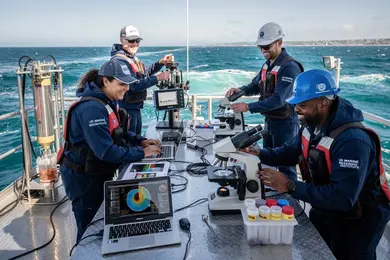
- Research Methods and Quantitative Analysis: Often a program's methodological cornerstone, these courses develop competencies in experimental design, statistical analysis, and the use of marine-specific instrumentation and software. Mastery here directly correlates to employability, as data literacy increasingly drives marine sector hiring preferences.
- Scientific Communication and Project Management: Frequently offered through seminar formats and thesis projects, these opportunities enhance skills in critical thinking, written and oral communication, and leadership. Such skills are indispensable for navigating professional environments and advancing research agendas.
According to a 2024 National Oceanic and Atmospheric Administration workforce report, employers prioritize data analysis and interdisciplinary skill sets among entry-level marine science graduates, underscoring the integrated skill cultivation these courses offer.
A graduate recalled feeling pressure during the rolling admissions cycle, uncertain whether to accept an early offer that arrived without complete clarity on curriculum specifics.
The strategic decision to delay the acceptance allowed the student to compare program core offerings more thoroughly, ultimately choosing an institution whose foundational courses aligned better with career goals.
This experience highlighted how understanding the core curriculum is not just an academic concern but a critical factor in making informed admissions decisions amidst the unpredictability of graduate program selection timelines.
What Specializations Are Available in Marine Science Master's Programs?
Master's programs in marine science frequently structure their curricula around distinct specialization tracks, enabling students to tailor their education to precise career objectives. While foundational coursework imparts essential scientific principles, choosing a focused pathway allows learners to cultivate advanced skills and conceptual depth within targeted subfields.
Since employment prospects and required competencies vary widely across marine science sectors, specializing strategically can significantly influence professional trajectories and workforce integration.
- Marine Ecology and Conservation: This specialization emphasizes ecosystem functioning, species interactions, and the anthropogenic pressures impacting marine environments. Graduates develop expertise in ecological assessment and conservation strategies, positioning themselves for roles in environmental regulation, habitat restoration, and policy advocacy.
- Oceanography: Concentrating on the physical, chemical, and geological attributes of oceans, this track hones quantitative skills essential for climate modeling, resource exploration, and maritime engineering domains.
- Marine Biotechnology: Integrating molecular biology with marine organism studies, this area targets innovation in pharmaceuticals, bioengineering, and environmental applications. Proficiency in lab-based biotechnological methods and interdisciplinary knowledge is critical, aligning graduates with biotech firms and research institutes prioritizing marine-derived solutions.
- Fisheries Science and Management: Focusing on sustainable exploitation, population dynamics, and economic aspects of fisheries, this specialization equips students to navigate regulatory frameworks and analytical modeling. Career pathways include government agencies, commercial fisheries, and resource management organizations.
- Marine Geology and Geophysics: Centered on seafloor processes, sedimentology, and tectonics, this track develops competencies in geospatial analysis and field survey techniques. Graduates often enter sectors such as environmental consulting, natural hazard analysis, and resource extraction.
Recent workforce analyses from the United States Bureau of Labor Statistics underline that while marine science occupations overall exhibit modest growth, demand within specialized sectors-particularly conservation and biotechnology-outpaces general trends, reflecting increased environmental and technological priorities.
Consequently, prospective students must weigh specialization benefits in relation to industry-specific skill requirements and geographic mobility, as certain tracks like field-intensive ecology or offshore geology may impose higher logistical challenges.
The strategic selection of a specialization thus shapes not only immediate employability but also adaptability in a shifting marine science labor market influenced by climate change and interdisciplinary integration.
How Long Does It Take to Complete a Marine Science Master's Degree?
Completing a marine science master's degree generally requires around two years of full-time enrollment, consistent with data from the National Center for Education Statistics and other 2024 academic reporting.
This timeframe reflects the average period students invest in coursework, lab work, and initial research components essential to the field. However, those pursuing the degree part-time-often balancing employment or other commitments-may extend their studies to three or four years, reflecting a less intensive but more manageable pace.
The average duration of marine science master's degree programs indicates a broad institutional standard, but this baseline masks significant variation based on program design and student circumstances.
Key factors influencing the length of study include the program's curriculum structure, such as whether a thesis is required or if non-thesis paths are available. Thesis options typically add substantial time, given the demands of original research, data collection, and analysis, which are critical for many marine science careers.
Internship or fieldwork requirements further affect completion timing, as these experiential components differ widely in availability and duration depending on faculty supervision and institutional resources.
Additionally, some programs offer online or hybrid formats allowing flexibility but potentially lengthening time to finish, especially for candidates juggling work and family, while on-campus programs may enable faster progression through more immersive engagement.
Students may also strategically adjust their pace based on career objectives or financial considerations, sometimes accelerating their studies through summer courses or combined degree tracks, or conversely, extending enrollment to deepen practical experience and research output.
Recognizing that individual pace significantly impacts outcomes, prospective enrollees should weigh how course load, research intensity, and professional development fit within their broader goals.
For those comparing graduate options, investigating how programs accommodate variable completion timelines sheds light on flexibility versus rigor tradeoffs, informing decisions grounded in realistic expectations and career alignment.
For example, understanding whether is the TEAS test required for all nursing programs may reveal institutional policies variances that similarly affect graduate program designs in other fields.
Do Marine Science Master's Programs Require Internships or Practicums?
Requirements for internships or practicums in marine science master's programs vary considerably based on the institution's academic model, focus, and ties to industry.
Programs designed with a professional orientation often integrate these experiential elements as mandatory, reflecting employer demand for candidates with hands-on exposure. In contrast, research-centric degrees might treat practicums as optional or substitute them with extensive thesis work.
This diversity underscores the lack of uniform standards, meaning prospective students should evaluate how each program balances field experience alongside coursework to align with their career goals.
The core function of internships and practicums lies in translating theoretical concepts into applied skills within real-world contexts such as laboratories, field stations, or environmental agencies. These placements help students cultivate networks essential for future employment and demonstrate capabilities extending beyond academic achievement.
Employers often perceive such experience as evidence of adaptability and practical problem-solving, qualities less tangible through transcripts alone. Thus, these components not only enhance technical proficiency but also signal a graduate's readiness to navigate multidisciplinary projects and dynamic workplace demands.
A marine science graduate recalled the challenge of timing their application during a rolling admissions cycle when the program's internship requirement was unclear. Facing deadlines without confirmed placement options, they hesitated, weighing whether to delay enrollment or proceed with limited practical experience.
Ultimately, the student sought direct advice from faculty, learning that while the internship was highly recommended, it could be completed post-graduation if necessary. This flexibility influenced their decision to enroll promptly, illustrating how understanding the nuances of experiential mandates impacts candidate planning and confidence entering graduate studies.
What Skills Do Students Gain From a Marine Science Master's Degree?
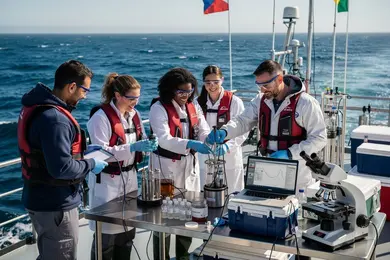
A master's degree in marine science is structured to cultivate advanced, specialized skills that extend well beyond undergraduate training. This skill development occurs through a mix of rigorous theoretical instruction, applied coursework, and hands-on projects aligned with current industry standards.
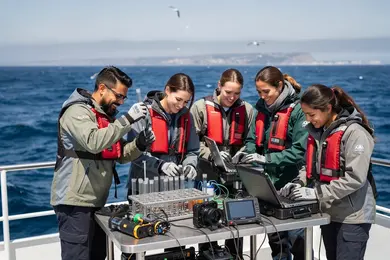
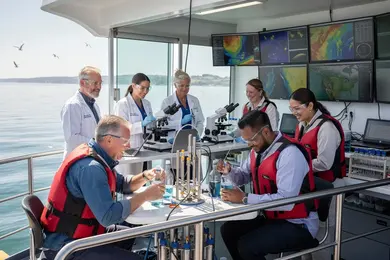
Students engage deeply with data-driven research, collaborative fieldwork, and critical policy analysis, all of which are essential for functioning effectively in professional marine environments.
These competencies position graduates to meet employer expectations who seek candidates capable of independent research, interdisciplinary problem solving, and clear scientific communication.
- Scientific Research Proficiency: Graduate programs immerse students in experimental design, statistical methods, and advanced data analytics, often incorporating software tools that manage geospatial and temporal datasets.
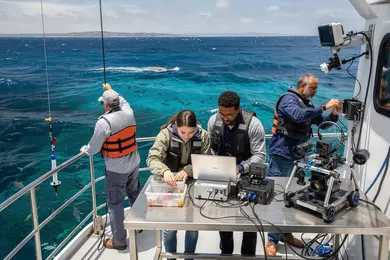
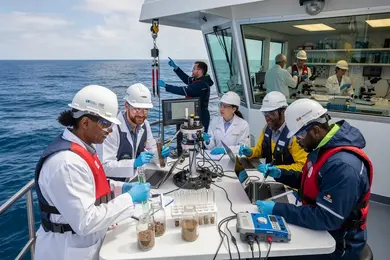
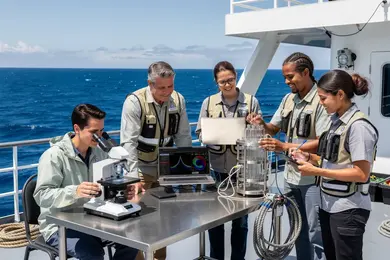
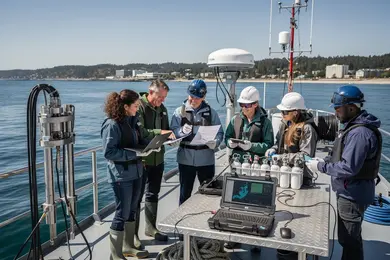
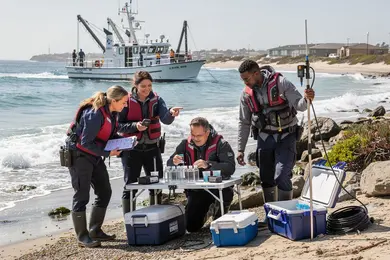
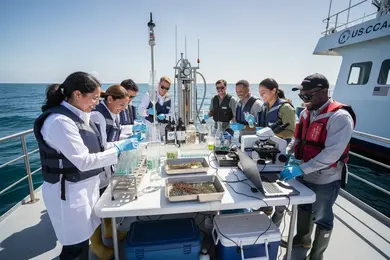
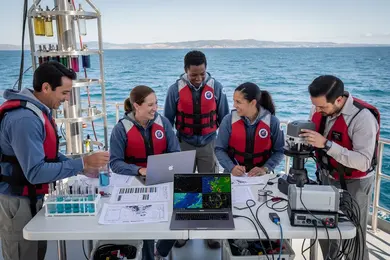
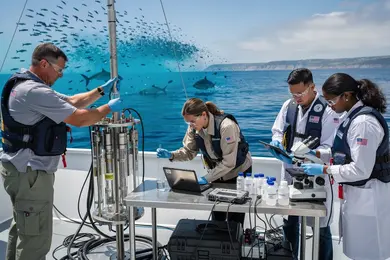
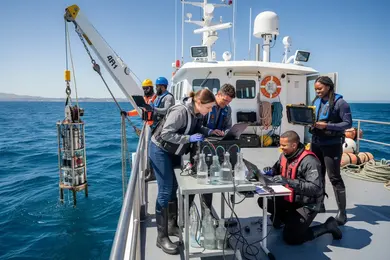
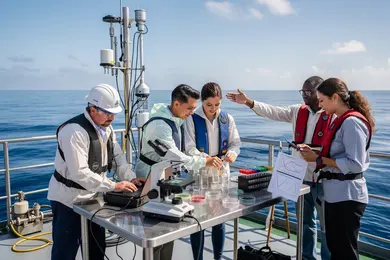
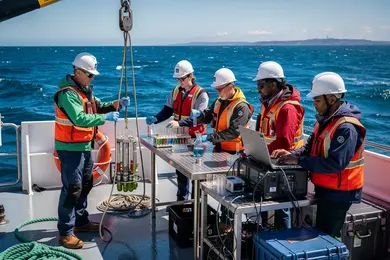
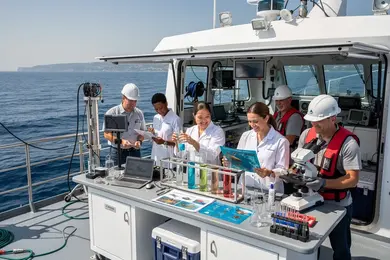
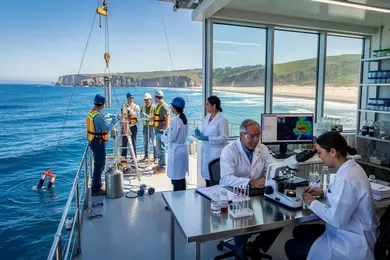
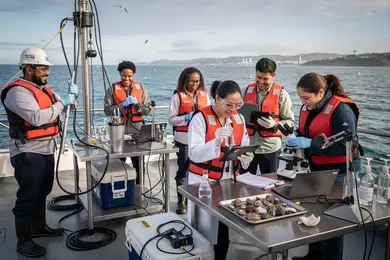
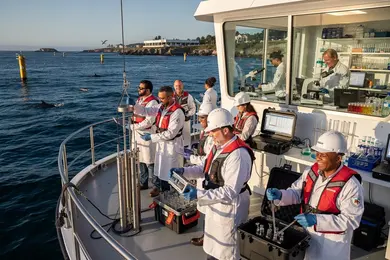
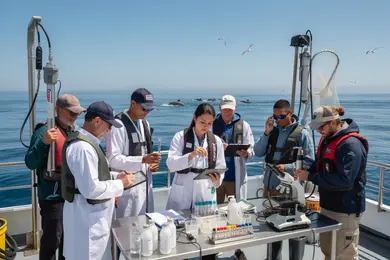
- Field and Laboratory Expertise: Hands-on learning is central, with students conducting ecological sampling, species identification, and habitat assessments in diverse marine settings. Complementary lab work like water chemistry and molecular biology further refines technical competence.
- Interdisciplinary Critical Thinking: The curriculum fosters the synthesis of oceanography, biology, chemistry, and environmental science to evaluate ecosystem dynamics and policy frameworks. This skill is developed through case studies and project-based learning that emphasize evidence-based decision-making.
- Communication and Reporting Skills: Students learn to translate technical findings into clear, accurate reports and presentations aimed at diverse audiences including policymakers and stakeholders. Training in scientific writing and public speaking ensures graduates meet the professional demand for conveying complex information effectively.
- Leadership and Project Management: Graduate coursework and group research projects cultivate skills in coordinating diverse teams and managing multi-phase initiatives. Awareness of ethical standards and regulatory compliance further prepares students to navigate the socio-political context of marine resource management.
The skills acquired through a marine science master's degree correspond with the evolving demands of employers who increasingly favor candidates with expertise extending into data science, policy analysis, and technical instrumentation.
Prospective students should map these competencies to their intended career pathways, recognizing that articulating how they developed and applied these skills during graduate studies can significantly influence employability.
Those seeking to complement core marine science knowledge might also explore interdisciplinary programs or certifications, similar to fields covered by emerging 1 year radiology tech programs online, to broaden their technical toolkit and align with niche job markets.
What Careers Can You Pursue With a Marine Science Master's Degree?
A master's degree in marine science serves as a gateway to a diverse array of specialized and practical career opportunities spanning government, private sector, nonprofit, and research environments.
The professional roles available are shaped by factors such as specific areas of academic focus, the technical and field skills acquired during training, previous work experience, and the alignment with evolving labor market needs.
Given the cross-disciplinary nature of marine science, graduates often find themselves working in applied contexts where scientific knowledge must be integrated with policy, technology, or management considerations.
- Marine Biologist or Ecologist: These professionals apply graduate-level expertise to design and execute research projects focused on marine organisms and ecosystems, often working in field or laboratory settings. Employing skills in experimental design, data analysis, and species identification, they typically engage with academic institutions, governmental agencies, or environmental consultancies.
- Environmental Consultant: Utilizing a marine science background, environmental consultants assess the ecological impact of coastal development, pollution, or resource exploitation. They translate scientific findings into actionable recommendations for regulatory compliance and sustainable practices, frequently partnering with private industry or governmental regulators.
- Marine Policy Analyst or Coastal Resource Manager: These individuals bridge science and policy, interpreting marine research to inform regulatory frameworks, resource allocation, and conservation programs. Working primarily within government agencies or nonprofit organizations, they must integrate complex environmental data with socioeconomic considerations.
- Oceanographer: Specializing in physical, chemical, or geological ocean processes, oceanographers employ quantitative modeling, remote sensing, and field measurements to understand marine systems. Their work supports climate research, maritime operations, or environmental monitoring, often within research institutes or governmental laboratories.
- Marine Technology Developer or GIS Specialist: These roles focus on designing, implementing, or managing technological tools and spatial data analyses for underwater exploration, habitat mapping, or resource management. A marine science degree equips professionals with the domain knowledge needed to collaborate effectively with engineers and data scientists.
How Much Can You Earn With a Marine Science Master's Degree?
Earning potential for graduates with a marine science master's degree is highly variable and depends significantly on how the degree is leveraged across different industries and job functions.
Rather than a fixed salary figure, compensation reflects the diverse sectors-ranging from government agencies and academic research to private consultancy and nonprofit environmental work-where graduates find employment.
Entry-level salaries commonly fall between $50,000 and $65,000 annually, but these figures are influenced by the specific focus of the role, geographic labor market, and employer funding sources, which can fluctuate based on public and private investment in marine-related initiatives.
Key factors driving compensation include the profitability and budget priorities of the employing sector, the rarity and technical depth of specialized skills acquired, and the extent of managerial or regulatory responsibility undertaken.
For example, roles involving renewable marine energy or climate impact assessment tend to be better compensated due to their growing economic significance and technical complexity.
Additionally, digital transformation within marine science-such as the integration of remote sensing and data analytics-enhances demand for professionals with advanced technological expertise, further influencing salary potential.
Long-term salary growth is closely tied to strategic skill development, publication records, and networking within professional circles, which enable progression from technical or assistant positions into leadership, consultancy, or policy-making roles.
Mid-career professionals typically see salaries rise into the $65,000 to $90,000 range as they accumulate experience and demonstrate project management competence.
According to data from the U.S. Bureau of Labor Statistics and Lightcast, sustained career advancement often requires aligning educational achievements with evolving sector trends and maintaining adaptability to shifting labor market demands in marine science.
What Are the Disadvantages of Pursuing a Marine Science Master's Degree?
While a marine science master's degree equips students with specialized knowledge and research skills, it is important to weigh the inherent trade-offs before committing. The disadvantages vary depending on an individual's career objectives, financial situation, program design, and sector-specific hiring realities.
A nuanced understanding of these drawbacks relative to the limitations of marine science graduate programs can help prospective students align expectations and plan strategically for their future.
- Limited Job Market and Slow Employment Growth: Employment projections by the U.S. Bureau of Labor Statistics indicate modest growth in oceanographic and environmental science roles, leading to high competition for available positions.
- Modest Starting Salaries Relative to Educational Investment: Graduate programs typically involve significant tuition and living expenses, especially near coastal research centers. Since many entry-level jobs and government-funded research roles offer moderate salaries, the return on investment may lag behind other STEM fields, impacting long-term financial outcomes for graduates.
- Physically Demanding and Location-Dependent Fieldwork: Marine science often requires work in challenging environments including extended offshore periods and remote sites. Such demands can limit opportunities for those with personal or familial obligations that restrict travel or flexible schedules, adding practical hurdles to workforce participation.
- Potential Gap Between Academic Focus and Employer-Required Technical Skills: Programs emphasizing theoretical or laboratory-based training may not fully prepare students for evolving industry needs centered on data analysis, coding, or remote sensing technologies. Graduates might need additional training to remain competitive in a shifting job market.
Understanding these limitations alongside the advantages of a specialized degree is crucial. For those reconsidering graduate studies in environmental or related health sciences, comparing the logistical and financial implications with other fields, including options like a 12 month FNP program online, may provide insights into alternative pathways that better suit diverse career goals.
How Should Students Compare Marine Science Master's Programs?
Not all marine science master's programs deliver equivalent value or career prospects, even if program titles appear similar. Students should critically assess how well a program's structure, faculty expertise, experiential learning, and professional connections align with their specific career objectives.
Evaluating these factors helps distinguish programs that emphasize practical skills and labor market relevance from those focused mainly on academic prestige or theoretical knowledge. Understanding these nuances is essential when comparing the best marine science graduate programs.
- Accreditation and Academic Quality: Regional accreditation ensures baseline rigor and acceptance by employers and doctoral programs, while additional recognition from scientific bodies signals curricular relevance. Accreditation impacts degree credibility, influencing job prospects and further academic opportunities.
- Curriculum Flexibility and Specialization: Programs offering focused tracks in oceanography, marine policy, or ecology provide targeted skills that enhance employability in niche sectors. Differences in curriculum design affect how well students can tailor their education to evolving labor market demands highlighted by the U.S. Bureau of Labor Statistics.
- Experiential Learning Opportunities: Access to fieldwork, laboratories, and internships is crucial for applied skill development. Programs with robust practical components better prepare graduates for roles in environmental consulting and resource management, which are growing areas within marine science employment.
- Faculty Expertise and Research Funding: Faculty actively engaged in funded research and publishing tend to offer higher-level training and project access. However, students targeting industry positions might prioritize programs with established governmental or private-sector partnerships instead.
- Graduate Outcomes and Employment Networks: Analyzing alumni placement data and internship pipelines helps gauge return on investment. Strong employer connections can significantly affect early-career job acquisition in this competitive field.
Balancing these aspects against individual goals allows for an informed choice among marine science master's programs. For students concerned about costs, comparing tuition relative to expected earnings provides essential context; resources such as the speech pathology degree cost online discussions illustrate the importance of evaluating program expenses in light of career outcomes.
What Graduates Say About Marine Science Master's Degree
- Louie: "The curriculum offered a solid grounding in marine science fundamentals, but what really shaped my career was the emphasis on building a strong portfolio through hands-on projects. Employers in this field often look beyond just degrees and prefer candidates who can demonstrate practical skills and real-world problem-solving. I found that internships and volunteer opportunities opened more doors than licensure. While the program prepared me well academically, navigating the hiring landscape made me realize that experience is king."
- Zamir: "What stood out to me was the program's flexibility, which allowed me to balance coursework with remote internships that aligned closely with my career goals. After graduation, I noticed many roles were shifting towards remote and interdisciplinary work, so having that adaptable foundation was critical. However, I did face limitations in salary growth initially, especially in positions that didn't require professional licensure. This pushed me to consider additional certifications and specialized skills to remain competitive in a rapidly evolving job market."
- Matthew: "The program was intellectually rigorous, but the reality after graduating was more complex-competitive roles often required a mix of credentials and niche experience that isn't always covered deeply in class. I had to pivot a few times before landing a role that fit my ambitions, especially since many employers favored seasoned professionals with specific certifications over just a master's degree. The experience made me appreciate the value of networking and targeted internships alongside the academic journey, as those connections and real-world experiences had a greater impact on my career progress than the degree alone."
Other Things You Should Know About Marine Science Degrees
Marine science master's degrees vary widely in the balance between research and coursework. Programs with heavy research requirements demand significant time investment in fieldwork and lab analysis, which can limit opportunities for broader coursework or professional internships. Students prioritizing hands-on skills and academic publishing should lean toward research-intensive tracks, while those seeking applied knowledge or management roles might prefer coursework-focused options with practical applications.
Employers in academia and research institutions often prefer candidates with thesis-based degrees for demonstrated independent investigation and technical expertise. In contrast, government agencies or industry roles involving policy, education, or environmental management may place higher value on practical skills and project management typically emphasized in non-thesis programs. Prospective students should assess their target job market critically and choose the degree track that aligns with typical employer requirements rather than defaulting to the more traditional thesis option.
Marine science master's programs can be demanding both academically and logistically, especially with field components often requiring irregular hours and seasonal availability. Students balancing work should prioritize programs offering part-time, evening, or online courses and flexible scheduling for field experiences. Failure to evaluate workload realistically can lead to prolonged graduation timelines or compromised learning outcomes; therefore, selecting a program tailored for working professionals can facilitate progress without sacrificing educational quality or career productivity.
References
- The Graduate Program at William & Mary's Batten School of Coastal & Marine Sciences https://www.vims.edu/academics/graduate/
- Marine research for students https://www.meere-online.de/en/topics/marine-sciences/translate-to-english-angebote-der-meeresforschung-fuer-studierende
- Marine Biology Degree Programs in the U.S. | MarineBio Conservation Society https://www.marinebio.org/careers/us-schools/
- Your guide to Marine Science internships in Greece | Intern Abroad HQ https://www.internhq.com/blog/guide-to-marine-science-internships-greece/
- 10 careers you can have with a Marine Science degree - SAMS UHI Student Blog https://blog.sams.ac.uk/10-careers-you-can-have-with-a-marine-science-degree/
- 10 Jobs You Can Get With a Marine Biology Degree https://www.seamester.com/blog/10-jobs-you-can-get-with-a-marine-biology-degree/
- Academic Institutions and Graduate Programs - Marine Mammal Commission https://www.mmc.gov/resources/career-resources/academic-institutions/
- Marine Biology Jobs | Conservation Job Board https://www.conservationjobboard.com/category/marine-biology-jobs