2027 What Is an Environmental Management Master's Degree? Definition, Curriculum & Career Paths

Co-Founder and Chief Data Scientist
Amid accelerating climate challenges and tightening regulations, organizations increasingly require leaders who can navigate complex environmental risks and sustainability mandates. The environmental management master's degree addresses this demand by integrating policy analysis, resource stewardship, and technical expertise within evolving legal and ecological frameworks.
Recent 2024 shifts in EPA enforcement protocols emphasize adaptive management strategies, underscoring the degree's focus on responsive, data-driven decision-making. Graduates learn to balance economic and environmental objectives while engaging diverse stakeholders, reflecting employer expectations for multidisciplinary problem solvers. This article examines the core curriculum, practical competencies, and career trajectories linked to the degree's distinctive role in shaping sustainable development professionals.
Key Benefits of Environmental Management Master's Degree
- Advanced quantitative methods taught in environmental management programs enable data-driven decision-making but require significant time investment, impacting those balancing professional responsibilities and study commitments.
- Employers increasingly expect graduates to have interdisciplinary fluency, complicating hiring as candidates must demonstrate both technical expertise and policy acumen beyond traditional environmental science.
- A 2024 study shows a 22% rise in organizational demand for sustainability analytics skills, indicating that program curricula emphasizing these areas enhance employability in evolving environmental sectors.
Who Should Pursue an Environmental Management Master's Degree?
Graduate education delivers the most value when it addresses specific professional objectives rather than serving as a reflexive step after undergraduate studies. For candidates considering an environmental management master's degree, the decision hinges on clear career goals, existing skill gaps, and an understanding of industry demands.
Candidates must weigh how advanced training in this field will facilitate leadership roles, specialized expertise, or transitions within sectors emphasizing sustainability and regulatory compliance. The growing emphasis on sustainability leadership across industries means that informed choices about when and why to pursue this degree are critical to maximizing long-term career impact.
- Mid-Career Professionals Seeking Leadership Roles: Individuals currently working in fields affected by environmental policies, such as energy, manufacturing, or government agencies, often find that an environmental management master's enhances their strategic and regulatory capabilities. This degree supports advancement into supervisory, compliance, or advisory positions that require interdisciplinary knowledge of environmental science, law, and management.
- Specialists Aiming to Broaden Expertise into Policy and Compliance: Professionals with technical backgrounds who want to influence corporate sustainability or environmental regulations benefit from this type of graduate education. The program's blend of quantitative analysis and risk assessment prepares graduates to oversee complex regulatory programs and engage with evolving legislative landscapes.
- Career Changers Transitioning Into Environmental Fields: Those from unrelated sectors but with strong environmental interests can acquire essential foundational knowledge and practical skills through a structured master's curriculum. The degree serves as a bridge to new roles where integrated understanding of natural sciences and management converge, although success often requires dedication to mastering cross-disciplinary coursework.
- Recent Graduates Seeking Specialization for Competitive Advantage: Graduates with degrees in biology, engineering, public policy, or business may pursue this master's to sharpen environmental competencies that are increasingly vital in many sectors. This specialization addresses employer preferences for candidates who combine scientific literacy with managerial insight to meet complex sustainability challenges.
- Professionals Targeting Roles in Emerging Environmental Areas: As corporations and public agencies raise sustainability standards and compliance demands, individuals aiming to enter emerging subfields, such as environmental impact evaluation or corporate social responsibility, find this advanced degree aligns well with the skill sets employers seek. According to the U.S. Bureau of Labor Statistics, employment for environmental scientists and specialists is projected to increase by 8% over the next decade, indicating expanding opportunities for program graduates.
For prospective students balancing work and study commitments, investigating flexible options like accelerated degree programs online can also be a strategic consideration, though these are more common at the undergraduate level.
Ultimately, deciding to pursue an environmental management master's degree requires a clear-eyed appraisal of how the curriculum's interdisciplinary focus fits specific professional contexts, the degree's role in enhancing workforce competitiveness, and its alignment with evolving sustainability imperatives in the labor market.
What Are the Core Courses in an Environmental Management Master's Curriculum?
Core courses form the academic backbone of an environmental management master's program, aiming to cultivate skills that remain relevant across diverse specializations and career directions. While specific course titles may vary across institutions, most curricula converge on essential subject areas that advance graduate-level expertise.
These foundational courses integrate theoretical frameworks with applied methods, ensuring graduates are prepared to address complex environmental issues in both public and private sectors.
- Environmental Policy and Regulation: This course is pivotal as it grounds students in the legal and institutional landscapes that govern environmental action. It highlights the constraints and opportunities created by laws and policy instruments, sharpening the student's ability to navigate regulatory environments critical to compliance and advocacy roles.
- Environmental Science and Ecology: Offering a scientific foundation, this course develops understanding of natural systems, biodiversity, and ecosystem dynamics. It equips students to critically analyze environmental data and ecological impacts, skills essential for technical roles and for informing sustainable decisions.
- Environmental Economics and Risk Assessment: By introducing cost-benefit analysis, market mechanisms, and uncertainty quantification, this course trains students to evaluate project feasibility and resource allocation. It cultivates quantitative reasoning necessary for advisory positions, where economic and environmental trade-offs must be balanced.
- Project Management and Stakeholder Engagement: This module addresses organizational and communication skills, emphasizing strategic planning and cross-sector collaboration. The course enhances leadership capacities needed to manage complex initiatives involving diverse interests, from corporate sustainability teams to community advocacy.
- Quantitative Methods and Spatial Analysis (GIS): Proficiency in data analytics and spatial technologies is increasingly indispensable as big data and geospatial tools reshape environmental problem-solving. This course sharpens technical competencies for handling large datasets and spatially explicit analyses vital in climate modeling and resource management.
Data from the U.S. Bureau of Labor Statistics in 2024 indicates rising employer demand for environmental professionals who combine technical expertise with policy literacy and project management abilities, demonstrating the enduring value of this integrated curriculum.
A recent graduate recalled that during the rolling admissions process for their environmental management program, they hesitated to submit their application early, uncertain about the competitiveness of their background. Waiting nearly two months for feedback introduced stress, as they balanced job commitments and application preparation simultaneously.
When the acceptance finally arrived, their readiness to undertake core courses pivoted on swift logistical planning to accommodate the program's rigorous blend of scientific and managerial content. This personal experience underlines how understanding the curriculum's demands can shape critical timing and decision-making in entering the field.
What Specializations Are Available in Environmental Management Master's Programs?
Master's programs in environmental management typically offer multiple specialization tracks that enable students to align their training with specific career objectives. While foundational courses build core competencies across environmental systems and policy, selecting a specialization shapes the technical skills and conceptual frameworks graduates develop.
This focused expertise often influences employability, sector fit, and long-term career trajectories within the diverse landscape of environmental professions.
- Natural Resource Management: Concentrates on sustainable utilization and preservation of ecosystems such as forests, water resources, and wildlife habitats. This specialization develops applied skills in ecosystem assessment and resource governance, preparing graduates for roles largely found in regulatory agencies, conservation nonprofits, or resource extraction oversight. Its practical focus on balancing environmental and economic factors aligns with growing demand for stewardship in both public and private sectors.
- Environmental Policy and Planning: Emphasizes navigating regulatory environments, legislative frameworks, and strategic planning processes. Students cultivate analytical and advocacy skills instrumental in policymaking, urban development, or environmental compliance. Employers in government, planning consultancies, and advocacy groups value this specialization for its capacity to bridge technical knowledge with governance and stakeholder coordination.
- Environmental Science and Technology: Integrates scientific methodologies and emerging technologies such as GIS, remote sensing, and pollution control systems. This track demands quantitative aptitude and produces graduates ready for technical roles in environmental consulting, impact assessment, or remediation efforts. As industries increasingly rely on data-driven environmental solutions, this specialization enhances technical employability and adaptability.
- Climate Change and Sustainability: Focuses on designing and implementing mitigation and adaptation strategies in response to climate risks. Coursework advances understanding of sustainability frameworks, resilience planning, and carbon management. This growing specialization equips graduates to influence climate policy, corporate sustainability initiatives, or international environmental programs, reflecting a labor market emphasis on climate-centric expertise.
- Environmental Health and Safety: Addresses identification and management of environmental hazards affecting human health and workplace conditions. Graduates typically fill compliance, risk assessment, and health regulation roles in industrial and public health sectors. Given the increasing regulatory scrutiny and integration of environmental health in broader safety programs, this specialization supports stable career opportunities across multiple industries.
According to recent data from the U.S. Bureau of Labor Statistics, sectors linked to environmental management specializations such as natural resource conservation and environmental compliance are projected to grow faster than average through 2030, underscoring the importance of targeted expertise.
However, prospective students must weigh the tradeoffs between specialization depth and interdisciplinary flexibility, as labor market demand varies widely across segments. Aligning specialization choice with both current employer expectations and evolving industry trends enhances long-term career resilience within the environmental management field.
How Long Does It Take to Complete an Environmental Management Master's Degree?
Completing an environmental management master's degree generally takes between one and two years for full-time students, based on curricula that require 36 to 48 credit hours, as reported by the Council of Graduate Schools in 2024. Part-time students or those juggling professional responsibilities often extend their studies beyond two years, leveraging flexible program formats.
The average duration of environmental management master's programs reflects this variability, with many institutions accommodating different pacing options to meet diverse learner needs. Understanding these timelines is crucial for setting realistic expectations about how quickly the degree can be completed and aligned with career objectives.
The length of study is shaped by several key factors beyond enrollment status. Course load per semester is one, where heavier loads can shorten completion times but may intensify academic pressure.
Programs that include internships, cooperative education, or practical fieldwork extend timeframes due to the additional hands-on commitments required to meet experiential learning goals. Similarly, thesis-based degrees typically add three to six months compared to non-thesis tracks, given the research and writing demands.
Whether students choose on-campus, online, or hybrid delivery also influences duration, especially for working professionals who must balance coursework with employment and personal obligations. These elements contribute to the wide range of completion periods seen across programs and student circumstances.
Some students intentionally modulate their pace based on career priorities or financial considerations, opting either to accelerate by taking more courses or to extend their studies to gain valuable experience through internships or cooperative education.
For those interested in condensed options, it is worth exploring programs designed for quicker credentialing. Some students pursue alternative routes such as an associate degree in 6 months online to meet immediate workforce requirements before committing to graduate-level study.
Ultimately, decisions about the time invested in an environmental management master's depend on balancing academic demands with practical realities and long-term professional goals.
Do Environmental Management Master's Programs Require Internships or Practicums?
Requirements for internships or practicums in environmental management master's programs differ significantly, shaped by each program's orientation and goals. Professionally focused curricula often integrate mandatory experiential learning to align student skills with immediate workforce needs, whereas research-centered tracks may prioritize lab work or policy analysis over field experience.
Institutional partnerships with agencies or consultancies also influence whether hands-on placements are compulsory, optional, or absent. These disparities mean prospective students must scrutinize program specifics rather than assume internships are universally required components.
Experiential components aim to translate academic concepts into practical skills by immersing students in authentic environmental work settings. Beyond reinforcing knowledge application, these placements help develop professional networks and demonstrate tangible competence to future employers, particularly in navigating real project constraints and stakeholder communication.
While such involvement can accelerate job readiness, the quality and scope of placements vary, and some programs supplement or replace internships with simulation projects or capstone experiences. Students should evaluate how these elements integrate into curriculum design and their potential impact on employability and career trajectory.
One graduate recalled debating whether to accept an internship placement tied to a program with rolling admissions. Initially uncertain about the program's fit and facing delayed admissions decisions elsewhere, they hesitated to commit to the practicum timeline.
Ultimately, the necessity of the internship as a graduation requirement clarified their choice, prompting enrollment with the placement in mind. This late-stage decision introduced some stress around preparation and scheduling but proved vital in gaining practical experience that recruiters valued. The graduate noted that understanding the role and timing of such programs beforehand would have eased the transition.
What Skills Do Students Gain From an Environmental Management Master's Degree?
A master's degree in environmental management is structured to cultivate advanced and specialized skills that extend well beyond undergraduate study. These competencies emerge through a rigorous combination of theoretical coursework, applied projects, and industry-relevant research, equipping students for the multidimensional challenges typical of professional environmental roles.
This blend of instruction and practical experience fosters a skill set that integrates scientific knowledge, regulatory understanding, and strategic decision-making.
- Advanced Analytical Competence: Graduate-level study deepens students' ability to critically evaluate complex environmental data using quantitative methods and geographic information systems (GIS). These analytical skills are honed through data-intensive research assignments and real-world problem-solving exercises, preparing graduates to produce evidence-based policies and technically sound management strategies. Employers prioritize this skill as essential for interpreting scientific findings and addressing multifaceted ecological issues, which supports specialized roles and evolving leadership responsibilities.
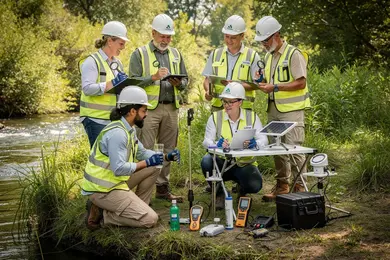
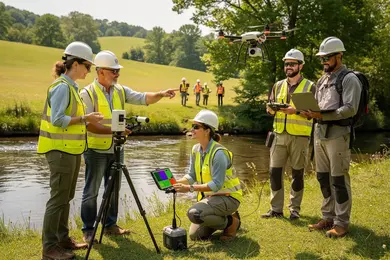
- Technical and Practical Expertise: Coursework emphasizes environmental risk assessment, pollutant control technologies, and sustainable resource use, often paired with hands-on lab work or field assignments. This active learning approach ensures graduates can design, implement, and critically assess environmental interventions. Professionals with these capabilities are in demand for their ability to translate theory into practice, particularly in roles requiring compliance with regulatory standards and innovation in environmental protection.
- Project Management and Leadership: Managing interdisciplinary environmental projects involves coordination, budgeting, regulatory navigation, and stakeholder engagement. Graduate programs build these competencies by assigning group projects and case studies that replicate real-world scenarios, developing abilities to lead diverse teams effectively. Employers view these skills as critical for overseeing large-scale initiatives and fostering collaboration across sectors, which enhances career scalability and strategic influence.
- Environmental Law and Policy Literacy: Students engage with national and international legal frameworks, environmental impact assessments, and policy formulation processes. Immersive study and simulated exercises cultivate an understanding of governance structures crucial for roles centered on compliance and policy advocacy. Proficiency in this area enables career pathways in regulatory agencies, consulting, and advocacy groups where navigating legal complexities is routine.
- Soft Skills for Collaboration and Communication: Throughout the curriculum, emphasis on critical thinking, problem-solving, and tailored communication sharpens graduates' capacity to engage scientific and non-scientific audiences alike. This dual focus on technical messaging and interpersonal dialogue underpins effective stakeholder relations, a key expectation among employers who prioritize adaptive, cross-disciplinary communication skills. Mastery of these soft skills contributes to enduring professional relevance and leadership potential.
Data from recent workforce analyses reinforce that many employers seek environmental management master's degree holders who integrate scientific expertise with economic, social, and technological perspectives.
These graduate competencies in environmental management programs reveal a growing preference for professionals able to manage complex tradeoffs and lead change within dynamic regulatory contexts. Prospective students should recognize the necessity of ongoing skill refinement post-graduation to remain competitive amid evolving environmental challenges.
Given the increasing demand for versatile environmental managers, individuals balancing work and study might also explore pathways like affordable or flexible programs, including the cheapest ABA-approved paralegal programs, to support their educational financing strategies while advancing specialized skills.
What Careers Can You Pursue With an Environmental Management Master's Degree?
A master's degree in environmental management opens doors to diverse and specialized career options across public agencies, private companies, and nonprofit organizations. Outcomes vary widely depending on the graduate's focus area, practical skillset, and prior experience, as well as shifting labor market needs reflecting regulatory changes and sustainability priorities.
Graduates who combine technical, policy, and management expertise are positioned to navigate complex environmental challenges within various operational contexts.
- Environmental Compliance Manager: This role centers on ensuring organizations adhere to environmental laws and regulations. Graduates leverage their understanding of legal frameworks and risk management to develop compliance programs and internal audits, commonly within manufacturing, energy, or governmental regulators. Advancement often leads to senior advisory or director-level positions overseeing broader environmental risk portfolios.
- Sustainability Consultant: Graduates advising businesses and municipalities on reducing environmental impact apply analytical and project management skills to design tailored sustainability initiatives. Their training supports metrics development, resource optimization, and certification processes, bridging technical solutions with stakeholder communication. These roles frequently exist in consulting firms or corporate sustainability departments.
- Natural Resource Manager: Managing ecosystems, water supplies, or land use projects, this career requires integrating scientific data with policy objectives to balance conservation and development. Environmental management graduates find positions in agencies, NGOs, or private firms focused on sustainable resource allocation, with progression linked to oversight of larger, more complex projects or policy influence.
- Climate Risk Analyst: Emerging from the need to address climate change impacts, this position combines environmental systems expertise with advanced data analytics to evaluate vulnerabilities and adaptation strategies. Employers span finance, government, and environmental services sectors. Growth potential aligns with increasing demand for climate resilience planning and regulatory reporting.
- Environmental Data Scientist: Harnessing analytical capabilities gained during graduate training, these specialists extract insights from environmental datasets to support decision-making. Roles often involve modeling pollution, habitat changes, or resource management scenarios, placing them at the interface of technology and environmental policy. Career trajectories may lead to technical leadership or cross-disciplinary management.
How Much Can You Earn With an Environmental Management Master's Degree?
Earning potential for graduates with a master's degree in environmental management varies significantly based on how the degree is applied across industries and roles, rather than reflecting a fixed salary outcome.
Positions range broadly, from entry-level environmental consultants and sustainability analysts to senior project managers and corporate sustainability directors, each with different compensation structures shaped by sector-specific demands. The influence of geographic factors is notable; metropolitan areas with concentrated environmental industries tend to offer higher wages compared to rural regions.
Additionally, the public sector generally provides more modest salaries than private firms engaged in energy, manufacturing, or consulting, where technical expertise often commands a premium. These variations highlight the importance of aligning one's specialization and sector choice with realistic market expectations and professional goals.
Key factors driving compensation differences include industry profitability, scarcity of specialized skills, leadership responsibilities, and the evolving role of digital tools in environmental assessment and compliance.
Technical specializations, such as expertise in regulatory frameworks, sustainable resource management, or environmental impact analysis, can enhance salary prospects when paired with relevant certifications. Leadership roles that integrate environmental strategy into organizational decision-making typically increase earning potential by a substantial margin.
Furthermore, as environmental data analytics and project management tools become integral to operations, professionals who adapt to these technologies gain a competitive advantage. This intersection of technical proficiency and managerial capability strongly influences compensation trajectories in environmental management careers.
Over the long term, salary growth depends heavily on gaining hands-on experience, building technical credentials like LEED accreditation, and making strategic specialization choices. Early-career roles often provide the foundational skills and applied knowledge critical for transitioning into higher-paying managerial or consultancy positions.
Continuous skill development and networking remain essential for advancing beyond initial salary bands identified by labor market analyses from the U.S. Bureau of Labor Statistics and Lightcast. Graduates who proactively align their practical expertise with sector trends and employer expectations are better positioned to maximize income growth and maintain relevance in a competitive labor market.
What Are the Disadvantages of Pursuing an Environmental Management Master's Degree?
While a master's degree in environmental management can equip students with diverse skills and access to specialized roles, pursuing this path involves important trade-offs. The disadvantages often hinge on individual career objectives, financial capacity, program design, and evolving employer preferences.
Awareness of these factors is essential to realistically weigh the degree's value against its commitments and returns.
- Labor Market Niche and Employer Expectations: Environmental management master's degree program challenges include a relatively narrow job market where many openings prioritize technical skills or experience over advanced degrees. This creates a mismatch that can limit immediate employment opportunities for graduates, especially in sectors outside public or nonprofit organizations.
- Financial Investment vs. Salary Gains: Potential drawbacks of environmental management graduate studies often center on high tuition costs with uncertain return on investment. Entry-level roles typically do not offer substantially higher salaries than bachelor's-level jobs, which can delay recouping educational expenses and make the degree less economically advantageous depending on geographic and sector-specific factors.
- Broad Curriculum Limits Technical Depth: The multidisciplinary curriculum balances science, policy, and business but may dilute specialized technical expertise. For candidates aiming at scientific research or highly technical positions, this breadth can necessitate additional certifications or training post-graduation, adding time and expense.
- Time Commitment and Opportunity Costs: Completing the program usually takes 1.5 to 2 years full-time, which may mean lost income, missed work experience, or stalled career advancement. Mid-career professionals, in particular, face challenges juggling study with ongoing job responsibilities, potentially impacting performance and financial stability.
- Geographic and Sector Constraints: Many environmental management roles cluster in specific government hubs or regions, limiting flexibility for graduates wishing to live elsewhere. The competitive nature of the field, especially in sought-after locations, further complicates job placement prospects.
Students examining the environmental management master's degree program challenges should also consider how these factors align with their career plans and financial situations.
Some may find alternative interdisciplinary degrees or targeted certifications more aligned with their goals. Meanwhile, those interested in fields like forensic psychology degree might explore specialized programs more tailored to their desired outcomes.
How Should Students Compare Environmental Management Master's Programs?
Not all environmental management master's programs deliver equivalent value or career outcomes, despite sharing similar titles. Students should critically assess how well each program aligns with their career goals, the depth and structure of the curriculum, faculty expertise, opportunities for applied learning, and the strength of industry connections.
These factors decisively influence post-graduate employability and long-term career trajectories.
- Accreditation and Academic Rigor: Accreditation by recognized bodies confirms that a program meets defined quality standards and adheres to evolving industry requirements. Programs lacking proper accreditation may undermine a graduate's credibility with employers, thus assessing this factor is crucial for informed decision-making.
- Labor Market Alignment and Employment Outcomes: Evaluating graduates' employment rates, sectors, and salary trends using data from sources like the U.S. Bureau of Labor Statistics or Lightcast helps determine real-world applicability. Programs closely aligned with market demands for sustainability, regulatory compliance, or GIS skills enhance career relevance.
- Curriculum Breadth and Practical Competencies: A comprehensive curriculum that integrates theoretical foundations with technical skills such as environmental policy, risk assessment, and project management offers stronger preparation. Students should compare how different programs balance these elements and which practical tools and software they emphasize.
- Experiential Learning and Industry Networks: Hands-on opportunities including internships, capstone projects, or research with faculty provide critical applied experience and professional contacts. Programs with robust industry partnerships often facilitate smoother transitions into specialized roles in government, consulting, or corporate sustainability.
- Flexibility and Delivery Mode: For working professionals or career changers, program structure, including part-time options, online delivery, or evening classes, impacts feasibility and completion likelihood. Comparing these logistical elements helps match educational demands with personal circumstances.
Prospective students evaluating how to compare environmental management master's programs effectively should incorporate these multidimensional criteria rather than rely on superficial rankings. Tailoring selection based on these substantive differences optimizes return on investment and career relevance.
For those balancing job commitments or seeking credit flexibility, exploring options such as online MBA programs that accept transfer credits can provide useful parallels in understanding program adaptability within graduate education landscapes.
What Graduates Say About Environmental Management Master's Degree
- Ramon: "Completing the environmental management master's program gave me a solid foundation, but I quickly realized that employers valued hands-on experience just as much, if not more. Building a strong portfolio through internships was essential, especially since many roles didn't require licensure but demanded practical skills in data analysis and compliance reporting. The curriculum's emphasis on policy and systems thinking helped me navigate regulatory environments, but landing my first position meant being flexible about location and open to contract work initially."
- Stephanie: "What stood out to me during the program was the growing trend toward remote consulting roles in environmental management, which I've been able to leverage in my career. While the academic content was rigorous, the real value came from learning project management and client communication skills, which are crucial when working virtually. I had to pivot away from my expectation of a traditional agency role and instead focus on certifications like LEED to advance. The salary growth can be limited without professional licensure, but the flexibility and varied project work kept me engaged."
- Aubrey: "From the start, I approached environmental management with a mindset to blend science with practical business solutions. I found that some employers were cautious about applicants who only had academic credentials, preferring experience in environmental audits or sustainability reporting. Although the program was challenging, it offered opportunities to participate in fieldwork that proved invaluable during job interviews. Early on, I faced competition for certain positions, so I supplemented my degree with specific software training and volunteered on local environmental initiatives to boost my employability."
Other Things You Should Know About Environmental Management Degrees
Many environmental management programs vary in how they blend technical science with management skills. A program heavily weighted toward technical courses may leave graduates underprepared for leadership roles that require policy formulation, communication, and organizational strategy. Conversely, programs focusing excessively on management can lack depth in scientific understanding needed for effective decision-making. Prospective students should prioritize programs offering a well-rounded curriculum that integrates applied science with practical management competencies to align with employer expectations and broaden career flexibility.
Research-focused degrees often involve thesis work and prepare students for academic, policy, or specialist research roles, which may limit immediate employability in business or consulting sectors. In contrast, professionally oriented programs emphasize practical skills and real-world projects that appeal to employers seeking graduates who can manage current environmental challenges in corporate or regulatory contexts. Candidates should weigh their long-term goals carefully; those targeting private sector or government management roles often benefit more from applied, skill-based programs, while research tracks suit candidates aiming for PhD studies or think tank careers.
In 2027, both online and on-campus environmental management programs offer robust educational experiences. Online formats provide flexibility and accessibility, often ideal for working professionals, while on-campus options may offer richer networking opportunities. Career prospects depend more on skills and experiences gained rather than the program format chosen.
Programs with strong industry partnerships often provide direct pathways to internships, applied research projects, and employment, which can significantly enhance practical experience and job placement rates. In contrast, broader academic recognition and accreditation may signal consistent curriculum standards and academic rigor but don't guarantee industry connections or career support. For students whose primary motivation is career entry or progression, choosing a program with documented employer engagement and applied opportunities generally offers better return on investment than one focused mainly on academic prestige.
References
- Guide to Environmental Internships | Higherin https://higherin.com/career-guides/science-research/environmental-internships
- The Best Online Master's in Environmental Management Programs - OnlineMasters.com https://www.onlinemasters.com/best-degree-programs/environmental-management/
- Top jobs with a masters in environment and sustainability https://www.surrey.ac.uk/news/top-jobs-masters-environment-and-sustainability
- Careers in Environmental Management: An Overview https://www.columbiasouthern.edu/blog/blog-articles/2023/june/environmental-management-career-path/