
2027 What Job Postings Reveal About Finance Careers: Skills, Degrees, and Experience Employers Want

Co-Founder and Chief Data Scientist
What do employers in finance truly seek when reviewing job postings? This question often arises for recent graduates and career switchers navigating a complex job market. Although many assume a finance degree alone guarantees entry, the reality is more nuanced. Over 60% of finance roles now highlight the need for advanced analytical skills and relevant internship experience alongside formal education. Job titles like financial analyst, risk manager, and portfolio specialist increasingly demand a blend of technical proficiency and practical know-how. This article examines what job listings reveal about the specific skills, degrees, and experience that employers prioritize, guiding candidates to better prepare for finance careers.
Key Things to Know About Skills, Degrees, and Experience Employers Want
- Employers prioritize technical proficiency in financial modeling, data analysis, and regulatory knowledge, reflecting a shift toward quantitative and software skills in finance roles.
- Job postings frequently require bachelor's degrees in finance or related fields, with 65% preferring candidates with 3-5 years of relevant industry experience.
- Analyzing postings reveals trends in demand for certifications like CFA, helping candidates align education and training with evolving professional standards.
What Do Job Postings Say About Finance Careers?
Job postings in finance offer a clear reflection of what employers expect from candidates entering the field. A significant trend shows that over 70% of finance roles require strong data analysis skills, highlighting the importance of technical proficiency. These listings typically call for relevant education such as a bachelor's degree, alongside practical experience like internships or project work. This combination indicates that theoretical knowledge must be paired with hands-on application to meet market demands.
Patterns in job postings reveal both consistency and variation in employer expectations across finance roles. While certifications like CFA or CPA often set mid- and senior-level candidates apart, entry-level positions tend to have broader qualification requirements. Employers also regularly emphasize essential soft skills like communication and problem-solving, underscoring the value of interpersonal abilities alongside technical expertise. This blend points to a multifaceted approach to hiring that balances diverse competencies.
What Skills Are Most Requested in Finance Job Postings?
Job postings for finance roles consistently reveal the key skills employers are seeking in candidates. More than 70% of these listings emphasize proficiency in data analysis or financial modeling, highlighting the significant role of quantitative expertise. These demands illustrate how essential a diverse skill set is for success in the evolving financial sector.
Below are some of the most requested skills frequently appearing in finance job postings:
- Analytical Skills: The ability to interpret complex data and recognize trends is crucial. Finance professionals use these skills to assess risks and identify opportunities, providing strategic insights that support organizational goals.
- Technical Proficiency: Familiarity with financial software, spreadsheet tools, and data management systems is highly valued. This technical know-how helps candidates efficiently process and present financial information, improving workflow productivity.
- Communication Skills: Clear communication is essential for explaining financial concepts to non-specialists and preparing comprehensive reports. Strong communication fosters collaboration across departments and ensures strategies are well understood.
- Attention to Detail: Precision in managing financial records and conducting audits minimizes errors and compliance issues. This accuracy upholds the integrity and trustworthiness of financial operations.
- Problem-Solving Abilities: Finance professionals must tackle unexpected challenges and develop solutions that meet regulatory and business needs. Adaptability supported by problem-solving promotes success in dynamic environments.
Students exploring finance careers often seek guidance on skill development alongside education options like a BCBA school online. Understanding the top skills required for finance roles can better prepare candidates to thrive in competitive job markets.
What Degrees Do Employers Require for Finance Careers?
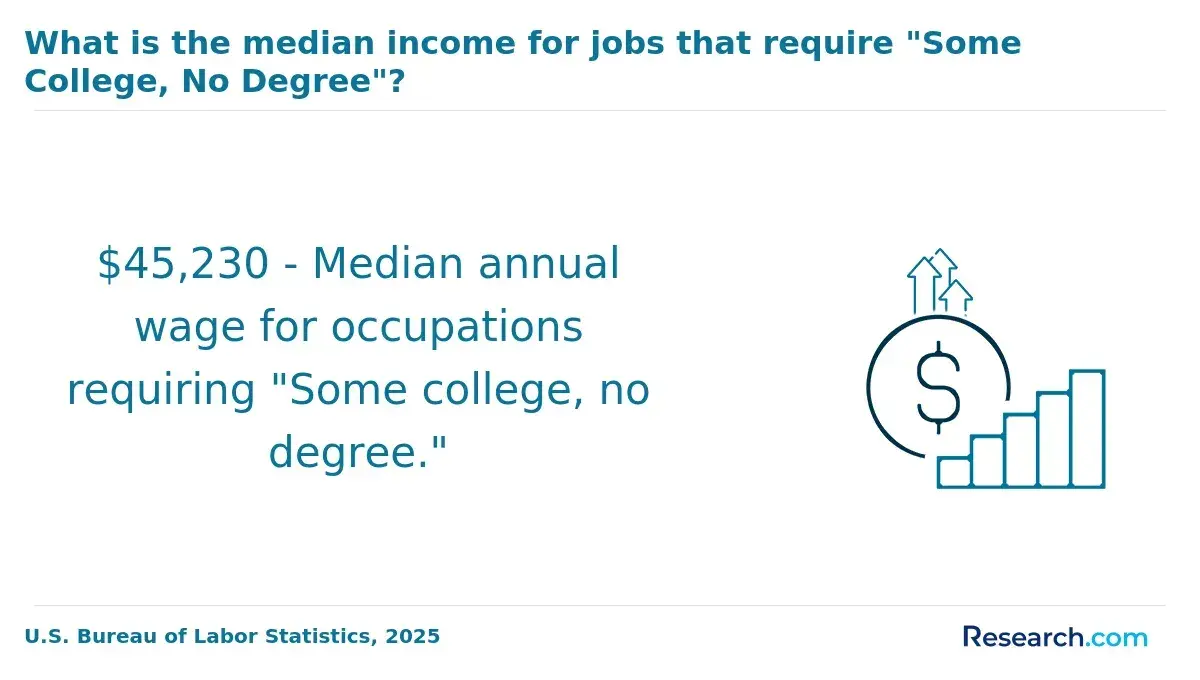
Job listings in finance typically set clear expectations regarding educational qualifications, which vary depending on the complexity of the role and the industry sector. Entry-level finance positions generally require a bachelor's degree, while more senior or specialized jobs often call for advanced degrees. These distinctions reflect how employers weigh education against job responsibilities and industry standards.
Recent data from the National Association of Colleges and Employers shows that about 79% of finance job postings list a bachelor's degree as the minimum requirement, with 28% expressing a preference for candidates holding a master's or higher degree.
Common degree requirements encountered in finance job ads include:
- Bachelor's Degree Minimum: Most finance roles expect applicants to have at least a bachelor's degree in finance, accounting, economics, or related areas. This ensures foundational knowledge in financial theories and quantitative skills.
- Advanced Degrees Preferred: Positions such as financial managers, investment bankers, or quantitative analysts often require or favor candidates with master's degrees, especially MBAs, reflecting the need for deeper expertise and leadership capabilities.
- Industry-Specific Preferences: Banking and investment firms place greater emphasis on degrees from accredited programs with strong analytic rigor, whereas some corporate roles may allow more flexibility regarding related disciplines.
- Related Fields Accepted: Finance employers occasionally consider degrees in economics, mathematics, or business, provided candidates demonstrate relevant financial competencies.
A Finance degree graduate shared his experience navigating these requirements: "When I graduated, I noticed the competition was fierce, especially for roles requiring advanced qualifications. I spent months researching which degrees would improve my chances and chose to pursue internships that complemented my bachelor's education. It was challenging balancing course demands with hands-on experience, but understanding employer expectations early helped me focus on the areas that mattered most."
How Much Experience Do Finance Job Postings Require?
Job postings in finance often specify varying experience levels depending on the position's seniority and specialization. Employers rely heavily on candidates' backgrounds to ensure they meet the demands of the role. Experience acts as a key filter to gauge readiness and suitability for different finance careers.
Experience requirements commonly follow these general patterns:
- Entry-Level Roles typically expect little to no prior experience, catering mostly to recent graduates or those starting new careers in finance. These jobs offer opportunities to build practical skills while working.
- Mid-Level Positions usually require between two and five years of relevant experience. Candidates should demonstrate competency in tasks like analysis, reporting, or client interactions and be familiar with core finance tools.
- Senior Roles demand extensive experience, often from five to ten years or more. These positions involve leadership duties, high-level decision-making, and strategic oversight across projects or teams.
- Specialized Expertise is important for niche jobs, which may call for specific sector knowledge or regulatory compliance experience beyond general finance skills.
Entry-level finance jobs hiring criteria often emphasize practical learning potential, while higher roles progressively increase expectations. For those exploring education paths aligned with career goals, finding the cheapest online master's in counseling could complement leadership and interpersonal skills valuable in finance management.
What Industries Hire Fresh Graduates With No Experience?
Many sectors are notably receptive to hiring finance graduates who lack prior work experience, often highlighting this openness in entry-level job advertisements. Approximately 45% of such postings actively encourage candidates without a professional background to apply, particularly in selected industries.
The following industries are known for welcoming fresh finance graduates with little to no experience:
- Banking and Financial Services: Numerous banks run graduate schemes and junior analyst positions designed specifically for newcomers, offering structured training and on-the-job learning to build essential skills.
- Insurance: Positions such as entry-level underwriting, claims support, and actuarial assistance frequently attract recent graduates who possess strong analytical skills and adaptability to new challenges.
- Accounting Firms: Large and mid-sized firms often bring in new graduates as audit or tax assistants, providing training programs that help them gain practical experience in financial reporting and compliance.
- Corporate Finance: Industries like retail, manufacturing, and technology hire fresh finance graduates into roles supporting budgeting, financial analysis, and reporting, enabling early exposure to internal financial operations.
- Public Sector: Government agencies and regulatory bodies sometimes offer entry-level programs for graduates, focusing on financial management, regulatory compliance, and analytical tasks without requiring previous work history.
When asked about her own journey, a fresh graduate with a finance degree shared that navigating the early job market without experience was initially daunting. She described how each application felt like a test of patience and persistence, especially when many roles required some form of industry exposure. However, she noted that engaging with industries known for structured training eventually opened doors. "It was reassuring to find companies that valued my educational background and willingness to learn over prior experience," she reflected, explaining that these entry points helped her develop confidence and practical skills she hadn't yet acquired in school.
Which Industries Require More Experience or Skills?
Certain industries show greater selectivity when hiring finance graduates, demanding more extensive experience, specialized training, or advanced competencies. This is evident in job postings, which often specify higher qualification thresholds compared to other sectors. For example, approximately 65% of roles in investment-related fields require candidates to have three to five years of relevant experience, highlighting the emphasis on practical expertise.
Here are some key industries typically expecting elevated skills or experience levels:
- Investment Banking requires multi-year experience managing complex transactions and in-depth market evaluations. Candidates are frequently expected to hold certifications such as the CFA, reflecting a preference for advanced qualifications and rigorous financial knowledge.
- Asset Management emphasizes demonstrated ability to oversee diversified portfolios and perform detailed financial analysis. Employers often seek professionals with certifications and proven strategic decision-making skills under dynamic market conditions.
- Corporate Finance in Large Multinationals demands expertise in handling extensive, cross-border financial operations. Advanced degrees like an MBA and relevant experience navigating regulatory environments are commonly required.
- Financial Technology (Fintech) combines finance acumen with technical proficiency. Candidates skilled in data analytics, programming languages such as Python, and understanding of regulatory frameworks are highly sought after for their dual competency.
- Risk Management and Compliance calls for specialized knowledge of regulatory requirements and risk assessment methodologies. Professionals with qualifications in compliance and several years of relevant experience typically fulfill these roles.
Which Credentials Are Most Valuable for Finance Careers?
Employers in finance careers rely heavily on credentials to evaluate candidates' qualifications, ensuring they possess both theoretical knowledge and practical skills essential for the field. Academic degrees, professional certifications, and industry licenses serve as benchmarks for expertise and commitment, influencing hiring decisions in a competitive and regulated environment.
The following credentials are frequently highlighted in job postings as key indicators of a candidate's readiness and capability:
- Certified Public Accountant (CPA): Essential for accounting and auditing roles, the CPA credential signifies mastery of accounting principles and ethical standards. This qualification ensures candidates are equipped to manage compliance and transparent financial reporting.
- Chartered Financial Analyst (CFA): Especially valued in investment management and financial research, the CFA designation reflects advanced expertise in portfolio management, securities analysis, and financial modeling.
- Financial Risk Manager (FRM): Demonstrates skill in assessing and mitigating financial risks, a competency critical to banking, corporate finance, and risk-oriented positions.
- Master's Degree: Advanced academic credentials, including MBAs with a finance concentration or specialized master's programs, are often preferred for senior or niche roles. These degrees highlight strategic thinking and leadership abilities within the finance sector.
Such credentials not only validate knowledge but also indicate a candidate's dedication to upholding high standards in a complex financial landscape. Employers use these qualifications to ensure professionals can effectively navigate regulations and contribute meaningfully to financial decision-making processes.
Are Salaries Negotiable Based on Experience?
Salary levels in finance career job postings are often presented as ranges rather than fixed amounts, reflecting employers' practice of adjusting compensation based on a candidate's professional experience, education, and the complexity of the role. Candidates with advanced credentials, such as a CFA or MBA, or specialized expertise typically command salaries at the higher end of these ranges. Research shows that finance professionals with more than five years of experience generally earn 30% to 50% more than entry-level hires, highlighting how experience directly influences salary offers and negotiation prevalence. This variability supports the notion that how finance job salaries vary with professional experience is a key consideration for employers setting pay scales.
Experience also affects salary flexibility, with entry-level roles usually offering less room for negotiation due to more uniform skill requirements and standardized pay structures. Conversely, advanced finance positions that demand niche skills, leadership, or significant portfolio management experience often carry wider compensation bands to attract top talent. Employers design pay ranges to reflect this, allowing for salary adjustments that reward proven expertise and industry knowledge. For those exploring affordable online master's programs to enhance their qualifications and improve their salary prospects, this factor is especially important.
How Can You Match Your Resume to Job Descriptions?
Job postings in finance careers provide critical guidance for candidates aiming to tailor their resumes effectively to employer expectations. Data shows that approximately 75% of resumes are filtered out by applicant tracking systems (ATS) before a human ever reviews them, emphasizing the importance of matching resume content with job descriptions. Aligning your resume with these postings increases the chances of moving forward in the hiring process.
To match your resume to finance job descriptions effectively, consider the following strategies:
- Interpret Core Requirements: Analyze both mandatory and preferred qualifications to grasp what employers prioritize. This approach helps demonstrate your ability to meet key job demands.
- Highlight Relevant Experience: Showcase specific roles and achievements that directly connect to the responsibilities outlined in the posting, reinforcing your suitability.
- Align Terminology: Use the exact industry terms, certifications, and software tools from the job description to improve compatibility with ATS keyword scans and human reviewers.
- Prioritize Qualifications: Structure your resume to emphasize the most important skills and education, such as CPA credentials or financial modeling proficiency, that the job posting highlights prominently.
- Incorporate Advanced Education: Mention degrees or programs relevant to the role, like an accelerated finance degree online, to underline your commitment to specialized knowledge.
By focusing on these elements, candidates can effectively reflect the key skills and qualifications for finance job postings, enhancing both human and machine readability. This approach ultimately improves the likelihood of securing interviews in a competitive market.
What Should You Look for When Analyzing Job Ads?
Job ads in finance careers reveal what employers truly expect from candidates, offering a clear picture of essential skills, educational qualifications, and experience levels. Reviewing these postings thoroughly helps clarify the specific demands of various roles. For instance, a recent analysis showed that 78% of employers prioritize practical skills and relevant experience over formal degrees in finance job ads.
When examining key employer requirements in finance careers, consider the following aspects:
- Responsibilities: These outline the everyday duties associated with the position, helping candidates judge if the role fits their interests and strengths.
- Qualifications: Employers often list necessary degrees, professional certifications such as CFA or CPA, and the desired educational background.
- Skills: Both technical abilities-like financial modeling, Excel proficiency, or risk assessment-and interpersonal skills such as communication and problem-solving are commonly specified.
- Experience Level: Job ads clearly define whether the role targets entry-level, mid-career, or senior professionals, aiding applicants in assessing their suitability.
- Preferred Competencies: These may include familiarity with regulatory compliance, industry-specific knowledge, or other specialized expertise.
Careful attention to these components lets candidates align their skills with employer priorities, based on direct insights gleaned from job advertisements. Students and professionals seeking a tailored path might also explore programs designated as an online college for military to enhance relevant qualifications.
What Graduates Say About Skills, Degrees, and Experience Employers Want
- Trace: "As a fresh graduate, job postings were my primary guide to understanding what employers expect from entry-level roles in finance. I found that carefully matching my skills with listed requirements helped me secure positions that truly aligned with my education. This approach gave me confidence and clarity during my job search."
- Sutton: "Reflecting on my career journey, I often relied on job ads to identify the specific expertise needed to advance in finance. These postings revealed trends in the industry and the skills companies valued most, allowing me to tailor my professional development effectively. This insight has been crucial in navigating competitive opportunities."
- Ezekiel: "Throughout my professional life, job advertisements have had a significant impact on how I positioned myself in the finance sector. They not only informed me about emerging roles but also helped me benchmark my experience against market standards. Engaging with these postings has kept me proactive and ready for meaningful career moves."
Other Things You Should Know About Finance Degrees
Finance job postings often highlight communication, teamwork, and problem-solving alongside technical expertise. Employers value candidates who can effectively explain complex financial data to non-experts and collaborate within cross-functional teams. These soft skills are frequently embedded in job descriptions through phrases like "strong interpersonal skills" or "ability to work in a dynamic environment."
Many finance job postings emphasize professional certifications such as CPA, CFA, or CFP as preferred or required credentials. Additionally, employers often seek candidates who demonstrate commitment to ongoing education by listing courses or workshops relevant to emerging financial regulations and technology. This trend reflects the sector's evolving nature and the need to stay current with industry standards.
In 2027, finance job postings often emphasize candidates with degrees in finance, accounting, or related fields. While specific institutions are seldom mentioned, having a strong academic background in relevant disciplines is considered crucial for competitive positions in the industry.
Finance job postings often specify not just the number of years of experience but the type of experience sought. For example, experience with financial modeling, regulatory compliance, or risk assessment is frequently detailed. Employers value demonstrated results in previous roles, such as improving financial reports or optimizing investment strategies, rather than generic work history.
References
- 6 Best Paying Jobs in Finance https://www.investopedia.com/financial-edge/0112/financial-careers-with-excellent-salaries.aspx
- Qualifications or Experience in Finance? - CA Financial Appointments https://ca.co.za/blog/qualifications-or-experience-in-finance/
- The skills finance employers want – and how to get them - AAT Comment https://www.aatcomment.org.uk/career/the-skills-employers-want-and-how-to-get-them/
- 7 Expert Strategies to Strengthen Your Finance Resume | Selby Jennings https://www.selbyjennings.com/en-us/industry-insights/career-advice/7-expert-strategies-to-strengthen-your-finance-resume
- 7 Finance Skills Employers Look for on a Resume https://www.beyondberea.org/blog/2023/03/22/7-finance-skills-employers-look-for-on-a-resume/
- Career Paths You Can Pursue With a Finance Degree https://www.allbusinessschools.com/finance/job-description/
- Finance jobs: How to display skill & expertise when applying | Spendesk https://www.spendesk.com/blog/finance-jobs/
- Finance occupation list | Explore Careers | CareerOneStop https://www.careeronestop.org/ExploreCareers/Learn/CareerClusters/finance-occupation-list.aspx
- How to enter a career in finance https://www.cisi.org/cisiweb2/careers-in-finance/how-to-enter-a-career-in-finance
- Top Accounting & Finance Skills in Demand for 2025 https://www.morganmckinley.com/article/top-accounting-finance-skills-in-demand


